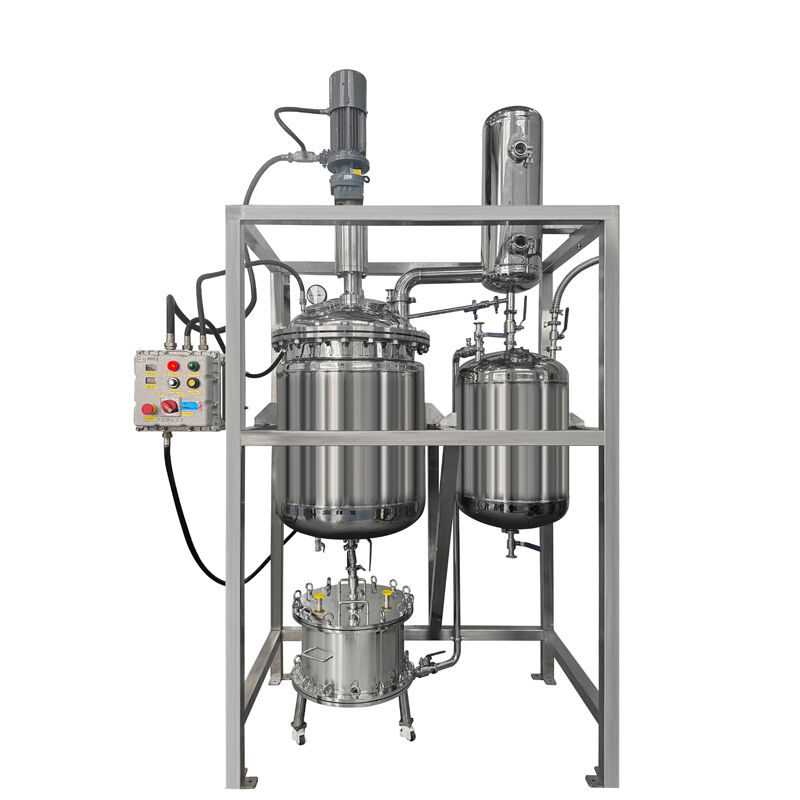
Advanced Chemical Plant Reactors: Superior Performance and Reliability for Industrial Processing

Get a Free Quote

Our representative will contact you soon.
Email
Name
Contact Number
Company Name
Message
0/1000

reactor in chemical plant

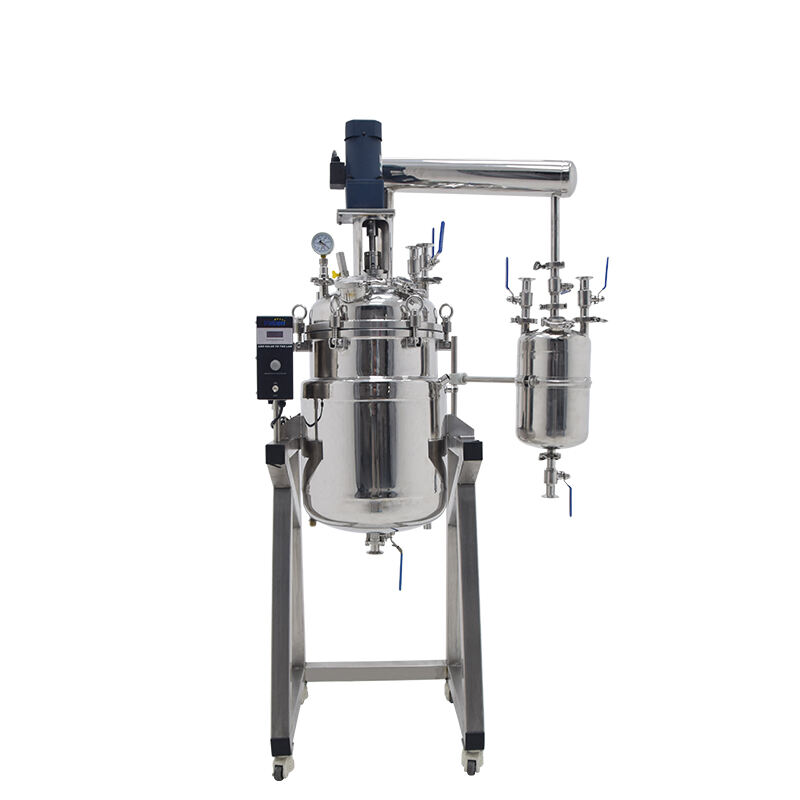
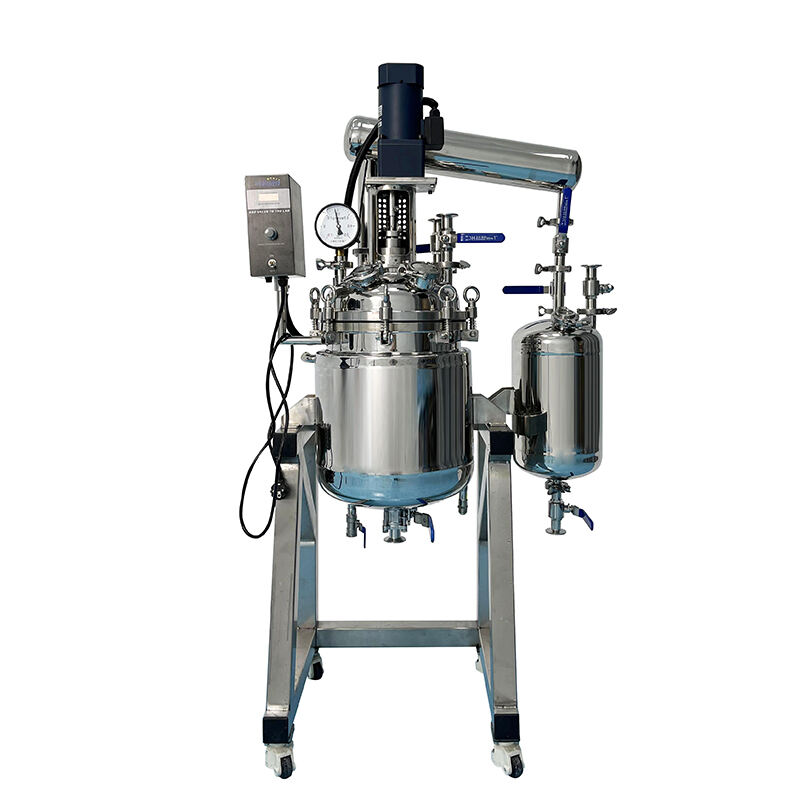
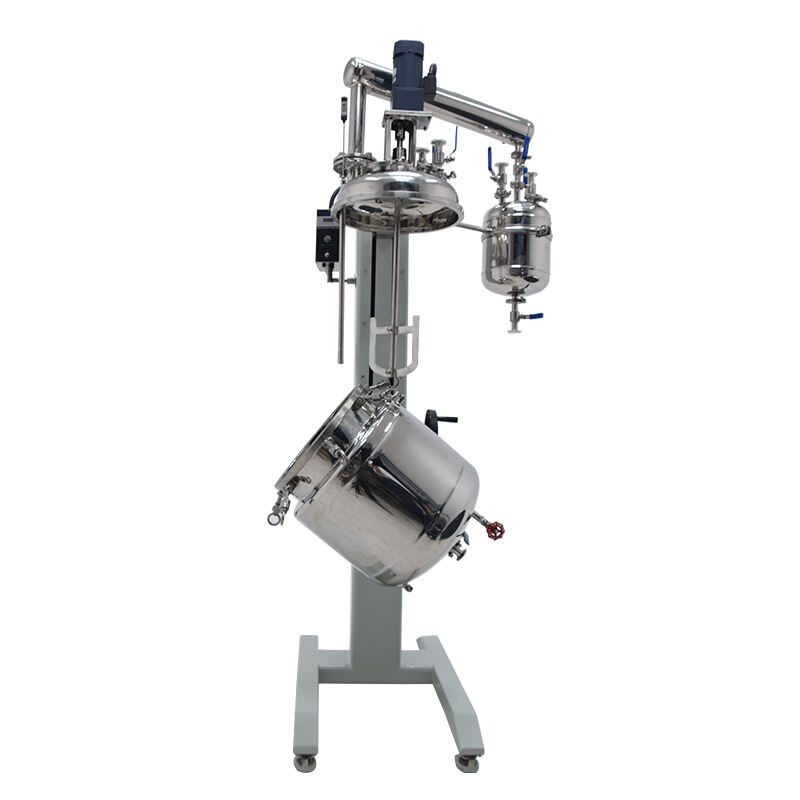
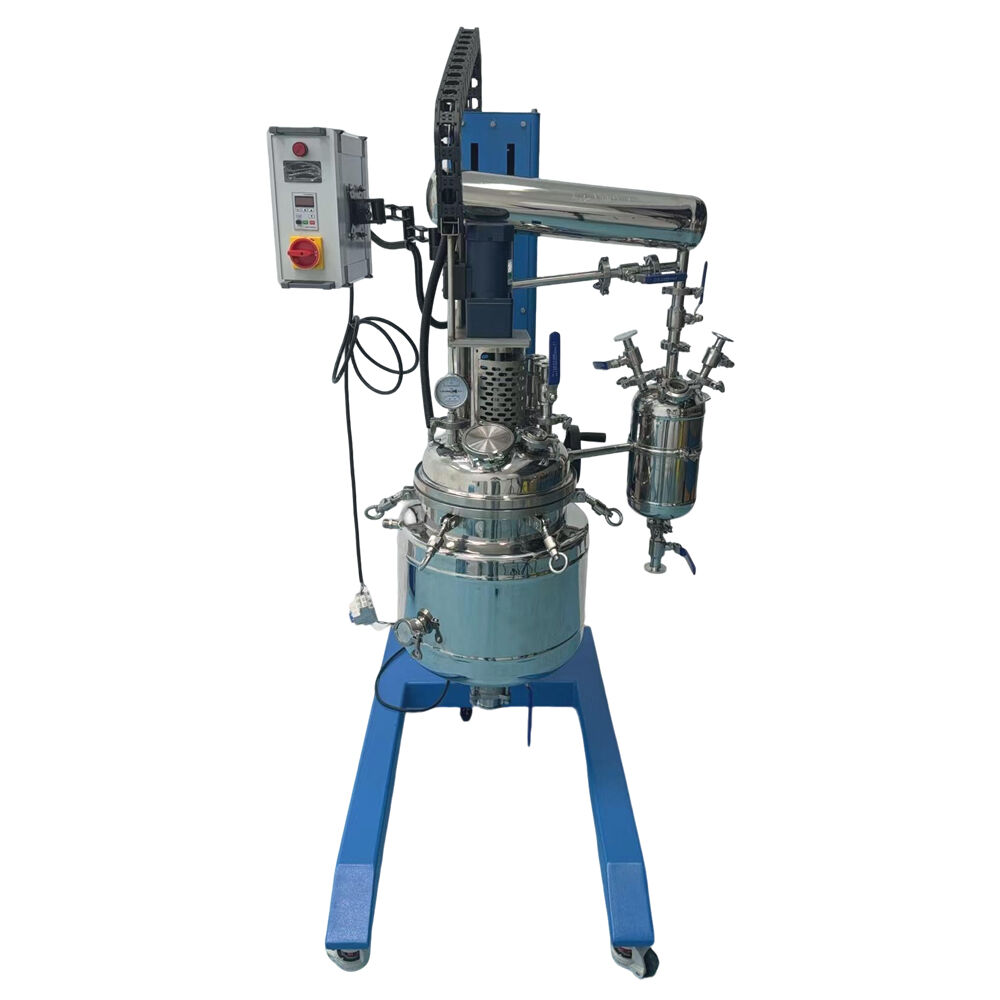
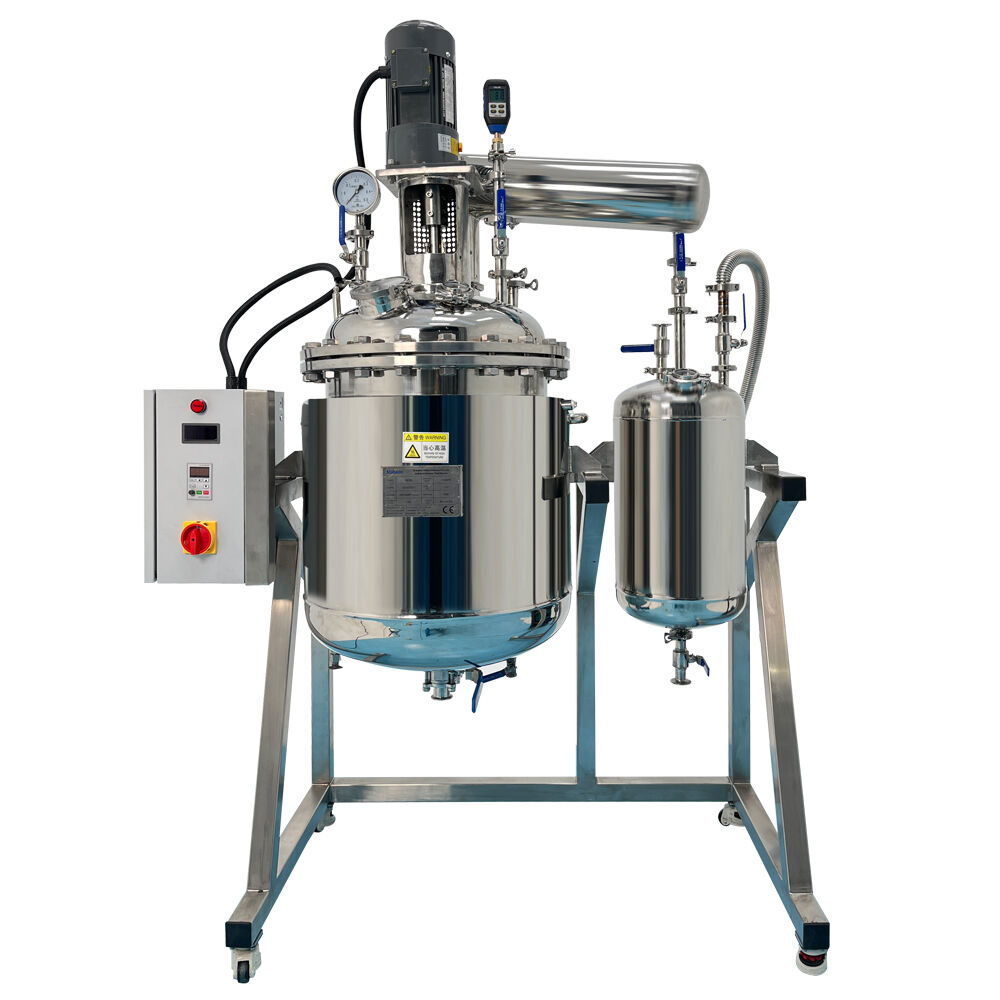
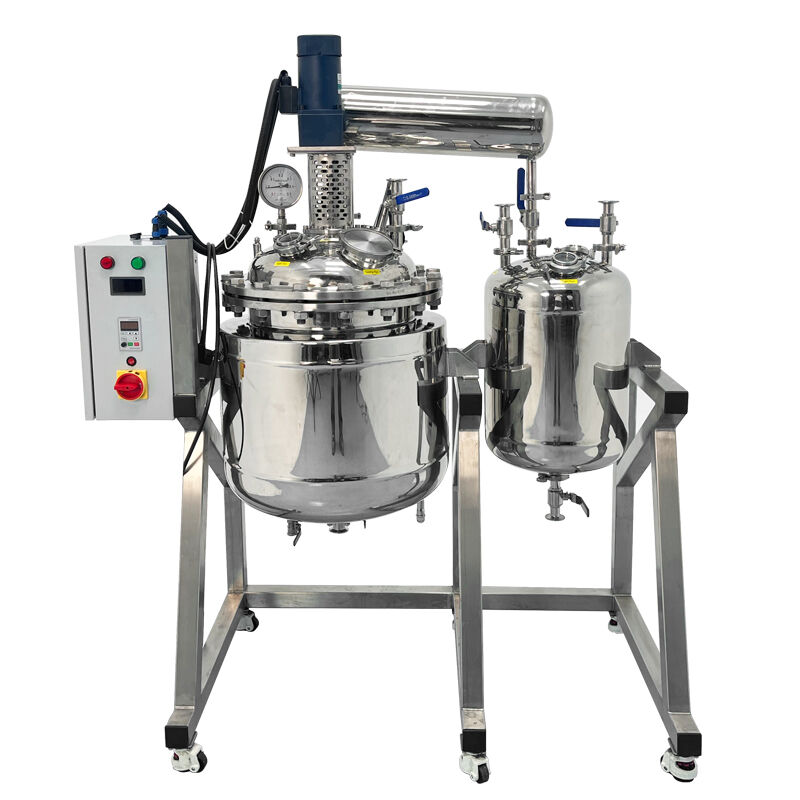
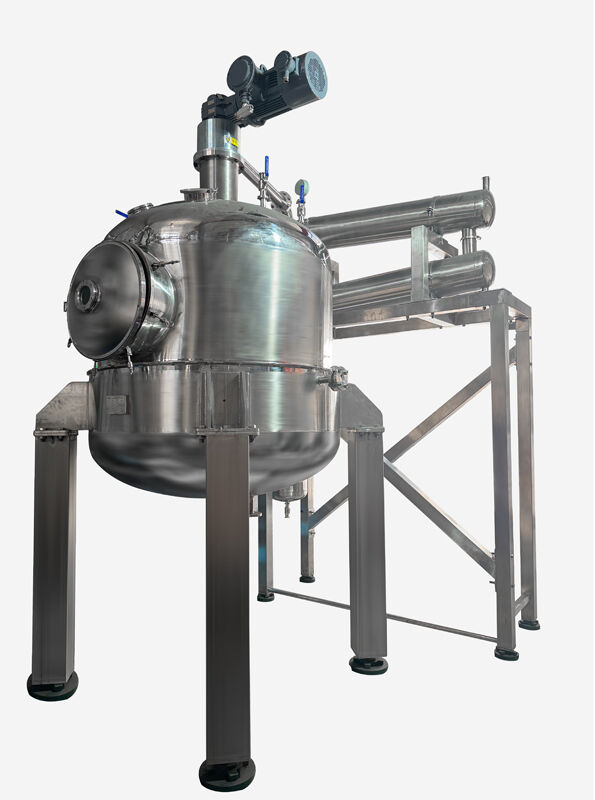
A reactor in chemical plant serves as the heart of industrial chemical processing, where raw materials undergo transformation through carefully controlled chemical reactions. These sophisticated vessels are engineered to provide optimal conditions for converting feedstock into valuable products through various reaction mechanisms including catalytic, thermal, and biochemical processes. The reactor in chemical plant operates under precisely monitored parameters such as temperature, pressure, residence time, and mixing intensity to ensure maximum conversion efficiency and product quality. Modern reactor designs incorporate advanced materials that resist corrosion and withstand extreme operating conditions, making them suitable for diverse chemical manufacturing applications. The reactor in chemical plant functions as a controlled environment where reactants are introduced, mixed, heated or cooled as required, and converted into desired products through specific reaction pathways. These units feature sophisticated control systems that maintain optimal reaction conditions, prevent dangerous situations, and ensure consistent product output. Safety mechanisms including pressure relief systems, emergency shutdown protocols, and continuous monitoring equipment are integral components of every reactor in chemical plant. The versatility of these systems allows for batch, semi-batch, or continuous operation modes depending on production requirements and reaction characteristics. Heat transfer capabilities are crucial features, with many reactors incorporating heating jackets, internal coils, or external heat exchangers to manage reaction temperatures effectively. The reactor in chemical plant design considers factors such as reaction kinetics, mass transfer limitations, and thermodynamic constraints to optimize performance and minimize operational costs while maximizing yield and selectivity.

New Product Recommendations

The reactor in chemical plant offers numerous practical benefits that directly impact operational efficiency and profitability for manufacturing facilities. These systems provide precise control over reaction conditions, enabling operators to achieve consistent product quality while minimizing waste and maximizing yield. The advanced monitoring capabilities built into modern reactor designs allow real-time adjustment of parameters, reducing the risk of batch failures and ensuring optimal resource utilization. Energy efficiency represents a major advantage, as the reactor in chemical plant incorporates heat recovery systems and optimized thermal management to reduce utility costs significantly. The robust construction and high-quality materials used in these vessels ensure extended service life, minimizing maintenance requirements and reducing total cost of ownership. Flexibility stands out as another key benefit, allowing manufacturers to adapt production to market demands by processing different feedstocks or producing various products within the same reactor system. Safety features integrated into the reactor in chemical plant design protect personnel and equipment while ensuring compliance with stringent environmental regulations. The scalability of these systems enables businesses to increase production capacity without major infrastructure changes, supporting growth and expansion plans effectively. Automated control systems reduce labor requirements and human error risks while improving overall operational reliability. The reactor in chemical plant delivers superior mixing performance, ensuring uniform reaction conditions throughout the vessel and eliminating hot spots or concentration gradients that could compromise product quality. Environmental benefits include reduced emissions, improved waste management, and enhanced process efficiency that supports sustainability goals. The standardized design and proven technology reduce implementation risks and startup time for new installations. Maintenance accessibility features simplify routine inspections and repairs, minimizing downtime and associated production losses. The reactor in chemical plant provides excellent return on investment through increased productivity, reduced operating costs, and improved product quality that commands premium market prices.

Tips And Tricks

Mastering the Art of Chemical Processing with Jacketed Stainless Steel Reactors

29

Oct

Mastering the Art of Chemical Processing with Jacketed Stainless Steel Reactors

Understanding Jacketed Stainless Steel Reactors: Design and Core Functionality What Are Jacketed Stainless Steel Reactors? Jacketed stainless steel reactors consist of a main reaction area inside what's called a jacket or outer shell. Between these ...
View More
What Are the Key Design Features of a High-Performance Stainless Steel Reactor

12

Nov

What Are the Key Design Features of a High-Performance Stainless Steel Reactor

High-performance stainless steel reactors represent the pinnacle of chemical processing equipment, combining robust construction with precision engineering to deliver reliable results across diverse industrial applications. These sophisticated vessel...
View More
How to Select a High Pressure Reactor for Industrial Chemical Synthesis?

24

Dec

How to Select a High Pressure Reactor for Industrial Chemical Synthesis?

Industrial chemical synthesis often requires precise control over reaction conditions, with pressure being one of the most critical parameters. A high pressure reactor serves as the cornerstone equipment for processes demanding elevated pressures, en...
View More
Rotary and Liftable Stainless Steel Reactor vs Fixed Reactor: Which Is Better?

20

Jan

Rotary and Liftable Stainless Steel Reactor vs Fixed Reactor: Which Is Better?

Modern industrial processing demands precision, efficiency, and adaptability in chemical reactions and material processing. The choice between a rotary and liftable stainless steel reactor versus a traditional fixed reactor represents a critical deci...
View More

Get a Free Quote

Our representative will contact you soon.
Email
Name
Contact Number
Company Name
Message
0/1000

reactor in chemical plant

Advanced Temperature and Pressure Control Systems

Advanced Temperature and Pressure Control Systems

The reactor in chemical plant incorporates state-of-the-art temperature and pressure control systems that revolutionize chemical processing operations by maintaining precise reaction conditions throughout the entire production cycle. These sophisticated control mechanisms utilize advanced sensors and automated feedback loops to monitor and adjust parameters in real-time, ensuring optimal reaction kinetics and maximum product yield. The temperature control system features multiple heating and cooling zones that can be independently regulated, allowing for complex reaction profiles that require varying thermal conditions at different stages. This capability is particularly valuable for multi-step reactions or processes where temperature ramping is critical for achieving desired selectivity and conversion rates. The pressure control system maintains optimal reactor conditions while incorporating safety relief mechanisms that prevent dangerous over-pressurization scenarios. The integration of these control systems with plant-wide automation networks enables seamless coordination with upstream and downstream processes, optimizing overall plant efficiency. The reactor in chemical plant benefits from predictive control algorithms that anticipate process changes and make proactive adjustments, reducing variability and improving product consistency. The precision of these control systems directly translates to improved product quality, reduced off-specification material, and enhanced process safety. Operators can easily configure and monitor these systems through intuitive human-machine interfaces that provide comprehensive process visualization and diagnostic capabilities. The advanced control systems also support remote monitoring and operation, enabling expert oversight and troubleshooting from central control rooms or even off-site locations. This technology reduces the need for manual interventions, minimizes human error risks, and ensures consistent operation regardless of operator skill level variations. The reactor in chemical plant control systems are designed with redundancy and fail-safe mechanisms to maintain operation even during component failures, ensuring uninterrupted production and protecting valuable batches from loss.
Superior Mixing and Mass Transfer Performance

Superior Mixing and Mass Transfer Performance

The reactor in chemical plant excels in providing exceptional mixing and mass transfer performance through innovative design features that ensure uniform distribution of reactants and optimal contact between phases. The advanced impeller systems and internal configurations create controlled fluid dynamics that eliminate dead zones and promote efficient mass and heat transfer throughout the entire reactor volume. This superior mixing capability is essential for achieving complete conversion of reactants and preventing the formation of unwanted byproducts that can occur in poorly mixed systems. The reactor in chemical plant utilizes computational fluid dynamics modeling during the design phase to optimize internal geometries and flow patterns, resulting in enhanced mixing efficiency and reduced power consumption. The mixing systems are scalable and can be customized to handle various fluid properties, from low-viscosity liquids to highly viscous solutions or multi-phase systems containing solids, liquids, and gases. The enhanced mass transfer performance directly correlates to faster reaction rates and improved selectivity, enabling shorter reaction times and increased productivity. The reactor in chemical plant mixing systems are designed to accommodate different operational modes, including batch, fed-batch, and continuous processes, providing flexibility to adapt to changing production requirements. The optimized fluid flow patterns also contribute to more uniform temperature distribution, reducing hot spots that could lead to unwanted side reactions or product degradation. The superior mixing performance enables the use of higher concentrations of reactants, improving space-time yields and reducing the overall footprint of the production facility. The reactor in chemical plant incorporates advanced mixing monitoring systems that provide real-time feedback on mixing effectiveness, allowing operators to optimize conditions for each specific application. The efficient mixing reduces the formation of concentration gradients that can negatively impact product quality and yield, ensuring consistent results across all production batches. The enhanced mass transfer capabilities are particularly beneficial for gas-liquid reactions, where improved gas dispersion and longer residence times lead to better absorption and reaction efficiency.
Exceptional Durability and Low Maintenance Requirements

Exceptional Durability and Low Maintenance Requirements

The reactor in chemical plant demonstrates exceptional durability through robust construction using premium materials specifically selected to withstand harsh chemical environments and extreme operating conditions over extended periods. The vessel construction employs high-grade stainless steel, specialized alloys, or advanced composite materials that resist corrosion, erosion, and chemical attack from aggressive reactants and products. This superior material selection ensures long-term reliability and minimizes the risk of unexpected failures that could disrupt production schedules and compromise safety. The reactor in chemical plant features reinforced designs that accommodate thermal cycling, pressure fluctuations, and mechanical stresses without compromising structural integrity. The low maintenance requirements result from careful engineering that eliminates wear points and incorporates self-cleaning mechanisms that prevent buildup of deposits or fouling materials. The accessibility features built into the reactor design facilitate routine inspections and maintenance activities, reducing downtime and maintenance costs while ensuring optimal performance throughout the equipment lifecycle. The reactor in chemical plant utilizes advanced surface treatments and coatings that provide additional protection against chemical attack and reduce the frequency of maintenance interventions. The modular design approach enables targeted replacement of specific components without requiring complete system shutdown, minimizing production losses and maintenance expenses. The predictive maintenance capabilities integrated into modern reactor systems monitor equipment condition and provide early warning of potential issues, allowing for planned maintenance during scheduled shutdowns rather than emergency repairs. The reactor in chemical plant incorporates proven mechanical designs with extensive operational history, reducing the risk of premature failures and ensuring reliable long-term performance. The quality construction and materials selection result in equipment that often exceeds design life expectations, providing excellent return on investment and supporting long-term business planning. The standardized components and widely available spare parts reduce maintenance complexity and ensure rapid availability of replacement items when needed. The reactor in chemical plant maintenance requirements are further reduced through intelligent design features that minimize operator interventions and automate routine functions, allowing maintenance resources to be focused on value-added activities rather than routine operational tasks.

Get a Free Quote

Our representative will contact you soon.
Email
Name
Contact Number
Company Name
Message
0/1000