Complete Guide to Chemical Industry Reactors: Advanced Technology Solutions for Optimal Production

Get a Free Quote

Our representative will contact you soon.
Email
Name
Contact Number
Company Name
Message
0/1000

reactors in chemical industry

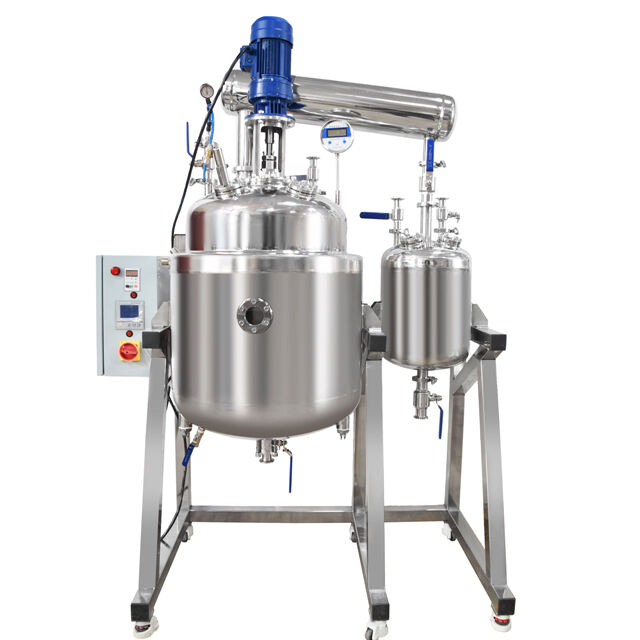
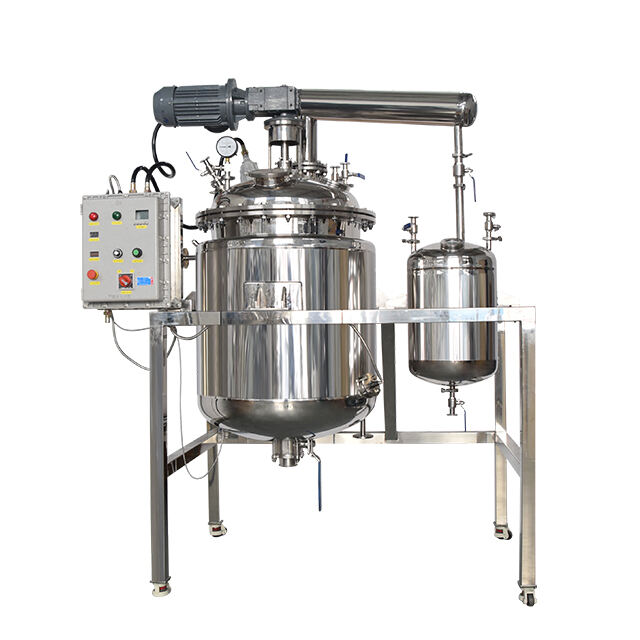
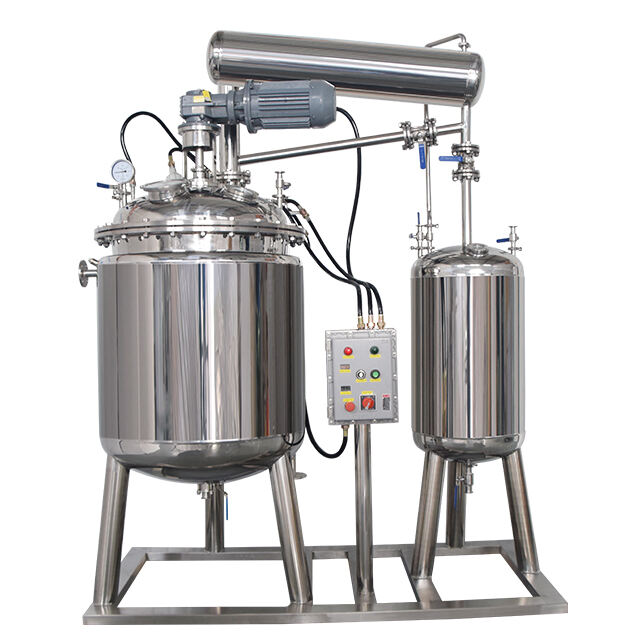
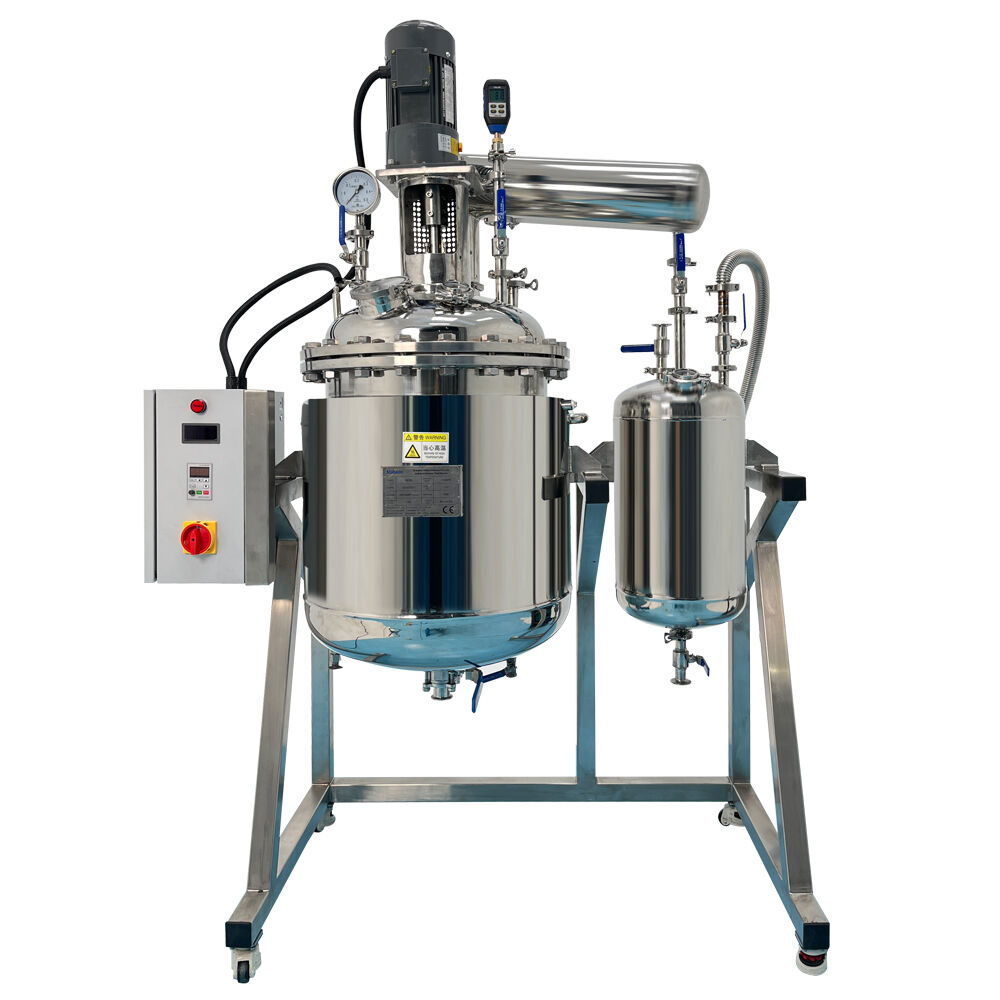
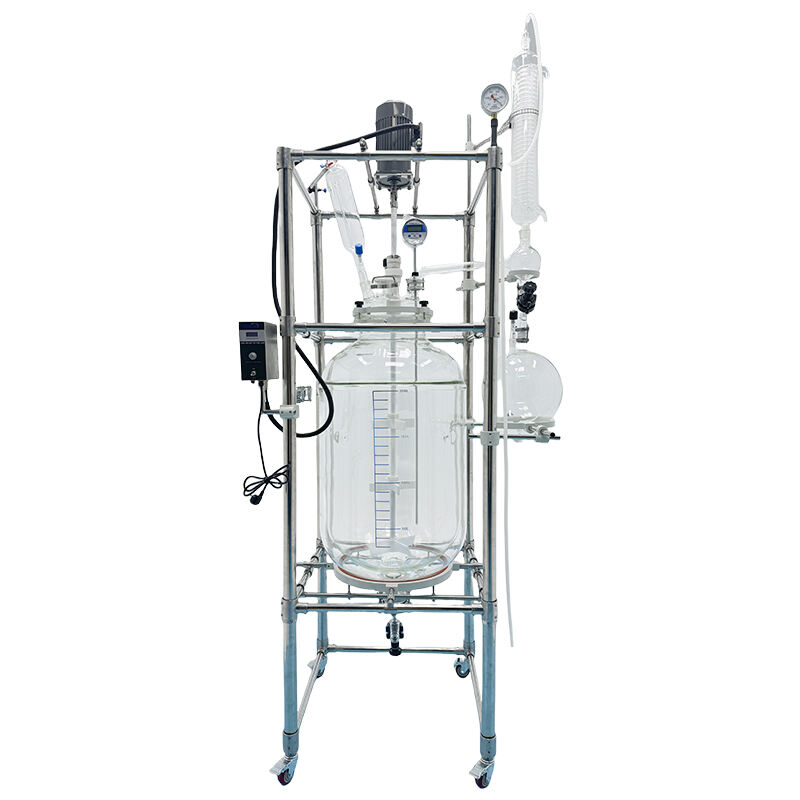
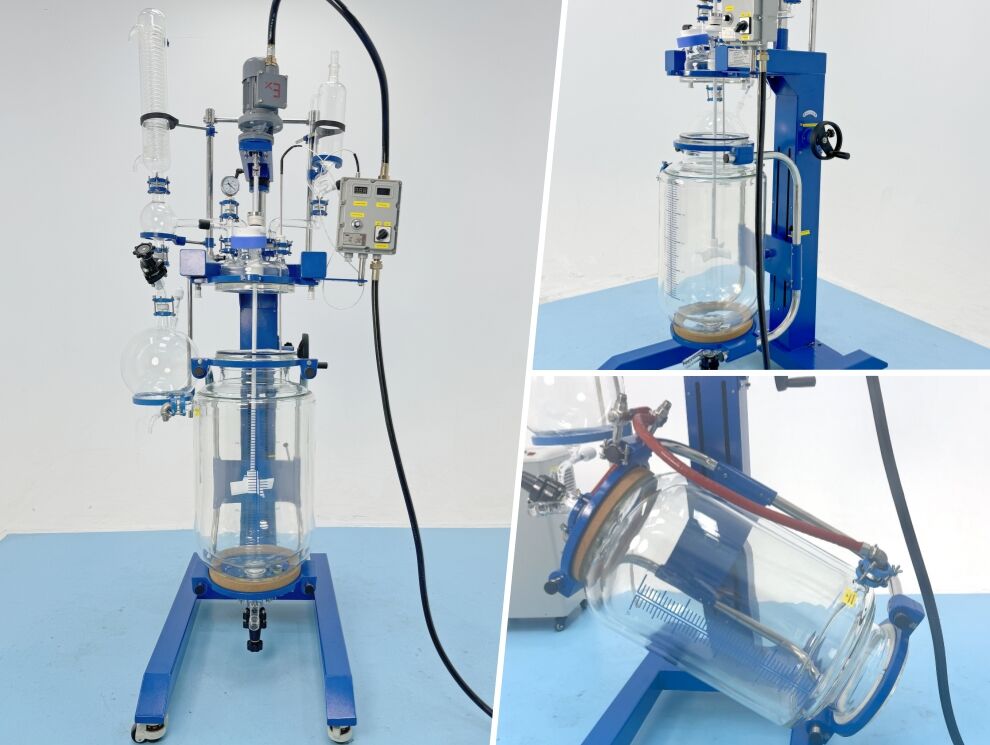
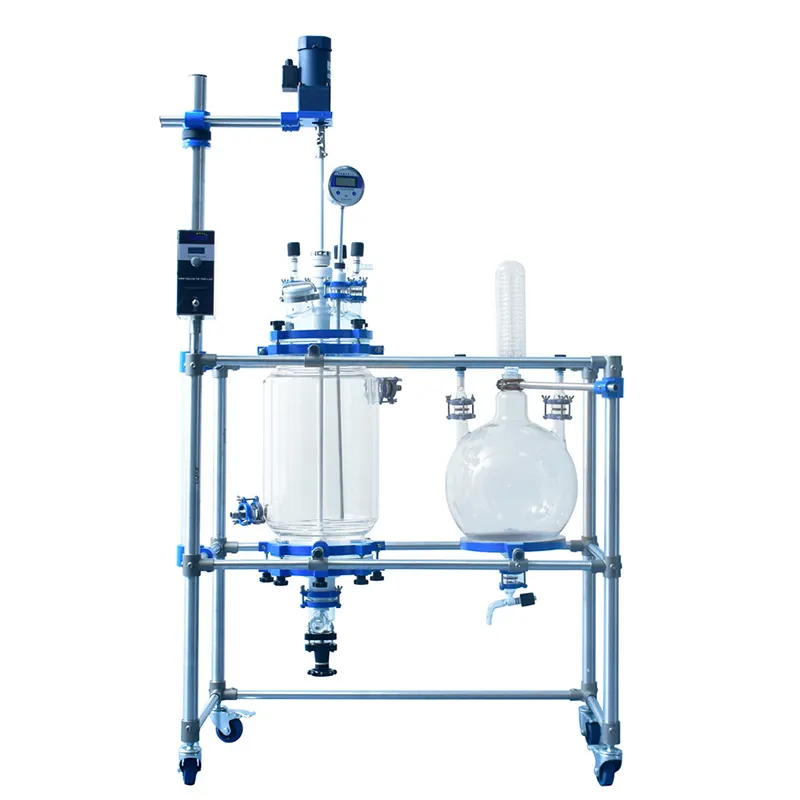
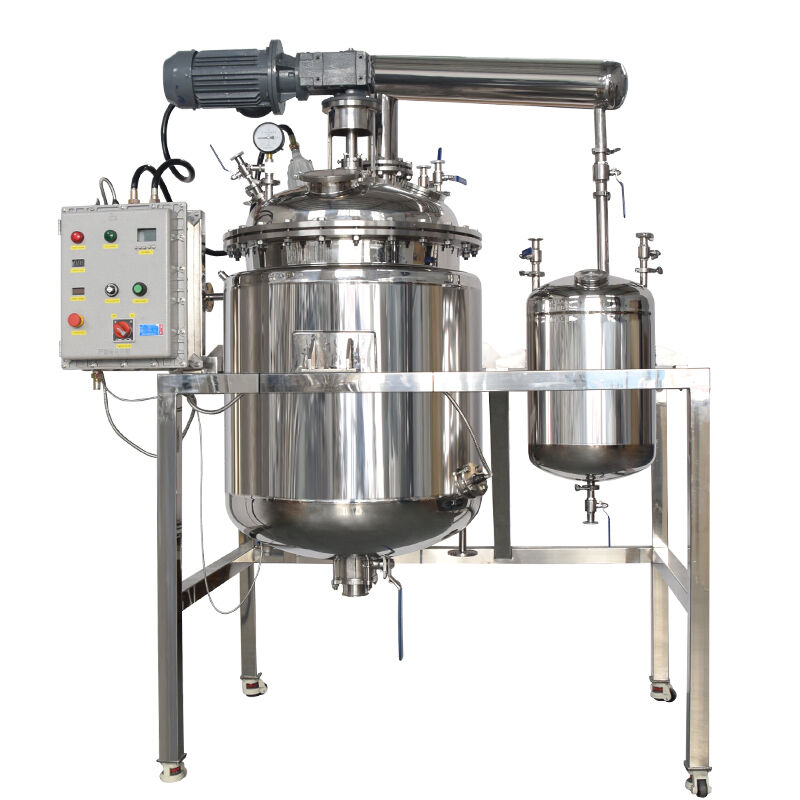
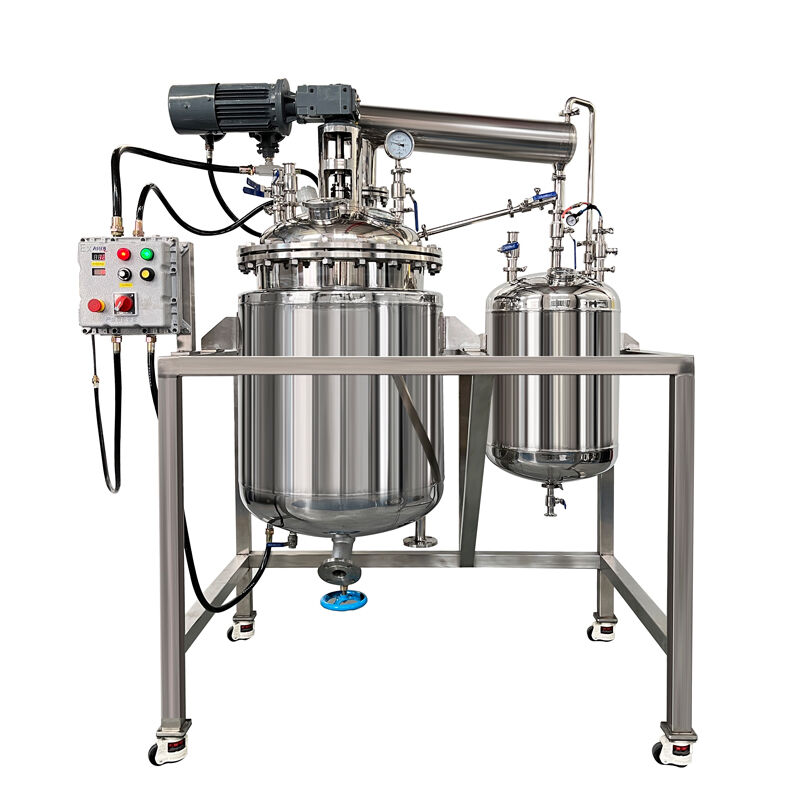
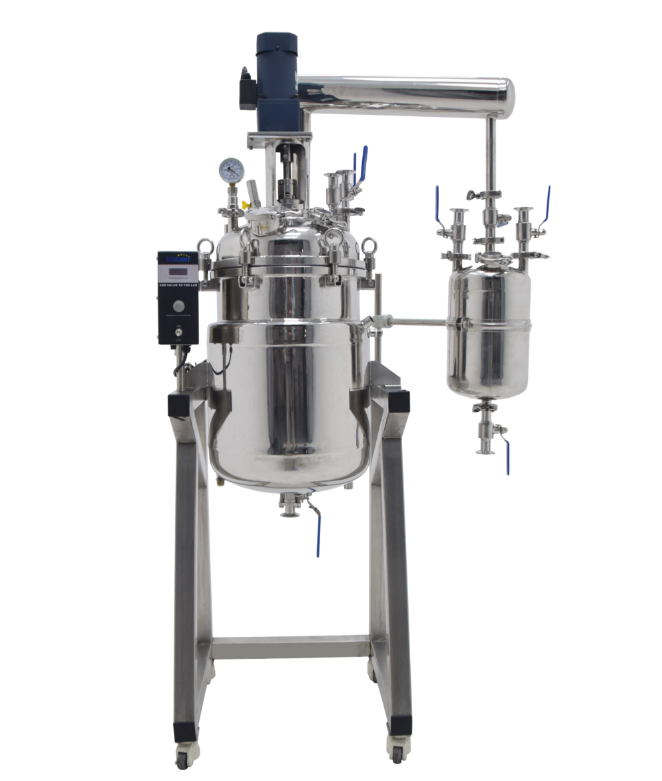
Reactors in chemical industry serve as the fundamental cornerstone of modern manufacturing processes, functioning as sophisticated vessels where raw materials undergo controlled chemical transformations to produce desired products. These essential components represent the heart of any chemical production facility, where precise temperature, pressure, and mixing conditions enable complex molecular reactions to occur efficiently and safely. The primary functions of reactors in chemical industry encompass facilitating controlled chemical reactions, maintaining optimal operating conditions, ensuring uniform mixing of reactants, and providing safe containment for potentially hazardous processes. These versatile systems accommodate various reaction types, including catalytic processes, polymerization reactions, crystallization procedures, and biochemical transformations. Technological features of modern reactors in chemical industry incorporate advanced materials of construction, sophisticated control systems, and innovative design elements that maximize productivity while minimizing environmental impact. Heat exchange capabilities allow precise temperature regulation through integrated cooling or heating systems, while automated monitoring ensures consistent product quality. Pressure management systems enable operations under vacuum or elevated pressure conditions, expanding the range of possible chemical processes. Applications of reactors in chemical industry span numerous sectors, from pharmaceutical manufacturing and petrochemical processing to food production and environmental remediation. In pharmaceutical applications, these systems enable the synthesis of active pharmaceutical ingredients under sterile conditions with exceptional purity requirements. Petrochemical facilities utilize large-scale reactors in chemical industry for refining crude oil and producing various chemical intermediates. Food processing industries employ specialized reactor designs for fermentation processes and enzymatic reactions. Environmental applications include wastewater treatment and air pollution control systems. The versatility of reactors in chemical industry extends to specialty chemical production, where customized designs accommodate unique process requirements and ensure optimal product characteristics while maintaining operational safety and efficiency standards.

Popular Products

Reactors in chemical industry provide substantial cost savings through efficient resource utilization and optimized production processes that minimize waste generation while maximizing yield. These systems reduce operational expenses by integrating multiple process steps within a single unit, eliminating the need for separate equipment and reducing facility footprint requirements. Energy efficiency represents a major advantage, as modern reactors in chemical industry incorporate heat recovery systems that capture and reuse thermal energy, significantly lowering utility costs. This energy optimization translates directly into improved profit margins and enhanced competitiveness in global markets. Safety benefits constitute another critical advantage, as reactors in chemical industry feature comprehensive containment systems that protect personnel from exposure to hazardous materials and prevent environmental contamination. Advanced safety interlocks and emergency shutdown systems minimize the risk of accidents, reducing insurance costs and regulatory compliance expenses. Quality consistency emerges as a key benefit, with precise control systems ensuring uniform product characteristics batch after batch. This reliability eliminates costly product recalls and maintains customer satisfaction levels. Scalability advantages enable manufacturers to adjust production capacity based on market demand without requiring complete system redesign. Reactors in chemical industry can be modified or expanded to accommodate increased throughput, providing operational flexibility that supports business growth. Environmental compliance becomes achievable through integrated emission control systems that reduce pollutant releases and support sustainable manufacturing practices. Maintenance efficiency represents another significant advantage, as modular designs facilitate easy access to critical components, reducing downtime and maintenance costs. Automated cleaning systems minimize manual intervention while ensuring optimal hygiene standards. Process automation capabilities reduce labor requirements while improving operational consistency and reducing human error potential. Data collection and analysis features enable continuous process optimization, identifying opportunities for further efficiency improvements. These comprehensive advantages make reactors in chemical industry essential investments for any organization seeking to optimize manufacturing operations while maintaining safety, quality, and environmental responsibility standards.

Latest News

What Industries Benefit Most From Advanced Fractional Distillation Systems?

24

Dec

What Industries Benefit Most From Advanced Fractional Distillation Systems?

Industrial separation processes have evolved significantly over the past century, with fractional distillation equipment emerging as one of the most critical technologies for achieving high-purity separations. This sophisticated process leverages dif...
View More
How to Select a Crystallization Reactor for Pharmaceutical Crystallization?

24

Dec

How to Select a Crystallization Reactor for Pharmaceutical Crystallization?

Selecting the right crystallization reactor for pharmaceutical manufacturing requires careful consideration of multiple technical and operational factors that directly impact product quality, yield, and process efficiency. The pharmaceutical industry...
View More
What Are the Key Advantages of a Rotary and Liftable Stainless Steel Reactor?

20

Jan

What Are the Key Advantages of a Rotary and Liftable Stainless Steel Reactor?

Modern industrial processing demands equipment that combines efficiency, versatility, and durability. A rotary and liftable stainless steel reactor represents a significant advancement in chemical processing technology, offering manufacturers the fle...
View More
How Does a Stainless Steel Reactor Support Customization and Scale-Up?

20

Jan

How Does a Stainless Steel Reactor Support Customization and Scale-Up?

The chemical processing industry faces constant pressure to optimize production while maintaining safety and quality standards. A stainless steel reactor serves as the cornerstone of countless manufacturing operations, providing the durability and ve...
View More

Get a Free Quote

Our representative will contact you soon.
Email
Name
Contact Number
Company Name
Message
0/1000

reactors in chemical industry

Advanced Process Control and Automation Systems

Advanced Process Control and Automation Systems

Modern reactors in chemical industry incorporate sophisticated process control and automation systems that revolutionize manufacturing efficiency and product quality management. These cutting-edge technological features enable precise monitoring and adjustment of critical process parameters, including temperature, pressure, flow rates, and chemical concentrations, ensuring optimal reaction conditions throughout the entire production cycle. The automation systems utilize advanced sensors and real-time data analysis to maintain consistent operating conditions, automatically adjusting variables to compensate for any deviations from predetermined setpoints. This level of control precision significantly reduces product variability and enhances overall quality consistency, which is particularly crucial in pharmaceutical and specialty chemical applications where strict quality standards must be maintained. The integrated control systems feature user-friendly interfaces that provide operators with comprehensive visibility into all aspects of the reaction process, enabling quick identification and resolution of potential issues before they impact production. Advanced alarm systems and safety interlocks provide multiple layers of protection, automatically implementing corrective actions or emergency shutdown procedures when necessary. Data logging capabilities capture extensive process information that supports regulatory compliance requirements and enables continuous process optimization through detailed analysis of operational trends. Remote monitoring capabilities allow technical experts to oversee multiple reactors in chemical industry from centralized control rooms, improving operational efficiency and reducing staffing requirements. The automation systems also facilitate seamless integration with enterprise resource planning systems, enabling real-time production scheduling and inventory management. Predictive maintenance features analyze equipment performance data to identify potential maintenance needs before equipment failures occur, minimizing unplanned downtime and extending equipment lifespan. These comprehensive control and automation capabilities provide customers with unprecedented operational visibility and control, resulting in improved productivity, reduced operating costs, and enhanced product quality that meets the most demanding industry specifications.
Versatile Design Configurations and Customization Options

Versatile Design Configurations and Customization Options

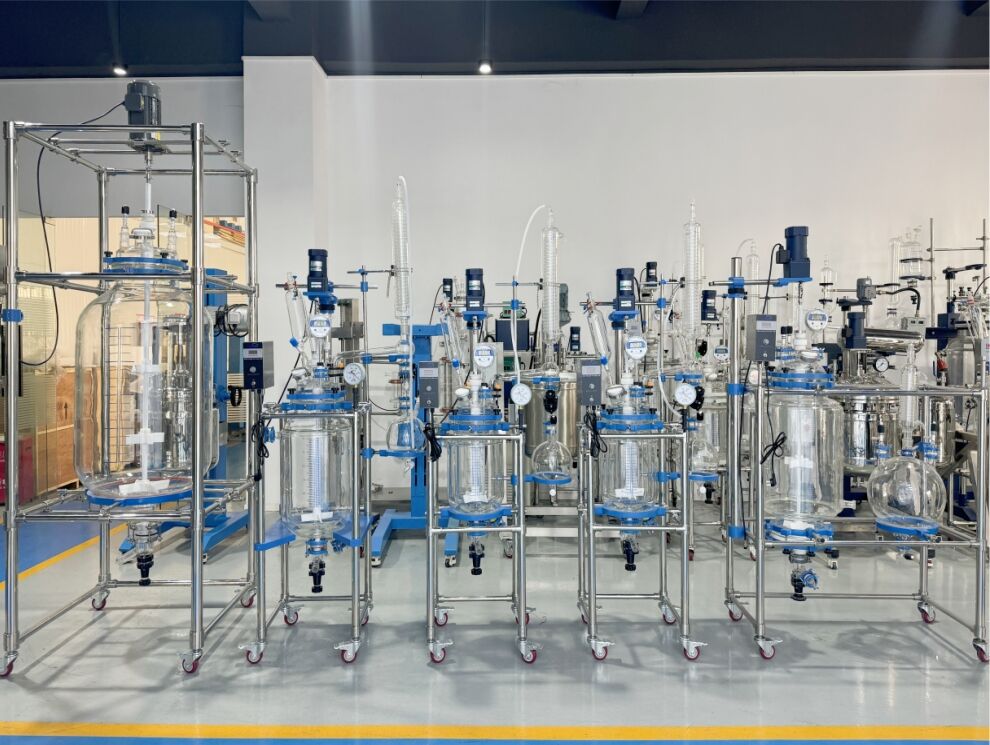
Reactors in chemical industry offer exceptional versatility through diverse design configurations and extensive customization options that accommodate virtually any chemical process requirement, from small-scale research applications to large-scale industrial production. This adaptability represents a significant value proposition for customers who require specific solutions tailored to their unique process needs and operational constraints. The design flexibility encompasses various reactor geometries, including stirred tank configurations, tubular designs, fluidized bed systems, and fixed bed arrangements, each optimized for different reaction types and process requirements. Material selection options include stainless steel, exotic alloys, glass-lined surfaces, and specialized coatings that provide compatibility with corrosive chemicals, extreme temperatures, and demanding operating conditions. Heat transfer systems can be customized with internal coils, external jackets, or integrated heat exchangers to provide precise temperature control for exothermic or endothermic reactions. Mixing systems offer multiple agitation options, from simple paddle mixers to complex multi-stage impeller configurations that ensure optimal mass transfer and reaction uniformity. Pressure rating options accommodate processes ranging from vacuum applications to high-pressure synthesis reactions, with specialized sealing systems that maintain integrity under extreme conditions. Instrumentation packages can be tailored to include specific analytical equipment, sampling systems, and monitoring devices required for particular applications. Size scaling capabilities enable customers to specify reactor volumes ranging from laboratory-scale units to massive industrial vessels, with consistent performance characteristics maintained across all sizes. Modular construction approaches allow for future expansion or modification without requiring complete system replacement. Specialized features such as inert atmosphere capabilities, sterile processing options, and explosion-proof classifications can be integrated to meet specific safety and regulatory requirements. This extensive customization capability ensures that customers receive reactors in chemical industry that perfectly match their process requirements, operational preferences, and performance objectives while providing the flexibility to adapt to changing production needs over time.

Enhanced Safety Features and Environmental Compliance

Enhanced Safety Features and Environmental Compliance

Safety and environmental compliance represent paramount concerns in modern chemical manufacturing, and reactors in chemical industry incorporate comprehensive safety features and environmental protection systems that exceed industry standards while providing customers with peace of mind and regulatory compliance assurance. Multiple containment systems create layers of protection against potential leaks or releases, including primary vessel integrity, secondary containment structures, and emergency collection systems that prevent environmental contamination. Advanced pressure relief systems utilize sophisticated rupture disks and safety valves that activate precisely when predetermined pressure limits are reached, safely venting excess pressure while preventing vessel failure. Temperature monitoring and emergency cooling systems provide rapid response capabilities to prevent runaway reactions or thermal decomposition events that could pose safety risks. Explosion prevention measures include inert gas blanketing systems, static electricity elimination equipment, and spark-proof construction materials that minimize ignition risks in volatile environments. Personnel protection features encompass enclosed operator stations, emergency shower and eyewash facilities, and comprehensive ventilation systems that maintain safe working conditions. Fire suppression systems utilize appropriate extinguishing agents specific to the chemicals being processed, with automatic activation capabilities and manual override options. Environmental compliance features include vapor recovery systems that capture and treat emissions before release, preventing air pollution and meeting stringent regulatory requirements. Wastewater treatment capabilities ensure that any liquid effluents meet discharge standards, protecting groundwater and surface water resources. Noise reduction technologies minimize acoustic emissions, supporting community relations and worker comfort. Emergency response capabilities include automatic shutdown systems, emergency communication networks, and coordinated response procedures that enable rapid containment of any incidents. Regular safety inspections and maintenance programs ensure continued compliance with evolving safety standards and regulatory requirements. Comprehensive documentation and training support help customers maintain proper safety protocols and regulatory compliance throughout the equipment lifecycle. These extensive safety and environmental features demonstrate the commitment of reactors in chemical industry manufacturers to protecting personnel, communities, and the environment while enabling customers to operate with confidence and maintain their social responsibility commitments.

Get a Free Quote

Our representative will contact you soon.
Email
Name
Contact Number
Company Name
Message
0/1000