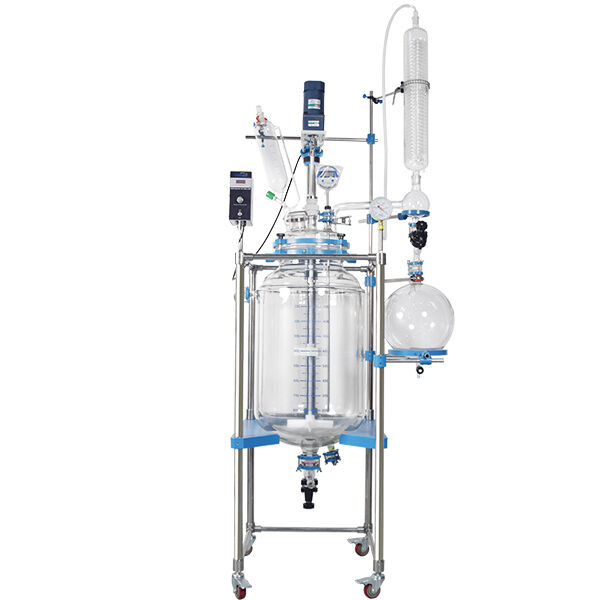
Advanced Chemical Reactor Systems: Precision Control and Optimization for Industrial Applications

Get a Free Quote

Our representative will contact you soon.
Email
Name
Contact Number
Company Name
Message
0/1000

reactor in chemistry

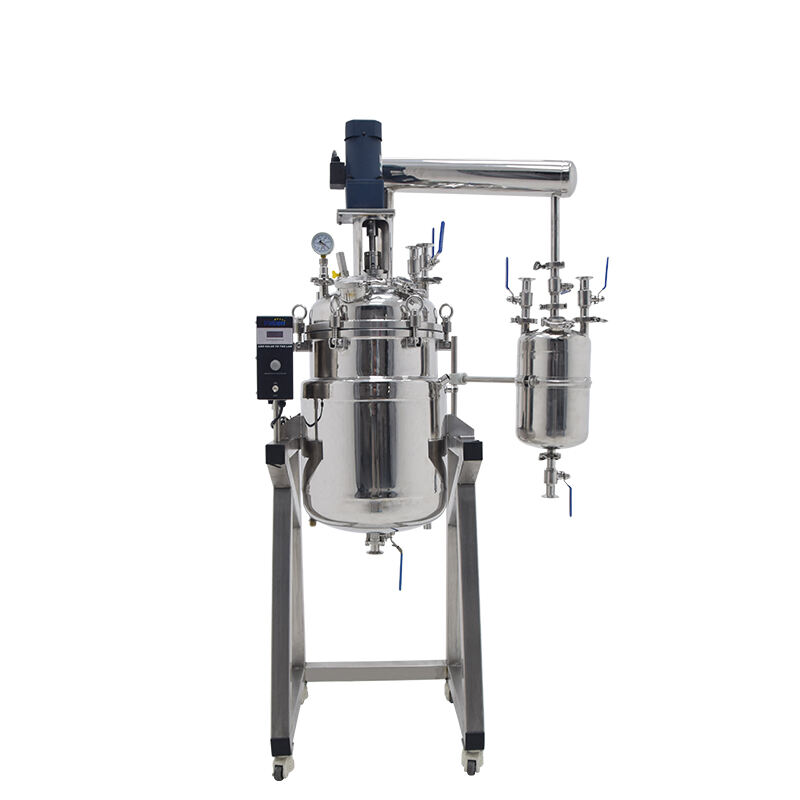
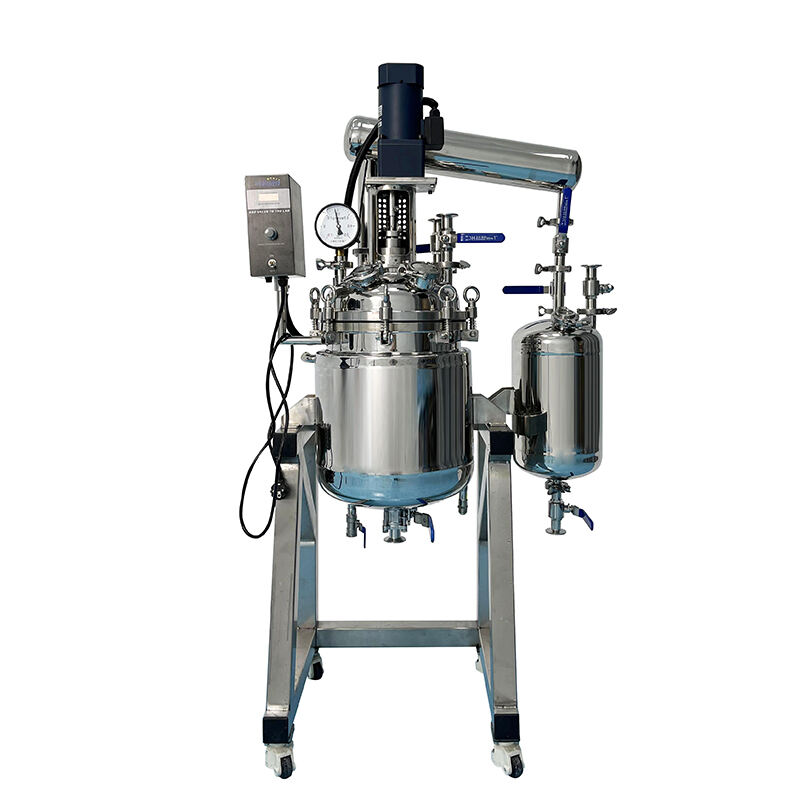
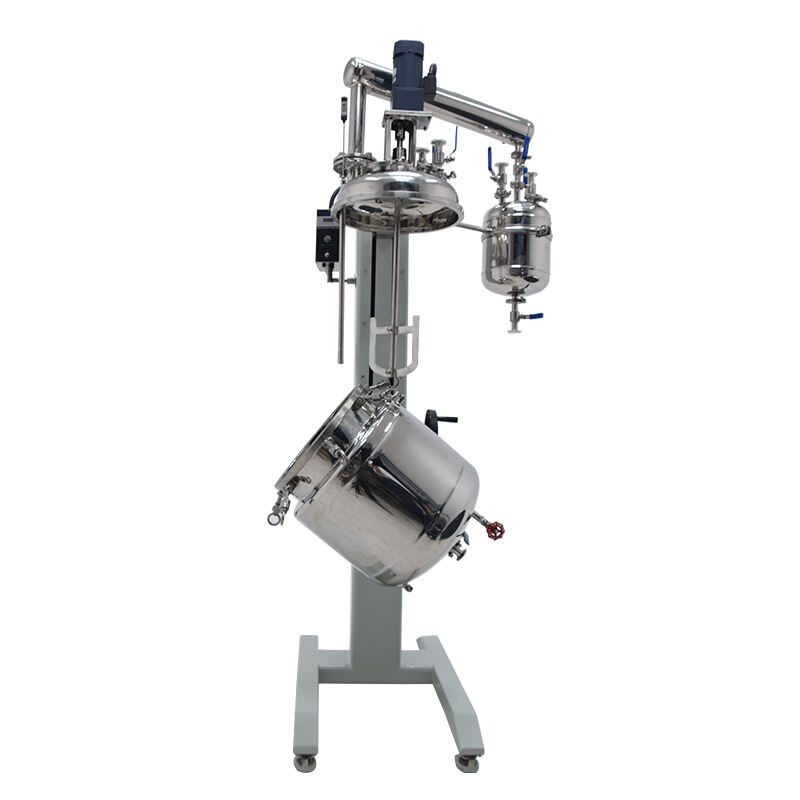
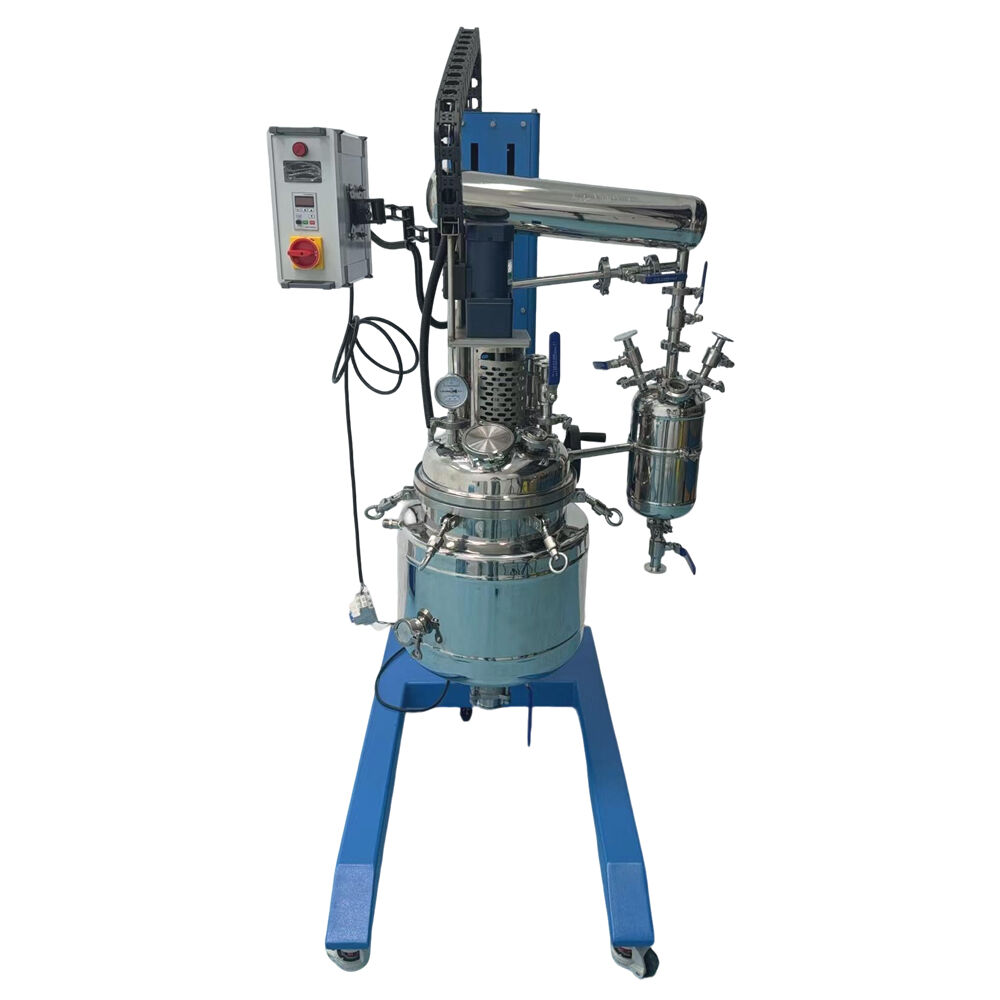
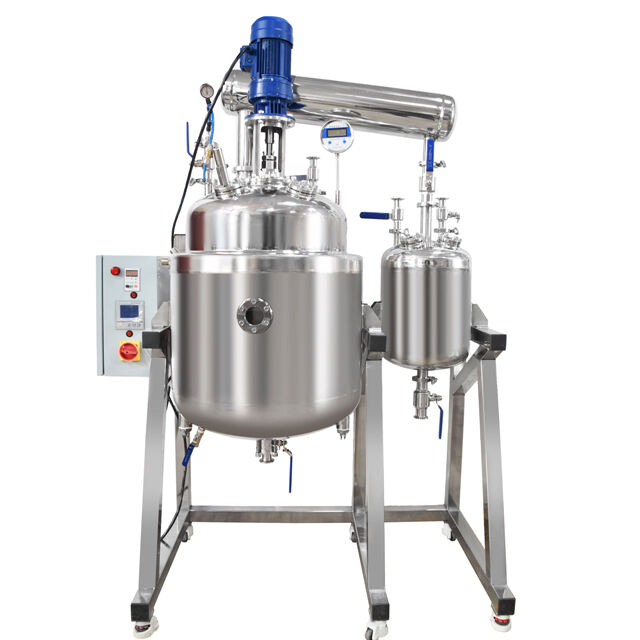
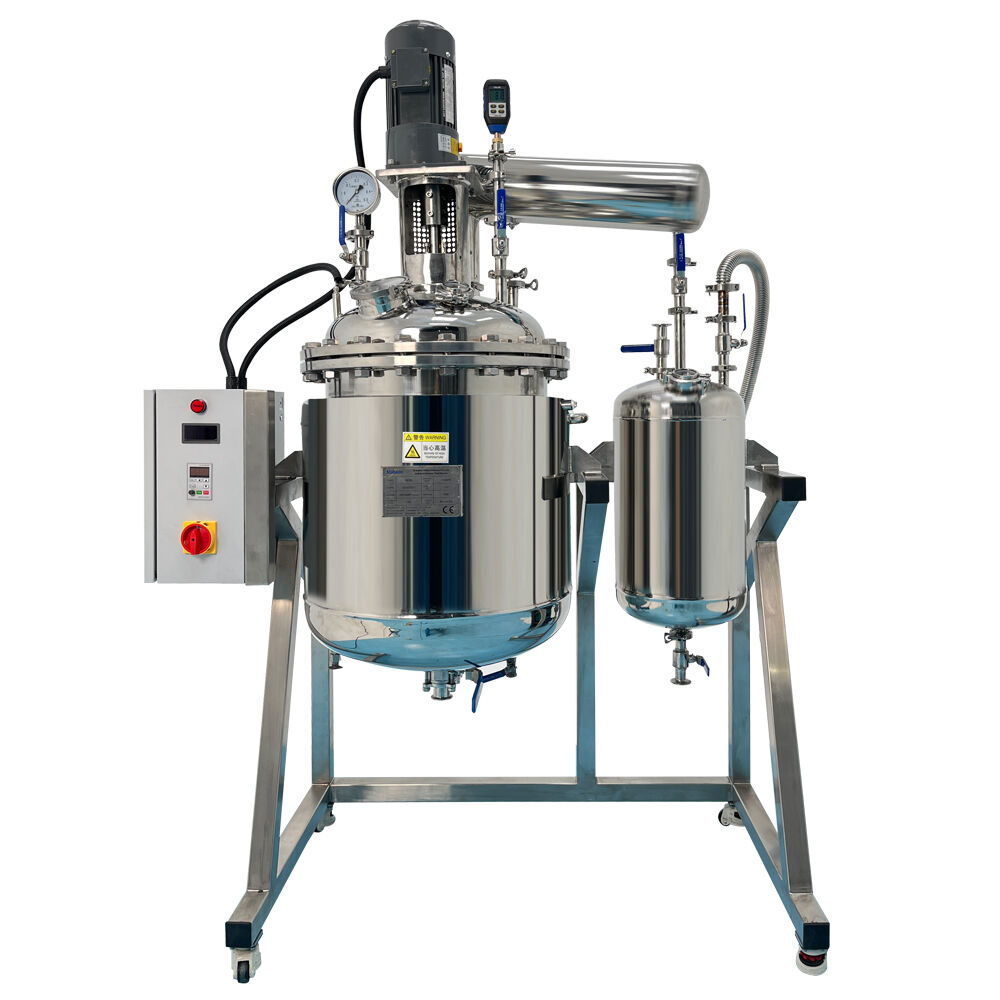
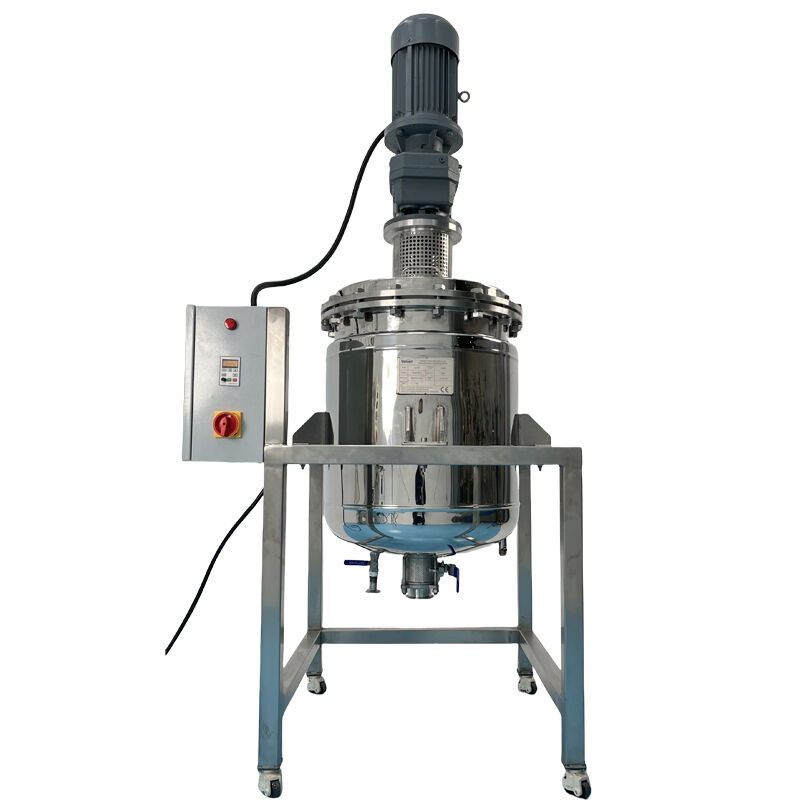
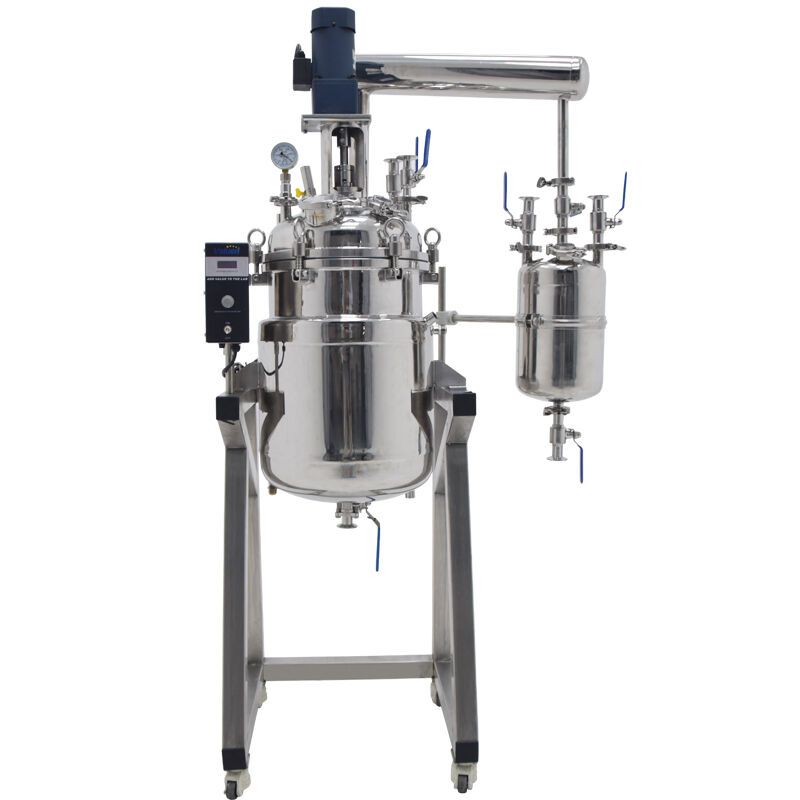
A reactor in chemistry represents a fundamental piece of equipment designed to facilitate and control chemical reactions under specific conditions. These sophisticated vessels serve as the heart of chemical processes, providing a controlled environment where reactants can be transformed into desired products through precise manipulation of temperature, pressure, mixing, and residence time. Chemical reactors come in various configurations, from simple batch reactors to complex continuous flow systems, each engineered to optimize reaction efficiency and product quality. The primary function of a reactor in chemistry involves creating optimal conditions for chemical transformations while ensuring safety, reproducibility, and economic viability. Modern chemical reactors incorporate advanced monitoring systems, temperature control mechanisms, and automated feeding systems that allow operators to maintain precise control over reaction parameters. These systems feature robust construction materials selected for chemical compatibility and durability, ensuring long-term reliability in demanding industrial environments. The technological features of contemporary chemical reactors include sophisticated heat exchange systems for precise temperature management, advanced mixing mechanisms to ensure uniform reactant distribution, and integrated safety systems that prevent hazardous conditions. Many reactors incorporate real-time monitoring capabilities through sensors that track pH, temperature, pressure, and composition changes throughout the reaction process. Applications of chemical reactors span numerous industries including pharmaceuticals, petrochemicals, specialty chemicals, food processing, and environmental treatment. In pharmaceutical manufacturing, reactors enable the synthesis of active pharmaceutical ingredients under sterile conditions with precise control over reaction stoichiometry. The petrochemical industry relies on large-scale reactors for refining operations and polymer production. Environmental applications include wastewater treatment reactors that facilitate biological and chemical treatment processes. The versatility of chemical reactors makes them indispensable tools for both research and commercial production, enabling scientists and engineers to scale processes from laboratory bench-top experiments to full industrial production while maintaining consistent product quality and reaction efficiency.

Popular Products

Chemical reactors deliver exceptional control over reaction conditions, enabling manufacturers to achieve consistent product quality while minimizing waste and maximizing yield. This precise control translates directly into cost savings through reduced raw material consumption and improved production efficiency. The reactor in chemistry provides unmatched flexibility, allowing operators to adjust parameters such as temperature, pressure, and residence time to optimize different chemical processes within the same equipment. This adaptability eliminates the need for multiple specialized systems, reducing capital investment and operational complexity. Safety represents another significant advantage, as modern chemical reactors incorporate multiple protective systems that prevent dangerous conditions and protect both personnel and equipment. These safety features include pressure relief systems, emergency shutdown capabilities, and automated monitoring that detects abnormal conditions before they become hazardous. The scalability of chemical reactors offers tremendous value for businesses, enabling seamless transition from research and development to pilot-scale testing and finally to full commercial production. This progression capability reduces development time and costs while ensuring that laboratory results can be reliably reproduced at industrial scale. Energy efficiency stands as a major benefit, with contemporary reactor designs incorporating advanced heat recovery systems and optimized mixing technologies that minimize energy consumption while maintaining superior performance. The reactor in chemistry also provides enhanced process monitoring and data collection capabilities, enabling operators to track performance metrics, identify optimization opportunities, and maintain detailed production records for quality assurance and regulatory compliance. Environmental benefits include reduced emissions and waste generation through improved reaction efficiency and better containment systems. The modular design of many chemical reactors allows for easy maintenance and component replacement, minimizing downtime and extending equipment lifespan. Automation capabilities reduce labor requirements while improving consistency and reducing human error, leading to more reliable production outcomes. The reactor in chemistry supports lean manufacturing principles by enabling just-in-time production, reducing inventory requirements, and improving overall operational efficiency. These advantages combine to deliver significant return on investment through improved productivity, reduced operating costs, enhanced safety, and better product quality, making chemical reactors essential investments for competitive chemical manufacturing operations.

Practical Tips

Optimizing Efficiency with Jacketed Stainless Steel Reactors

29

Oct

Optimizing Efficiency with Jacketed Stainless Steel Reactors

Understanding Jacketed Stainless Steel Reactors and Their Industrial Role What Are Jacketed Stainless Steel Reactors and Why They Matter in Chemical Processing Jacketed stainless steel reactors basically consist of two walls with space in between fo...
View More
What Are the Key Design Features of a High-Performance Stainless Steel Reactor

12

Nov

What Are the Key Design Features of a High-Performance Stainless Steel Reactor

High-performance stainless steel reactors represent the pinnacle of chemical processing equipment, combining robust construction with precision engineering to deliver reliable results across diverse industrial applications. These sophisticated vessel...
View More
Which Industries Benefit Most from Rotary and Liftable Stainless Steel Reactors?

20

Jan

Which Industries Benefit Most from Rotary and Liftable Stainless Steel Reactors?

Modern industrial processes demand equipment that combines durability, versatility, and operational efficiency. Stainless steel reactors have emerged as the cornerstone of numerous manufacturing operations, offering unparalleled performance across di...
View More
What Design Features Matter in a Rotary and Liftable Stainless Steel Reactor?

20

Jan

What Design Features Matter in a Rotary and Liftable Stainless Steel Reactor?

Modern industrial chemical processing demands precision, efficiency, and reliability in every piece of equipment. Among the most critical components in pharmaceutical, chemical, and biotechnology manufacturing is the rotary and liftable stainless ste...
View More

Get a Free Quote

Our representative will contact you soon.
Email
Name
Contact Number
Company Name
Message
0/1000

reactor in chemistry

Advanced Temperature Control and Heat Management Systems

Advanced Temperature Control and Heat Management Systems

The reactor in chemistry features sophisticated temperature control systems that represent a quantum leap in process precision and energy efficiency. These advanced thermal management capabilities utilize cutting-edge heat exchanger technology combined with intelligent control algorithms to maintain reaction temperatures within extremely narrow tolerances, typically within plus or minus one degree Celsius. This exceptional temperature stability directly impacts product quality, reaction selectivity, and overall process efficiency. The integrated heat management system incorporates multiple zones of temperature control, allowing different sections of the reactor to operate at optimal temperatures for specific reaction stages. This zonal approach maximizes reaction efficiency while minimizing energy consumption and preventing hot spots that could lead to unwanted side reactions or product degradation. The reactor in chemistry utilizes advanced materials in its heat exchange surfaces, including specialized coatings and high-conductivity alloys that enhance heat transfer efficiency while providing excellent corrosion resistance. The system includes both heating and cooling capabilities, with rapid response times that enable quick temperature adjustments during process optimization or emergency situations. Smart sensors continuously monitor temperature at multiple points throughout the reactor, providing real-time feedback to the control system and enabling predictive maintenance scheduling. The heat recovery features capture and reuse thermal energy from exothermic reactions, significantly reducing overall energy costs while maintaining optimal operating conditions. This technology particularly benefits pharmaceutical and specialty chemical manufacturers who require precise temperature control for sterile processing and complex molecular synthesis. The environmental impact is substantially reduced through improved energy efficiency, with many installations reporting energy savings of twenty to thirty percent compared to conventional reactor systems. The advanced temperature control system also extends equipment lifespan by preventing thermal stress and maintaining optimal operating conditions that reduce wear and corrosion.
Intelligent Mixing and Mass Transfer Optimization

Intelligent Mixing and Mass Transfer Optimization

Revolutionary mixing technology in the reactor in chemistry delivers unparalleled mass transfer efficiency and reaction uniformity through precision-engineered impeller designs and advanced fluid dynamics optimization. This sophisticated mixing system ensures complete homogenization of reactants while minimizing energy consumption and eliminating dead zones that could harbor unreacted materials or cause quality inconsistencies. The intelligent mixing system adapts automatically to different fluid properties and reaction conditions, adjusting impeller speed, angle, and mixing patterns to optimize mass transfer for each specific process. This adaptability proves invaluable for manufacturers processing diverse chemical formulations or operating batch campaigns with varying viscosities and densities. The reactor in chemistry incorporates computational fluid dynamics modeling in its design, ensuring optimal flow patterns that maximize contact between reactants while preventing excessive shear that could damage sensitive molecules or create unwanted byproducts. Multiple impeller configurations can be selected based on specific application requirements, including high-efficiency hydrofoil designs for low-shear mixing and turbine impellers for high-intensity applications requiring rapid dispersion. The system includes variable frequency drives that provide precise control over mixing intensity throughout different reaction phases, enabling gentle mixing during initial stages and intensified mixing when rapid reaction completion is required. Advanced sensors monitor mixing effectiveness in real-time, measuring parameters such as blend time, power consumption, and local velocity gradients to ensure optimal performance. The mixing system design minimizes maintenance requirements through robust bearing systems and easily accessible components that enable quick inspection and replacement without extensive reactor disassembly. Energy efficiency remains a key advantage, with the optimized mixing system consuming significantly less power than traditional designs while delivering superior performance. This technology particularly benefits polymer production, emulsification processes, and crystallization applications where uniform mixing directly impacts product quality and particle size distribution. The reactor in chemistry mixing system also incorporates advanced safety features including torque monitoring and automatic shutdown capabilities that protect equipment from damage due to unusual operating conditions.
Integrated Process Monitoring and Quality Assurance Systems

Integrated Process Monitoring and Quality Assurance Systems

The reactor in chemistry incorporates state-of-the-art process monitoring and quality assurance systems that provide unprecedented visibility into reaction progress and product quality throughout the entire production cycle. This comprehensive monitoring capability utilizes an array of advanced sensors and analytical instruments that continuously track critical process parameters including pH, conductivity, dissolved oxygen, turbidity, and chemical composition in real-time. The integrated quality assurance system enables operators to detect deviations from optimal conditions immediately, allowing for rapid corrective action that prevents quality issues and reduces waste. The reactor in chemistry features advanced spectroscopic monitoring capabilities including infrared and ultraviolet sensors that can identify specific compounds and track reaction completion without requiring sample withdrawal. This non-invasive monitoring approach maintains sterile conditions while providing continuous quality verification throughout the process. The data acquisition system captures and stores comprehensive process data that supports statistical process control, regulatory compliance, and continuous improvement initiatives. Machine learning algorithms analyze historical data patterns to predict optimal operating conditions and identify early warning signs of potential equipment issues or process deviations. The monitoring system includes customizable alarms and alerts that notify operators of any parameter excursions, enabling proactive intervention before problems impact product quality or safety. Remote monitoring capabilities allow supervisors and technical specialists to oversee multiple reactor operations from centralized control rooms, improving efficiency and enabling rapid response to any issues. The reactor in chemistry monitoring system generates detailed batch reports that document all process parameters throughout production, supporting lot traceability and regulatory documentation requirements. Integration with enterprise resource planning systems enables automatic inventory updates and production scheduling optimization based on real-time reactor status. The quality assurance features include automated sampling systems that collect representative samples at predetermined intervals for offline analysis, ensuring comprehensive quality verification. Predictive analytics capabilities help optimize maintenance scheduling by monitoring equipment performance trends and predicting when components may require attention, minimizing unplanned downtime and extending equipment lifespan. This advanced monitoring and quality assurance technology particularly benefits regulated industries such as pharmaceuticals and food processing, where documentation and quality control requirements are stringent and critical to market approval and consumer safety.

Get a Free Quote

Our representative will contact you soon.
Email
Name
Contact Number
Company Name
Message
0/1000