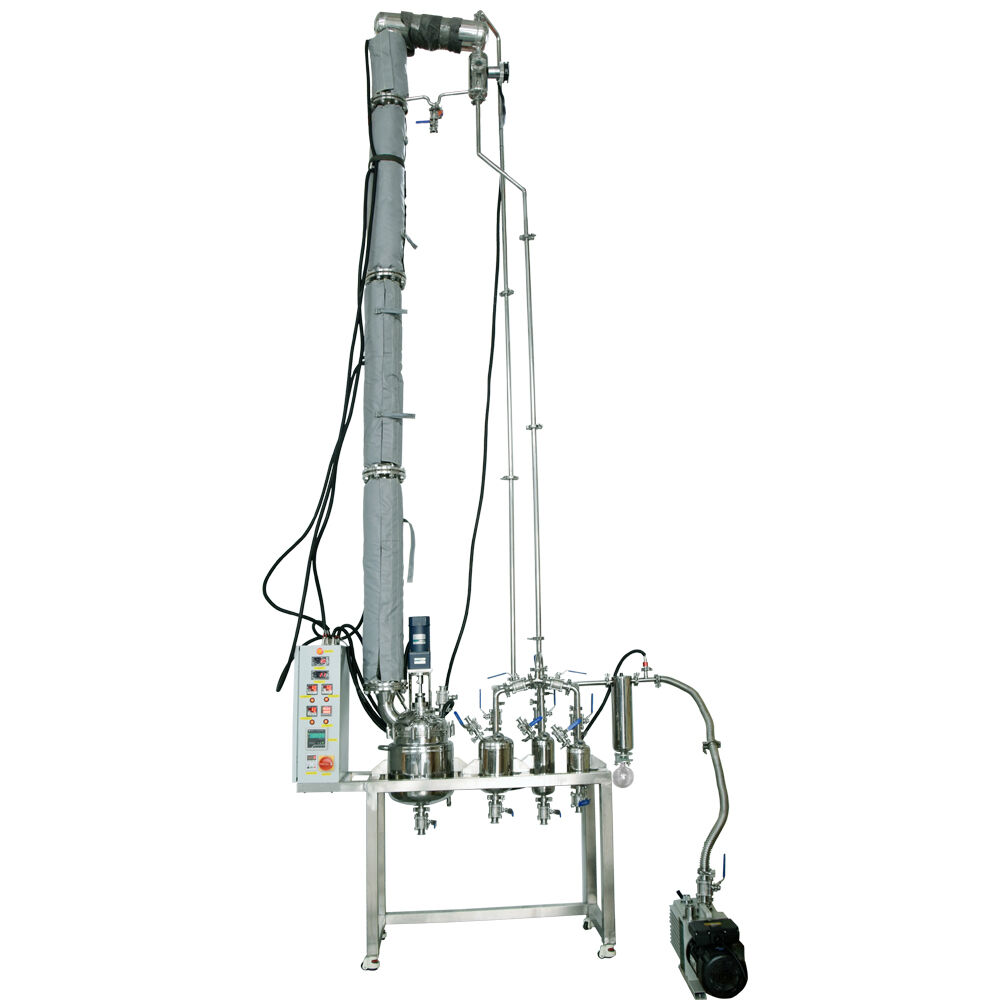
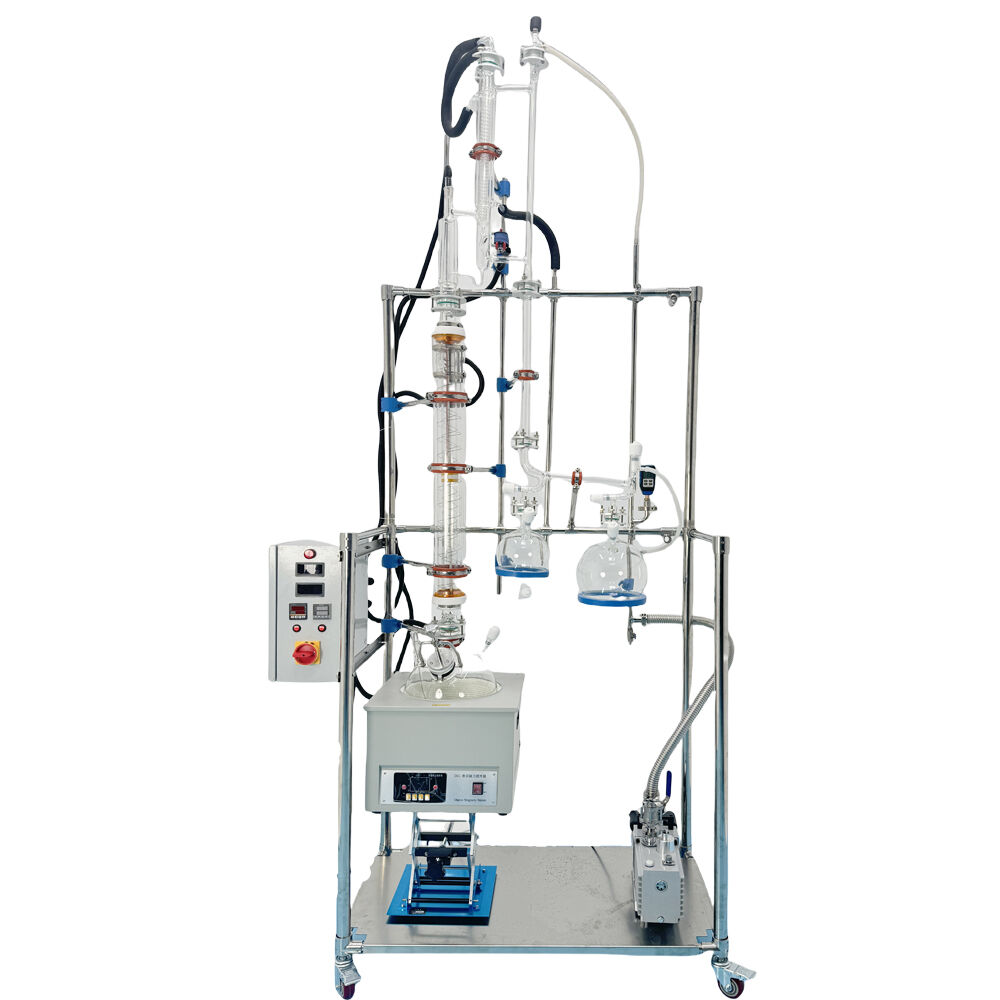
Laboratory Rectification Reactor - Advanced Distillation Equipment for Precision Separation

Get a Free Quote

Our representative will contact you soon.
Email
Name
Contact Number
Company Name
Message
0/1000

laboratory rectification reactor

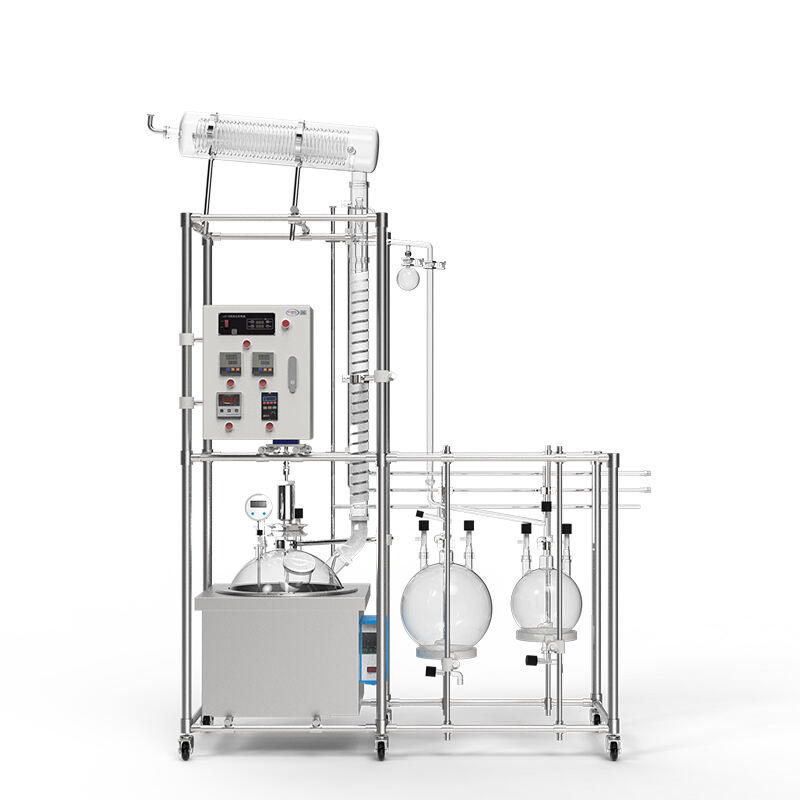
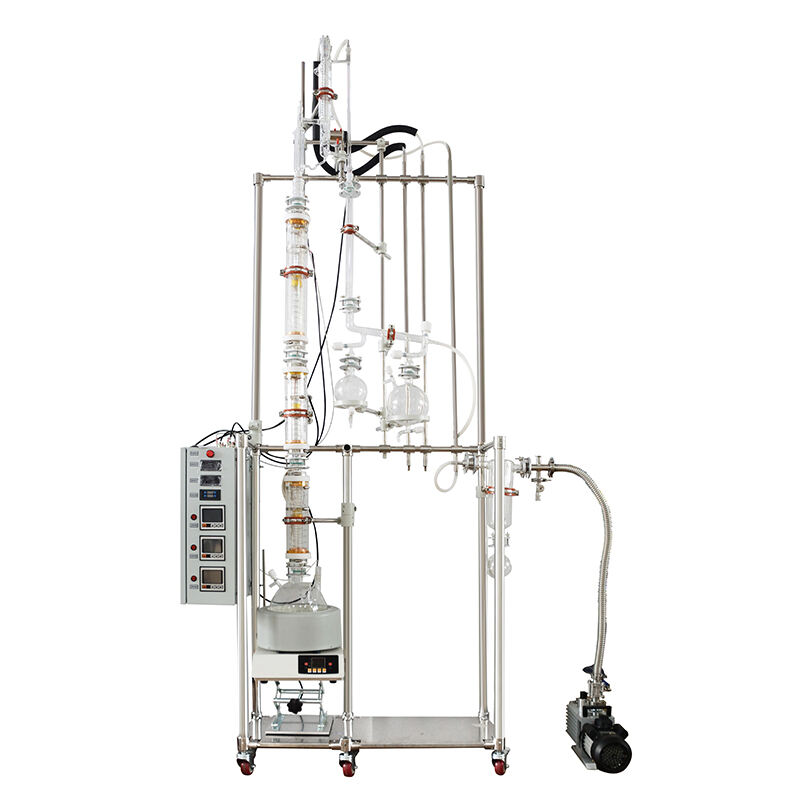
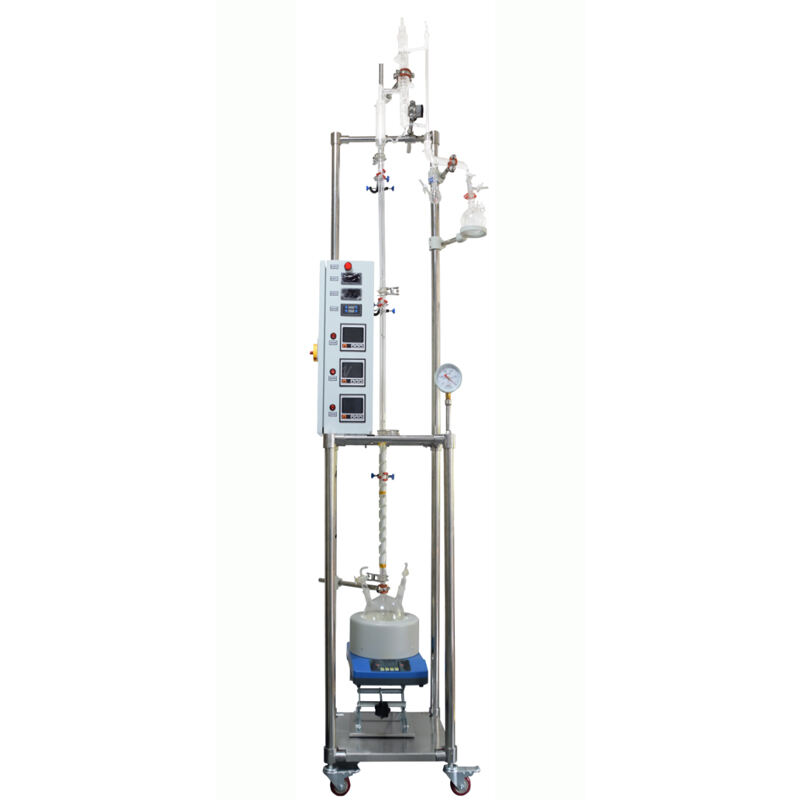
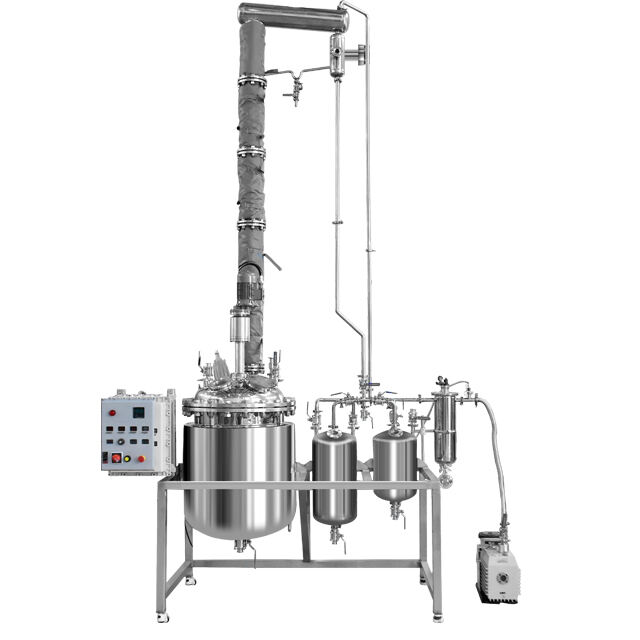
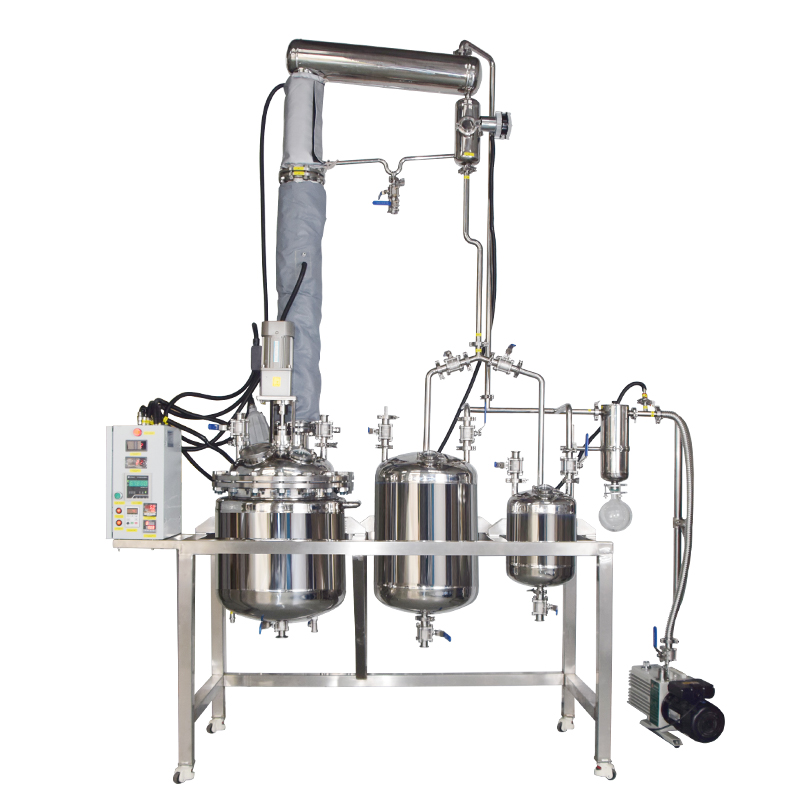
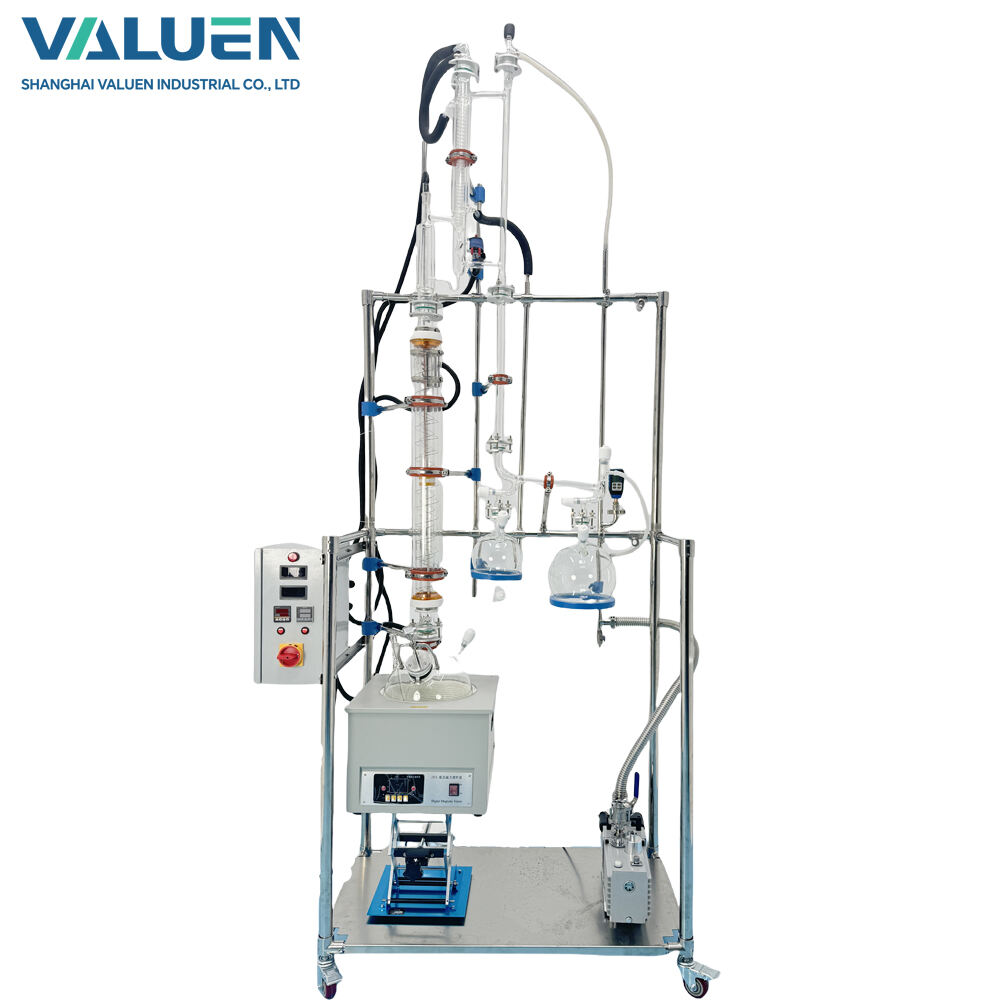
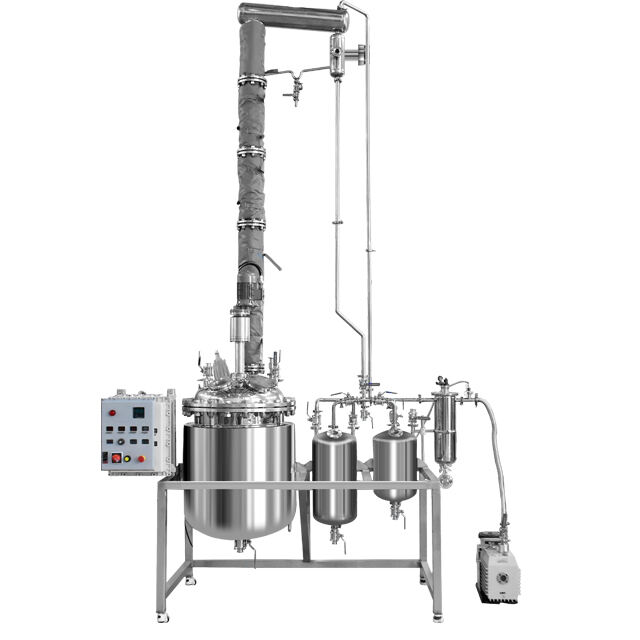
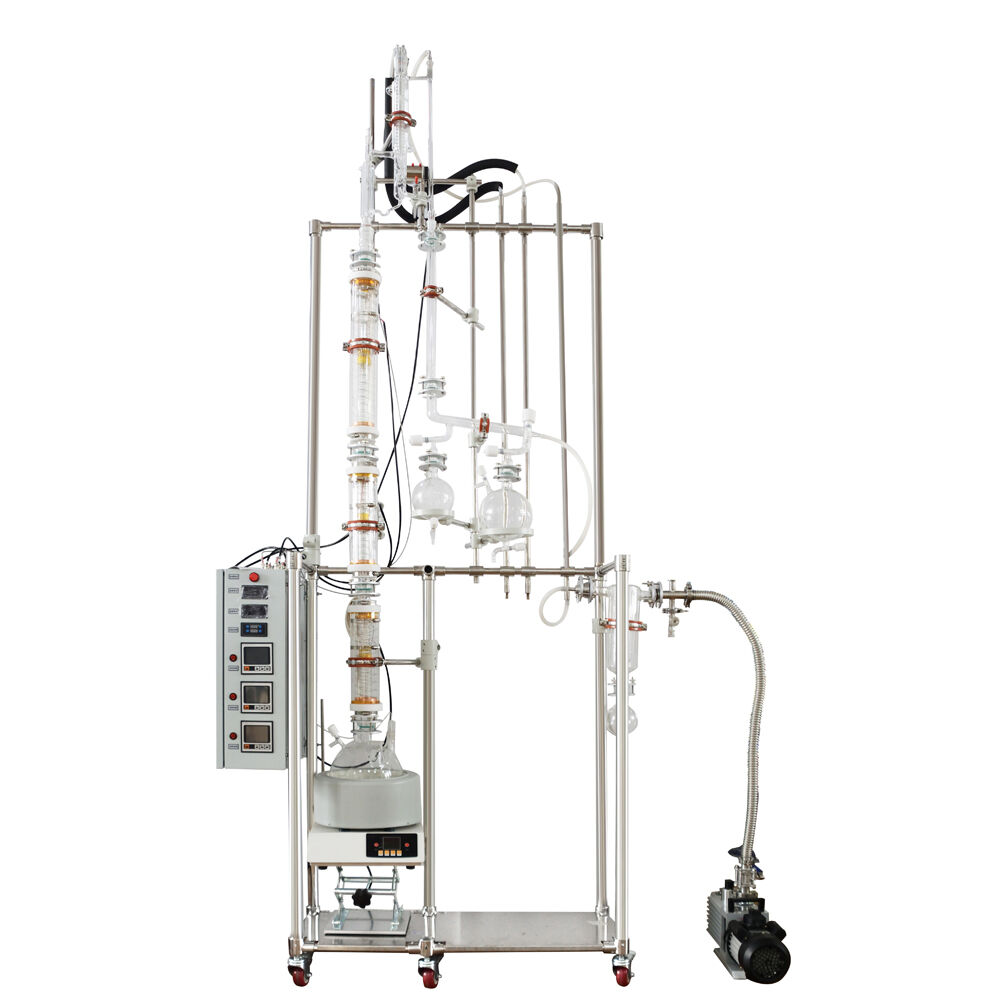
The laboratory rectification reactor represents a sophisticated piece of equipment designed specifically for small-scale distillation and purification processes in research and development environments. This advanced apparatus combines the principles of fractional distillation with precise temperature and pressure control to achieve exceptional separation efficiency. The laboratory rectification reactor serves as an indispensable tool for chemical engineers, researchers, and quality control specialists who require accurate separation of liquid mixtures with similar boiling points. Its compact design makes it ideal for laboratory settings where space efficiency is crucial while maintaining professional-grade performance standards. The reactor features multiple theoretical plates or stages that enable superior separation compared to simple distillation methods. Each stage provides additional vapor-liquid equilibrium contact, resulting in higher purity products and better yield recovery. The laboratory rectification reactor incorporates advanced heating systems with precise temperature regulation, ensuring consistent operating conditions throughout the distillation process. Modern units include digital control panels that allow operators to monitor and adjust parameters such as reflux ratio, distillation rate, and column pressure in real-time. The equipment typically consists of a reboiler section, packed or tray column, condenser system, and product collection vessels. Safety features include automatic shutdown mechanisms, pressure relief systems, and temperature monitoring alarms to protect both operators and valuable samples. The laboratory rectification reactor finds extensive applications in pharmaceutical research, petrochemical analysis, flavor and fragrance development, and academic research institutions. Its versatility allows processing of various feed compositions ranging from binary mixtures to complex multi-component systems, making it an essential investment for laboratories requiring reliable separation technology.

New Product Recommendations

The laboratory rectification reactor offers numerous compelling advantages that make it an essential investment for research facilities and quality control laboratories. First and foremost, this equipment delivers exceptional separation efficiency that surpasses conventional distillation methods by significant margins. The multi-stage design creates multiple vapor-liquid contact points, allowing for precise separation of compounds with closely similar boiling points that would be impossible to separate using simple distillation techniques. This enhanced efficiency translates directly into higher product purity and reduced processing time, ultimately saving valuable resources and improving research outcomes. Cost-effectiveness represents another major advantage of the laboratory rectification reactor, as it eliminates the need for multiple distillation runs that would otherwise be required to achieve comparable purity levels. The equipment processes smaller sample volumes efficiently, reducing material waste and minimizing the consumption of expensive research chemicals. Additionally, the automated control systems reduce labor requirements and minimize the risk of human error, leading to more consistent results and improved laboratory productivity. The versatility of the laboratory rectification reactor enables researchers to handle diverse applications within a single piece of equipment. Whether working with organic solvents, essential oils, pharmaceutical intermediates, or specialty chemicals, the reactor adapts to various processing requirements through adjustable operating parameters. This flexibility eliminates the need to invest in multiple specialized units, providing excellent return on investment for laboratories with diverse research portfolios. Precision control capabilities represent a standout advantage, with modern laboratory rectification reactors featuring sophisticated monitoring and adjustment systems. Digital interfaces allow operators to fine-tune reflux ratios, heating rates, and pressure conditions with unprecedented accuracy. This level of control ensures reproducible results, which is crucial for research validation and regulatory compliance. The equipment also provides comprehensive data logging capabilities, enabling researchers to track process parameters and optimize operating conditions for future experiments. Safety enhancements built into contemporary laboratory rectification reactors protect both personnel and valuable samples from potential hazards associated with high-temperature distillation processes. These safety features include automatic emergency shutdown systems, pressure monitoring, and temperature alarms that prevent dangerous operating conditions.

Practical Tips

Optimizing Efficiency with Jacketed Stainless Steel Reactors

29

Oct

Optimizing Efficiency with Jacketed Stainless Steel Reactors

Understanding Jacketed Stainless Steel Reactors and Their Industrial Role What Are Jacketed Stainless Steel Reactors and Why They Matter in Chemical Processing Jacketed stainless steel reactors basically consist of two walls with space in between fo...
View More
Why Jacketed Glass Reactors are Essential for Your Lab

29

Oct

Why Jacketed Glass Reactors are Essential for Your Lab

Superior Temperature Control for Consistent Reaction ConditionsJacketed glass reactors achieve ±0.5°C temperature stability through their double-wall design, ensuring precise and consistent reaction conditions critical for sensitive chemic...
View More
How Does Fractional Distillation Improve Separation Accuracy in Production?

24

Dec

How Does Fractional Distillation Improve Separation Accuracy in Production?

Modern industrial production demands precise separation techniques to achieve high-purity compounds and maximize operational efficiency. Among various separation methods, fractional distillation stands as a cornerstone technology that significantly e...
View More
Which Industries Benefit Most from Rotary and Liftable Stainless Steel Reactors?

20

Jan

Which Industries Benefit Most from Rotary and Liftable Stainless Steel Reactors?

Modern industrial processes demand equipment that combines durability, versatility, and operational efficiency. Stainless steel reactors have emerged as the cornerstone of numerous manufacturing operations, offering unparalleled performance across di...
View More

Get a Free Quote

Our representative will contact you soon.
Email
Name
Contact Number
Company Name
Message
0/1000

laboratory rectification reactor

Advanced Multi-Stage Separation Technology

Advanced Multi-Stage Separation Technology

The laboratory rectification reactor incorporates cutting-edge multi-stage separation technology that revolutionizes the way researchers approach complex distillation challenges. This sophisticated system utilizes either packed columns filled with high-performance packing materials or precision-engineered tray designs to create numerous theoretical separation stages within a compact laboratory footprint. Each stage functions as an individual vapor-liquid equilibrium contact point, where ascending vapors interact with descending liquid reflux to achieve maximum mass transfer efficiency. This multi-stage approach enables the laboratory rectification reactor to separate compounds with boiling point differences as small as 5-10 degrees Celsius, a feat that would require multiple distillation cycles using conventional equipment. The technology ensures that researchers can achieve pharmaceutical-grade purity levels consistently, making it invaluable for applications requiring stringent quality standards. The sophisticated design incorporates optimized vapor distribution systems that ensure uniform contact across each separation stage, eliminating hot spots and channeling effects that could compromise separation efficiency. Advanced packing materials such as structured metallic packings or high-performance random packings maximize surface area while minimizing pressure drop, resulting in superior separation performance with reduced energy consumption. The multi-stage configuration also provides excellent turndown ratios, allowing the laboratory rectification reactor to operate efficiently across a wide range of throughput rates without sacrificing separation quality. This flexibility proves particularly beneficial for research applications where sample sizes may vary significantly between experiments. The technology incorporates advanced vapor management systems that precisely control reflux distribution, ensuring optimal liquid-vapor contact at each stage while preventing flooding or weeping conditions that could compromise performance. Temperature profiling capabilities allow operators to monitor conditions at multiple points throughout the column, providing valuable insights into separation efficiency and enabling real-time process optimization. This level of technological sophistication transforms the laboratory rectification reactor from a simple distillation tool into a precision separation instrument capable of handling the most demanding research applications with exceptional reliability and reproducibility.
Precision Digital Control and Monitoring Systems

Precision Digital Control and Monitoring Systems

Modern laboratory rectification reactors feature state-of-the-art digital control and monitoring systems that provide unprecedented precision and reliability in distillation operations. These sophisticated control platforms utilize advanced microprocessor technology to manage all critical process parameters with exceptional accuracy, enabling researchers to achieve consistent results while minimizing manual intervention. The digital control system monitors and regulates heating rates, reflux ratios, pressure conditions, and temperature profiles throughout the entire distillation process, automatically adjusting operating parameters to maintain optimal separation conditions. This level of automation significantly reduces the potential for human error while freeing researchers to focus on analysis and interpretation of results rather than constant equipment monitoring. The intuitive touchscreen interface provides real-time visualization of all process parameters through comprehensive graphical displays, allowing operators to quickly assess system performance and identify any deviations from target conditions. Advanced data logging capabilities automatically record all process variables at user-defined intervals, creating detailed historical records that support research documentation requirements and regulatory compliance needs. The system generates comprehensive reports that include distillation curves, temperature profiles, and product quality metrics, providing valuable data for process optimization and validation studies. Remote monitoring capabilities enable researchers to oversee distillation operations from anywhere within the laboratory network, receiving automatic notifications when processes complete or when intervention is required. The digital control system incorporates sophisticated safety interlocks that automatically shut down operations if dangerous conditions are detected, protecting both equipment and personnel from potential hazards. Predictive maintenance features monitor equipment health indicators such as heating element performance and pump operation, alerting operators to potential issues before they result in equipment failure or compromised results. The system supports multiple user profiles with customizable access levels, ensuring that only authorized personnel can modify critical operating parameters while allowing students and technicians to monitor operations safely. Integration capabilities enable the laboratory rectification reactor to communicate with laboratory information management systems, automatically uploading process data and results for seamless integration with existing research workflows. This comprehensive digital ecosystem transforms the equipment from a standalone distillation unit into an integrated component of modern laboratory operations.
Versatile Multi-Application Research Platform

Versatile Multi-Application Research Platform

The laboratory rectification reactor stands out as an exceptionally versatile multi-application research platform capable of handling an extensive range of separation challenges across diverse industries and research disciplines. This remarkable versatility stems from its modular design philosophy and comprehensive range of operating parameters, enabling researchers to adapt the equipment to virtually any liquid separation requirement. In pharmaceutical research, the laboratory rectification reactor excels at purifying drug intermediates, separating reaction byproducts, and recovering valuable solvents with the precision required for regulatory compliance and patent applications. The equipment handles both polar and non-polar compounds effectively, making it invaluable for medicinal chemistry laboratories working with diverse molecular structures. Environmental researchers utilize the laboratory rectification reactor for analyzing complex waste streams, separating pollutants for identification and quantification, and developing remediation strategies for contaminated materials. The equipment proves equally effective for food science applications, where researchers use it to extract and purify natural flavoring compounds, essential oils, and nutritional components while maintaining the integrity of heat-sensitive compounds through precise temperature control. Academic institutions benefit from the educational value of the laboratory rectification reactor, as it provides students with hands-on experience using professional-grade separation technology while teaching fundamental principles of mass transfer and thermodynamics. The equipment accommodates sample sizes ranging from milliliters to several liters, making it suitable for both analytical work and small-scale preparative applications. Its chemical compatibility extends to most common laboratory solvents and reagents, with specialized materials of construction available for highly corrosive or aggressive chemical systems. The laboratory rectification reactor supports both batch and continuous operation modes, providing flexibility for different research protocols and throughput requirements. Quality control laboratories appreciate the equipment's ability to perform precise fractionation of petroleum products, determining boiling point distributions and separating specific hydrocarbon ranges for detailed analysis. The system easily interfaces with analytical instrumentation such as gas chromatographs and mass spectrometers, enabling real-time composition monitoring and automated fraction collection based on predetermined criteria. This versatility eliminates the need for multiple specialized pieces of equipment, providing excellent value for laboratories with diverse research portfolios while ensuring consistent, high-quality results across all applications.

Get a Free Quote

Our representative will contact you soon.
Email
Name
Contact Number
Company Name
Message
0/1000