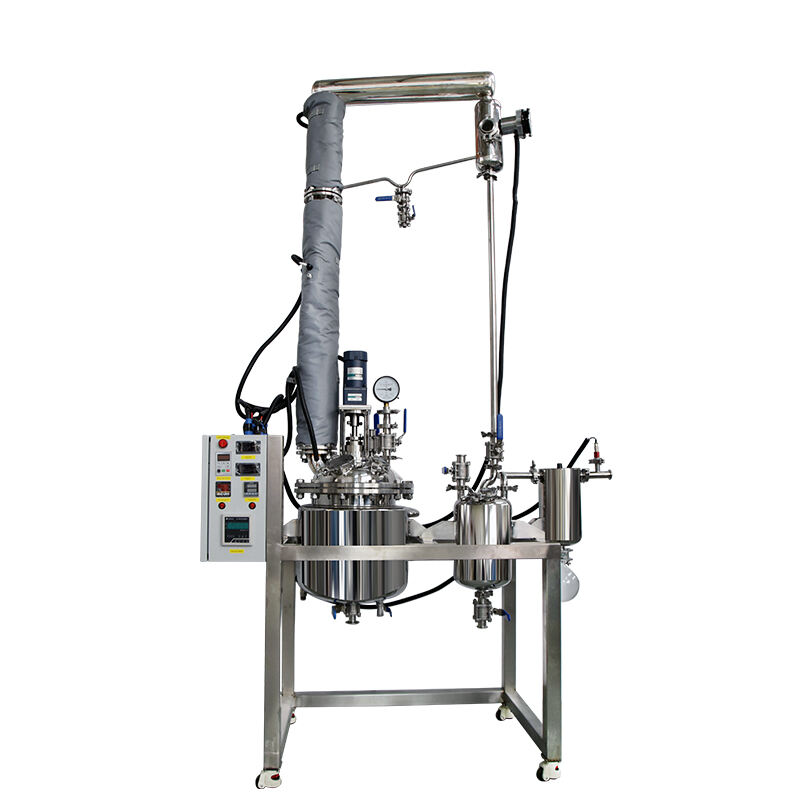
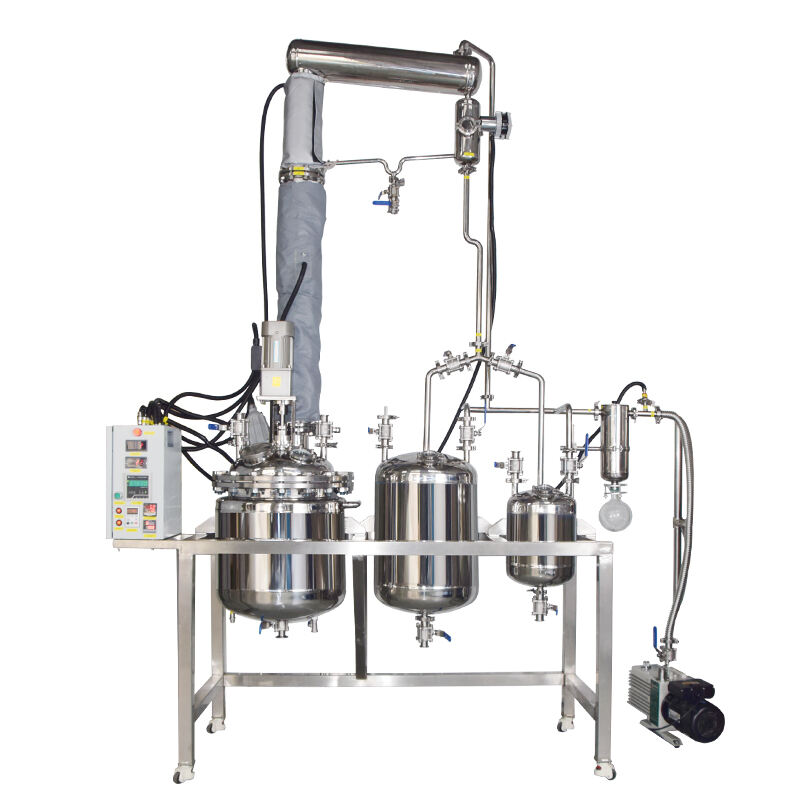
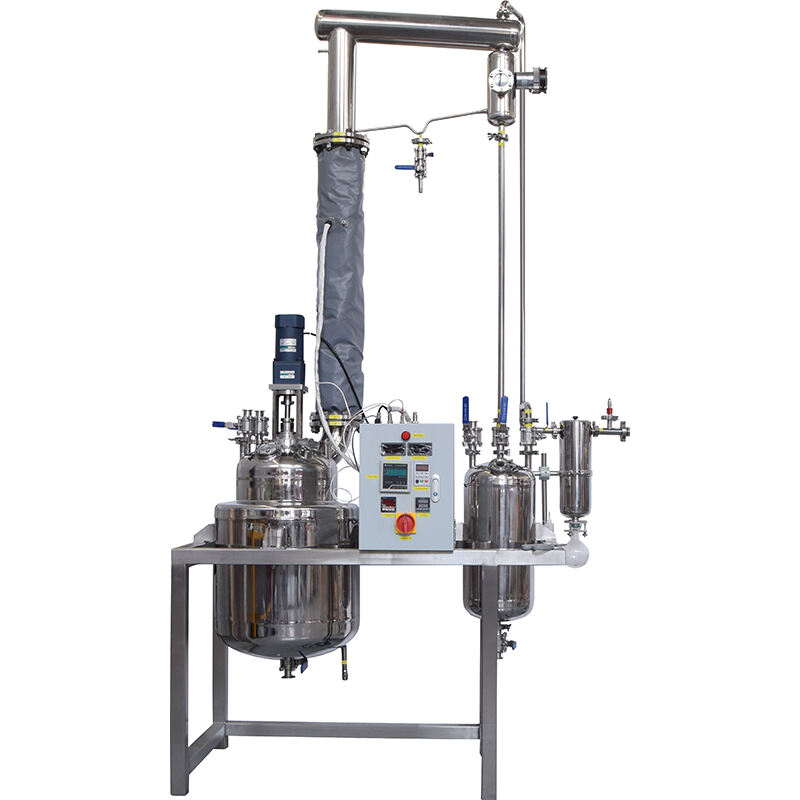
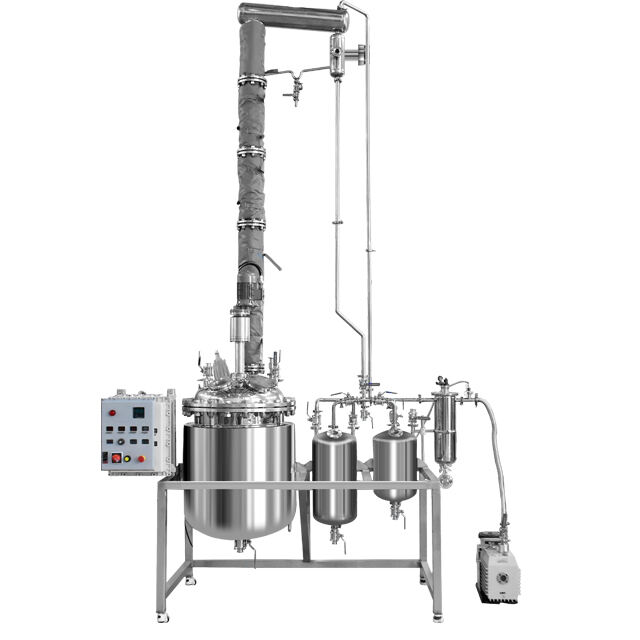
Industrial Rectification Reactor: Advanced Separation Technology for Maximum Efficiency and Purity

Get a Free Quote

Our representative will contact you soon.
Email
Name
Contact Number
Company Name
Message
0/1000

industrial rectification reactor

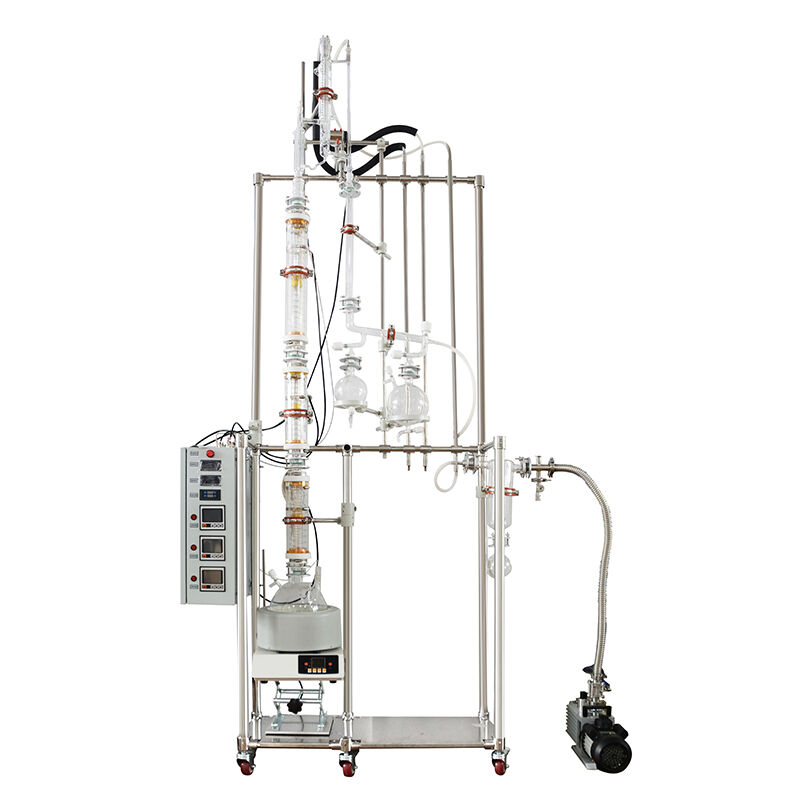
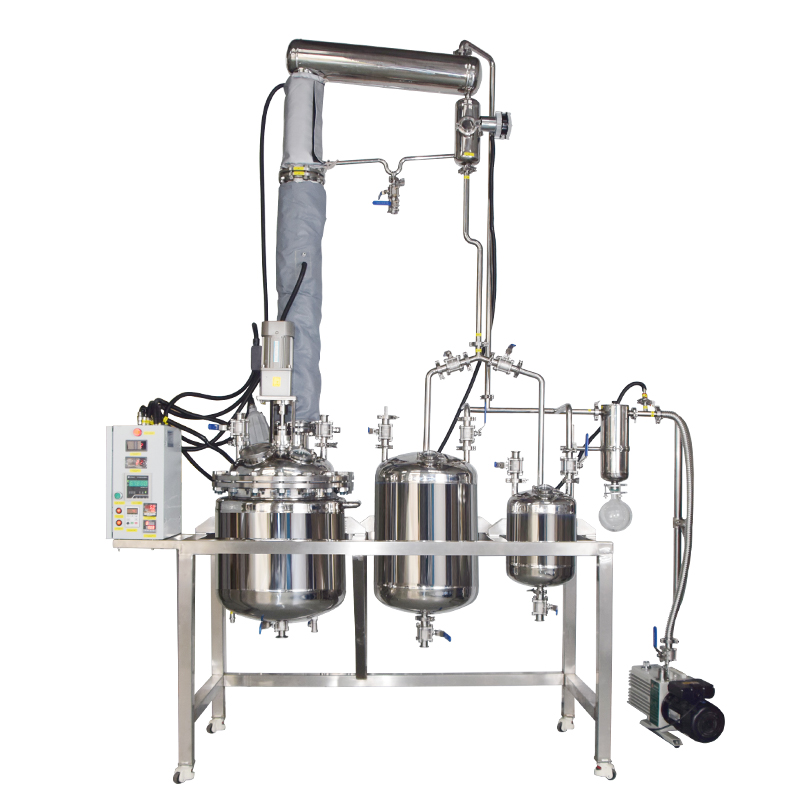
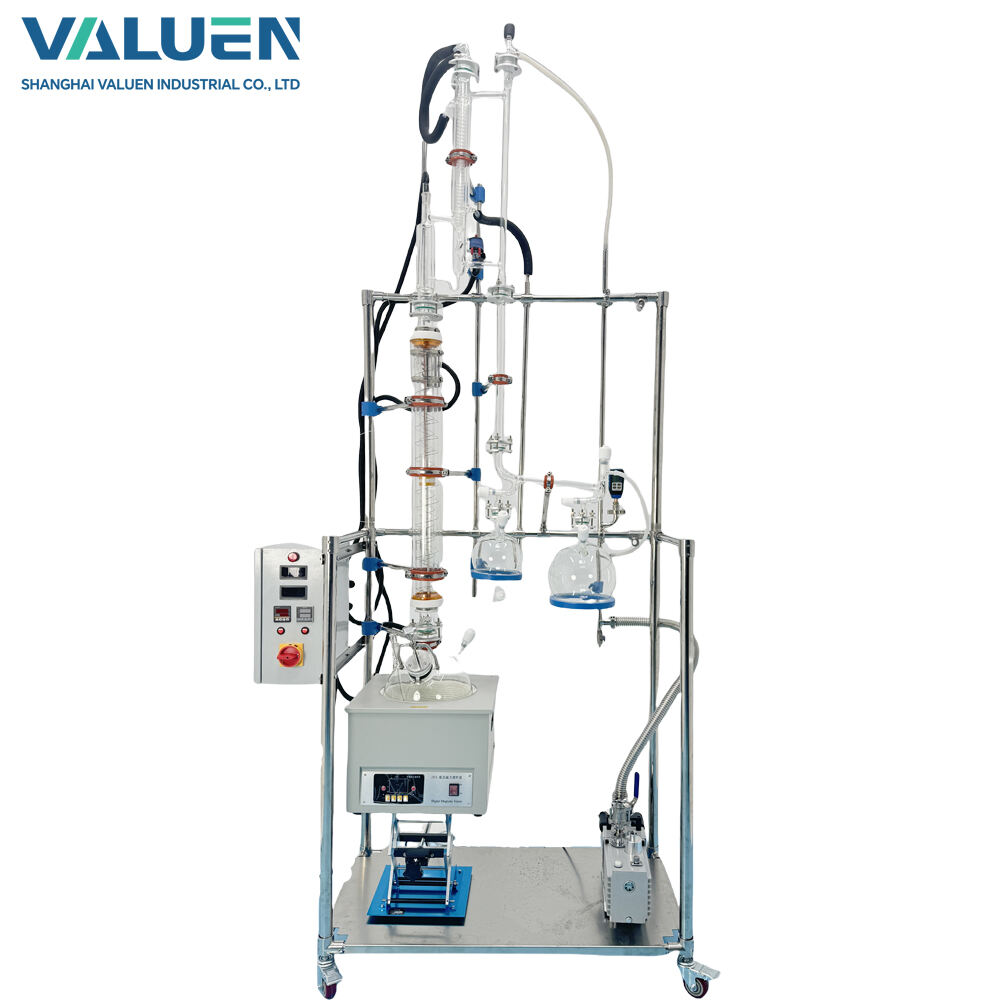
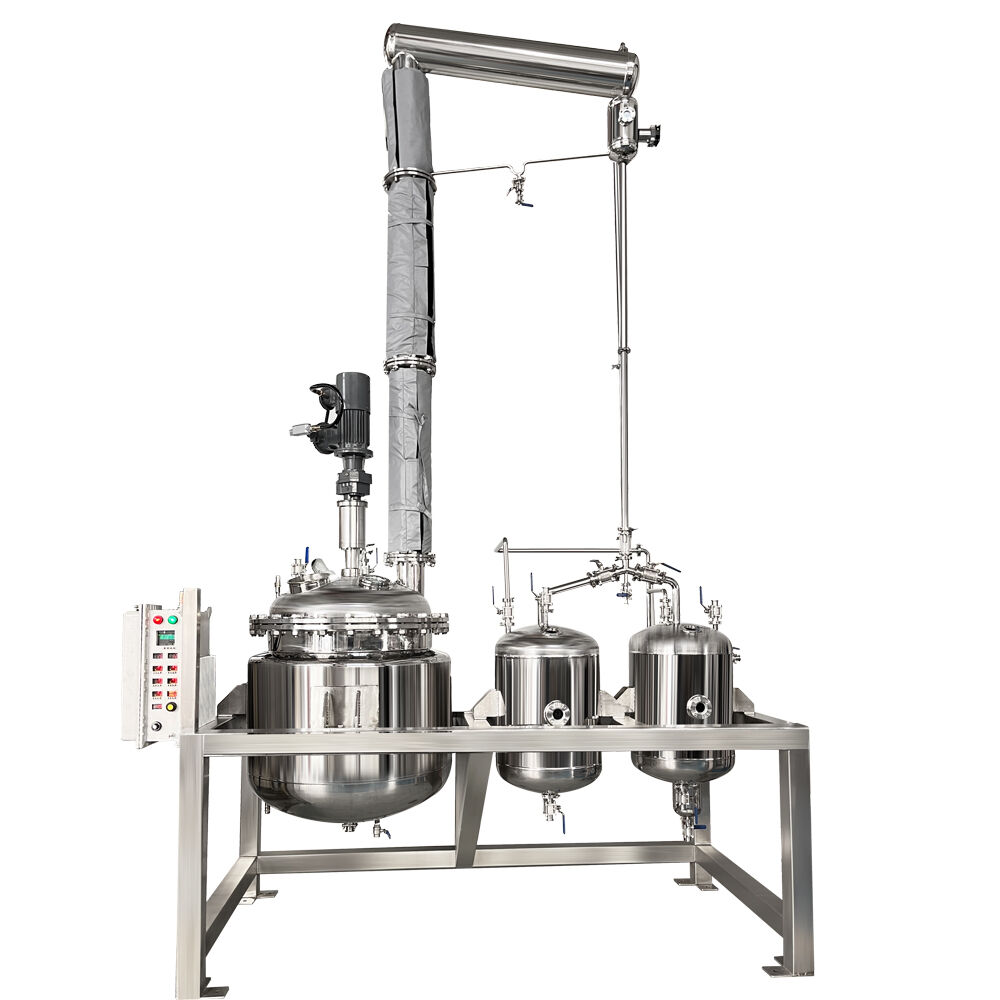
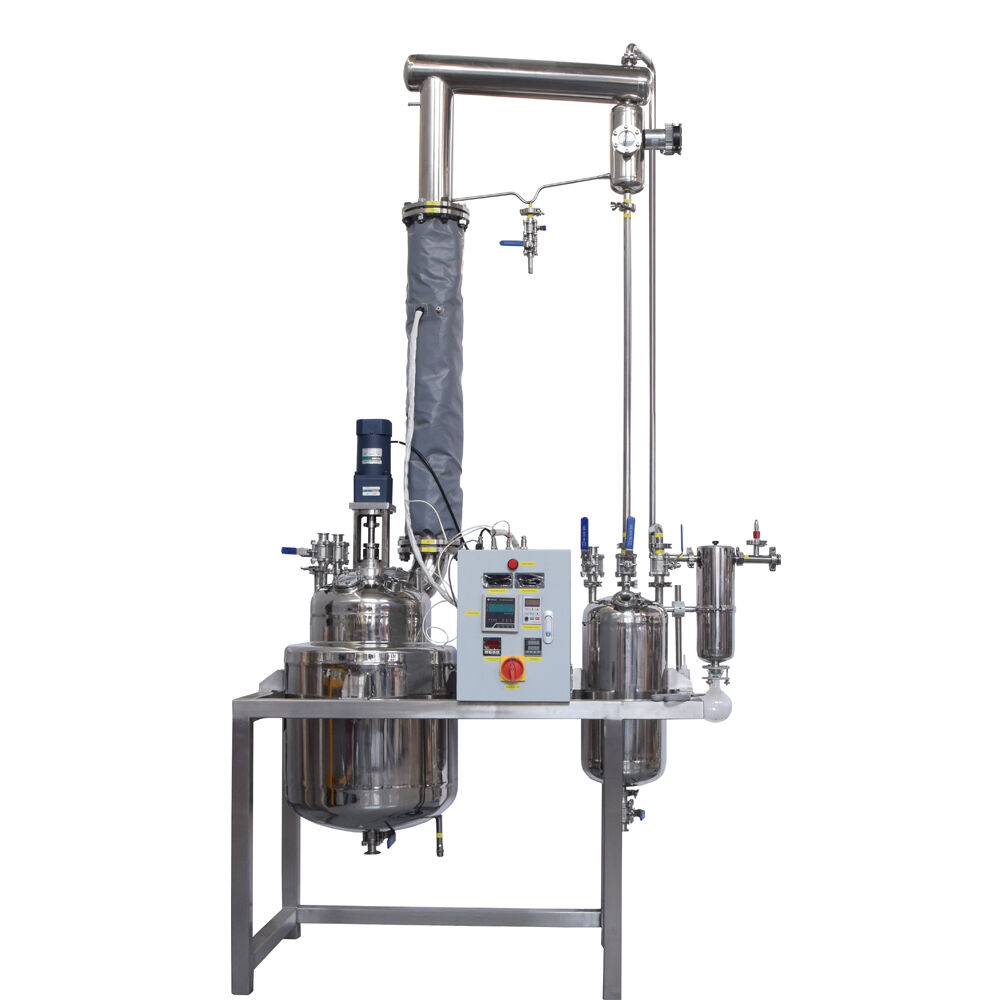
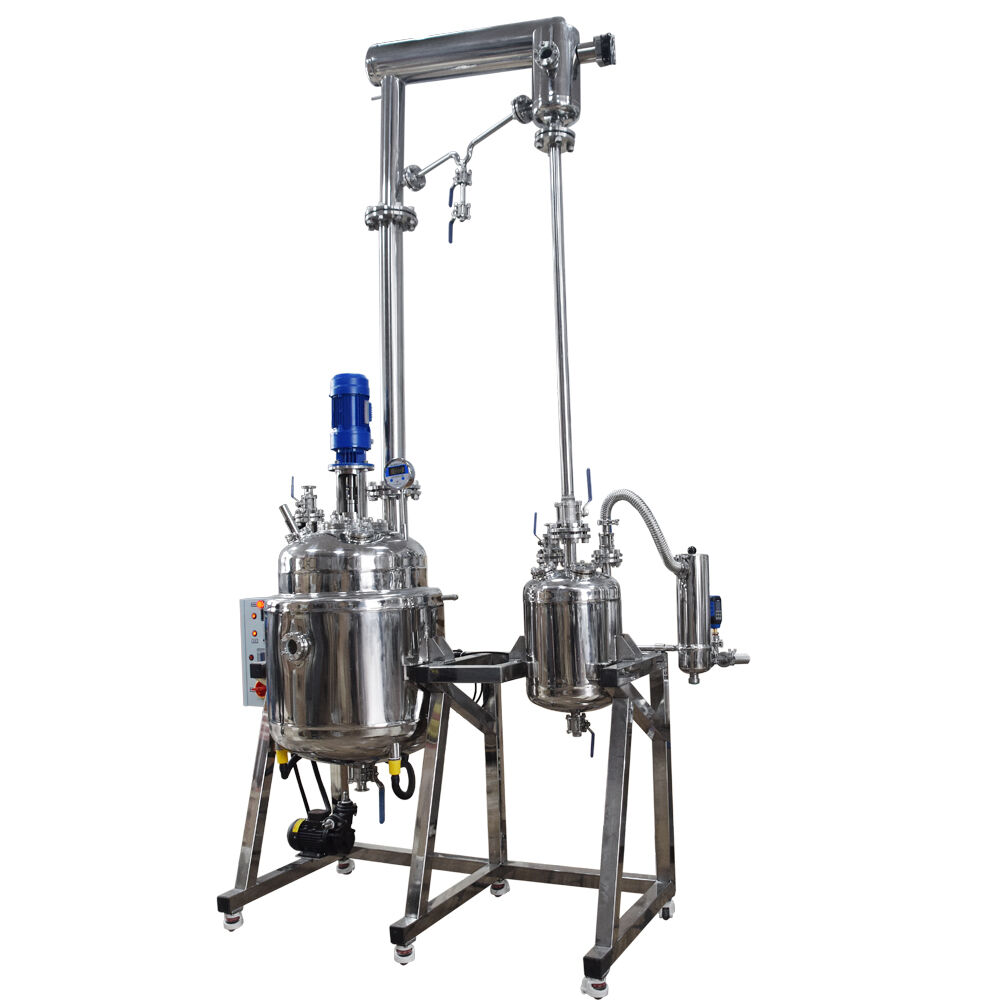
The industrial rectification reactor represents a sophisticated piece of equipment designed to facilitate precise separation and purification processes across various manufacturing industries. This advanced system operates on the fundamental principles of distillation and rectification, enabling manufacturers to achieve exceptional levels of product purity and consistency. The industrial rectification reactor serves as the cornerstone of modern chemical processing facilities, petroleum refineries, and pharmaceutical manufacturing plants where precise separation of components is critical for product quality and regulatory compliance. At its core, the industrial rectification reactor functions through controlled heating and cooling cycles that create optimal conditions for vapor-liquid equilibrium. This process allows for the systematic separation of different components based on their unique boiling points and vapor pressures. The reactor's design incorporates multiple theoretical plates or packing materials that maximize contact between ascending vapors and descending liquids, thereby enhancing separation efficiency. The technological features of the industrial rectification reactor include advanced temperature control systems, pressure monitoring capabilities, and automated feed control mechanisms that ensure consistent operation under varying process conditions. Modern units feature sophisticated instrumentation and control systems that enable real-time monitoring and adjustment of critical parameters such as reflux ratio, feed rate, and column pressure. These systems often integrate with plant-wide control networks, allowing operators to optimize performance and maintain product specifications remotely. The applications of the industrial rectification reactor span numerous industries, including petrochemical processing, pharmaceutical synthesis, food and beverage production, and specialty chemical manufacturing. In petrochemical applications, these reactors separate crude oil fractions into valuable products such as gasoline, diesel, and heating oil. Pharmaceutical companies utilize industrial rectification reactors for purifying active pharmaceutical ingredients and removing impurities that could compromise drug safety and efficacy. The food industry employs these systems for alcohol purification, essential oil extraction, and flavor compound isolation, ensuring product quality and consumer safety.

New Product Releases

The industrial rectification reactor delivers substantial operational benefits that directly impact manufacturing efficiency and profitability for companies across diverse sectors. One primary advantage lies in the system's ability to achieve superior separation efficiency compared to conventional distillation methods. This enhanced performance translates into higher product yields and reduced waste generation, allowing manufacturers to maximize their raw material utilization and minimize disposal costs. Companies typically experience yield improvements ranging from 15 to 30 percent when upgrading to modern industrial rectification reactor systems, resulting in significant cost savings over the equipment's operational lifetime. Energy efficiency represents another compelling advantage of the industrial rectification reactor, as these systems incorporate heat recovery mechanisms and optimized thermal management features that reduce overall energy consumption. The reactor's design enables efficient heat exchange between hot vapor streams and incoming feed materials, reducing the external heating requirements and lowering operational costs. This energy optimization becomes particularly valuable in large-scale operations where utility costs represent a substantial portion of manufacturing expenses. The industrial rectification reactor also provides exceptional process control capabilities that enhance product consistency and reduce batch-to-batch variations. Advanced monitoring systems continuously track key performance indicators and automatically adjust operational parameters to maintain optimal separation conditions. This level of control minimizes the risk of off-specification products and reduces the need for costly reprocessing or product rejection. Manufacturers benefit from improved product quality that meets stringent industry standards and regulatory requirements, enhancing their market competitiveness and customer satisfaction. Maintenance efficiency represents an additional advantage, as modern industrial rectification reactor designs incorporate accessible components and predictive maintenance features that minimize downtime and reduce maintenance costs. Modular construction allows for easier replacement of wear components without shutting down the entire system, while advanced diagnostics help identify potential issues before they result in equipment failures. The robust construction and corrosion-resistant materials used in industrial rectification reactor manufacturing ensure extended service life and reliable operation under demanding process conditions. Furthermore, the scalability of industrial rectification reactor systems allows manufacturers to expand production capacity without completely replacing existing equipment. This flexibility proves invaluable for growing companies that need to increase output while maintaining consistent product quality and operational efficiency.

Practical Tips

Optimizing Efficiency with Jacketed Stainless Steel Reactors

29

Oct

Optimizing Efficiency with Jacketed Stainless Steel Reactors

Understanding Jacketed Stainless Steel Reactors and Their Industrial Role What Are Jacketed Stainless Steel Reactors and Why They Matter in Chemical Processing Jacketed stainless steel reactors basically consist of two walls with space in between fo...
View More
What Makes a Stainless Steel Reactor Ideal for Chemical Processing Industries?

10

Nov

What Makes a Stainless Steel Reactor Ideal for Chemical Processing Industries?

Chemical processing industries demand equipment that delivers exceptional performance, durability, and safety standards. Among the various types of reactors available, the stainless steel reactor has emerged as the preferred choice for countless appl...
View More
How Does Fractional Distillation Improve Separation Accuracy in Production?

24

Dec

How Does Fractional Distillation Improve Separation Accuracy in Production?

Modern industrial production demands precise separation techniques to achieve high-purity compounds and maximize operational efficiency. Among various separation methods, fractional distillation stands as a cornerstone technology that significantly e...
View More
What Are the Key Advantages of a Rotary and Liftable Stainless Steel Reactor?

20

Jan

What Are the Key Advantages of a Rotary and Liftable Stainless Steel Reactor?

Modern industrial processing demands equipment that combines efficiency, versatility, and durability. A rotary and liftable stainless steel reactor represents a significant advancement in chemical processing technology, offering manufacturers the fle...
View More

Get a Free Quote

Our representative will contact you soon.
Email
Name
Contact Number
Company Name
Message
0/1000

industrial rectification reactor

Advanced Multi-Stage Separation Technology

Advanced Multi-Stage Separation Technology

The industrial rectification reactor employs cutting-edge multi-stage separation technology that revolutionizes traditional distillation processes through enhanced theoretical plate efficiency and optimized mass transfer characteristics. This sophisticated separation mechanism utilizes precisely engineered internal components, including structured packing or high-performance trays, that maximize the contact area between vapor and liquid phases throughout the column height. The result is dramatically improved separation performance that enables manufacturers to achieve purities exceeding 99.5 percent in many applications, far surpassing the capabilities of conventional single-stage distillation systems. The multi-stage design of the industrial rectification reactor creates multiple equilibrium stages within a single vessel, effectively performing the work of several individual distillation units while occupying significantly less floor space and requiring lower capital investment. Each stage operates at optimal conditions for the specific components being separated, with carefully controlled temperature and pressure profiles that ensure maximum efficiency throughout the column. This staged approach allows for the simultaneous separation of multiple components in complex mixtures, eliminating the need for sequential processing steps that would otherwise increase processing time and operational costs. The advanced separation technology incorporated in the industrial rectification reactor includes sophisticated vapor distribution systems that ensure uniform vapor flow across each separation stage, preventing channeling and dead zones that could compromise separation efficiency. These distribution systems work in conjunction with high-efficiency liquid redistribution mechanisms that maintain optimal liquid-to-vapor contact ratios throughout the column operation. The combination of these technologies results in separation efficiencies that consistently exceed theoretical predictions, providing manufacturers with higher product yields and reduced energy consumption compared to alternative separation methods. Additionally, the multi-stage separation technology enables the industrial rectification reactor to handle feed streams with varying compositions and flow rates without significant performance degradation, providing operational flexibility that proves invaluable in dynamic manufacturing environments where feed quality and quantity may fluctuate based on upstream process conditions or raw material availability.
Intelligent Process Control and Automation Systems

Intelligent Process Control and Automation Systems

The industrial rectification reactor features state-of-the-art intelligent process control and automation systems that transform complex separation processes into highly manageable and optimized operations through advanced sensor technology, machine learning algorithms, and predictive control strategies. These sophisticated control systems continuously monitor dozens of critical process variables, including temperature profiles throughout the column, pressure differentials across packing sections, flow rates of feed, distillate, and bottoms streams, and composition data from online analytical instruments. The integration of these multiple data streams enables the control system to maintain optimal operating conditions automatically, adjusting control parameters in real-time to compensate for feed variations, ambient conditions, and equipment performance changes that could otherwise impact product quality or separation efficiency. The automation capabilities of the industrial rectification reactor extend beyond basic process control to include advanced optimization algorithms that continuously evaluate current operating conditions against historical performance data and theoretical models to identify opportunities for improved efficiency. These optimization routines can automatically adjust reflux ratios, reboiler duty, feed locations, and other critical parameters to maximize product recovery, minimize energy consumption, or achieve other operator-defined objectives without requiring constant human intervention. The system's machine learning capabilities enable it to recognize patterns in process data that may not be immediately apparent to human operators, allowing for proactive adjustments that prevent off-specification products or process upsets before they occur. Furthermore, the intelligent control systems provide comprehensive data logging and reporting capabilities that support regulatory compliance requirements while generating valuable insights for process improvement initiatives. The user-friendly human-machine interface allows operators to monitor system performance, modify control parameters, and access historical data through intuitive graphical displays that present complex process information in easily understood formats. Remote monitoring capabilities enable supervisory personnel to oversee multiple industrial rectification reactor systems from centralized control rooms, improving operational efficiency while reducing staffing requirements. The predictive maintenance features integrated into the automation system analyze equipment performance trends and vibration signatures to forecast maintenance needs, enabling proactive scheduling that minimizes unplanned downtime and extends equipment service life.
Superior Energy Efficiency and Heat Integration

Superior Energy Efficiency and Heat Integration

The industrial rectification reactor incorporates advanced energy efficiency technologies and sophisticated heat integration systems that significantly reduce operational costs while minimizing environmental impact through optimized thermal management and waste heat recovery mechanisms. The system's design philosophy centers on maximizing energy utilization efficiency through strategic heat exchange networks that capture and reuse thermal energy that would otherwise be lost to the environment in conventional separation processes. The primary heat integration feature involves an advanced reboiler-condenser system that operates in thermal coupling with the main separation column, enabling efficient heat transfer between hot bottom products and cold overhead vapors. This integration reduces the external heating and cooling requirements by up to 40 percent compared to traditional rectification systems, resulting in substantial reductions in utility costs and greenhouse gas emissions associated with energy generation. The industrial rectification reactor also incorporates multi-effect heat pump technology that upgrades low-grade waste heat from the process to useful temperature levels for preheating feed streams or providing supplementary heating to the reboiler system. This heat pump integration creates a closed-loop thermal cycle that maximizes energy recovery while maintaining precise temperature control throughout the separation process. The system's advanced insulation package and heat tracing systems minimize thermal losses to the environment, ensuring that energy invested in heating process streams remains available for productive separation work rather than being dissipated as waste heat. Variable frequency drives on pumps and fans enable precise control of auxiliary equipment energy consumption, automatically adjusting power usage based on actual process requirements rather than operating at fixed maximum capacities. The energy management system continuously monitors power consumption across all system components and provides real-time feedback on energy utilization efficiency, enabling operators to identify optimization opportunities and track the effectiveness of energy conservation measures. Additional energy efficiency features include condensate recovery systems that capture and return valuable heated condensate to the process rather than discharging it as waste, and vapor compression systems that reduce the energy required for creating process vacuum conditions. The cumulative effect of these energy efficiency measures typically results in 25-45 percent reductions in total energy consumption compared to conventional rectification systems, providing substantial cost savings that often justify the initial investment in advanced industrial rectification reactor technology within 18-24 months of operation.

Get a Free Quote

Our representative will contact you soon.
Email
Name
Contact Number
Company Name
Message
0/1000