Advanced Process Control and Monitoring Systems
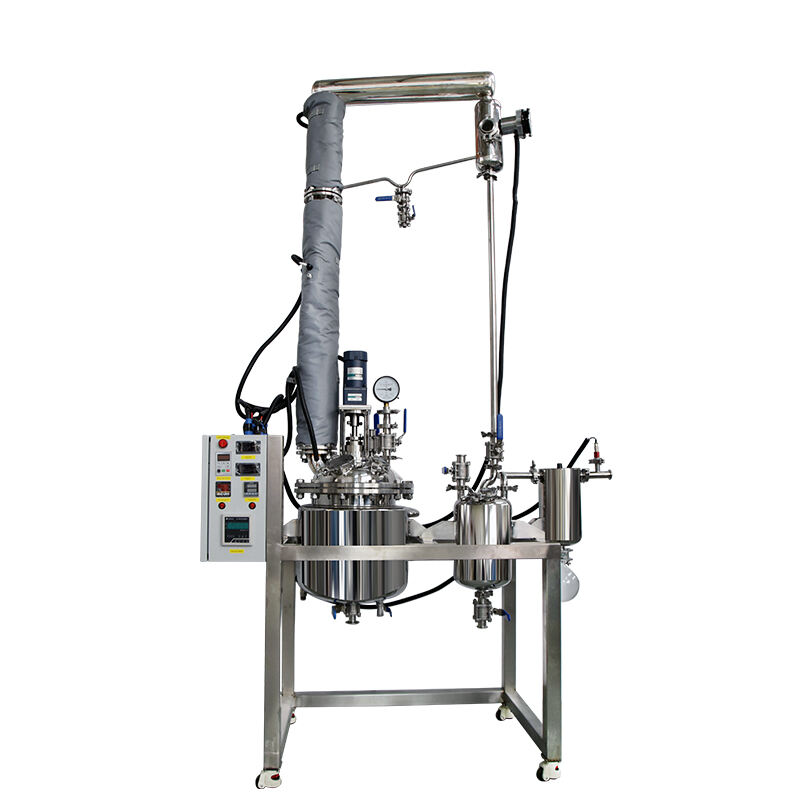
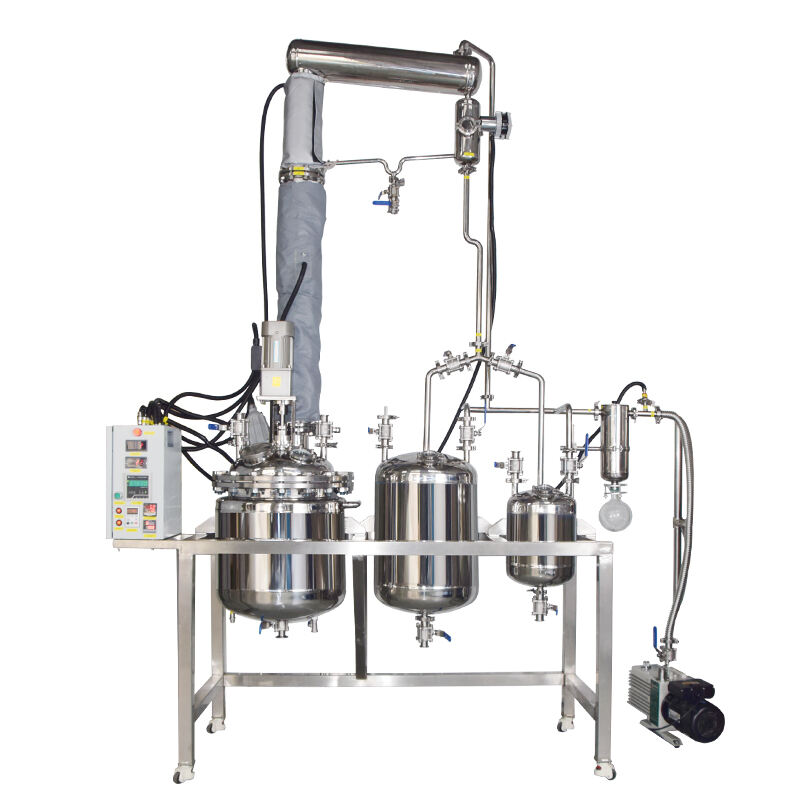
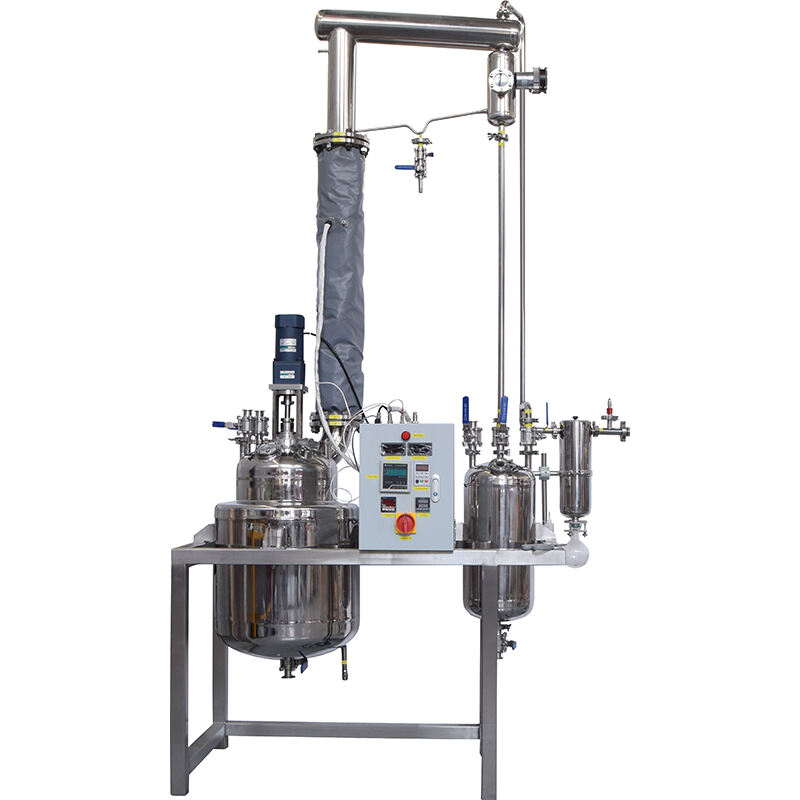
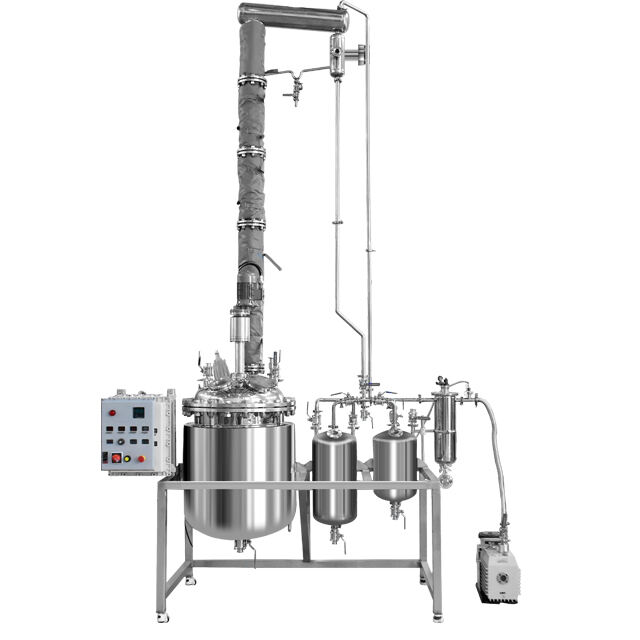
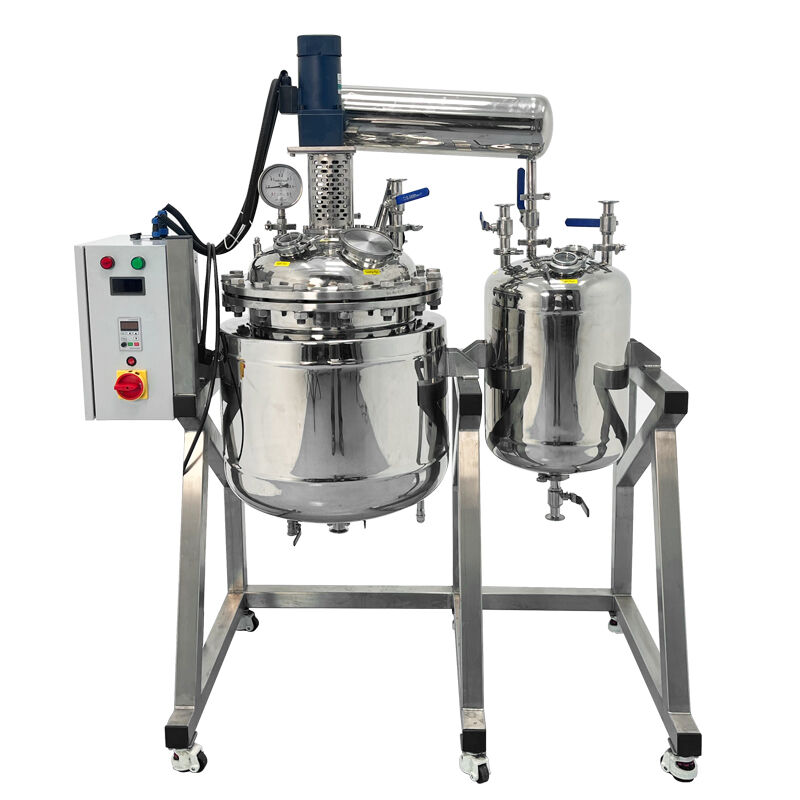
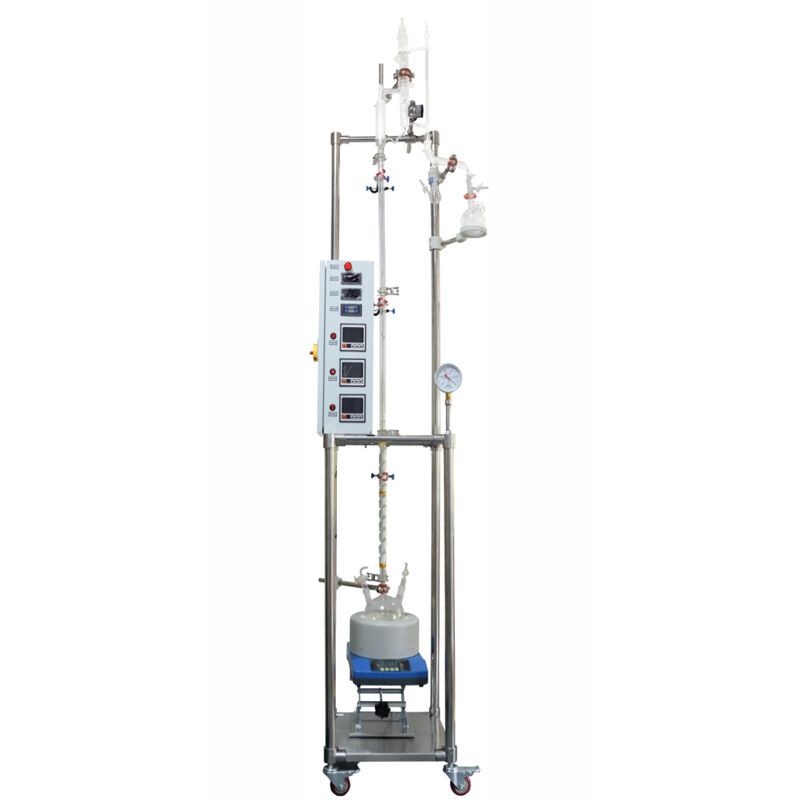
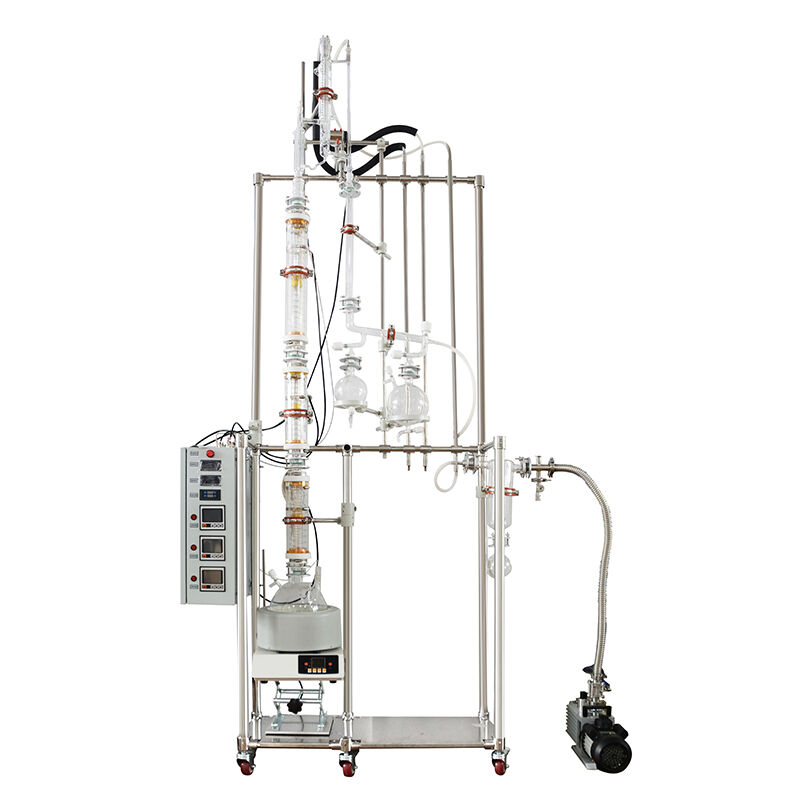
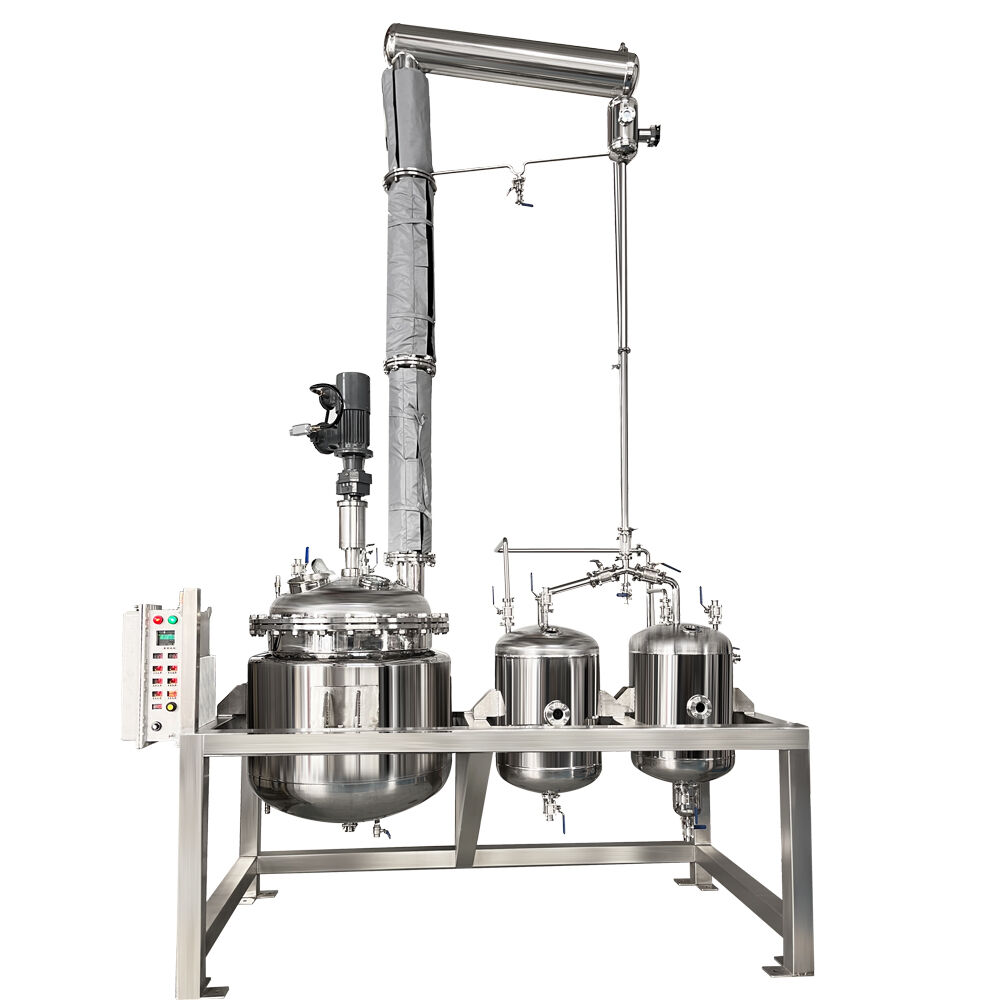
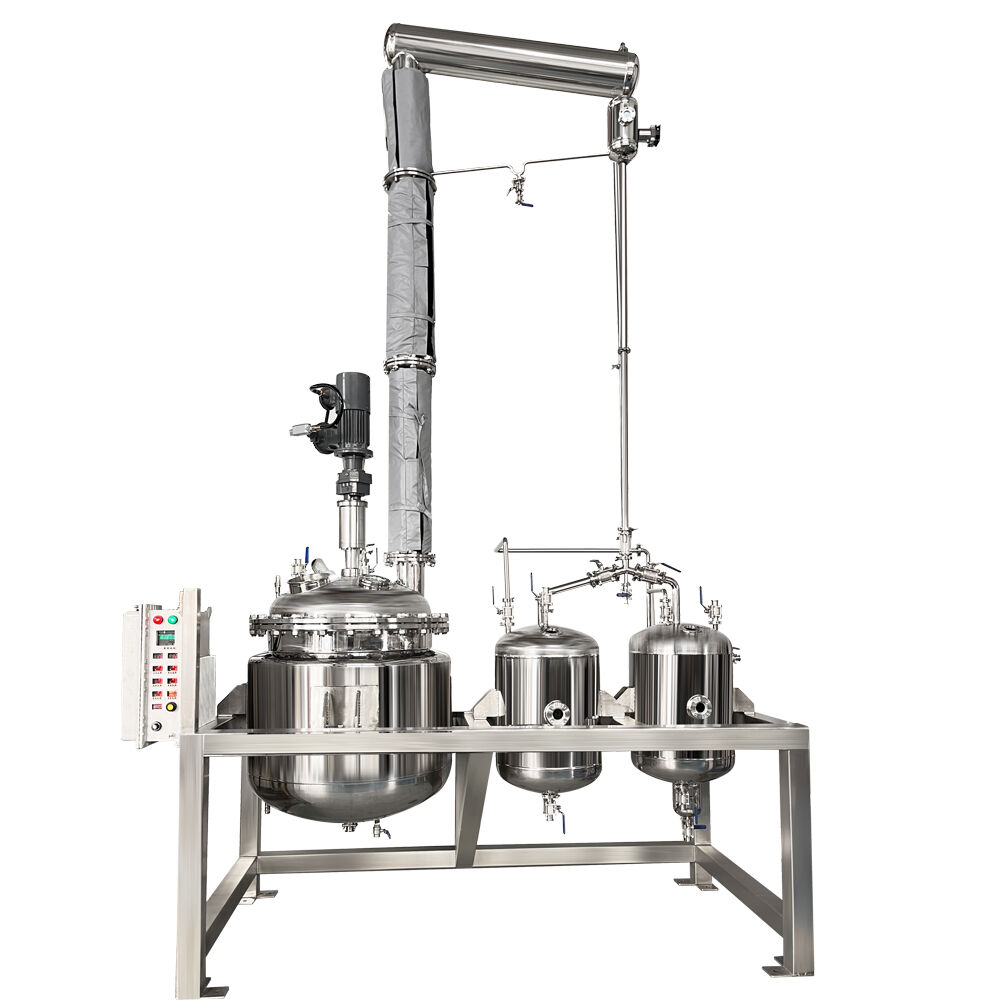
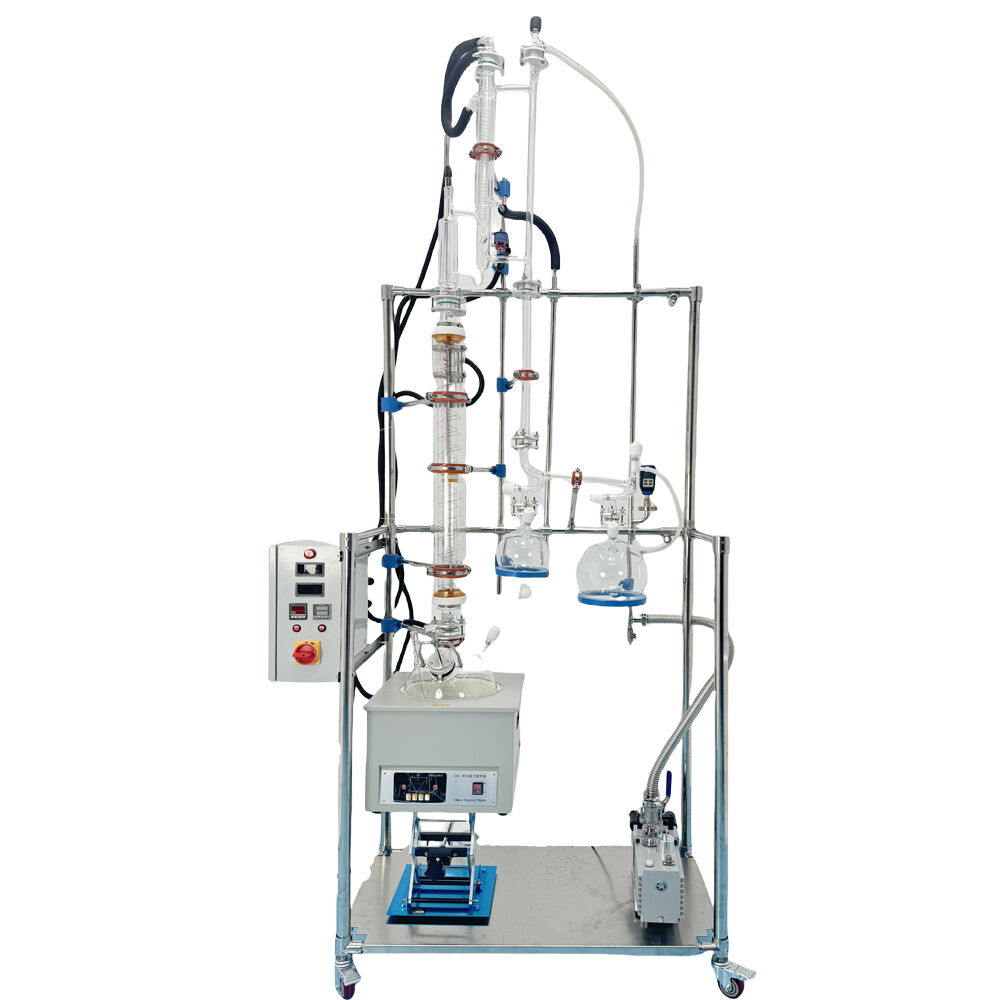
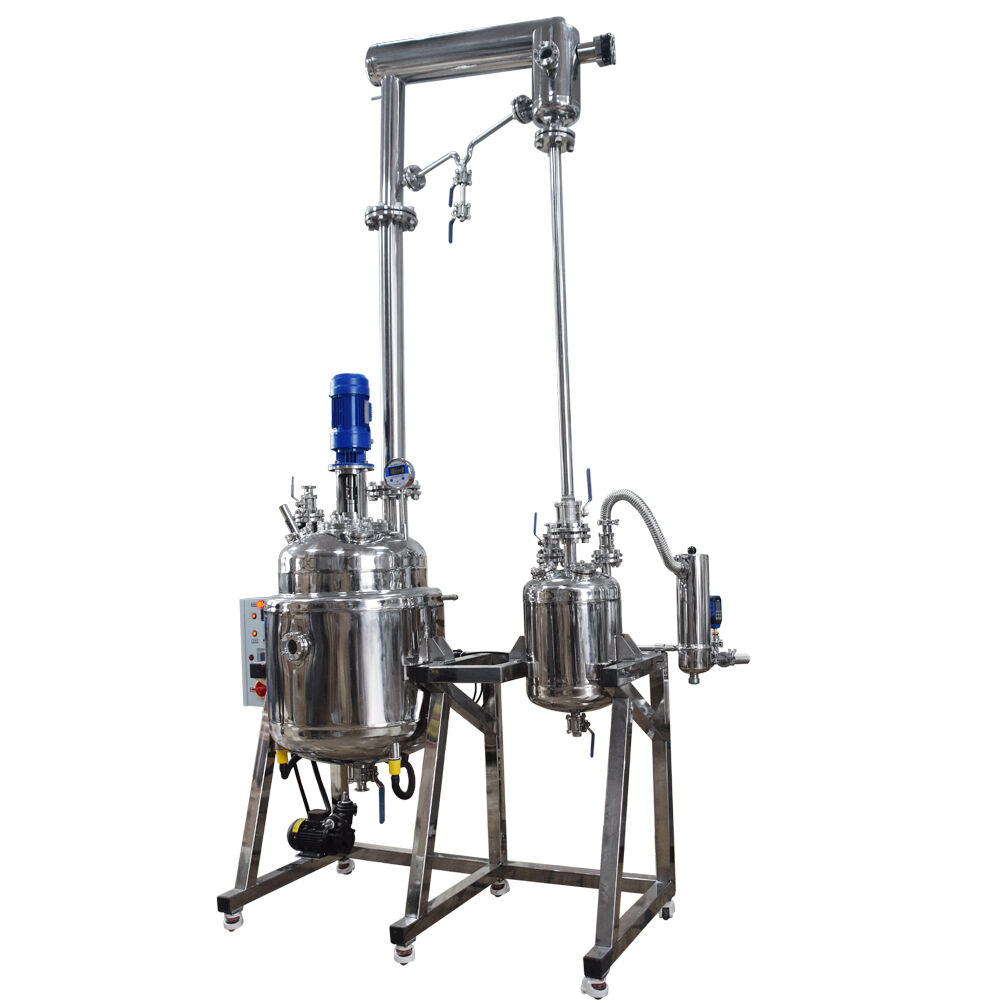
The pilot scale rectification reactor incorporates cutting-edge process control and monitoring systems that provide unprecedented visibility into separation operations and enable precise control over critical process variables. These sophisticated systems feature distributed control architecture with integrated sensors, actuators, and data acquisition capabilities that monitor temperature, pressure, flow rates, composition, and other key parameters throughout the entire process. The advanced monitoring infrastructure includes real-time analytical instruments such as gas chromatographs, mass spectrometers, and online analyzers that provide continuous feedback on product quality and separation efficiency. This comprehensive monitoring capability allows operators to detect process deviations immediately and implement corrective actions before they impact product quality or process stability. The control systems utilize advanced algorithms including model predictive control, cascade control loops, and adaptive control strategies that automatically adjust operating parameters to maintain optimal performance under varying conditions. These intelligent control capabilities reduce operator workload, minimize process variability, and ensure consistent product quality across different operating scenarios. The integrated data management systems capture and store vast amounts of process data that can be analyzed to identify optimization opportunities, troubleshoot operational issues, and support continuous improvement initiatives. Historical data analysis capabilities enable the development of process models that predict equipment performance under different conditions, facilitating better planning and decision-making for scale-up activities. The user-friendly human-machine interfaces provide intuitive access to process information through graphical displays, trend charts, and alarm systems that enhance operational efficiency and safety. Remote monitoring capabilities allow experts to provide support and guidance from different locations, improving troubleshooting effectiveness and reducing downtime. The comprehensive data logging and reporting features support regulatory compliance requirements and provide documentation needed for process validation and technology transfer activities. These advanced control and monitoring systems ultimately deliver superior process understanding, improved product quality, reduced operating costs, and enhanced safety performance compared to conventional rectification equipment.
 EN
EN