Vacuum Rectification Reactor: Advanced Separation Technology for Enhanced Processing Efficiency

Get a Free Quote

Our representative will contact you soon.
Email
Name
Contact Number
Company Name
Message
0/1000

vacuum rectification reactor

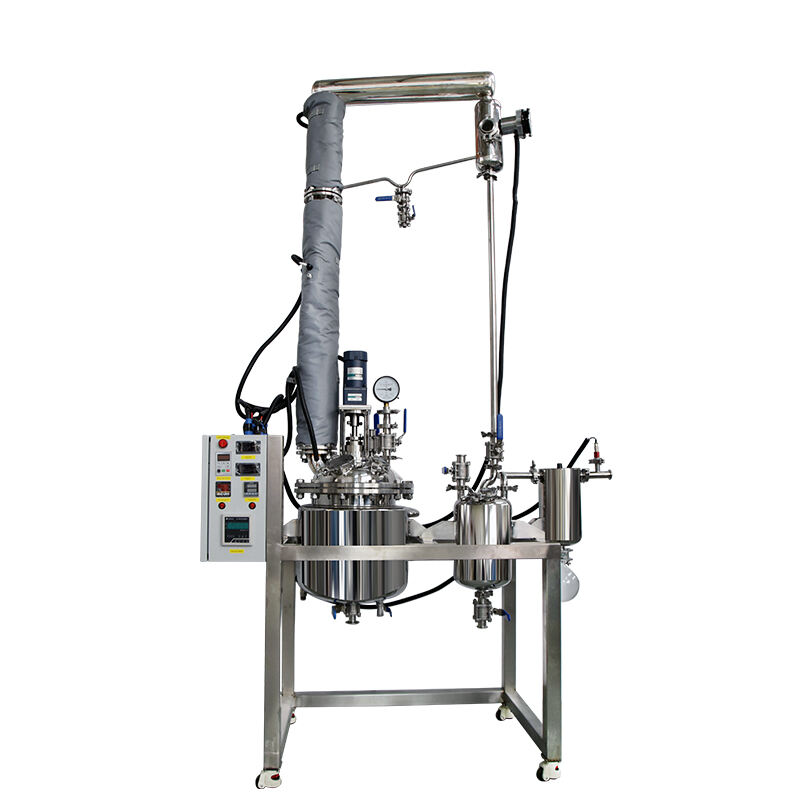
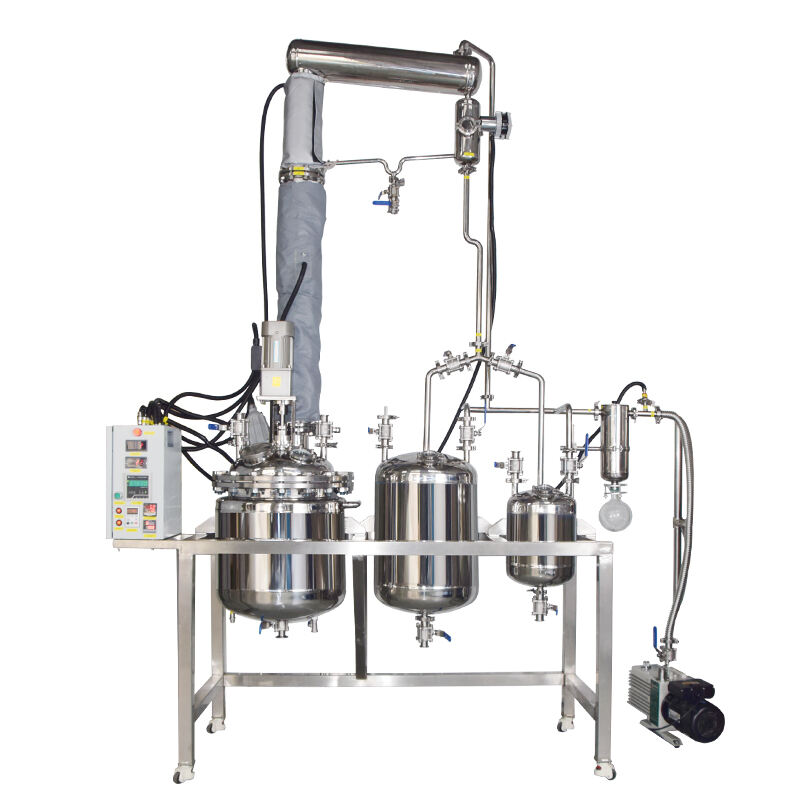
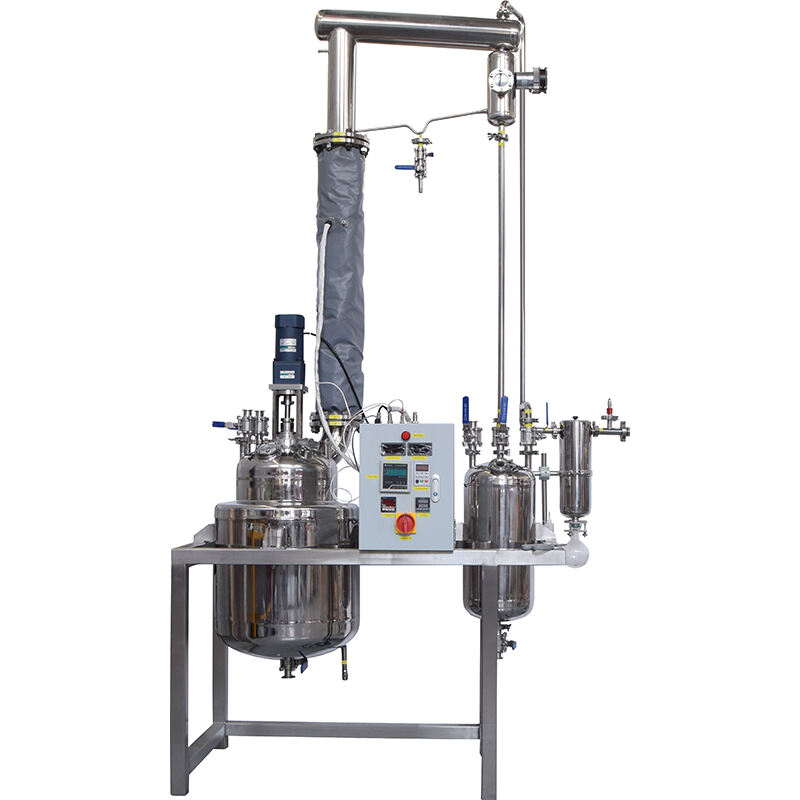
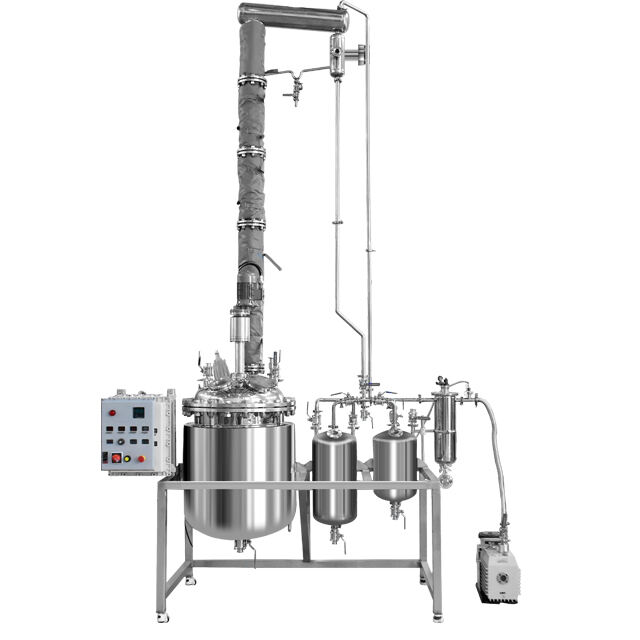
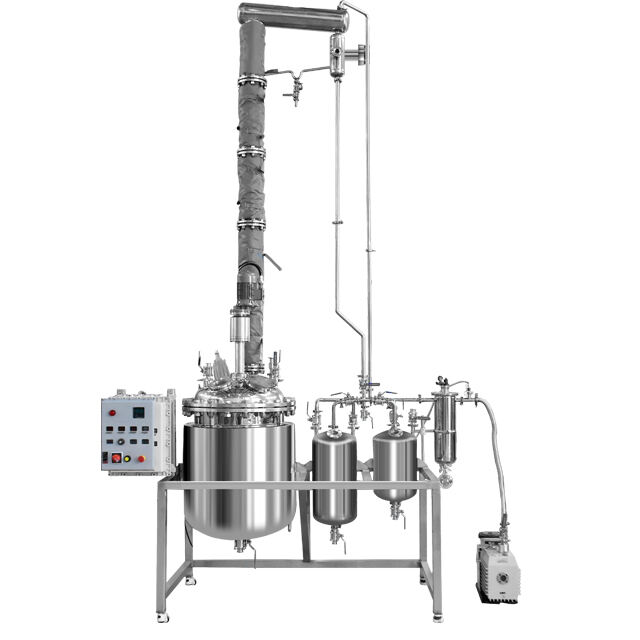
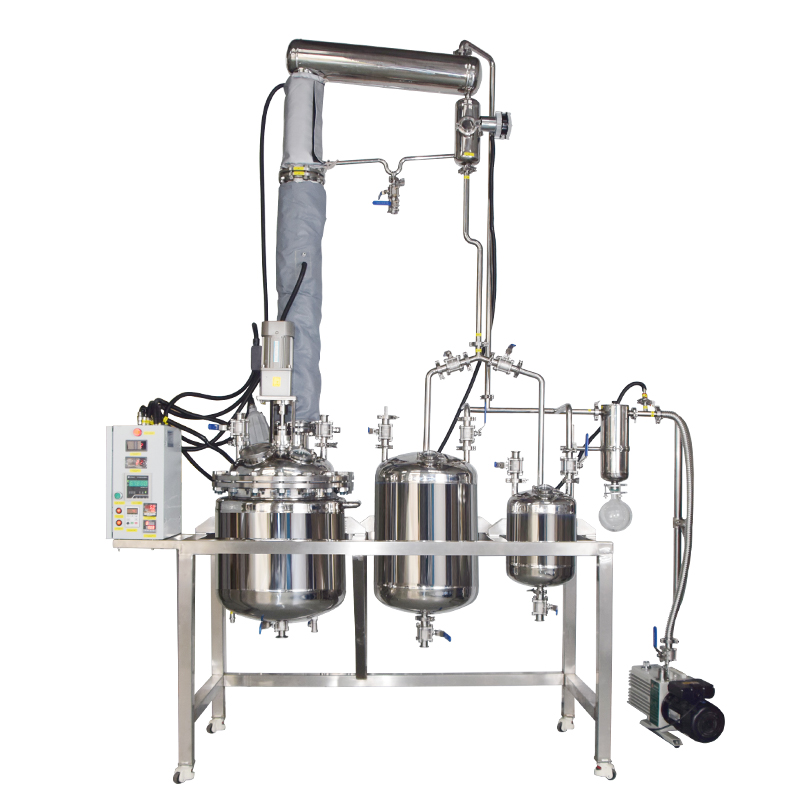
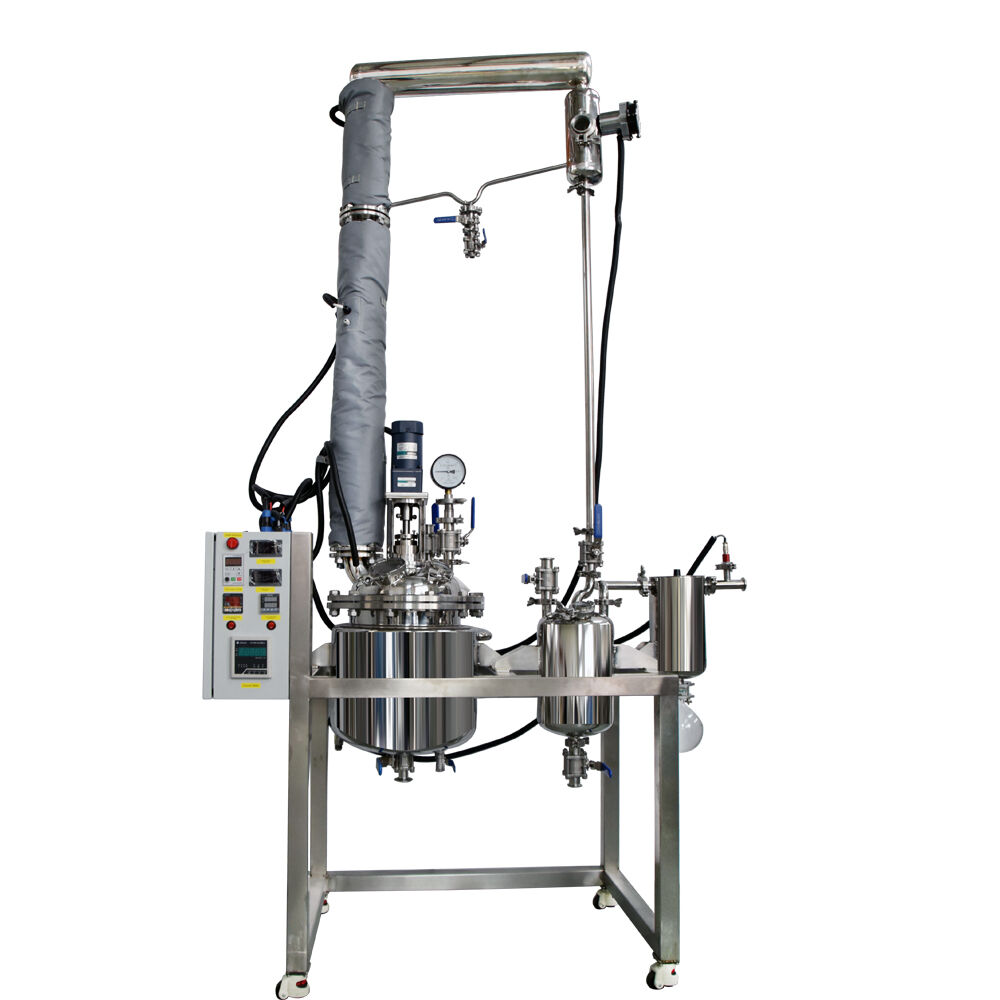
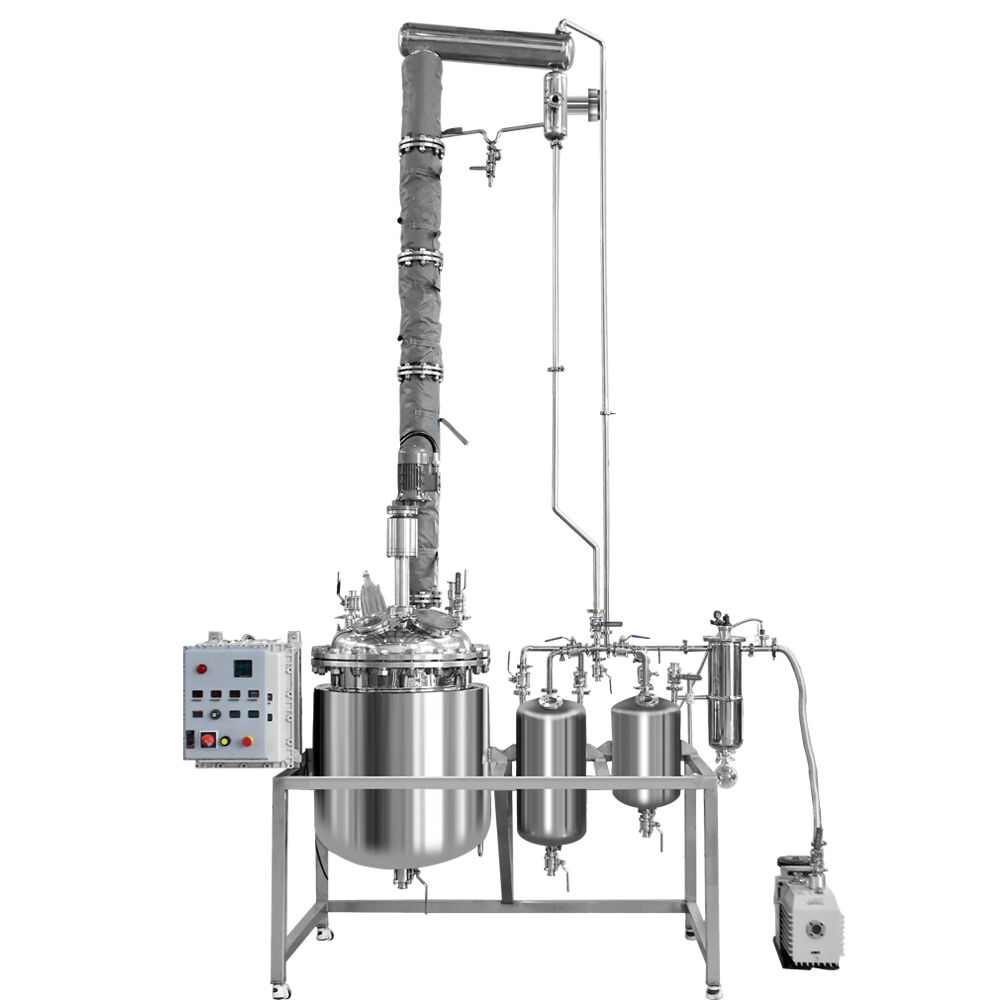
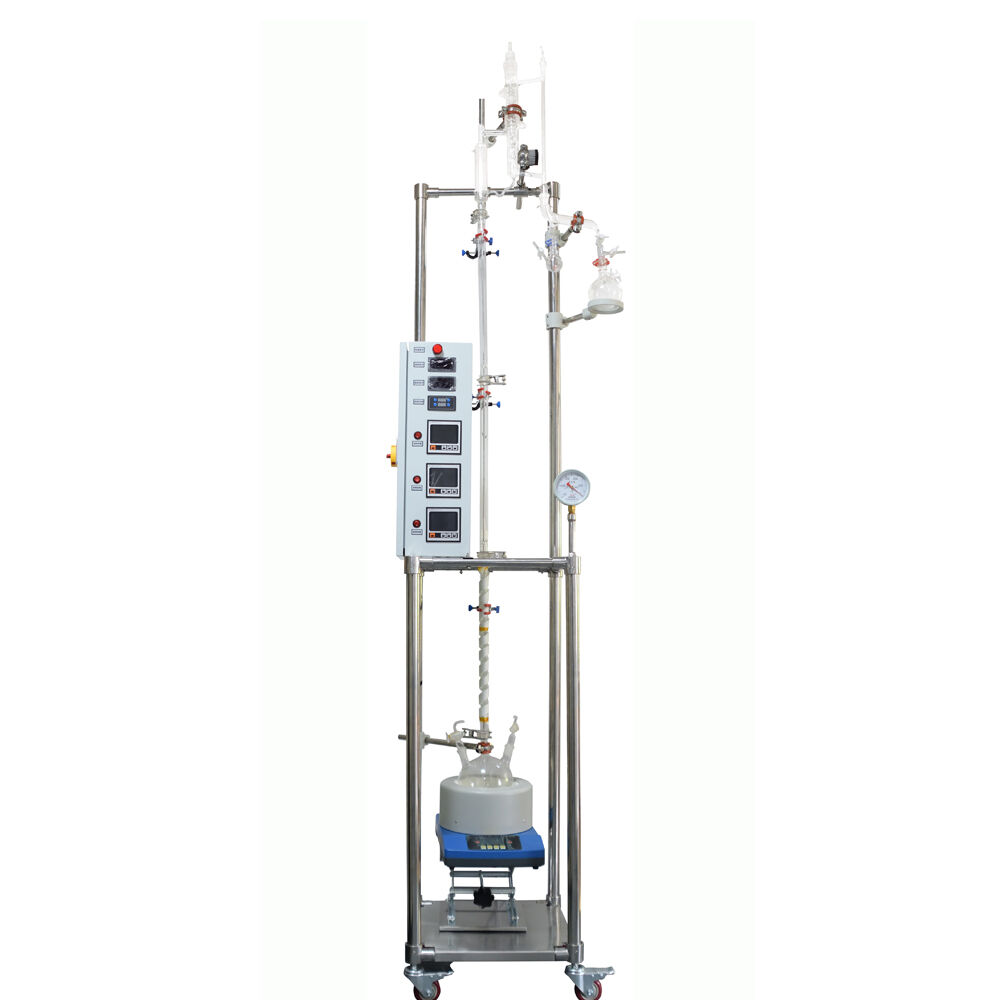
The vacuum rectification reactor represents a sophisticated piece of industrial equipment designed to perform high-precision separation and purification processes under reduced atmospheric pressure conditions. This advanced system combines the principles of distillation and rectification within a controlled vacuum environment, enabling operators to achieve superior separation efficiency while maintaining optimal product quality. The vacuum rectification reactor operates by creating a low-pressure environment that significantly reduces the boiling points of target compounds, allowing for gentle processing of heat-sensitive materials that would otherwise decompose under normal atmospheric conditions. The main functions of this equipment include continuous separation of liquid mixtures, purification of chemical compounds, recovery of valuable solvents, and concentration of solutions with varying volatilities. The reactor features multiple theoretical plates or packing sections that provide extensive surface area for vapor-liquid contact, ensuring maximum separation efficiency. Temperature control systems maintain precise thermal conditions throughout the process, while sophisticated monitoring equipment tracks pressure, temperature, and composition parameters in real-time. The vacuum rectification reactor incorporates robust construction materials such as stainless steel or specialized alloys to withstand corrosive environments and maintain structural integrity under vacuum conditions. Advanced sealing systems prevent air infiltration while specialized pumping mechanisms maintain consistent vacuum levels. The equipment typically includes automated control systems that optimize operating parameters, reduce manual intervention, and ensure consistent product quality. Heat exchangers within the system maximize energy efficiency by recovering thermal energy from outgoing streams and preheating incoming feed materials. The reactor design accommodates various feed compositions and production requirements, making it suitable for batch or continuous operation modes depending on specific application needs.

New Products

The vacuum rectification reactor delivers exceptional performance benefits that directly translate to improved operational efficiency and cost savings for industrial facilities. Operating under reduced pressure conditions allows processing at significantly lower temperatures, which prevents thermal degradation of sensitive compounds and maintains product integrity throughout the separation process. This temperature reduction capability enables facilities to handle heat-sensitive materials that would otherwise be impossible to process using conventional atmospheric distillation methods. Energy consumption decreases substantially compared to traditional rectification systems because lower operating temperatures require less heating energy, resulting in reduced utility costs and improved environmental sustainability. The enhanced separation efficiency achieved through vacuum operation means higher product purity levels with fewer theoretical stages, reducing equipment size requirements and capital investment costs. Operators benefit from improved process control precision because vacuum conditions provide more stable operating environments with reduced fluctuations in pressure and temperature parameters. The system maintains consistent separation performance even with varying feed compositions, ensuring reliable product quality regardless of input material variations. Maintenance requirements decrease significantly due to reduced thermal stress on equipment components, extending service life and minimizing downtime expenses. The vacuum rectification reactor processes materials faster than conventional systems because reduced pressure conditions accelerate mass transfer rates and improve vapor-liquid equilibrium characteristics. Product recovery rates increase substantially, allowing facilities to capture valuable compounds that might be lost during atmospheric processing due to thermal decomposition or side reactions. Operational flexibility improves because the same equipment can handle multiple products by adjusting vacuum levels and temperature profiles without requiring major hardware modifications. Safety considerations benefit from lower operating temperatures that reduce fire and explosion risks associated with high-temperature processing of volatile materials. Quality control becomes more manageable because vacuum conditions minimize unwanted chemical reactions and preserve desired product characteristics throughout the separation process. The reactor integrates seamlessly with existing plant infrastructure while providing superior performance metrics that justify investment costs through improved yields and reduced operating expenses.

Tips And Tricks

Why Jacketed Glass Reactors are Essential for Your Lab

29

Oct

Why Jacketed Glass Reactors are Essential for Your Lab

Superior Temperature Control for Consistent Reaction ConditionsJacketed glass reactors achieve ±0.5°C temperature stability through their double-wall design, ensuring precise and consistent reaction conditions critical for sensitive chemic...
View More
How to Choose the Right Stainless Steel Reactor for Pharmaceutical Production

12

Nov

How to Choose the Right Stainless Steel Reactor for Pharmaceutical Production

Selecting the appropriate stainless steel reactor for pharmaceutical production is a critical decision that directly impacts product quality, manufacturing efficiency, and regulatory compliance. The pharmaceutical industry demands exceptional standar...
View More
Rotary and Liftable Stainless Steel Reactor vs Fixed Reactor: Which Is Better?

20

Jan

Rotary and Liftable Stainless Steel Reactor vs Fixed Reactor: Which Is Better?

Modern industrial processing demands precision, efficiency, and adaptability in chemical reactions and material processing. The choice between a rotary and liftable stainless steel reactor versus a traditional fixed reactor represents a critical deci...
View More
Explosion-Proof Glass Molecular Distillation System: Principles, Design, and Applications

30

Jan

Explosion-Proof Glass Molecular Distillation System: Principles, Design, and Applications

An explosion-proof glass molecular distillation system is a critical solution for the separation and purification of high-value, heat-sensitive, and solvent-based materials. As industries increasingly demand higher purity, safer operation, and gentle...
View More

Get a Free Quote

Our representative will contact you soon.
Email
Name
Contact Number
Company Name
Message
0/1000

vacuum rectification reactor

Superior Temperature Control and Heat-Sensitive Material Processing

Superior Temperature Control and Heat-Sensitive Material Processing

The vacuum rectification reactor excels in processing heat-sensitive materials through its advanced temperature control capabilities that operate under reduced pressure conditions. This critical advantage allows manufacturers to separate and purify compounds that would normally decompose or degrade when exposed to the high temperatures required for atmospheric distillation. The vacuum environment reduces boiling points by 50-80 degrees Celsius compared to atmospheric conditions, enabling gentle processing of pharmaceutical intermediates, fine chemicals, essential oils, and other temperature-sensitive products. The precise temperature control system maintains optimal thermal conditions throughout the separation process, preventing hot spots that could damage valuable products or create unwanted byproducts. Multiple temperature monitoring points provide real-time feedback to automated control systems that adjust heating and cooling rates to maintain ideal processing conditions. The reactor incorporates sophisticated heat exchange networks that recover thermal energy from product streams while maintaining precise temperature gradients across different sections of the equipment. This temperature management capability extends beyond simple heating and cooling to include thermal shock prevention during startup and shutdown procedures. Operators can process materials with decomposition temperatures as low as 80-100 degrees Celsius that would be impossible to handle using conventional atmospheric systems requiring temperatures of 200 degrees Celsius or higher. The controlled thermal environment also prevents polymerization reactions, oxidation, and other temperature-induced degradation mechanisms that reduce product quality and yield. Advanced insulation systems maintain temperature uniformity while minimizing heat loss to the environment, improving energy efficiency and reducing operating costs. The vacuum rectification reactor enables processing of biological compounds, natural extracts, and synthetic materials that require gentle handling to preserve their molecular structure and functional properties, opening new opportunities for high-value product manufacturing.
Enhanced Separation Efficiency and Product Purity

Enhanced Separation Efficiency and Product Purity

The vacuum rectification reactor achieves exceptional separation efficiency through optimized mass transfer characteristics that result from reduced pressure operation and advanced internal design features. The vacuum environment enhances vapor-liquid equilibrium relationships, creating more favorable conditions for separating compounds with similar boiling points that would be difficult to separate under atmospheric conditions. This improved separation capability allows the reactor to produce higher purity products with fewer theoretical stages compared to conventional distillation systems, reducing equipment size and capital costs while maintaining superior performance. The reactor incorporates high-efficiency packing materials or structured internals that maximize surface area for vapor-liquid contact, ensuring optimal mass transfer rates throughout the separation process. Multiple feed points and side-draw capabilities enable complex separation schemes that can simultaneously produce multiple product streams with different purity specifications from a single feed mixture. The vacuum environment reduces entrainment and flooding phenomena that typically limit capacity in atmospheric systems, allowing higher throughput rates without compromising separation performance. Advanced vapor distribution systems ensure uniform vapor flow across the reactor cross-section, preventing channeling and dead zones that could reduce separation efficiency. The reactor maintains consistent separation performance across varying operating conditions through automated control systems that optimize reflux ratios, vapor velocities, and temperature profiles in real-time. Product purity levels consistently exceed 99.5 percent for many applications, meeting stringent quality requirements for pharmaceutical, electronic, and specialty chemical industries. The enhanced separation capability enables recovery of valuable byproducts that might otherwise be lost, improving overall process economics and reducing waste generation. Sophisticated analytical systems provide continuous monitoring of product composition, enabling immediate adjustments to maintain target purity levels throughout production runs. The vacuum rectification reactor processes complex mixtures containing multiple components with overlapping volatilities, achieving clean separations that would require multiple distillation steps using conventional equipment.
Energy Efficiency and Operational Cost Reduction

Energy Efficiency and Operational Cost Reduction

The vacuum rectification reactor delivers substantial energy savings and operational cost reductions through innovative design features and optimized process conditions that minimize utility consumption while maximizing productivity. Operating under vacuum conditions reduces the energy required for vaporization because lower boiling points mean less heat input needed to achieve the same separation results compared to atmospheric systems. The reactor incorporates advanced heat integration schemes that recover thermal energy from condensing vapors and outgoing product streams, using this recovered heat to preheat incoming feed materials and reduce overall heating requirements. Multi-effect operation capabilities allow the system to utilize waste heat from other plant processes, further reducing energy consumption and improving overall facility efficiency. The vacuum environment enables more efficient heat transfer because reduced pressure conditions improve temperature driving forces across heat exchange surfaces, allowing smaller heat exchangers to achieve the same thermal duty. Automated optimization systems continuously adjust operating parameters to maintain minimum energy consumption while meeting production targets and quality specifications. The reactor requires significantly less cooling water compared to atmospheric systems because lower operating temperatures reduce condenser loads and cooling requirements. Reduced energy consumption translates directly to lower utility bills, with typical savings of 30-50 percent compared to conventional atmospheric distillation systems processing similar materials. The system incorporates variable-speed drives on pumps and compressors that adjust power consumption based on actual process requirements rather than running at fixed maximum capacity. Energy-efficient vacuum pumps maintain required pressure levels while minimizing electrical consumption through advanced control algorithms that optimize pumping rates. The reactor design enables rapid startup and shutdown procedures that reduce transition energy costs and improve campaign flexibility. Lower operating temperatures extend equipment service life by reducing thermal stress and corrosion rates, resulting in lower maintenance costs and longer intervals between major overhauls. The enhanced energy efficiency improves plant sustainability metrics while providing competitive advantages through reduced production costs that can be passed on to customers or retained as improved profit margins.

Get a Free Quote

Our representative will contact you soon.
Email
Name
Contact Number
Company Name
Message
0/1000