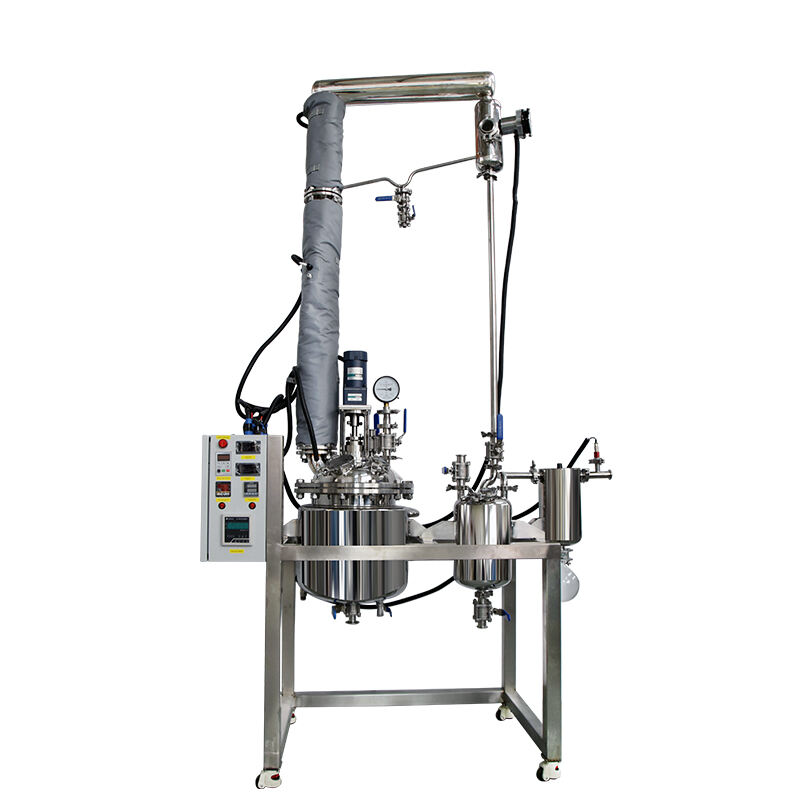
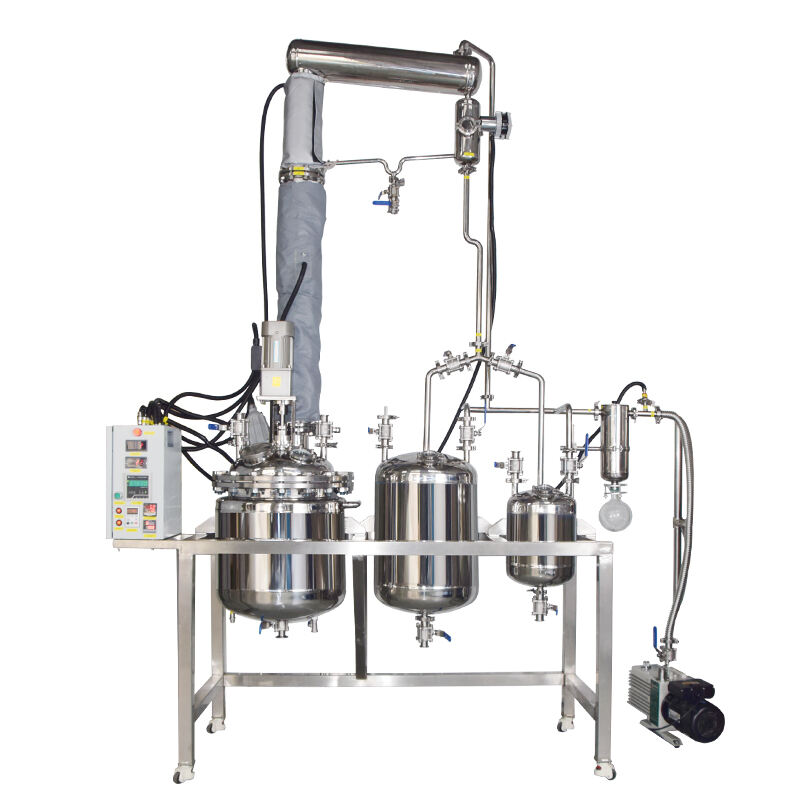
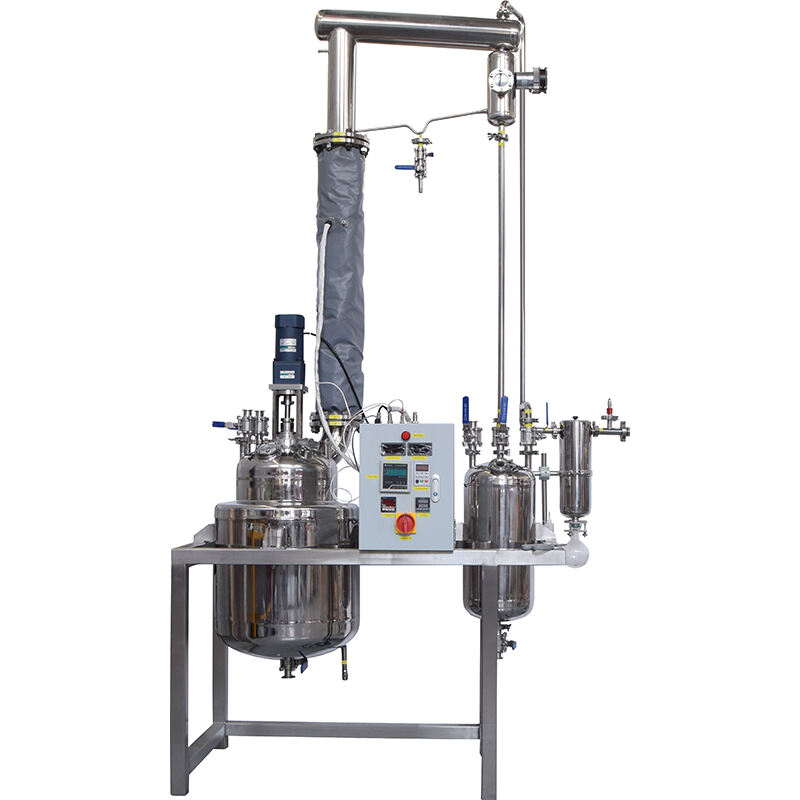
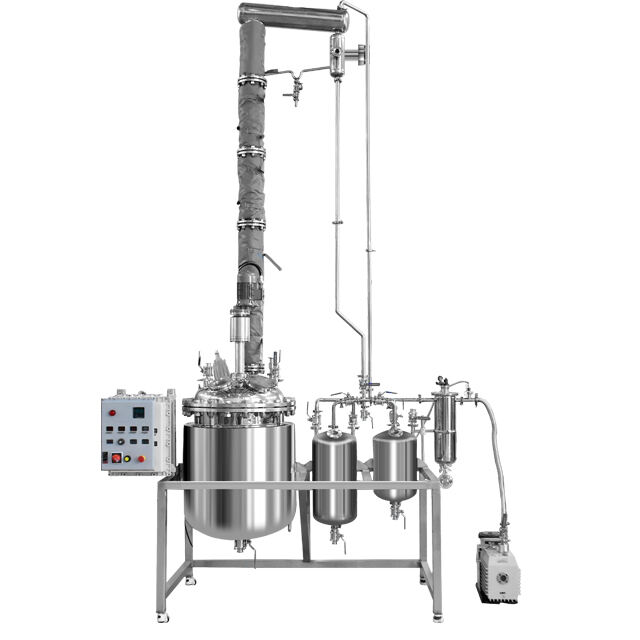
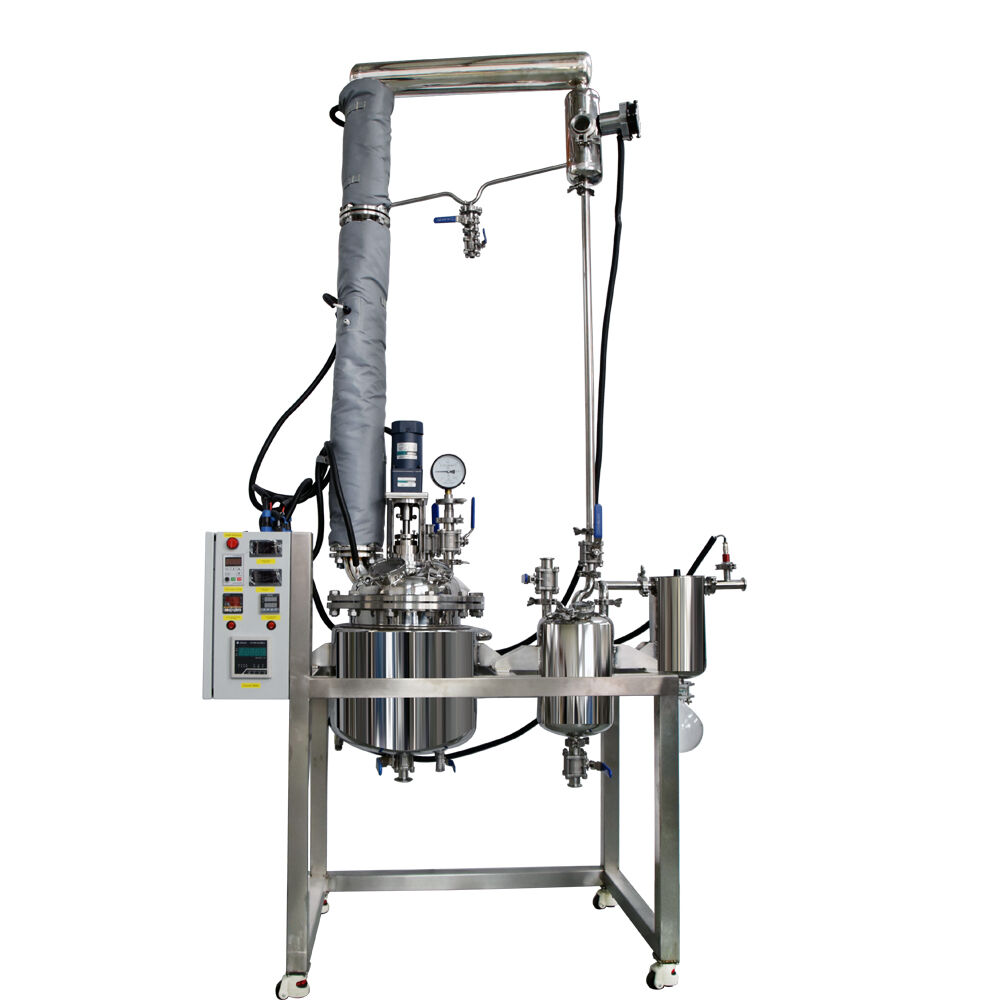
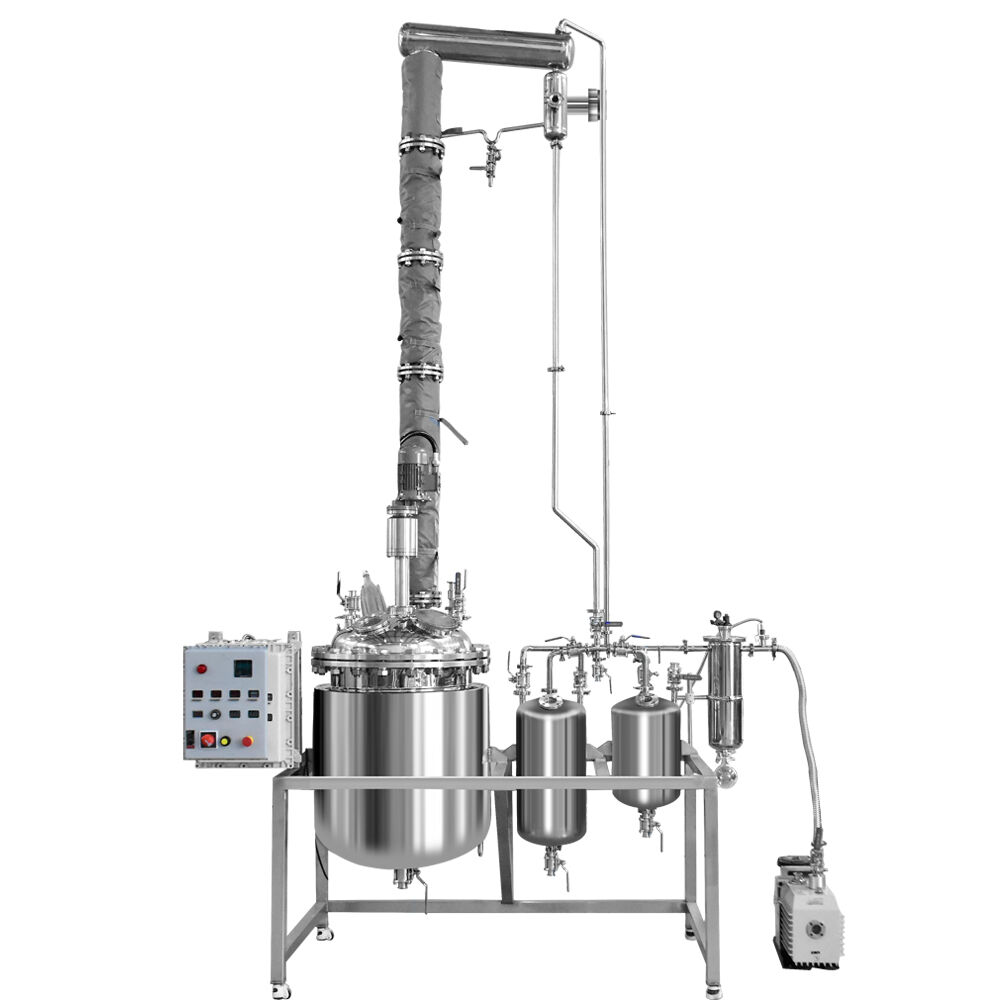
high-efficiency rectification reactor
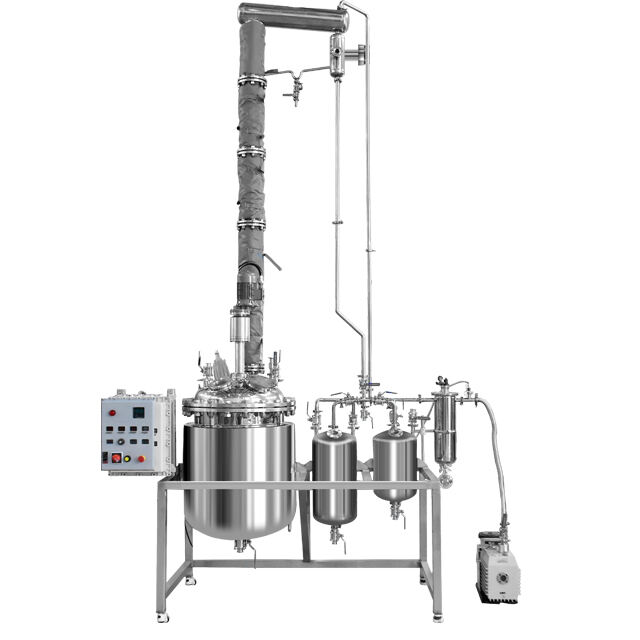
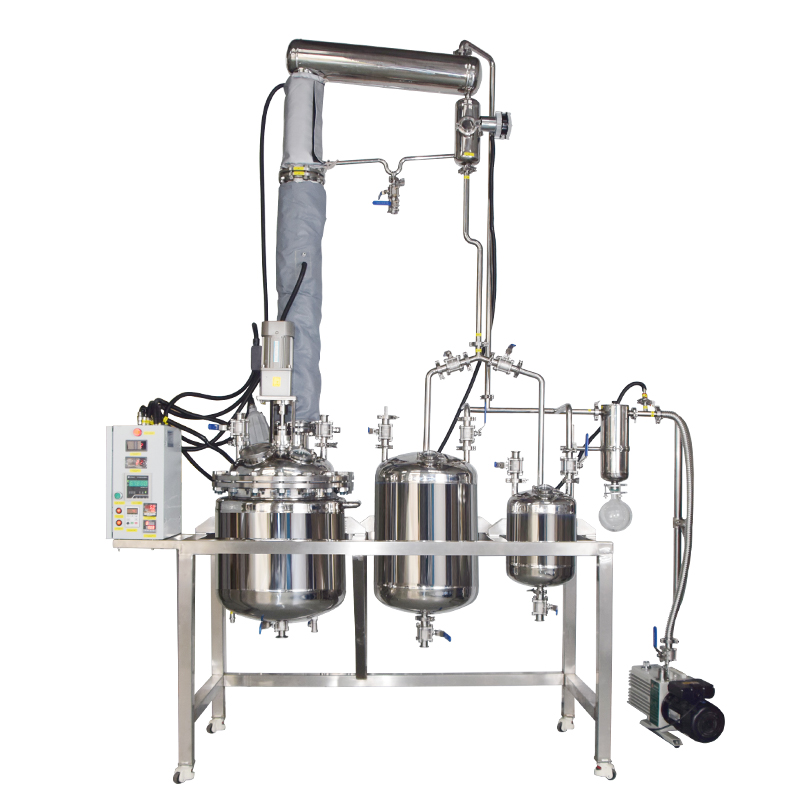
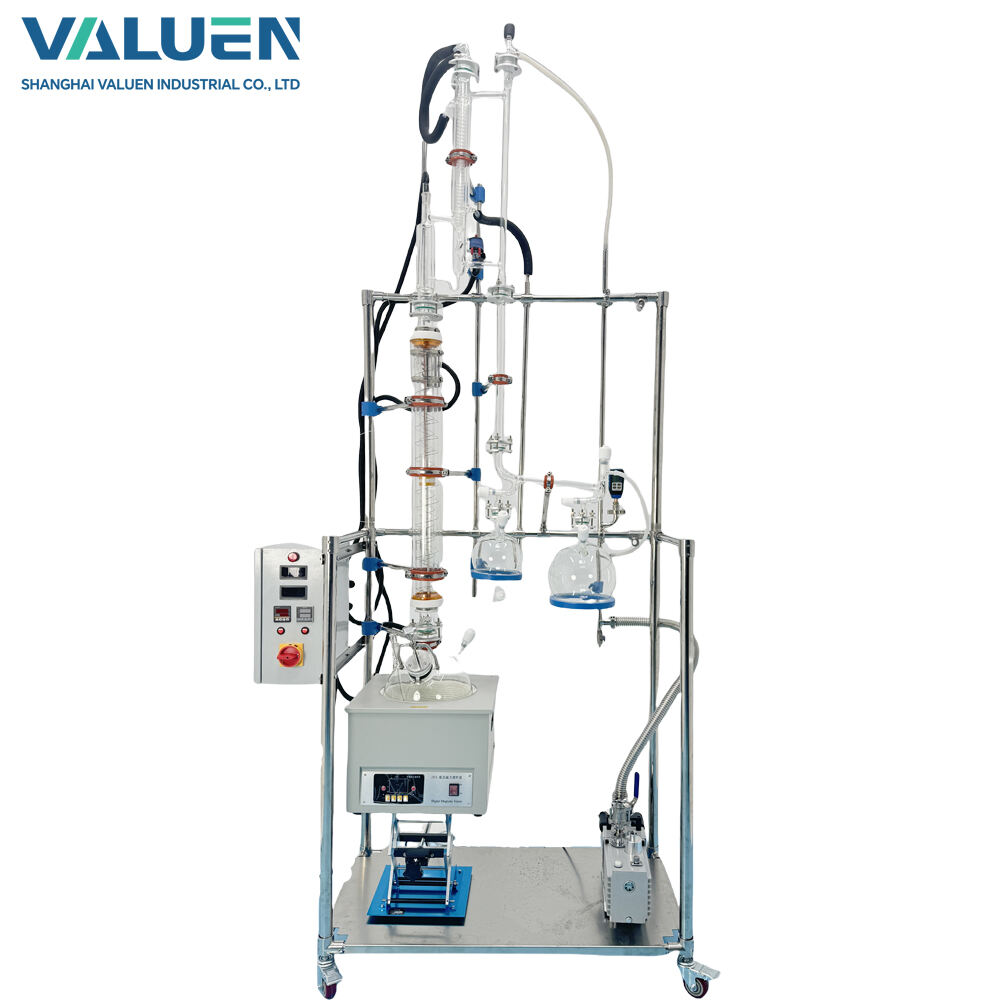
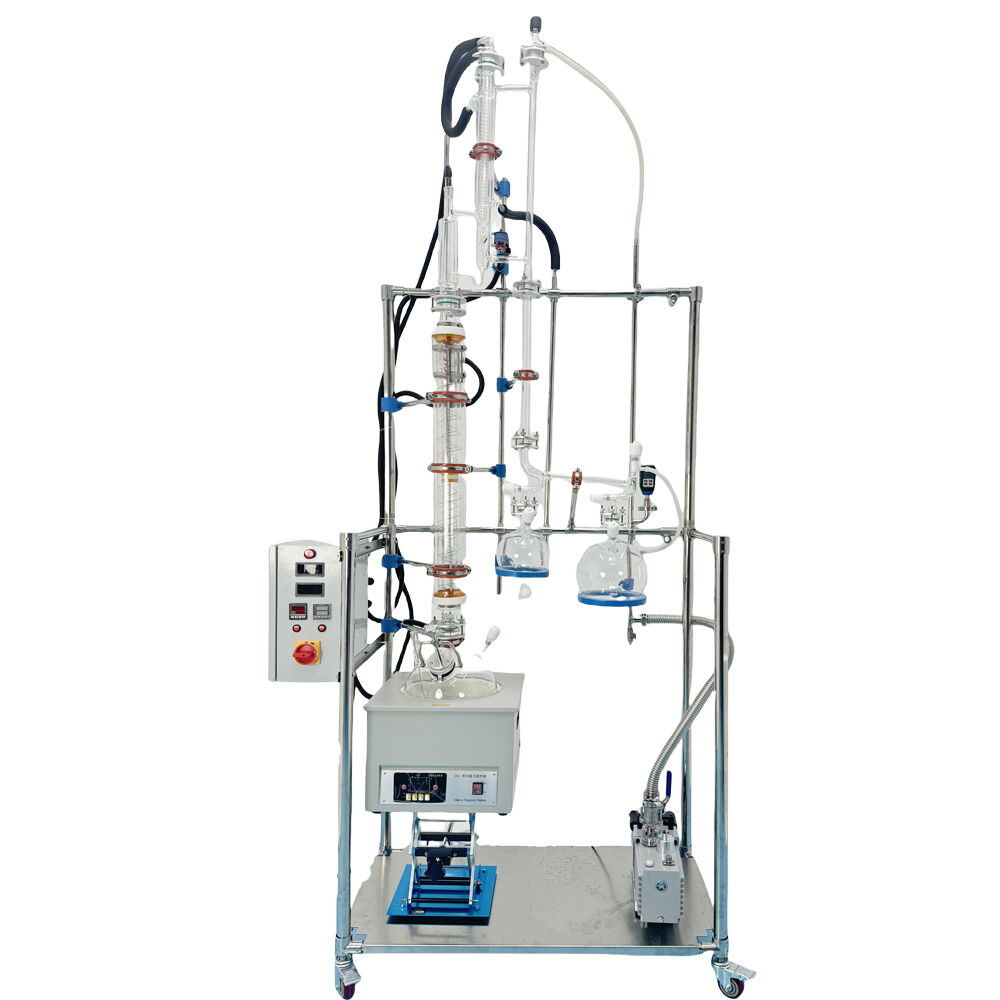
The high-efficiency rectification reactor represents a cutting-edge advancement in chemical processing technology, designed to optimize separation and purification processes across various industrial applications. This sophisticated equipment combines innovative design principles with advanced engineering to deliver superior performance in distillation and rectification operations. The primary function of a high-efficiency rectification reactor involves separating liquid mixtures into their individual components through controlled heating, vaporization, and condensation processes. Unlike conventional rectification systems, this advanced reactor incorporates enhanced heat transfer mechanisms, improved vapor-liquid contact efficiency, and optimized internal configurations to maximize separation effectiveness. The technological features of the high-efficiency rectification reactor include precision-engineered internals such as structured packing or high-performance trays that facilitate optimal vapor-liquid interaction. These components create extensive surface areas for mass transfer while minimizing pressure drop, resulting in improved separation efficiency and reduced energy consumption. The reactor's advanced control systems enable precise temperature and pressure regulation, ensuring consistent product quality and operational stability. Modern high-efficiency rectification reactors often incorporate smart monitoring technologies that provide real-time data analysis and automated adjustments to maintain optimal operating conditions. Industrial applications for the high-efficiency rectification reactor span numerous sectors including petrochemicals, pharmaceuticals, food and beverage processing, specialty chemicals, and environmental remediation. In petrochemical facilities, these reactors excel at separating complex hydrocarbon mixtures, purifying solvents, and producing high-purity chemical intermediates. Pharmaceutical manufacturers rely on high-efficiency rectification reactors for solvent recovery, API purification, and waste stream treatment. The food industry utilizes these systems for alcohol distillation, essential oil extraction, and flavor compound concentration. Environmental applications include contaminated water treatment and volatile organic compound recovery, demonstrating the versatility of this advanced rectification technology.
 EN
EN