Jacketed Glass Crystallization Reactor: Advanced Temperature Control & Visual Monitoring Solutions

Get a Free Quote

Our representative will contact you soon.
Email
Name
Contact Number
Company Name
Message
0/1000

jacketed glass crystallization reactor

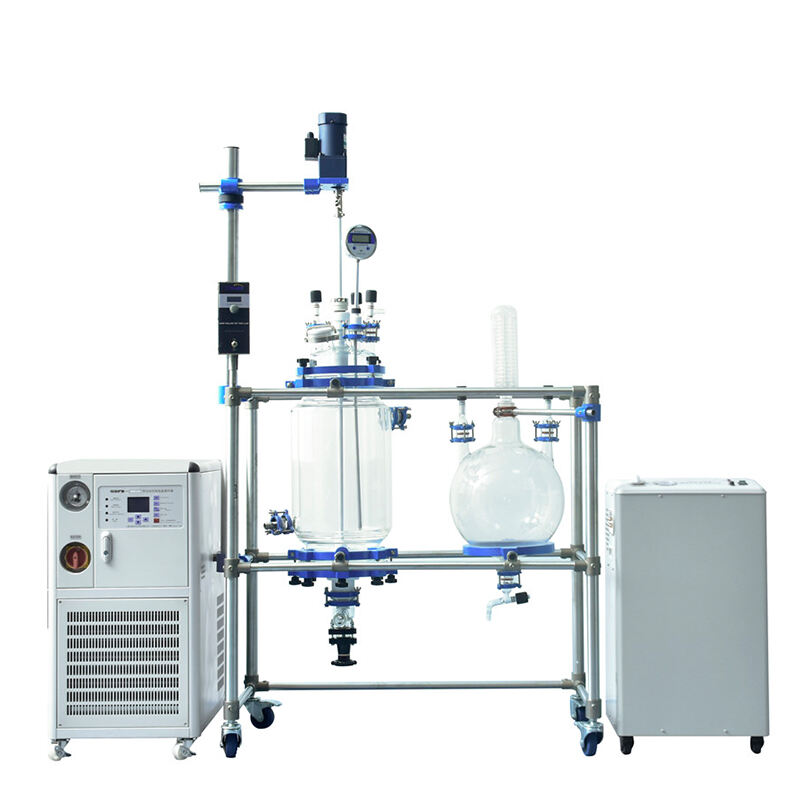
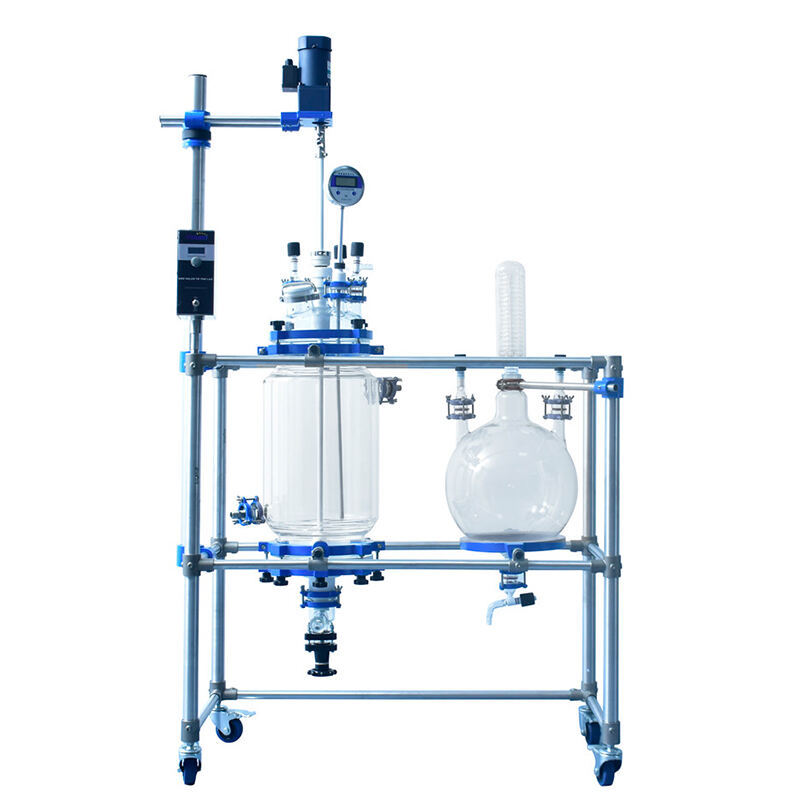
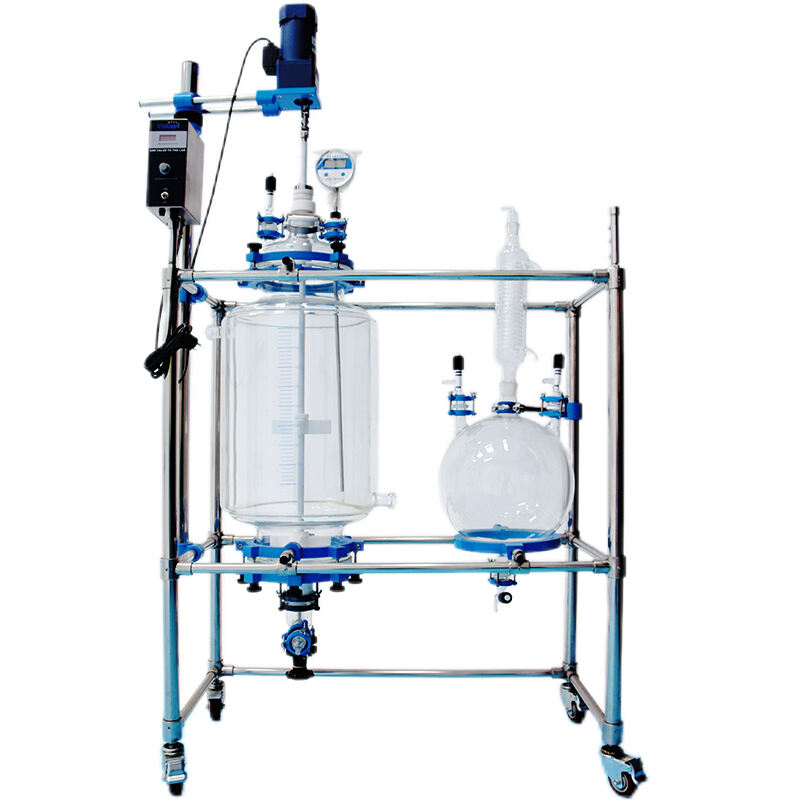
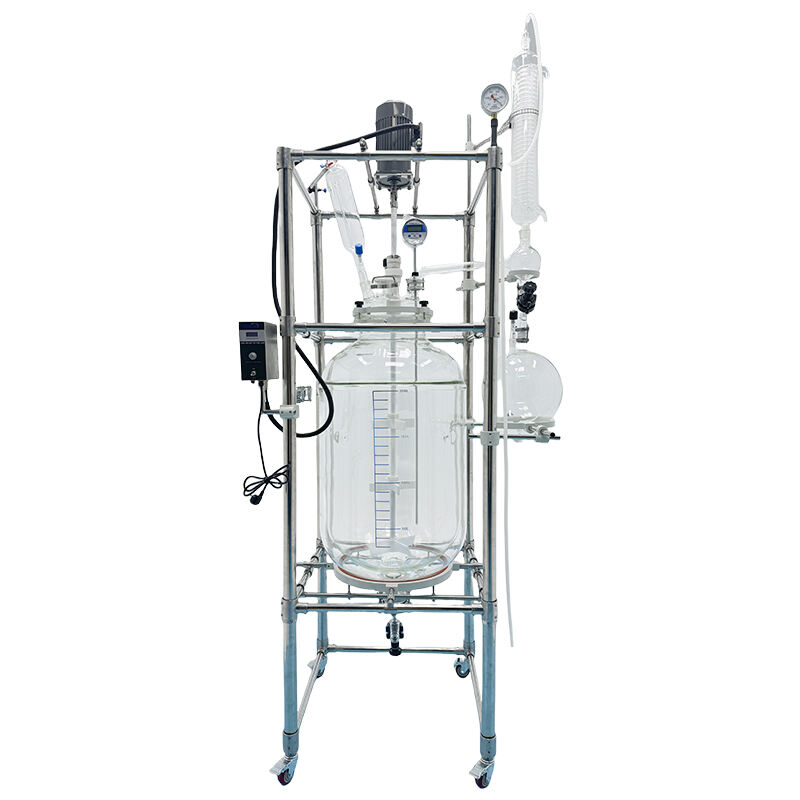
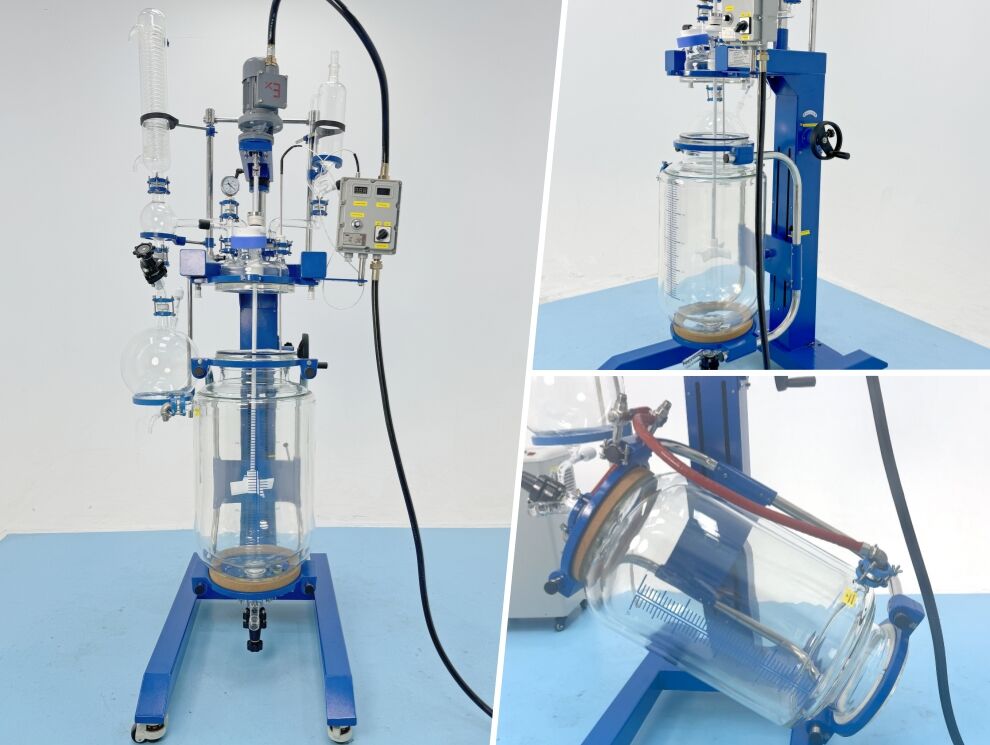
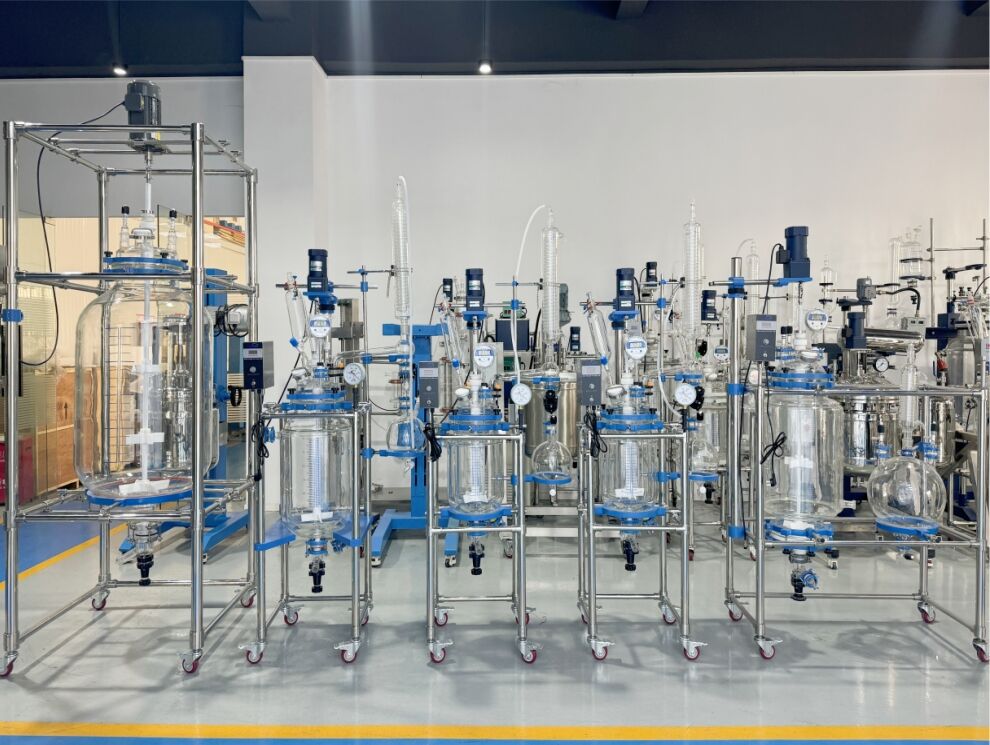
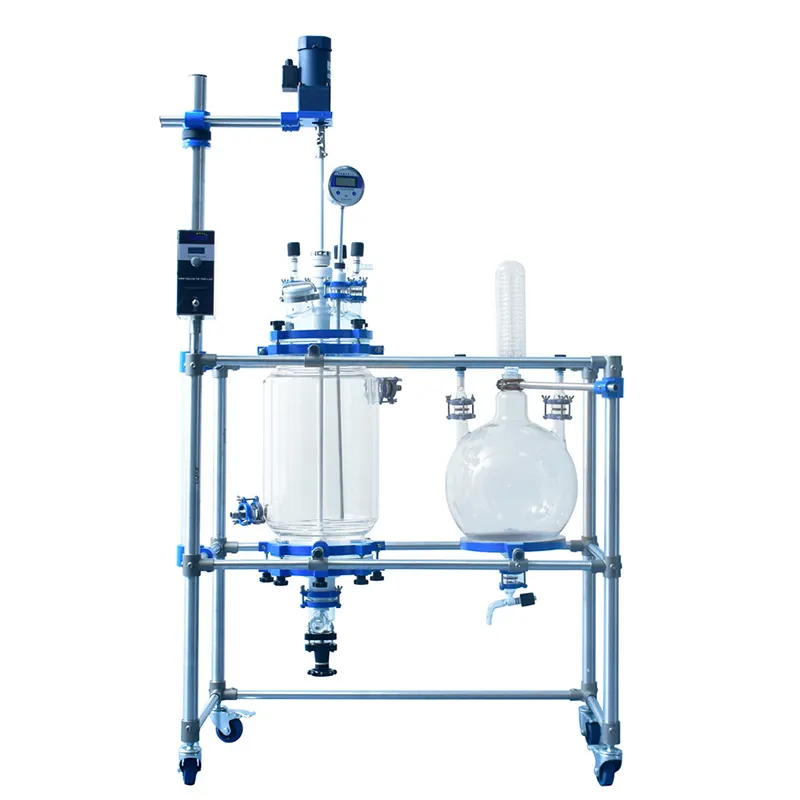
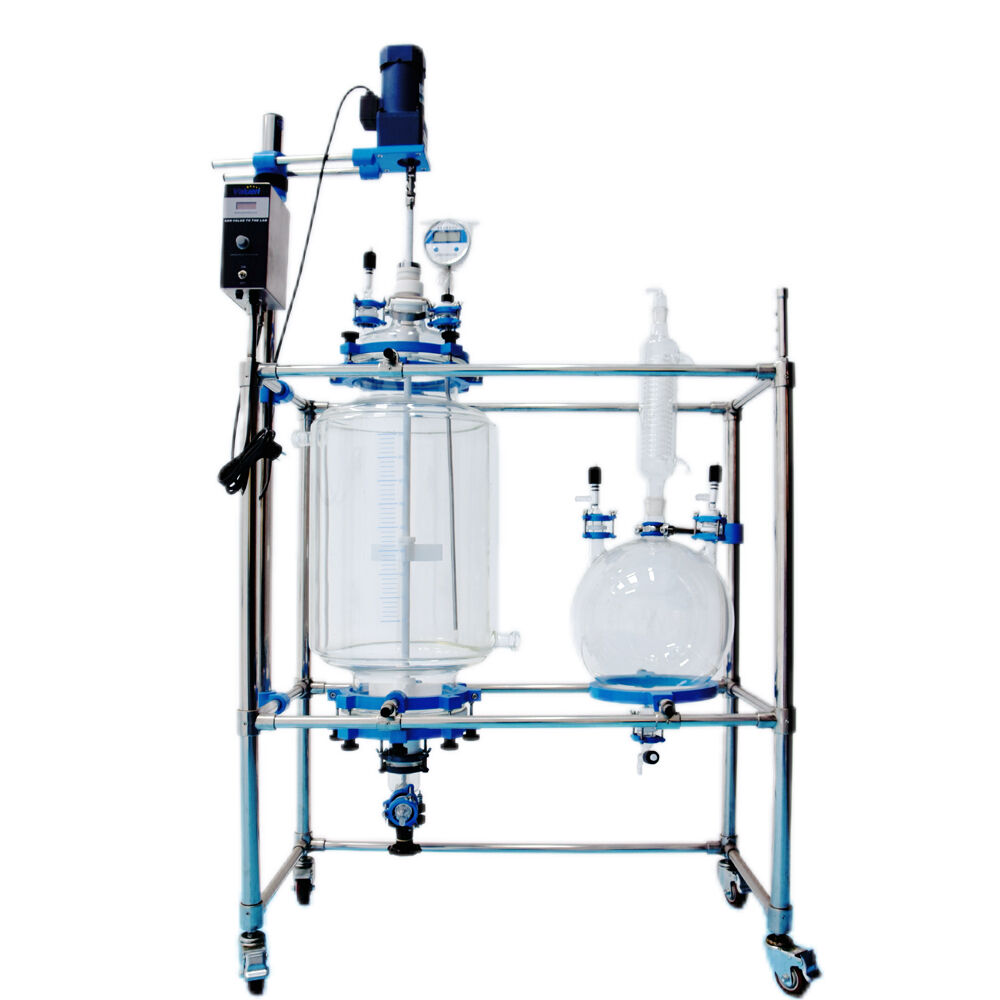
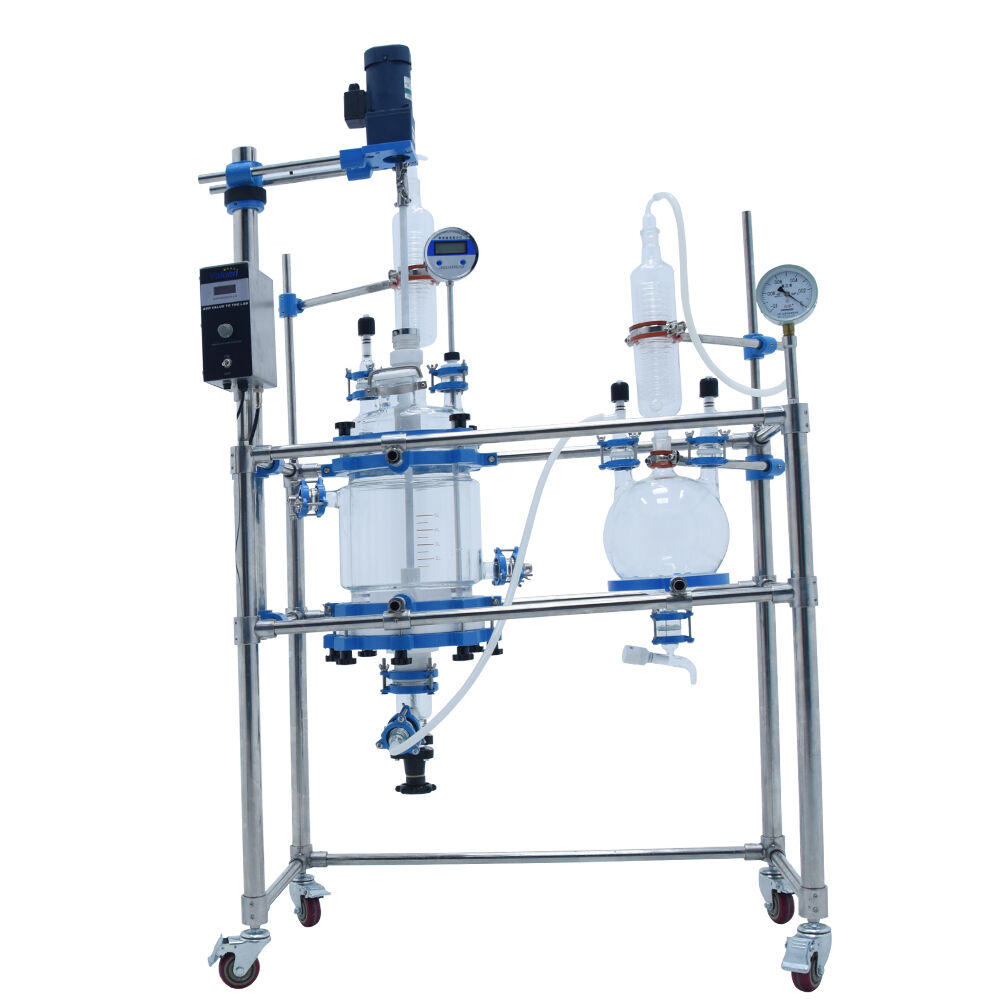
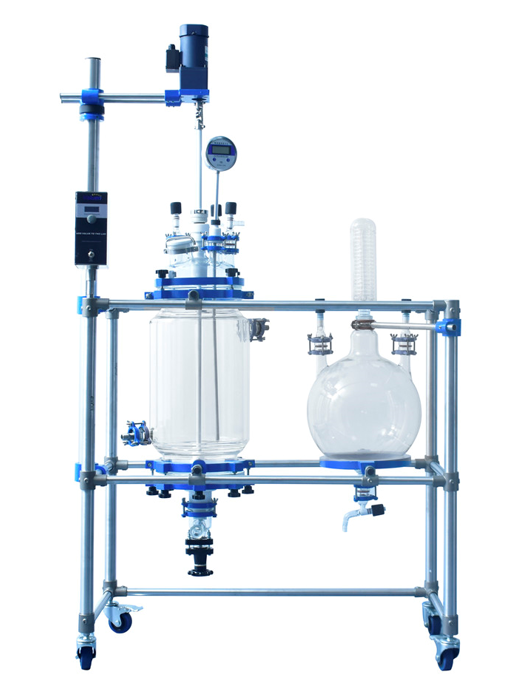
The jacketed glass crystallization reactor stands as a sophisticated piece of laboratory equipment designed to facilitate controlled crystallization processes across various industries. This specialized vessel combines the transparency of borosilicate glass with an advanced thermal management system, enabling researchers and manufacturers to observe crystal formation while maintaining precise temperature control. The jacketed glass crystallization reactor features a double-wall construction where the inner vessel contains the reaction mixture, while the outer jacket circulates heating or cooling fluids to regulate temperature with exceptional accuracy. The main functions of this equipment include crystal nucleation control, solvent evaporation management, and temperature regulation throughout the crystallization cycle. Its technological features encompass variable stirring mechanisms, precise temperature sensors, and pressure monitoring systems that work together to create optimal conditions for crystal development. The reactor's transparent construction allows real-time monitoring of crystal growth patterns, enabling operators to make immediate adjustments when necessary. Applications span pharmaceutical manufacturing, where drug compounds require specific crystal forms for bioavailability, chemical research laboratories conducting crystallization studies, and industrial processes requiring high-purity crystalline products. The jacketed glass crystallization reactor proves invaluable in academic research settings where understanding crystallization kinetics is essential. Food industry applications include sugar crystallization and flavor compound isolation. Material science researchers utilize these reactors for developing new crystalline structures with specific properties. The equipment's versatility extends to environmental applications, such as salt recovery from wastewater treatment processes. Quality control laboratories rely on jacketed glass crystallization reactors to ensure product consistency and purity standards. The reactor's design accommodates various scales, from small laboratory batches to pilot plant operations, making it suitable for both research and production environments.

New Product Releases

The jacketed glass crystallization reactor delivers numerous practical benefits that directly impact operational efficiency and product quality for users across multiple industries. Enhanced temperature control represents the primary advantage, as the jacketed design ensures uniform heat distribution throughout the vessel, preventing hot spots that could compromise crystal quality or create unwanted polymorphs. This precise thermal management reduces batch-to-batch variability and increases reproducibility of crystallization processes, ultimately saving time and resources. The transparent glass construction provides unparalleled visual monitoring capabilities, allowing operators to observe crystal formation in real-time without interrupting the process. This visual access enables immediate detection of issues such as fouling, agglomeration, or unexpected precipitation, permitting quick corrective actions that prevent costly batch failures. The reactor's chemical compatibility with a wide range of solvents and compounds eliminates concerns about container reactions that could contaminate products or degrade equipment. Easy cleaning and maintenance procedures reduce downtime between batches, maximizing productivity and throughput. The smooth glass surfaces resist buildup and facilitate thorough cleaning with standard laboratory solvents. Scalability options allow users to move seamlessly from laboratory development to pilot production without changing fundamental process parameters, reducing development time and associated costs. The reactor's modular design accommodates various accessories such as reflux condensers, addition funnels, and sampling ports, providing flexibility for different crystallization protocols. Energy efficiency benefits arise from the jacketed design's superior insulation properties, which reduce heating and cooling requirements compared to conventional vessels. The equipment's durability ensures long-term reliability with minimal maintenance requirements, providing excellent return on investment. Safety features including pressure relief systems and temperature monitoring protect both personnel and equipment. The reactor's compatibility with automated control systems enables integration into modern manufacturing environments, supporting Industry 4.0 initiatives and data collection requirements for regulatory compliance.

Tips And Tricks

Jacketed Glass Reactors: A Comprehensive Guide for Buyers

11

Apr

Jacketed Glass Reactors: A Comprehensive Guide for Buyers

Jacketed glass reactors are specialized vessels designed for precise temperature control during chemical reactions. Industries rely on these reactors to ensure consistent results in processes like synthesis and crystallization. Their transparent desi...
View More
Unlocking the Power of Jacketed Glass Reactors in Chemical Processing

16

Apr

Unlocking the Power of Jacketed Glass Reactors in Chemical Processing

How Jacketed Glass Reactors Work: Design, Components, and Functionality Definition and Core Components of Jacketed Glass Reactors Jacketed glass reactors are specialized systems featuring a primary reaction vessel encased in an outer thermal-regula...
View More
Why Jacketed Glass Reactors are Essential for Your Lab

16

Apr

Why Jacketed Glass Reactors are Essential for Your Lab

Superior Temperature Control for Consistent Reaction Conditions Jacketed glass reactors achieve ±0.5°C temperature stability through their double-wall design, ensuring precise and consistent reaction conditions critical for sensitive che...
View More
How to Select a Crystallization Reactor for Pharmaceutical Crystallization?

08

May

How to Select a Crystallization Reactor for Pharmaceutical Crystallization?

Selecting the right crystallization reactor for pharmaceutical crystallization is a critical decision that directly impacts product purity, yield, process efficiency, and regulatory compliance. Pharmaceutical crystallization is not simply about preci...
View More

Get a Free Quote

Our representative will contact you soon.
Email
Name
Contact Number
Company Name
Message
0/1000

jacketed glass crystallization reactor

Superior Temperature Control and Uniformity

Superior Temperature Control and Uniformity

The jacketed glass crystallization reactor excels in providing exceptional temperature control through its innovative double-wall design that sets it apart from conventional crystallization equipment. The jacket surrounding the main vessel creates a controlled environment where heating or cooling fluids circulate continuously, ensuring uniform temperature distribution throughout the entire reactor volume. This advanced thermal management system eliminates temperature gradients that commonly plague single-wall reactors, preventing the formation of undesired crystal polymorphs and ensuring consistent product quality. The temperature uniformity achieved by the jacketed glass crystallization reactor directly translates to improved yield and purity, as crystals form under identical conditions throughout the vessel. Users benefit from precise temperature ramping capabilities, allowing controlled heating and cooling cycles that optimize nucleation and growth phases. The system's thermal responsiveness enables rapid temperature adjustments when process conditions require modification, reducing batch cycle times and increasing overall productivity. Temperature sensors integrated into the jacket provide continuous monitoring and feedback to control systems, maintaining setpoints within narrow tolerances. The jacketed design's superior insulation properties minimize heat loss to the surrounding environment, improving energy efficiency and reducing operational costs. This thermal stability proves particularly valuable in pharmaceutical applications where specific crystal forms are critical for drug efficacy and stability. Research applications benefit from the ability to study crystallization kinetics under precisely controlled thermal conditions, generating reliable data for process development and optimization. The reactor's temperature control capabilities extend to both heating and cooling operations, supporting processes that require specific thermal profiles for optimal crystal formation.
Complete Visual Monitoring and Process Control

Complete Visual Monitoring and Process Control

The transparent borosilicate glass construction of the jacketed glass crystallization reactor provides unmatched visual access to crystallization processes, offering users complete monitoring capabilities that enhance process control and product quality. This visual transparency eliminates the guesswork traditionally associated with crystallization operations, allowing operators to observe nucleation initiation, crystal growth patterns, and final product characteristics in real-time. The clear glass walls enable immediate detection of process deviations such as unexpected precipitation, fouling on vessel surfaces, or agglomeration issues that could compromise product quality. Users can visually assess crystal size distribution, morphology, and overall batch progress without the need for sampling or process interruption, maintaining sterile conditions and preventing contamination risks. The jacketed glass crystallization reactor's transparency supports photographic documentation of crystallization events, providing valuable data for process optimization and regulatory submissions. Quality control personnel can visually verify that crystallization proceeds according to established protocols, identifying any anomalies before they impact final product specifications. The visual monitoring capability proves invaluable during process development phases, where researchers need to understand the relationship between operating conditions and crystal characteristics. Educational applications benefit significantly from the reactor's transparency, allowing students and trainees to observe crystallization phenomena directly, enhancing learning outcomes and practical understanding. The glass construction maintains its clarity over extended use periods, unlike plastic alternatives that may become clouded or discolored. Lighting systems can be easily positioned around the reactor to optimize viewing conditions for different applications. The visual access provided by the jacketed glass crystallization reactor supports lean manufacturing principles by enabling immediate problem identification and resolution, reducing waste and improving overall process efficiency.

Chemical Compatibility and Easy Maintenance

Chemical Compatibility and Easy Maintenance

The jacketed glass crystallization reactor demonstrates exceptional chemical compatibility across a broad spectrum of solvents, acids, bases, and organic compounds, making it suitable for diverse applications without concerns about container reactions or contamination. The high-quality borosilicate glass construction resists attack from most chemicals commonly used in crystallization processes, ensuring product purity and extending equipment lifespan. This chemical inertness eliminates the need for protective coatings or specialized materials that could introduce impurities or complicate cleaning procedures. Users benefit from the reactor's ability to handle aggressive solvents and corrosive compounds without degradation, expanding process possibilities and reducing equipment inventory requirements. The smooth glass surfaces prevent buildup of residual materials, facilitating thorough cleaning between batches and minimizing cross-contamination risks. Cleaning procedures for the jacketed glass crystallization reactor are straightforward and efficient, typically requiring only standard laboratory solvents and conventional cleaning protocols. The glass construction allows visual verification of cleaning effectiveness, ensuring complete removal of residues before subsequent use. Maintenance requirements remain minimal due to the glass construction's resistance to wear, corrosion, and thermal shock, reducing operational costs and downtime. The reactor's design incorporates removable components that can be individually cleaned or replaced when necessary, supporting efficient maintenance schedules. Sterilization procedures for pharmaceutical and food applications are easily accomplished using standard steam or chemical sterilization methods without damaging the glass construction. The jacketed glass crystallization reactor's chemical compatibility extends to cleaning agents, allowing use of aggressive cleaning solutions when required for complete decontamination. This versatility makes the reactor suitable for multi-product facilities where different compounds may be processed sequentially. The glass surface's non-porous nature prevents absorption of materials that could later leach into subsequent batches, ensuring consistent product quality across different applications and production campaigns.

Get a Free Quote

Our representative will contact you soon.
Email
Name
Contact Number
Company Name
Message
0/1000