Advanced Crystallization Reactor Laboratory: Comprehensive Process Development and Research Solutions

Get a Free Quote

Our representative will contact you soon.
Email
Name
Contact Number
Company Name
Message
0/1000

crystallization reactor laboratory

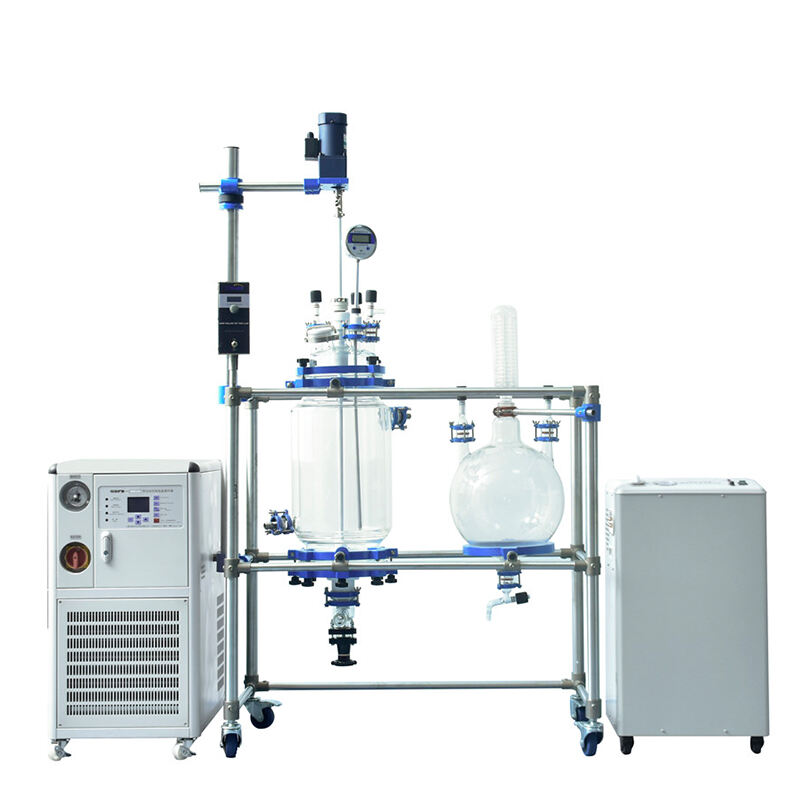
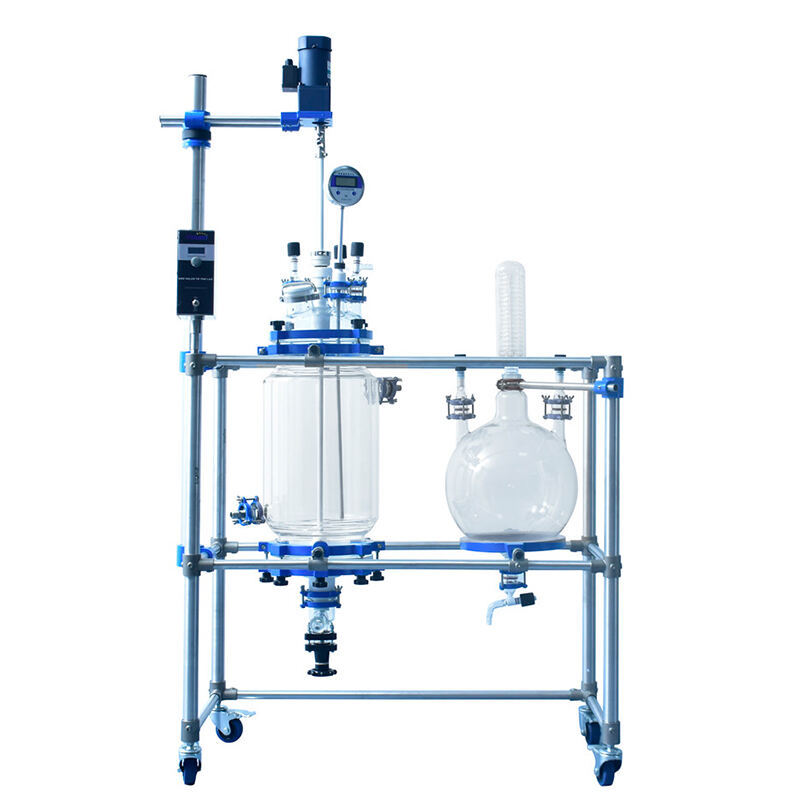
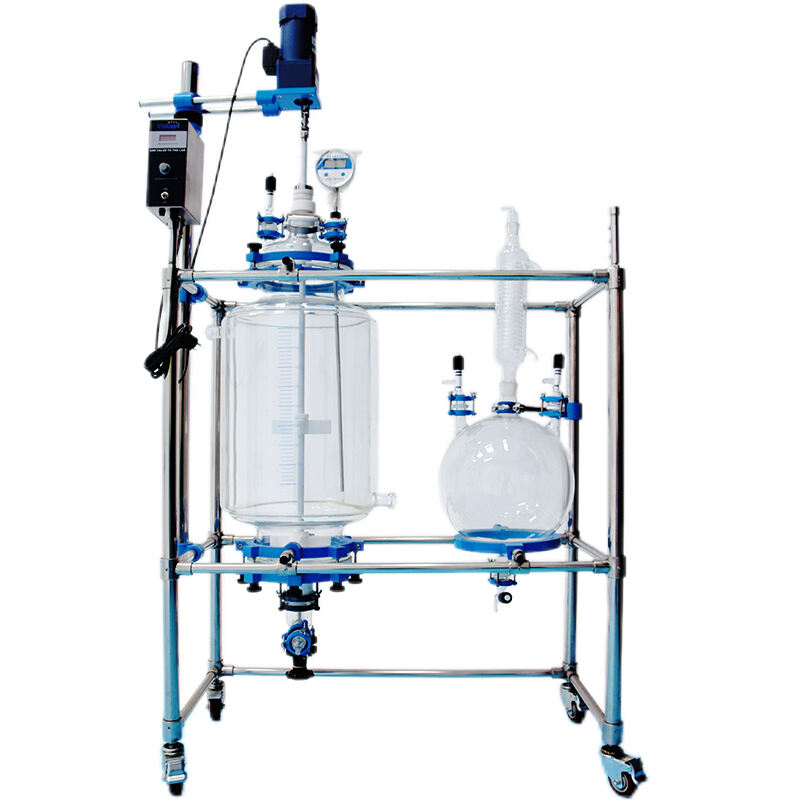
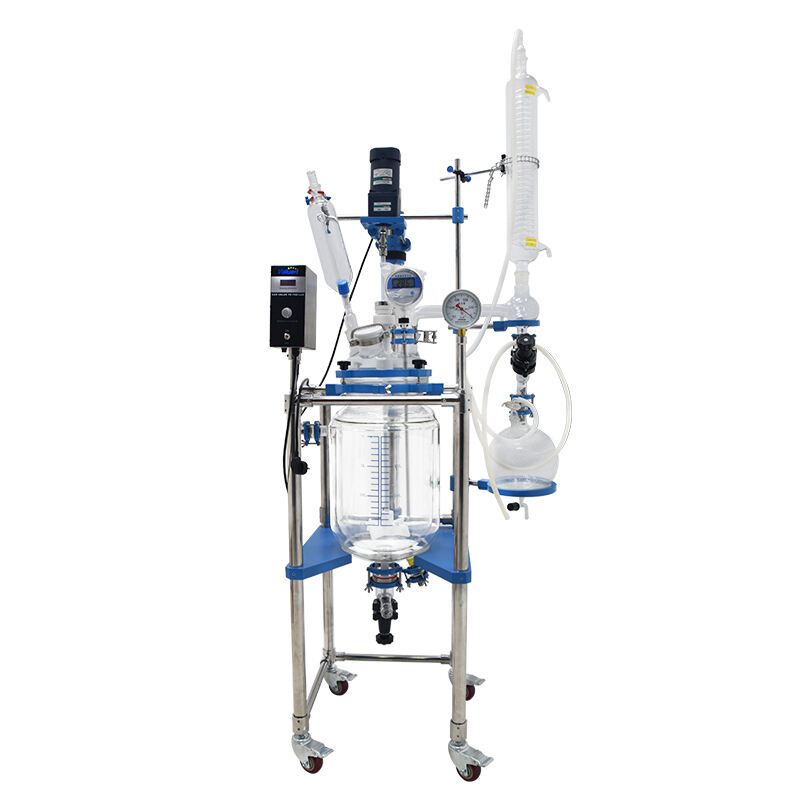
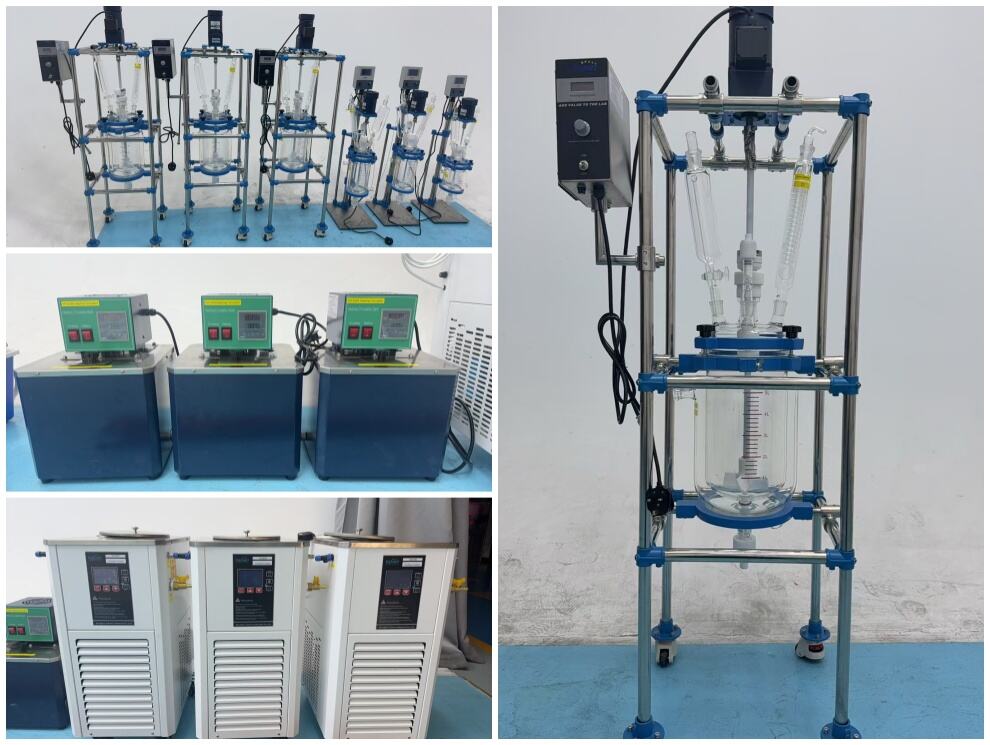
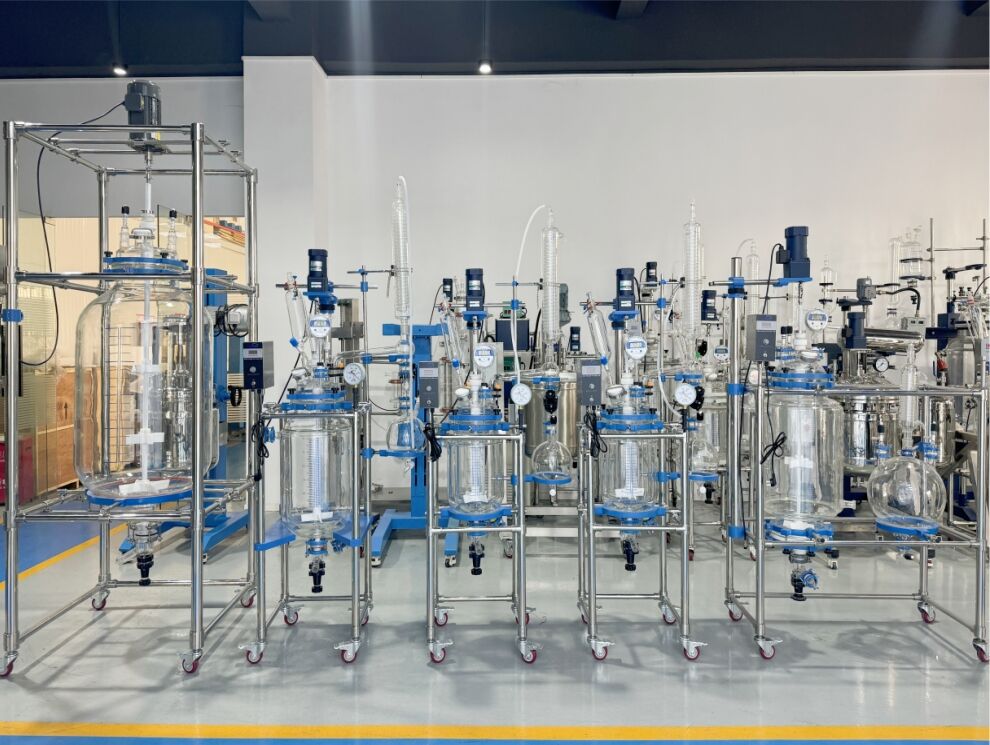
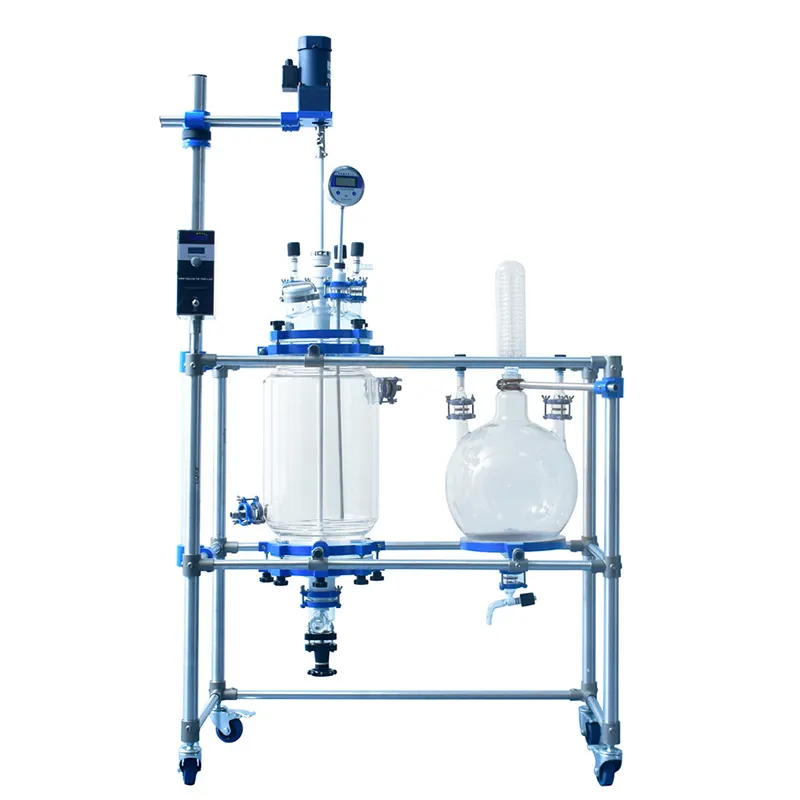
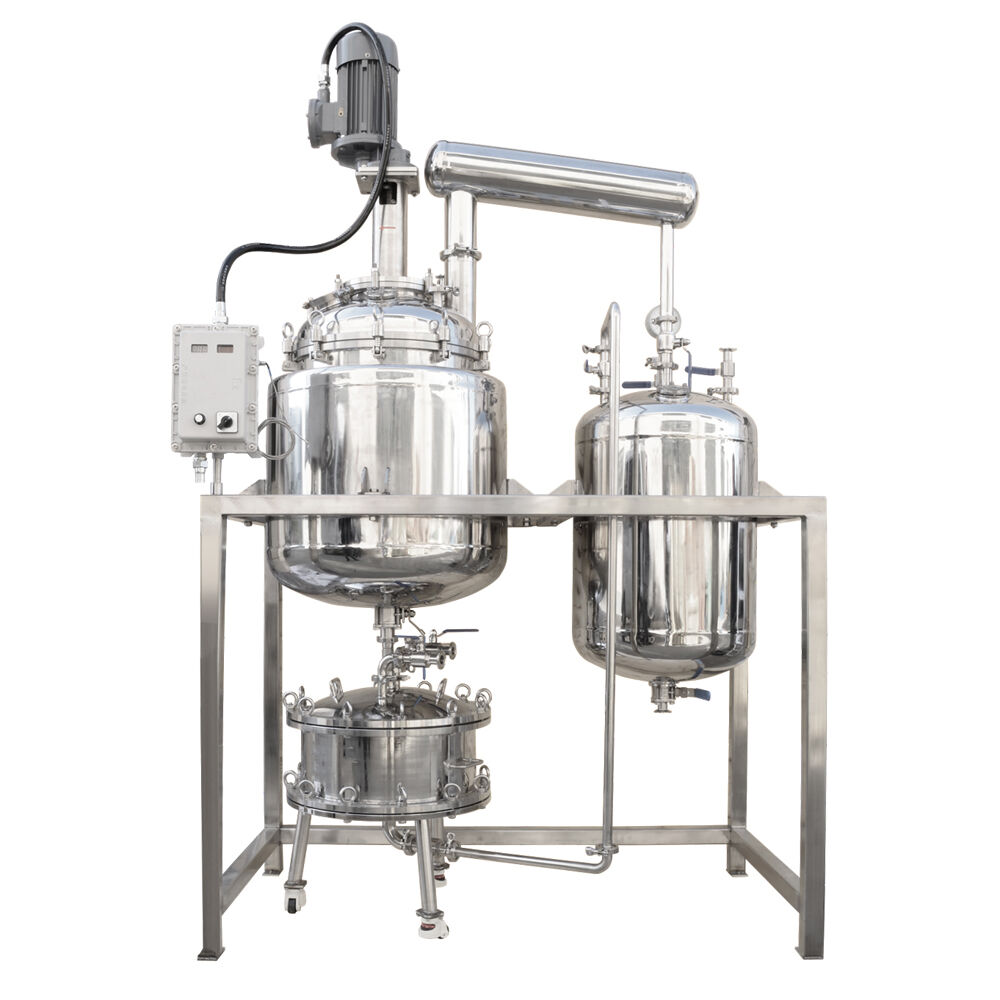
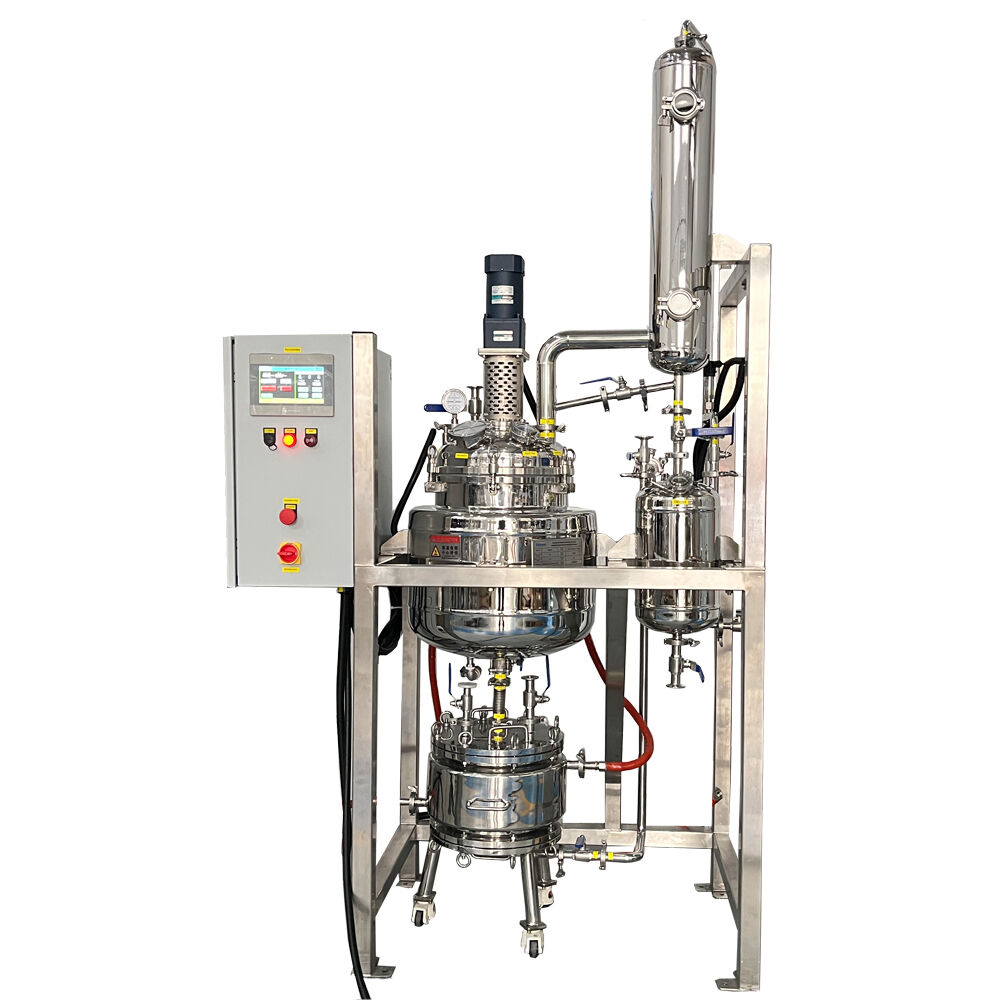
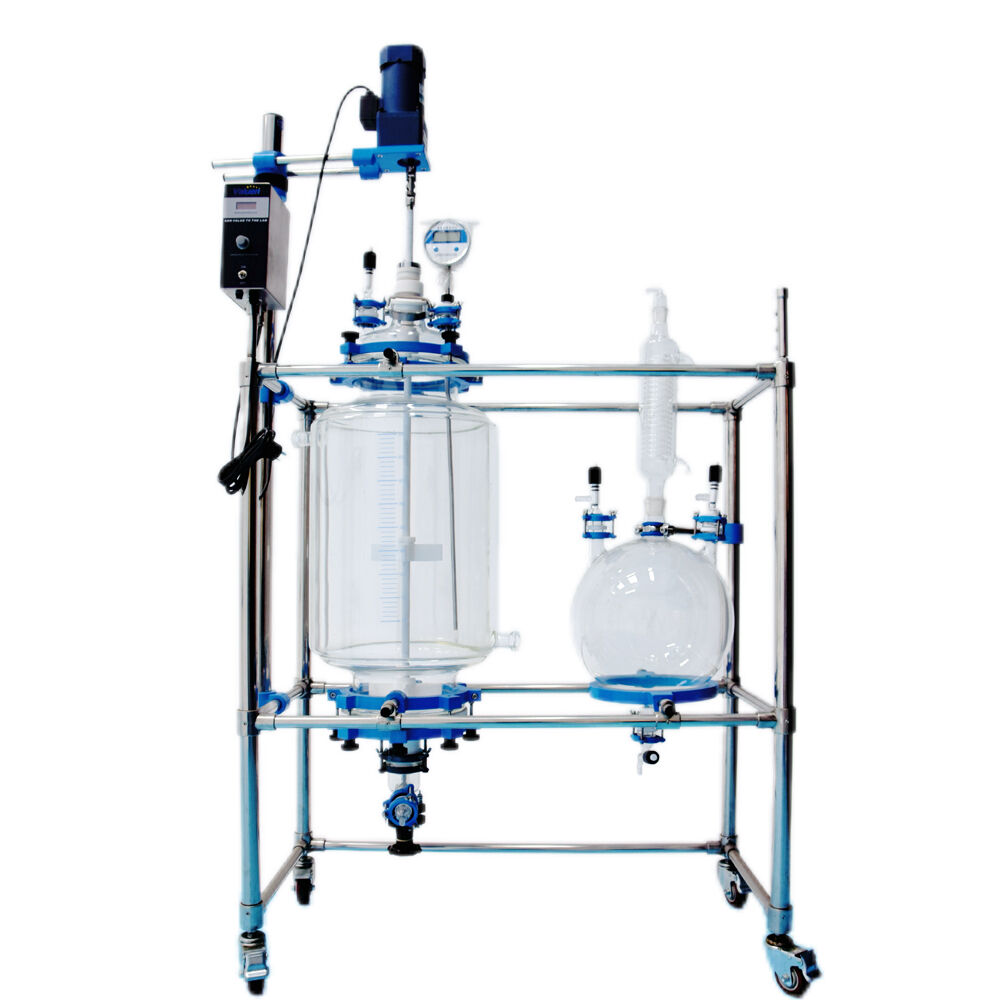
A crystallization reactor laboratory represents a specialized research facility designed for studying and optimizing crystallization processes across various industries. These advanced laboratories serve as crucial environments where scientists and engineers conduct controlled experiments to understand crystal formation, growth kinetics, and purification mechanisms. The crystallization reactor laboratory integrates sophisticated equipment including jacketed glass reactors, temperature control systems, agitation mechanisms, and analytical instruments to create precise conditions for crystal development. Modern crystallization reactor laboratories feature automated monitoring systems that track parameters such as temperature, pH, supersaturation levels, and particle size distribution in real-time. The laboratory setting allows researchers to investigate different crystallization techniques including cooling crystallization, anti-solvent crystallization, evaporative crystallization, and reactive crystallization under controlled environments. These facilities typically house multiple reactor vessels of varying sizes, from bench-scale units for initial screening to pilot-scale systems for process development. Advanced crystallization reactor laboratories incorporate inline analytical tools such as focused beam reflectance measurement systems, particle vision measurement devices, and attenuated total reflectance infrared spectroscopy for continuous monitoring of crystallization progress. The laboratory infrastructure supports comprehensive material characterization through integrated analytical capabilities including X-ray diffraction, differential scanning calorimetry, and scanning electron microscopy. Safety systems within the crystallization reactor laboratory include fume extraction, emergency shutdown protocols, and containment measures for hazardous materials. The modular design of modern crystallization reactor laboratories enables flexible configuration to accommodate diverse research objectives and scale-up requirements. Data acquisition systems collect experimental parameters automatically, facilitating detailed analysis of crystallization kinetics and process optimization. The crystallization reactor laboratory environment maintains strict environmental controls including humidity regulation, vibration isolation, and electromagnetic interference shielding to ensure experimental reproducibility and accuracy.

Popular Products

The crystallization reactor laboratory offers numerous practical benefits that significantly enhance research productivity and process development efficiency. These specialized facilities provide researchers with unprecedented control over crystallization parameters, enabling systematic investigation of crystal formation mechanisms and optimization of product quality. The controlled environment eliminates external variables that could compromise experimental results, ensuring consistent and reproducible outcomes across multiple trials. Automated monitoring systems reduce manual intervention requirements, minimizing human error while maximizing data collection accuracy and experimental throughput. The crystallization reactor laboratory enables rapid screening of crystallization conditions, accelerating the development timeline from concept to commercial implementation. Cost-effectiveness emerges as a major advantage since the laboratory setting allows optimization of crystallization parameters before expensive pilot-scale trials, reducing overall development expenses and material waste. The integrated analytical capabilities provide immediate feedback on crystal properties, particle size distribution, and purity levels, eliminating delays associated with external analytical services. Safety improvements represent another significant benefit, as the crystallization reactor laboratory incorporates comprehensive safety protocols and containment systems that protect personnel while handling potentially hazardous materials. The modular design flexibility allows adaptation to changing research requirements without major infrastructure investments, providing long-term value for research organizations. Process scalability becomes more predictable when development occurs within a crystallization reactor laboratory environment, as the controlled conditions and detailed data collection facilitate reliable scale-up predictions. Quality assurance benefits include consistent crystal morphology, improved purity levels, and enhanced product uniformity compared to traditional crystallization methods. The crystallization reactor laboratory supports regulatory compliance through comprehensive documentation capabilities and validated analytical methods required for pharmaceutical and chemical industries. Energy efficiency improvements result from optimized heating and cooling cycles, precise temperature control, and reduced processing times achieved through systematic optimization. The laboratory setting enables investigation of novel crystallization techniques and innovative approaches that may not be feasible in production environments. Training advantages include providing hands-on experience with advanced crystallization equipment and techniques for students and new researchers. The crystallization reactor laboratory facilitates collaborative research by providing standardized experimental conditions that enable meaningful comparison of results across different research groups and institutions.

Practical Tips

Glass Molecular Distillation System: Ensuring Precision and Purity

15

Apr

Glass Molecular Distillation System: Ensuring Precision and Purity

How Glass Molecular Distillation Works: Principles of High-Vacuum, Short-Path Separation What is a Glass Molecular Distillation System? Glass molecular distillation systems work by separating heat sensitive compounds through two main methods actual...
View More
Stainless Steel Extraction Reactors: High-Efficiency Solutions for Chemical & Pharmaceutical Processing

15

Apr

Stainless Steel Extraction Reactors: High-Efficiency Solutions for Chemical & Pharmaceutical Processing

Stainless Steel Extraction Reactors: Efficient, Reliable, and Built for Precision Stainless steel extraction reactors are essential equipment in modern chemical, pharmaceutical, and processing industries. Designed for precise temperature control, eff...
View More
Choosing the Right Jacketed Stainless Steel Reactor for Your Process

16

Apr

Choosing the Right Jacketed Stainless Steel Reactor for Your Process

How Jacketed Stainless Steel Reactors Enhance Process Control and Thermal Regulation Stainless steel reactors with jackets can hit temperature control within about half a degree Celsius thanks to their double wall construction. The space between th...
View More
The Benefits of Jacketed Stainless Steel Reactors in Industrial Applications

16

Apr

The Benefits of Jacketed Stainless Steel Reactors in Industrial Applications

Superior Temperature Control Through Advanced Heating and Cooling Systems How Jacketed Design Enables Precise Thermal Regulation Stainless steel reactors with jackets keep things at just the right temperature because they have this outer shell wher...
View More

Get a Free Quote

Our representative will contact you soon.
Email
Name
Contact Number
Company Name
Message
0/1000

crystallization reactor laboratory

Advanced Process Control and Automation Systems

Advanced Process Control and Automation Systems

The crystallization reactor laboratory features state-of-the-art process control and automation systems that revolutionize crystallization research and development capabilities. These sophisticated systems integrate multiple sensors, controllers, and analytical instruments to create a comprehensive monitoring and control network that ensures optimal crystallization conditions throughout entire experimental campaigns. The automation infrastructure includes programmable logic controllers, distributed control systems, and supervisory control and data acquisition platforms that enable precise regulation of critical process parameters such as temperature profiles, agitation speeds, addition rates, and atmospheric conditions. Real-time feedback loops continuously adjust operating conditions based on measured parameters, maintaining optimal supersaturation levels and preventing undesired nucleation events that could compromise crystal quality. The crystallization reactor laboratory automation systems incorporate advanced algorithms for crystallization trajectory control, enabling researchers to implement complex temperature and concentration profiles that optimize crystal size distribution and morphology. Machine learning capabilities analyze historical experimental data to predict optimal operating conditions and identify potential process deviations before they impact product quality. The integrated safety systems automatically respond to abnormal conditions, implementing emergency shutdown procedures and containment protocols to protect personnel and equipment. Data logging capabilities capture comprehensive experimental information at high frequencies, creating detailed databases that support process understanding and regulatory submissions. The automation systems enable unattended operation during extended crystallization cycles, maximizing laboratory utilization while reducing labor requirements. Remote monitoring capabilities allow researchers to oversee experiments from off-site locations, providing flexibility and enabling continuous supervision of critical crystallization processes. The crystallization reactor laboratory automation systems support method development and validation through reproducible execution of standardized protocols, ensuring consistent results across multiple operators and experimental sessions. Advanced visualization interfaces provide real-time graphical displays of process trends, alarm conditions, and equipment status, facilitating rapid decision-making and troubleshooting activities. The modular architecture enables easy integration of new analytical instruments and control devices as technology advances, protecting long-term investment value and maintaining cutting-edge capabilities.
Comprehensive Analytical Integration and Real-Time Monitoring

Comprehensive Analytical Integration and Real-Time Monitoring

The crystallization reactor laboratory incorporates comprehensive analytical integration that provides unprecedented visibility into crystallization processes through real-time monitoring and characterization capabilities. This analytical ecosystem combines multiple complementary techniques to deliver complete understanding of crystal formation, growth kinetics, and final product properties throughout experimental campaigns. Inline analytical instruments including focused beam reflectance measurement systems continuously monitor particle size distribution and crystal count, providing immediate feedback on nucleation events and crystal growth rates. Attenuated total reflectance infrared spectroscopy enables real-time monitoring of solution composition, supersaturation levels, and polymorphic transitions without sampling requirements that could disturb crystallization processes. The crystallization reactor laboratory features integrated particle vision measurement systems that capture high-resolution images of crystals in suspension, enabling morphology analysis and habit characterization during active crystallization. Advanced turbidity probes detect the onset of nucleation and monitor crystallization progress through changes in solution clarity, providing early warning of process deviations. pH and conductivity sensors track solution chemistry changes that influence crystallization behavior, while dissolved oxygen measurements ensure appropriate atmospheric conditions for sensitive materials. The analytical integration extends to offline characterization capabilities including X-ray diffraction for polymorphic analysis, differential scanning calorimetry for thermal property determination, and scanning electron microscopy for detailed morphology examination. Data fusion algorithms combine information from multiple analytical sources to create comprehensive process signatures that enable predictive modeling and process optimization. The crystallization reactor laboratory analytical systems support method development for quality control applications, ensuring that optimized processes can be successfully transferred to production environments. Calibration and validation protocols maintain analytical accuracy and traceability, supporting regulatory compliance requirements for pharmaceutical and chemical applications. The real-time analytical capabilities enable adaptive process control strategies that automatically adjust operating conditions based on measured crystal properties, maximizing product quality while minimizing processing time. Integration with laboratory information management systems facilitates data storage, retrieval, and analysis across multiple experimental campaigns, supporting knowledge management and continuous improvement initiatives.
Flexible Scale-Up and Process Development Capabilities

Flexible Scale-Up and Process Development Capabilities

The crystallization reactor laboratory provides exceptional flexible scale-up and process development capabilities that bridge the gap between laboratory discovery and commercial manufacturing through systematic investigation and optimization of crystallization processes. The multi-scale reactor configuration includes vessels ranging from milliliter volumes for high-throughput screening to multi-liter capacities for pilot-scale demonstrations, enabling seamless progression through development phases while maintaining process understanding and control strategies. Geometric similarity between different reactor scales ensures reliable scale-up predictions, while advanced computational fluid dynamics modeling validates mixing and heat transfer characteristics across the entire size range. The crystallization reactor laboratory supports parallel processing capabilities that enable simultaneous evaluation of multiple crystallization conditions, dramatically reducing development timelines while improving statistical confidence in experimental results. Modular heat exchanger systems provide precise temperature control across all reactor scales, maintaining consistent heating and cooling rates that are critical for reproducible crystallization outcomes. The flexible infrastructure accommodates various crystallization techniques including batch, semi-batch, and continuous processing modes, enabling optimization of processing strategies for specific product requirements and manufacturing constraints. Advanced process analytical technology integration scales proportionally with reactor volume, ensuring consistent monitoring capabilities and control strategies across development phases. The crystallization reactor laboratory features interchangeable agitation systems that maintain equivalent mixing intensities across different scales, preserving shear-sensitive crystal morphologies while ensuring adequate mass and heat transfer rates. Sampling systems enable representative material collection for offline analysis without disrupting crystallization processes, supporting comprehensive characterization studies throughout scale-up activities. Documentation and knowledge management systems capture scaling relationships and process dependencies, creating valuable intellectual property that supports technology transfer and manufacturing implementation. The crystallization reactor laboratory enables risk assessment through systematic evaluation of process robustness and sensitivity analysis of critical operating parameters. Quality by design principles guide experimental planning and data analysis, ensuring that scaled processes meet regulatory requirements and commercial specifications. The facility supports validation activities through execution of qualification protocols and demonstration of process reproducibility across multiple scales and operators, providing confidence for successful manufacturing implementation.

Get a Free Quote

Our representative will contact you soon.
Email
Name
Contact Number
Company Name
Message
0/1000