Chemical Crystallization Reactor: Advanced Solutions for Precision Crystal Manufacturing

Get a Free Quote

Our representative will contact you soon.
Email
Name
Contact Number
Company Name
Message
0/1000

chemical crystallization reactor

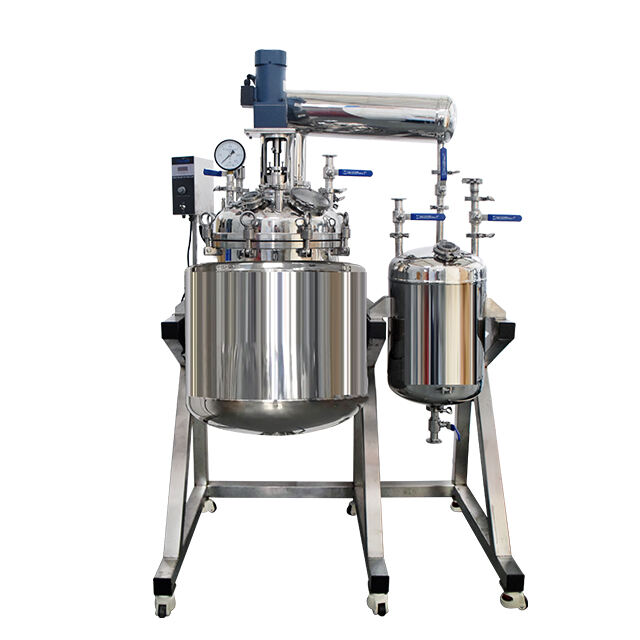
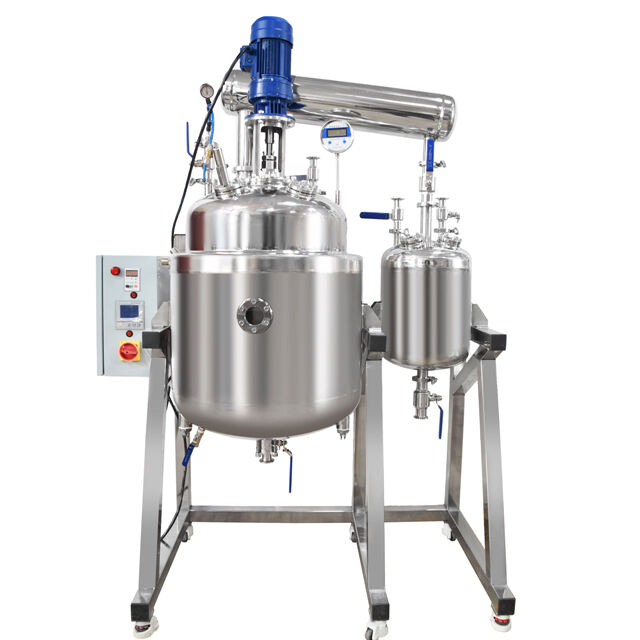
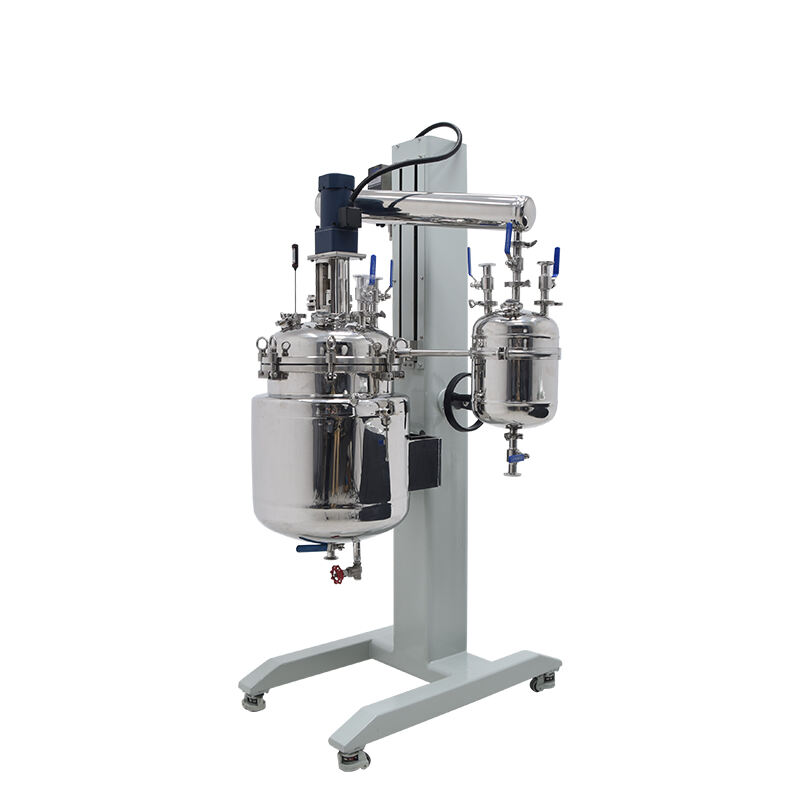
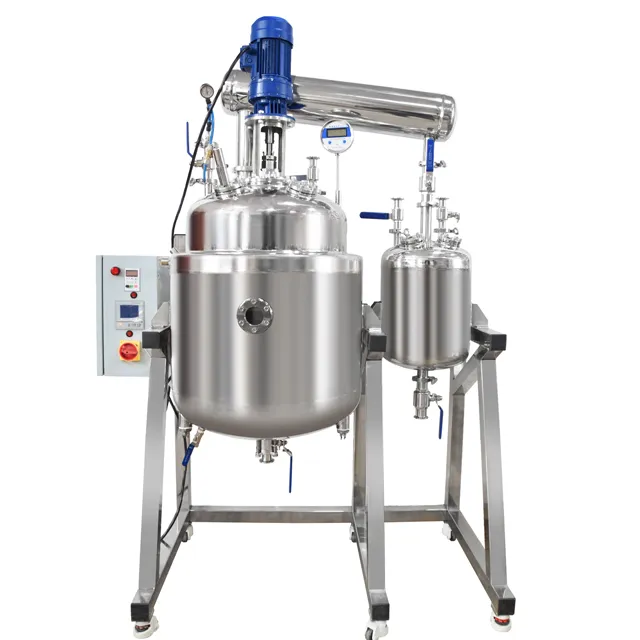
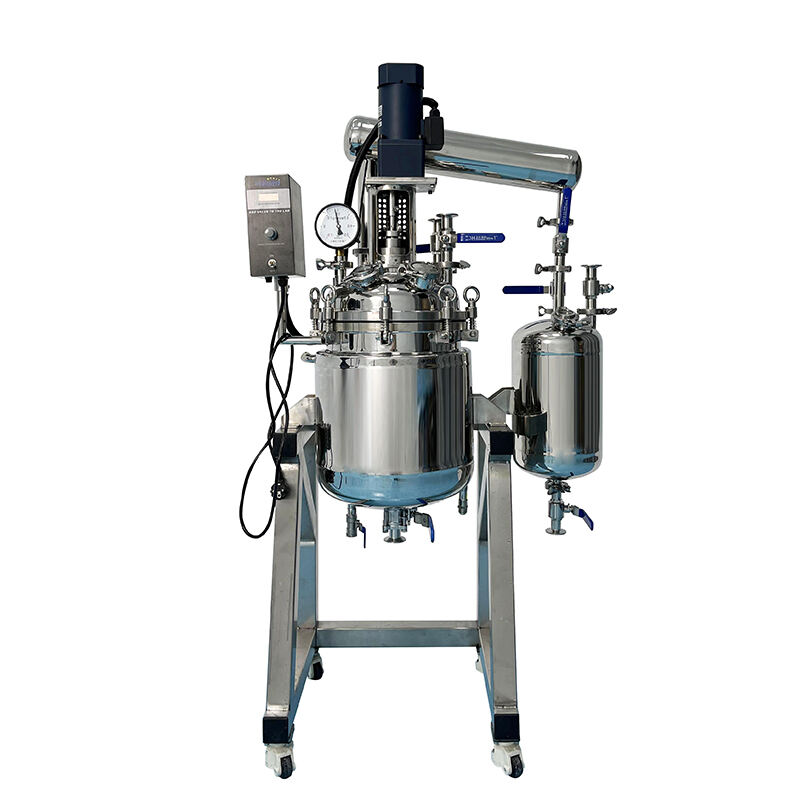
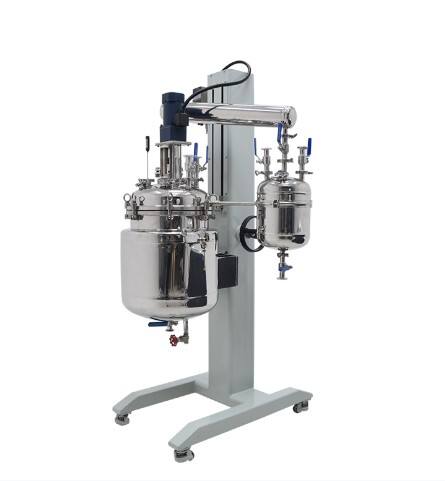
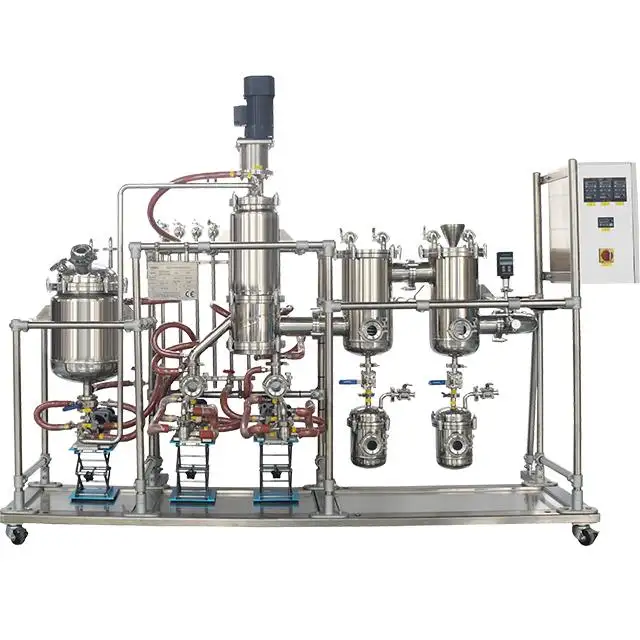
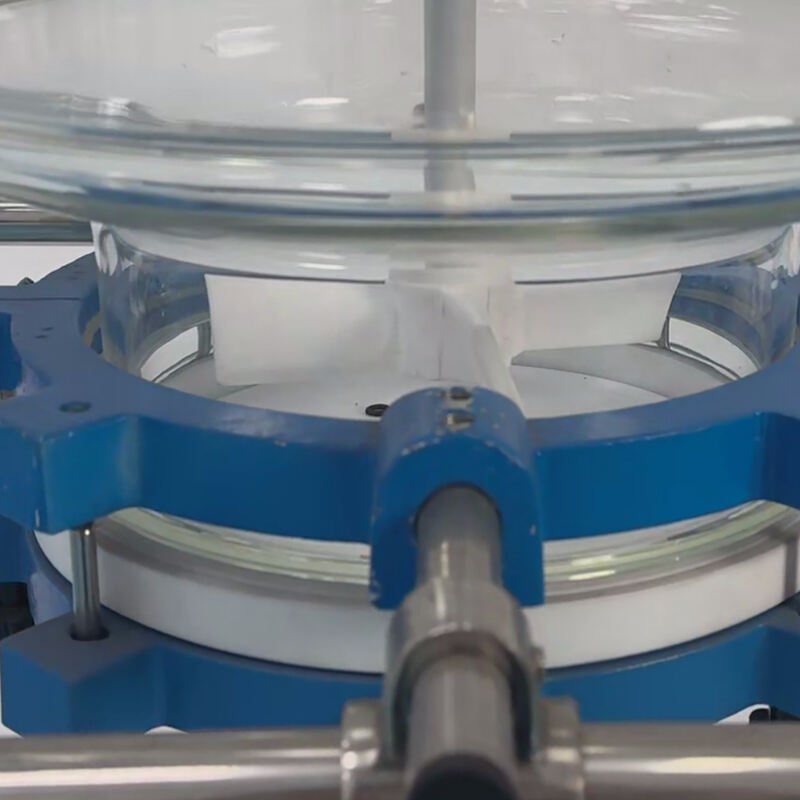
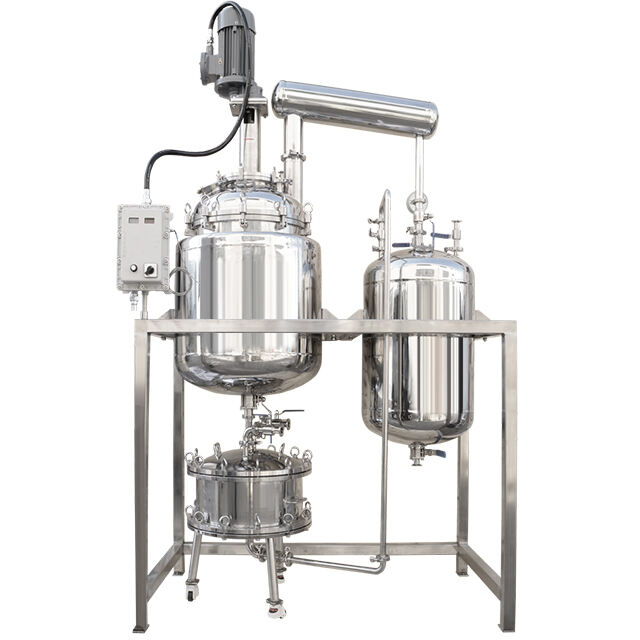
A chemical crystallization reactor represents a sophisticated piece of industrial equipment designed to facilitate controlled crystal formation processes across various chemical manufacturing applications. This specialized vessel operates by creating optimal conditions for nucleation and crystal growth, enabling manufacturers to produce high-quality crystalline materials with consistent properties. The chemical crystallization reactor incorporates advanced temperature control systems, precise agitation mechanisms, and sophisticated monitoring capabilities to ensure reproducible results. These reactors feature robust construction materials that resist corrosion and contamination, typically utilizing stainless steel or specialized alloys depending on the specific chemical environment. The reactor design includes multiple inlet and outlet ports for reagent addition, product removal, and sampling operations. Temperature regulation occurs through integrated heating and cooling jackets that maintain precise thermal conditions throughout the crystallization process. The agitation system provides controlled mixing to promote uniform supersaturation and prevent unwanted agglomeration. Modern chemical crystallization reactors incorporate automated control systems that monitor critical parameters such as temperature, pressure, pH levels, and solution concentration. These systems enable operators to maintain optimal crystallization conditions while minimizing manual intervention. The reactor vessel typically features specialized internals, including baffles and heat transfer surfaces, designed to enhance mass and heat transfer efficiency. Safety features include pressure relief systems, emergency shutdown capabilities, and leak detection mechanisms. The chemical crystallization reactor finds extensive application in pharmaceutical manufacturing, fine chemical production, specialty material synthesis, and research and development activities. These versatile systems accommodate batch, semi-continuous, and continuous operation modes, providing flexibility to meet diverse production requirements. The reactor's modular design allows for easy integration with downstream processing equipment such as filtration systems, centrifuges, and drying units.

New Products

The chemical crystallization reactor delivers exceptional value through its ability to produce consistently high-quality crystalline products that meet stringent industry standards. This equipment eliminates the variability associated with traditional crystallization methods by providing precise control over critical process parameters. Manufacturers benefit from reduced product waste and improved yield rates, resulting in significant cost savings and enhanced profitability. The reactor's automated control capabilities minimize human error while ensuring reproducible batch-to-batch consistency that pharmaceutical and chemical companies demand. Energy efficiency represents another major advantage, as the chemical crystallization reactor optimizes heat transfer and reduces overall energy consumption compared to conventional crystallization methods. The integrated design eliminates the need for multiple separate vessels and heating systems, reducing both capital investment and operational costs. Maintenance requirements remain minimal due to the robust construction and high-quality components used in reactor fabrication. The system's versatility allows manufacturers to process multiple products using the same equipment, maximizing asset utilization and return on investment. Advanced monitoring capabilities provide real-time process data that enables operators to optimize crystallization parameters for specific products and market requirements. The chemical crystallization reactor supports faster processing cycles through efficient heat and mass transfer, increasing overall production capacity and throughput. Quality control benefits include improved particle size distribution, enhanced purity levels, and better crystal morphology control. These factors directly translate to higher product value and improved customer satisfaction. The reactor's scalable design accommodates production volumes ranging from pilot-scale development to full commercial manufacturing, providing a clear path for process scale-up. Integration capabilities with existing plant infrastructure minimize installation complexity and reduce project timelines. Environmental benefits include reduced solvent consumption, lower emissions, and improved waste management through optimized process efficiency. The chemical crystallization reactor's compact footprint maximizes facility space utilization while maintaining full operational capabilities. Training requirements for operators remain minimal due to intuitive control interfaces and automated operation features. Documentation and validation support built into modern systems facilitate regulatory compliance in highly regulated industries such as pharmaceuticals and food processing.

Latest News

Cost-Effective Solutions: Jacketed Stainless Steel Reactors

15

Apr

Cost-Effective Solutions: Jacketed Stainless Steel Reactors

Understanding Jacketed Stainless Steel Reactors and Core Components Core Components of Stainless Steel Jacketed Reactors Stainless steel jacketed reactors have this special double wall setup where there's basically two layers one inside the other. ...
View More
Stainless Steel Extraction Reactors: High-Efficiency Solutions for Chemical & Pharmaceutical Processing

15

Apr

Stainless Steel Extraction Reactors: High-Efficiency Solutions for Chemical & Pharmaceutical Processing

Stainless Steel Extraction Reactors: Efficient, Reliable, and Built for Precision Stainless steel extraction reactors are essential equipment in modern chemical, pharmaceutical, and processing industries. Designed for precise temperature control, eff...
View More
Jacketed Glass Reactors: The Ultimate Corrosion Resistance Solution

16

Apr

Jacketed Glass Reactors: The Ultimate Corrosion Resistance Solution

Why Borosilicate Glass Makes Jacketed Glass Reactors Ideal for Corrosion Resistance The Role of Borosilicate Glass in Enhancing Corrosion Resistance of Glass Reactors Borosilicate glass is made from a mix of silica sand, boric oxide, and various al...
View More
Optimizing Efficiency with Jacketed Stainless Steel Reactors

16

Apr

Optimizing Efficiency with Jacketed Stainless Steel Reactors

Understanding Jacketed Stainless Steel Reactors and Their Industrial Role What Are Jacketed Stainless Steel Reactors and Why They Matter in Chemical Processing Jacketed stainless steel reactors basically consist of two walls with space in between f...
View More

Get a Free Quote

Our representative will contact you soon.
Email
Name
Contact Number
Company Name
Message
0/1000

chemical crystallization reactor

Advanced Process Control and Automation

Advanced Process Control and Automation

The chemical crystallization reactor incorporates state-of-the-art automation technology that transforms traditional crystallization operations into precisely controlled, repeatable processes. This advanced control system continuously monitors and adjusts critical parameters including temperature profiles, agitation speeds, reagent addition rates, and solution concentrations to maintain optimal crystallization conditions. The integrated process control unit utilizes sophisticated algorithms that predict and prevent crystallization issues before they impact product quality. Real-time data acquisition systems capture detailed process information, enabling operators to fine-tune parameters for maximum efficiency and product consistency. The automation capabilities extend beyond basic parameter control to include predictive maintenance features that identify potential equipment issues before they cause production disruptions. This proactive approach reduces unplanned downtime and maintenance costs while ensuring continuous operation. The chemical crystallization reactor's control system interfaces seamlessly with plant-wide manufacturing execution systems, providing complete process traceability and batch genealogy records essential for regulatory compliance. Customizable control strategies accommodate different crystallization mechanisms and product requirements, allowing manufacturers to optimize processes for specific applications. The user-friendly human-machine interface simplifies operator training and reduces the likelihood of operational errors. Advanced alarm management systems provide clear guidance during abnormal conditions, ensuring safe and efficient problem resolution. Data logging and trending capabilities support continuous process improvement initiatives by identifying optimization opportunities and process variations. The control system's modular architecture allows for easy upgrades and expansion as production requirements evolve. Remote monitoring capabilities enable off-site process supervision and technical support, reducing response times for troubleshooting and optimization activities. Recipe management features store proven crystallization parameters for different products, ensuring consistent results across multiple production campaigns. The integration of artificial intelligence and machine learning algorithms in modern chemical crystallization reactors enables adaptive process control that continuously improves performance based on historical data and real-time process conditions.
Superior Crystal Quality and Yield Optimization

Superior Crystal Quality and Yield Optimization

The chemical crystallization reactor delivers exceptional crystal quality through precise control of nucleation and growth processes that directly impact final product characteristics. This equipment creates optimal supersaturation conditions while maintaining uniform temperature and concentration gradients throughout the reaction vessel, resulting in consistent crystal size distribution and morphology. The reactor's advanced mixing system ensures homogeneous conditions that prevent localized concentration variations and unwanted secondary nucleation events. Temperature control accuracy within narrow tolerances enables manufacturers to achieve specific polymorphic forms and crystal habits that meet exact product specifications. The chemical crystallization reactor's design minimizes shear forces that could damage growing crystals while providing sufficient agitation to maintain uniform conditions. This balance results in higher quality crystals with improved filterability, reduced fines content, and enhanced downstream processing characteristics. Yield optimization occurs through controlled seeding strategies and carefully managed cooling profiles that maximize product recovery while maintaining quality standards. The reactor's ability to operate at precise supersaturation levels prevents product loss through uncontrolled precipitation or dissolution. Advanced monitoring systems track crystal formation progress in real-time, allowing operators to adjust conditions dynamically to optimize both quality and yield. The equipment's design facilitates complete product recovery through optimized discharge systems and minimal hold-up volumes. Solvent recovery capabilities built into the chemical crystallization reactor reduce raw material costs and environmental impact while improving overall process economics. The reactor's construction materials and surface finishes minimize product contamination and ensure high purity levels essential for pharmaceutical and electronic grade materials. Particle size control capabilities enable manufacturers to produce crystals that meet specific downstream processing requirements without additional size reduction or classification steps. The system's ability to process high-concentration solutions maximizes space-time yield while maintaining product quality. Quality consistency across batches reduces the need for extensive testing and rework, improving manufacturing efficiency and reducing costs. The chemical crystallization reactor's precise control capabilities enable production of specialty crystals with unique properties for advanced applications in electronics, pharmaceuticals, and specialty chemicals markets.
Flexible Design and Scalable Operation

Flexible Design and Scalable Operation

The chemical crystallization reactor features modular design architecture that provides unmatched flexibility for diverse manufacturing applications and future expansion requirements. This adaptable platform accommodates various crystallization techniques including cooling crystallization, evaporative crystallization, anti-solvent addition, and reactive crystallization within the same equipment framework. The reactor's scalable design enables seamless process transfer from laboratory development through pilot-scale testing to full commercial production without fundamental changes to operating principles. Multiple vessel configurations ranging from small-scale research units to large industrial reactors maintain geometric similarity and heat transfer characteristics, ensuring predictable scale-up results. The chemical crystallization reactor's modular construction allows manufacturers to customize equipment specifications for specific applications while maintaining standard interfaces and control systems. Interchangeable components such as agitators, heat exchange surfaces, and internal baffles enable process optimization for different products without requiring complete equipment replacement. The reactor system accommodates various heating and cooling utilities including steam, hot oil, glycol, and refrigeration systems, providing operational flexibility across different facility infrastructures. Multiple port configurations support diverse reagent addition strategies, sampling requirements, and analytical connections needed for different crystallization processes. The equipment's design facilitates easy cleaning and maintenance through removable internals and optimized access points that minimize downtime between product changeovers. Sanitary design features meet stringent hygiene requirements for food and pharmaceutical applications while maintaining robust construction for chemical processing environments. The chemical crystallization reactor's control system architecture supports various automation levels from basic manual operation to fully automated production sequences, allowing manufacturers to match control complexity with operational requirements and budget constraints. Integration capabilities with existing plant systems include standard communication protocols and mechanical interfaces that simplify installation and commissioning activities. The reactor's compact footprint maximizes facility space utilization while maintaining full operational capabilities and safety clearances. Future expansion possibilities include additional monitoring instruments, advanced control features, and process intensification technologies that can be retrofitted without major equipment modifications. This design philosophy ensures long-term value and adaptability as production requirements and technology standards evolve in dynamic market conditions.

Get a Free Quote

Our representative will contact you soon.
Email
Name
Contact Number
Company Name
Message
0/1000