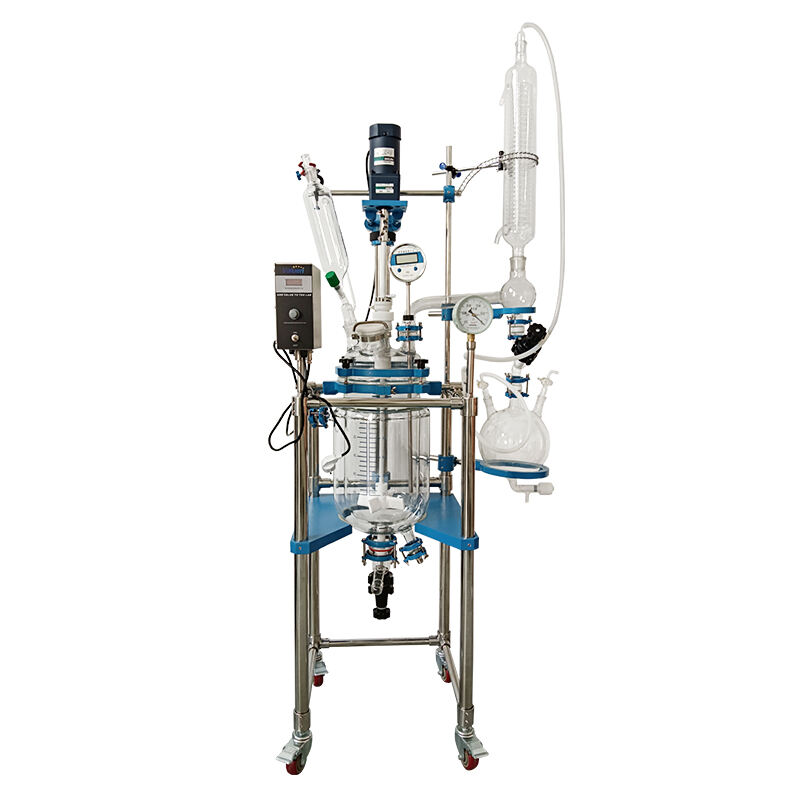
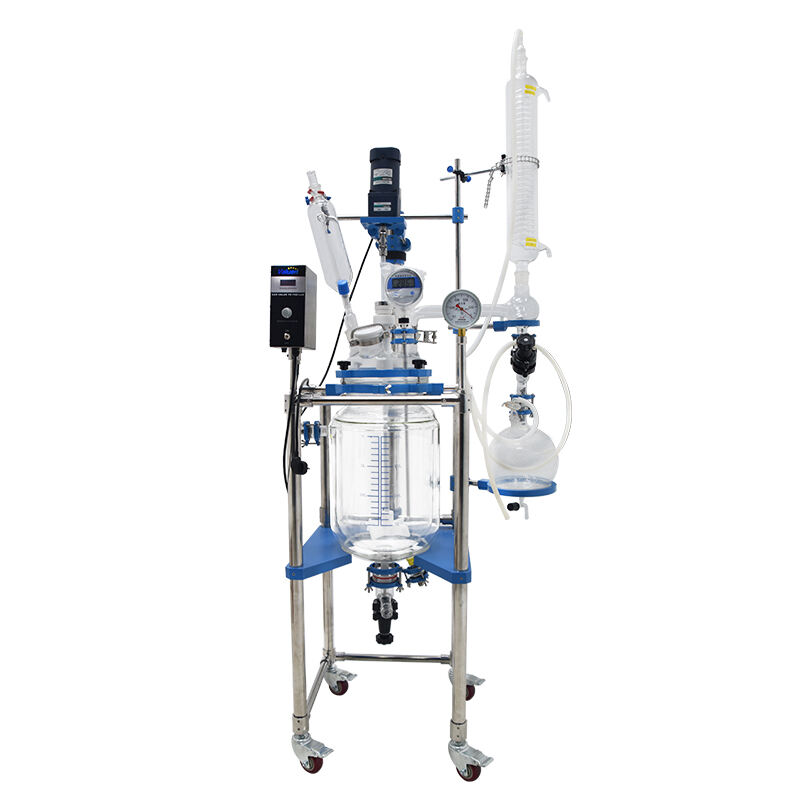
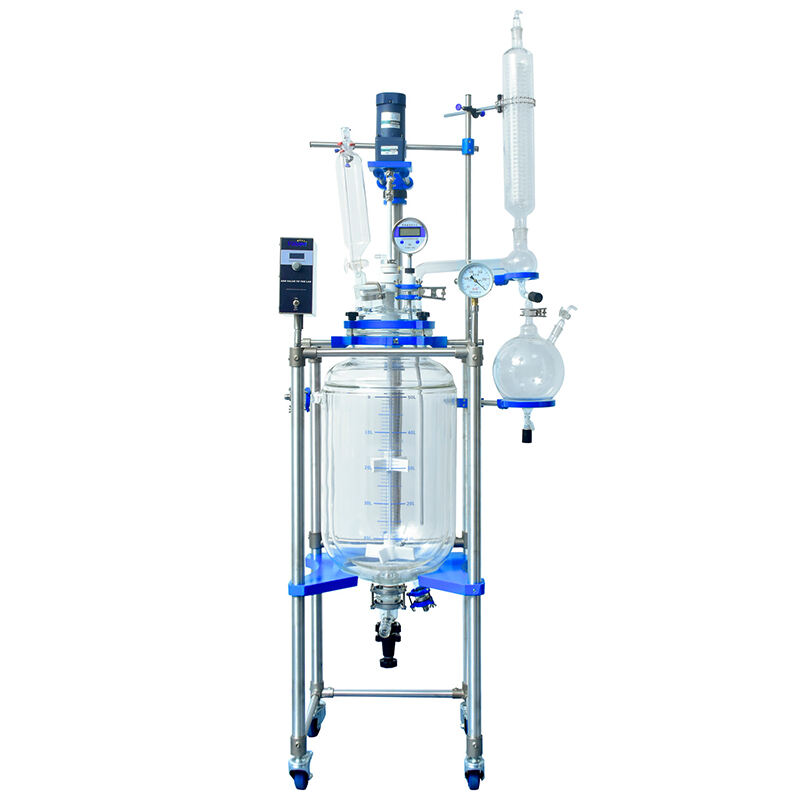
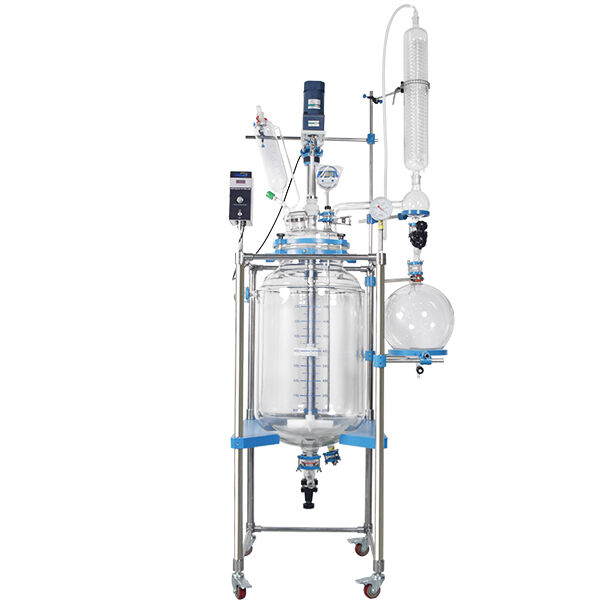
jacketed glass reactor
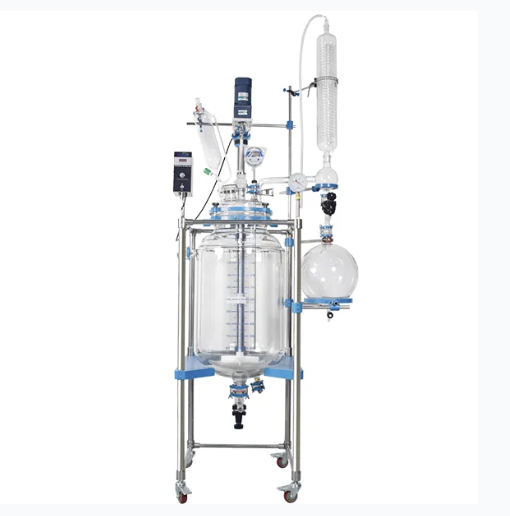
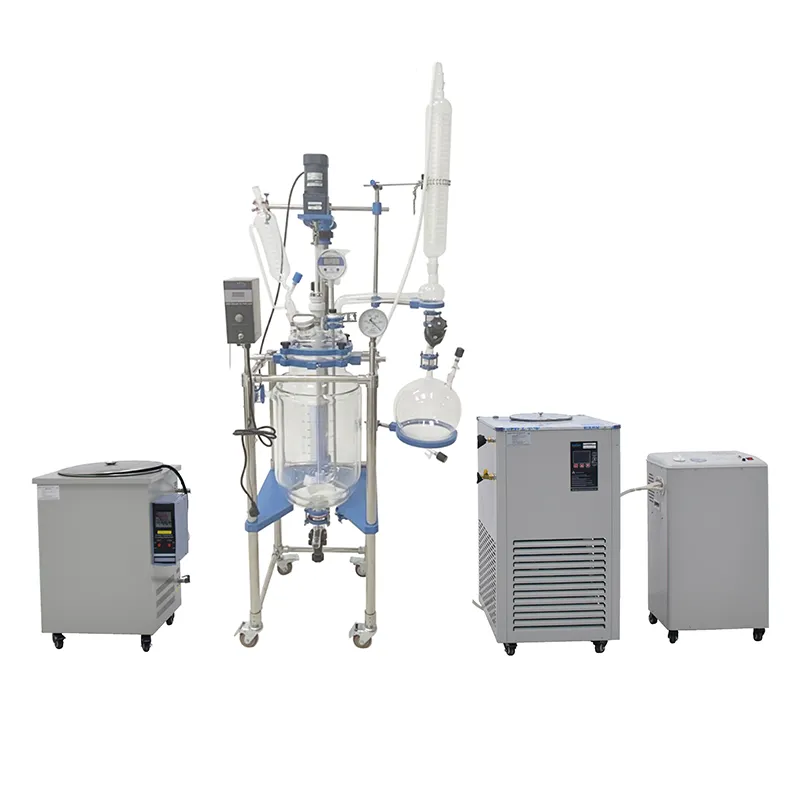
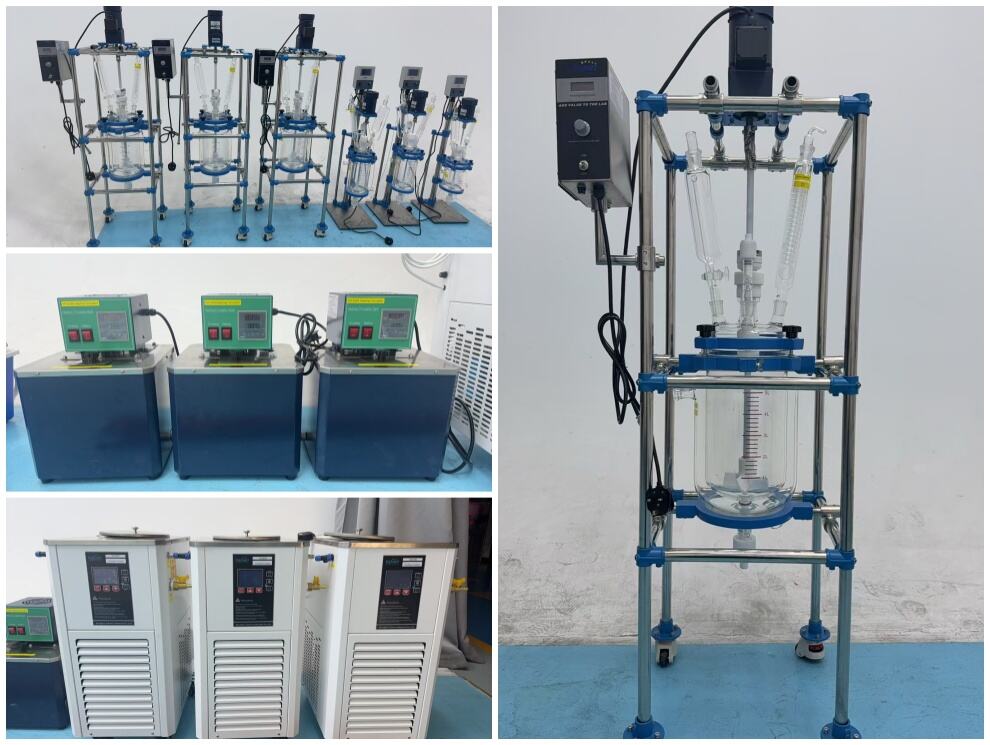
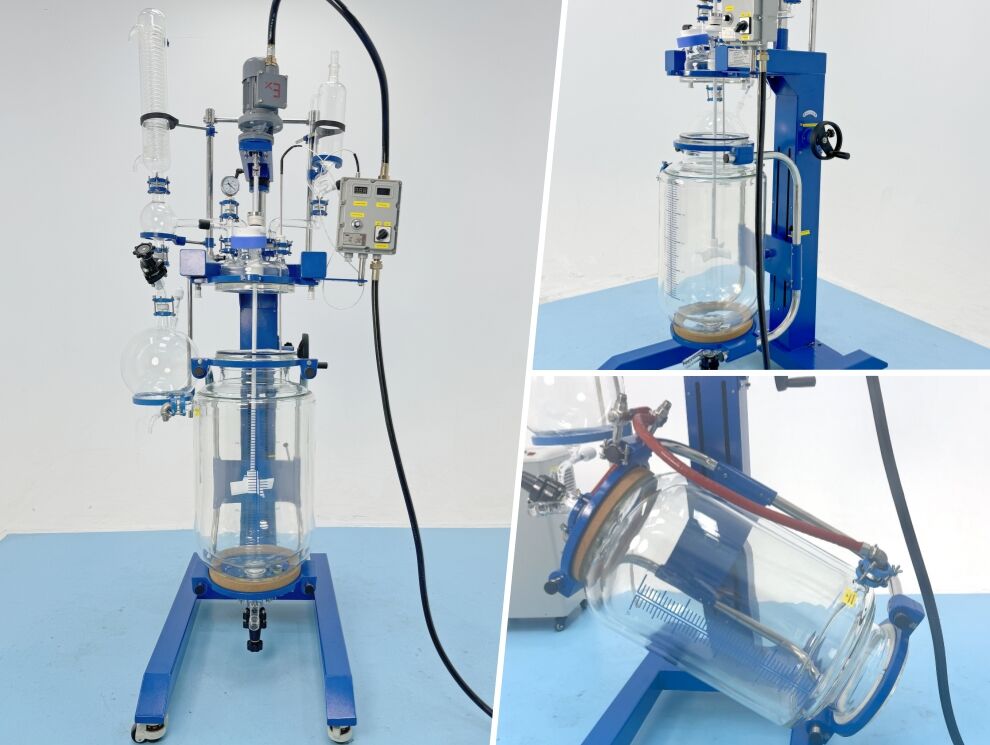
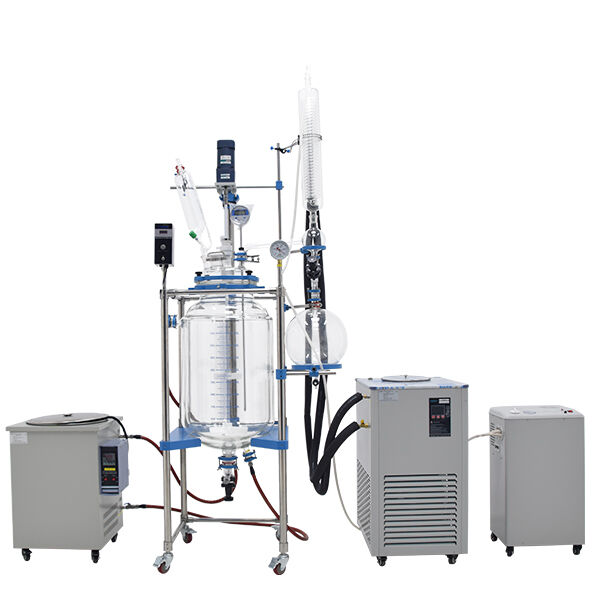
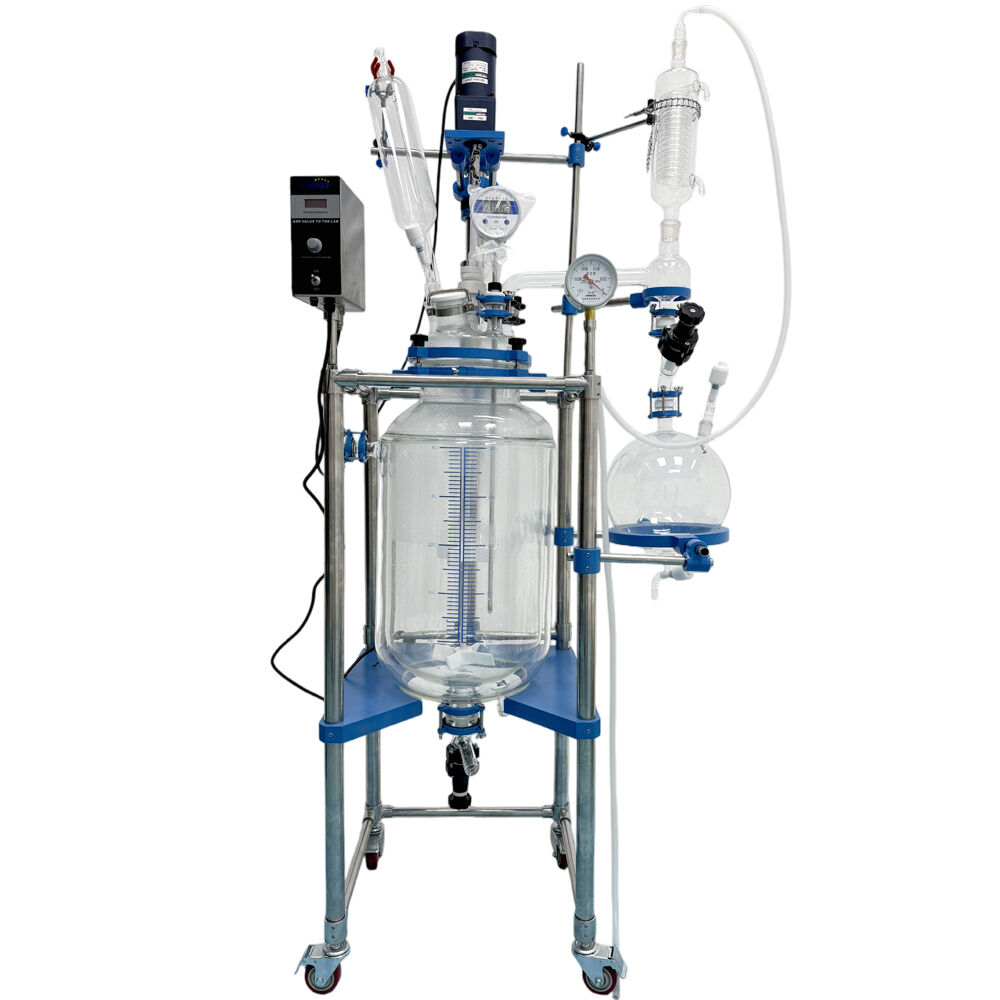
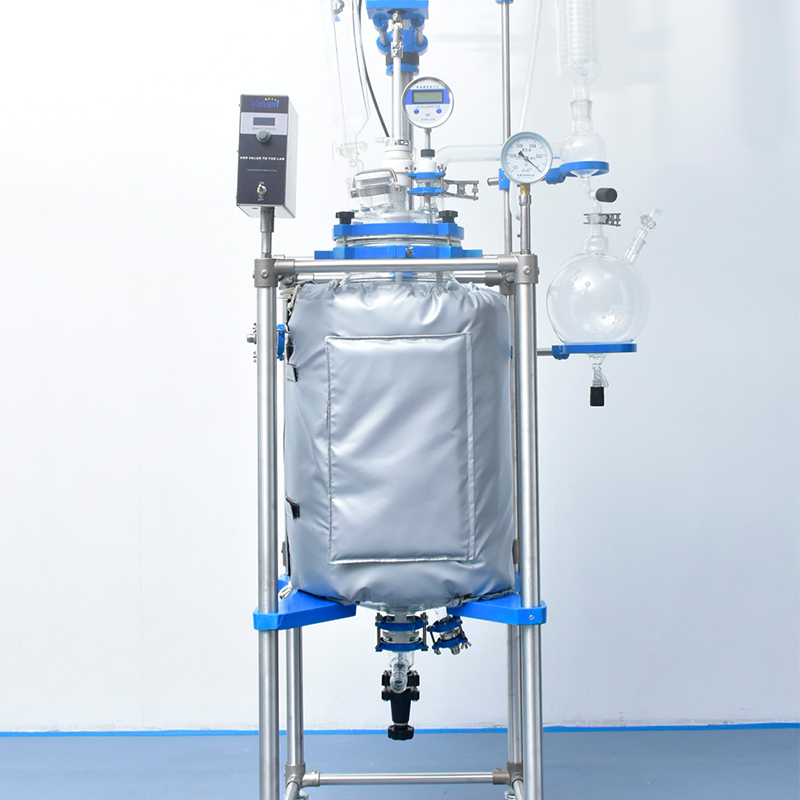
The jacketed glass reactor represents a cornerstone of modern laboratory and industrial chemical processing equipment, designed to facilitate controlled chemical reactions under precise temperature and environmental conditions. This sophisticated apparatus consists of a primary glass vessel surrounded by an external jacket that enables efficient thermal regulation through circulating heating or cooling media. The jacketed glass reactor serves multiple critical functions in chemical synthesis, including reaction monitoring, temperature control, mixing optimization, and product isolation. Its transparent borosilicate glass construction allows researchers and operators to visually observe reaction progress, color changes, and precipitation formation in real-time. The reactor's main vessel typically features multiple ports for introducing reactants, installing measurement probes, connecting vacuum systems, and sampling reaction mixtures. The outer jacket creates a thermal barrier that maintains consistent reaction temperatures by circulating heated or chilled fluids such as water, oil, or specialized heat transfer media. Key technological features include precise temperature control systems, variable speed stirring mechanisms, reflux condensers, and digital monitoring interfaces. Advanced models incorporate programmable logic controllers that automate temperature ramping, maintain specific reaction profiles, and log experimental data for quality assurance purposes. The stirring system employs magnetic coupling or mechanical drives to ensure thorough mixing without contaminating the reaction environment. Pressure and vacuum capabilities enable reactions under controlled atmospheric conditions, expanding the range of possible chemical transformations. Safety features include overpressure relief valves, emergency cooling systems, and containment protocols that protect operators and laboratory environments. The modular design accommodates various accessories such as pH probes, gas introduction systems, and automated sampling devices. Applications span pharmaceutical synthesis, fine chemical production, polymer research, crystallization studies, and educational demonstrations. Research institutions utilize jacketed glass reactors for developing new synthetic methodologies, optimizing reaction parameters, and scaling laboratory procedures for pilot plant implementation.
 EN
EN