100 Liter Glass Reactor - Professional Chemical Processing Equipment for Laboratory and Pilot Scale Applications

Get a Free Quote

Our representative will contact you soon.
Email
Name
Contact Number
Company Name
Message
0/1000

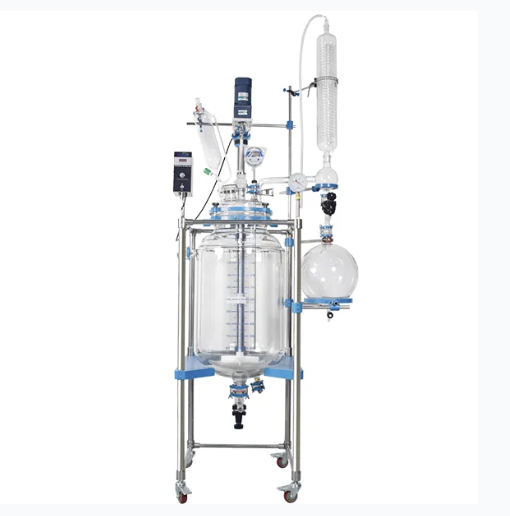
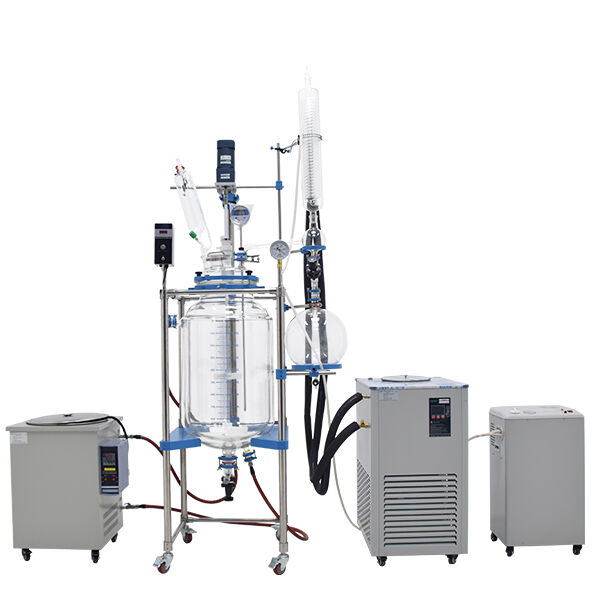
100 liter glass reactor

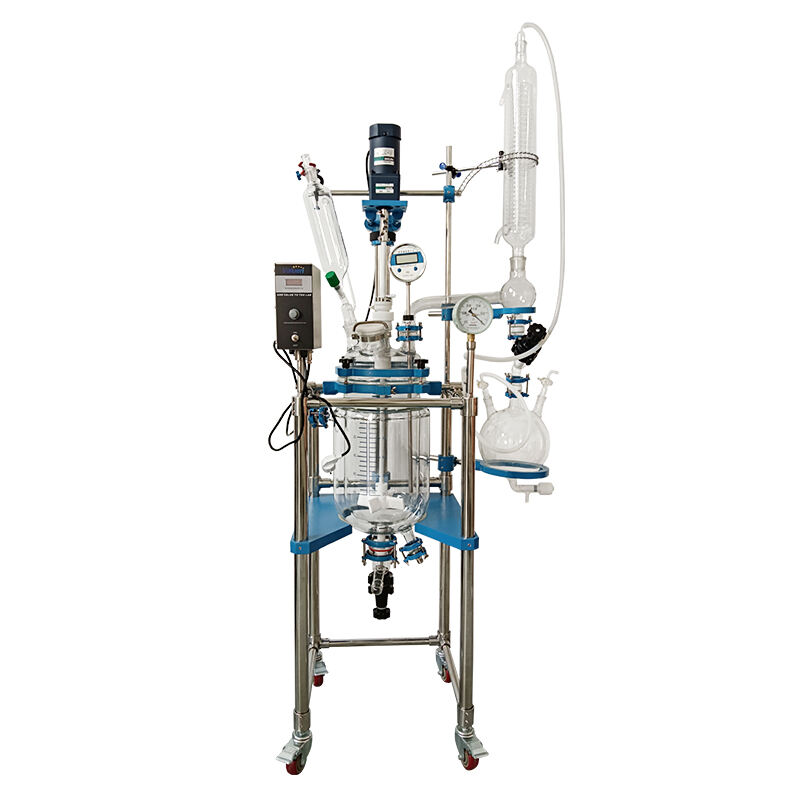
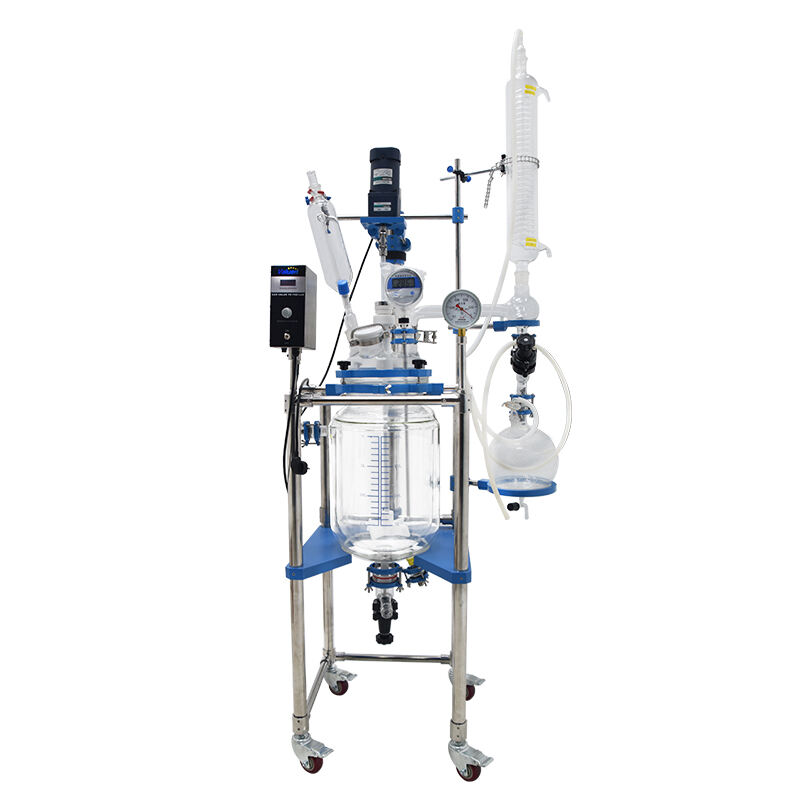
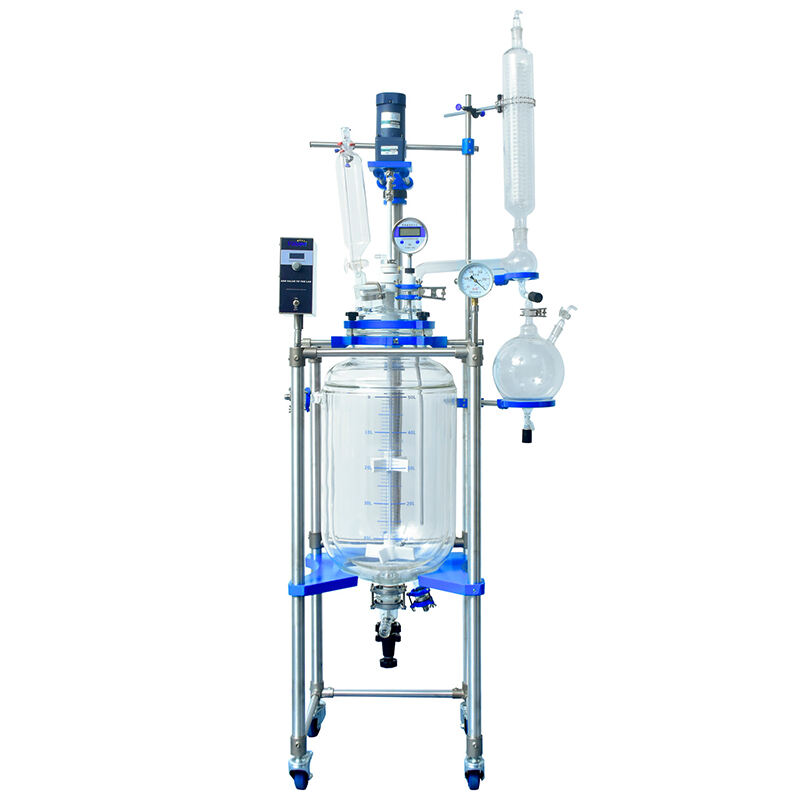
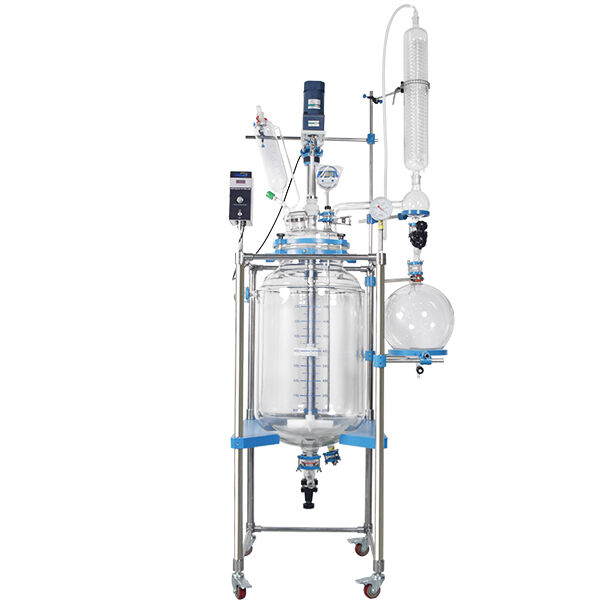
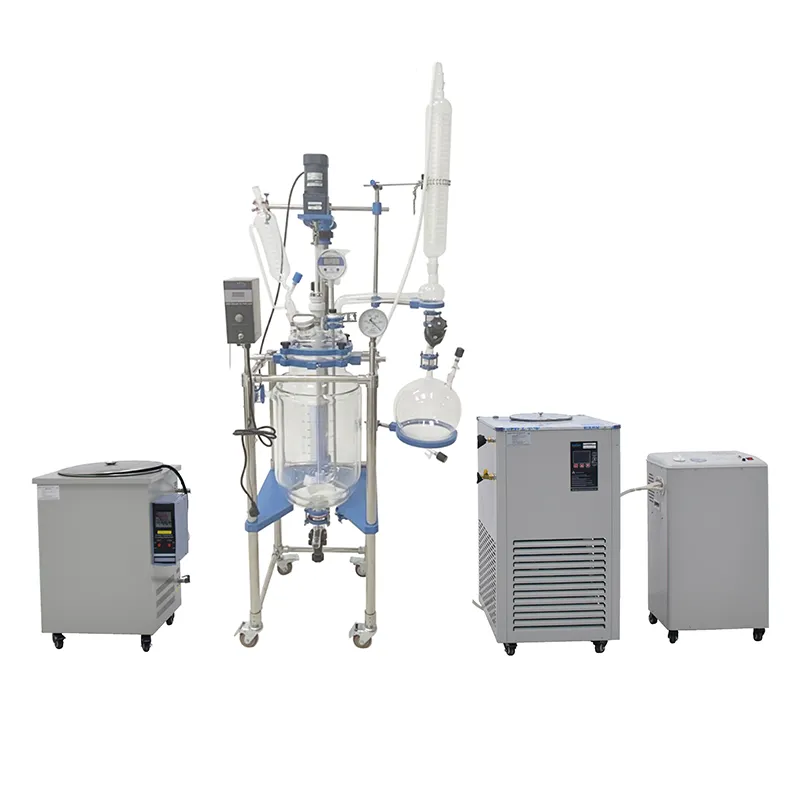
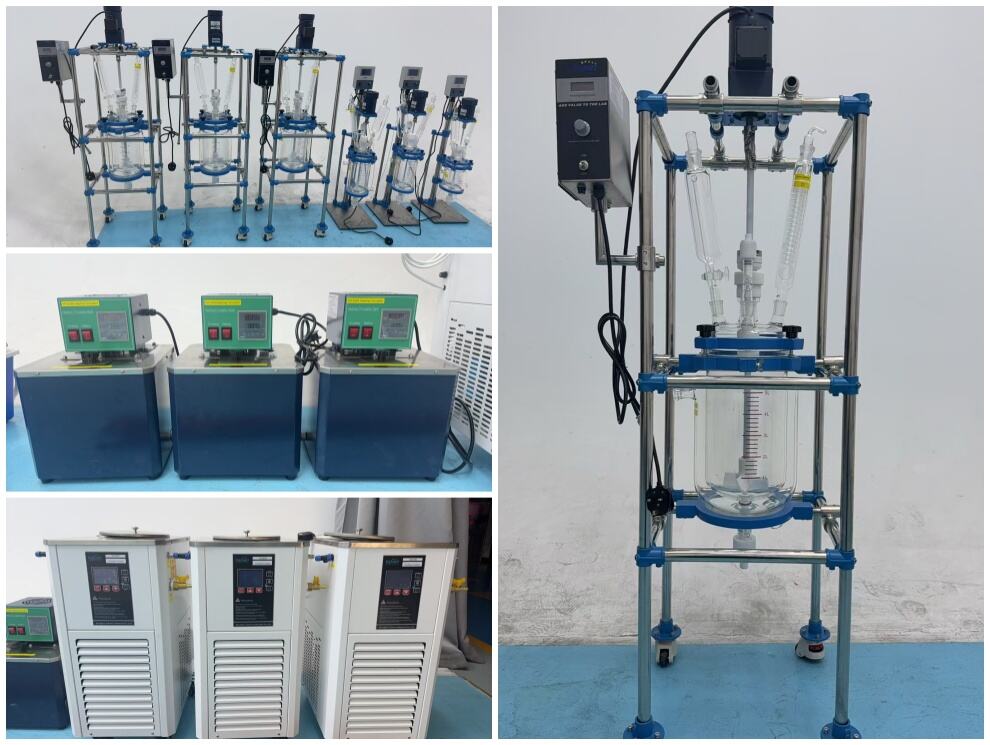
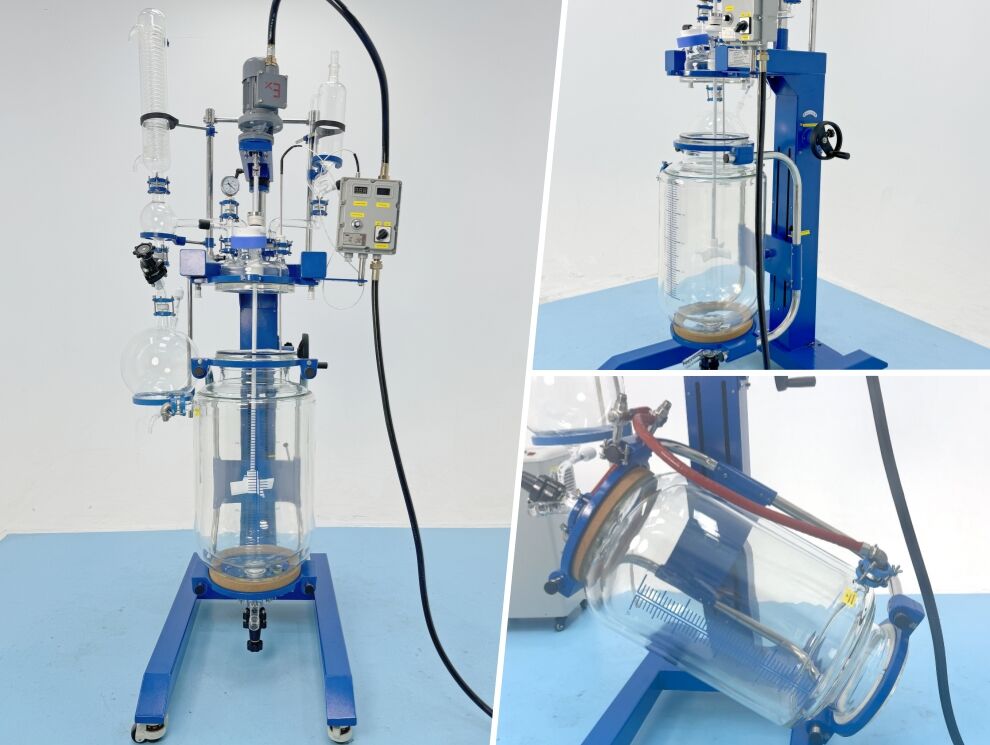
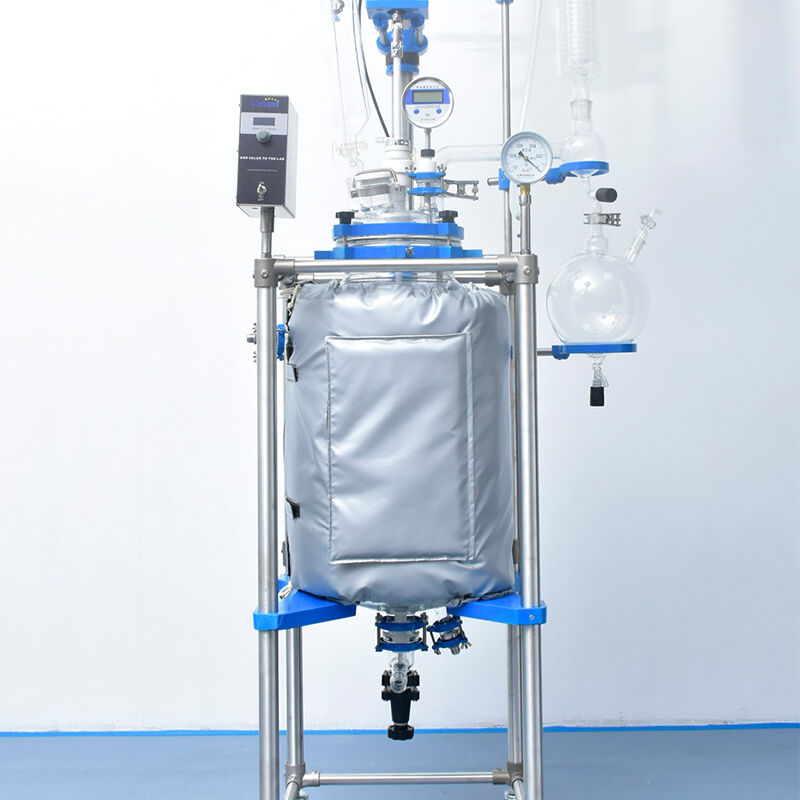
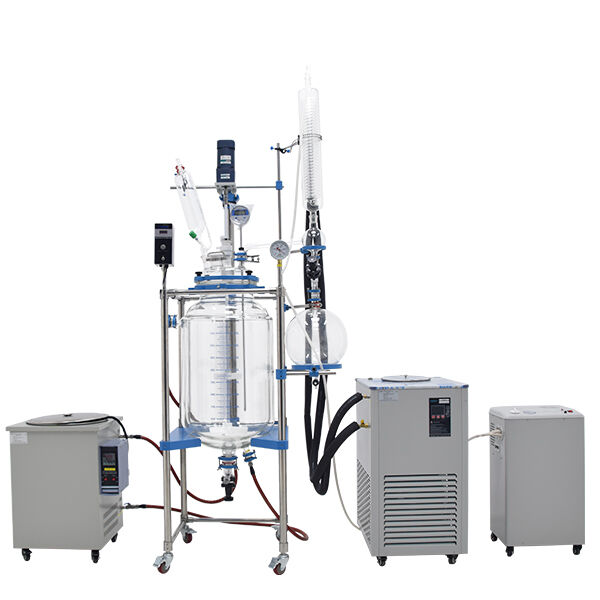
The 100 liter glass reactor represents a pinnacle of chemical processing equipment, designed to meet the demanding requirements of industrial-scale synthesis and research operations. This substantial vessel combines the transparency benefits of borosilicate glass construction with the capacity needed for pilot-scale production and large-batch experimental work. The reactor features a cylindrical design with a flat or dished bottom, incorporating multiple ports for temperature sensors, addition funnels, stirring mechanisms, and sampling access. The robust construction utilizes high-quality borosilicate glass that demonstrates exceptional resistance to thermal shock and chemical corrosion. The 100 liter glass reactor typically operates within temperature ranges from -80°C to 250°C, making it suitable for diverse chemical processes including crystallization, distillation, extraction, and complex organic synthesis. Advanced heating and cooling systems integrate seamlessly with the reactor design, often featuring jacketed walls for precise temperature control through circulating fluids. The stirring system accommodates various impeller configurations, enabling efficient mixing of viscous solutions and heterogeneous mixtures. Safety features include pressure relief valves, temperature monitoring systems, and emergency shutdown protocols. The reactor's modular design allows for customization with additional components such as reflux condensers, vacuum systems, and automated feeding mechanisms. Digital control interfaces provide real-time monitoring of critical parameters including temperature, pressure, pH levels, and rotation speed. The transparent nature of glass construction enables continuous visual monitoring of reaction progress, color changes, and phase separations without interrupting the process. Maintenance procedures are straightforward due to the smooth glass surfaces that resist fouling and facilitate thorough cleaning between batches. The 100 liter glass reactor serves as an essential tool for pharmaceutical development, fine chemical production, academic research, and quality control applications where precision and visibility are paramount.

New Product Releases

The 100 liter glass reactor delivers exceptional value through its superior chemical compatibility, accommodating virtually all organic solvents, acids, and bases without degradation or contamination concerns that plague metal reactors. This compatibility ensures product purity remains uncompromised throughout extended processing cycles, eliminating the need for costly material replacements due to corrosion damage. The transparent walls provide unparalleled process visibility, allowing operators to monitor reaction kinetics, phase changes, and crystallization patterns in real-time without opening the system or installing expensive monitoring equipment. This visual access dramatically reduces troubleshooting time and enables immediate adjustments to optimize reaction conditions. Temperature control capabilities excel with the 100 liter glass reactor, featuring rapid heating and cooling rates that minimize processing time while maintaining uniform temperature distribution throughout the vessel. The efficient heat transfer properties of the jacketed design ensure consistent thermal conditions, critical for temperature-sensitive compounds and precise reaction control. Cleaning and maintenance procedures require significantly less time and effort compared to metal alternatives, as the smooth glass surfaces resist residue buildup and eliminate concerns about hidden contamination in welds or crevices. This ease of cleaning translates directly into reduced downtime between batches and lower operating costs. The modular construction allows seamless integration with existing laboratory infrastructure, accommodating various heating systems, vacuum pumps, and automation equipment without extensive modifications. Operators benefit from the intuitive nature of glass reactor systems, requiring minimal specialized training while maintaining high safety standards through visible process monitoring. The 100 liter glass reactor demonstrates remarkable durability when properly handled, providing years of reliable service with minimal maintenance requirements. Cost-effectiveness becomes apparent through reduced material waste, improved batch consistency, and decreased validation requirements compared to opaque reactor systems. Quality control procedures benefit tremendously from the visual monitoring capabilities, enabling immediate detection of impurities or unexpected reactions that might compromise product specifications. The reactor's versatility supports diverse applications from pharmaceutical intermediates to specialty chemicals, making it an invaluable asset for organizations requiring flexible processing capabilities. Environmental benefits include reduced waste generation through improved process control and the recyclable nature of glass construction materials.

Latest News

Optimizing Efficiency with Jacketed Stainless Steel Reactors

29

Oct

Optimizing Efficiency with Jacketed Stainless Steel Reactors

Understanding Jacketed Stainless Steel Reactors and Their Industrial Role What Are Jacketed Stainless Steel Reactors and Why They Matter in Chemical Processing Jacketed stainless steel reactors basically consist of two walls with space in between fo...
View More
What Are the Key Design Features of a High-Performance Stainless Steel Reactor

12

Nov

What Are the Key Design Features of a High-Performance Stainless Steel Reactor

High-performance stainless steel reactors represent the pinnacle of chemical processing equipment, combining robust construction with precision engineering to deliver reliable results across diverse industrial applications. These sophisticated vessel...
View More
What Operating Conditions Affect Fractional Distillation Performance?

24

Dec

What Operating Conditions Affect Fractional Distillation Performance?

Fractional distillation represents one of the most critical separation techniques in chemical processing, petrochemical industries, and laboratory applications. The effectiveness of this process depends heavily on various operating conditions that di...
View More
How Does a Stainless Steel Reactor Support Customization and Scale-Up?

20

Jan

How Does a Stainless Steel Reactor Support Customization and Scale-Up?

The chemical processing industry faces constant pressure to optimize production while maintaining safety and quality standards. A stainless steel reactor serves as the cornerstone of countless manufacturing operations, providing the durability and ve...
View More

Get a Free Quote

Our representative will contact you soon.
Email
Name
Contact Number
Company Name
Message
0/1000

100 liter glass reactor

Advanced Temperature Control and Thermal Efficiency

Advanced Temperature Control and Thermal Efficiency

The 100 liter glass reactor excels in thermal management through its sophisticated jacketed design that ensures precise temperature control across a wide operational range. The double-wall construction creates an efficient heat exchange zone where heating or cooling fluids circulate continuously, providing uniform temperature distribution throughout the entire reactor volume. This advanced thermal system eliminates hot spots and temperature gradients that can compromise reaction outcomes or product quality in large-scale operations. The borosilicate glass construction demonstrates exceptional thermal shock resistance, allowing rapid temperature changes without structural damage or safety concerns. Operators can transition from cryogenic conditions to elevated temperatures within minutes, significantly reducing processing time and improving overall productivity. The thermal efficiency of the 100 liter glass reactor surpasses traditional metal systems due to the excellent heat transfer properties of the jacketed walls and the absence of thermal barriers created by corrosion or scaling. Digital temperature controllers interface seamlessly with the reactor system, providing precise setpoint control with accuracy typically within ±0.5°C throughout the operating range. Multiple temperature sensors positioned strategically within the reactor ensure comprehensive monitoring of thermal conditions, enabling automated adjustments to maintain optimal processing parameters. The heating and cooling systems accommodate various fluid types including water, oil, and specialized heat transfer media, allowing customization based on specific temperature requirements and safety considerations. Energy efficiency benefits from the excellent insulation properties of the glass construction, reducing heat loss and minimizing energy consumption during extended processing cycles. The thermal stability of the 100 liter glass reactor enables consistent processing conditions that are crucial for reproducible results in pharmaceutical development and quality control applications. Safety features include over-temperature protection, thermal runaway detection, and emergency cooling capabilities that activate automatically when predetermined limits are exceeded. The rapid response characteristics of the thermal control system enable precise implementation of complex temperature profiles required for sophisticated synthesis procedures and crystallization processes.
Superior Chemical Compatibility and Contamination Prevention

Superior Chemical Compatibility and Contamination Prevention

The 100 liter glass reactor offers unmatched chemical resistance that surpasses metal alternatives across virtually all chemical environments, making it the preferred choice for handling aggressive reagents, corrosive solvents, and reactive intermediates. The borosilicate glass construction demonstrates exceptional inertness to organic acids, mineral acids, bases, oxidizing agents, and complex organic solvents that would rapidly degrade stainless steel or other metal reactor materials. This superior chemical compatibility eliminates the risk of metal ion contamination that can catalyze unwanted side reactions, compromise product purity, or interfere with analytical procedures in pharmaceutical and fine chemical applications. The non-porous surface of the glass reactor prevents absorption of chemicals or formation of residual films that could contaminate subsequent batches, ensuring consistent product quality across multiple production runs. Unlike metal reactors that develop microscopic pits and crevices over time, the 100 liter glass reactor maintains its smooth surface integrity indefinitely when properly maintained, eliminating hiding places for contaminants or difficult-to-remove residues. The chemical inertness extends to trace level applications where even minimal contamination can significantly impact product specifications or analytical results. Cleaning validation procedures become simplified and more reliable due to the transparent nature of glass construction, allowing visual confirmation of cleanliness that is impossible with opaque metal systems. The reactor surface does not require protective coatings or linings that can delaminate, chip, or leach contaminants into the process stream over time. Pharmaceutical applications particularly benefit from the USP Class VI compliance of the glass materials, ensuring regulatory acceptance without extensive validation studies required for metal reactor systems. The chemical stability of the 100 liter glass reactor enables processing of light-sensitive compounds without concerns about catalytic degradation from metal surfaces that can accelerate photochemical reactions. Long-term storage applications benefit from the complete chemical inertness, allowing extended contact times without material degradation or contamination concerns that limit the utility of metal vessels.
Real-Time Process Monitoring and Quality Control Advantages

Real-Time Process Monitoring and Quality Control Advantages

The transparent construction of the 100 liter glass reactor provides unprecedented visual access to chemical processes, enabling real-time monitoring capabilities that transform quality control procedures and process optimization strategies. Operators can continuously observe reaction progress, color changes, precipitation events, and phase separations without interrupting the process or compromising sterile conditions. This visual monitoring capability eliminates the guesswork associated with opaque reactor systems and enables immediate recognition of process deviations that could impact product quality or safety. The ability to witness crystallization patterns, particle size distribution, and agglomeration behavior in real-time allows for precise timing of processing steps and optimization of product characteristics. Quality control procedures benefit dramatically from the visual access, enabling immediate detection of impurities, unexpected reactions, or equipment malfunctions that might otherwise go unnoticed until final product analysis. The 100 liter glass reactor supports advanced analytical techniques including in-situ spectroscopy, laser particle sizing, and optical density measurements that require optical access to the reaction medium. Process development activities accelerate significantly when researchers can observe reaction kinetics and mechanism pathways directly, leading to faster optimization and reduced development costs. The visual monitoring capabilities prove invaluable for training purposes, allowing new operators to observe proper mixing patterns, heat transfer effects, and normal process variations without relying solely on instrument readings. Safety benefits include immediate recognition of potentially hazardous conditions such as vigorous gas evolution, foam formation, or unexpected color changes that might indicate runaway reactions. The transparent walls enable precise timing of addition sequences, allowing operators to observe the immediate effects of reagent additions and adjust feed rates accordingly. Documentation and regulatory compliance benefit from the ability to photograph or video record critical process steps, providing visual evidence of proper procedures and batch consistency. The 100 liter glass reactor facilitates troubleshooting activities by enabling direct observation of mixing effectiveness, heat transfer patterns, and mass transfer phenomena that influence process performance. Research applications particularly benefit from the visual access when studying novel reactions or optimizing existing processes, as researchers can correlate visual observations with analytical data to develop comprehensive understanding of reaction mechanisms and kinetics.

Get a Free Quote

Our representative will contact you soon.
Email
Name
Contact Number
Company Name
Message
0/1000