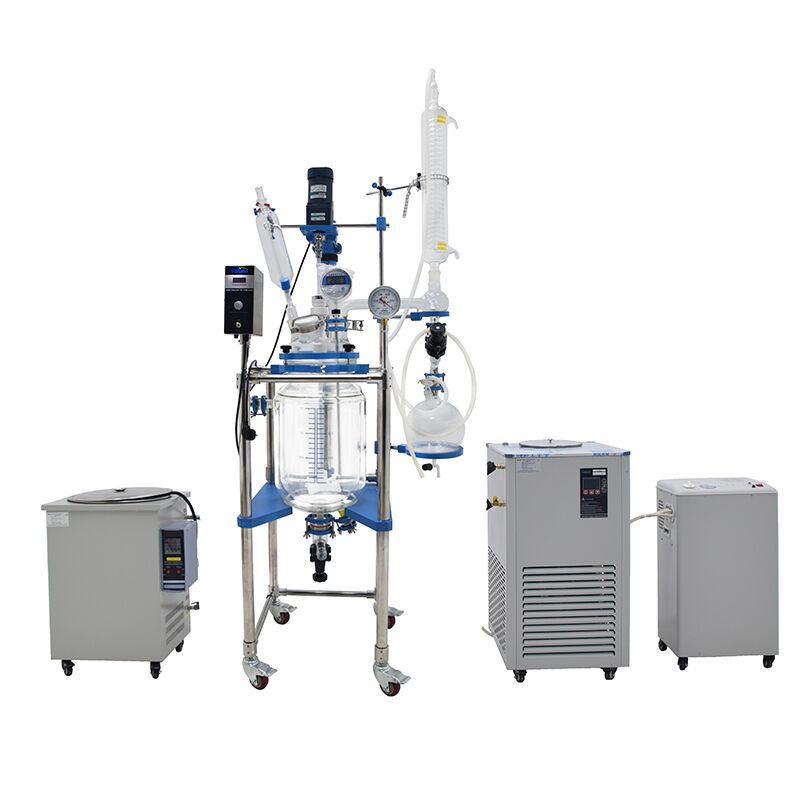
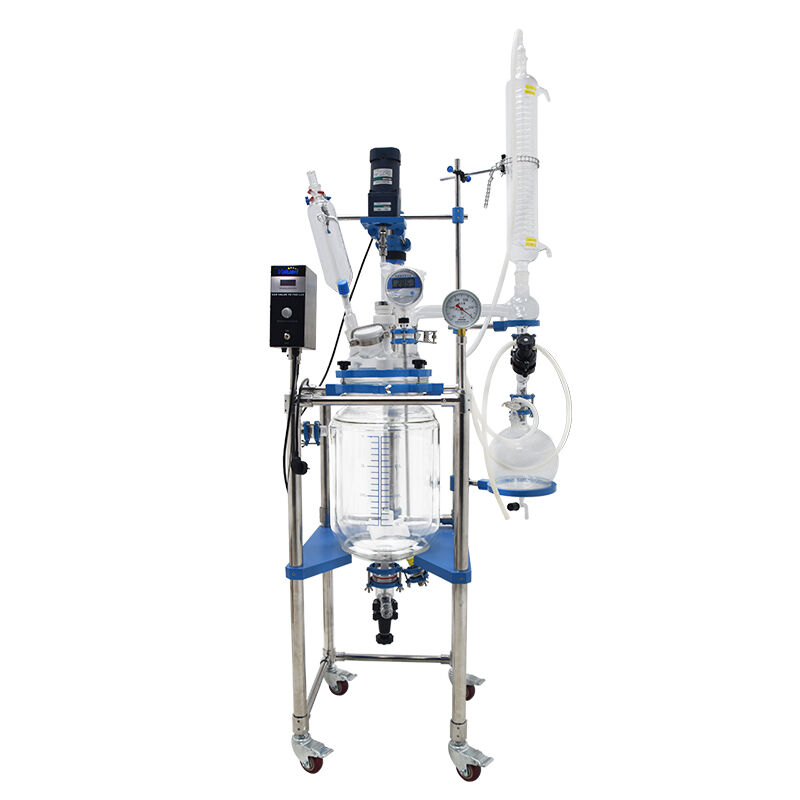
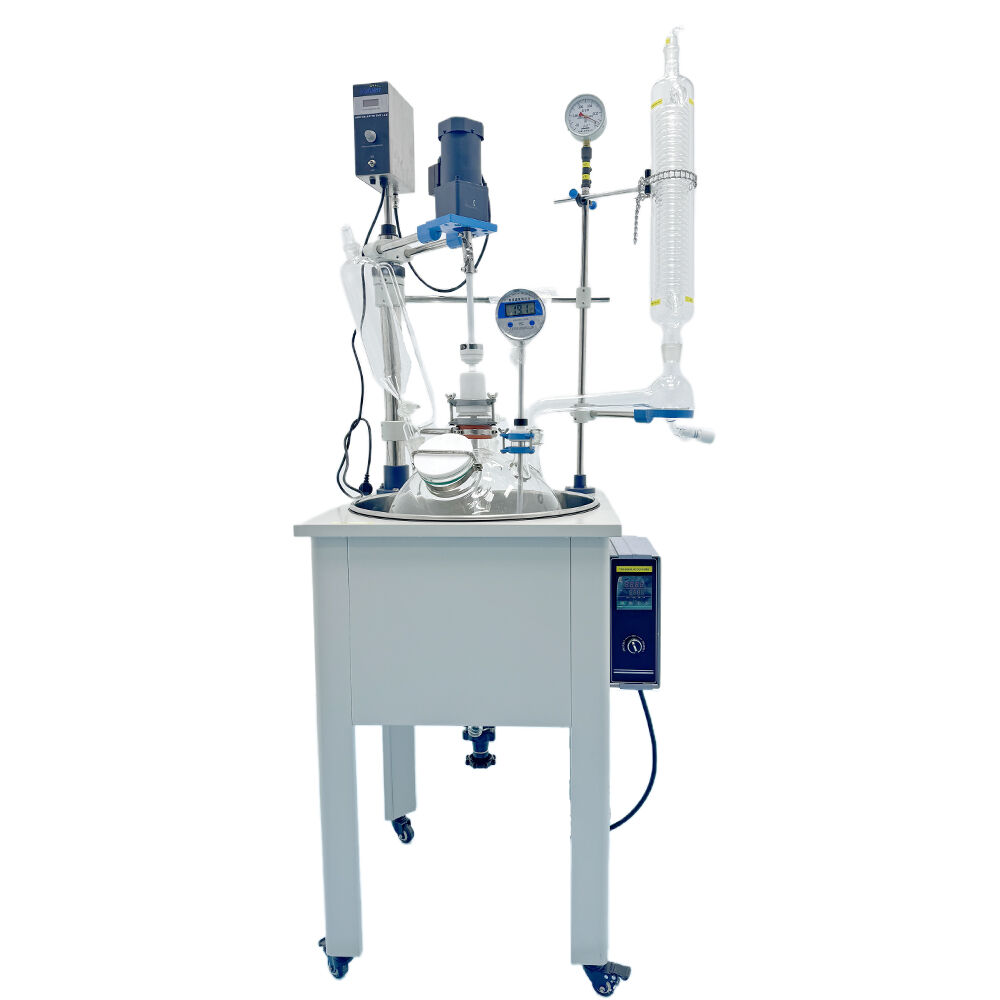
glass chemical reactor
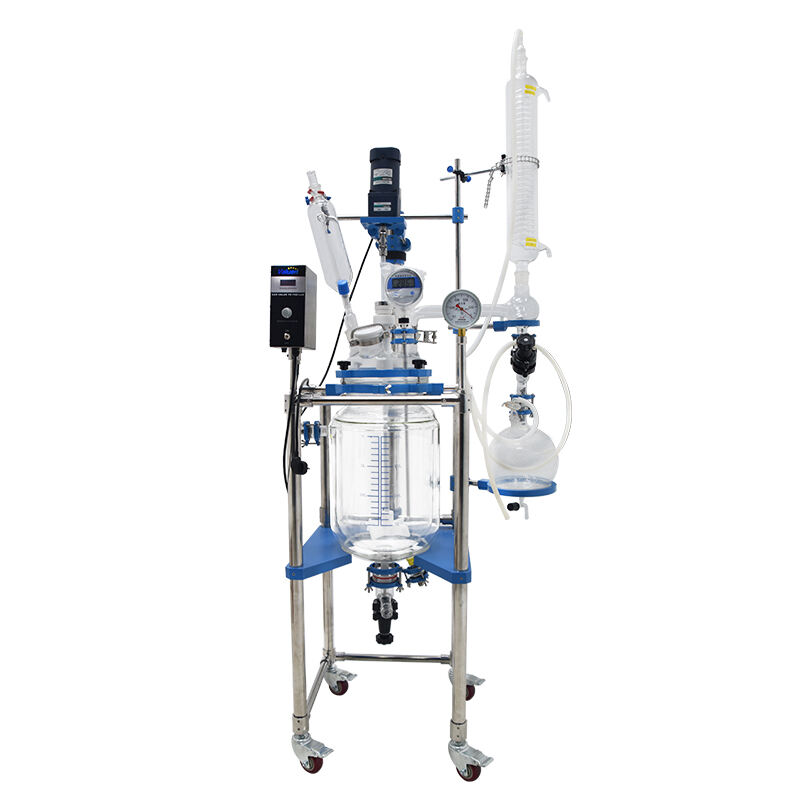
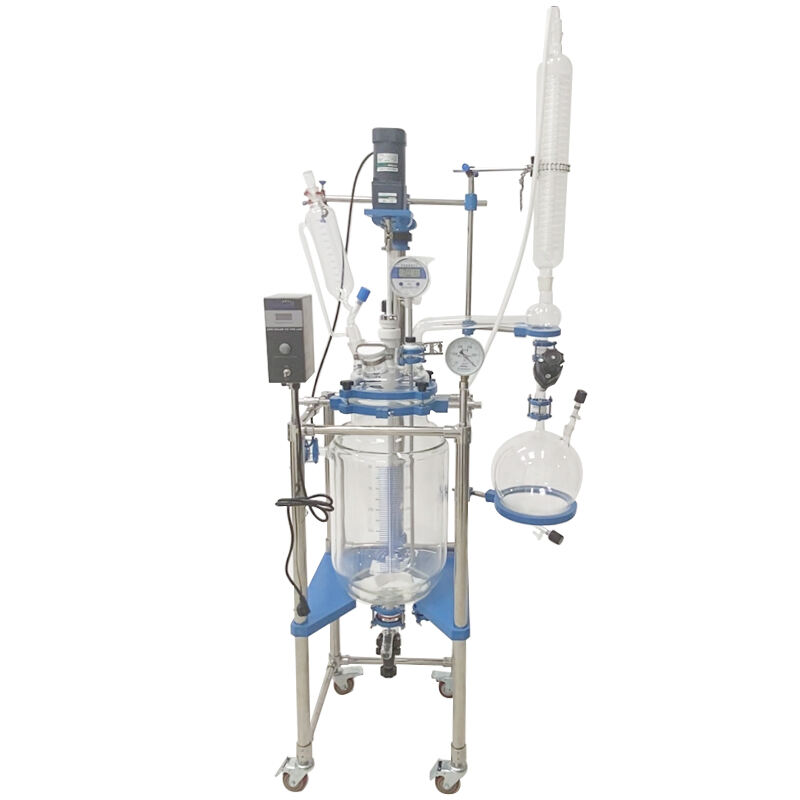
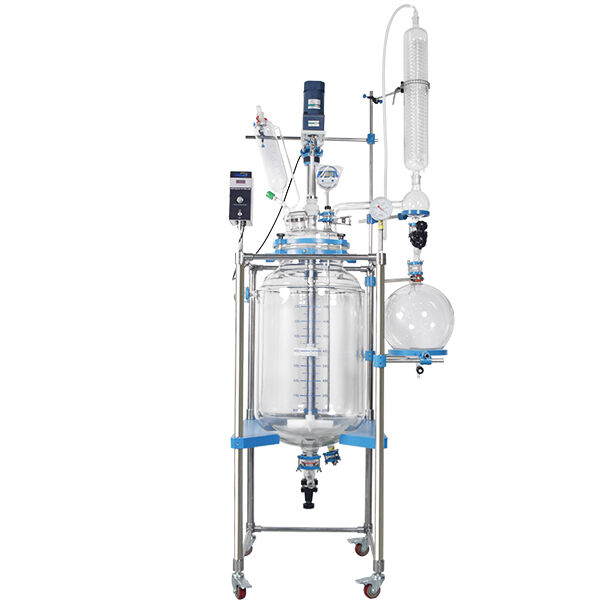
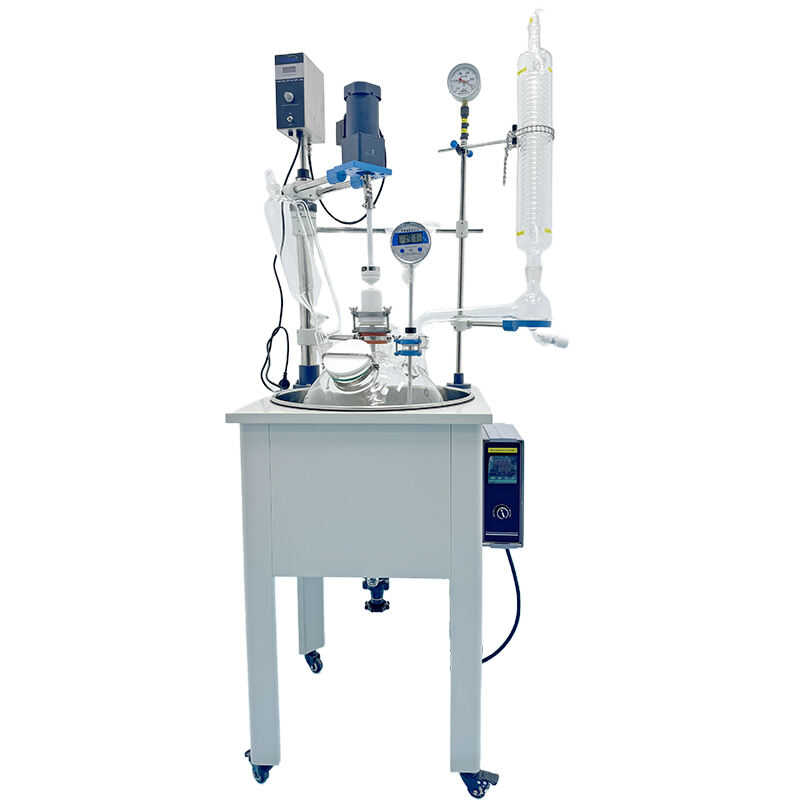
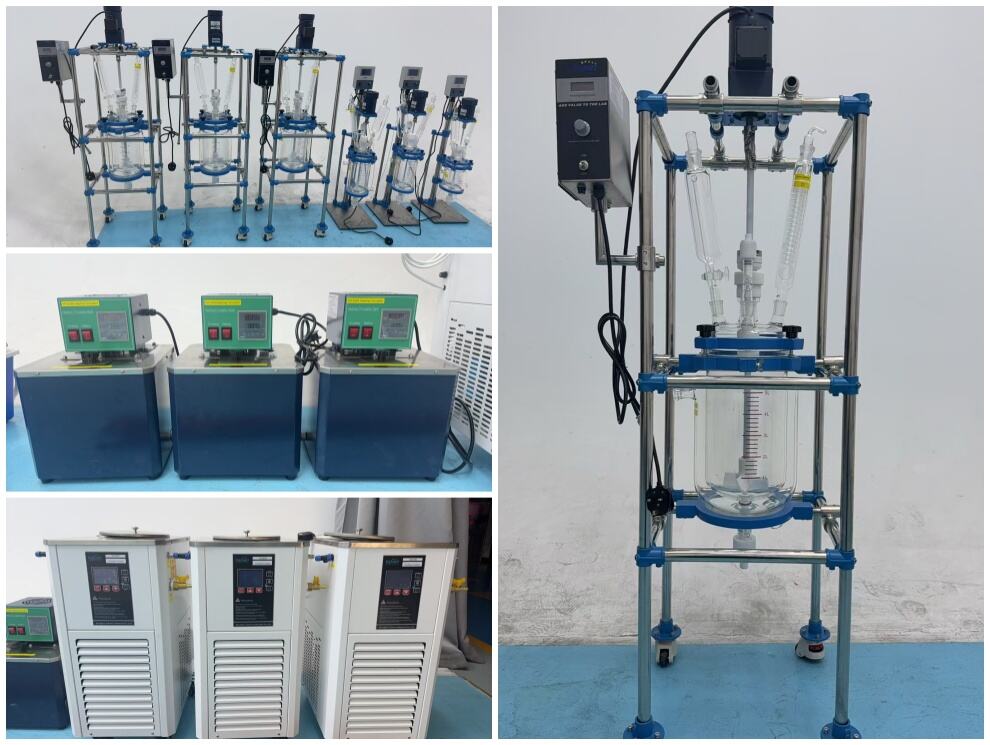
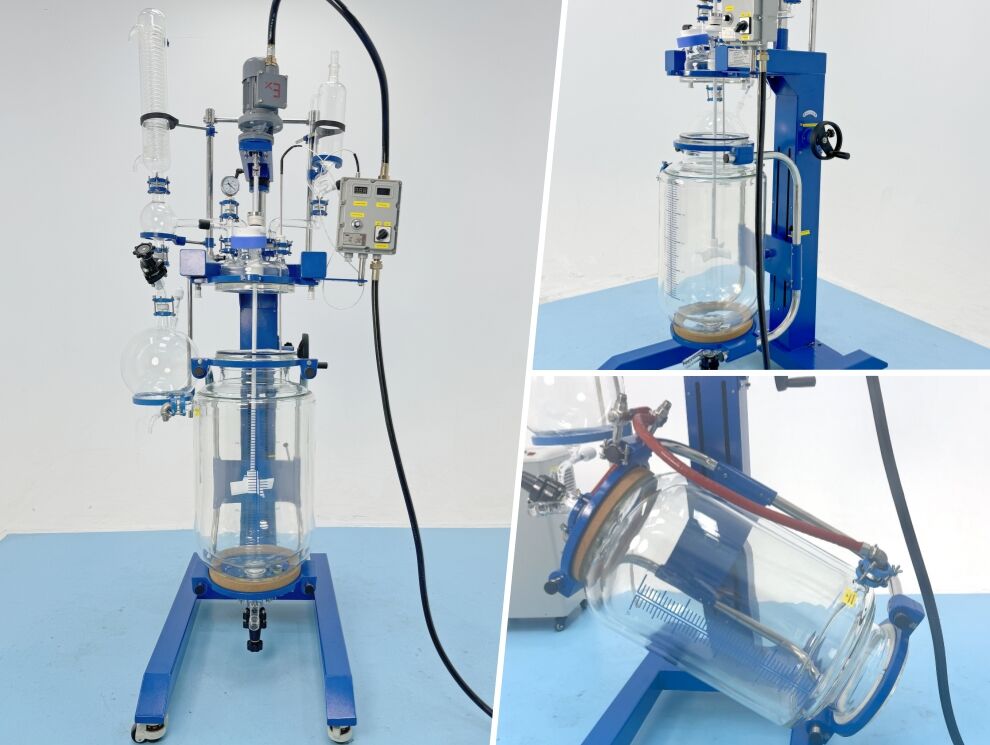
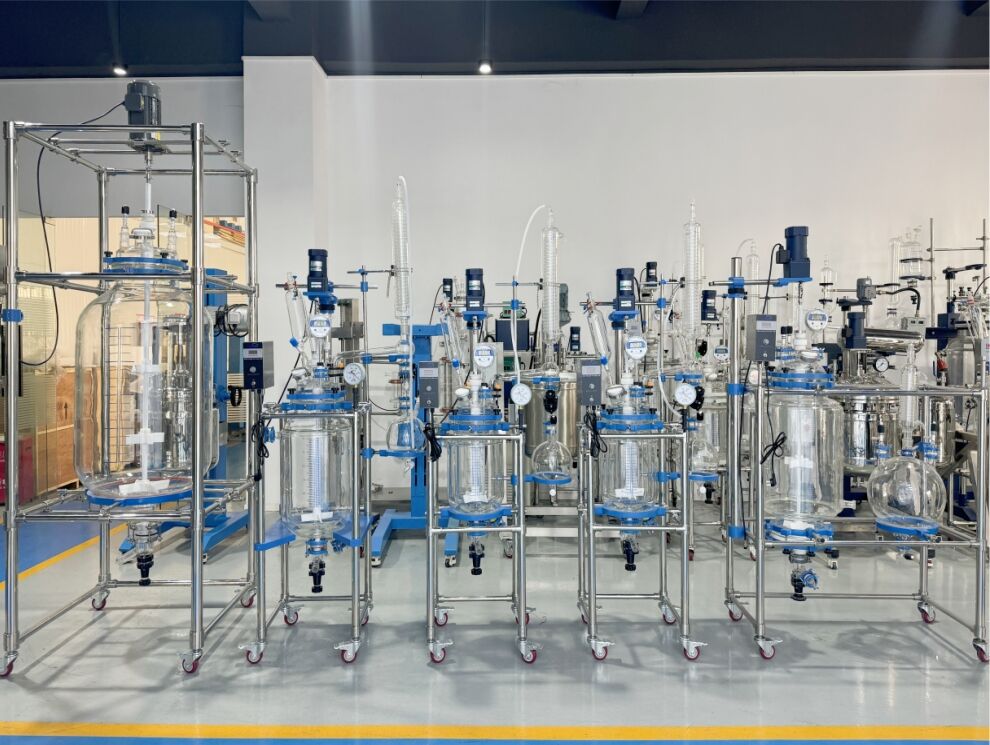
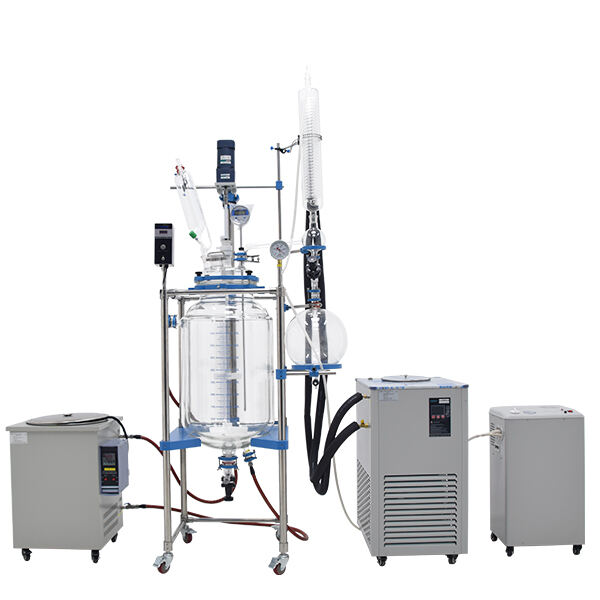
A glass chemical reactor represents a sophisticated piece of laboratory equipment designed for conducting various chemical processes under controlled conditions. This specialized vessel combines the transparency of borosilicate glass with advanced engineering to create an optimal environment for chemical reactions, synthesis, and research applications. The glass chemical reactor serves as the cornerstone of modern chemical laboratories, pharmaceutical facilities, and research institutions worldwide. Its primary function involves facilitating chemical reactions while providing complete visibility of the process, allowing researchers to monitor reaction progress in real-time. The reactor features a double-wall construction that enables precise temperature control through heating or cooling systems, making it suitable for both exothermic and endothermic reactions. The technological framework of a glass chemical reactor incorporates multiple components working in harmony to deliver exceptional performance. The main vessel typically ranges from 1-liter to 200-liter capacity, constructed from high-quality borosilicate glass that withstands thermal shock and chemical corrosion. Multiple ports accommodate various accessories including stirring systems, temperature probes, addition funnels, and reflux condensers. The stirring mechanism ensures uniform mixing through magnetic or overhead stirring systems, while the heating mantle or cooling bath maintains optimal reaction temperatures. Applications for glass chemical reactors span across numerous industries and research fields. Pharmaceutical companies utilize these reactors for drug synthesis, API production, and process development. Chemical manufacturers employ them for specialty chemical production, catalyst testing, and reaction optimization. Academic institutions rely on glass chemical reactors for teaching purposes, research projects, and method development. The biotechnology sector uses these systems for fermentation processes, enzyme reactions, and bioprocess development. Environmental laboratories depend on glass chemical reactors for waste treatment studies, pollution control research, and environmental remediation projects.
 EN
EN