Enhanced Safety Features and Automated Process Control
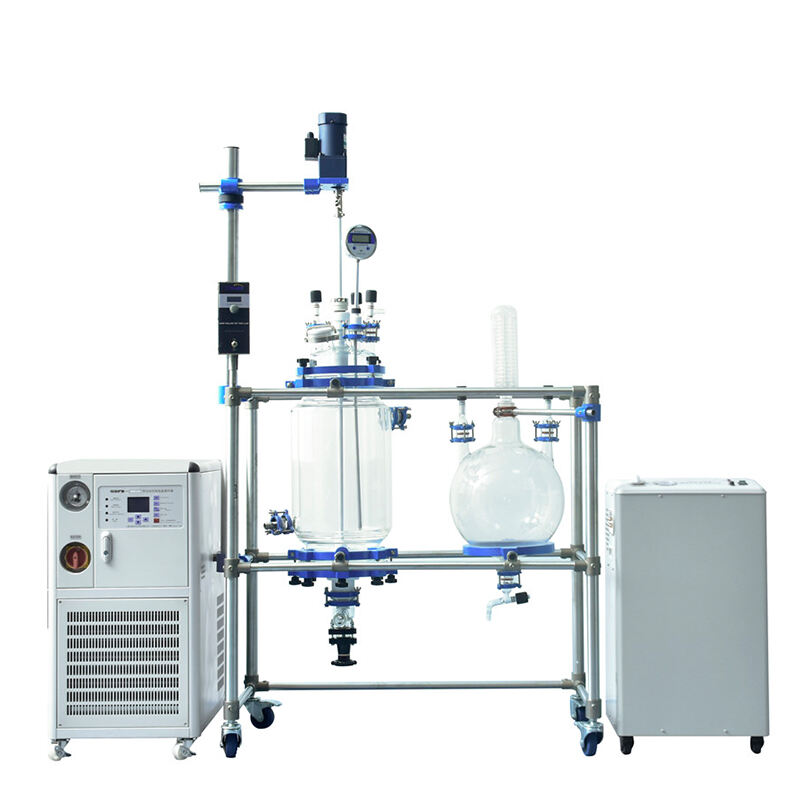
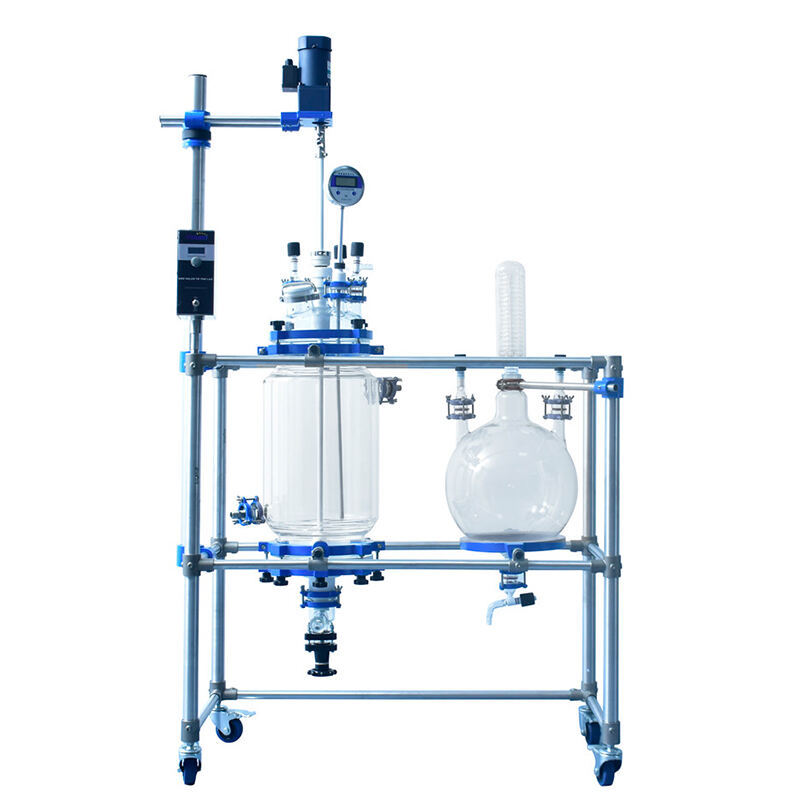
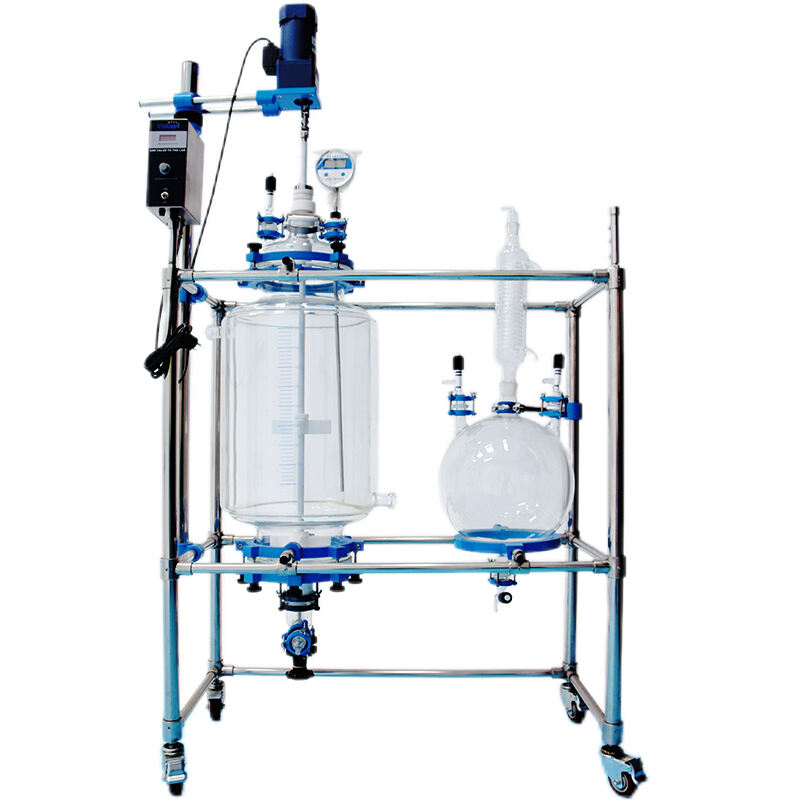
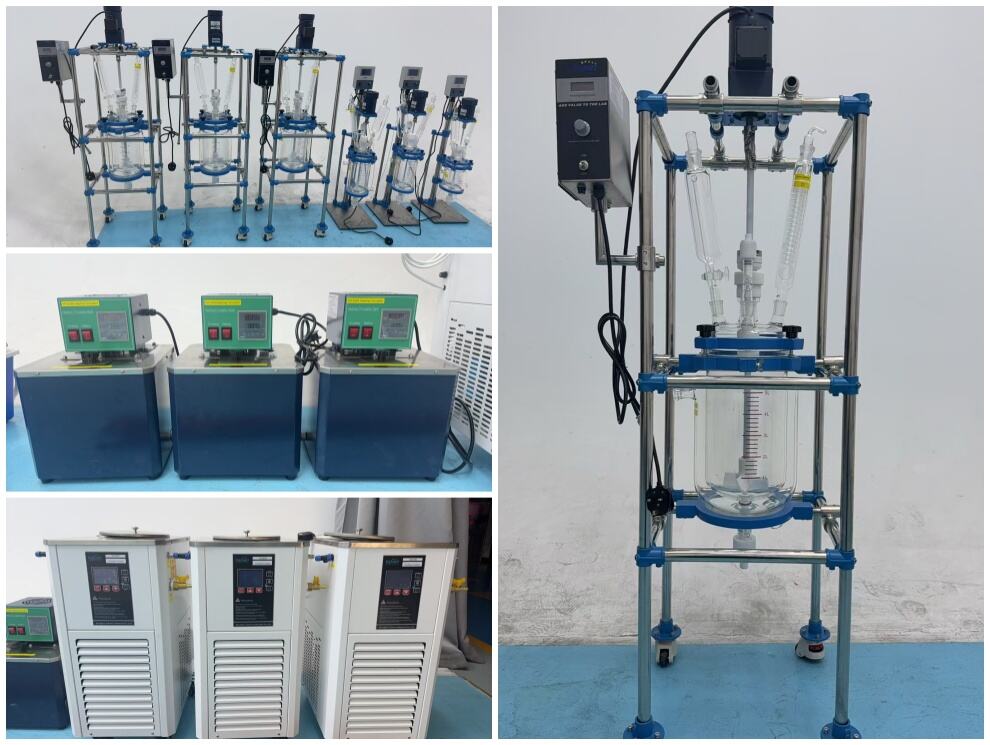
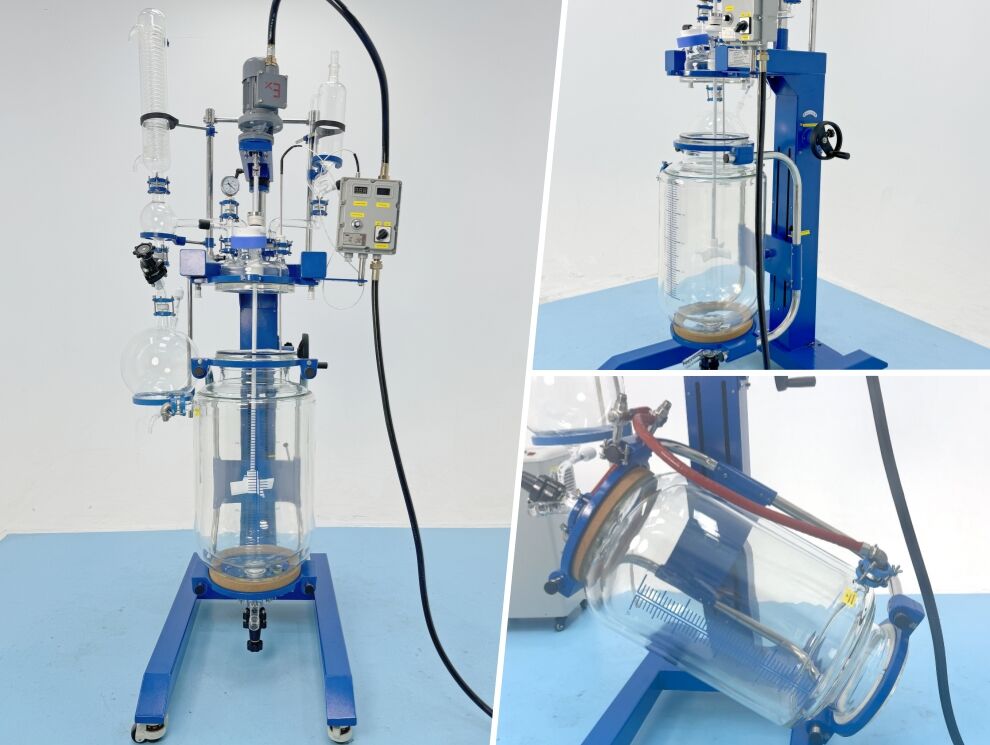
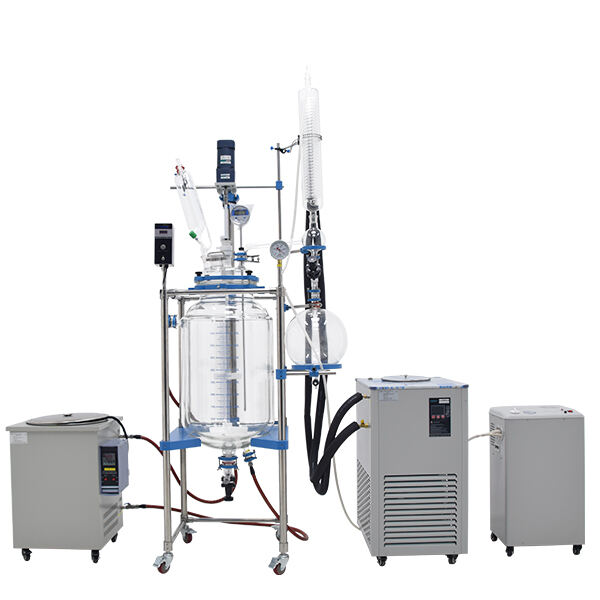
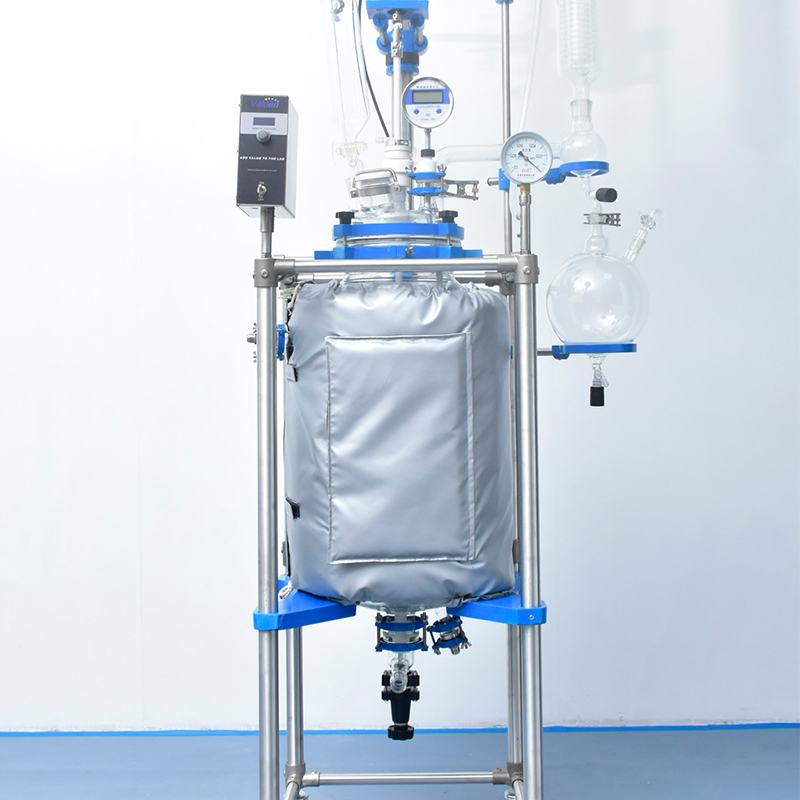
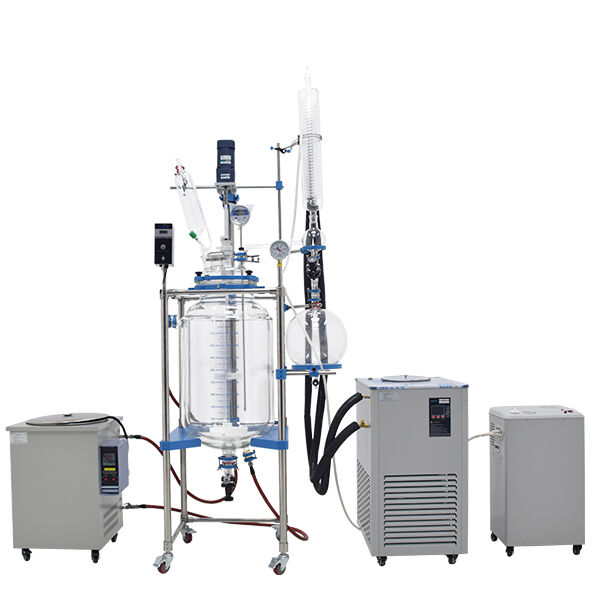
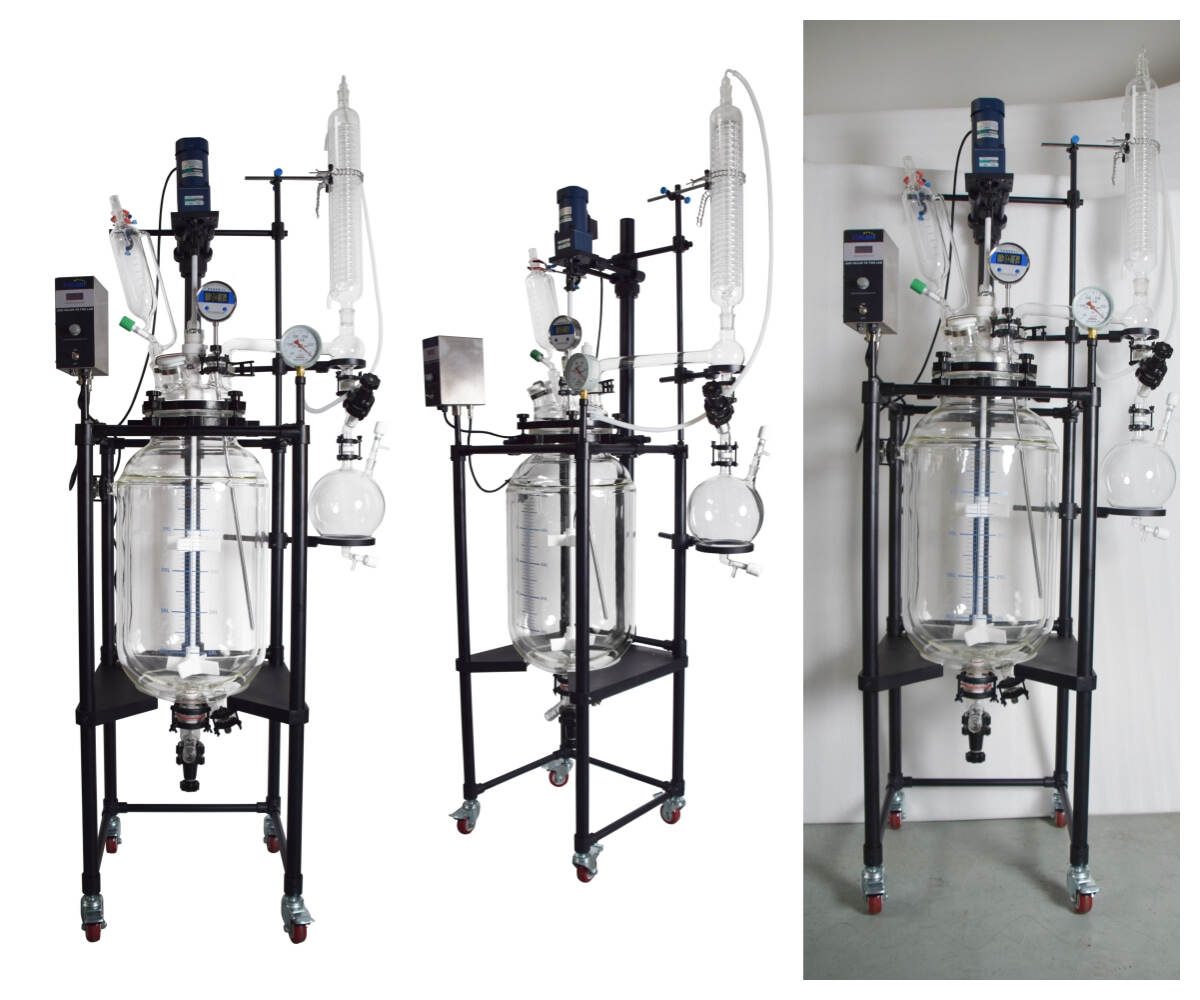
The glass filter reactor incorporates comprehensive safety systems and advanced automation capabilities that ensure reliable operation while protecting personnel and equipment from potential hazards. Multiple pressure relief mechanisms including calibrated rupture discs and adjustable pressure relief valves provide redundant protection against over-pressurization, automatically venting excess pressure to prevent vessel failure. Advanced monitoring systems continuously track critical process parameters including temperature, pressure, agitation speed, and filtration flow rates, providing real-time feedback and alarm notifications when parameters exceed predetermined safe operating limits. Emergency shutdown capabilities enable immediate process termination through automated valve closures, heating system deactivation, and stirring mechanism stops, minimizing potential damage from system malfunctions or operator errors. The transparent glass construction allows continuous visual monitoring of reaction progress, enabling early detection of unusual conditions such as excessive foaming, unexpected precipitation, or violent reactions that might pose safety risks. Automated control systems provide precise regulation of process variables through programmable logic controllers that can execute complex reaction sequences, temperature profiles, and filtration cycles with minimal operator intervention. Data logging capabilities automatically record all process parameters with time stamps, creating comprehensive batch records for quality assurance, regulatory compliance, and process optimization analysis. Interlock systems prevent unsafe operating conditions by automatically disabling conflicting operations, such as preventing heating while vacuum filtration is active or blocking pressure increases beyond safe vessel ratings. Leak detection systems monitor for loss of containment and trigger appropriate responses including alarm notifications and automatic process shutdown to prevent environmental release or personnel exposure to hazardous materials. The design incorporates proper venting systems for safe handling of volatile solvents and toxic vapors, with options for connection to scrubbing systems or fume extraction equipment to protect laboratory personnel and comply with environmental regulations. Remote monitoring capabilities enable process supervision from safe distances, particularly valuable when handling hazardous materials or operating at extreme conditions that might pose risks to nearby personnel. Failsafe design principles ensure that system failures result in safe shutdown conditions rather than runaway reactions or uncontrolled releases, providing inherent safety even during power failures or control system malfunctions.
 EN
EN