Jacketed Glass Reactor Vessel - Advanced Chemical Processing Equipment for Laboratory and Industrial Applications

Get a Free Quote

Our representative will contact you soon.
Email
Name
Contact Number
Company Name
Message
0/1000

jacketed glass reactor vessel

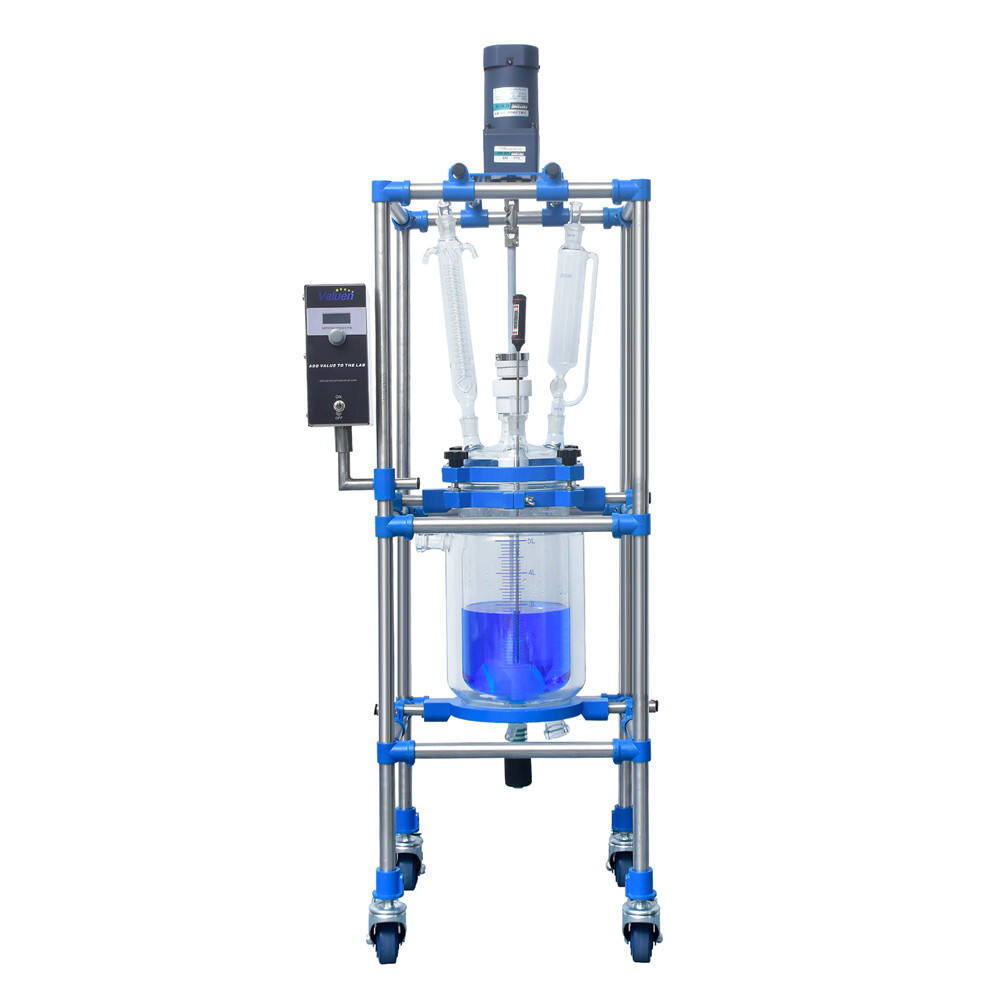
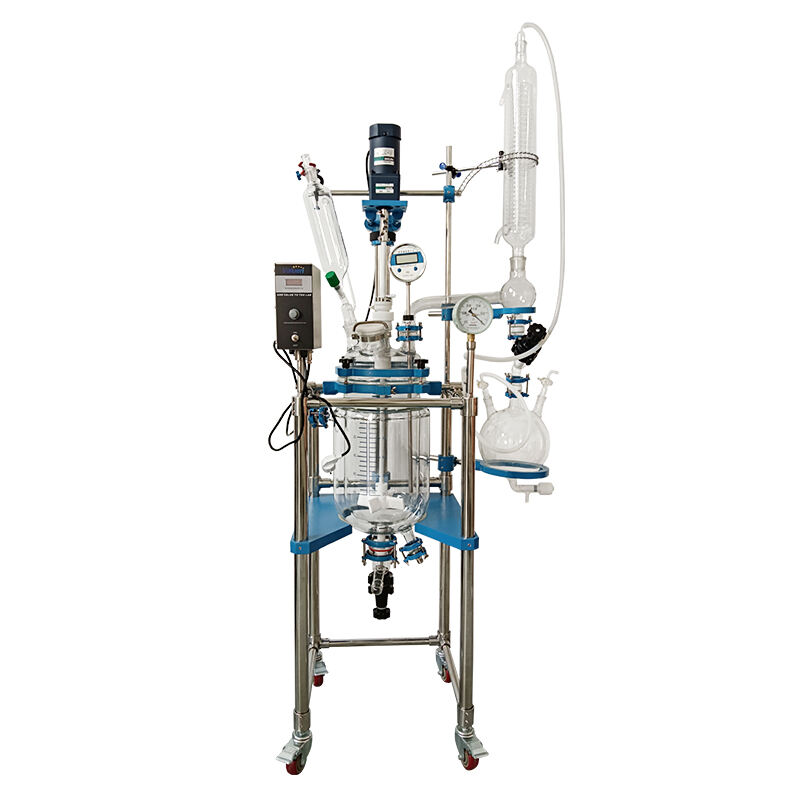
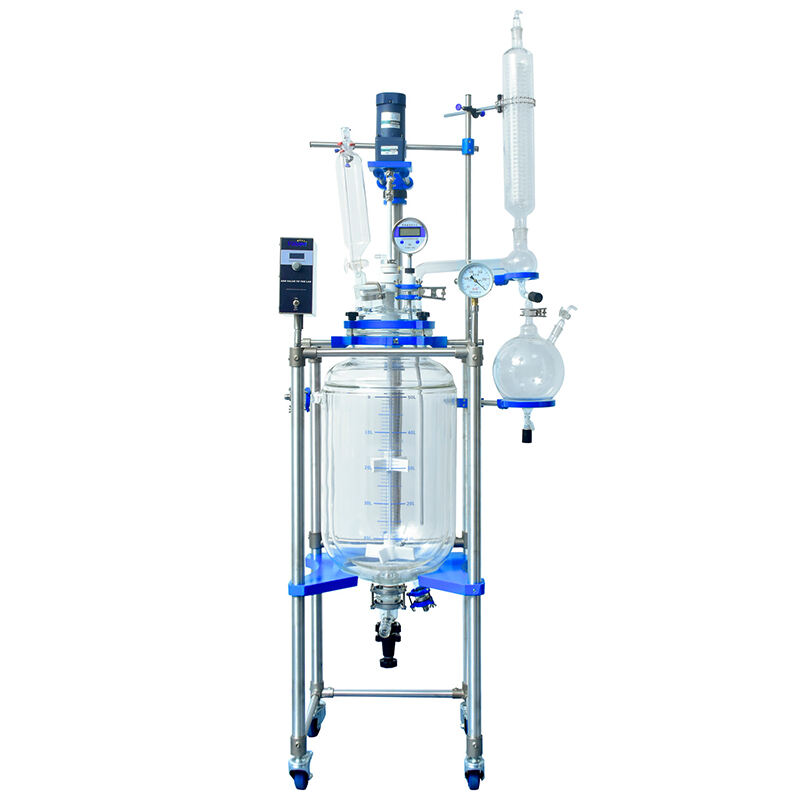
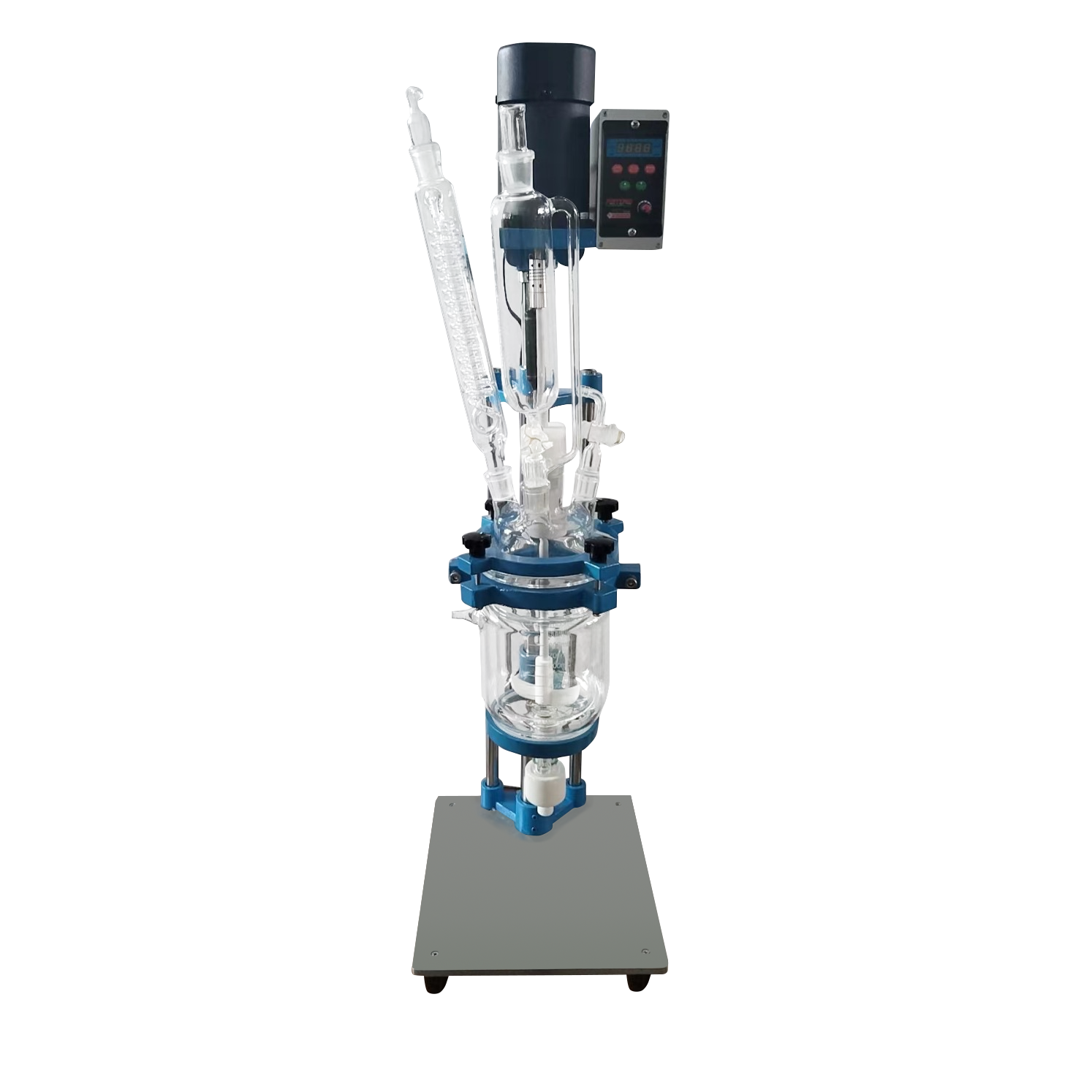
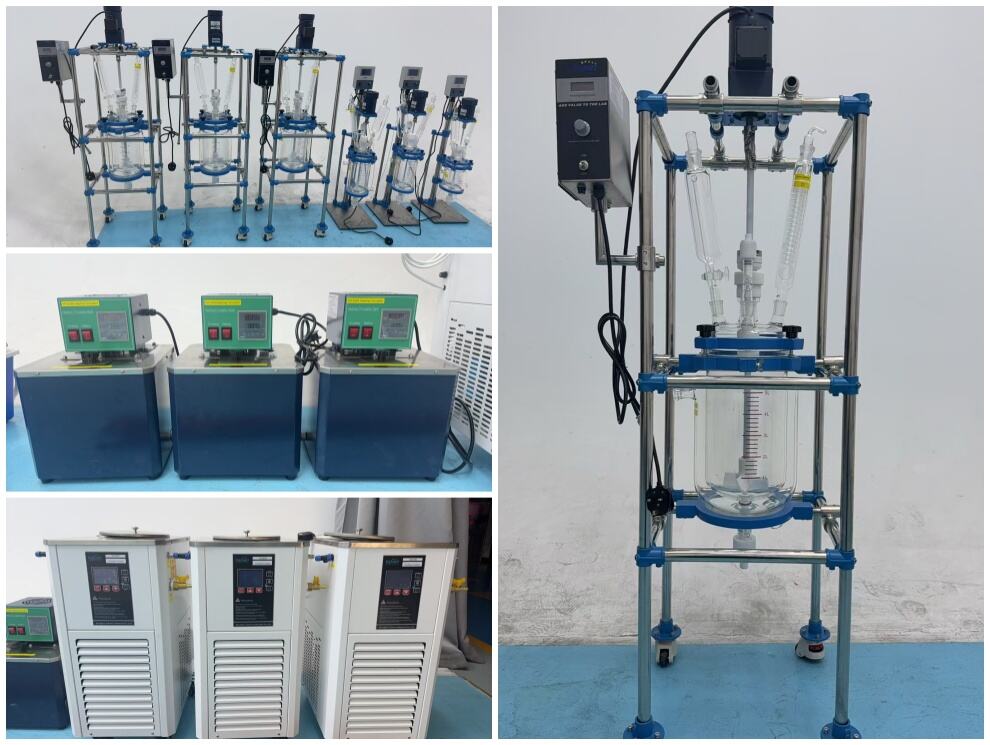
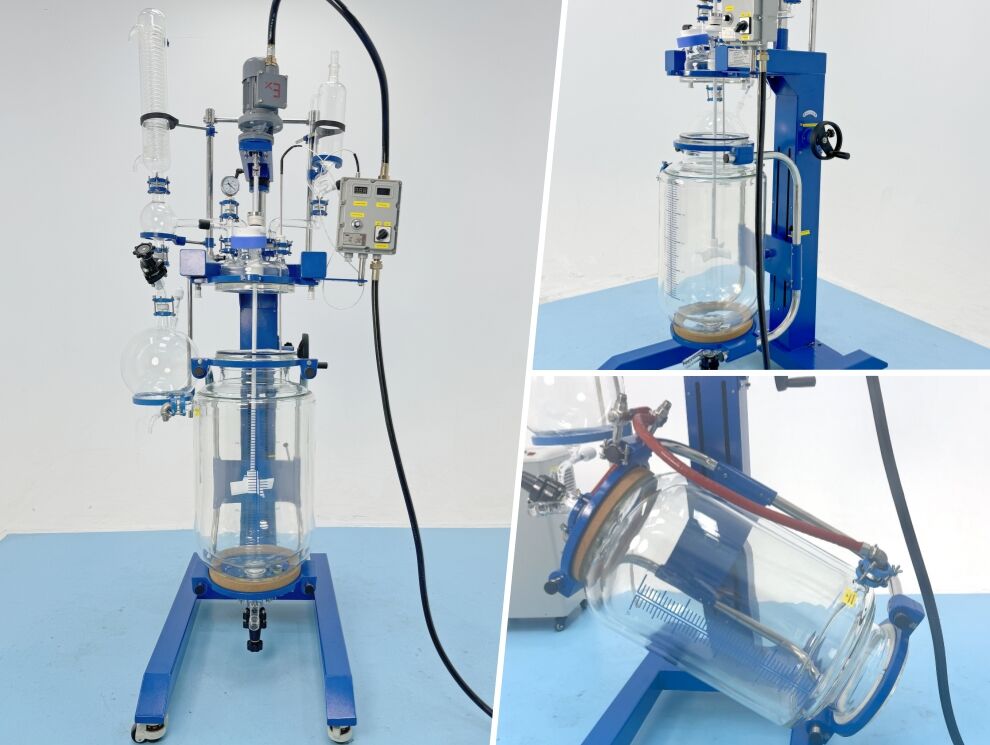
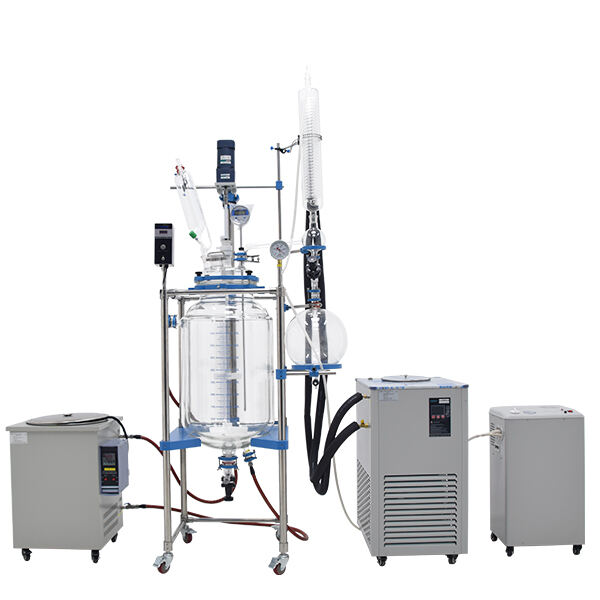
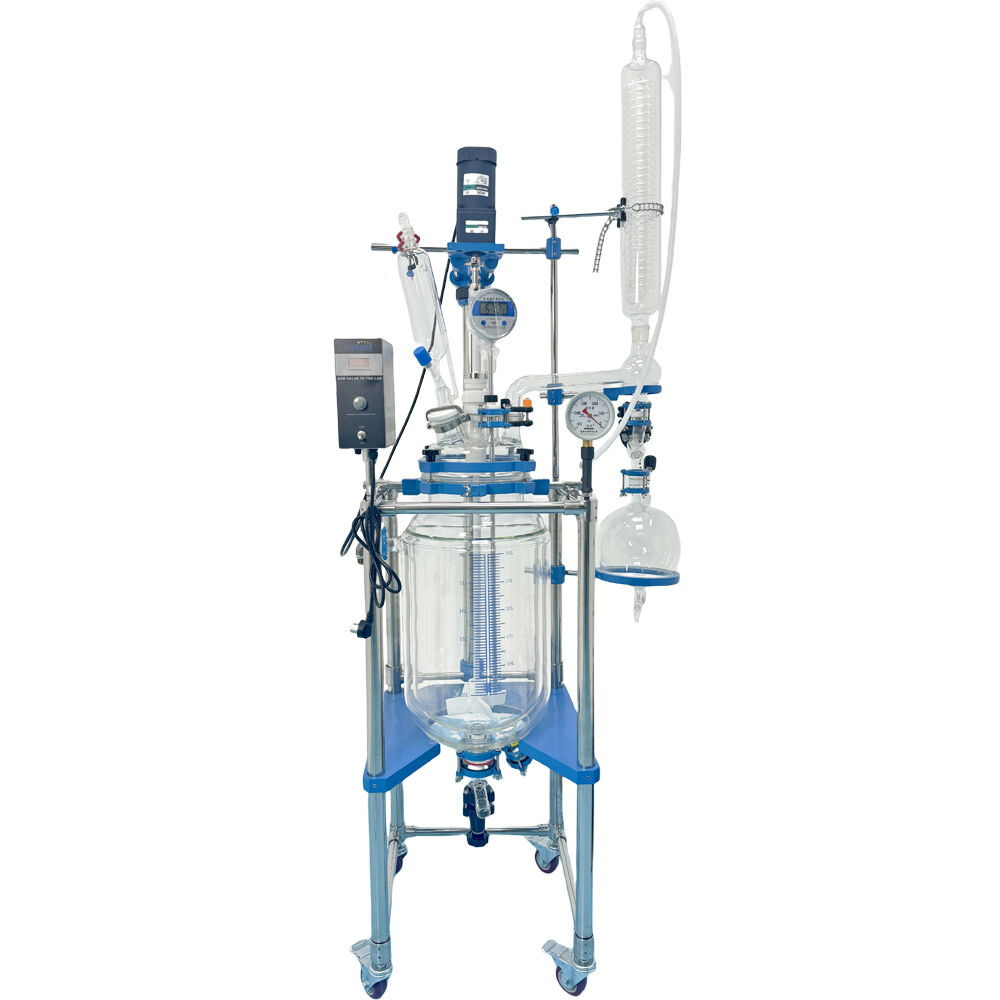
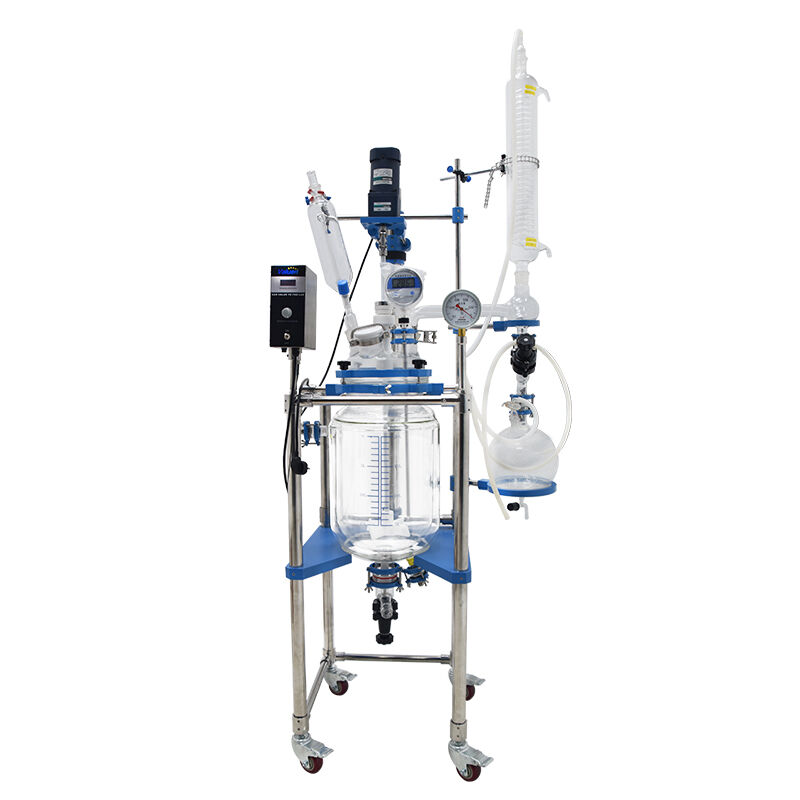
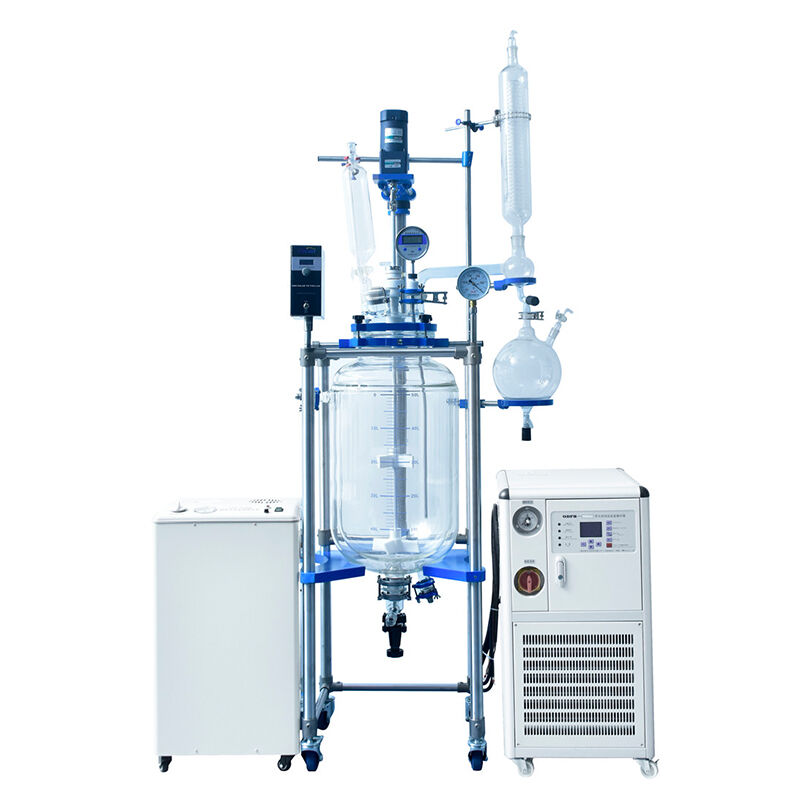
A jacketed glass reactor vessel represents a sophisticated piece of laboratory and industrial equipment designed for precise chemical synthesis, research, and process development. This double-walled glass construction features an inner reaction chamber surrounded by an external jacket that allows for precise temperature control through circulating heating or cooling fluids. The jacketed glass reactor vessel serves as the cornerstone of modern chemical processing, offering researchers and manufacturers unparalleled visibility into reaction progress while maintaining strict environmental controls. The primary functions of this equipment include facilitating controlled chemical reactions, enabling crystallization processes, supporting distillation operations, and conducting extraction procedures under carefully monitored conditions. The transparent borosilicate glass construction provides exceptional chemical resistance and thermal stability, making it suitable for handling corrosive substances and extreme temperature variations. Advanced technological features include integrated stirring mechanisms, multiple port configurations for adding reagents or monitoring equipment, and precise temperature regulation systems. The jacketed design allows operators to maintain reaction temperatures within narrow ranges by circulating heated or chilled fluids through the outer chamber. Modern jacketed glass reactor vessels incorporate digital control systems that automatically adjust parameters based on programmed protocols. These vessels find extensive applications across pharmaceutical development, fine chemical manufacturing, academic research institutions, and pilot plant operations. The equipment proves invaluable for developing new synthetic pathways, optimizing reaction conditions, and scaling laboratory procedures to commercial production levels. Quality control laboratories utilize jacketed glass reactor vessels for method validation and product testing protocols.

New Products

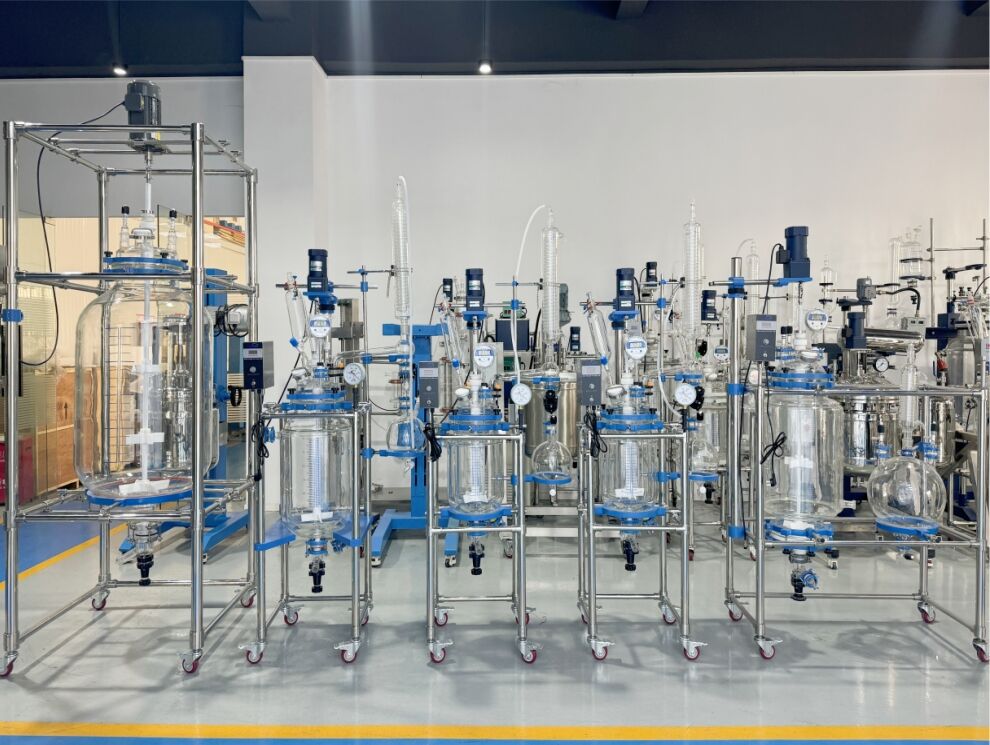
The jacketed glass reactor vessel delivers exceptional benefits that transform how scientists and manufacturers approach chemical processing challenges. Complete visual monitoring stands as the most significant advantage, allowing operators to observe reaction progress in real-time without interrupting the process. This transparency eliminates guesswork and enables immediate adjustments when unexpected changes occur during synthesis procedures. Precise temperature control represents another critical benefit, as the jacketed design maintains consistent thermal conditions essential for successful reactions. The double-wall construction prevents heat loss and provides uniform temperature distribution throughout the reaction mixture. Superior chemical compatibility ensures the jacketed glass reactor vessel handles aggressive solvents, acids, and bases without degradation or contamination concerns. Borosilicate glass construction resists thermal shock and maintains structural integrity under extreme conditions. Easy cleaning and maintenance procedures reduce downtime between experiments, as smooth glass surfaces prevent residue buildup and allow thorough sterilization. The modular design accommodates various accessories including reflux condensers, addition funnels, and sampling ports that expand functionality for diverse applications. Cost-effective operation results from the durable construction and minimal maintenance requirements compared to metal alternatives. Energy efficiency improves through the insulating properties of the jacket system, reducing heating and cooling costs during extended operations. Enhanced safety features include pressure relief systems and secure connections that minimize exposure risks for operators handling hazardous materials. Versatile capacity options range from laboratory-scale units for research purposes to larger industrial versions for pilot production runs. The jacketed glass reactor vessel adapts to changing process requirements through interchangeable components and flexible configuration options. Documentation and regulatory compliance become simplified due to the transparent nature of glass construction, allowing inspectors and quality assurance teams to verify proper procedures visually. Reduced cross-contamination risks ensure product purity standards remain consistently high across different batches and formulations.

Practical Tips

What Are the Key Design Features of a High-Performance Stainless Steel Reactor

12

Nov

What Are the Key Design Features of a High-Performance Stainless Steel Reactor

High-performance stainless steel reactors represent the pinnacle of chemical processing equipment, combining robust construction with precision engineering to deliver reliable results across diverse industrial applications. These sophisticated vessel...
View More
What Industries Benefit Most From Advanced Fractional Distillation Systems?

24

Dec

What Industries Benefit Most From Advanced Fractional Distillation Systems?

Industrial separation processes have evolved significantly over the past century, with fractional distillation equipment emerging as one of the most critical technologies for achieving high-purity separations. This sophisticated process leverages dif...
View More
How to Select a High Pressure Reactor for Industrial Chemical Synthesis?

24

Dec

How to Select a High Pressure Reactor for Industrial Chemical Synthesis?

Industrial chemical synthesis often requires precise control over reaction conditions, with pressure being one of the most critical parameters. A high pressure reactor serves as the cornerstone equipment for processes demanding elevated pressures, en...
View More
What Design Features Matter in a Rotary and Liftable Stainless Steel Reactor?

20

Jan

What Design Features Matter in a Rotary and Liftable Stainless Steel Reactor?

Modern industrial chemical processing demands precision, efficiency, and reliability in every piece of equipment. Among the most critical components in pharmaceutical, chemical, and biotechnology manufacturing is the rotary and liftable stainless ste...
View More

Get a Free Quote

Our representative will contact you soon.
Email
Name
Contact Number
Company Name
Message
0/1000

jacketed glass reactor vessel

Advanced Temperature Control Technology

Advanced Temperature Control Technology

The jacketed glass reactor vessel incorporates cutting-edge temperature control technology that sets new standards for precision and reliability in chemical processing applications. The innovative double-wall design creates an insulated chamber where heating or cooling fluids circulate continuously, maintaining exact temperature parameters regardless of external environmental conditions. This sophisticated thermal management system responds rapidly to temperature adjustments, allowing researchers to implement complex heating and cooling cycles with remarkable accuracy. The technology eliminates hot spots and cold zones that commonly plague other reactor designs, ensuring uniform heat distribution throughout the entire reaction volume. Digital temperature controllers integrate seamlessly with the jacketed system, providing programmable temperature profiles that execute automatically without operator intervention. These controllers feature advanced algorithms that anticipate temperature changes and make preemptive adjustments to maintain stability. The thermal efficiency of the jacketed design reduces energy consumption significantly compared to external heating methods, making it an environmentally responsible choice for sustainable laboratory operations. Quick response times enable rapid temperature changes when reactions require immediate thermal adjustments, preventing unwanted side reactions or product degradation. The jacketed glass reactor vessel maintains temperature accuracy within fractions of a degree, crucial for sensitive reactions where minor thermal variations can dramatically affect yield and product quality. Safety interlocks prevent overheating situations that could damage equipment or create hazardous conditions. The temperature control system accommodates both heating and cooling operations seamlessly, supporting reactions that require alternating thermal cycles or precise cooling rates during crystallization processes.
Superior Chemical Resistance and Durability

Superior Chemical Resistance and Durability

The jacketed glass reactor vessel demonstrates exceptional chemical resistance that surpasses traditional reactor materials in demanding laboratory and industrial environments. Constructed from premium borosilicate glass, this equipment withstands exposure to strong acids, caustic bases, organic solvents, and oxidizing agents without experiencing corrosion, discoloration, or structural degradation. The non-reactive nature of borosilicate glass ensures that no metallic ions leach into reaction mixtures, maintaining product purity and preventing catalytic interference that could alter reaction pathways. This chemical inertness makes the jacketed glass reactor vessel ideal for pharmaceutical synthesis where trace metal contamination must be strictly avoided. The material composition resists thermal shock, allowing operators to subject the vessel to rapid temperature changes without risking crack formation or failure. Stress-resistant construction techniques distribute mechanical forces evenly across the glass structure, preventing weak points that could compromise vessel integrity under pressure or vacuum conditions. The smooth, non-porous surface prevents bacterial growth and facilitates complete cleaning between uses, essential for maintaining sterile conditions in biotechnology applications. Advanced manufacturing processes create seamless joints and connections that eliminate potential failure points where stress concentrations typically develop. The jacketed glass reactor vessel maintains its optical clarity indefinitely, allowing continuous visual monitoring throughout its operational lifetime. Resistance to UV degradation ensures that light-sensitive reactions can proceed safely without concerns about material breakdown affecting results. The durable construction withstands repeated sterilization cycles using steam, chemicals, or radiation methods without compromising structural integrity or optical properties.
Versatile Multi-Port Configuration System

Versatile Multi-Port Configuration System

The jacketed glass reactor vessel features an ingenious multi-port configuration system that provides unmatched flexibility for diverse experimental setups and process requirements. Standard neck configurations include multiple openings of varying sizes strategically positioned to accommodate different accessories and monitoring equipment simultaneously. The central port typically houses high-efficiency stirring systems with PTFE-coated impellers that ensure complete mixing without introducing contamination. Additional ports accommodate temperature probes, pH sensors, pressure gauges, and sampling devices that provide real-time monitoring capabilities essential for process control and optimization. Specialized addition ports enable controlled reagent introduction during reactions, supporting complex synthesis procedures requiring precise timing and flow rates. The modular design allows researchers to customize their setup based on specific experimental needs, with interchangeable components that adapt quickly to changing requirements. Reflux condensers connect seamlessly to designated ports, enabling distillation and solvent recovery operations within the same vessel. Gas inlet and outlet ports facilitate inert atmosphere maintenance and pressure control during sensitive reactions requiring oxygen-free conditions. The jacketed glass reactor vessel accommodates both manual and automated systems, with ports designed to interface with robotic sampling equipment and computer-controlled addition systems. Quick-connect fittings ensure secure, leak-proof connections that maintain system integrity under varying pressure conditions. The port arrangement optimizes accessibility while maintaining structural strength, allowing operators to perform multiple simultaneous operations without compromising safety or efficiency. Custom port configurations can be specified for specialized applications, demonstrating the adaptability of this reactor design. The standardized joint sizes ensure compatibility with common laboratory glassware and analytical instruments, facilitating integration with existing equipment setups and expanding experimental possibilities.

Get a Free Quote

Our representative will contact you soon.
Email
Name
Contact Number
Company Name
Message
0/1000