Double Jacketed Glass Reactor - Advanced Temperature Control Laboratory Equipment

Get a Free Quote

Our representative will contact you soon.
Email
Name
Contact Number
Company Name
Message
0/1000

double jacketed glass reactor

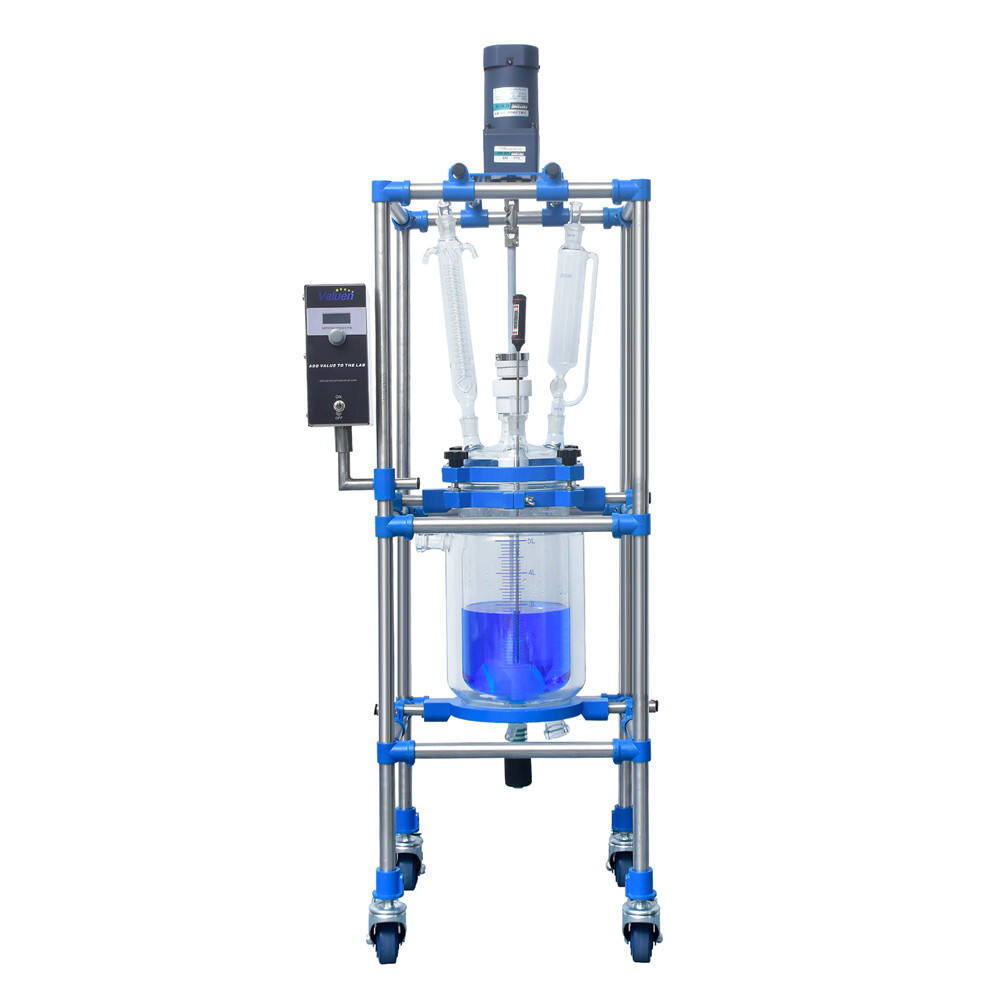
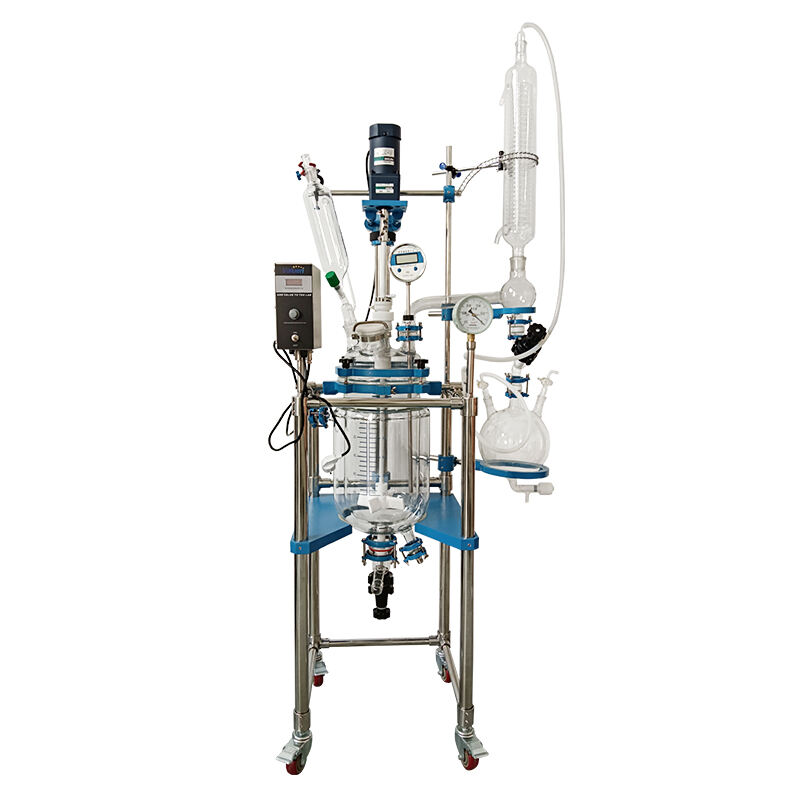
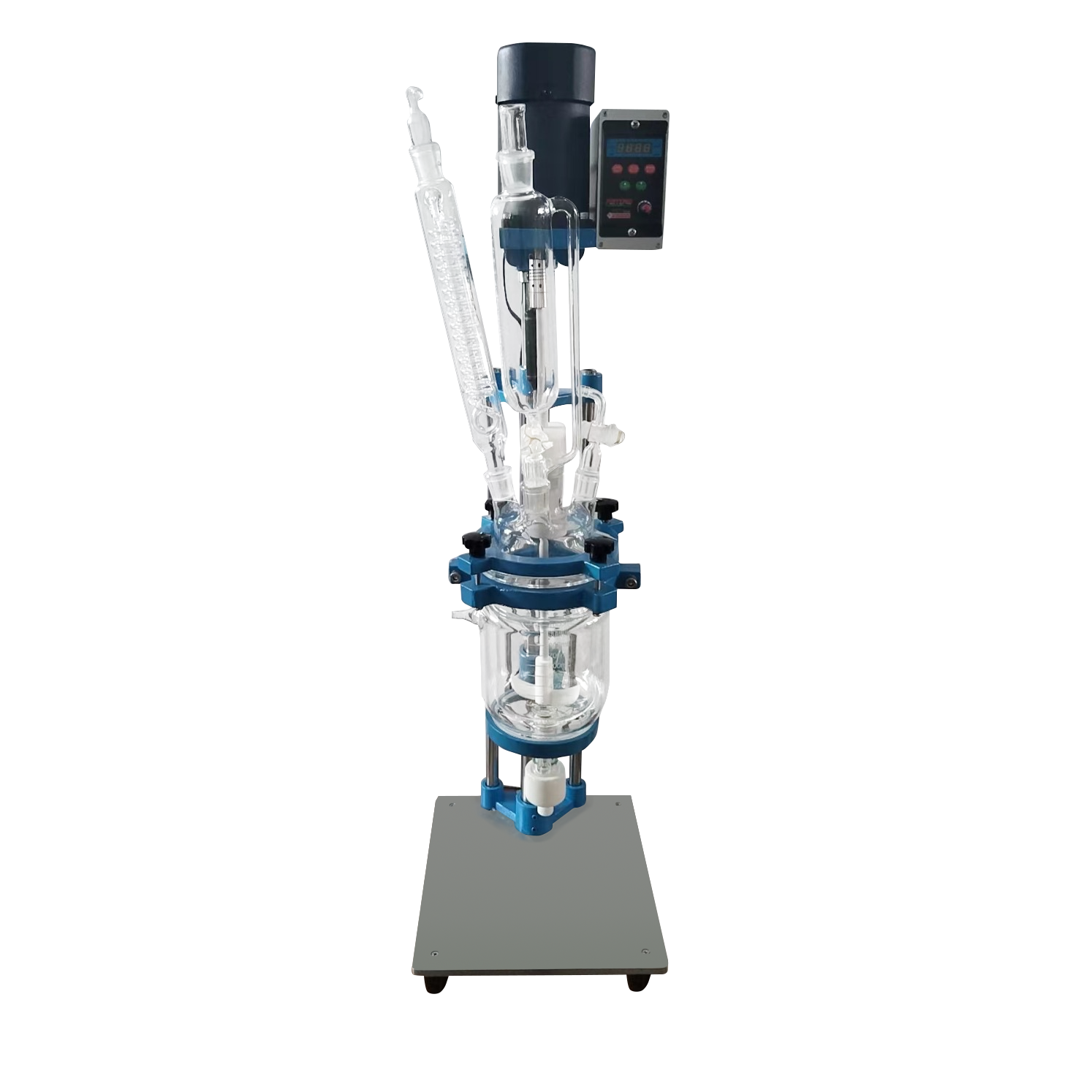
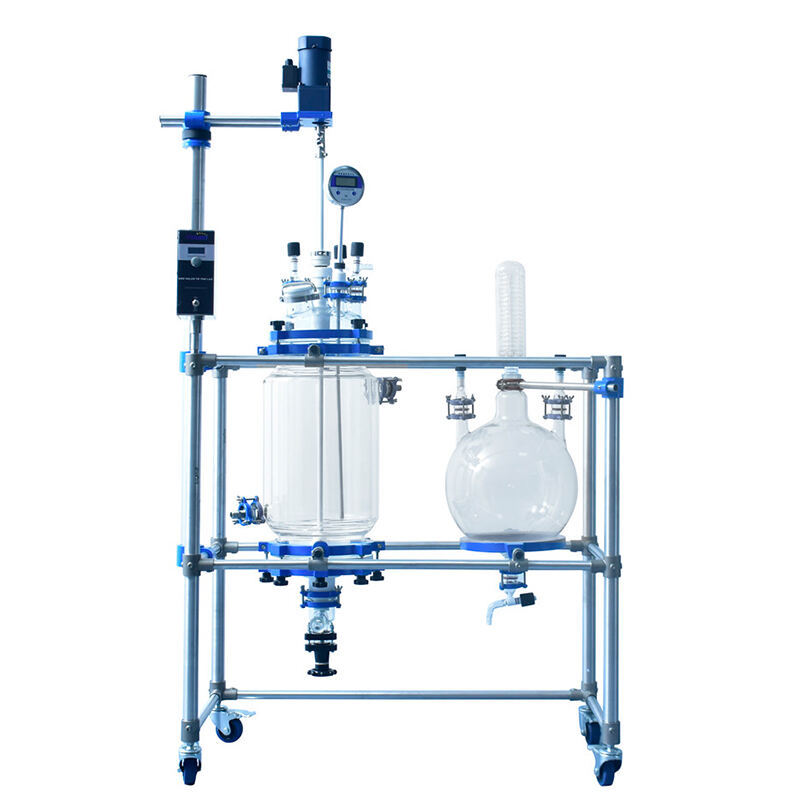
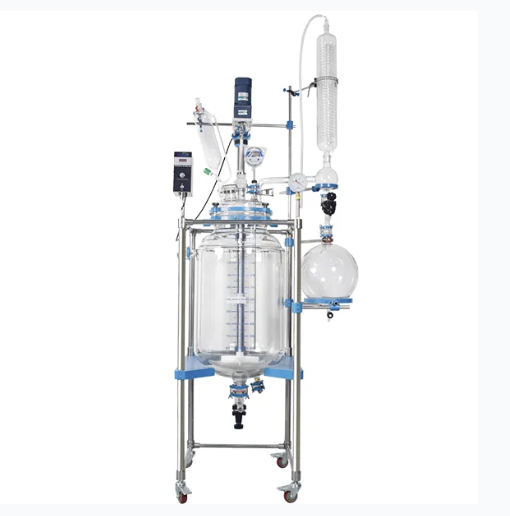
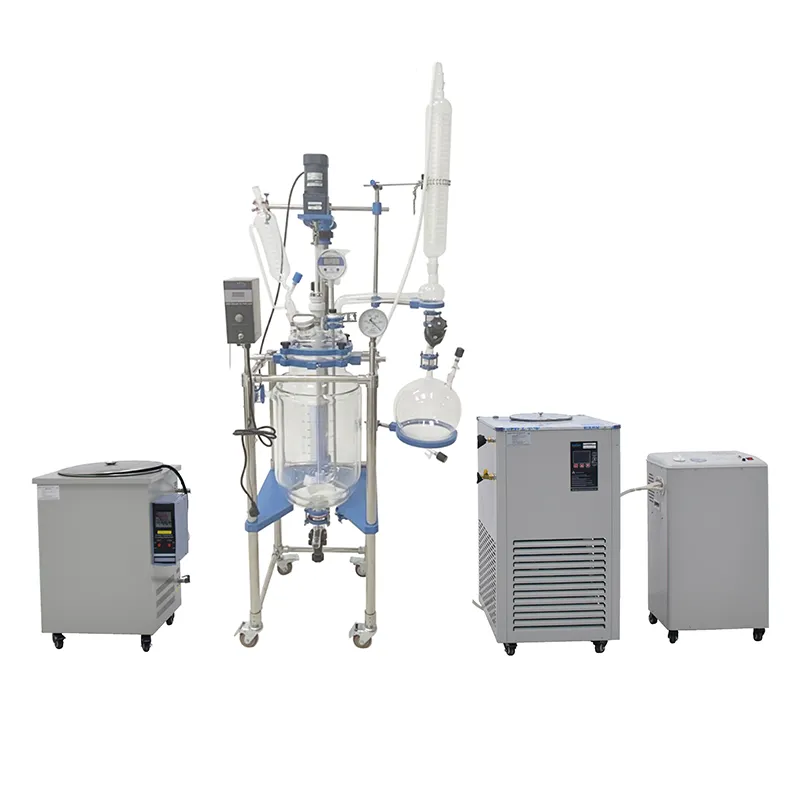
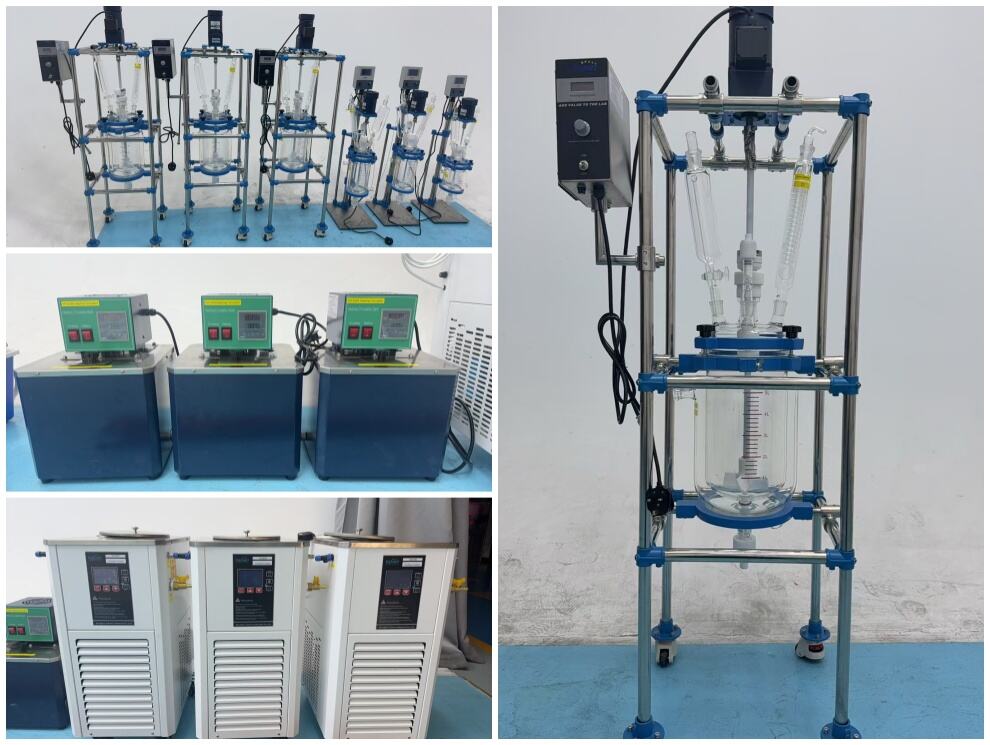
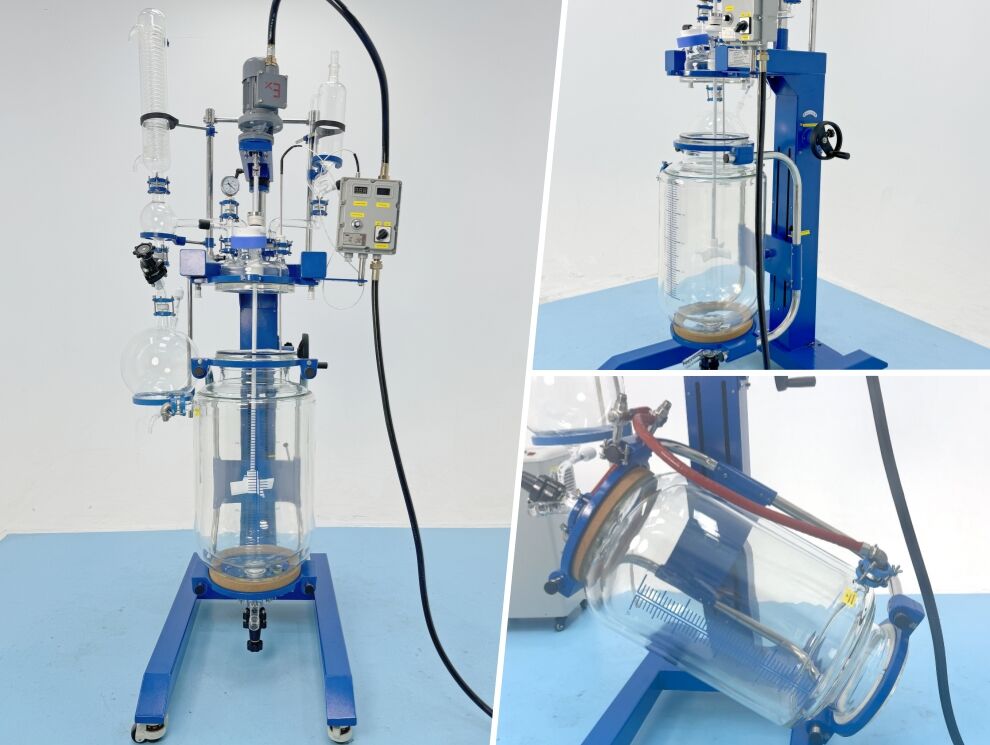
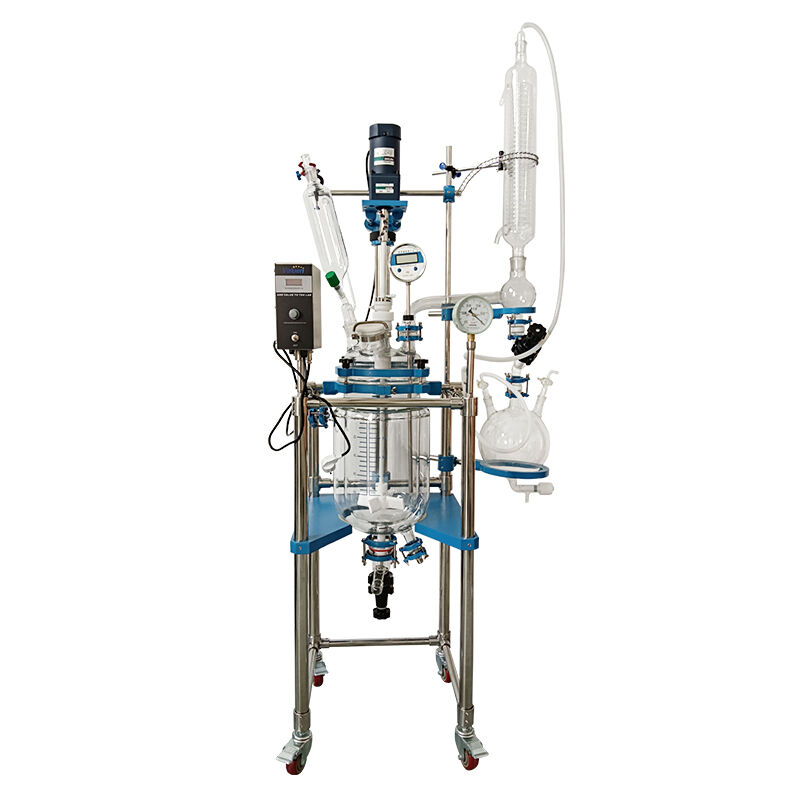
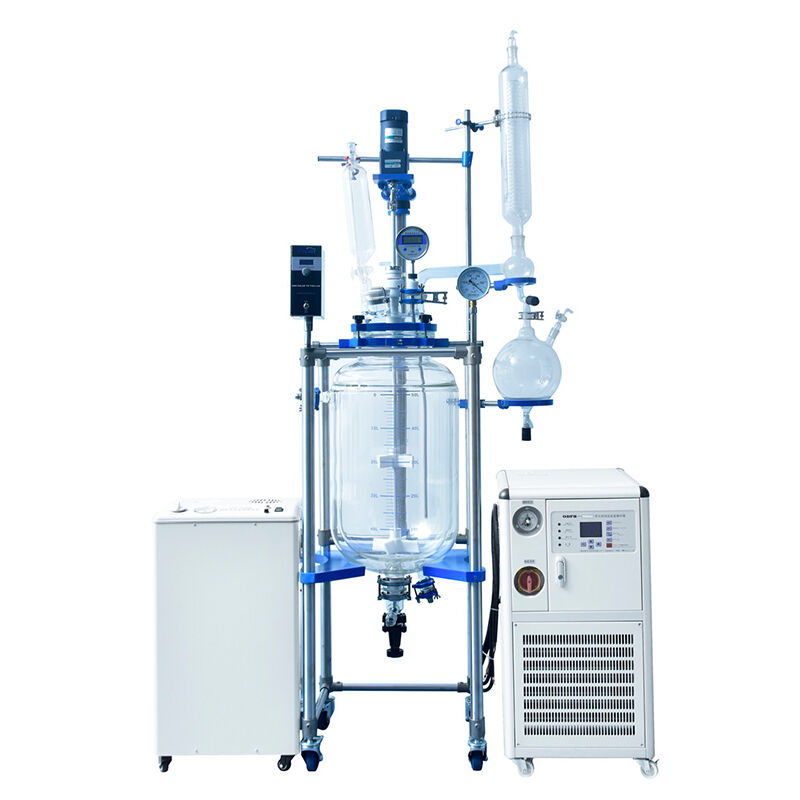
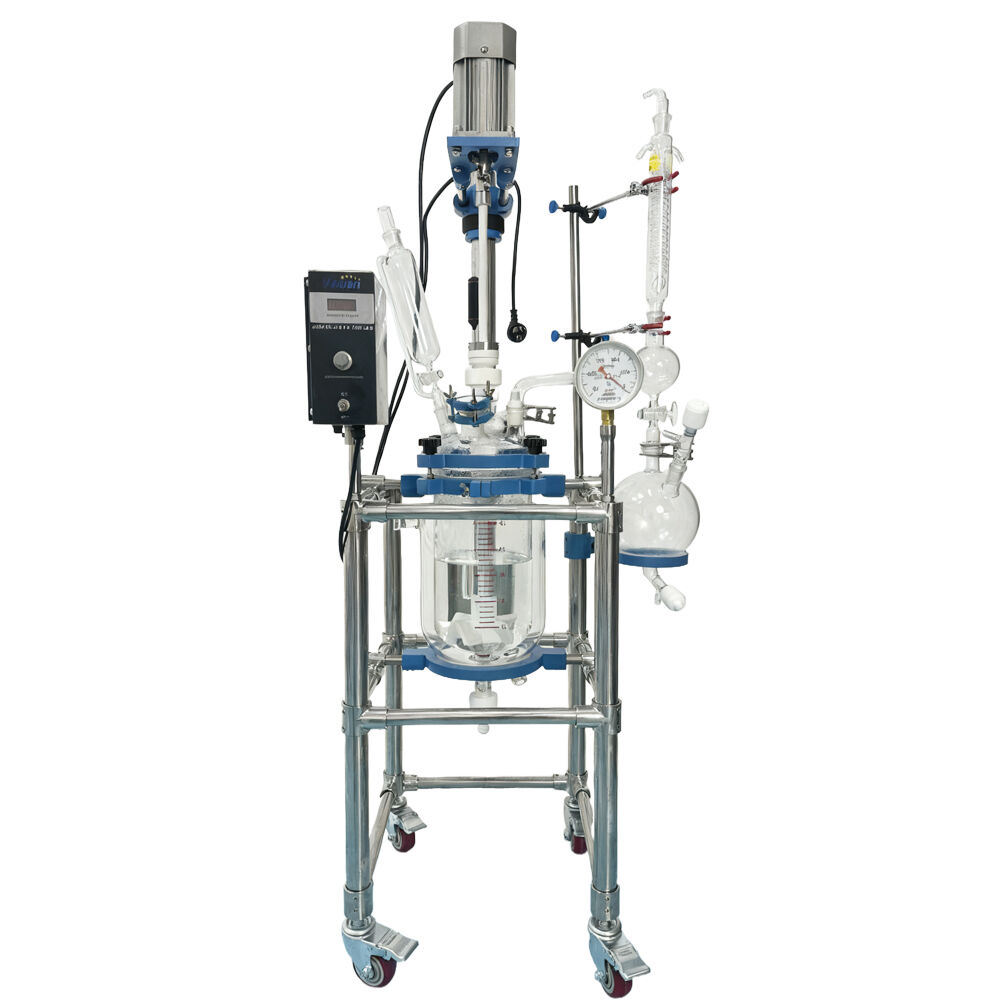
A double jacketed glass reactor represents a sophisticated piece of laboratory equipment designed for controlled chemical synthesis, mixing, and processing operations. This innovative reactor system features two distinct glass layers that create a hollow space between them, allowing for precise temperature control through circulation of heating or cooling media. The double jacketed glass reactor serves as an essential tool for pharmaceutical research, chemical development, and educational institutions requiring reliable reaction vessels. The primary function of this reactor involves facilitating chemical reactions under controlled environmental conditions while providing clear visibility of the reaction process through its transparent glass construction. The outer jacket system enables efficient heat transfer, making it possible to maintain specific temperatures ranging from extremely cold conditions to elevated temperatures suitable for various chemical processes. Temperature regulation occurs through the circulation of thermal fluids such as water, oil, or specialized heat transfer liquids within the jacket space. The reactor's design incorporates multiple ports and openings that accommodate various accessories including stirring mechanisms, thermometers, condensers, and addition funnels. These features make the double jacketed glass reactor incredibly versatile for different experimental setups and reaction requirements. The glass material, typically borosilicate, offers excellent chemical resistance and thermal shock resistance, ensuring durability and safety during operation. Modern double jacketed glass reactor systems often include digital controllers, safety features, and automated monitoring systems that enhance operational efficiency and user safety. The reactor's capacity ranges from small laboratory-scale units handling milliliters to larger pilot-scale systems processing several liters. This scalability makes the double jacketed glass reactor suitable for research and development activities across various industries. The equipment's modular design allows for customization based on specific application needs, including different stirring options, heating systems, and monitoring equipment.

Popular Products

The double jacketed glass reactor offers numerous practical benefits that make it an indispensable tool for modern laboratories and research facilities. First and foremost, the transparent glass construction provides complete visibility of the reaction process, allowing researchers to monitor color changes, precipitation, gas evolution, and other visual indicators in real-time. This visual monitoring capability eliminates guesswork and enables immediate response to unexpected reaction behaviors, significantly improving experimental success rates and safety. The precise temperature control achieved through the jacket system ensures reproducible results and optimal reaction conditions. Unlike single-walled reactors, the double jacketed design maintains uniform temperature distribution throughout the reaction vessel, preventing hot spots or cold zones that could affect reaction outcomes. This temperature uniformity proves particularly crucial for temperature-sensitive reactions, crystallization processes, and polymer synthesis where precise thermal control determines product quality. The chemical inertness of borosilicate glass makes the double jacketed glass reactor compatible with a wide range of chemicals, acids, bases, and solvents without contamination concerns. This compatibility eliminates the need for multiple reactor types for different chemical families, reducing equipment costs and storage requirements. The reactor's versatility extends to its ability to handle various reaction types including synthesis, distillation, extraction, concentration, and mixing operations within a single system. Easy cleaning and maintenance represent another significant advantage, as the smooth glass surfaces resist chemical buildup and allow thorough cleaning between experiments. This feature proves essential for laboratories conducting multiple different reactions or working with sensitive compounds where cross-contamination must be avoided. The modular design enables users to configure the system according to specific experimental needs, adding or removing components such as reflux condensers, dropping funnels, or sampling ports. Safety features inherent in the double jacketed glass reactor design include pressure relief mechanisms, over-temperature protection, and the ability to conduct reactions under inert atmospheres. The reactor's durability ensures long-term reliability and cost-effectiveness, while its scalability allows progression from research to pilot-scale operations without changing fundamental operating principles. Energy efficiency achieved through the insulating effect of the double jacket reduces heating and cooling costs compared to alternative reactor designs.

Latest News

Optimizing Efficiency with Jacketed Stainless Steel Reactors

29

Oct

Optimizing Efficiency with Jacketed Stainless Steel Reactors

Understanding Jacketed Stainless Steel Reactors and Their Industrial Role What Are Jacketed Stainless Steel Reactors and Why They Matter in Chemical Processing Jacketed stainless steel reactors basically consist of two walls with space in between fo...
View More
What Makes a Stainless Steel Reactor Ideal for Chemical Processing Industries?

10

Nov

What Makes a Stainless Steel Reactor Ideal for Chemical Processing Industries?

Chemical processing industries demand equipment that delivers exceptional performance, durability, and safety standards. Among the various types of reactors available, the stainless steel reactor has emerged as the preferred choice for countless appl...
View More
How to Optimize Reactor Performance with Stainless Steel Material Selection and Mixing Design

12

Nov

How to Optimize Reactor Performance with Stainless Steel Material Selection and Mixing Design

Industrial chemical processing demands precise control over reaction conditions, temperature management, and material compatibility. The selection of appropriate reactor systems significantly impacts product quality, operational efficiency, and long-...
View More
Which Industries Benefit Most from Rotary and Liftable Stainless Steel Reactors?

20

Jan

Which Industries Benefit Most from Rotary and Liftable Stainless Steel Reactors?

Modern industrial processes demand equipment that combines durability, versatility, and operational efficiency. Stainless steel reactors have emerged as the cornerstone of numerous manufacturing operations, offering unparalleled performance across di...
View More

Get a Free Quote

Our representative will contact you soon.
Email
Name
Contact Number
Company Name
Message
0/1000

double jacketed glass reactor

Superior Temperature Control and Thermal Efficiency

Superior Temperature Control and Thermal Efficiency

The double jacketed glass reactor excels in providing unparalleled temperature control precision that sets it apart from conventional single-wall reactors. The innovative double-wall design creates an insulated chamber that circulates heating or cooling media, ensuring uniform temperature distribution throughout the entire reaction vessel. This advanced thermal management system allows operators to achieve and maintain temperatures ranging from -80°C to +250°C with remarkable accuracy, typically within ±1°C of the setpoint. The thermal efficiency stems from the continuous circulation of heat transfer fluids through the jacket space, which creates a consistent thermal environment that eliminates temperature gradients and hot spots commonly found in other reactor designs. This precise control becomes particularly valuable when conducting temperature-sensitive reactions such as enzyme catalysis, polymerization processes, or crystallization studies where even minor temperature variations can significantly impact product yield and quality. The double jacketed glass reactor's thermal system responds quickly to temperature adjustments, allowing for controlled heating and cooling ramps that protect sensitive compounds from thermal shock. The insulating effect of the double wall design also provides energy efficiency benefits by reducing heat loss to the surrounding environment, resulting in lower energy consumption and more stable reaction conditions. Advanced models incorporate sophisticated temperature monitoring and control systems that can execute complex temperature profiles automatically, including multi-step heating cycles, controlled cooling sequences, and temperature holds at specific points during the reaction. This automation capability not only improves reproducibility but also frees researchers to focus on other aspects of their experiments. The jacketed design also accommodates various heat transfer media including water for moderate temperature applications, silicone oils for high-temperature processes, and specialized cooling fluids for low-temperature operations. This flexibility makes the double jacketed glass reactor adaptable to virtually any thermal requirement, from gentle warming for biological processes to high-temperature organic synthesis.
Enhanced Safety Features and Chemical Compatibility

Enhanced Safety Features and Chemical Compatibility

Safety represents a paramount concern in any laboratory environment, and the double jacketed glass reactor incorporates multiple safety features that protect both operators and equipment while ensuring reliable operation. The borosilicate glass construction provides exceptional chemical resistance, making it compatible with aggressive chemicals, strong acids, bases, and organic solvents that would corrode or contaminate metal reactors. This chemical inertness eliminates the risk of unwanted catalytic reactions or metal ion contamination that could affect experimental results or create safety hazards. The reactor's design includes built-in pressure relief systems that prevent dangerous pressure buildup during reactions, automatically venting excess pressure while maintaining reaction integrity. The double-wall construction itself serves as an additional safety barrier, providing containment in the unlikely event of inner vessel failure and protecting operators from direct contact with reaction contents. Modern double jacketed glass reactor systems incorporate advanced safety monitoring that continuously tracks parameters such as temperature, pressure, and stirring speed, automatically shutting down the system if unsafe conditions develop. The transparent glass construction enables visual monitoring of reactions, allowing operators to immediately detect unusual behaviors such as excessive foaming, color changes indicating decomposition, or gas evolution that might signal runaway reactions. Emergency shutdown procedures can be executed instantly, with automated systems capable of rapidly cooling reactions through the jacket system or introducing quench solutions through designated ports. The reactor's design accommodates inert atmosphere operations, enabling safe handling of air-sensitive compounds or reactions that require oxygen-free conditions. Multiple port configurations allow for the installation of safety devices such as pressure sensors, temperature probes, and emergency relief valves while maintaining system integrity. The smooth glass surfaces facilitate thorough cleaning and decontamination, ensuring safe transitions between different experiments and preventing cross-contamination. Regular safety inspections become straightforward due to the transparent construction, allowing visual examination of the reactor's condition and early detection of potential issues such as stress cracks or coating degradation.
Versatile Applications and Scalable Performance

Versatile Applications and Scalable Performance

The double jacketed glass reactor demonstrates remarkable versatility across diverse applications, making it an invaluable asset for research institutions, pharmaceutical companies, and chemical manufacturers. Its scalable design accommodates everything from micro-scale exploratory research using volumes as small as 50ml to pilot-scale production with capacities exceeding 100 liters, providing seamless transition from laboratory development to commercial production. This scalability proves particularly advantageous for pharmaceutical development where compounds must progress through various development stages while maintaining consistent reaction conditions and product quality. The reactor's adaptability extends to numerous chemical processes including organic synthesis, crystallization, polymerization, extraction, distillation, and biotechnology applications. In pharmaceutical research, the double jacketed glass reactor enables controlled synthesis of active pharmaceutical ingredients, optimization of reaction conditions, and scale-up studies that determine commercial viability. The equipment excels in crystallization applications where precise temperature control and uniform mixing create optimal conditions for crystal formation, size distribution, and polymorphic control. For polymer chemistry applications, the reactor provides the controlled environment necessary for polymerization reactions, enabling researchers to study reaction kinetics, molecular weight distribution, and polymer properties under various conditions. The reactor's design accommodates batch, semi-batch, and continuous operations, offering flexibility to match specific process requirements. Multiple agitation options including magnetic stirring, mechanical stirring, and specialized impeller designs ensure optimal mixing for different viscosities and reaction types. The modular nature of the double jacketed glass reactor system allows customization with additional components such as automated dosing systems, online analytical instruments, and computerized process control systems. This expandability ensures that the reactor can evolve with changing research needs and incorporate new technologies as they become available. Quality control laboratories benefit from the reactor's ability to replicate manufacturing conditions on a smaller scale, enabling method development and validation studies. The reactor's compatibility with analytical sampling systems allows real-time monitoring of reaction progress and product quality, facilitating process optimization and ensuring consistent results. Educational institutions particularly value the reactor's safety features and visual accessibility, making it an excellent teaching tool for demonstrating chemical engineering principles and reaction chemistry concepts.

Get a Free Quote

Our representative will contact you soon.
Email
Name
Contact Number
Company Name
Message
0/1000