Double Layer Glass Reactor - Advanced Chemical Processing Equipment for Laboratory and Industrial Applications

Get a Free Quote

Our representative will contact you soon.
Email
Name
Contact Number
Company Name
Message
0/1000

double layer glass reactor

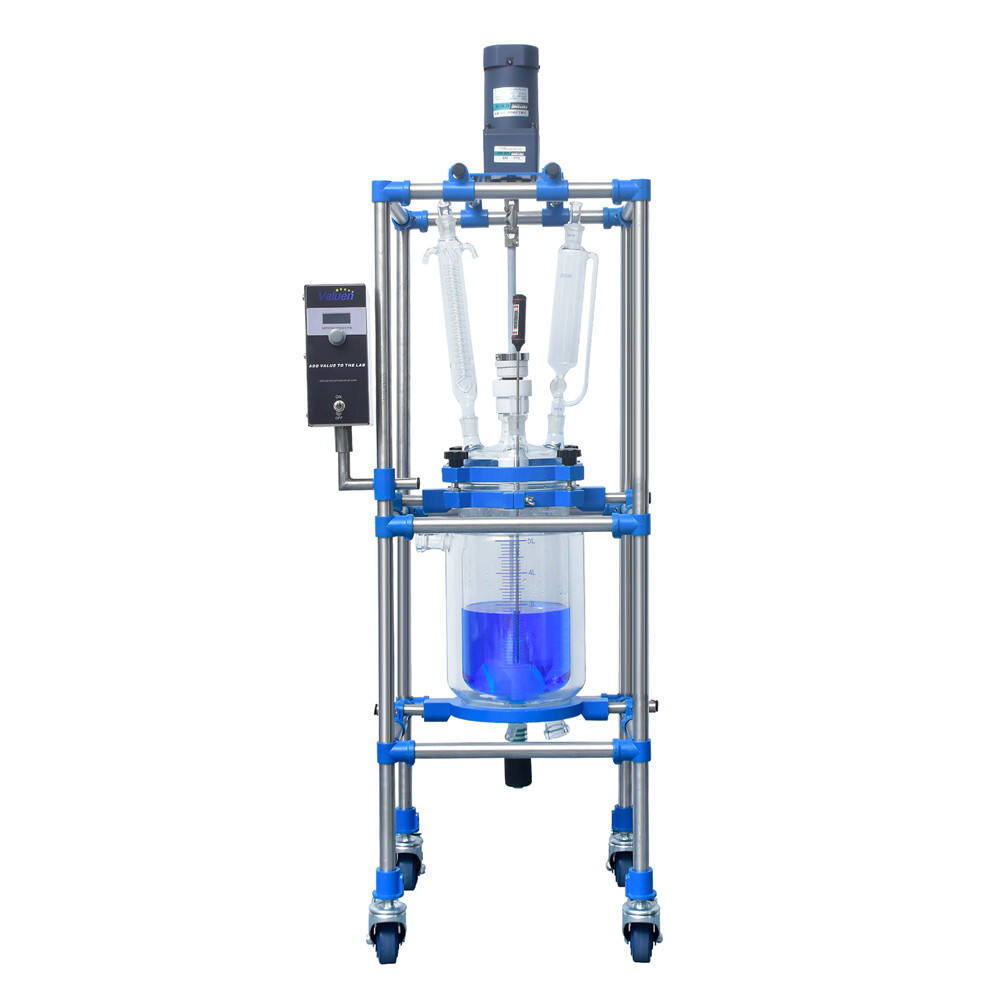
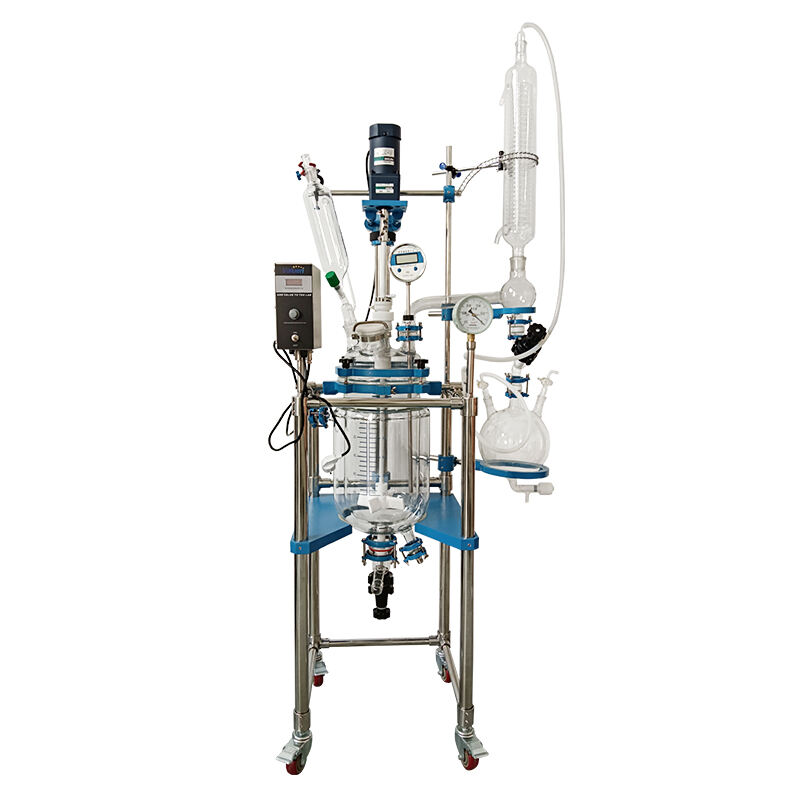
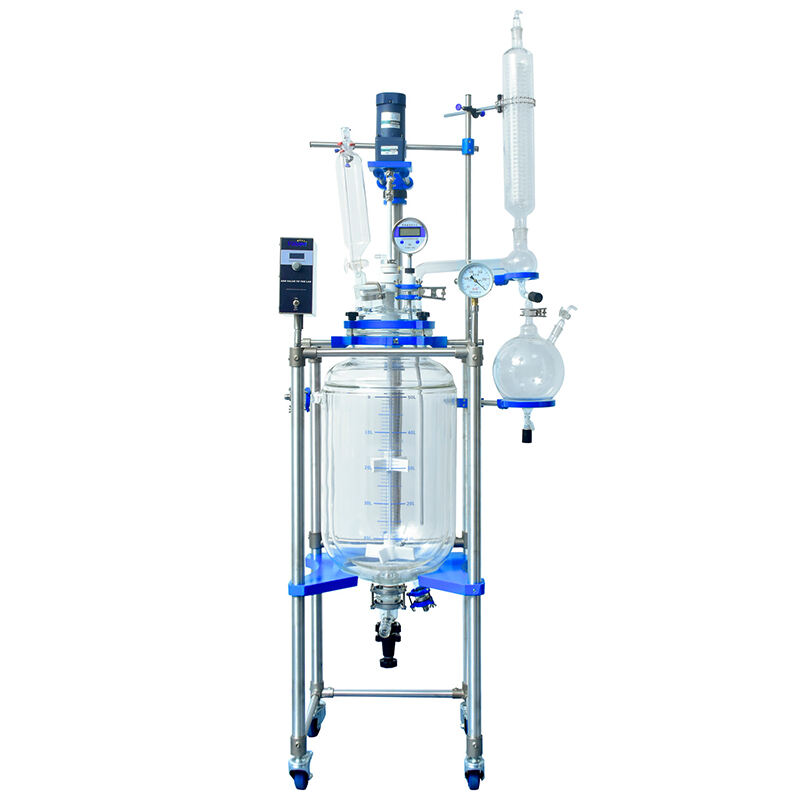
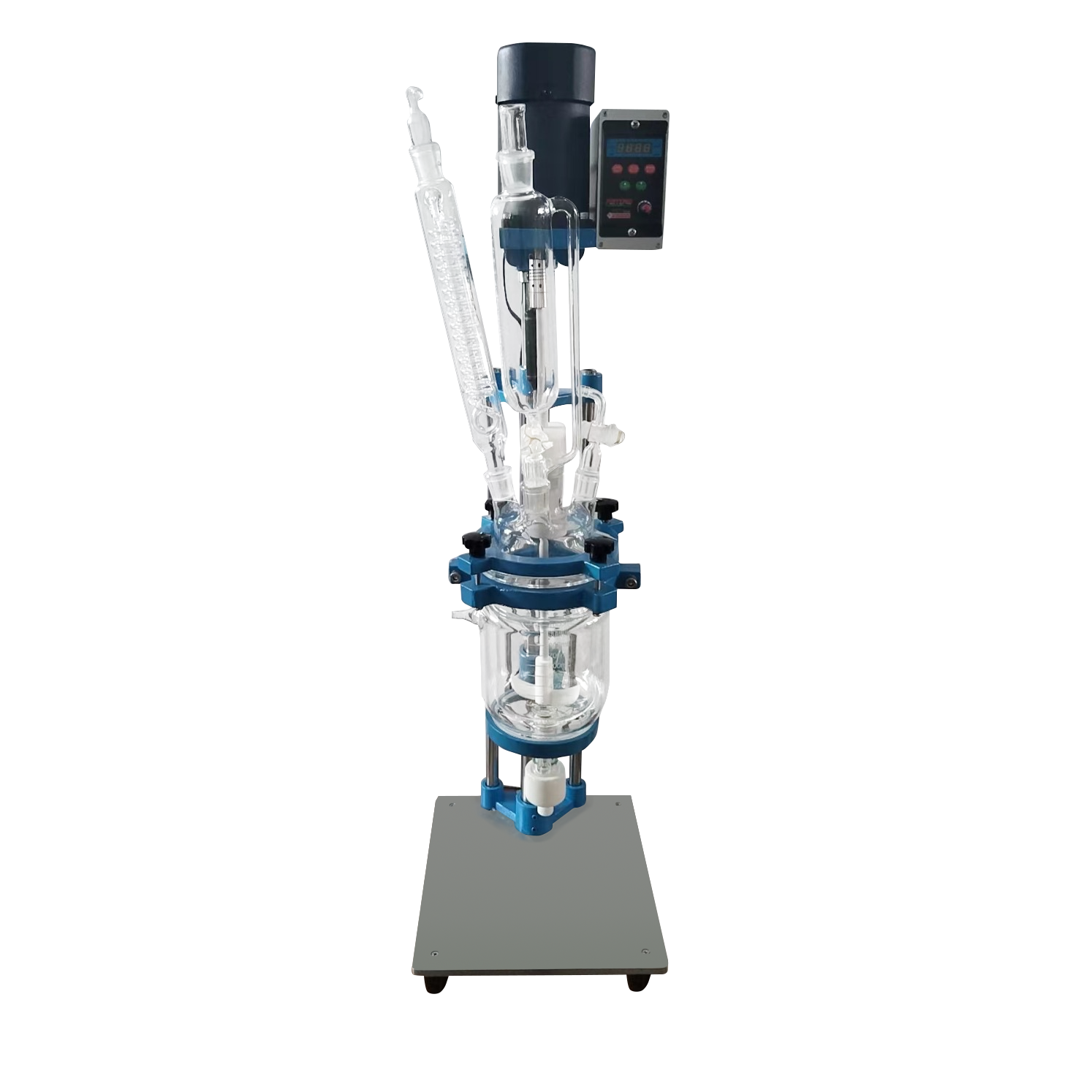
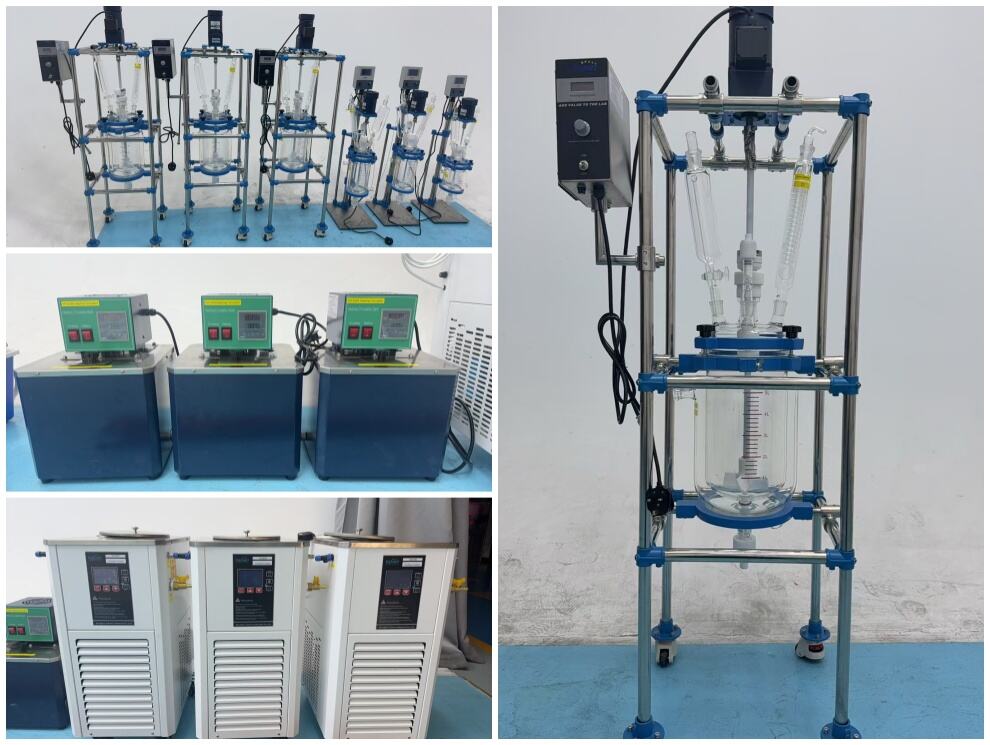
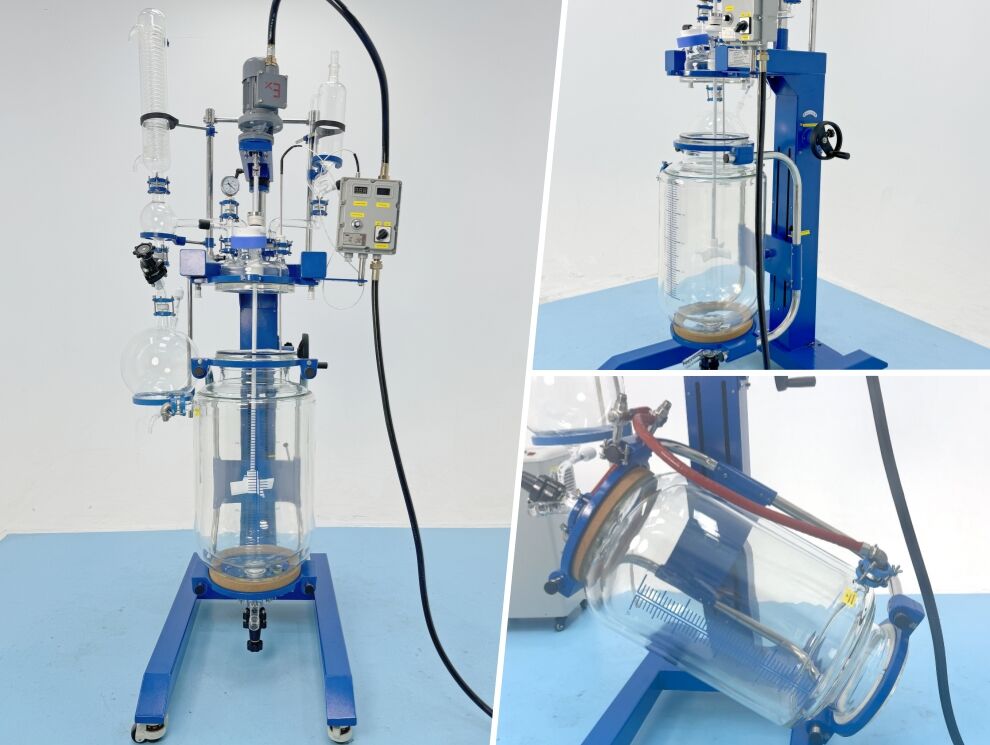
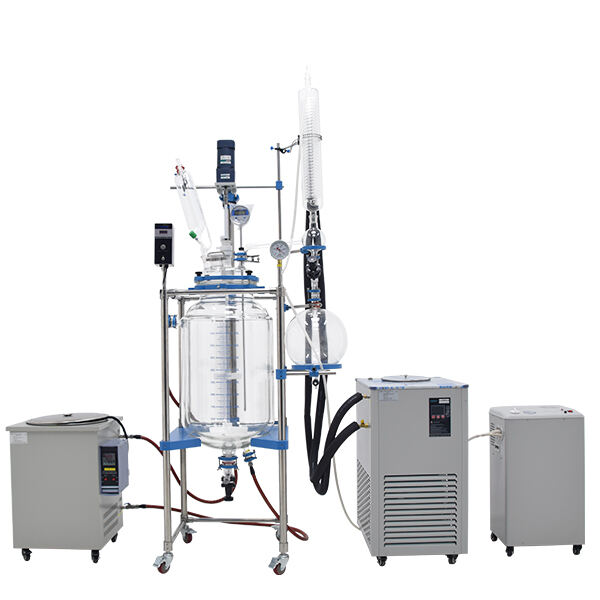
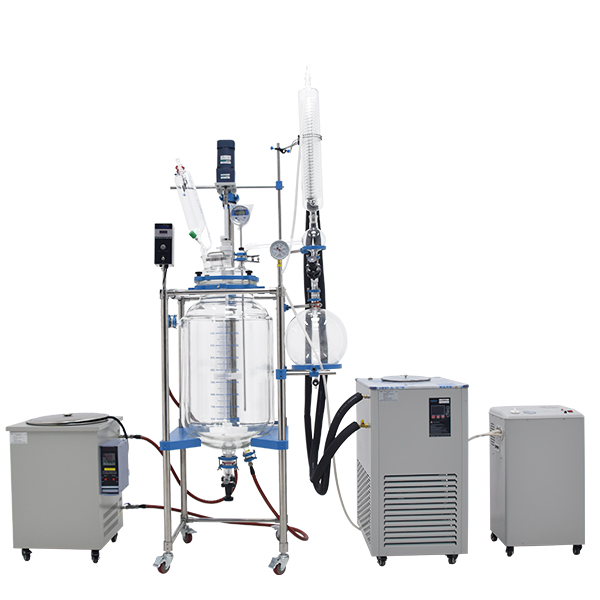
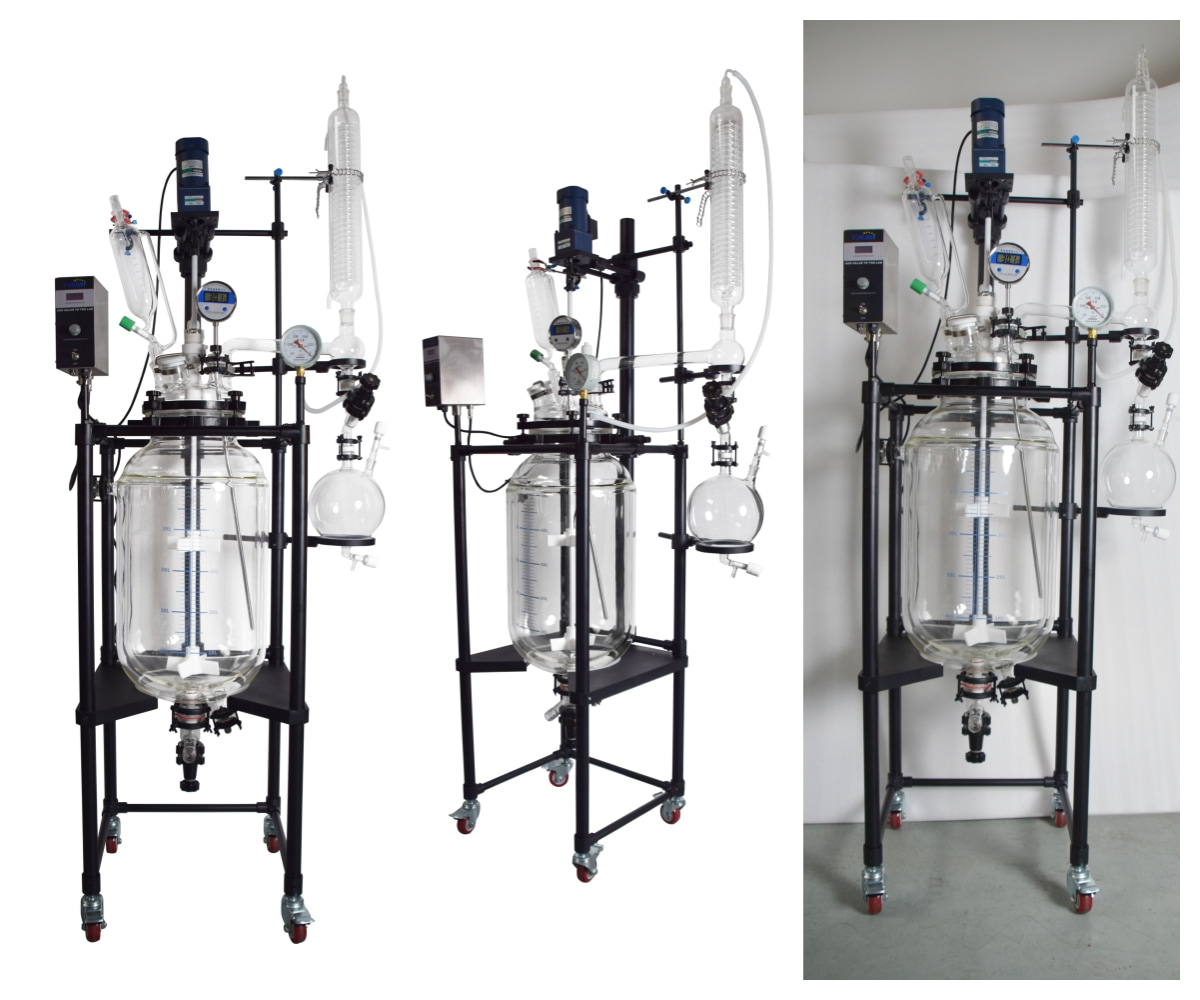
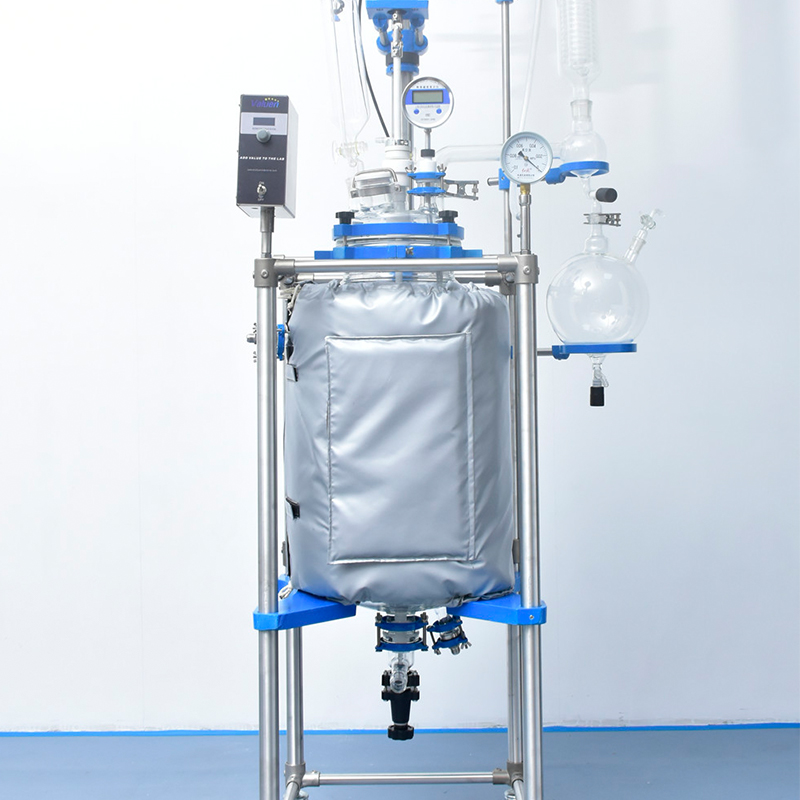
The double layer glass reactor represents a cornerstone of modern laboratory and industrial chemical processing equipment, designed to facilitate controlled chemical reactions under precise temperature and environmental conditions. This sophisticated vessel features two distinct glass layers that create an insulated chamber, enabling researchers and manufacturers to conduct experiments and production processes with exceptional accuracy and safety. The double layer glass reactor incorporates advanced borosilicate glass construction, which provides superior chemical resistance and thermal stability across a wide temperature range. The inner vessel serves as the primary reaction chamber where chemical processes occur, while the outer layer functions as a protective barrier and thermal management system. Between these layers, heating or cooling media can circulate to maintain optimal reaction temperatures, making the double layer glass reactor an indispensable tool for temperature-sensitive reactions. The reactor typically includes multiple ports and connections that accommodate various accessories such as stirring mechanisms, condensers, addition funnels, and monitoring devices. These features enable comprehensive process control and real-time observation of chemical transformations. The transparent nature of the glass construction allows operators to visually monitor reaction progress, color changes, and phase separations without interrupting the process. Modern double layer glass reactor systems often integrate digital temperature controllers, variable speed stirring motors, and automated feeding systems to enhance precision and reproducibility. The modular design of these reactors permits easy customization and scalability, accommodating volumes ranging from small laboratory batches to larger pilot-scale operations. Safety considerations are paramount in double layer glass reactor design, with reinforced construction and pressure relief systems protecting against unexpected reactions or equipment failures. The chemical inertness of borosilicate glass ensures that the reactor vessel does not interfere with reaction chemistry, maintaining product purity and consistency. These characteristics make the double layer glass reactor suitable for diverse applications including pharmaceutical synthesis, chemical research, material development, and quality control testing.

New Product Recommendations

The double layer glass reactor delivers substantial practical benefits that directly impact operational efficiency and research outcomes for laboratories and manufacturing facilities. The primary advantage lies in superior temperature control capabilities, which allow operators to maintain precise thermal conditions throughout extended reaction periods. This temperature stability translates into improved product yields and consistent quality, reducing waste and maximizing resource utilization. The double-walled construction provides excellent thermal insulation, minimizing energy consumption while maintaining desired reaction temperatures. This energy efficiency results in lower operational costs and reduced environmental impact compared to single-wall alternatives. Chemical compatibility represents another significant advantage, as the borosilicate glass construction resists corrosion from acids, bases, and organic solvents commonly used in chemical processes. This resistance eliminates contamination concerns and extends equipment lifespan, reducing replacement costs and downtime. The transparent glass walls enable continuous visual monitoring of reaction progress, allowing operators to identify potential issues early and make necessary adjustments without interrupting the process. This real-time observation capability improves process control and reduces the likelihood of batch failures. Easy cleaning and maintenance procedures minimize downtime between batches, increasing overall productivity. The smooth glass surfaces prevent residue buildup and facilitate thorough cleaning with standard laboratory solvents. Modular design features allow users to configure the double layer glass reactor with various accessories and components based on specific application requirements. This flexibility eliminates the need for multiple specialized reactors, reducing capital investment and storage space requirements. Safety enhancements include pressure relief systems and reinforced construction that protect operators from hazardous reactions or equipment failures. The chemical inertness of glass prevents unwanted side reactions that could compromise product quality or create safety hazards. Scalability options enable seamless transition from laboratory research to pilot production, maintaining process consistency across different batch sizes. Digital integration capabilities allow connection to modern process control systems, enabling automated operation and data logging for regulatory compliance and quality assurance. The double layer glass reactor also offers excellent heat transfer efficiency, reducing heating and cooling times and improving overall process economics.

Practical Tips

Why Jacketed Glass Reactors are Essential for Your Lab

29

Oct

Why Jacketed Glass Reactors are Essential for Your Lab

Superior Temperature Control for Consistent Reaction ConditionsJacketed glass reactors achieve ±0.5°C temperature stability through their double-wall design, ensuring precise and consistent reaction conditions critical for sensitive chemic...
View More
How Does a Stainless Steel Reactor Improve Reaction Efficiency and Safety

12

Nov

How Does a Stainless Steel Reactor Improve Reaction Efficiency and Safety

Chemical processing industries rely heavily on precise reaction control and optimal safety measures to achieve consistent production outcomes. The selection of appropriate reactor materials and design features directly impacts both operational effici...
View More
What Industries Benefit Most From Advanced Fractional Distillation Systems?

24

Dec

What Industries Benefit Most From Advanced Fractional Distillation Systems?

Industrial separation processes have evolved significantly over the past century, with fractional distillation equipment emerging as one of the most critical technologies for achieving high-purity separations. This sophisticated process leverages dif...
View More
How to Select a Crystallization Reactor for Pharmaceutical Crystallization?

24

Dec

How to Select a Crystallization Reactor for Pharmaceutical Crystallization?

Selecting the right crystallization reactor for pharmaceutical manufacturing requires careful consideration of multiple technical and operational factors that directly impact product quality, yield, and process efficiency. The pharmaceutical industry...
View More

Get a Free Quote

Our representative will contact you soon.
Email
Name
Contact Number
Company Name
Message
0/1000

double layer glass reactor

Advanced Temperature Control System

Advanced Temperature Control System

The sophisticated temperature control system of the double layer glass reactor stands as its most distinguished feature, providing unparalleled thermal management capabilities that revolutionize chemical processing accuracy. The dual-wall construction creates a dedicated thermal zone between the inner reaction chamber and outer protective layer, allowing precise circulation of heating or cooling media without direct contact with reaction contents. This innovative design enables temperature control within extremely narrow tolerances, typically maintaining variations of less than one degree Celsius throughout the entire reaction vessel. The system accommodates temperature ranges from sub-zero conditions up to several hundred degrees Celsius, making it suitable for diverse chemical processes including crystallization, polymerization, distillation, and synthesis reactions. Advanced digital controllers integrate with the double layer glass reactor to provide automated temperature ramping, programmable heating and cooling cycles, and real-time temperature monitoring at multiple points within the vessel. This level of control eliminates hot spots and temperature gradients that can cause uneven reactions or product degradation. The thermal mass of the double-wall system provides excellent temperature stability even during exothermic reactions, preventing dangerous temperature excursions that could compromise safety or product quality. Heat transfer efficiency exceeds that of traditional single-wall reactors by up to forty percent, reducing energy consumption and processing times while maintaining superior temperature uniformity. The ability to rapidly change temperatures enables complex multi-step reactions that require different thermal conditions at various stages, expanding the range of processes that can be performed in a single vessel. Safety interlocks prevent temperature excursions beyond preset limits, automatically activating cooling systems or shutting down heating elements when necessary. This comprehensive temperature control capability translates into improved yields, enhanced product quality, reduced processing times, and lower energy costs, making the double layer glass reactor an essential investment for any serious chemical processing operation seeking optimal results and operational efficiency.
Superior Chemical Resistance and Durability

Superior Chemical Resistance and Durability

The exceptional chemical resistance and robust durability of the double layer glass reactor provide long-term reliability and consistent performance across the widest range of chemical environments encountered in modern laboratories and production facilities. Constructed from premium borosilicate glass with low thermal expansion coefficients, these reactors withstand aggressive chemicals that would rapidly degrade metal or plastic alternatives. The glass composition resists attack from strong acids including hydrofluoric acid at moderate concentrations, concentrated sulfuric acid, and nitric acid, while also maintaining integrity when exposed to caustic bases, organic solvents, and oxidizing agents. This universal chemical compatibility eliminates concerns about container-induced contamination or unwanted catalytic effects that could alter reaction pathways or compromise product purity. The double layer glass reactor construction incorporates reinforcement techniques that significantly enhance impact resistance and pressure tolerance compared to standard glassware. Specialized annealing processes relieve internal stresses, reducing the likelihood of thermal shock failures during temperature cycling operations. The durability extends beyond chemical resistance to include mechanical robustness, with reinforced connection points and pressure-rated seals that maintain integrity under demanding operating conditions. Surface smoothness prevents bacterial growth and facilitates complete cleaning between batches, essential for pharmaceutical and food-grade applications. The non-porous nature of the glass surface eliminates absorption of chemicals or odors that could cross-contaminate subsequent batches. Resistance to thermal cycling prevents the micro-cracking and fatigue that commonly affect other reactor materials, ensuring consistent performance over thousands of heating and cooling cycles. The optical clarity remains unchanged after extended use, maintaining the visual inspection capabilities that are crucial for monitoring reaction progress and identifying potential issues. Quality assurance testing demonstrates that properly maintained double layer glass reactors can provide decades of reliable service without significant performance degradation. This longevity translates into exceptional return on investment, as the initial equipment cost is amortized over an extended service life while maintaining consistent performance standards. The combination of chemical resistance and mechanical durability makes the double layer glass reactor the preferred choice for critical applications where reliability and contamination prevention are paramount considerations.
Versatile Process Integration and Scalability

Versatile Process Integration and Scalability

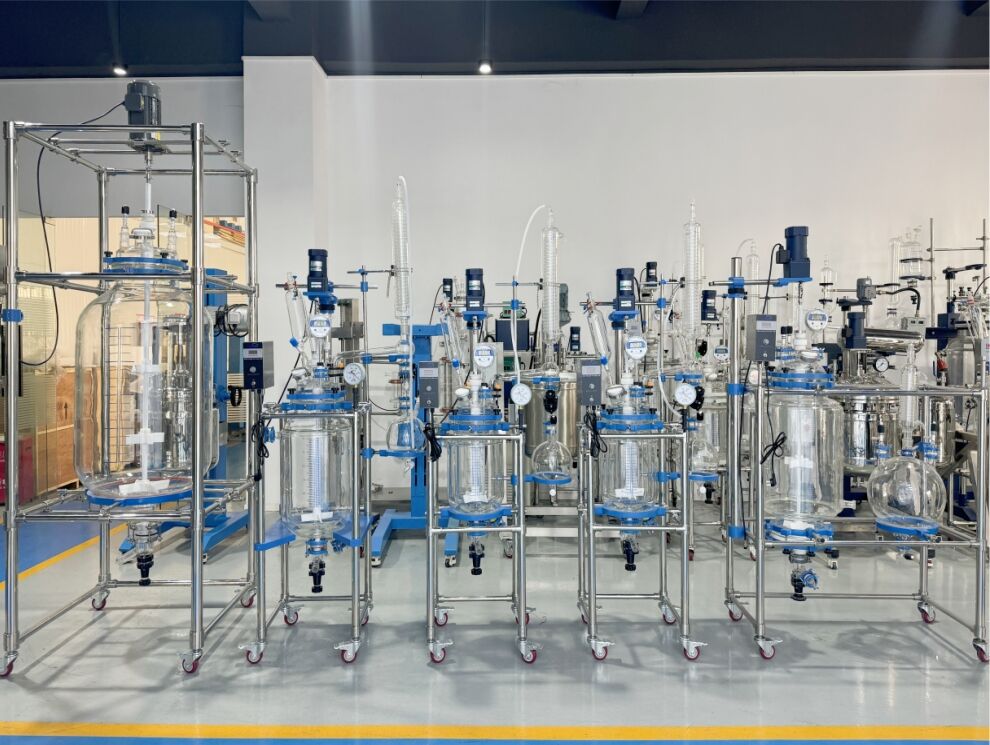
The remarkable versatility and scalability features of the double layer glass reactor enable seamless integration into diverse processing environments while accommodating growth from laboratory research through commercial production scales. The modular design philosophy allows users to configure systems with precisely the accessories and capabilities required for specific applications, eliminating unnecessary complexity and reducing initial investment costs. Standard configurations support volumes ranging from 250 milliliters for exploratory research up to 200 liters for pilot production, with custom sizes available for specialized requirements. Multiple port configurations accommodate simultaneous connection of stirring systems, temperature probes, sampling devices, addition funnels, reflux condensers, and vacuum systems, enabling complex multi-step processes within a single vessel. The standardized ground glass joints ensure compatibility with existing laboratory glassware and accessories, protecting prior equipment investments while expanding capabilities. Process integration extends to modern automation systems through digital interfaces that enable remote monitoring, automated control sequences, and comprehensive data logging for regulatory compliance and process optimization. The double layer glass reactor design facilitates easy transition between different reaction types, with quick-change accessories and modular components that minimize setup time and reduce cross-contamination risks. Heating and cooling systems integrate with existing laboratory utilities or can operate as standalone units, providing flexibility for diverse installation environments. The transparent construction enables integration with analytical instruments for real-time process monitoring, including spectroscopic analysis, particle size measurement, and chemical composition tracking. Quality control procedures become more efficient through direct visual observation and integrated sampling systems that provide representative samples without interrupting reaction progress. Scale-up capabilities maintain geometric similarity and heat transfer characteristics across different reactor sizes, ensuring that processes developed in small laboratory units translate directly to larger production volumes without extensive reoptimization. The double layer glass reactor accommodates batch, semi-batch, and continuous processing modes, expanding application possibilities and enabling optimization of production economics. Maintenance requirements remain minimal across all scales, with standardized cleaning procedures and readily available replacement components that minimize downtime and support costs. This comprehensive versatility positions the double layer glass reactor as a long-term solution that adapts to evolving research needs and production requirements while maintaining consistent performance standards and operational efficiency.

Get a Free Quote

Our representative will contact you soon.
Email
Name
Contact Number
Company Name
Message
0/1000