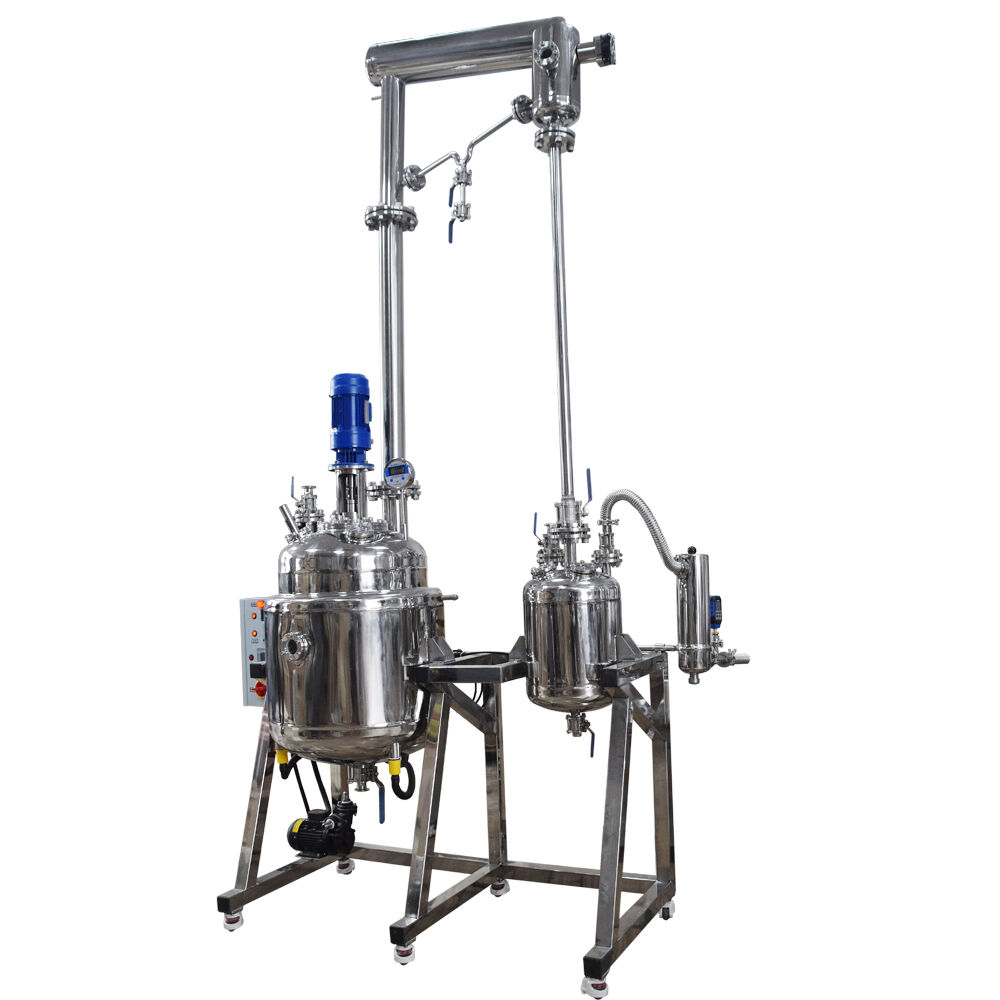
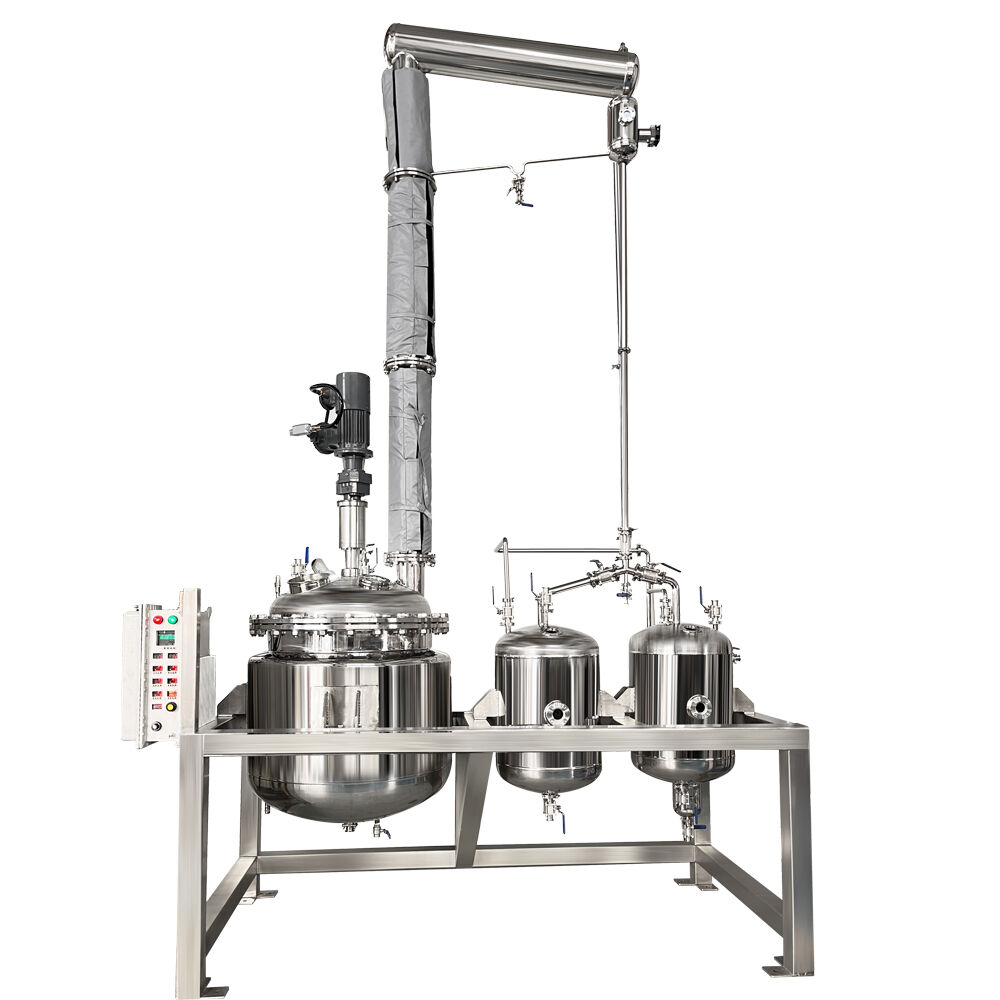
High-Performance Glass Fractional Distillation Column - Superior Separation Technology for Laboratory Applications

Get a Free Quote

Our representative will contact you soon.
Email
Name
Contact Number
Company Name
Message
0/1000

glass fractional distillation column

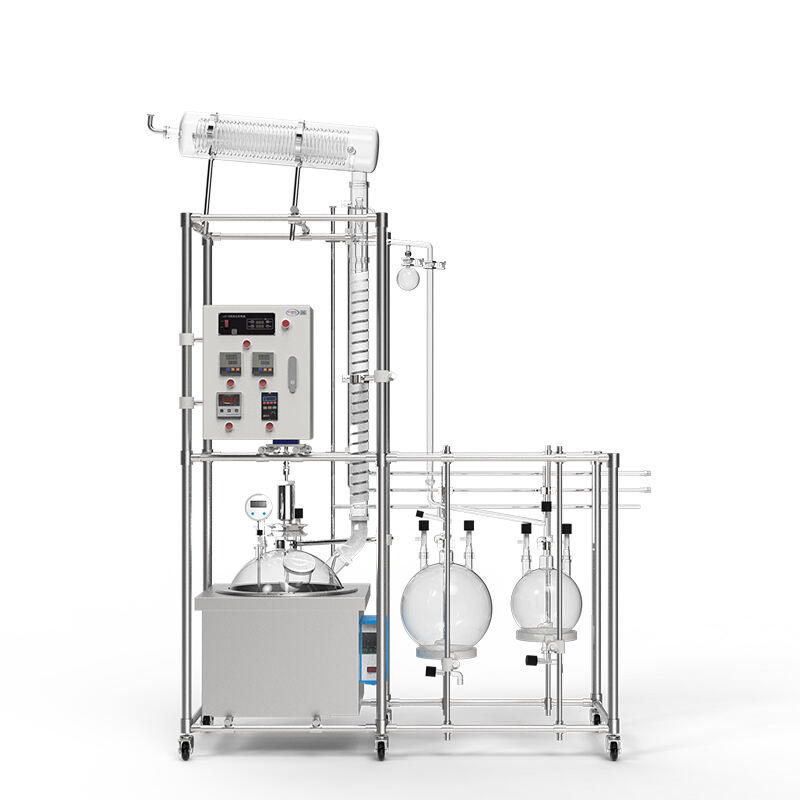
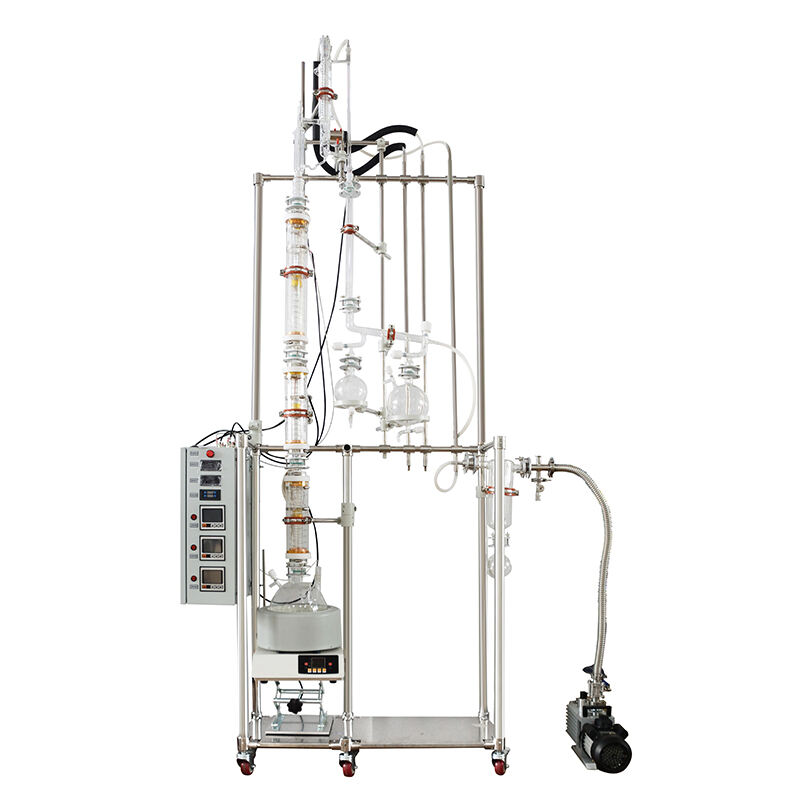
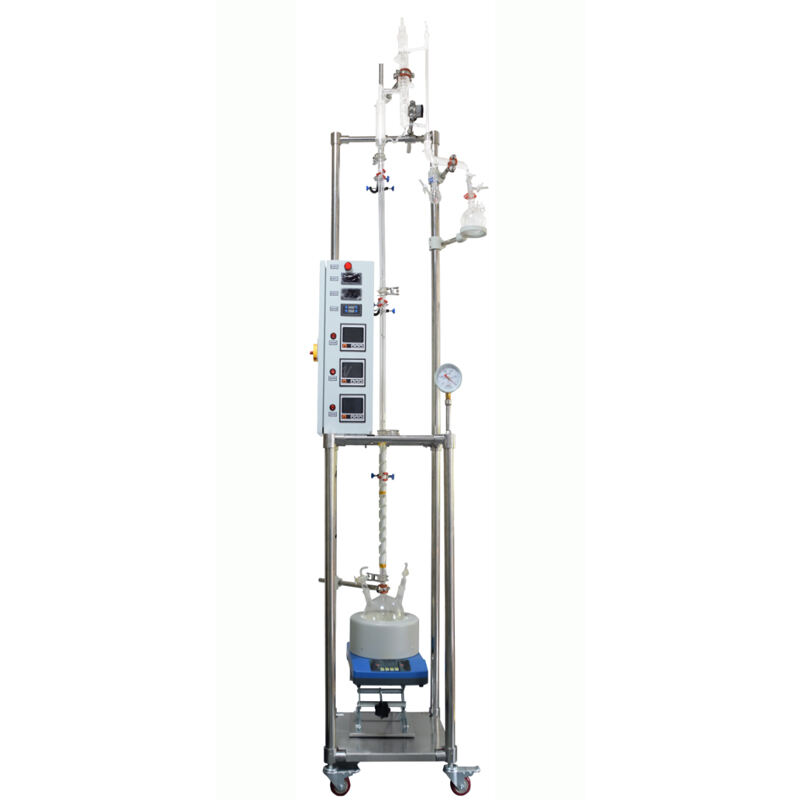
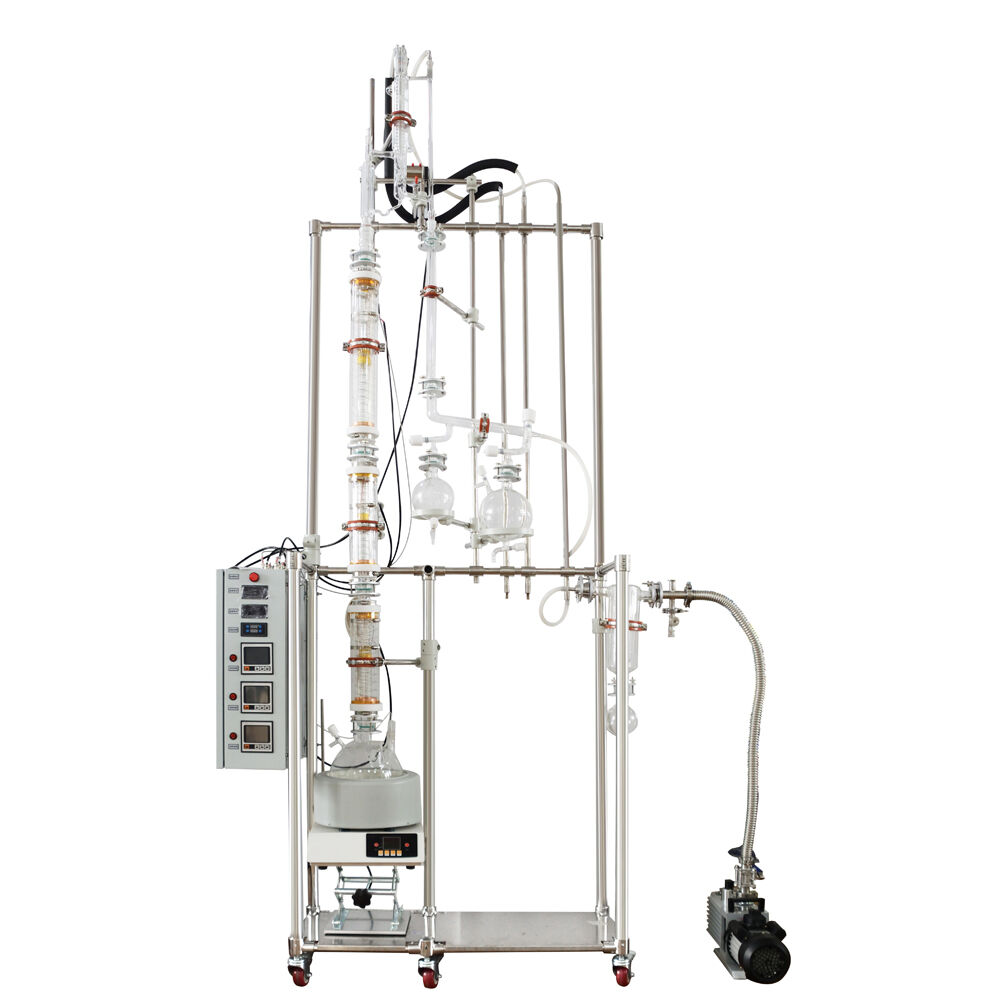
A glass fractional distillation column represents a sophisticated piece of laboratory equipment designed to separate liquid mixtures based on their different boiling points through precise thermal control and vapor-liquid equilibrium principles. This specialized apparatus consists of a tall, cylindrical glass vessel filled with packing material or equipped with theoretical plates that provide multiple separation stages within a single column. The primary function of a glass fractional distillation column involves creating numerous vaporization and condensation cycles, allowing for highly efficient separation of components with closely related boiling points. The technological features of this equipment include temperature-controlled heating systems, reflux condensers, and precise collection mechanisms that ensure optimal separation efficiency. The glass construction offers exceptional chemical resistance, thermal stability, and visual monitoring capabilities, making it ideal for analytical and preparative applications. These columns operate on the principle of differential volatility, where more volatile components rise higher in the column while less volatile substances remain lower, creating distinct separation zones. Modern glass fractional distillation columns incorporate advanced design elements such as vacuum jacketed sections, precision bore tubing, and specialized packing materials that enhance mass transfer efficiency. Applications span across pharmaceutical research, chemical synthesis, petroleum refining, essential oil extraction, and quality control laboratories. The equipment proves particularly valuable in academic institutions, research facilities, and industrial laboratories where high-purity separations are critical. The versatility of glass fractional distillation columns extends to handling various solvent systems, organic compounds, and specialty chemicals while maintaining contamination-free processing conditions.

New Product Recommendations

Glass fractional distillation columns deliver exceptional separation efficiency that surpasses traditional simple distillation methods by providing multiple theoretical plates within a single apparatus. This enhanced performance stems from the column's ability to create numerous vapor-liquid equilibrium stages, resulting in superior purity levels for separated components. The transparent glass construction allows operators to visually monitor the entire distillation process, enabling real-time adjustments and quality control measures that ensure optimal results. Chemical inertness represents another significant advantage, as borosilicate glass resists corrosion from acids, bases, and organic solvents, maintaining product integrity while extending equipment lifespan. Temperature precision becomes achievable through specialized heating mantles and control systems that maintain consistent thermal profiles throughout the column height, preventing thermal decomposition and ensuring reproducible results. The modular design of glass fractional distillation columns facilitates easy maintenance, cleaning, and component replacement, reducing downtime and operational costs. Vacuum capabilities enable distillation at reduced pressures, protecting heat-sensitive materials from degradation while expanding the range of separable compounds. Cost-effectiveness emerges through reduced solvent consumption, higher recovery rates, and minimal product losses compared to alternative separation techniques. The equipment's scalability accommodates various batch sizes, from analytical quantities to pilot-plant volumes, providing flexibility for different operational requirements. Energy efficiency results from optimized heat transfer characteristics and insulation properties that minimize thermal losses during operation. Quality assurance becomes enhanced through precise fraction collection systems that eliminate cross-contamination between separated components. The robust construction withstands repeated thermal cycling while maintaining dimensional stability and performance characteristics. User safety improves through proper ventilation systems, emergency shut-off mechanisms, and ergonomic design features that facilitate safe operation. Environmental benefits include reduced waste generation, solvent recovery capabilities, and elimination of hazardous separation chemicals. Long-term reliability ensures consistent performance over extended operational periods, making glass fractional distillation columns an excellent investment for laboratories requiring dependable separation technology.

Latest News

How to Choose the Right Stainless Steel Reactor for Pharmaceutical Production

12

Nov

How to Choose the Right Stainless Steel Reactor for Pharmaceutical Production

Selecting the appropriate stainless steel reactor for pharmaceutical production is a critical decision that directly impacts product quality, manufacturing efficiency, and regulatory compliance. The pharmaceutical industry demands exceptional standar...
View More
How Does a Stainless Steel Reactor Improve Reaction Efficiency and Safety

12

Nov

How Does a Stainless Steel Reactor Improve Reaction Efficiency and Safety

Chemical processing industries rely heavily on precise reaction control and optimal safety measures to achieve consistent production outcomes. The selection of appropriate reactor materials and design features directly impacts both operational effici...
View More
What Are the Key Advantages of a Rotary and Liftable Stainless Steel Reactor?

20

Jan

What Are the Key Advantages of a Rotary and Liftable Stainless Steel Reactor?

Modern industrial processing demands equipment that combines efficiency, versatility, and durability. A rotary and liftable stainless steel reactor represents a significant advancement in chemical processing technology, offering manufacturers the fle...
View More
Which Industries Benefit Most from Rotary and Liftable Stainless Steel Reactors?

20

Jan

Which Industries Benefit Most from Rotary and Liftable Stainless Steel Reactors?

Modern industrial processes demand equipment that combines durability, versatility, and operational efficiency. Stainless steel reactors have emerged as the cornerstone of numerous manufacturing operations, offering unparalleled performance across di...
View More

Get a Free Quote

Our representative will contact you soon.
Email
Name
Contact Number
Company Name
Message
0/1000

glass fractional distillation column

Superior Separation Efficiency Through Advanced Glass Column Design

Superior Separation Efficiency Through Advanced Glass Column Design

The glass fractional distillation column achieves remarkable separation efficiency through its sophisticated internal structure and optimized glass construction that maximizes vapor-liquid contact area. This advanced design incorporates precisely engineered packing materials or structured plates that create numerous theoretical separation stages within a single column, dramatically improving the resolution between components with similar boiling points. The borosilicate glass construction provides exceptional thermal conductivity properties that ensure uniform heat distribution throughout the column height, preventing hot spots and thermal gradients that could compromise separation quality. Each theoretical plate within the glass fractional distillation column functions as an independent separation unit, where vapor ascending from lower sections contacts liquid descending from upper regions, creating multiple equilibrium stages that progressively enrich the desired components. The column's aspect ratio and internal diameter are carefully calculated to optimize residence time and vapor velocity, ensuring adequate contact between phases while preventing flooding or entrainment issues. Specialized glass manifolds and distribution systems ensure uniform vapor distribution across the column cross-section, eliminating channeling effects that could reduce separation efficiency. The precision-bore glass tubing maintains consistent internal dimensions that promote laminar flow patterns and optimal mass transfer coefficients. Advanced reflux systems integrated into the glass fractional distillation column provide precise control over the liquid-to-vapor ratio, allowing operators to fine-tune separation parameters for specific applications. The transparent nature of glass construction enables visual verification of proper operation, including vapor patterns, liquid distribution, and potential issues such as foaming or entrainment. Temperature monitoring systems strategically placed throughout the column height provide real-time feedback on thermal profiles, enabling operators to optimize heating rates and maintain ideal separation conditions. This combination of advanced glass engineering and sophisticated process control delivers separation efficiencies that consistently exceed 95% purity levels for most applications.
Chemical Resistance and Material Compatibility Excellence

Chemical Resistance and Material Compatibility Excellence

The glass fractional distillation column demonstrates exceptional chemical resistance properties that make it suitable for processing aggressive solvents, corrosive compounds, and reactive materials without compromising equipment integrity or product purity. Constructed from high-quality borosilicate glass, these columns resist attack from strong acids, caustic solutions, and organic solvents that would rapidly degrade metallic alternatives, ensuring long-term reliability and consistent performance. The inert nature of glass surfaces prevents catalytic reactions that could alter product composition or generate unwanted byproducts during distillation processes. This chemical compatibility extends to pharmaceutical applications where product contamination must be absolutely minimized to meet stringent regulatory requirements. The non-porous glass surface eliminates absorption of trace compounds that could lead to memory effects or cross-contamination between different separation campaigns. Surface smoothness achieved through precision glass manufacturing techniques minimizes nucleation sites that could promote unwanted crystallization or decomposition reactions during high-temperature operations. The glass fractional distillation column maintains its chemical resistance properties across wide temperature ranges, from cryogenic cooling applications to elevated temperature distillations exceeding 300°C. Specialized glass alloys incorporate additives that enhance resistance to hydrofluoric acid and other aggressive fluorinated compounds, expanding the range of processable materials. The absence of metal components in critical flow paths eliminates galvanic corrosion concerns and prevents metallic ion contamination that could catalyze unwanted side reactions. Easy cleaning protocols utilizing various solvents and cleaning agents ensure complete removal of residual materials between different applications without damaging the glass surface. The chemical inertness of glass construction enables accurate analytical results when using the fractional distillation column for quantitative separations or purity determinations. Long-term stability studies demonstrate that properly maintained glass fractional distillation columns retain their chemical resistance properties indefinitely, providing excellent return on investment. Compatibility with diverse solvent systems, including halogenated compounds, aromatic hydrocarbons, and polar solvents, makes these columns versatile tools for multi-purpose laboratory applications.
Precision Temperature Control and Process Monitoring Capabilities

Precision Temperature Control and Process Monitoring Capabilities

The glass fractional distillation column incorporates advanced temperature control systems that provide unprecedented precision in thermal management, enabling optimal separation performance across diverse applications and operating conditions. Sophisticated heating mantle technology delivers uniform heat distribution around the column base while maintaining precise temperature control within ±0.5°C of setpoint values, ensuring consistent vaporization rates and stable operation. Multiple temperature monitoring points strategically positioned throughout the column height provide comprehensive thermal profiling capabilities that enable operators to identify optimal operating conditions and detect potential issues before they affect separation quality. The transparent glass construction facilitates integration of non-contact infrared temperature sensors that monitor internal column temperatures without compromising system integrity or introducing potential contamination sources. Advanced process control algorithms automatically adjust heating rates based on real-time feedback from temperature sensors, maintaining optimal thermal gradients that maximize separation efficiency while preventing thermal shock or equipment damage. Vacuum jacketed sections available in premium glass fractional distillation column designs provide superior thermal insulation that minimizes heat losses and improves energy efficiency while maintaining precise temperature control throughout extended operating periods. Programmable temperature ramping capabilities enable gradual heating protocols that protect sensitive compounds from thermal degradation while ensuring complete volatilization of target components. The column's thermal mass characteristics provide excellent temperature stability that dampens fluctuations in ambient conditions or power supply variations, maintaining consistent separation performance. Integrated safety systems monitor temperature excursions and automatically implement protective measures, including emergency shutdown procedures and cooling protocols that prevent equipment damage or safety hazards. Data logging capabilities capture detailed temperature profiles throughout entire distillation campaigns, providing valuable process documentation for quality assurance and regulatory compliance requirements. The precision temperature control system enables operation under reduced pressure conditions where lower boiling points require more stringent thermal management to prevent overheating or decomposition. Calibrated temperature sensors traceable to national standards ensure measurement accuracy that supports analytical applications requiring precise boiling point determinations. Advanced control interfaces provide intuitive operator interaction with temperature control systems, enabling easy adjustment of parameters and real-time monitoring of thermal conditions throughout the glass fractional distillation column operation.

Get a Free Quote

Our representative will contact you soon.
Email
Name
Contact Number
Company Name
Message
0/1000