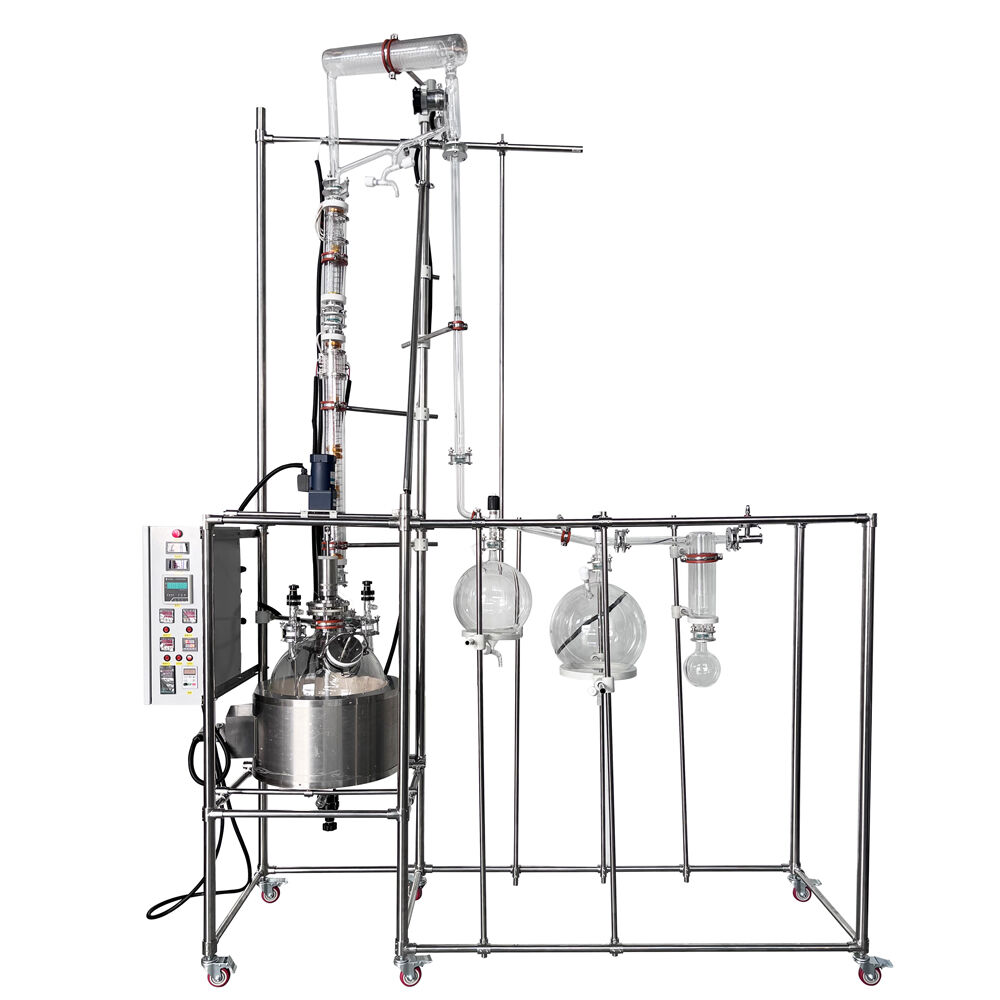
fractional distillation types
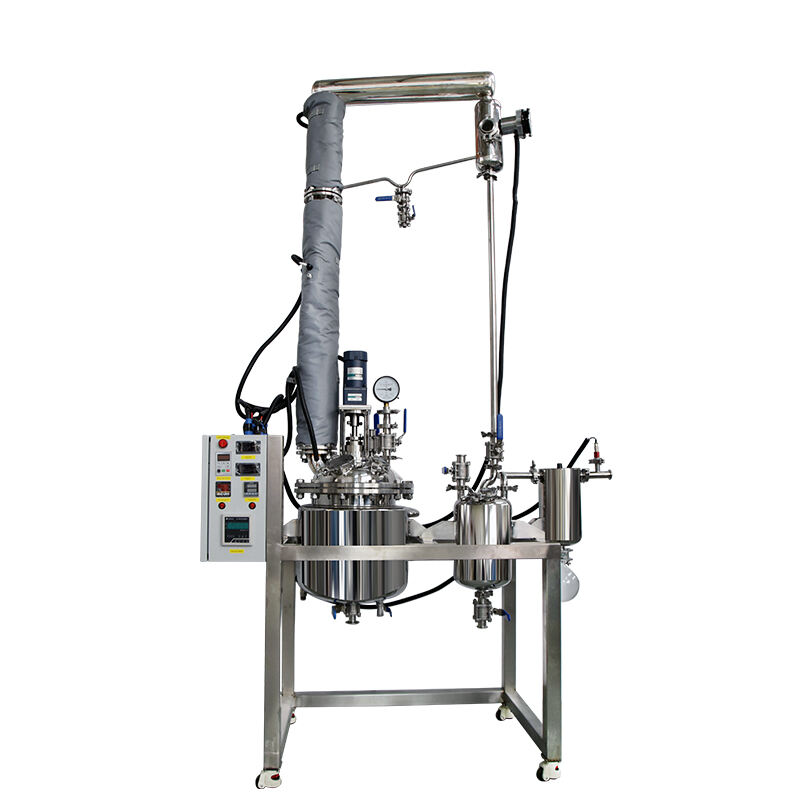
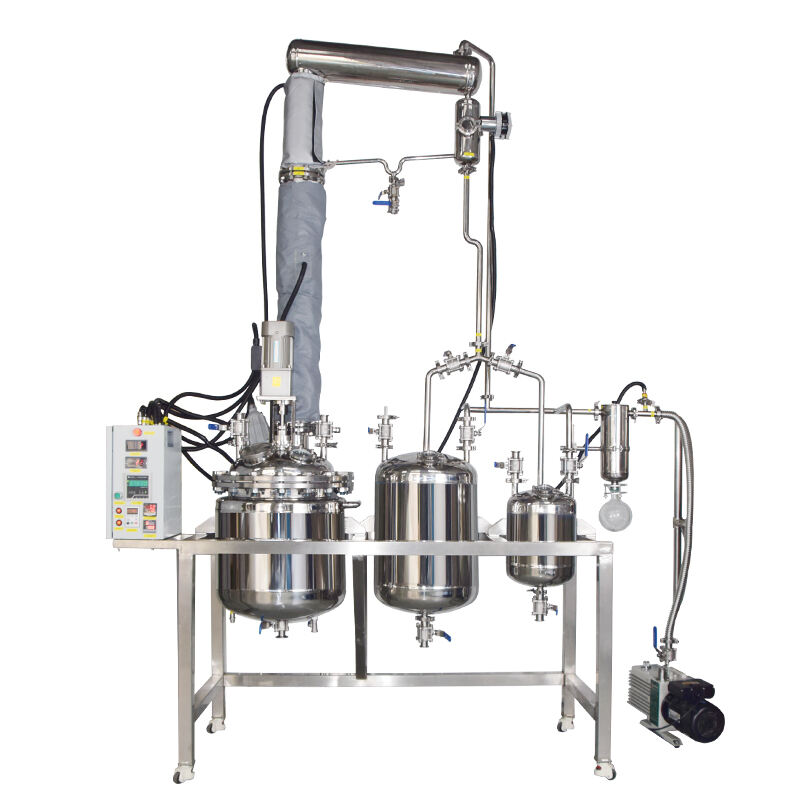
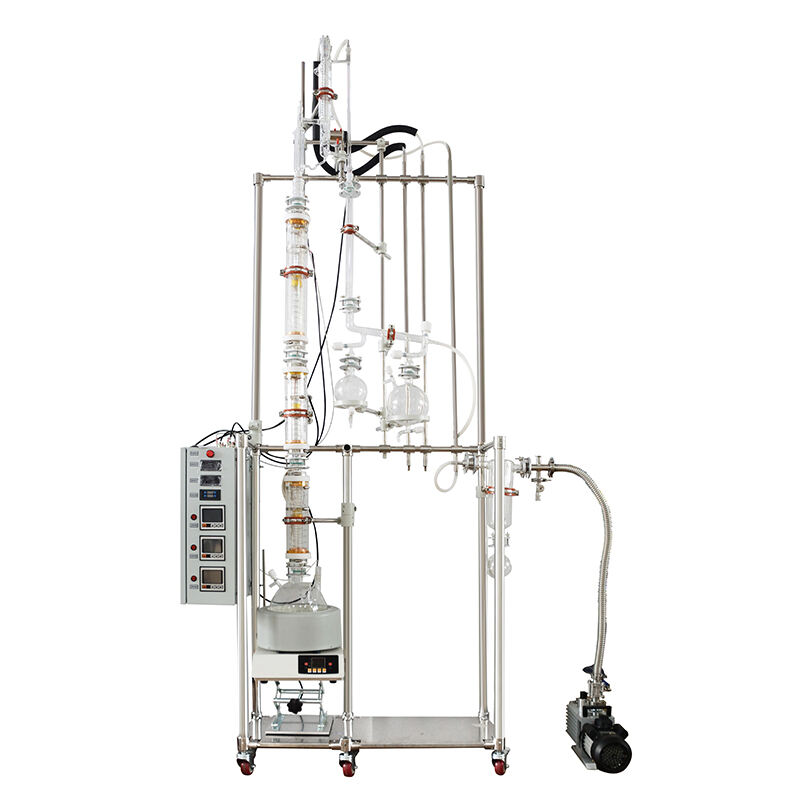
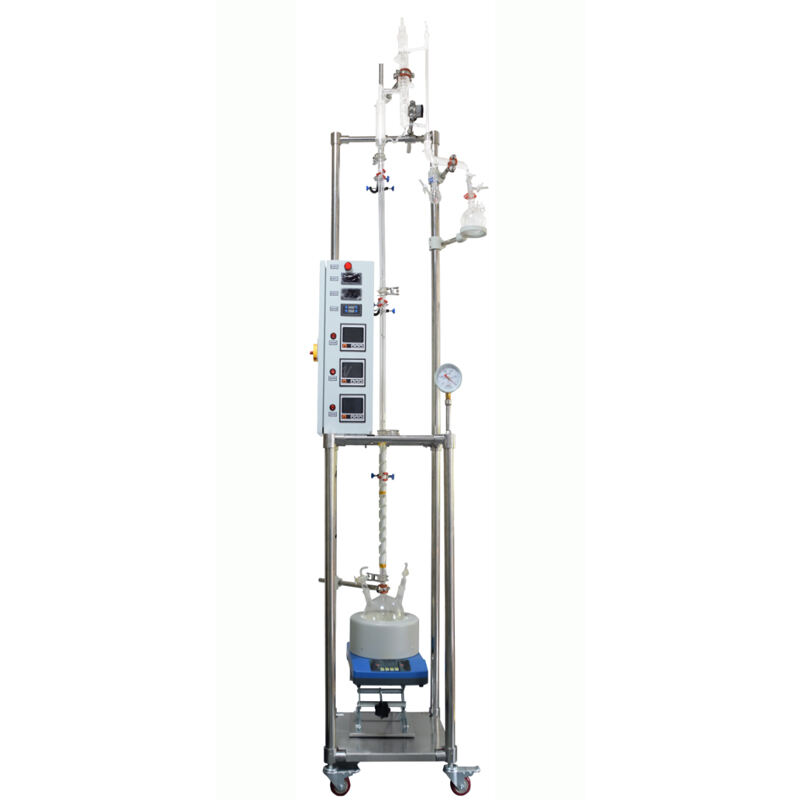
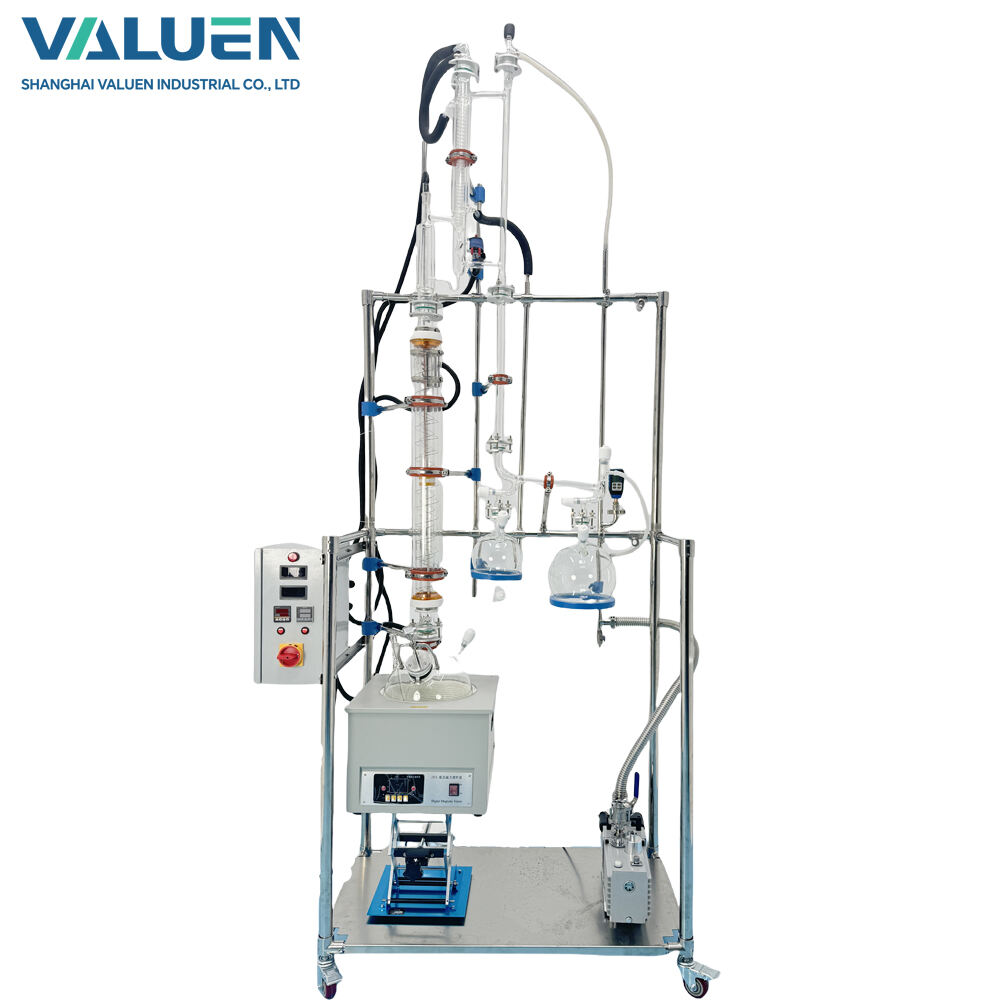
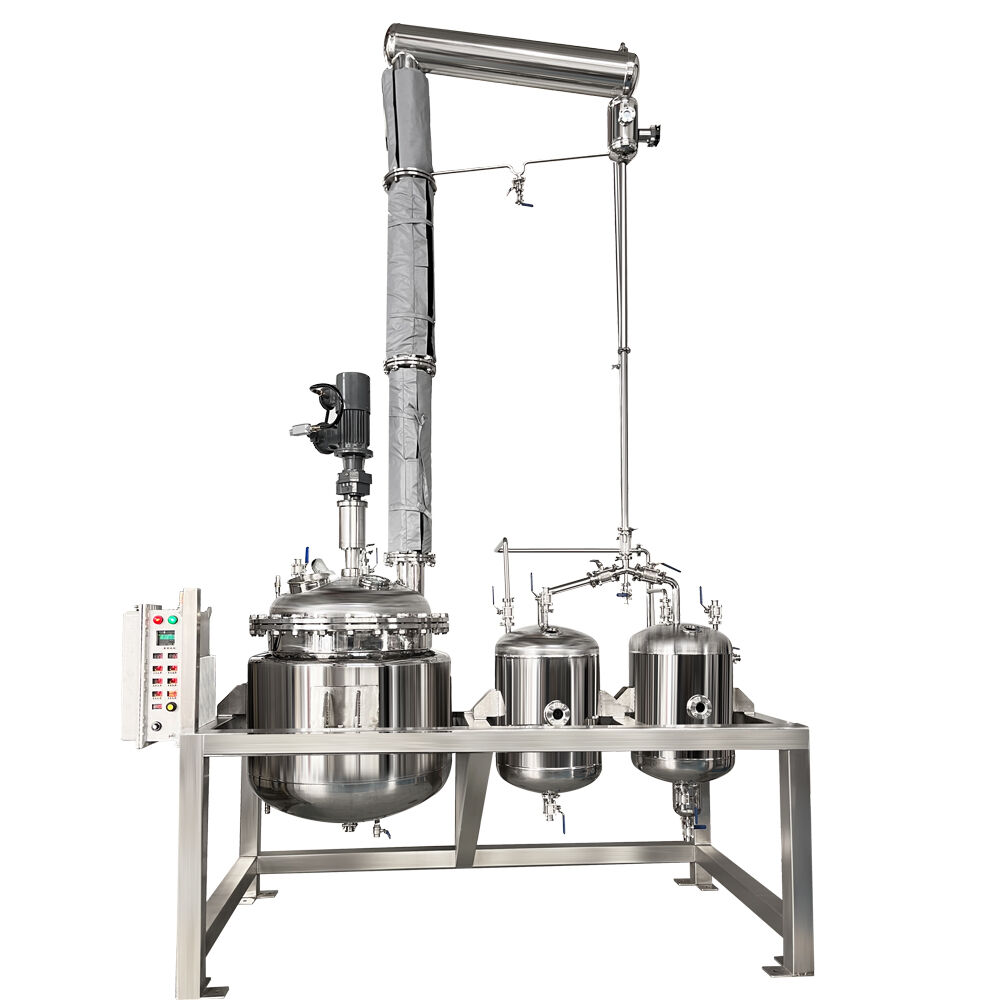
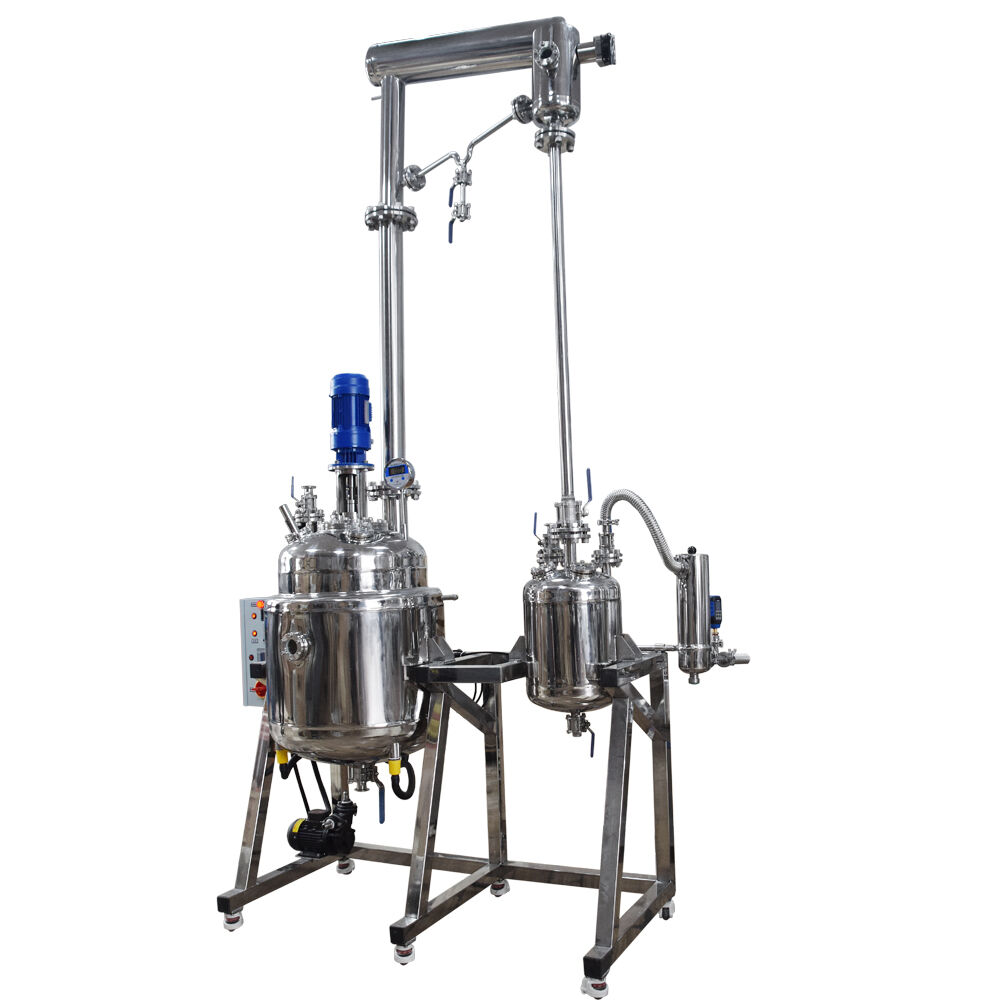
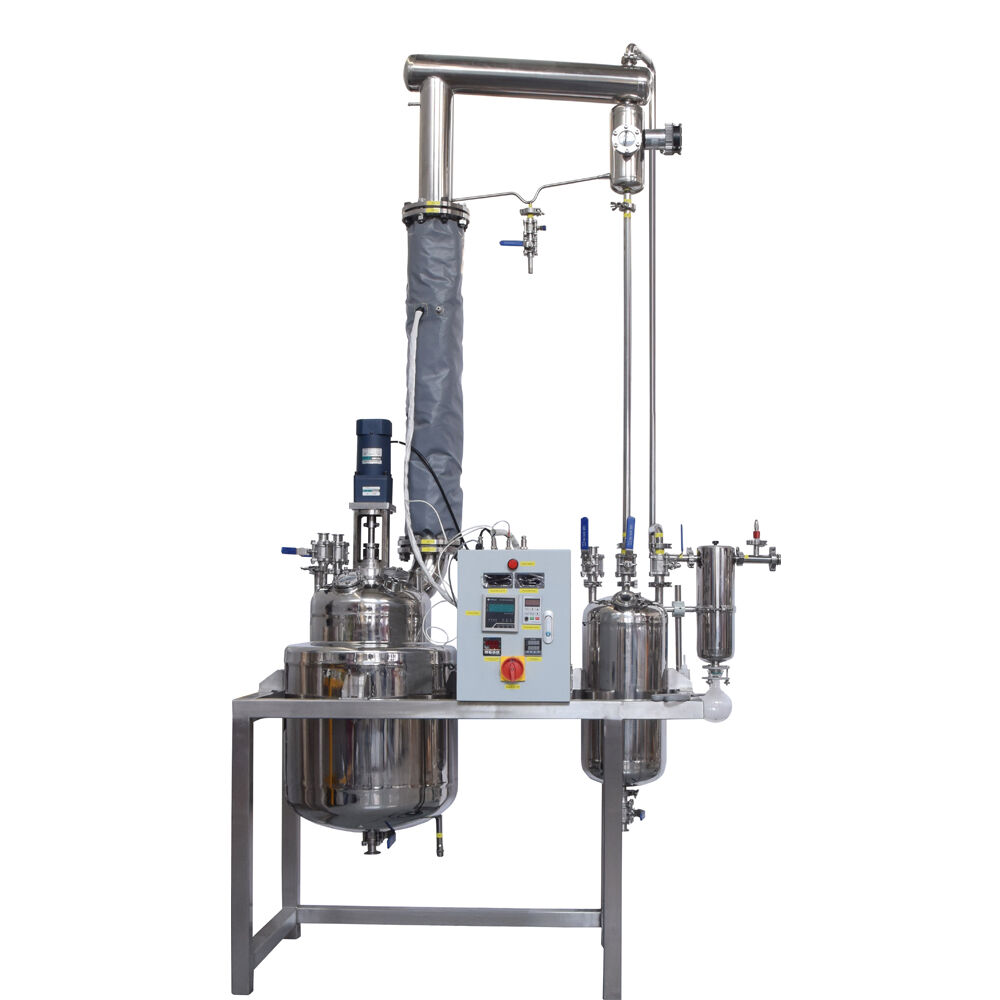
Fractional distillation types represent sophisticated separation technologies that enable precise isolation of different components from complex mixtures based on their varying boiling points. These advanced systems utilize the fundamental principle of vapor-liquid equilibrium to achieve remarkable separation efficiency across numerous industrial applications. The primary function of fractional distillation types involves heating liquid mixtures to create vapor phases, then cooling these vapors at different temperatures to collect individual components with distinct purities. Modern fractional distillation types incorporate cutting-edge technological features including computer-controlled temperature regulation, automated reflux management, and real-time monitoring systems that ensure optimal performance throughout the separation process. These systems feature specialized column designs with multiple theoretical plates or packing materials that maximize contact between ascending vapors and descending liquids, dramatically improving separation efficiency. The technological sophistication of contemporary fractional distillation types includes advanced heat exchangers, precision control valves, and integrated safety systems that maintain operational stability while minimizing energy consumption. Applications for fractional distillation types span across petroleum refining industries where crude oil separation produces gasoline, diesel, and various petrochemicals. Chemical manufacturing facilities rely on these systems to purify solvents, separate reaction products, and create high-purity intermediates essential for pharmaceutical production. Food and beverage industries utilize fractional distillation types for alcohol purification, essential oil extraction, and flavor compound isolation. Environmental applications include solvent recovery operations, waste stream treatment, and recycling processes that reduce industrial waste while recovering valuable materials. Laboratory-scale fractional distillation types serve research institutions for analytical purposes, product development, and quality control testing. The versatility of these separation systems makes them indispensable across biotechnology, specialty chemicals, and renewable energy sectors where precise component separation determines product quality and process economics.
 EN
EN