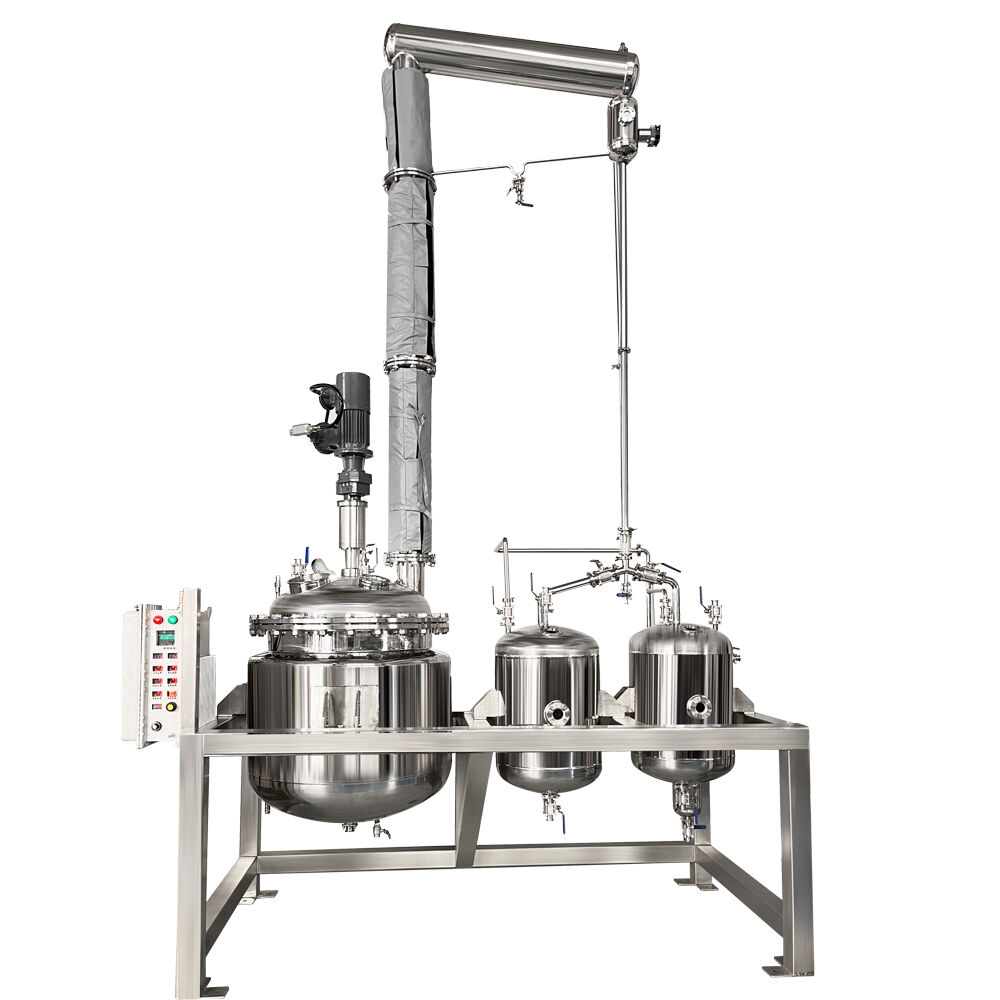
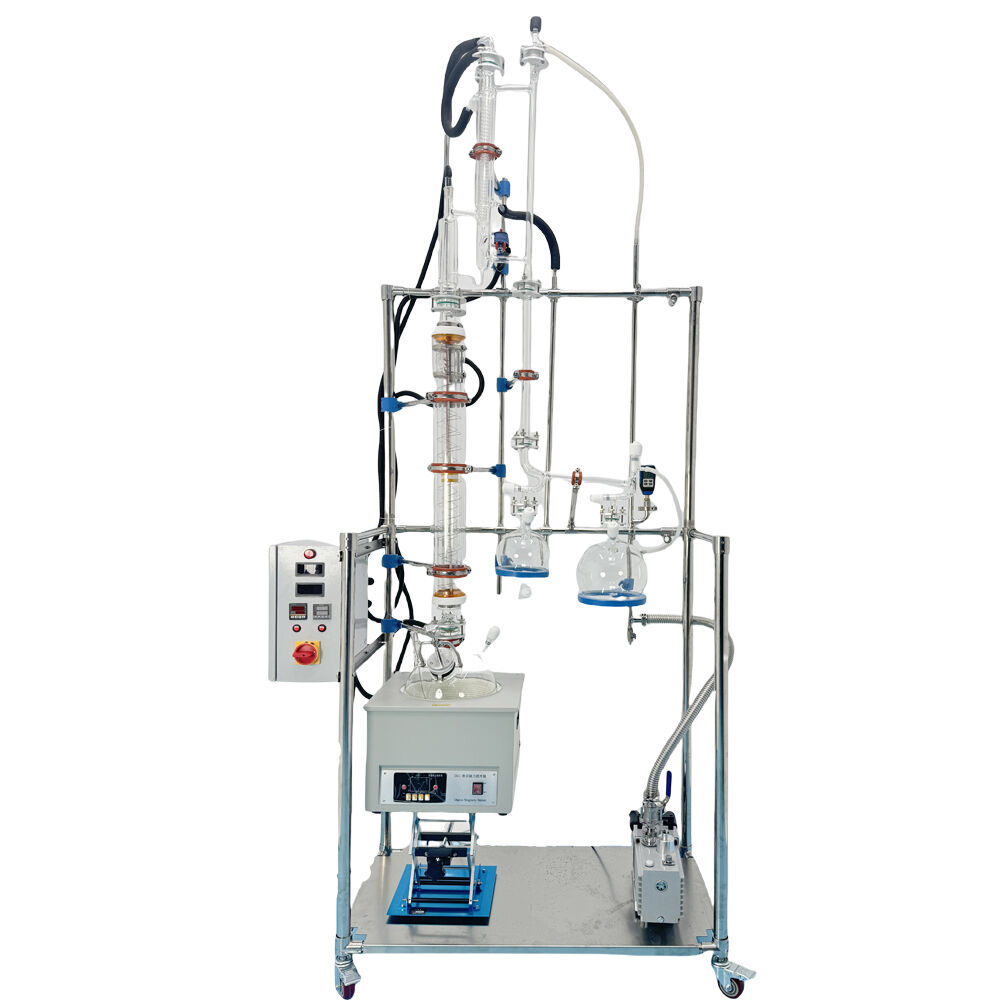
Fractional Distillation of Liquid: Advanced Separation Technology for Industrial Applications

Get a Free Quote

Our representative will contact you soon.
Email
Name
Contact Number
Company Name
Message
0/1000

fractional distillation of liquid

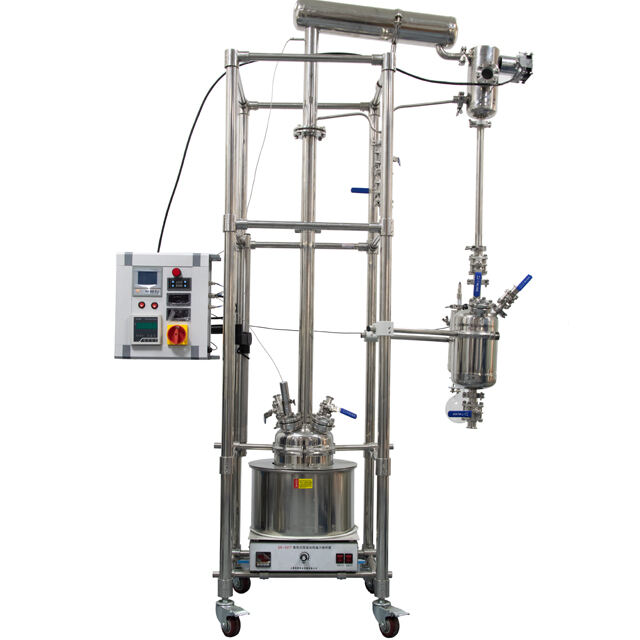
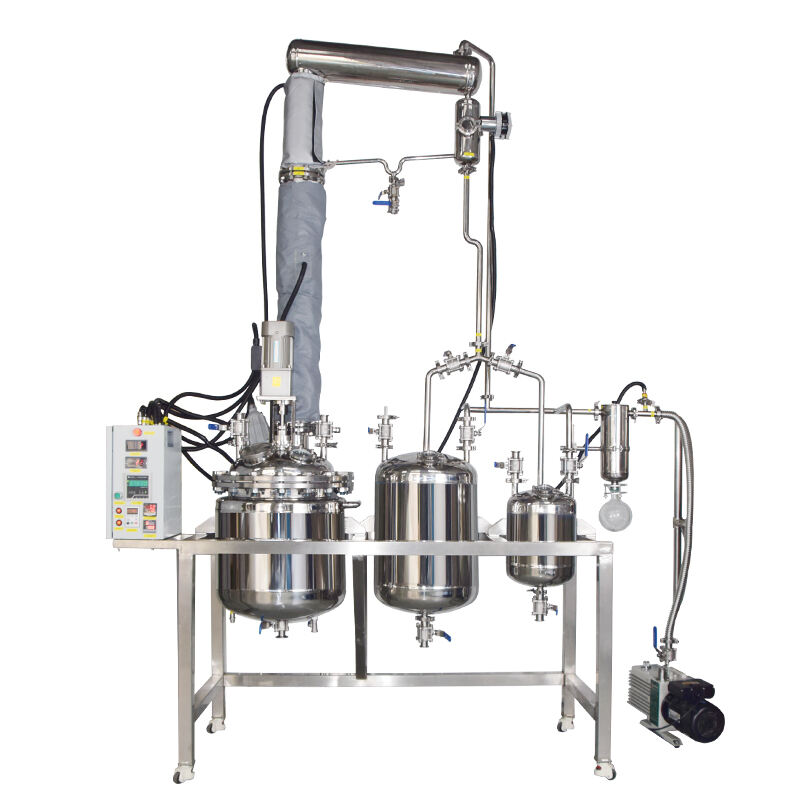
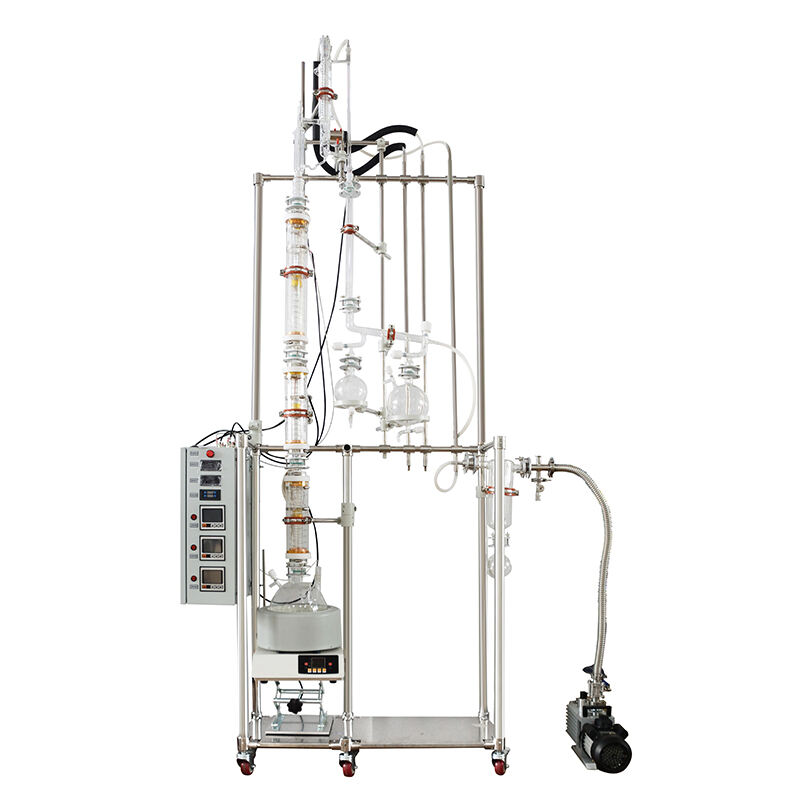
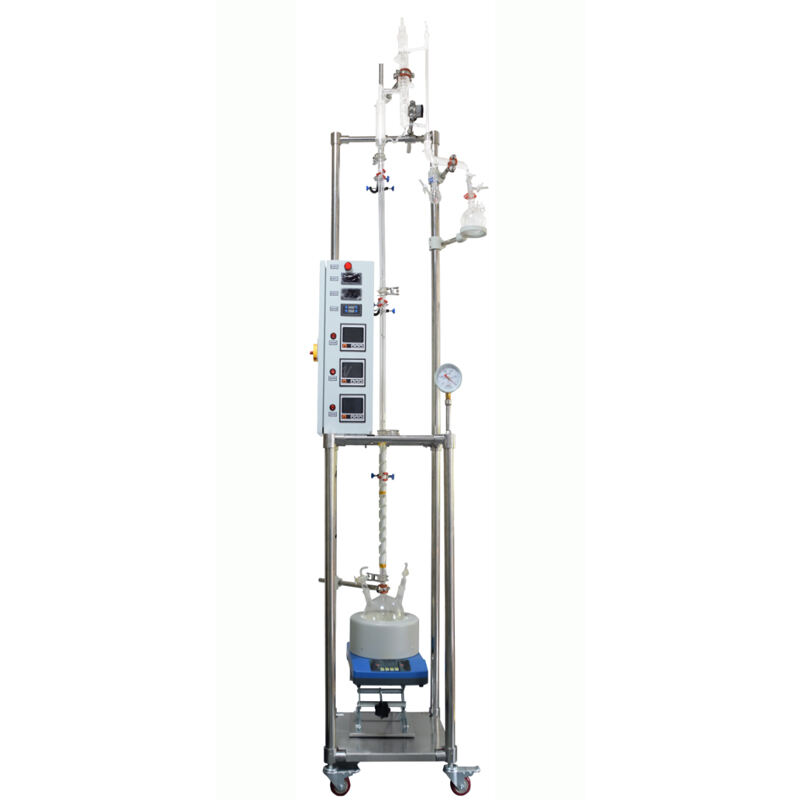
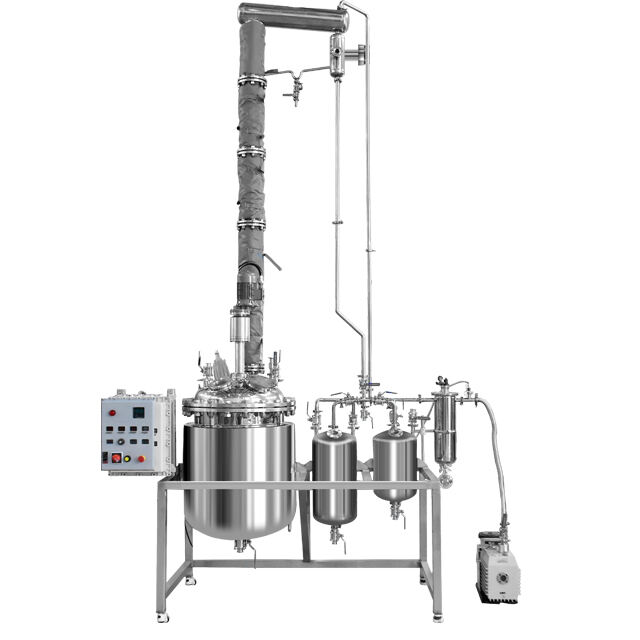
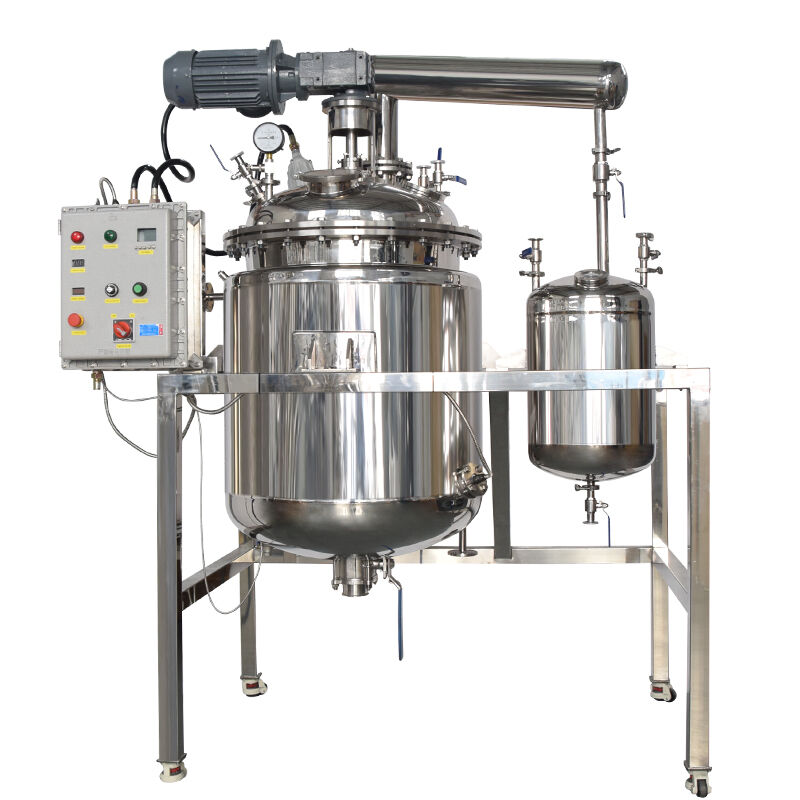
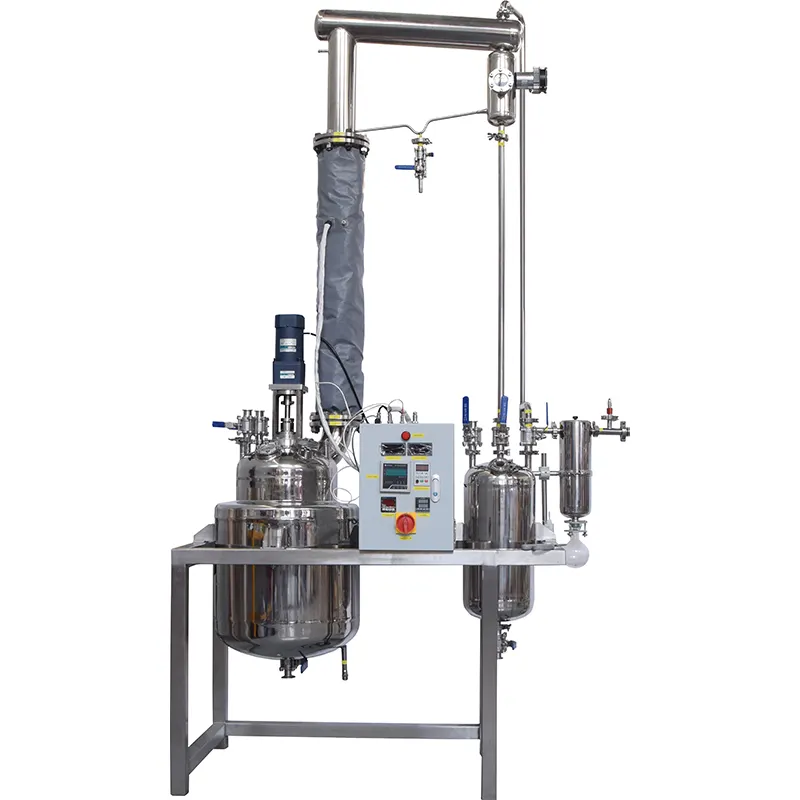
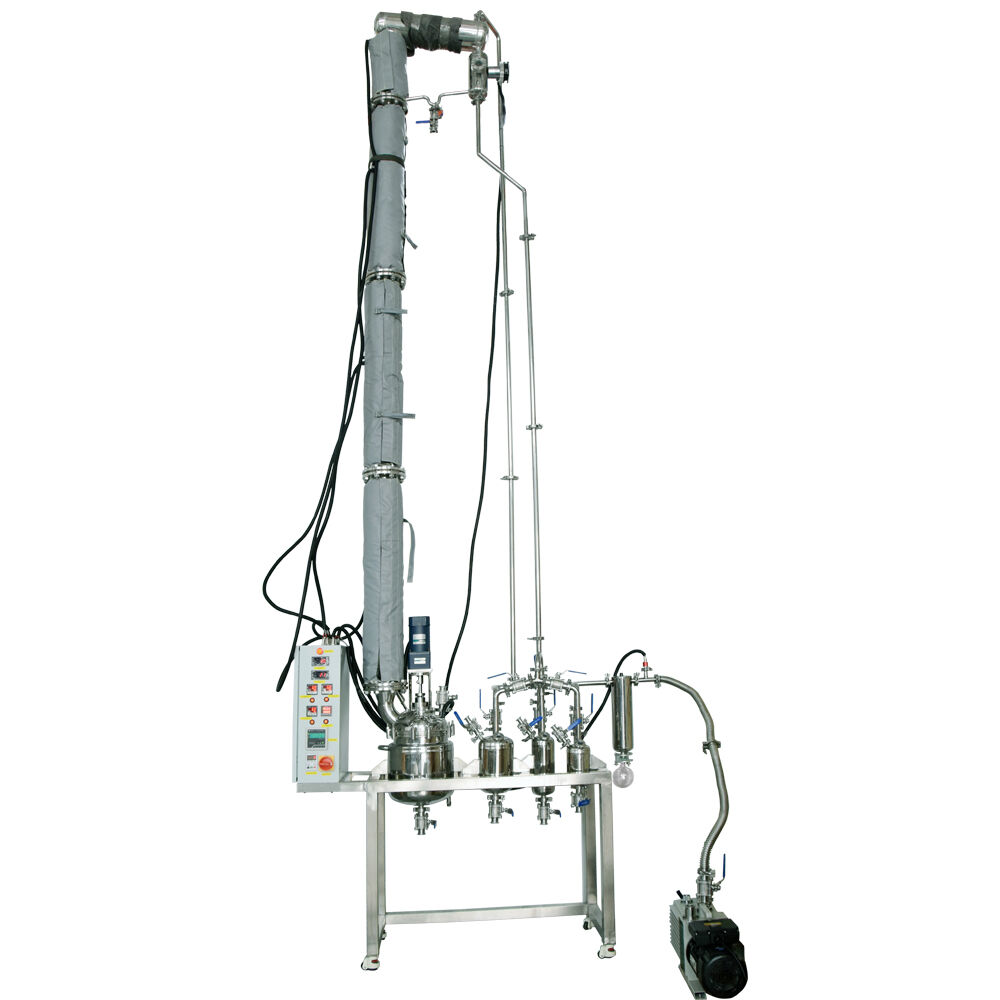
Fractional distillation of liquid represents a sophisticated separation technique that leverages differences in boiling points to isolate various components from complex mixtures. This thermal separation process operates on the principle that different substances vaporize at distinct temperatures, allowing for precise component recovery through controlled heating and condensation cycles. The fractional distillation of liquid system employs a fractionating column equipped with multiple theoretical plates or packing materials that enhance separation efficiency by providing numerous equilibrium stages between vapor and liquid phases. The main functions of fractional distillation of liquid encompass purification of chemical compounds, recovery of valuable solvents, production of high-purity substances, and separation of multi-component liquid mixtures. This process excels in applications requiring exceptional separation precision, particularly when dealing with substances having similar boiling points. The technological features of fractional distillation of liquid include temperature gradient establishment within the column, reflux ratio optimization for enhanced separation, pressure control mechanisms for boiling point manipulation, and automated monitoring systems for consistent operation. Advanced fractional distillation of liquid systems incorporate heat integration technologies, computerized process control, and energy recovery mechanisms that maximize operational efficiency. The applications span across petroleum refining, pharmaceutical manufacturing, chemical production, alcohol purification, essential oil extraction, and waste solvent recovery. Industries utilize fractional distillation of liquid for producing gasoline, diesel, kerosene, pharmaceutical intermediates, fine chemicals, and food-grade alcohols. The process demonstrates remarkable versatility in handling various feed compositions while maintaining product quality standards and regulatory compliance requirements throughout different industrial sectors.

New Products

The fractional distillation of liquid offers numerous compelling advantages that make it an indispensable separation technology across multiple industries. First, this process delivers exceptional purity levels that often exceed 99 percent, ensuring that end products meet stringent quality specifications required by pharmaceutical, food, and chemical manufacturers. The precision of fractional distillation of liquid enables companies to produce materials with consistent composition, reducing batch-to-batch variation and enhancing product reliability for end consumers. Second, the process demonstrates remarkable energy efficiency through heat integration and recovery systems, significantly reducing operational costs compared to alternative separation methods. Modern fractional distillation of liquid systems capture and reuse thermal energy, minimizing waste heat and lowering utility expenses for businesses. Third, the scalability of fractional distillation of liquid accommodates operations ranging from laboratory research to large-scale industrial production, providing flexibility for companies at different growth stages. This adaptability allows businesses to expand their processing capacity without fundamentally changing their separation technology, protecting initial investments while supporting future growth. Fourth, the automated nature of contemporary fractional distillation of liquid systems reduces labor requirements and human error potential, improving operational consistency and worker safety. Advanced control systems monitor critical parameters continuously, making real-time adjustments that optimize performance without constant manual intervention. Fifth, the process exhibits exceptional reliability with minimal maintenance requirements when properly designed and operated, ensuring consistent production schedules and reducing unexpected downtime costs. Sixth, fractional distillation of liquid handles diverse feed compositions effectively, processing everything from simple binary mixtures to complex multi-component streams without requiring extensive pre-treatment. This versatility eliminates the need for multiple separation technologies, simplifying plant design and reducing capital expenditure. Finally, the process supports environmental sustainability by enabling solvent recovery and waste minimization, helping companies meet increasingly strict environmental regulations while reducing disposal costs and raw material consumption.

Tips And Tricks

The Durability Advantage of Stainless Steel Extraction Reactors

29

Oct

The Durability Advantage of Stainless Steel Extraction Reactors

Why Stainless Steel Extraction Reactors Last LongerTypical Lifespan of Stainless Steel Reactors in Industrial ApplicationsIndustrial stainless steel extraction reactors built to last decades in tough environments aren't uncommon these days. The big o...
View More
Why Jacketed Glass Reactors are Essential for Your Lab

29

Oct

Why Jacketed Glass Reactors are Essential for Your Lab

Superior Temperature Control for Consistent Reaction ConditionsJacketed glass reactors achieve ±0.5°C temperature stability through their double-wall design, ensuring precise and consistent reaction conditions critical for sensitive chemic...
View More
How to Select a High Pressure Reactor for Industrial Chemical Synthesis?

24

Dec

How to Select a High Pressure Reactor for Industrial Chemical Synthesis?

Industrial chemical synthesis often requires precise control over reaction conditions, with pressure being one of the most critical parameters. A high pressure reactor serves as the cornerstone equipment for processes demanding elevated pressures, en...
View More
How Does a Stainless Steel Reactor Support Customization and Scale-Up?

20

Jan

How Does a Stainless Steel Reactor Support Customization and Scale-Up?

The chemical processing industry faces constant pressure to optimize production while maintaining safety and quality standards. A stainless steel reactor serves as the cornerstone of countless manufacturing operations, providing the durability and ve...
View More

Get a Free Quote

Our representative will contact you soon.
Email
Name
Contact Number
Company Name
Message
0/1000

fractional distillation of liquid

Precision Separation Technology for Maximum Product Purity

Precision Separation Technology for Maximum Product Purity

The fractional distillation of liquid stands as the gold standard for achieving exceptional separation precision in industrial applications where product purity directly impacts performance, safety, and profitability. This advanced separation technology utilizes the fundamental principle of relative volatility differences between components, enabling the isolation of substances with boiling point differences as small as five degrees Celsius. The sophisticated design of fractional distillation of liquid systems incorporates multiple equilibrium stages within the fractionating column, where vapor and liquid phases repeatedly contact each other, creating a concentration gradient that progressively enriches the desired component toward the top of the column. This stepwise purification process allows manufacturers to achieve purity levels exceeding 99.5 percent in many applications, far surpassing what simple distillation or other separation methods can deliver. The precision of fractional distillation of liquid proves particularly valuable in pharmaceutical manufacturing, where even trace impurities can compromise drug efficacy or safety profiles. Similarly, in specialty chemical production, the high purity achieved through fractional distillation of liquid ensures that products meet exact specifications required for high-performance applications such as electronic materials, catalysts, or analytical standards. The technology's ability to separate closely related compounds, including isomers and homologs, makes it indispensable for producing fine chemicals where molecular structure precision determines market value. Furthermore, the consistent purity delivery of fractional distillation of liquid systems reduces the need for additional purification steps, streamlining production processes and reducing overall manufacturing costs. The reliable performance of this technology enables manufacturers to guarantee product specifications to customers, building trust and supporting premium pricing strategies for high-purity products in competitive markets.
Energy-Efficient Operation with Integrated Heat Recovery Systems

Energy-Efficient Operation with Integrated Heat Recovery Systems

Modern fractional distillation of liquid systems incorporate advanced energy optimization technologies that dramatically reduce operational costs while maintaining superior separation performance, making them highly attractive for cost-conscious industrial operations. The energy efficiency of fractional distillation of liquid stems from sophisticated heat integration designs that capture and reuse thermal energy throughout the separation process, minimizing external heating and cooling requirements. Heat exchanger networks within these systems preheat incoming feed streams using hot product streams, reducing the energy input needed at the reboiler while simultaneously cooling products to desired temperatures. This thermal integration in fractional distillation of liquid operations can reduce energy consumption by 30 to 50 percent compared to conventional distillation setups, translating to substantial cost savings over the system's operational lifetime. Additionally, advanced fractional distillation of liquid designs employ vapor recompression technologies that capture overhead vapor, compress it to higher pressure and temperature, and use it to provide heating duty to the reboiler, creating a thermally self-sustaining operation in many cases. The energy optimization extends to column internals, where high-efficiency packing materials or advanced tray designs minimize pressure drop and improve mass transfer efficiency, reducing the energy required to maintain proper vapor-liquid contact throughout the column. Variable frequency drives on pumps and compressors in fractional distillation of liquid systems automatically adjust energy consumption based on actual process requirements, eliminating energy waste during periods of reduced throughput or varying feed compositions. These energy-efficient features not only reduce operating costs but also support corporate sustainability initiatives by minimizing carbon footprint and environmental impact, helping companies meet increasingly stringent environmental regulations while maintaining profitability in competitive markets.
Versatile Multi-Component Separation for Diverse Industrial Applications

Versatile Multi-Component Separation for Diverse Industrial Applications

The remarkable versatility of fractional distillation of liquid technology enables it to handle an extraordinarily wide range of separation challenges across diverse industrial sectors, making it a universal solution for companies dealing with complex mixture separations. This adaptability stems from the fundamental flexibility of the fractional distillation of liquid process, which can be configured and optimized for separating binary mixtures, multi-component feeds, azeotropic systems, and temperature-sensitive materials through appropriate column design, operating conditions, and auxiliary equipment selection. In petroleum refining, fractional distillation of liquid systems separate crude oil into multiple valuable fractions simultaneously, including light gases, gasoline, kerosene, diesel, and heavy fuel oils, demonstrating the technology's capability to handle complex feedstocks with dozens of components spanning wide boiling point ranges. The pharmaceutical industry relies on fractional distillation of liquid for purifying active pharmaceutical ingredients, separating reaction by-products, and recovering expensive solvents, where the process must accommodate heat-sensitive compounds while maintaining sterile conditions and meeting stringent regulatory requirements. Chemical manufacturers utilize fractional distillation of liquid for producing specialty chemicals, where the same basic equipment configuration can be adapted to separate different product lines by adjusting operating parameters such as reflux ratio, pressure, and temperature profiles. The food and beverage industry employs fractional distillation of liquid for alcohol purification, essential oil concentration, and flavor compound isolation, requiring systems that meet food-grade standards while preserving delicate organoleptic properties. Environmental applications of fractional distillation of liquid include solvent recovery from waste streams, contaminated groundwater treatment, and valuable material recovery from industrial waste, supporting circular economy initiatives while reducing disposal costs. This versatility extends to scale, where fractional distillation of liquid systems operate effectively from pilot-scale research units processing liters per day to massive industrial installations handling thousands of tons per day, providing a consistent separation technology platform that companies can rely on throughout their growth and diversification phases.

Get a Free Quote

Our representative will contact you soon.
Email
Name
Contact Number
Company Name
Message
0/1000