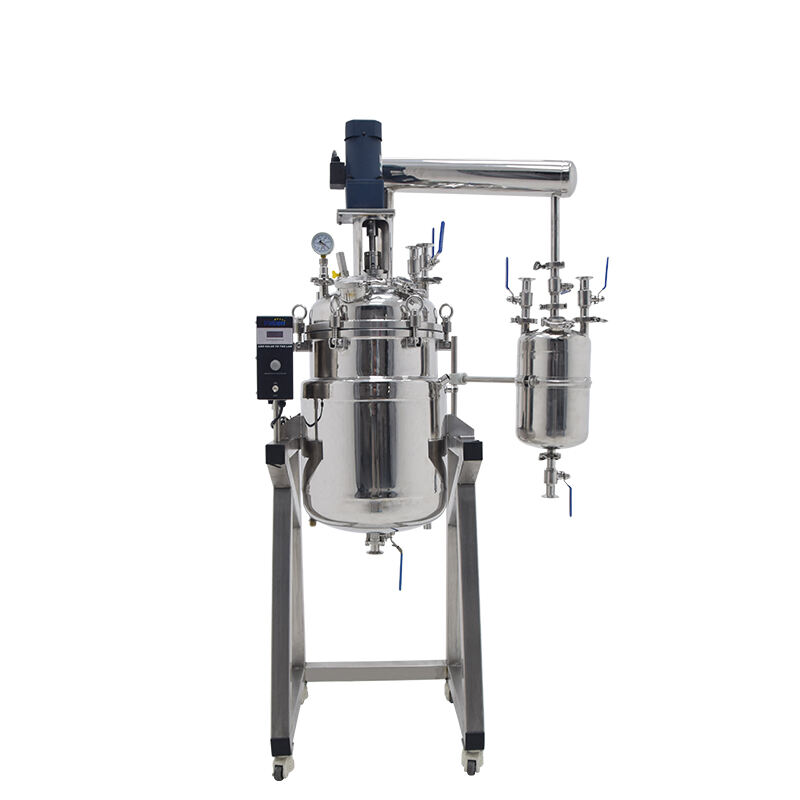
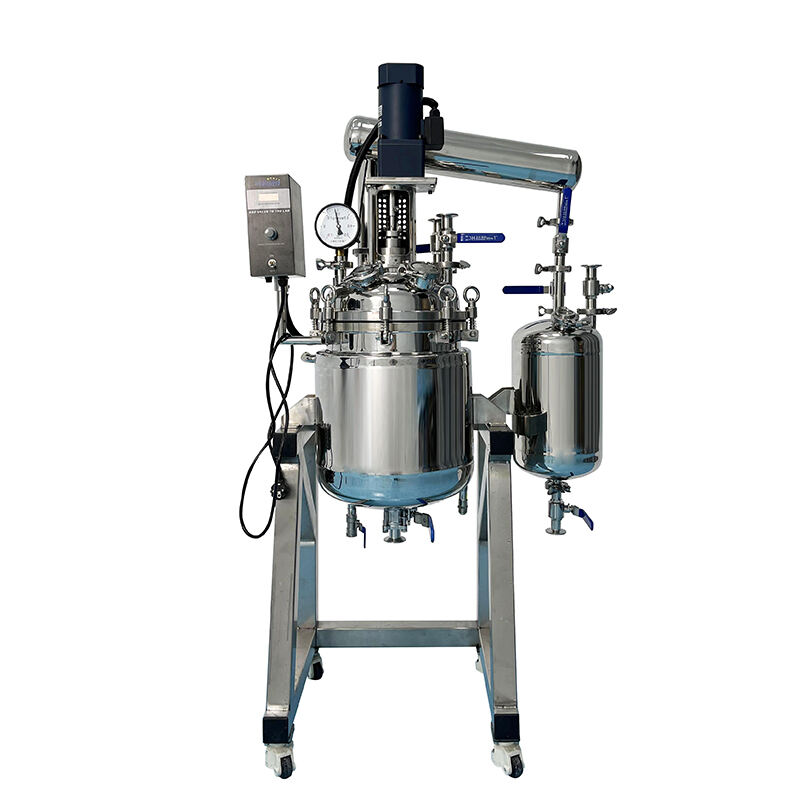
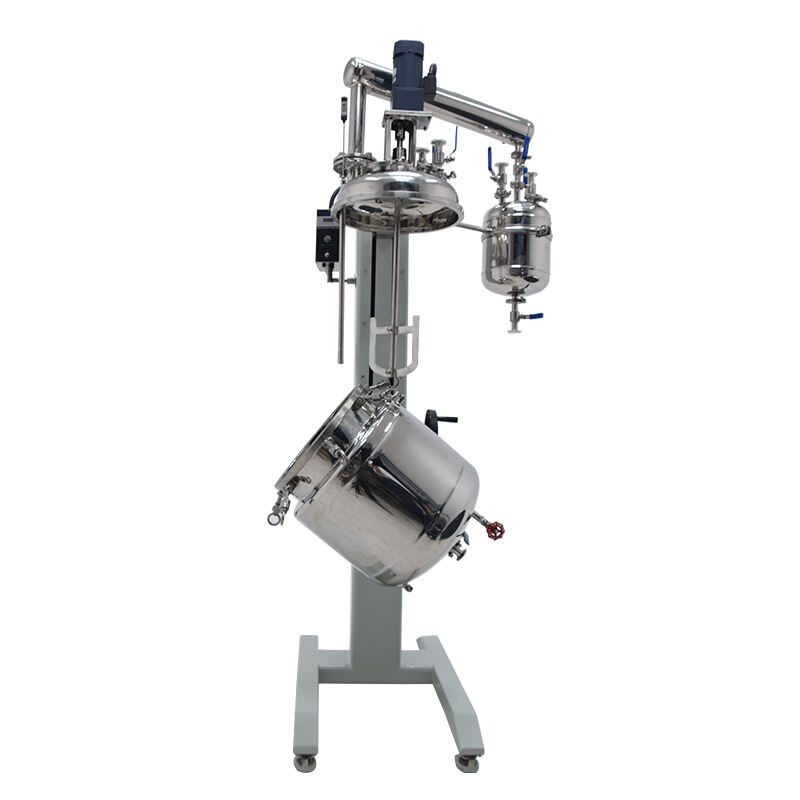
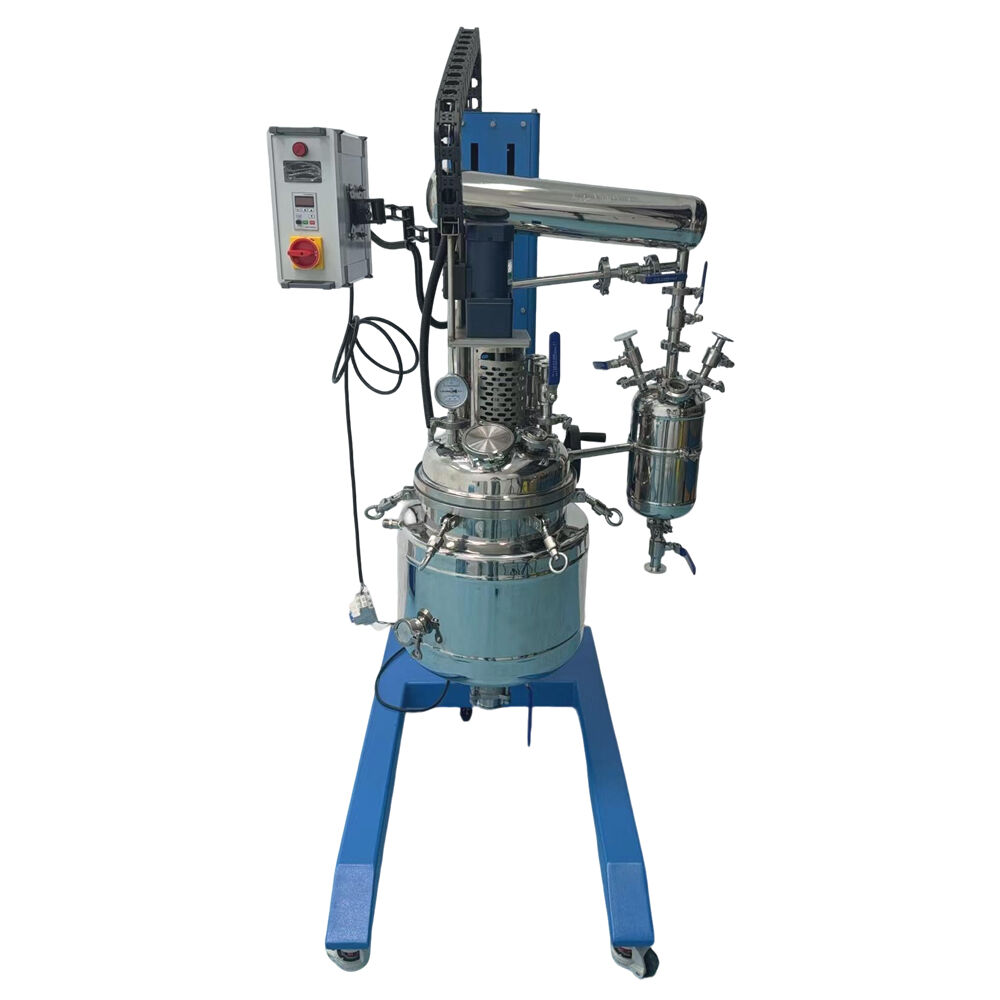
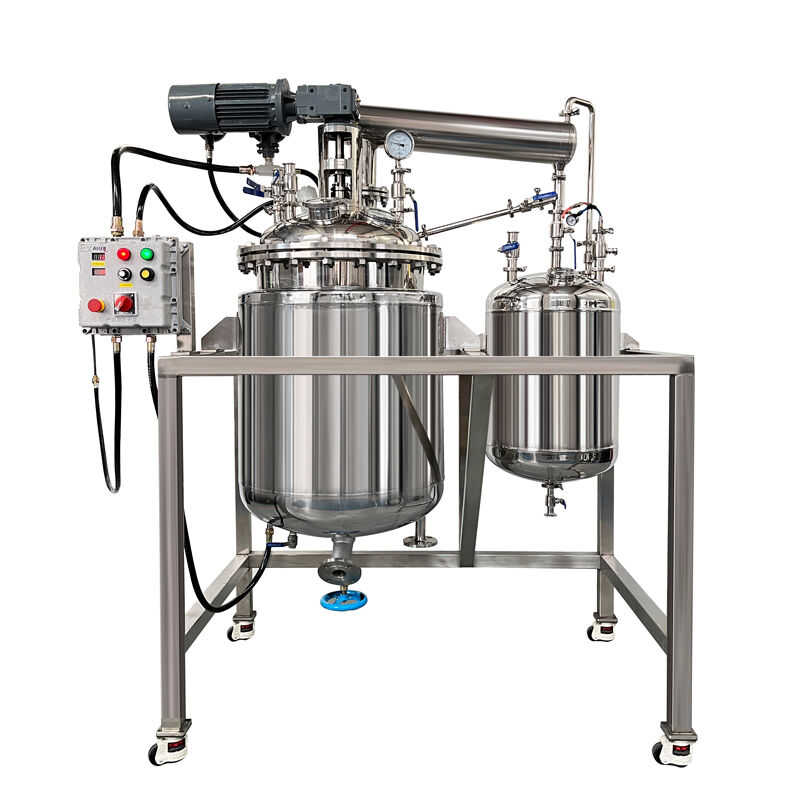
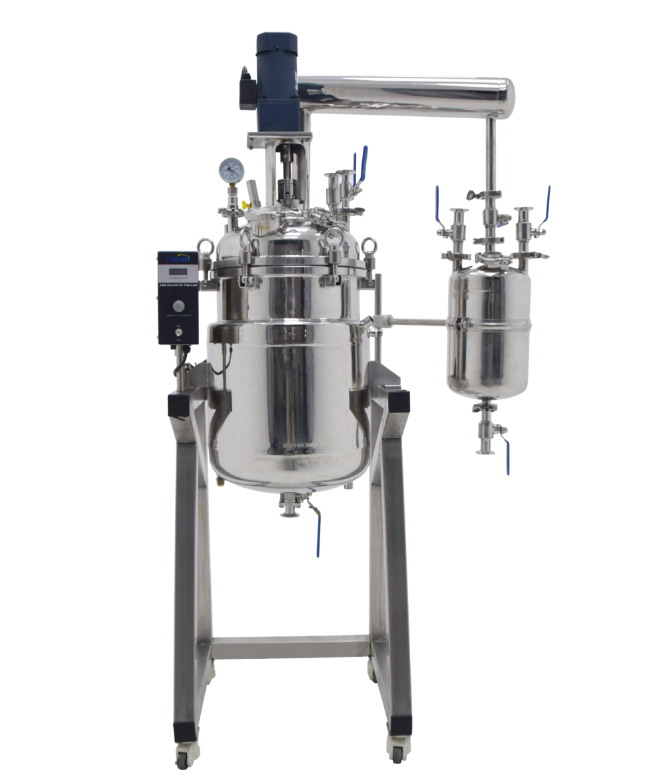
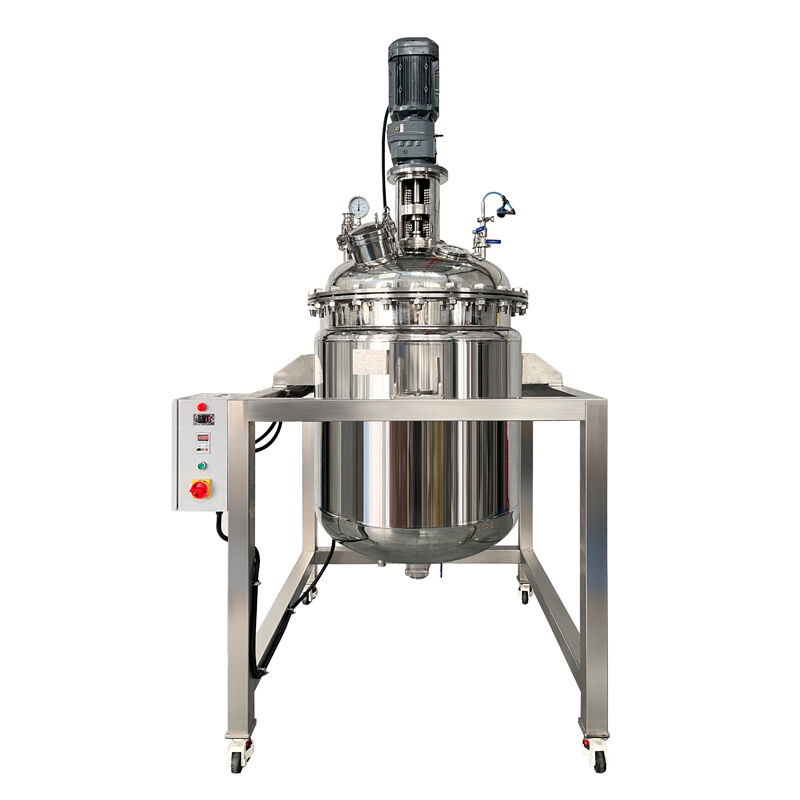
Stirred Chemical Reactor: Advanced Mixing Solutions for Industrial Chemical Processing

Get a Free Quote

Our representative will contact you soon.
Email
Name
Contact Number
Company Name
Message
0/1000

stirred chemical reactor

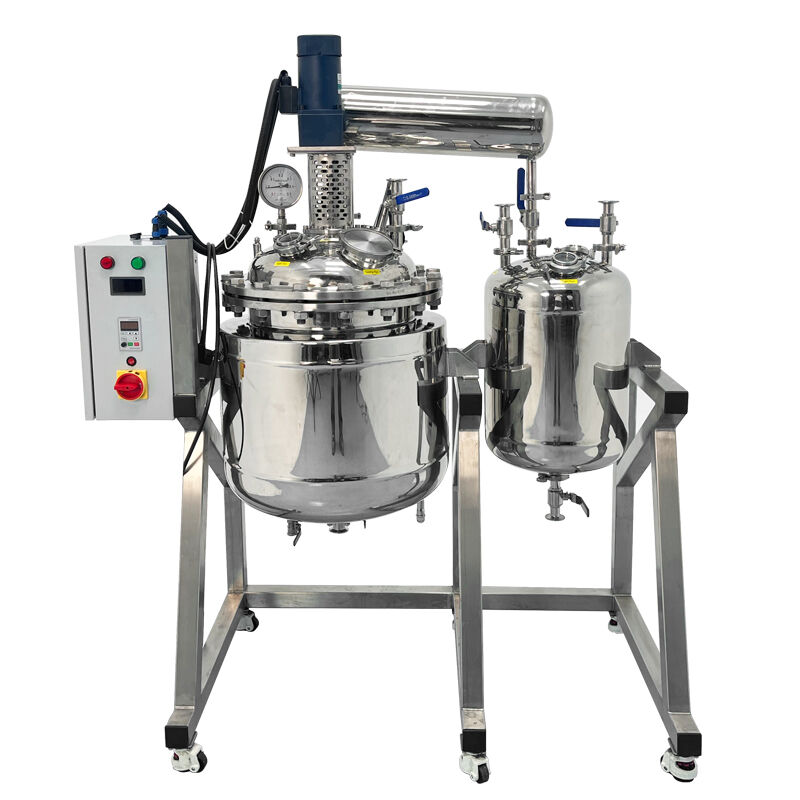
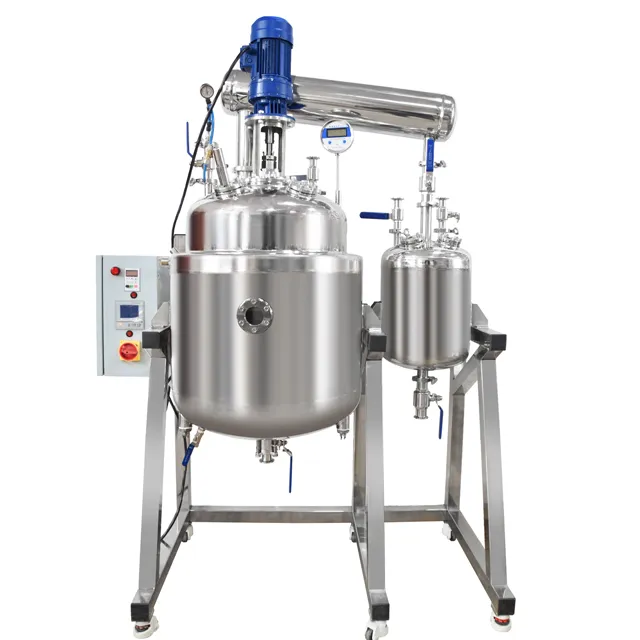
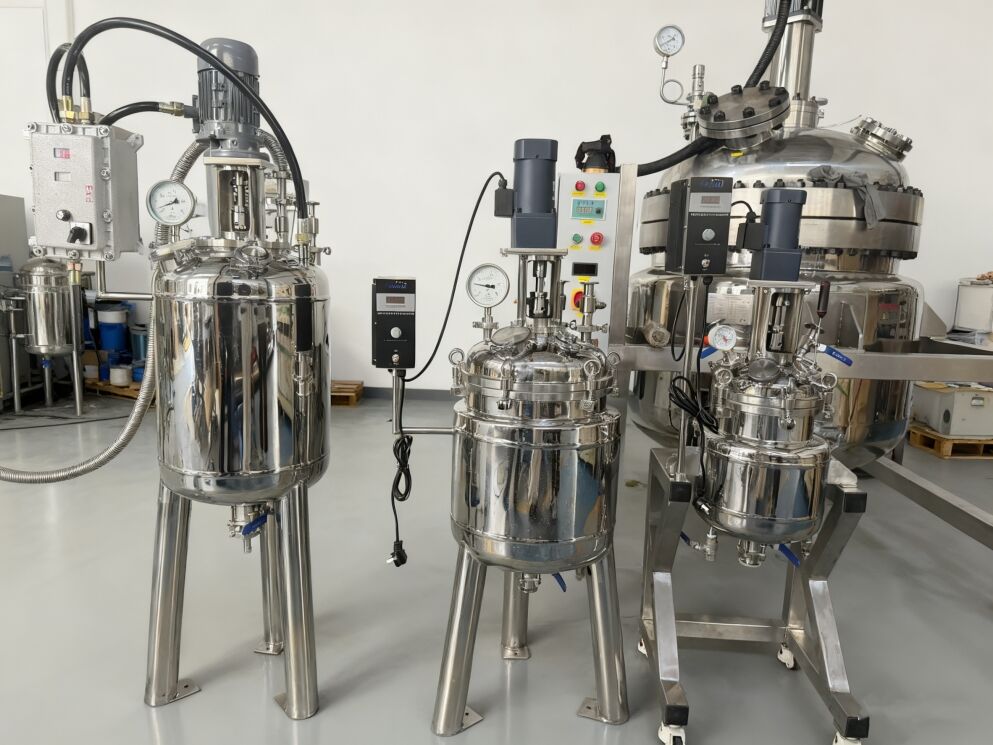
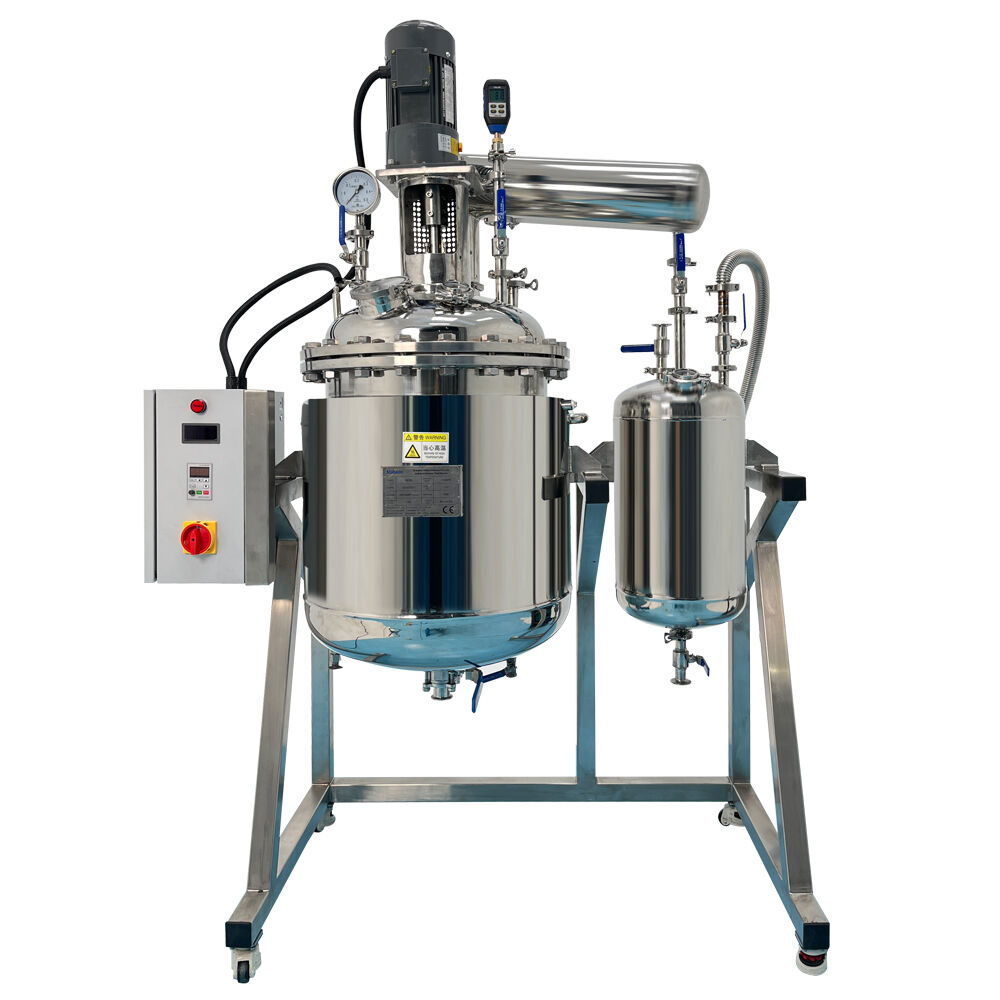
A stirred chemical reactor represents a fundamental piece of equipment in chemical processing industries, designed to facilitate controlled chemical reactions through continuous mixing and agitation. This versatile vessel combines reactants under precisely controlled conditions, ensuring optimal reaction rates and product quality. The stirred chemical reactor incorporates a mechanical agitation system that maintains uniform temperature distribution, concentration gradients, and mass transfer throughout the reaction mixture. The primary functions of a stirred chemical reactor include mixing different chemical components, controlling reaction temperatures through integrated heating or cooling systems, and maintaining consistent pressure conditions. These reactors feature robust construction materials such as stainless steel, carbon steel, or specialized alloys, depending on the chemical compatibility requirements. The technological features encompass advanced control systems that monitor and adjust critical parameters including temperature, pressure, pH levels, and mixing speed. Many stirred chemical reactor units integrate sophisticated sensors and automated control panels that enable precise process management and data logging capabilities. The mixing mechanism typically employs various impeller designs, ranging from simple paddle configurations to complex turbine systems, each optimized for specific viscosity ranges and mixing requirements. Applications span across pharmaceutical manufacturing, petrochemical processing, food production, polymer synthesis, and specialty chemical manufacturing. In pharmaceutical applications, stirred chemical reactor systems ensure consistent drug formulation and API synthesis under sterile conditions. The petrochemical industry utilizes these reactors for complex hydrocarbon processing, catalyst reactions, and refining operations. Food processing applications include fermentation processes, emulsification, and ingredient blending. The versatility of stirred chemical reactor technology makes it indispensable for both batch and continuous processing operations, accommodating volumes from laboratory scale to large industrial production capacities.

New Product Releases

The stirred chemical reactor delivers exceptional operational benefits that directly impact productivity and profitability for manufacturing facilities. Enhanced mixing efficiency stands as the primary advantage, ensuring complete homogenization of reactants and eliminating dead zones that could compromise product quality. This superior mixing capability reduces reaction times significantly, allowing manufacturers to increase throughput and meet demanding production schedules. The precise temperature control features of stirred chemical reactor systems prevent hotspots and thermal gradients that could lead to unwanted side reactions or product degradation. This temperature uniformity translates into higher yields and consistent product specifications, reducing waste and rework costs. The robust construction and reliable mechanical systems minimize unplanned downtime, ensuring continuous production operations and meeting delivery commitments. Maintenance requirements remain minimal due to the straightforward design and accessible components, reducing operational costs and extending equipment lifespan. The stirred chemical reactor adapts easily to different production requirements, handling varying batch sizes and chemical formulations without extensive modifications. This flexibility allows manufacturers to respond quickly to market demands and optimize production planning. Energy efficiency represents another significant advantage, as the optimized mixing patterns reduce power consumption while maintaining effective heat and mass transfer. The integrated control systems provide real-time monitoring and automated adjustments, reducing labor costs and minimizing human error risks. Safety features built into stirred chemical reactor designs protect operators and facilities from hazardous conditions, including pressure relief systems, emergency shutdown capabilities, and containment measures. The scalability of these systems enables smooth transitions from pilot-scale development to full production, reducing technology transfer risks and accelerating time-to-market for new products. Quality consistency improves dramatically with stirred chemical reactor technology, as the controlled environment eliminates batch-to-batch variations that plague less sophisticated mixing systems. The data logging and process documentation capabilities support regulatory compliance requirements and facilitate continuous improvement initiatives. Investment returns prove substantial due to increased productivity, reduced waste, improved quality, and lower operational costs, making the stirred chemical reactor an economically attractive solution for chemical processing operations.

Practical Tips

Mastering the Art of Chemical Processing with Jacketed Stainless Steel Reactors

29

Oct

Mastering the Art of Chemical Processing with Jacketed Stainless Steel Reactors

Understanding Jacketed Stainless Steel Reactors: Design and Core Functionality What Are Jacketed Stainless Steel Reactors? Jacketed stainless steel reactors consist of a main reaction area inside what's called a jacket or outer shell. Between these ...
View More
What Makes a Stainless Steel Reactor Ideal for Chemical Processing Industries?

10

Nov

What Makes a Stainless Steel Reactor Ideal for Chemical Processing Industries?

Chemical processing industries demand equipment that delivers exceptional performance, durability, and safety standards. Among the various types of reactors available, the stainless steel reactor has emerged as the preferred choice for countless appl...
View More
How to Select a High Pressure Reactor for Industrial Chemical Synthesis?

24

Dec

How to Select a High Pressure Reactor for Industrial Chemical Synthesis?

Industrial chemical synthesis often requires precise control over reaction conditions, with pressure being one of the most critical parameters. A high pressure reactor serves as the cornerstone equipment for processes demanding elevated pressures, en...
View More
What Design Features Matter in a Rotary and Liftable Stainless Steel Reactor?

20

Jan

What Design Features Matter in a Rotary and Liftable Stainless Steel Reactor?

Modern industrial chemical processing demands precision, efficiency, and reliability in every piece of equipment. Among the most critical components in pharmaceutical, chemical, and biotechnology manufacturing is the rotary and liftable stainless ste...
View More

Get a Free Quote

Our representative will contact you soon.
Email
Name
Contact Number
Company Name
Message
0/1000

stirred chemical reactor

Advanced Mixing Technology for Superior Product Quality

Advanced Mixing Technology for Superior Product Quality

The stirred chemical reactor incorporates state-of-the-art mixing technology that revolutionizes chemical processing by ensuring complete homogenization and optimal reaction conditions. This advanced mixing system utilizes carefully engineered impeller designs that create specific flow patterns tailored to different chemical processes and viscosity requirements. The precision-engineered agitation mechanism generates controlled turbulence that promotes efficient mass transfer while minimizing energy consumption. Unlike conventional mixing methods, the stirred chemical reactor maintains consistent mixing intensity throughout the entire vessel volume, eliminating stagnant zones and ensuring uniform distribution of reactants, catalysts, and additives. This technological superiority directly translates into enhanced product quality, as chemical reactions proceed uniformly without localized concentration variations that could compromise final product specifications. The variable speed control capabilities allow operators to adjust mixing intensity based on specific process requirements, accommodating different phases of the reaction cycle from initial mixing through final product formation. The robust bearing systems and precision-balanced impellers ensure smooth operation even under demanding conditions, maintaining consistent performance over extended operating periods. Temperature-sensitive reactions benefit significantly from the gentle yet effective mixing action that prevents thermal degradation while ensuring complete reaction conversion. The modular impeller design enables easy customization for specific applications, whether handling low-viscosity liquids or thick, viscous materials. Quality control becomes more predictable and reliable with this advanced mixing technology, as the consistent conditions eliminate the variables that traditionally cause batch-to-batch variations. Manufacturing facilities report significant improvements in product uniformity, reduced rejection rates, and enhanced customer satisfaction when implementing stirred chemical reactor systems with advanced mixing capabilities. The technology also supports complex multi-phase reactions, emulsification processes, and suspension maintenance, expanding the range of possible applications and product formulations.
Comprehensive Process Control and Automation Features

Comprehensive Process Control and Automation Features

The stirred chemical reactor excels in process control and automation, offering manufacturers unprecedented precision and reliability in chemical processing operations. The integrated control system encompasses multiple sensors and monitoring devices that continuously track critical process parameters including temperature, pressure, pH, conductivity, and mixing speed. This comprehensive monitoring capability enables real-time process optimization and immediate response to any deviations from target conditions. The advanced automation features include programmable logic controllers that execute complex reaction sequences automatically, reducing operator intervention and minimizing human error risks. Recipe management systems store multiple process formulations, allowing quick changeovers between different products while maintaining consistent quality standards. The stirred chemical reactor control interface provides intuitive operation through touchscreen displays that present process data in easily interpretable formats, enabling operators to make informed decisions quickly. Alarm systems alert personnel to any abnormal conditions, while automated safety interlocks prevent dangerous situations by automatically adjusting process parameters or initiating emergency shutdown procedures. Data logging capabilities capture detailed process history, supporting quality assurance requirements and regulatory compliance documentation. The control system integrates seamlessly with plant-wide manufacturing execution systems, enabling coordinated production planning and real-time performance monitoring across multiple production lines. Remote monitoring capabilities allow supervisory personnel to oversee operations from central control rooms, optimizing resource allocation and response times. The automation features significantly reduce labor requirements while improving process consistency, as human variables are minimized through programmed control sequences. Predictive maintenance functions analyze equipment performance data to schedule maintenance activities proactively, preventing unexpected failures and optimizing equipment availability. The flexible control architecture accommodates future upgrades and modifications, protecting technology investments and enabling continuous improvement initiatives. Training requirements decrease substantially due to the user-friendly interfaces and automated operation sequences, reducing onboarding time for new operators and minimizing specialized skill requirements.
Versatile Design for Multiple Industry Applications

Versatile Design for Multiple Industry Applications

The stirred chemical reactor demonstrates remarkable versatility through its adaptable design that serves diverse industry requirements across pharmaceutical, chemical, food processing, and specialty manufacturing sectors. This flexibility stems from the modular construction approach that allows customization of materials, configurations, and auxiliary systems to match specific application demands. In pharmaceutical manufacturing, the stirred chemical reactor accommodates stringent sterility requirements through specialized surface finishes, validation protocols, and containment systems that prevent cross-contamination. The reactor design supports both active pharmaceutical ingredient synthesis and formulation processes, handling everything from simple solution preparation to complex multi-step chemical transformations. Food processing applications benefit from sanitary design features including smooth internal surfaces, drainage capabilities, and cleaning-in-place systems that ensure product safety and regulatory compliance. The chemical industry utilizes stirred chemical reactor systems for diverse applications ranging from polymer synthesis to catalyst preparation, with each configuration optimized for specific reaction chemistry and processing requirements. Specialty chemical manufacturers appreciate the ability to handle corrosive materials through specialized alloy construction and protective coatings that extend equipment lifespan in aggressive environments. The scalable design philosophy enables smooth transitions from research and development through pilot testing to full-scale production, maintaining process consistency throughout scale-up activities. Batch processing capabilities accommodate varying production volumes and frequent product changeovers, while continuous processing options support high-volume, steady-state operations. The stirred chemical reactor adapts to different heating and cooling requirements through various heat transfer configurations including jacket systems, internal coils, and external heat exchangers. Pressure vessel certifications enable operation under vacuum conditions or elevated pressures, expanding the range of possible reactions and processing conditions. Multi-purpose functionality allows single equipment installations to handle multiple products or process steps, maximizing capital utilization and reducing facility footprint requirements. The design flexibility extends to ancillary systems including material feeding mechanisms, product discharge systems, and vapor handling equipment, creating comprehensive processing solutions tailored to specific manufacturing needs.

Get a Free Quote

Our representative will contact you soon.
Email
Name
Contact Number
Company Name
Message
0/1000