chemical reactions and chemical reactors
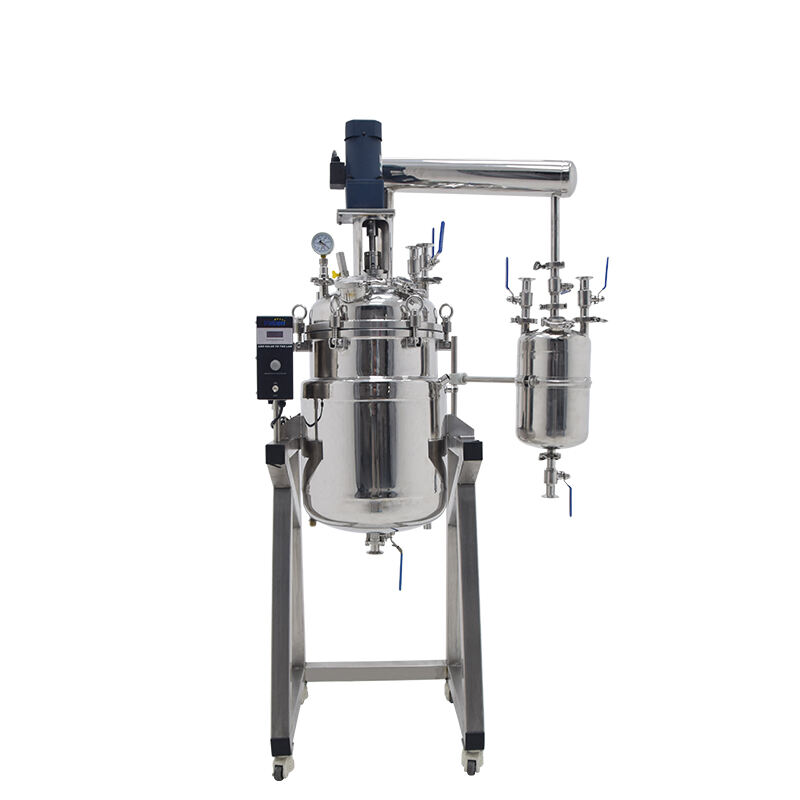
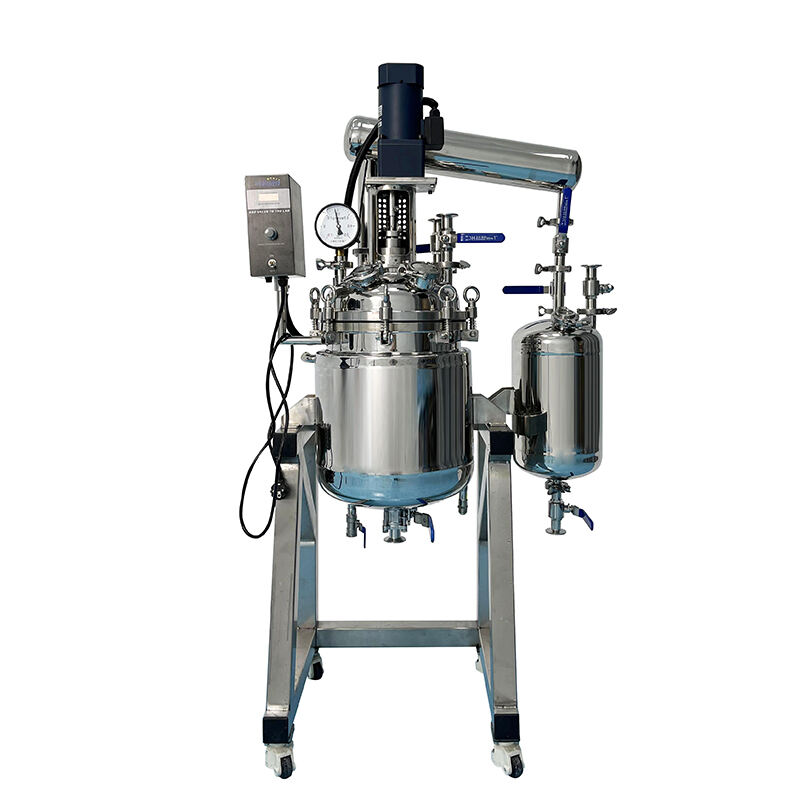
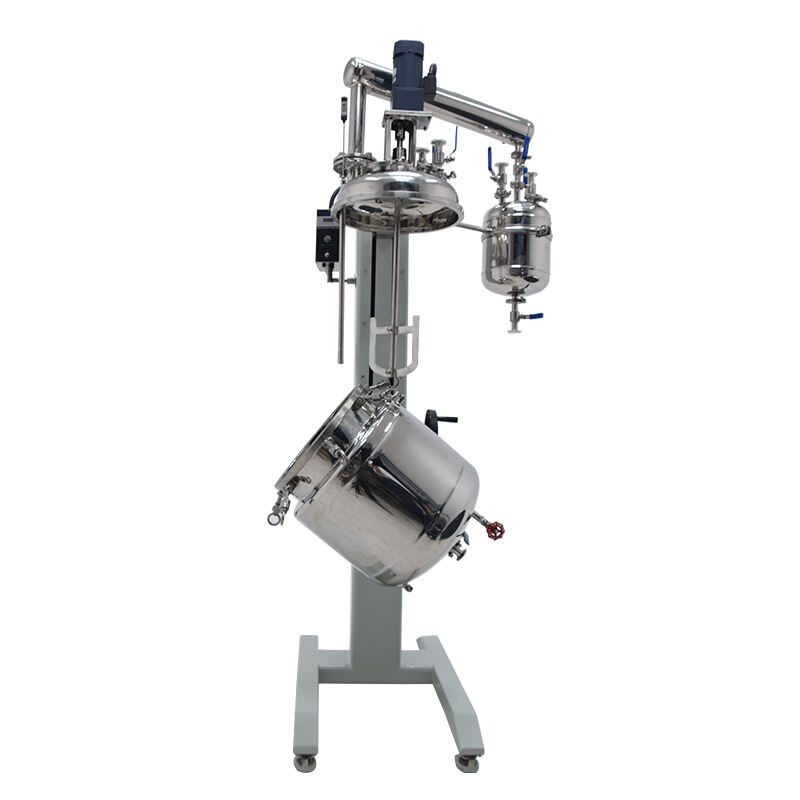
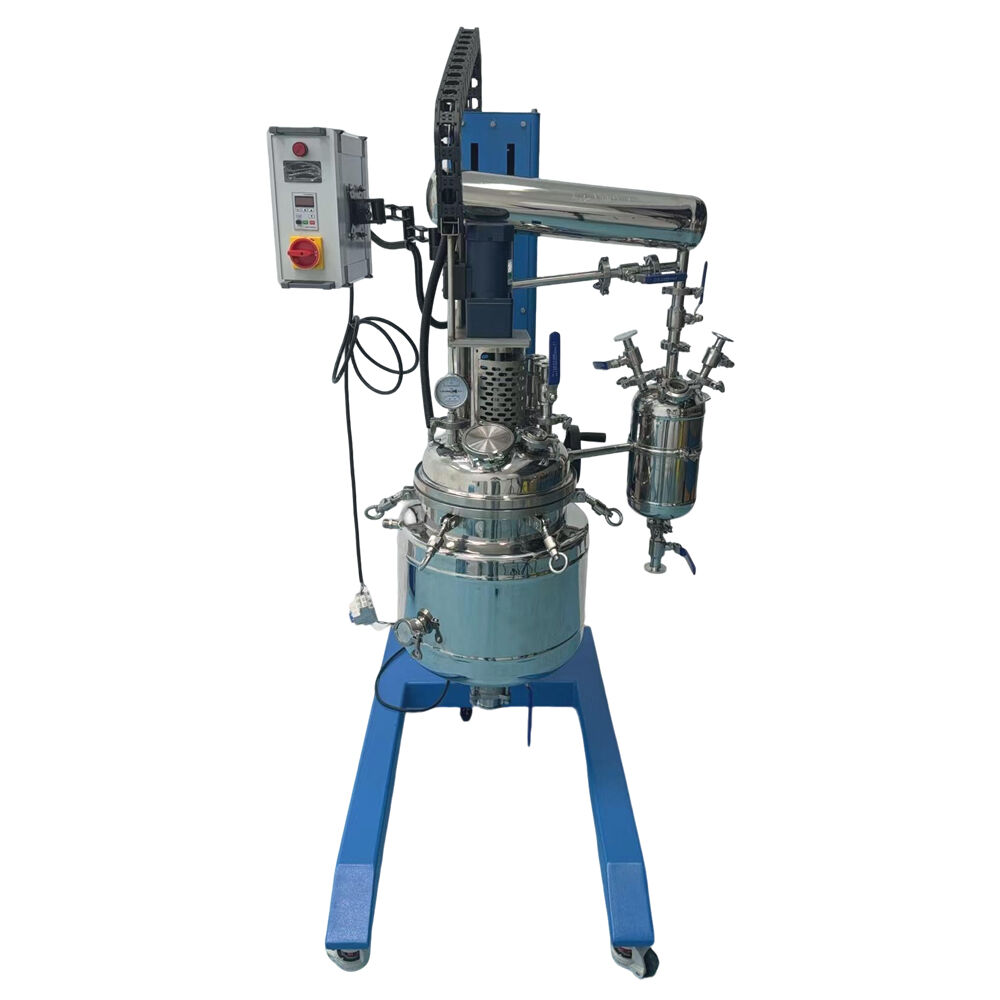
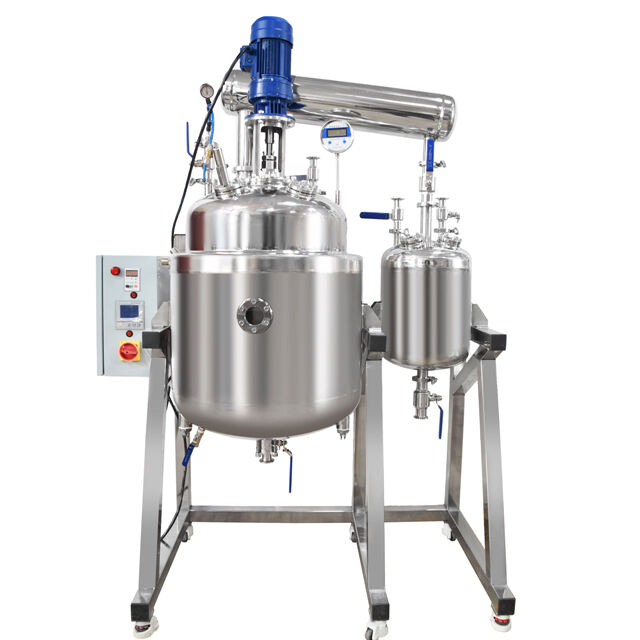
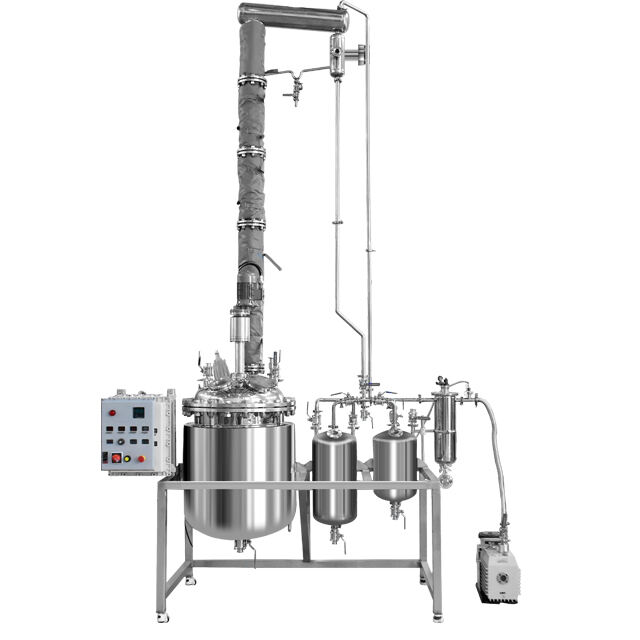
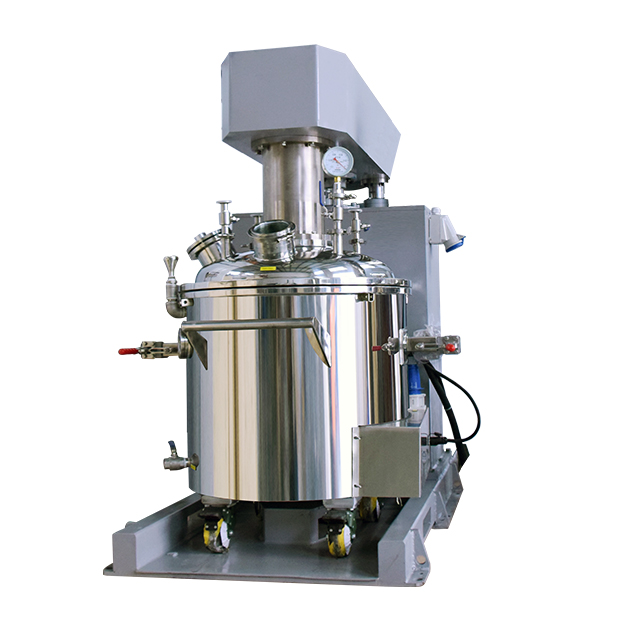
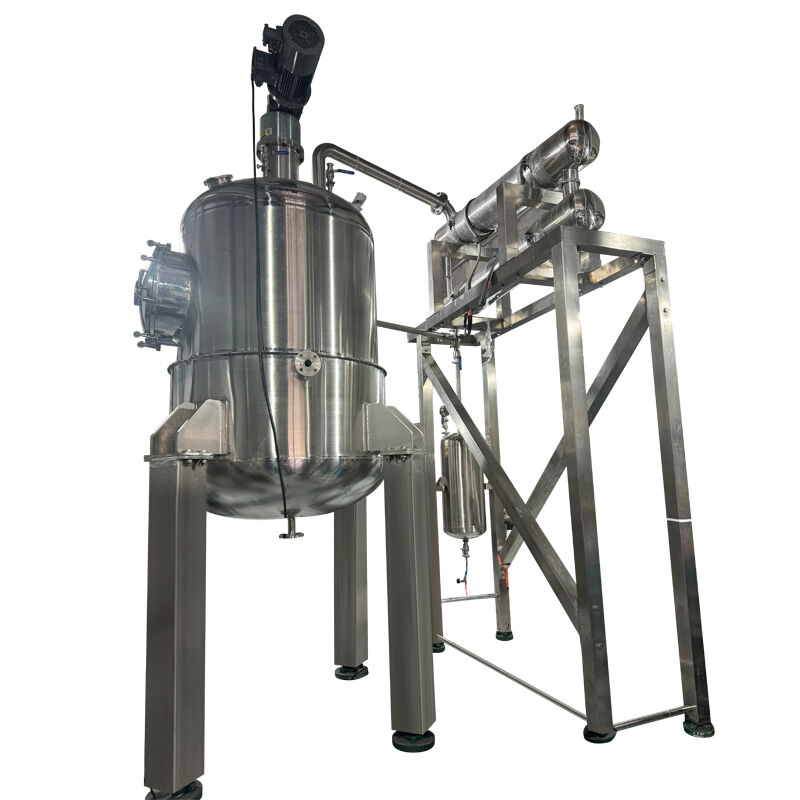
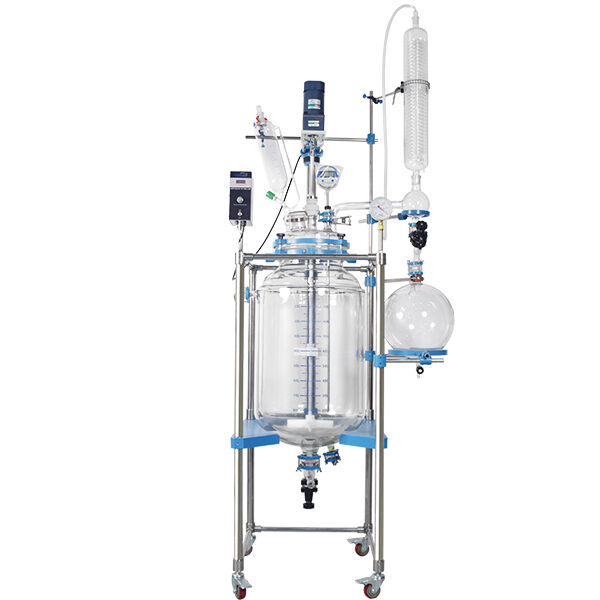
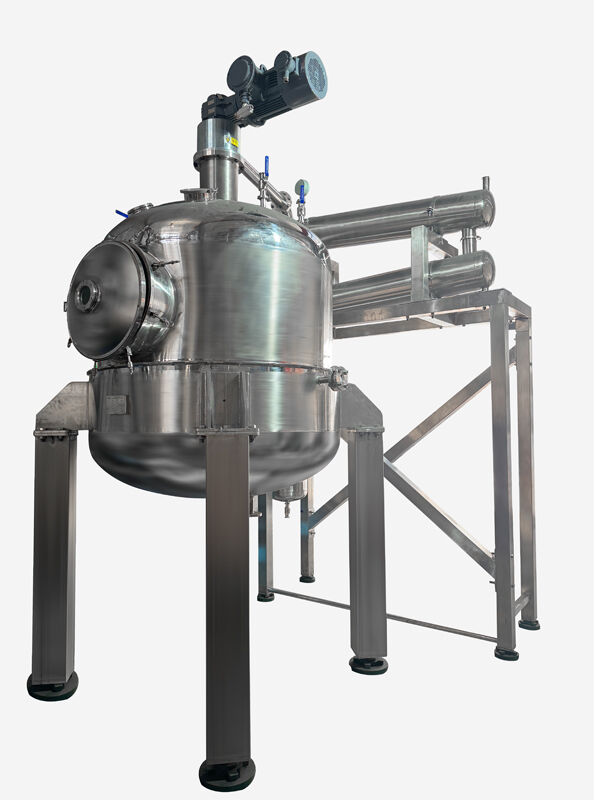
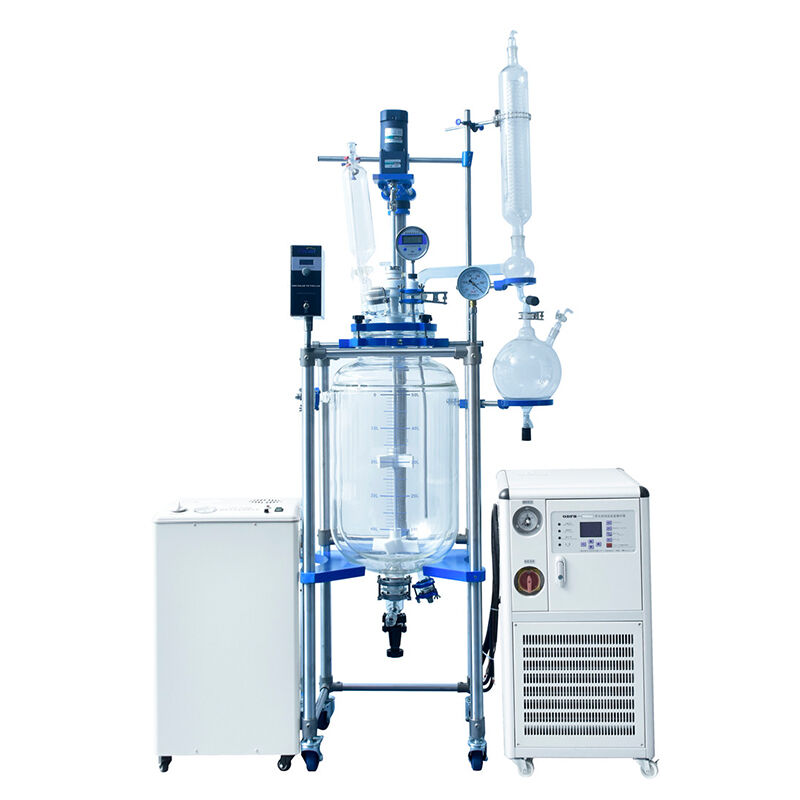
Chemical reactions and chemical reactors represent the cornerstone of modern industrial processes, serving as fundamental components that drive countless manufacturing operations across diverse industries. Chemical reactions involve the transformation of reactants into products through molecular interactions, bond breaking, and bond formation processes. These reactions occur within specialized equipment known as chemical reactors, which provide controlled environments for optimal reaction conditions. Chemical reactors are engineered vessels designed to facilitate, monitor, and optimize chemical transformations while ensuring safety, efficiency, and product quality. The main functions of chemical reactions and chemical reactors encompass several critical aspects of industrial manufacturing. Primary functions include providing controlled temperature and pressure environments, enabling precise mixing of reactants, facilitating heat transfer management, and maintaining optimal residence time for complete conversion. Chemical reactors also serve to contain hazardous materials safely, prevent unwanted side reactions, and maximize desired product yield. The technological features of modern chemical reactions and chemical reactors incorporate advanced automation systems, real-time monitoring capabilities, and sophisticated control mechanisms. These systems utilize sensors for temperature, pressure, flow rate, and composition monitoring, ensuring precise process control throughout the reaction cycle. Many reactors feature jacketed designs for efficient heat exchange, variable agitation systems for optimal mixing, and modular construction for flexible operation. Applications of chemical reactions and chemical reactors span numerous industries including pharmaceuticals, petrochemicals, food processing, specialty chemicals, and environmental treatment. In pharmaceutical manufacturing, these systems enable precise synthesis of active ingredients under sterile conditions. Petrochemical industries rely on large-scale reactors for refining processes, polymer production, and fuel manufacturing. Food processing utilizes controlled reactions for fermentation, preservation, and flavor enhancement. Environmental applications include wastewater treatment, air purification, and waste conversion processes, demonstrating the versatility and importance of chemical reactions and chemical reactors in modern industrial operations.
 EN
EN