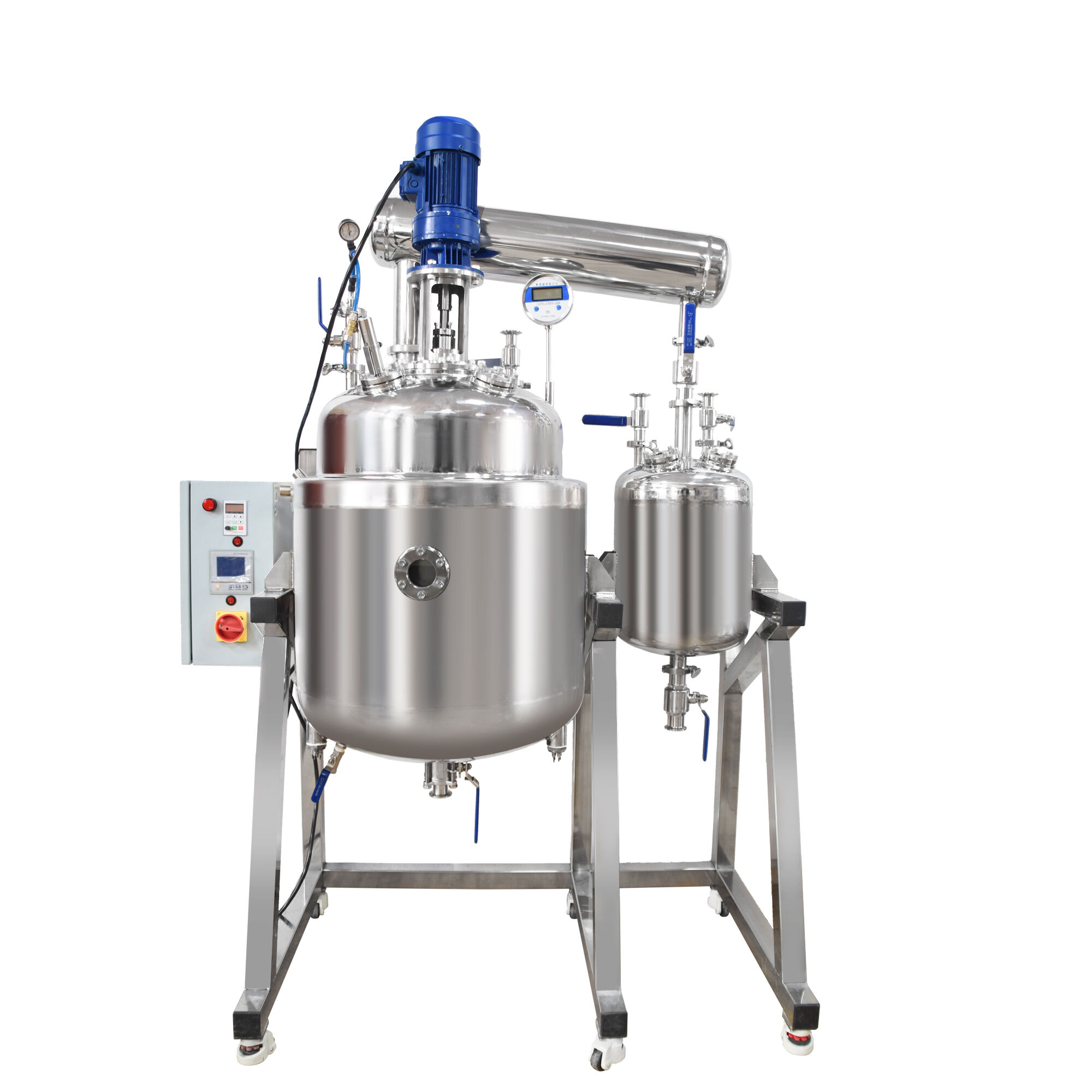
Pilot Scale Distillation Reactor: Advanced Process Development Solutions

Get a Free Quote

Our representative will contact you soon.
Email
Name
Contact Number
Company Name
Message
0/1000

pilot scale distillation reactor

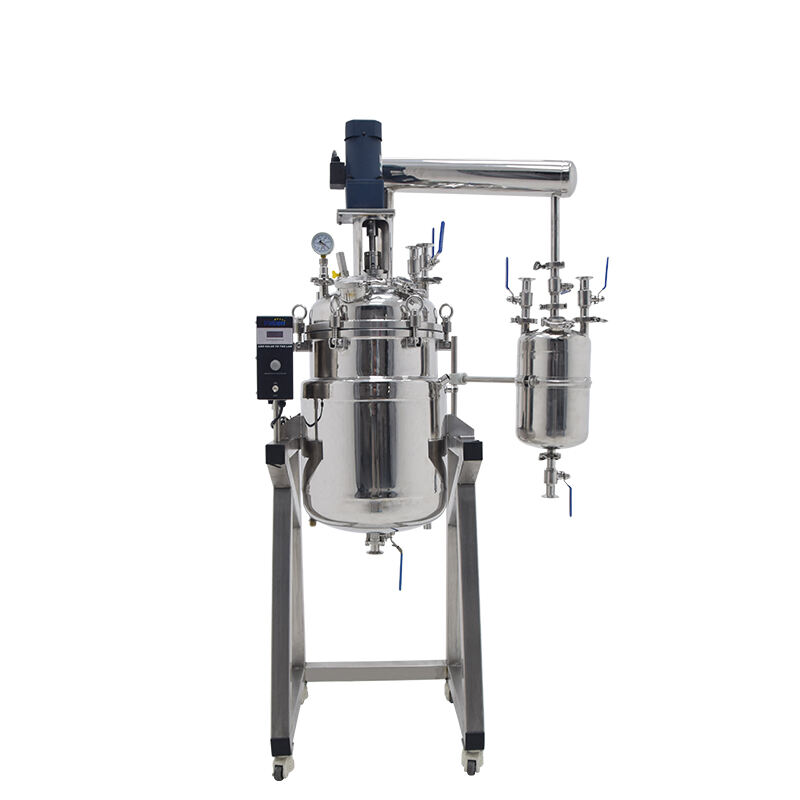
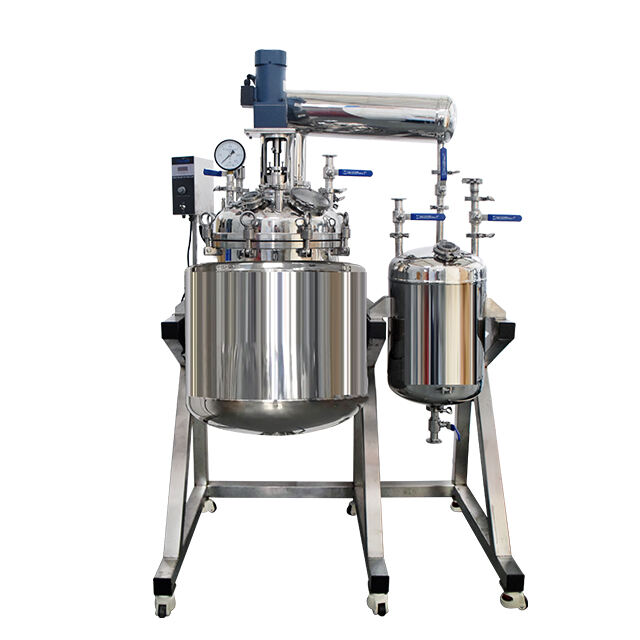
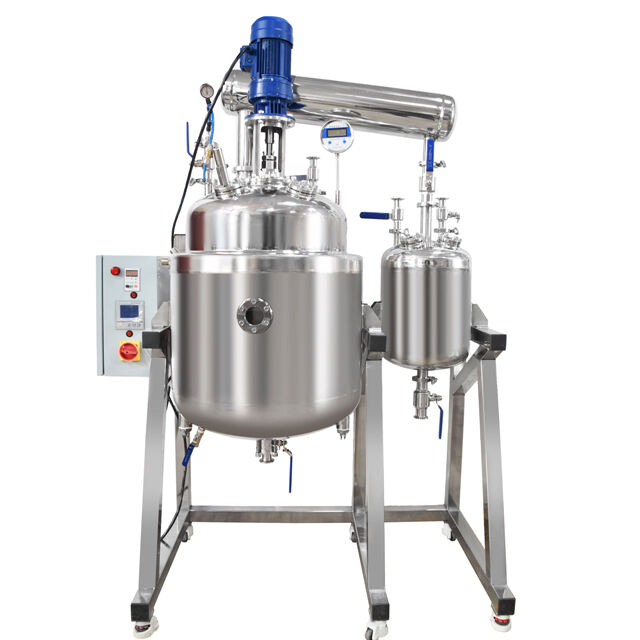
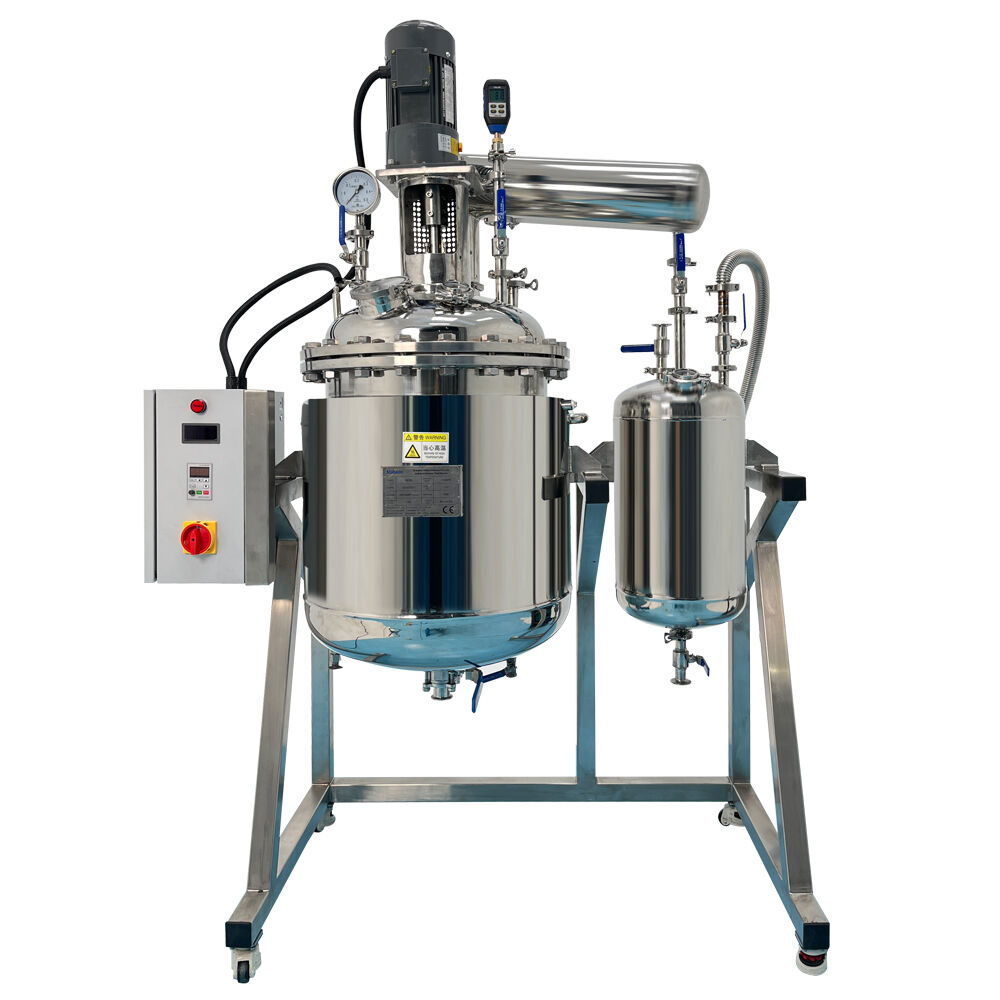
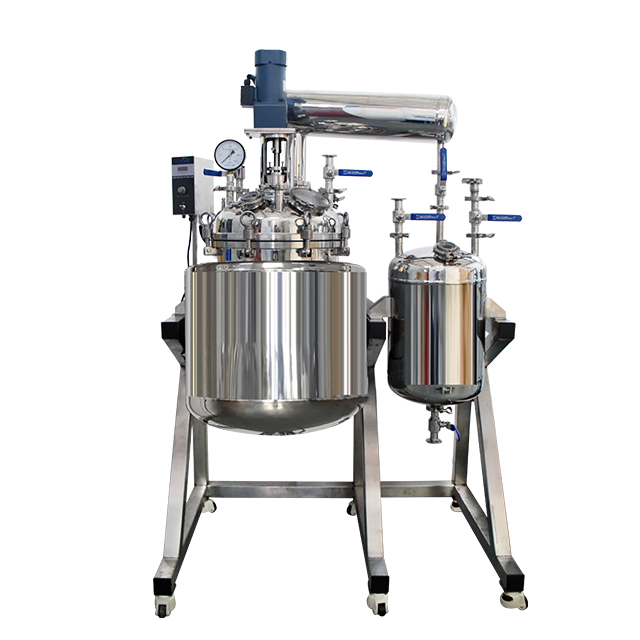
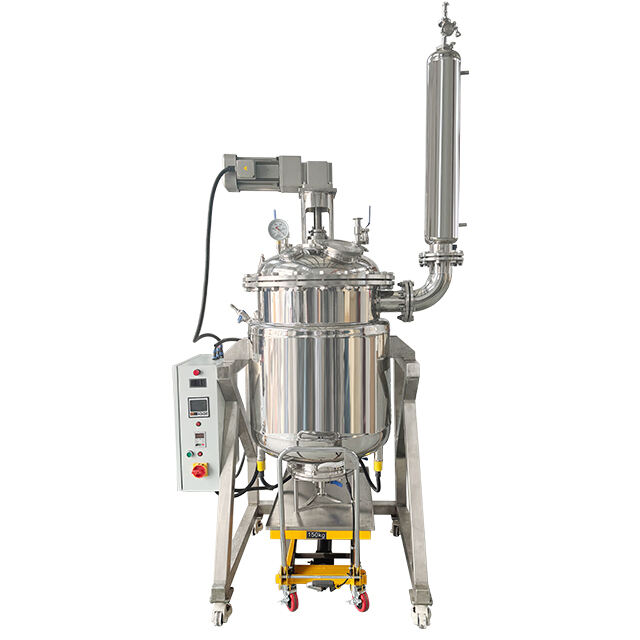
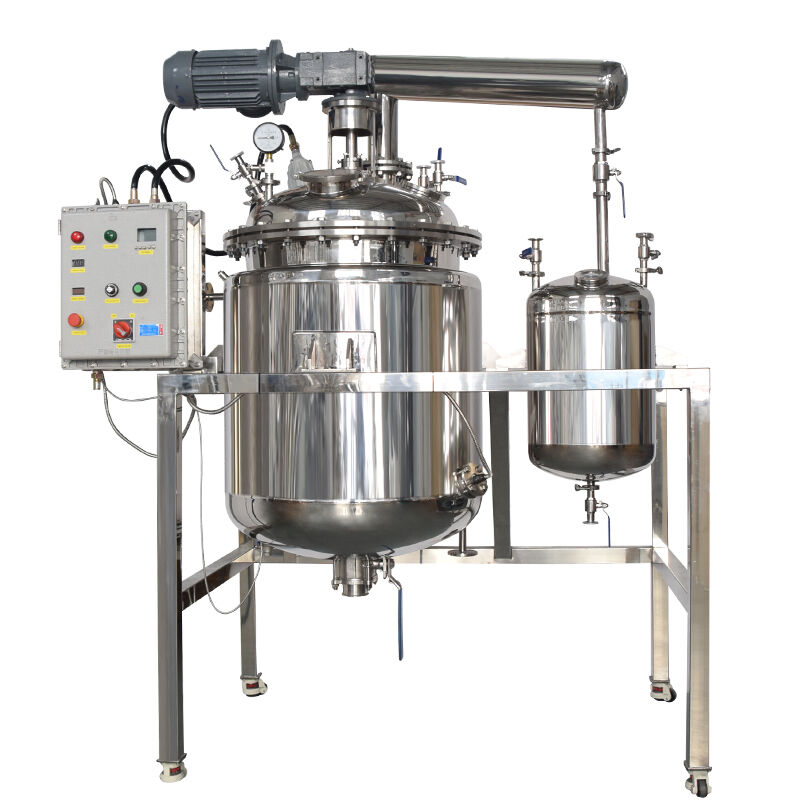
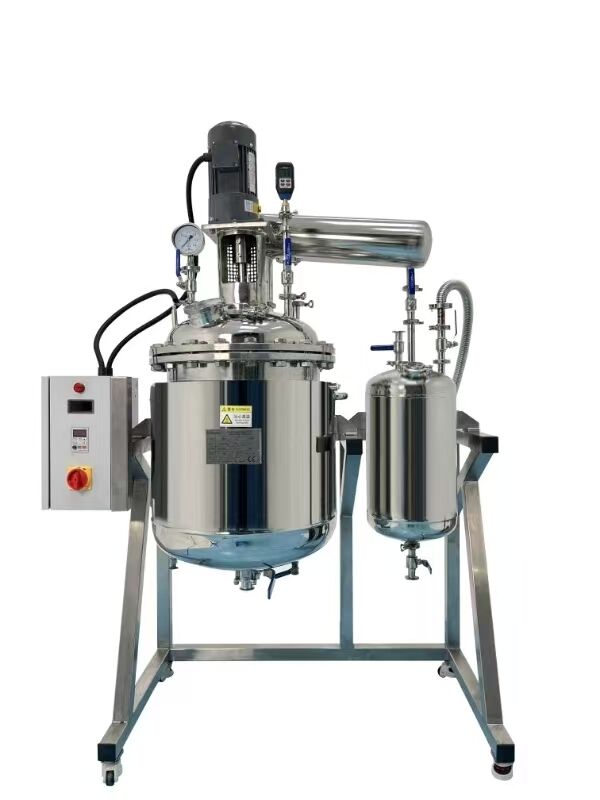
A pilot scale distillation reactor represents a crucial intermediate step between laboratory research and full-scale industrial production, offering researchers and manufacturers an essential platform for process development and optimization. This sophisticated equipment serves as a bridge that transforms theoretical concepts into practical applications, enabling companies to validate their distillation processes before committing to large-scale manufacturing investments. The pilot scale distillation reactor operates on the fundamental principles of selective vaporization and condensation, allowing for the separation of liquid mixtures based on differences in boiling points and vapor pressures. These systems typically feature capacities ranging from several liters to hundreds of liters, making them ideal for testing chemical processes, pharmaceutical formulations, and specialty chemical production. The reactor incorporates advanced control systems that monitor and regulate temperature, pressure, flow rates, and composition throughout the distillation process. Modern pilot scale distillation reactors utilize cutting-edge automation technology, including programmable logic controllers and sophisticated instrumentation that ensures precise operation and data collection. The technological features include high-efficiency packing materials, advanced heat exchange systems, and integrated sampling ports that facilitate real-time monitoring. These reactors often incorporate multiple theoretical plates or packing sections to achieve optimal separation efficiency while maintaining operational flexibility. The applications span across numerous industries including pharmaceuticals, petrochemicals, fine chemicals, food processing, and environmental remediation. In pharmaceutical manufacturing, pilot scale distillation reactors enable the purification of active pharmaceutical ingredients and the removal of impurities. The petrochemical industry utilizes these systems for developing new refining processes and optimizing existing separation techniques. Environmental applications include solvent recovery, waste treatment, and the purification of contaminated materials, making the pilot scale distillation reactor an indispensable tool for sustainable manufacturing practices.

New Product Recommendations

The pilot scale distillation reactor delivers exceptional cost-effectiveness by allowing companies to thoroughly test and optimize their processes before scaling up to full production. This approach significantly reduces the financial risks associated with large-scale manufacturing investments and prevents costly mistakes that could occur without proper process validation. Companies can identify potential problems early in the development cycle, saving substantial amounts of money that would otherwise be spent on troubleshooting at the industrial scale. The reactor provides unparalleled flexibility in process development, enabling researchers to experiment with different operating conditions, feed compositions, and separation strategies. This adaptability allows for rapid prototyping and iterative improvements, accelerating the overall development timeline from concept to commercial production. The system enables precise control over critical parameters such as temperature profiles, reflux ratios, and residence times, ensuring optimal separation performance and product quality. Data generated from pilot scale distillation reactor operations provides valuable insights for scaling up to commercial production, including heat and mass transfer coefficients, separation efficiency data, and energy consumption patterns. This comprehensive data collection eliminates much of the guesswork involved in scale-up calculations and reduces the uncertainty inherent in moving from laboratory to production scale. The reactor offers significant risk mitigation by allowing thorough testing of safety protocols, emergency procedures, and operational limits in a controlled environment before implementing these procedures at industrial scale. This testing capability is particularly important for handling hazardous materials or operating under extreme conditions. The equipment provides excellent training opportunities for operators and engineers, allowing them to gain hands-on experience with distillation processes without the pressures and risks associated with full-scale production. This training aspect ensures that personnel are well-prepared to operate larger systems effectively and safely. The pilot scale distillation reactor also enables regulatory compliance testing, allowing companies to demonstrate process safety and environmental compliance to regulatory agencies before proceeding with commercial implementation. This capability is essential for industries with strict regulatory requirements such as pharmaceuticals and chemicals.

Latest News

How to Select a Crystallization Reactor for Pharmaceutical Crystallization?

24

Dec

How to Select a Crystallization Reactor for Pharmaceutical Crystallization?

Selecting the right crystallization reactor for pharmaceutical manufacturing requires careful consideration of multiple technical and operational factors that directly impact product quality, yield, and process efficiency. The pharmaceutical industry...
View More
What Operating Conditions Affect Fractional Distillation Performance?

24

Dec

What Operating Conditions Affect Fractional Distillation Performance?

Fractional distillation represents one of the most critical separation techniques in chemical processing, petrochemical industries, and laboratory applications. The effectiveness of this process depends heavily on various operating conditions that di...
View More
What Design Features Matter in a Rotary and Liftable Stainless Steel Reactor?

20

Jan

What Design Features Matter in a Rotary and Liftable Stainless Steel Reactor?

Modern industrial chemical processing demands precision, efficiency, and reliability in every piece of equipment. Among the most critical components in pharmaceutical, chemical, and biotechnology manufacturing is the rotary and liftable stainless ste...
View More
Explosion-Proof Glass Molecular Distillation System: Principles, Design, and Applications

30

Jan

Explosion-Proof Glass Molecular Distillation System: Principles, Design, and Applications

An explosion-proof glass molecular distillation system is a critical solution for the separation and purification of high-value, heat-sensitive, and solvent-based materials. As industries increasingly demand higher purity, safer operation, and gentle...
View More

Get a Free Quote

Our representative will contact you soon.
Email
Name
Contact Number
Company Name
Message
0/1000

pilot scale distillation reactor

Advanced Process Control and Automation Capabilities

Advanced Process Control and Automation Capabilities

The pilot scale distillation reactor incorporates state-of-the-art process control and automation systems that revolutionize how distillation processes are developed and optimized. These sophisticated control systems feature programmable logic controllers integrated with advanced human-machine interfaces, enabling precise monitoring and adjustment of critical process parameters in real-time. The automation capabilities include automated startup and shutdown sequences, emergency response protocols, and predictive maintenance algorithms that ensure consistent operation and minimize downtime. The control system continuously monitors temperature profiles throughout the column, pressure differentials across packing sections, flow rates of feed and product streams, and composition analysis through integrated analytical instruments. This comprehensive monitoring capability allows operators to make immediate adjustments to optimize separation performance and product quality. The pilot scale distillation reactor features advanced cascade control strategies that maintain optimal reflux ratios, reboiler heat input, and product withdrawal rates automatically, reducing operator workload and improving process consistency. The system includes sophisticated alarm management that alerts operators to potential issues before they become critical problems, enabling proactive intervention and preventing process upsets. Data logging capabilities capture all process variables continuously, creating a comprehensive database that supports process optimization, troubleshooting, and regulatory compliance documentation. The automation system includes recipe management functionality that allows operators to save and recall proven operating procedures, ensuring consistent results across multiple production runs. Advanced process control features include model predictive control algorithms that anticipate process changes and make preemptive adjustments to maintain optimal performance. The system supports remote monitoring and control capabilities, enabling expert oversight from multiple locations and facilitating collaboration between research teams. These automation capabilities significantly reduce the learning curve for new operators while ensuring that experienced personnel can focus on process optimization rather than routine operational tasks, making the pilot scale distillation reactor an invaluable tool for efficient process development.
Exceptional Scalability and Design Flexibility

Exceptional Scalability and Design Flexibility

The pilot scale distillation reactor excels in providing exceptional scalability and design flexibility that accommodates a wide range of separation requirements and development objectives. The modular design philosophy allows researchers to configure the system with different column diameters, packing types, and theoretical plate numbers to match specific separation challenges. This flexibility enables testing of various distillation configurations including simple distillation, fractional distillation, azeotropic distillation, and extractive distillation within the same equipment platform. The reactor can be equipped with different types of internals such as structured packing, random packing, or distillation trays, allowing direct comparison of separation performance under identical operating conditions. The scalable design ensures that data generated at pilot scale translates accurately to commercial scale operations, maintaining geometric similarity and preserving key dimensionless groups that govern mass and heat transfer processes. The system accommodates different heating methods including steam heating, thermal oil circulation, electrical heating elements, and even microwave heating for specialized applications. Cooling systems can be configured for water cooling, refrigerated cooling, or specialized cooling media depending on the boiling points and thermal sensitivity of the materials being processed. The pilot scale distillation reactor features multiple sampling ports strategically located throughout the column height, enabling detailed composition profiling and mass balance verification. Feed introduction points can be varied to optimize feed plate location for different separation tasks, and multiple product withdrawal points allow for side-stream collection when processing multi-component mixtures. The flexible design accommodates batch, semi-batch, and continuous operation modes, enabling researchers to evaluate different processing strategies and select the most economical approach for commercial implementation. Instrumentation ports can be customized to accommodate specific analytical requirements, including in-line density meters, refractive index monitors, gas chromatography sampling systems, and spectroscopic analyzers. The reactor supports operation across a wide range of pressures from deep vacuum to moderate pressure conditions, expanding its applicability to thermally sensitive materials and high-boiling compounds. This exceptional flexibility makes the pilot scale distillation reactor suitable for diverse industries and enables comprehensive process development that addresses all aspects of commercial viability.

Superior Data Collection and Process Optimization Features

Superior Data Collection and Process Optimization Features

The pilot scale distillation reactor delivers superior data collection and process optimization capabilities that provide unprecedented insights into distillation performance and enable systematic process improvement. The comprehensive instrumentation package includes high-accuracy temperature sensors positioned at multiple column heights, enabling detailed temperature profiling and identification of optimal operating conditions. Pressure transmitters monitor differential pressures across packing sections and provide critical information about flooding limits and optimal vapor velocities. Flow measurement systems track feed rates, reflux flows, distillate and bottoms product streams with exceptional accuracy, enabling precise mass balance calculations and yield determinations. The data acquisition system captures all process variables at high frequency, creating detailed time-series databases that support advanced process analysis and modeling. Integrated analytical systems provide real-time composition monitoring through techniques such as online gas chromatography, near-infrared spectroscopy, and refractive index measurement, enabling immediate feedback on separation performance and product quality. The pilot scale distillation reactor incorporates advanced process optimization algorithms that automatically adjust operating parameters to maximize separation efficiency, minimize energy consumption, or optimize product purity based on user-defined objectives. Statistical process control capabilities identify trends and variations in process performance, enabling proactive adjustments that maintain consistent product quality. The system generates comprehensive reports that document operating conditions, product specifications, energy consumption, and separation efficiency metrics, providing essential data for economic evaluation and commercial feasibility assessment. Process modeling capabilities allow researchers to develop and validate thermodynamic models, mass transfer correlations, and heat transfer relationships that are essential for accurate scale-up calculations. The data collection system supports design of experiments methodologies, enabling systematic evaluation of process variables and their interactions through statistically designed test programs. Historical data analysis capabilities identify optimal operating windows and provide insights into process sensitivity and robustness. The pilot scale distillation reactor includes economic optimization features that evaluate trade-offs between energy consumption, product purity, and throughput, helping researchers identify the most cost-effective operating strategy. Advanced visualization tools present process data through intuitive graphical interfaces, including real-time trending, McCabe-Thiele diagrams, and composition profiles that facilitate understanding of distillation fundamentals and process performance.

Get a Free Quote

Our representative will contact you soon.
Email
Name
Contact Number
Company Name
Message
0/1000