 EN
EN

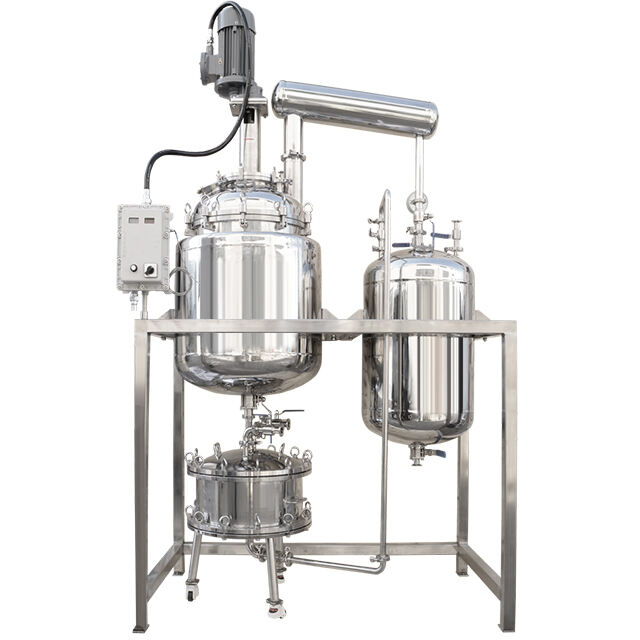
High-performance stainless steel reactors represent the pinnacle of chemical processing equipment, combining robust construction with precision engineering to deliver reliable results across diverse industrial applications. These sophisticated vessels are engineered to withstand extreme conditions while maintaining optimal performance standards, making them indispensable in pharmaceutical, chemical, petrochemical, and food processing industries. The design complexity of a modern stainless steel reactor involves careful consideration of multiple factors including material selection, pressure ratings, temperature control, and safety mechanisms. Understanding the key design features that distinguish high-performance reactors from standard equipment is crucial for engineers, plant managers, and procurement specialists who need to select the right equipment for their specific applications.
Material Selection and Construction Quality
Premium Grade Stainless Steel Alloys
The foundation of any high-performance stainless steel reactor lies in the careful selection of appropriate alloy compositions that can withstand the specific chemical and physical demands of the intended application. Grade 316L stainless steel is commonly utilized for its superior corrosion resistance and low carbon content, which prevents carbide precipitation and maintains structural integrity under high-temperature conditions. For more demanding applications involving highly corrosive chemicals, super-austenitic grades such as 904L or specialized alloys like Hastelloy may be employed to ensure maximum durability and service life.
The metallurgical properties of these premium alloys extend beyond basic corrosion resistance, encompassing factors such as stress corrosion cracking resistance, pitting resistance, and mechanical strength at elevated temperatures. Advanced heat treatment processes are applied during manufacturing to optimize the grain structure and eliminate residual stresses that could compromise performance under cyclic loading conditions. Quality control measures include comprehensive material traceability, mechanical testing, and non-destructive examination to verify that each component meets or exceeds specified performance standards.
Precision Fabrication Techniques
Modern fabrication techniques employed in constructing high-performance reactors involve sophisticated welding procedures, precision machining, and advanced surface finishing processes. Automatic welding systems utilizing tungsten inert gas or plasma arc welding ensure consistent penetration and minimize heat-affected zones that could create weak points or corrosion sites. Post-weld heat treatment procedures are carefully controlled to restore optimal metallurgical properties and relieve welding-induced stresses throughout the vessel structure.
Surface finishing plays a critical role in reactor performance, particularly in applications requiring high levels of cleanliness or involving sticky or fouling materials. Electropolishing processes create mirror-smooth internal surfaces that minimize particle adhesion, facilitate cleaning, and reduce the risk of contamination. The surface roughness is typically controlled to Ra values below 0.4 micrometers, significantly improving cleanability and reducing bacterial adhesion in pharmaceutical and food processing applications.
Pressure and Temperature Management Systems
High-Pressure Design Considerations
High-performance reactors are engineered to operate safely at elevated pressures, requiring sophisticated design calculations and robust construction methods to ensure structural integrity under extreme conditions. Pressure vessel design codes such as ASME Section VIII provide the fundamental framework for calculating wall thickness, reinforcement requirements, and safety factors based on the intended operating pressure and temperature range. Advanced finite element analysis is employed to optimize stress distribution and identify potential failure modes before construction begins.
Critical pressure-bearing components including the reactor shell, heads, nozzles, and flanged connections are designed with substantial safety margins to accommodate pressure fluctuations and potential overpressure scenarios. Specialized sealing systems utilizing metal-to-metal seals or high-performance elastomeric compounds ensure leak-tight operation while maintaining the ability to withstand thermal cycling and chemical exposure. Pressure relief systems are integrated into the design to protect against catastrophic failure in the event of process upset conditions.
Advanced Temperature Control Mechanisms
Temperature management in high-performance reactors involves sophisticated heating and cooling systems designed to provide precise thermal control throughout the reaction process. Jacketed designs incorporating steam, thermal oil, or electrical heating elements enable rapid temperature changes while maintaining uniform heat distribution across the reactor volume. Advanced control systems monitor multiple temperature points and automatically adjust heating or cooling rates to maintain optimal reaction conditions.
Thermal insulation systems are carefully designed to minimize heat loss while providing access for maintenance and inspection activities. High-temperature insulation materials such as ceramic fiber blankets or vacuum-insulated panels maintain energy efficiency while protecting personnel from burn hazards. Temperature monitoring systems incorporate redundant sensors and alarm functions to alert operators to potentially dangerous thermal excursions that could compromise product quality or safety.
Agitation and Mixing Technologies
Impeller Design and Configuration
The agitation system represents one of the most critical components affecting reactor performance, with impeller design directly influencing mixing efficiency, heat transfer rates, and mass transfer characteristics. High-performance stainless steel reactor systems utilize advanced impeller geometries optimized for specific applications, including radial flow turbines for high shear applications, axial flow propellers for bulk fluid circulation, and specialized designs for gas-liquid or solid-liquid mixing operations.
Computational fluid dynamics modeling is increasingly employed to optimize impeller placement, speed, and geometry for maximum mixing efficiency while minimizing power consumption and mechanical stress. Multiple impeller configurations on a single shaft enable different mixing zones within the reactor, allowing for staged reactions or improved heat transfer in large-scale vessels. Advanced bearing systems and mechanical seals ensure reliable operation under high-pressure and high-temperature conditions while minimizing maintenance requirements.
Variable Speed Drive Systems
Modern agitation systems incorporate variable frequency drives that provide precise speed control and enable optimization of mixing parameters throughout different phases of the reaction cycle. These sophisticated control systems can automatically adjust agitation speed based on real-time process feedback, maintaining optimal mixing conditions while minimizing energy consumption and mechanical wear. Torque monitoring capabilities provide early warning of potential mechanical problems or changes in product rheology that could affect process performance.
Safety interlocks prevent operation outside safe operating parameters and automatically shut down the agitation system in the event of mechanical failure or process upset conditions. Emergency stop functions and fail-safe mechanisms ensure that the reactor can be quickly secured in potentially dangerous situations, protecting both personnel and equipment from damage.
Process Control and Instrumentation
Advanced Sensor Technologies
High-performance reactors incorporate comprehensive instrumentation packages that provide real-time monitoring and control of critical process parameters. Temperature, pressure, level, and flow sensors utilize advanced technologies such as resistance temperature detectors, capacitance-based pressure transmitters, and ultrasonic level measurement systems to ensure accurate and reliable data acquisition. These sensors are designed to withstand the harsh chemical and thermal environments typical of reactor applications while maintaining long-term calibration stability.
Specialized analytical instrumentation may be integrated directly into the reactor system to provide real-time monitoring of chemical composition, pH, dissolved oxygen, or other critical quality parameters. In-line spectroscopic systems enable continuous monitoring of reaction progress without the need for manual sampling, improving both process control and operator safety. Data acquisition systems record all process parameters with high resolution and provide comprehensive historical records for quality assurance and process optimization purposes.
Automated Control Systems
Modern reactor control systems utilize programmable logic controllers or distributed control systems that provide sophisticated process automation and safety interlocks. These systems can execute complex control algorithms that optimize reaction conditions based on real-time feedback, automatically adjusting parameters such as temperature, pressure, agitation speed, and reagent addition rates to maintain optimal process performance. Recipe management capabilities allow operators to store and execute standardized procedures, ensuring consistent product quality and reducing the potential for human error.
Human-machine interfaces provide intuitive operator control panels with graphical displays showing real-time process status, alarm conditions, and historical trends. Remote monitoring capabilities enable process engineers to oversee reactor operations from centralized control rooms or even off-site locations, improving operational efficiency and reducing staffing requirements. Data logging and reporting functions automatically generate production records and regulatory compliance documentation.
Safety Features and Emergency Systems
Pressure Relief and Venting Systems
Safety systems represent perhaps the most critical aspect of reactor design, with multiple layers of protection designed to prevent catastrophic failures and protect personnel from harm. Pressure relief valves are sized and located to provide adequate venting capacity in the event of runaway reactions, cooling system failures, or other emergency scenarios. These devices are typically spring-loaded or pilot-operated designs that automatically open when predetermined pressure limits are exceeded, discharging reactor contents to safe locations through appropriately sized vent systems.
Emergency venting systems may incorporate rupture discs as secondary protection devices that provide fail-safe pressure relief even if primary relief valves malfunction. Vent headers and knockout systems are designed to safely handle discharged materials, including provisions for condensing vapors, neutralizing reactive chemicals, or containing toxic substances. Emergency response procedures and training programs ensure that operators can respond quickly and effectively to potential emergency situations.
Fail-Safe Design Principles
High-performance reactors incorporate fail-safe design principles throughout all systems, ensuring that equipment failures result in safe operating conditions rather than hazardous situations. Emergency shutdown systems can quickly terminate reactions by stopping agitation, isolating feed streams, and initiating emergency cooling or quenching procedures. These systems are designed to function even during power failures or other infrastructure disruptions, utilizing backup power supplies, pneumatic actuators, or gravity-fed emergency systems.
Fire suppression systems may be integrated into reactor designs, particularly for applications involving flammable materials or high-temperature operations. These systems can include water spray deluge systems, foam suppression, or specialized gaseous suppression agents depending on the specific fire risks associated with the process materials. Regular safety audits and hazard analysis studies ensure that safety systems remain effective as processes evolve and operating conditions change.
Maintenance and Accessibility Features
Inspection and Cleaning Access
Design features that facilitate maintenance and inspection activities are essential for ensuring long-term reliability and regulatory compliance in high-performance reactor systems. Large access manholes with quick-opening closures enable personnel entry for internal inspection, cleaning, and maintenance activities. These openings are strategically located to provide access to all internal components while maintaining structural integrity under operating pressure conditions.
Specialized cleaning systems may be permanently installed, including spray ball assemblies, clean-in-place connections, or automated cleaning mechanisms that reduce downtime and improve cleaning effectiveness. Sight glasses and inspection ports provide visual access for monitoring internal conditions without requiring vessel entry, improving both safety and operational efficiency. Lifting lugs and support structures facilitate removal of heavy components such as agitators or internal heat exchangers during maintenance operations.
Preventive Maintenance Systems
Condition monitoring systems integrated into modern reactor designs enable predictive maintenance strategies that maximize equipment availability while minimizing maintenance costs. Vibration sensors monitor bearing and agitator conditions, providing early warning of potential mechanical problems before they result in equipment failure. Corrosion monitoring systems track material degradation rates and help optimize maintenance scheduling based on actual equipment condition rather than arbitrary time intervals.
Modular component designs facilitate rapid replacement of wearing parts such as mechanical seals, bearings, or impellers without requiring extensive disassembly of the entire reactor system. Standardized connection interfaces and interchangeable components reduce spare parts inventory requirements and minimize downtime during planned maintenance activities. Comprehensive maintenance documentation and training programs ensure that maintenance personnel have the knowledge and tools necessary to perform work safely and effectively.
FAQ
What materials are typically used in high-performance reactor construction
High-performance reactors are primarily constructed from premium grade stainless steel alloys, with 316L being the most common choice due to its excellent corrosion resistance and mechanical properties. For more demanding applications involving highly corrosive chemicals or extreme operating conditions, specialized alloys such as 904L, Hastelloy, or Inconel may be utilized. The selection depends on factors including chemical compatibility, temperature requirements, pressure ratings, and cost considerations. All materials must meet strict quality standards with full traceability and certification to ensure optimal performance and regulatory compliance.
How do modern reactors achieve precise temperature control
Modern reactors utilize sophisticated thermal management systems that may include jacketed designs with steam, thermal oil, or electrical heating elements for precise temperature control. Advanced control systems monitor multiple temperature points throughout the reactor and automatically adjust heating or cooling rates to maintain optimal reaction conditions. Thermal insulation systems minimize heat loss while specialized sensors provide accurate temperature measurement. The combination of rapid thermal response capabilities and precise control algorithms enables tight temperature control typically within ±1°C of setpoint values.
What safety features are essential in high-pressure reactor designs
Essential safety features include pressure relief valves sized for worst-case scenarios, rupture discs as backup protection, emergency shutdown systems, and comprehensive alarm and interlock systems. Fail-safe design principles ensure that equipment failures result in safe conditions, while emergency venting systems safely handle discharged materials. Fire suppression systems may be integrated for applications involving flammable materials. Regular safety audits, operator training, and maintenance of safety systems are crucial for maintaining safe operation throughout the equipment lifecycle.
How does agitation system design affect reactor performance
Agitation system design significantly impacts mixing efficiency, heat transfer rates, and mass transfer characteristics within the reactor. Impeller geometry, placement, and operating speed must be optimized for the specific application, whether requiring high shear mixing, bulk fluid circulation, or gas-liquid dispersion. Variable speed drives enable optimization throughout different reaction phases, while computational fluid dynamics modeling helps optimize design parameters. Proper agitation design ensures uniform temperature distribution, adequate mixing of reactants, and efficient heat removal, all critical factors for consistent product quality and reaction efficiency.