High Vacuum Fractional Distillation Systems - Advanced Separation Technology for Heat-Sensitive Materials

Get a Free Quote

Our representative will contact you soon.
Email
Name
Contact Number
Company Name
Message
0/1000

high vacuum fractional distillation

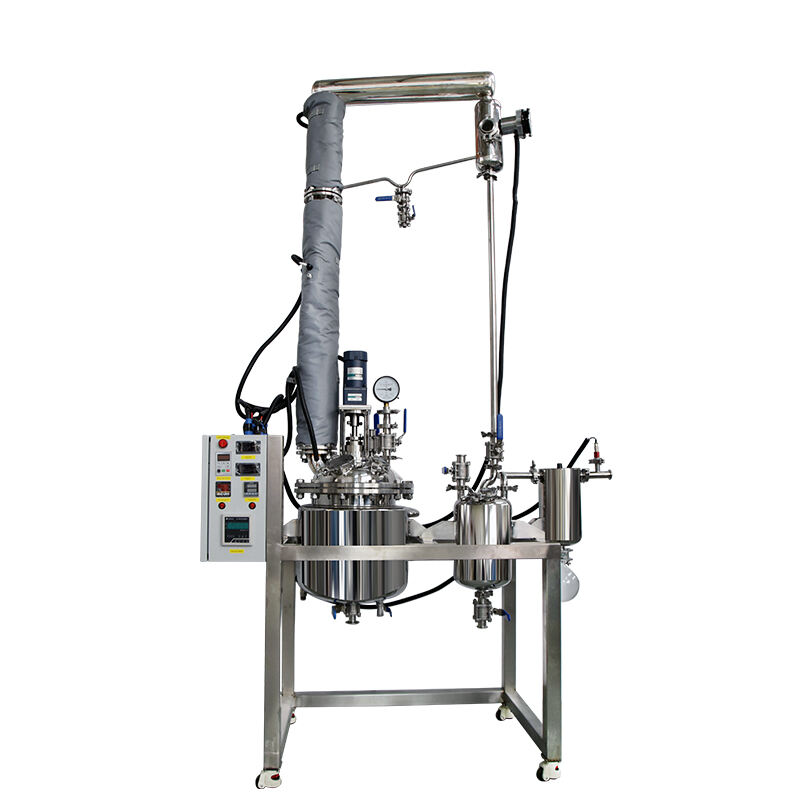
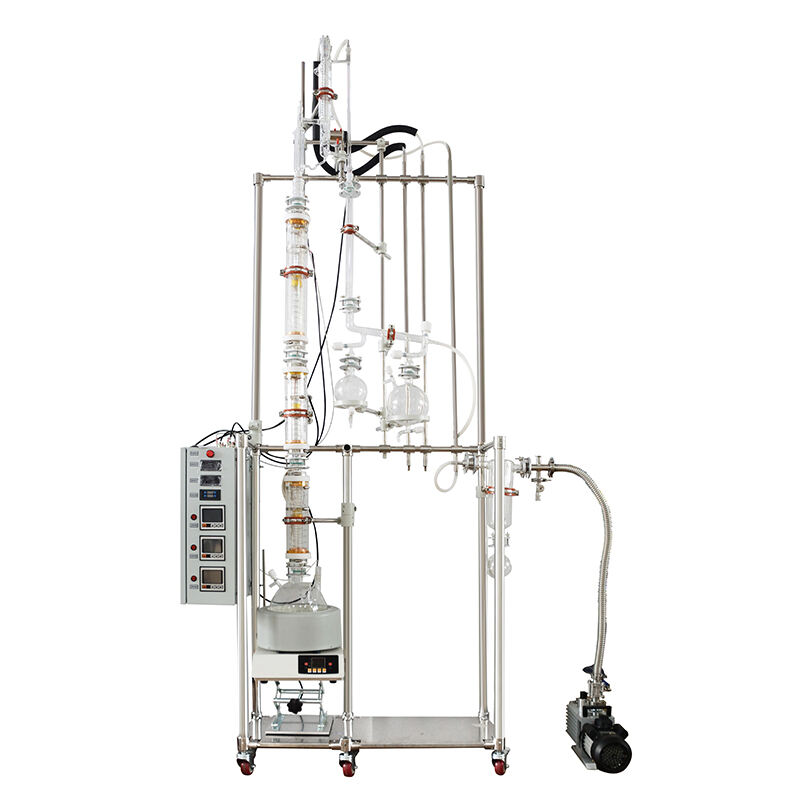
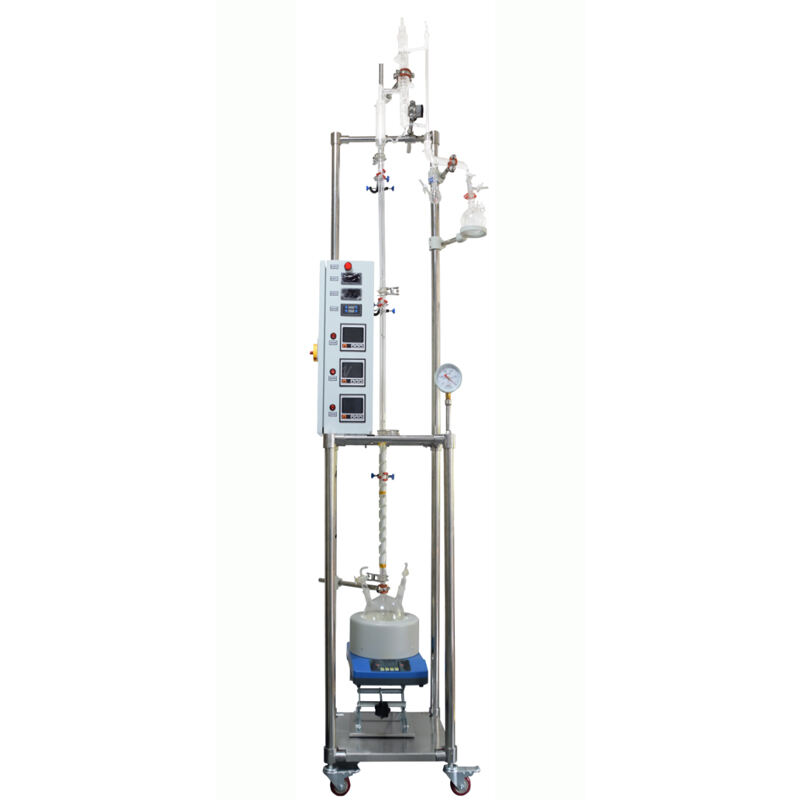
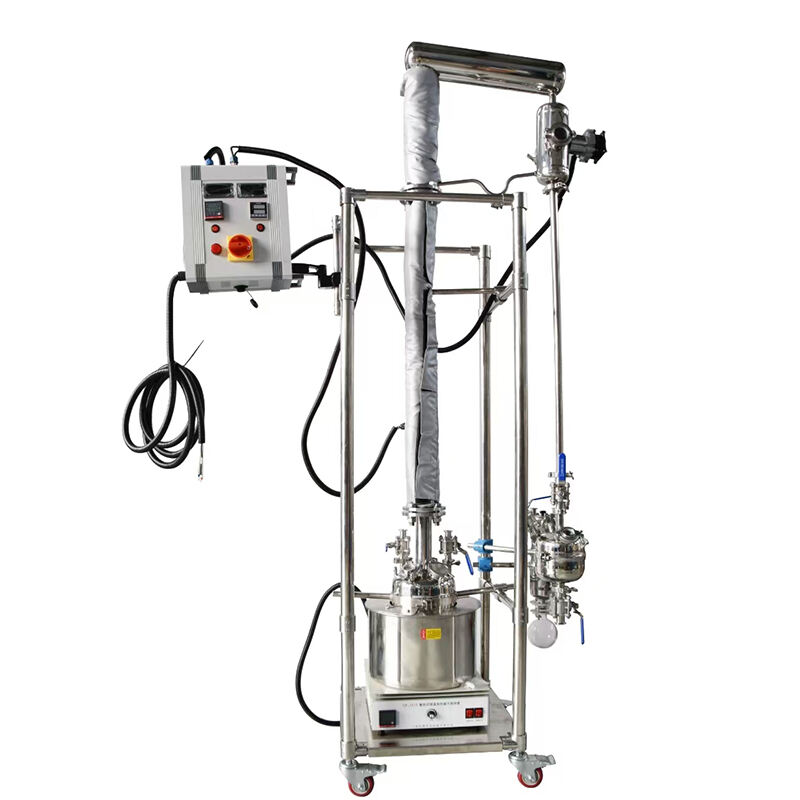
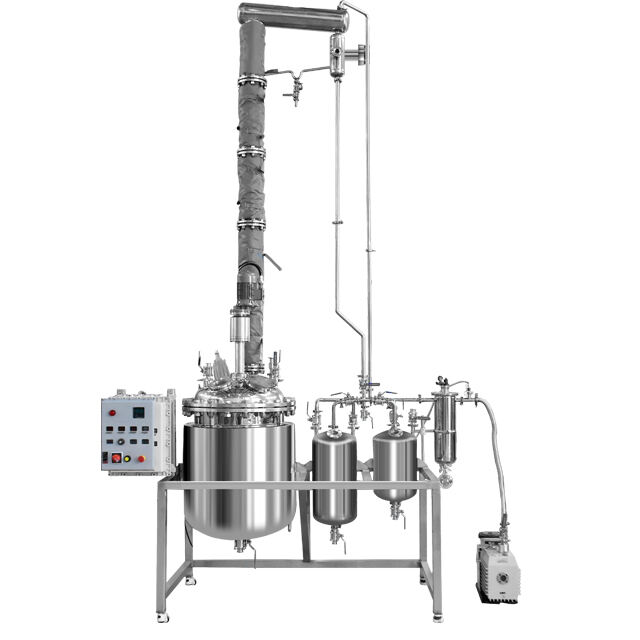
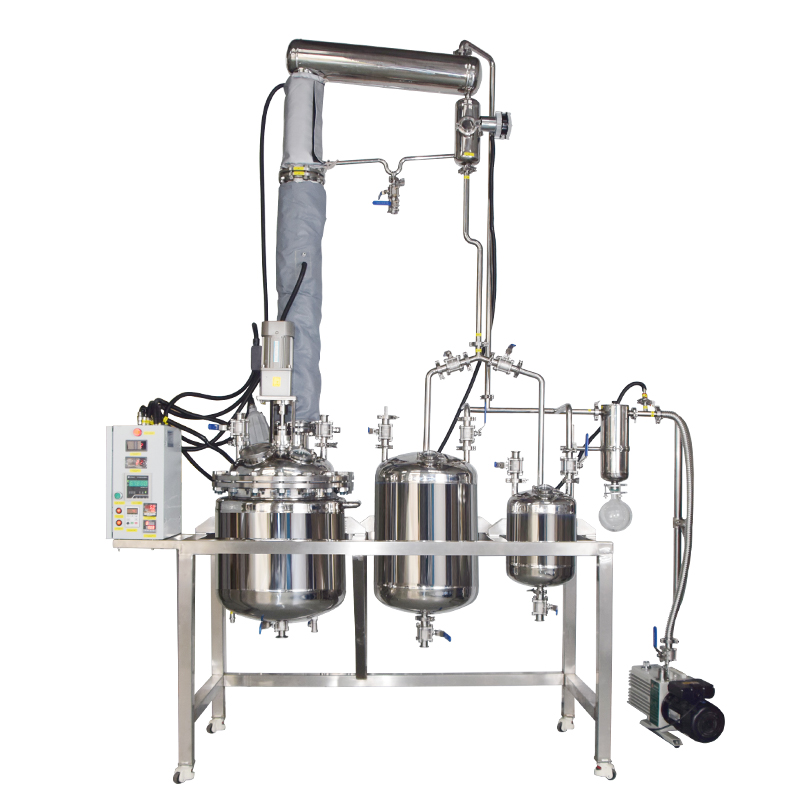
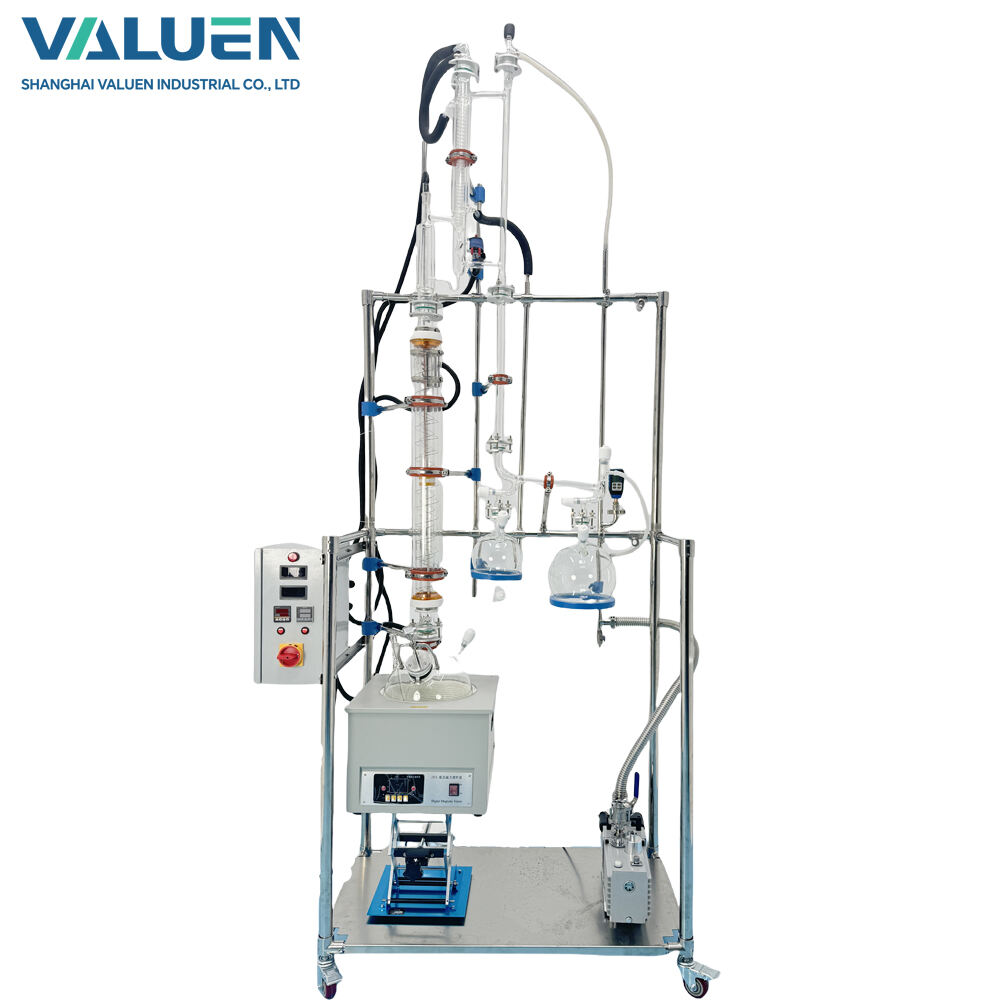
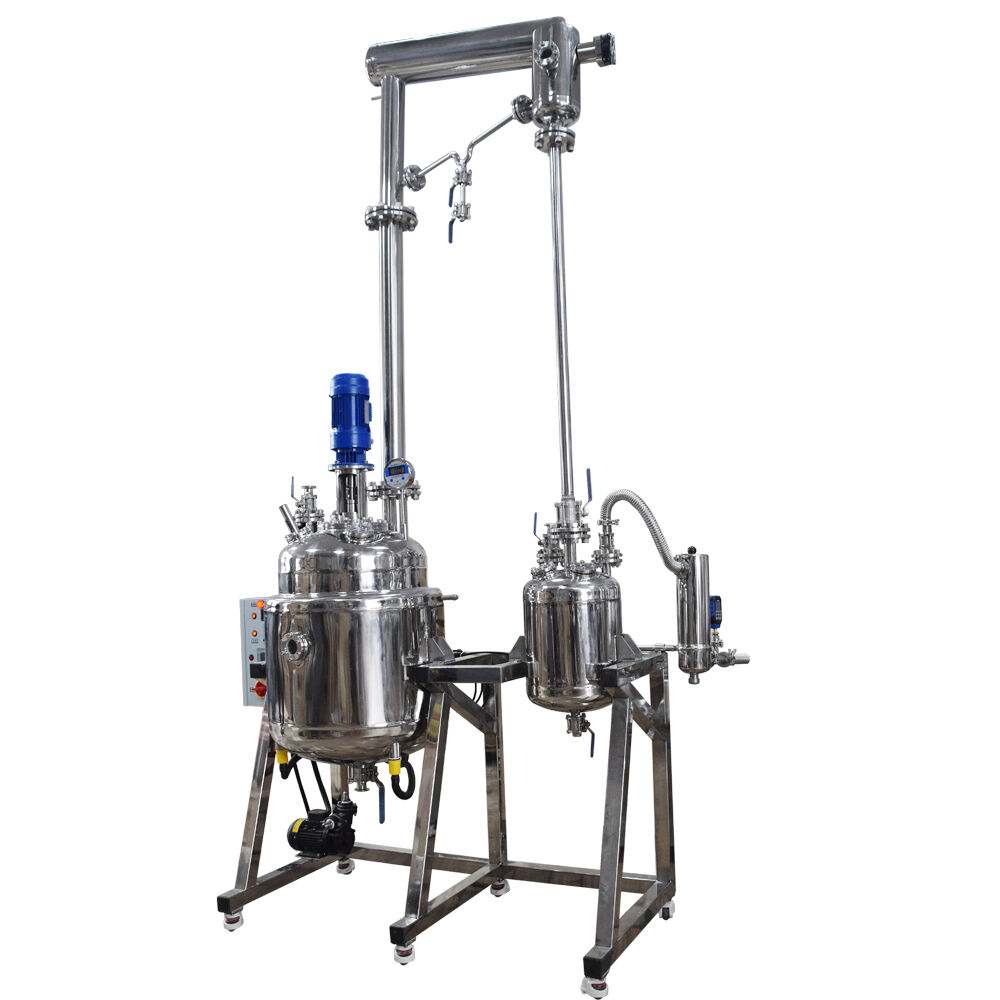
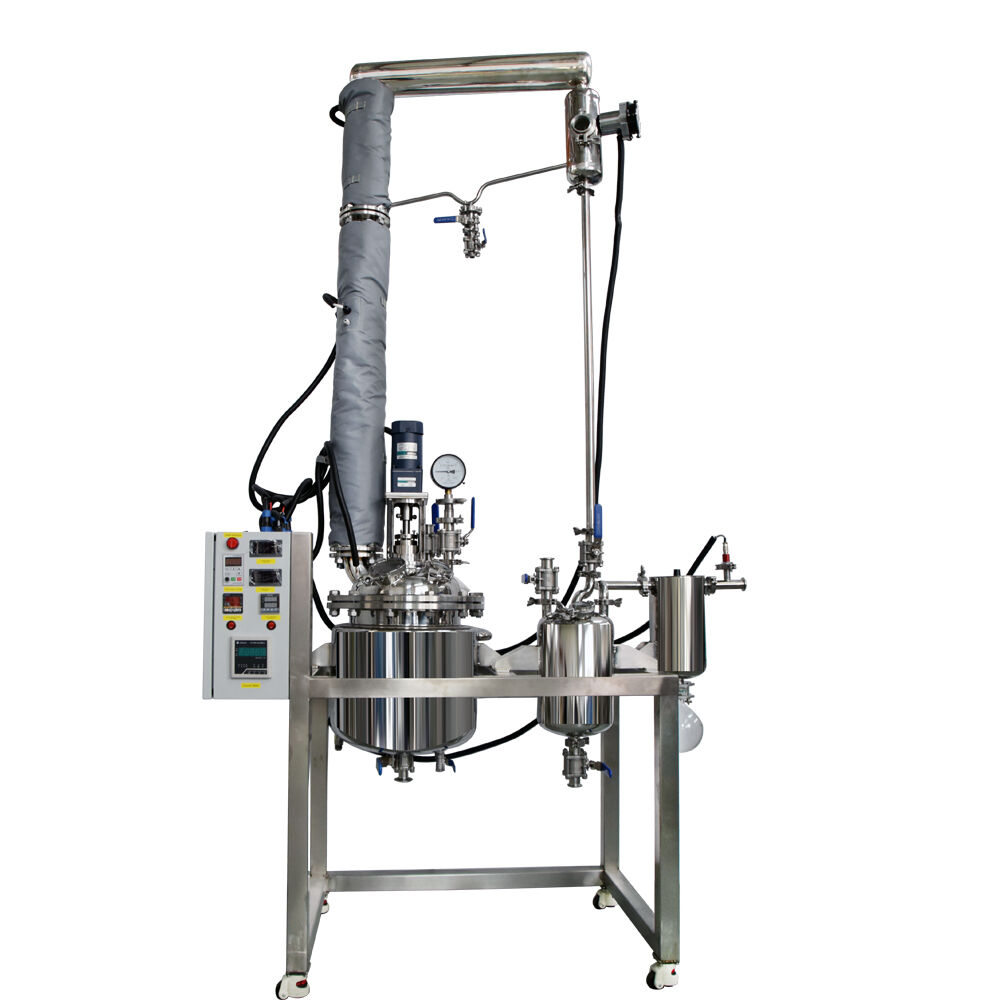
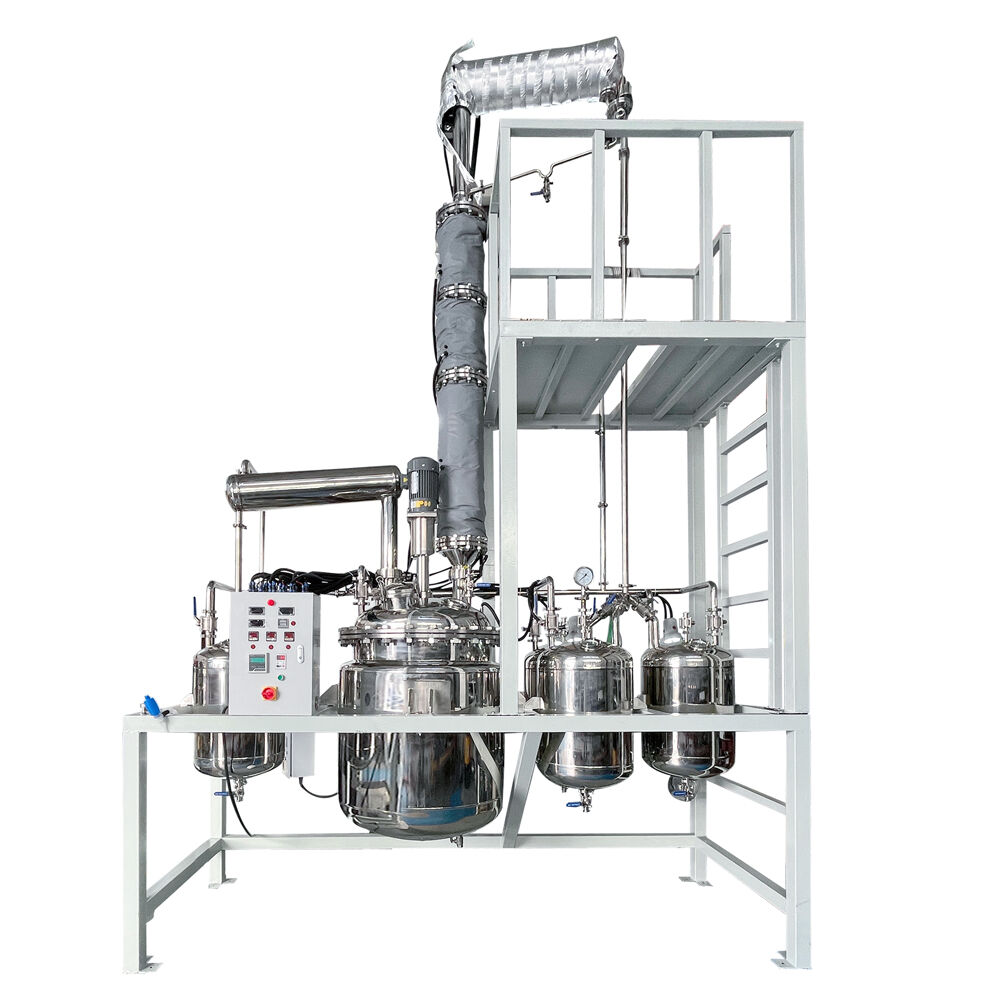
High vacuum fractional distillation represents a sophisticated separation technology that operates under extremely low pressure conditions, typically ranging from 1 to 100 mmHg absolute pressure. This advanced process combines the principles of vacuum distillation with fractionation techniques to achieve precise separation of complex mixtures containing heat-sensitive compounds. The technology utilizes specialized equipment including vacuum pumps, condensers, and fractionating columns designed to maintain consistent low-pressure environments throughout the entire operation. The main function of high vacuum fractional distillation centers on separating liquid mixtures based on differences in boiling points while preventing thermal degradation of sensitive materials. By reducing system pressure significantly below atmospheric levels, this process lowers the boiling points of target compounds, enabling distillation at temperatures that preserve molecular integrity. The fractionation aspect involves multiple theoretical plates within the distillation column, creating numerous vaporization-condensation cycles that enhance separation efficiency. Key technological features include precise pressure control systems, advanced heating mechanisms with temperature regulation, efficient condensation units, and automated monitoring systems that track pressure, temperature, and flow rates continuously. The process incorporates reflux ratios that can be adjusted to optimize separation quality versus processing time. Modern high vacuum fractional distillation systems feature computer-controlled operations, allowing operators to preset parameters and monitor real-time performance metrics. Applications span numerous industries including pharmaceuticals, where purification of active ingredients requires gentle processing conditions, petrochemicals for separating high-boiling petroleum fractions, essential oils extraction from natural materials, and specialty chemicals manufacturing. The food industry utilizes this technology for concentrating flavors and removing unwanted volatile compounds without compromising taste profiles. Research laboratories employ high vacuum fractional distillation for purifying research compounds and preparing high-purity samples for analytical testing. The technology proves particularly valuable when processing materials with boiling points exceeding 300°C under normal atmospheric conditions, as vacuum operation enables distillation at significantly reduced temperatures.

Popular Products

High vacuum fractional distillation offers numerous compelling advantages that make it an essential technology for modern industrial applications. The primary benefit stems from its ability to process heat-sensitive materials without causing thermal decomposition or degradation. Traditional distillation methods often require high temperatures that can damage delicate molecular structures, but vacuum conditions reduce boiling points substantially, enabling gentle processing that preserves product quality and maintains desired chemical properties. This temperature reduction capability translates directly into energy savings, as lower heating requirements reduce operational costs significantly over time. Companies utilizing high vacuum fractional distillation report energy consumption reductions of 20 to 40 percent compared to atmospheric distillation processes. The enhanced separation efficiency represents another major advantage, as the fractionating column design creates multiple separation stages within a single unit. This multi-stage approach produces higher purity products with fewer processing steps, reducing overall production time and labor costs. The precise control possible with modern vacuum systems allows operators to fine-tune separation parameters, achieving separation of compounds with boiling point differences as small as 10°C. Product yield improvements result from reduced side reactions and minimal product loss during processing. The controlled environment prevents oxidation and other atmospheric reactions that can reduce final product quantities. Many manufacturers experience yield increases of 15 to 25 percent when switching from conventional distillation to high vacuum fractional distillation methods. Versatility stands out as a significant practical benefit, as the same equipment can process diverse material types by adjusting pressure and temperature parameters. This flexibility eliminates the need for multiple specialized distillation systems, reducing capital equipment investments and facility space requirements. The technology handles materials ranging from low-viscosity solvents to high-molecular-weight compounds with equal effectiveness. Environmental benefits include reduced emissions and waste generation compared to alternative separation methods. The closed-system design captures vapors that might otherwise escape to the atmosphere, supporting compliance with environmental regulations while recovering valuable materials for reuse. Maintenance requirements remain minimal due to the gentle operating conditions that reduce equipment wear and corrosion. The absence of high-temperature stress on system components extends equipment lifespan and reduces replacement part costs. Automated control systems minimize operator intervention while ensuring consistent results, reducing labor costs and human error potential. Quality assurance becomes more reliable as the controlled conditions eliminate many variables that can affect product consistency in traditional distillation processes.

Latest News

How Does a Stainless Steel Reactor Improve Reaction Efficiency and Safety

12

Nov

How Does a Stainless Steel Reactor Improve Reaction Efficiency and Safety

Chemical processing industries rely heavily on precise reaction control and optimal safety measures to achieve consistent production outcomes. The selection of appropriate reactor materials and design features directly impacts both operational effici...
View More
How to Select a Crystallization Reactor for Pharmaceutical Crystallization?

24

Dec

How to Select a Crystallization Reactor for Pharmaceutical Crystallization?

Selecting the right crystallization reactor for pharmaceutical manufacturing requires careful consideration of multiple technical and operational factors that directly impact product quality, yield, and process efficiency. The pharmaceutical industry...
View More
What Are the Key Advantages of a Rotary and Liftable Stainless Steel Reactor?

20

Jan

What Are the Key Advantages of a Rotary and Liftable Stainless Steel Reactor?

Modern industrial processing demands equipment that combines efficiency, versatility, and durability. A rotary and liftable stainless steel reactor represents a significant advancement in chemical processing technology, offering manufacturers the fle...
View More
What Design Features Matter in a Rotary and Liftable Stainless Steel Reactor?

20

Jan

What Design Features Matter in a Rotary and Liftable Stainless Steel Reactor?

Modern industrial chemical processing demands precision, efficiency, and reliability in every piece of equipment. Among the most critical components in pharmaceutical, chemical, and biotechnology manufacturing is the rotary and liftable stainless ste...
View More

Get a Free Quote

Our representative will contact you soon.
Email
Name
Contact Number
Company Name
Message
0/1000

high vacuum fractional distillation

Superior Temperature Control and Heat-Sensitive Material Processing

Superior Temperature Control and Heat-Sensitive Material Processing

The exceptional temperature control capabilities of high vacuum fractional distillation systems provide unmatched advantages for processing heat-sensitive materials across multiple industries. This technology operates under vacuum conditions that significantly reduce the boiling points of target compounds, enabling distillation at temperatures 50 to 150°C lower than atmospheric pressure requirements. For pharmaceutical manufacturers, this temperature reduction proves critical when purifying active pharmaceutical ingredients that decompose at elevated temperatures, potentially forming harmful impurities or losing therapeutic effectiveness. The controlled low-temperature environment preserves molecular structures, maintaining the biological activity of complex organic compounds while achieving the high purity levels required for regulatory compliance. Food and beverage processors benefit enormously from this temperature control, as it allows concentration of natural flavors and essential oils without the thermal damage that destroys delicate aromatic compounds. Traditional high-temperature distillation often results in off-flavors and reduced product quality, but high vacuum fractional distillation maintains the original sensory characteristics that consumers expect. The technology enables processing of materials with decomposition temperatures below their normal boiling points, opening possibilities for purifying previously unprocessable compounds. This capability extends to specialty chemicals, dyes, and polymers where thermal stability presents significant challenges. Energy efficiency gains result directly from the lower operating temperatures, as heating requirements decrease substantially compared to atmospheric distillation. Companies report energy cost reductions of 25 to 45 percent when implementing high vacuum fractional distillation systems, with corresponding reductions in carbon footprint and environmental impact. The precise temperature control also enables better product consistency, as the reduced thermal stress minimizes unwanted side reactions that can create impurities or alter product specifications. Quality control becomes more predictable and reliable, reducing batch-to-batch variation that can impact customer satisfaction and regulatory compliance. Modern systems incorporate advanced temperature monitoring and control algorithms that maintain optimal processing conditions automatically, reducing operator workload while ensuring consistent results. The technology's ability to handle temperature-sensitive materials makes it indispensable for emerging applications in biotechnology, where biological compounds require gentle processing to maintain their functional properties.
Enhanced Separation Efficiency and Product Purity

Enhanced Separation Efficiency and Product Purity

High vacuum fractional distillation systems deliver superior separation efficiency through their sophisticated multi-stage fractionation design, enabling achievement of product purities that exceed 99.5 percent in many applications. The fractionating column contains multiple theoretical plates, each representing a complete vaporization-condensation cycle that progressively concentrates the desired components while removing impurities. This multi-stage approach within a single processing unit eliminates the need for multiple separate distillation steps, streamlining production workflows and reducing processing time significantly. The enhanced separation capability stems from the increased relative volatility differences that occur under vacuum conditions, making it possible to separate compounds with similar boiling points that would be difficult or impossible to separate using atmospheric distillation methods. Pharmaceutical manufacturers particularly value this capability when purifying complex organic molecules where minor impurities can affect drug safety and efficacy. The technology enables separation of geometric isomers, positional isomers, and other closely related compounds that traditional methods struggle to distinguish effectively. Reflux ratio optimization allows operators to balance separation quality against processing time, providing flexibility to meet specific purity requirements while maintaining economic efficiency. Higher reflux ratios increase separation effectiveness but extend processing time, while lower ratios speed processing but may compromise purity levels. Modern control systems enable real-time adjustment of these parameters based on continuous monitoring of product quality metrics. The vacuum environment also reduces the formation of thermal decomposition products that can contaminate the final product, maintaining higher overall purity throughout the distillation process. Recovery rates improve substantially as the gentle processing conditions minimize product loss through degradation or side reactions. Many operations report product recovery improvements of 20 to 35 percent compared to conventional distillation methods, directly impacting profitability and raw material efficiency. The technology excels at removing trace impurities that can significantly impact product performance or regulatory compliance. In electronic grade chemicals manufacturing, high vacuum fractional distillation achieves the ultra-high purity levels required for semiconductor applications, where parts-per-billion impurity levels can affect device performance. The consistent separation performance reduces quality control costs and minimizes batch rejection rates, as the predictable operating conditions produce reliable results that meet specifications consistently. Advanced monitoring systems provide real-time feedback on separation efficiency, enabling operators to optimize performance continuously and identify potential issues before they impact product quality.
Versatile Applications and Economic Benefits

Versatile Applications and Economic Benefits

The remarkable versatility of high vacuum fractional distillation systems enables their successful application across diverse industries, providing significant economic benefits through reduced processing costs, improved yields, and enhanced product quality. This adaptability stems from the technology's ability to handle materials with vastly different physical and chemical properties by adjusting pressure, temperature, and operational parameters to suit specific separation requirements. Petrochemical refineries utilize these systems for processing heavy crude oil fractions, recovering valuable products that would otherwise be difficult to separate using conventional methods. The technology enables recovery of high-value specialty chemicals from complex hydrocarbon mixtures, improving overall refinery economics and product portfolio diversity. Essential oil manufacturers benefit from the gentle processing conditions that preserve delicate aromatic compounds, maintaining the premium quality that commands higher market prices. The ability to concentrate essential oils without thermal degradation results in products with superior organoleptic properties and longer shelf life, directly impacting market value and customer satisfaction. Research and development laboratories find the technology invaluable for purifying experimental compounds and preparing high-purity samples for analytical testing and further research. The precise control capabilities enable researchers to explore separation possibilities that would be impossible with conventional equipment, accelerating product development timelines and reducing research costs. Economic benefits extend beyond direct processing advantages to include reduced waste generation and improved resource utilization. The closed-system design captures and recovers materials that might otherwise be lost, converting potential waste streams into valuable byproducts. Environmental compliance costs decrease as the technology reduces emissions and waste disposal requirements, while simultaneously improving overall process sustainability. Capital equipment costs often prove more favorable than expected when considering the technology's versatility, as a single high vacuum fractional distillation system can replace multiple specialized separation units. This consolidation reduces facility space requirements, utility connections, and maintenance complexity while providing greater operational flexibility. Labor cost reductions result from the automated control systems that minimize operator intervention requirements while ensuring consistent performance. Training costs decrease as operators can manage multiple product types using the same equipment platform. Long-term operational economics favor high vacuum fractional distillation due to reduced equipment wear under gentle operating conditions, extending service life and reducing replacement part requirements. The technology's ability to process materials that would be impossible or uneconomical to handle with other separation methods opens new market opportunities and revenue streams for forward-thinking companies.

Get a Free Quote

Our representative will contact you soon.
Email
Name
Contact Number
Company Name
Message
0/1000