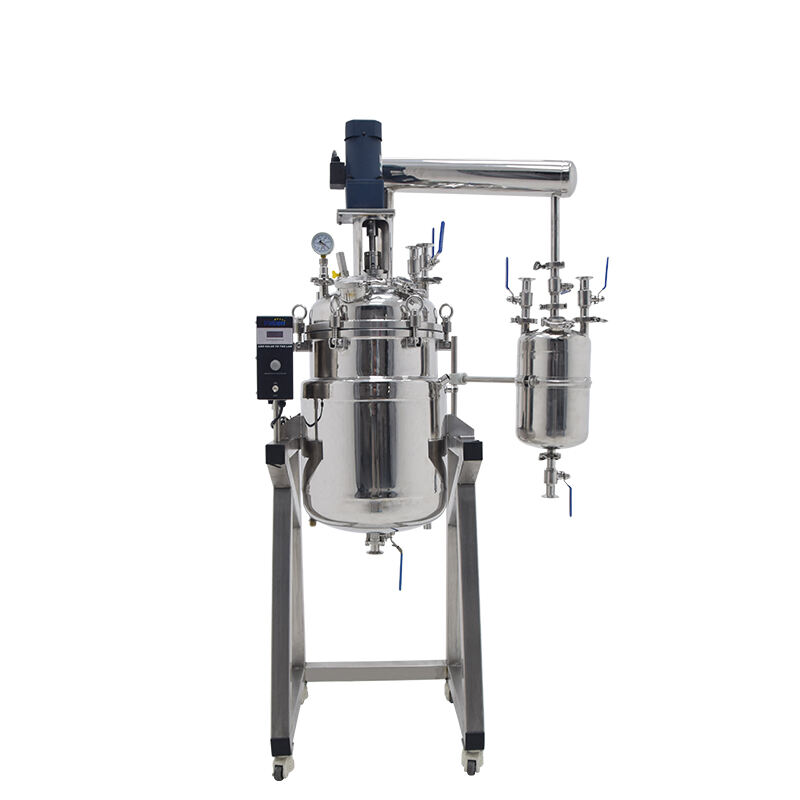
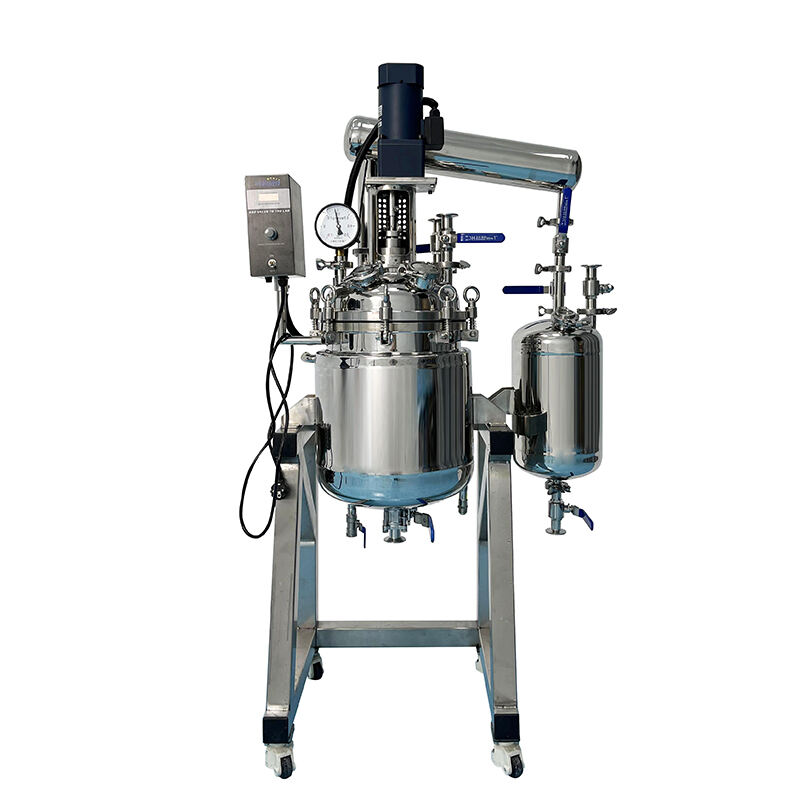
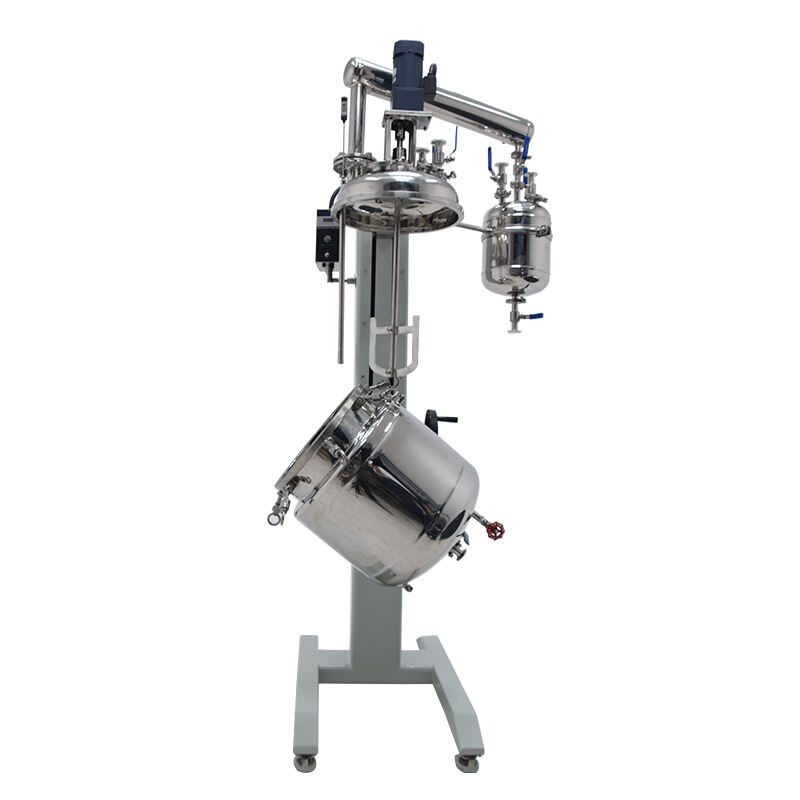
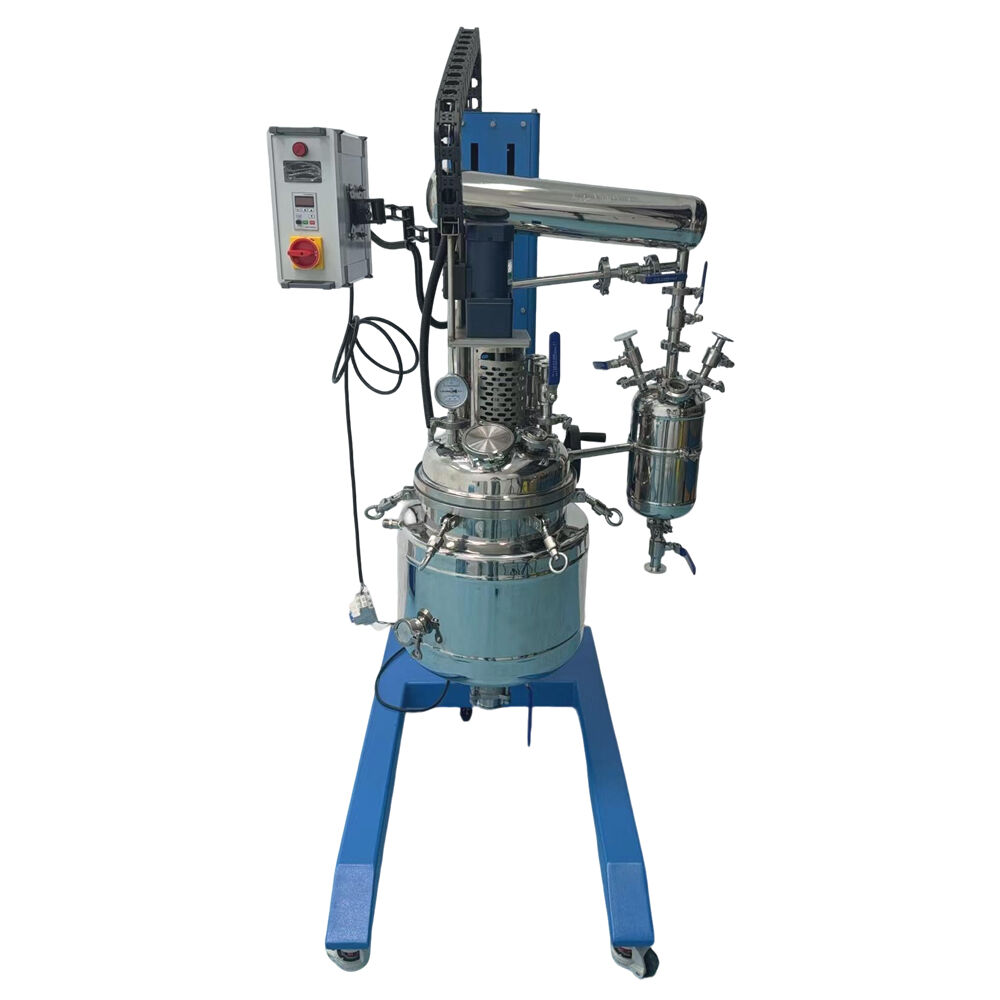
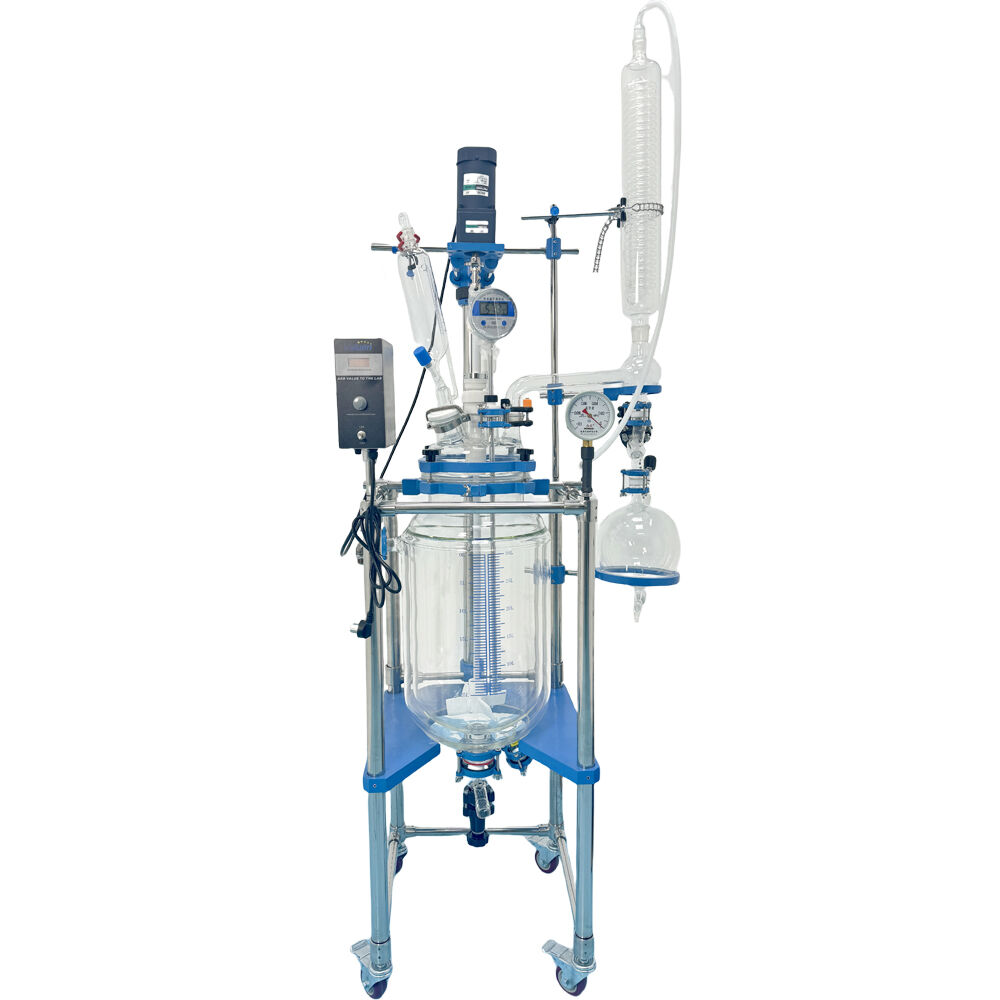
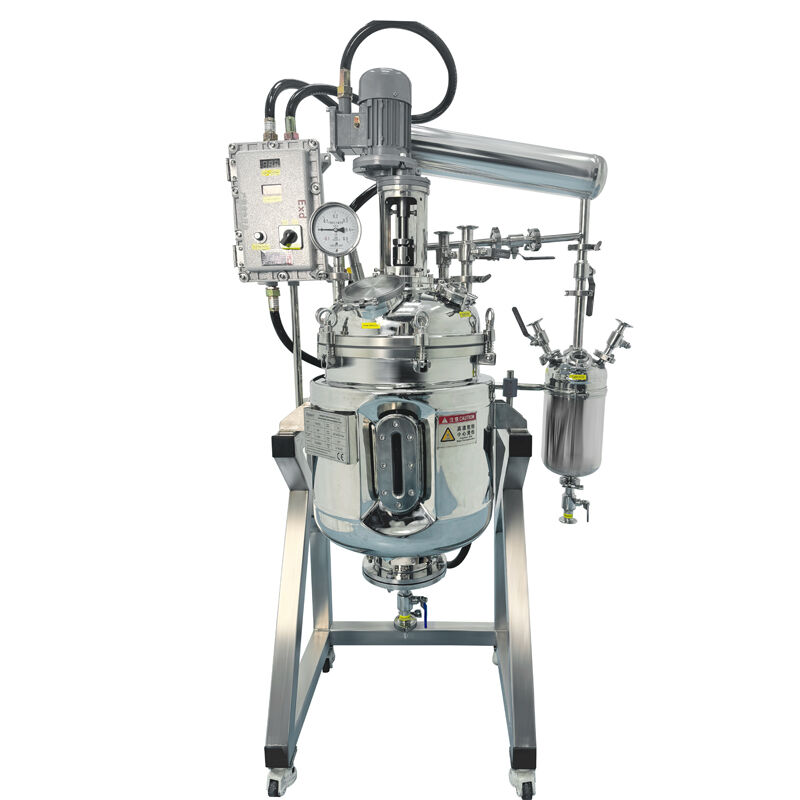
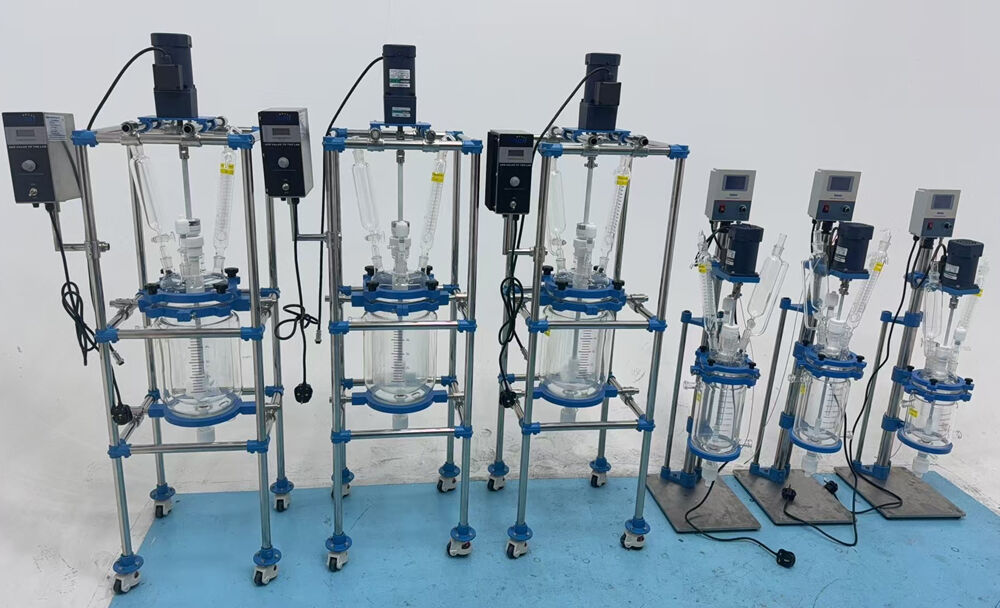
reactor for chemical reaction
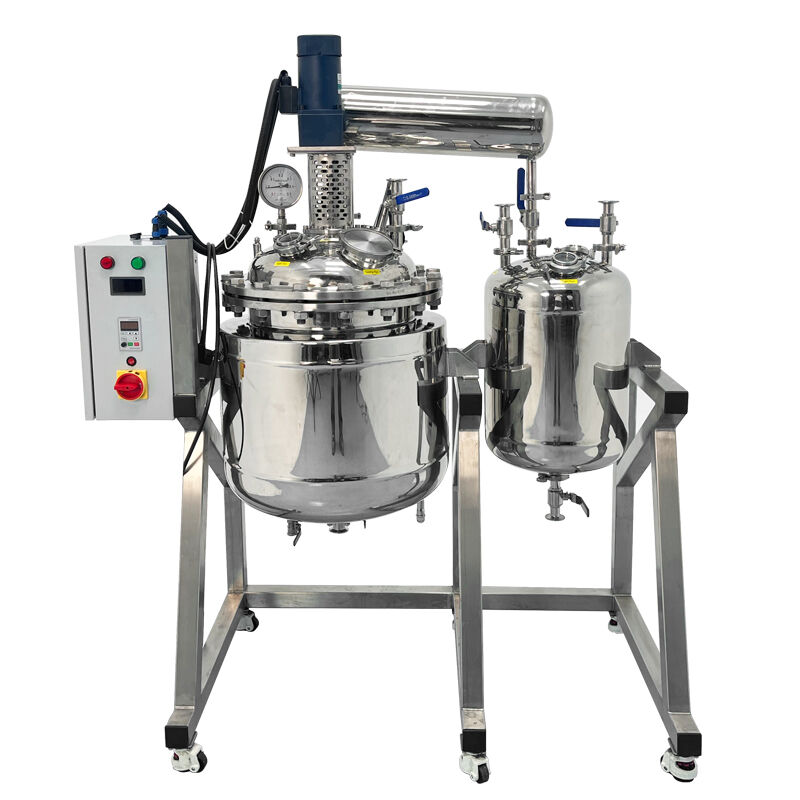
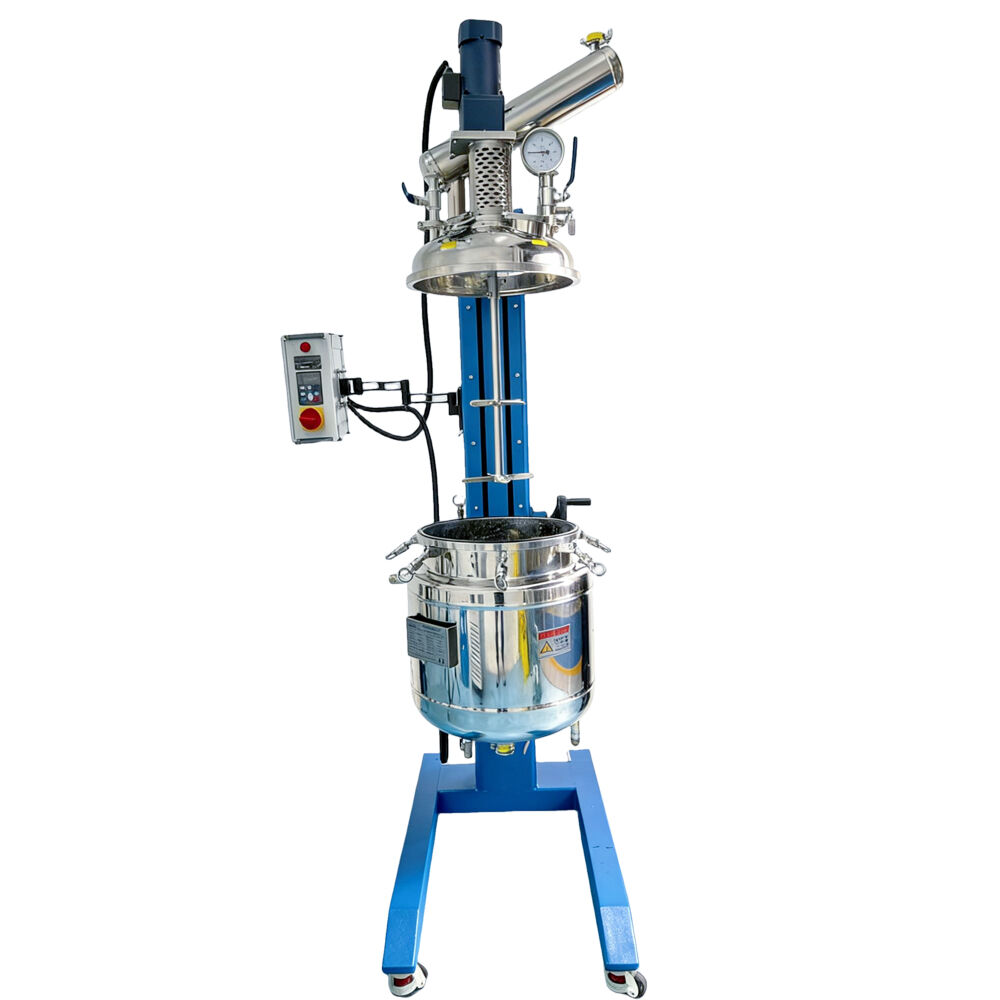
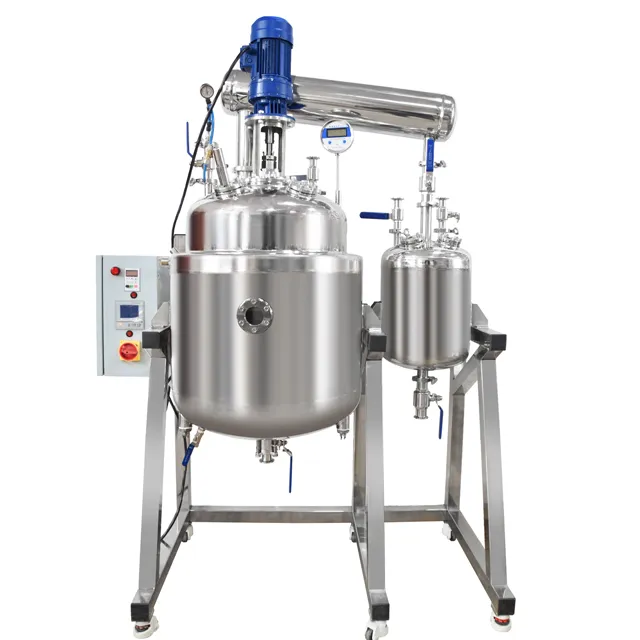
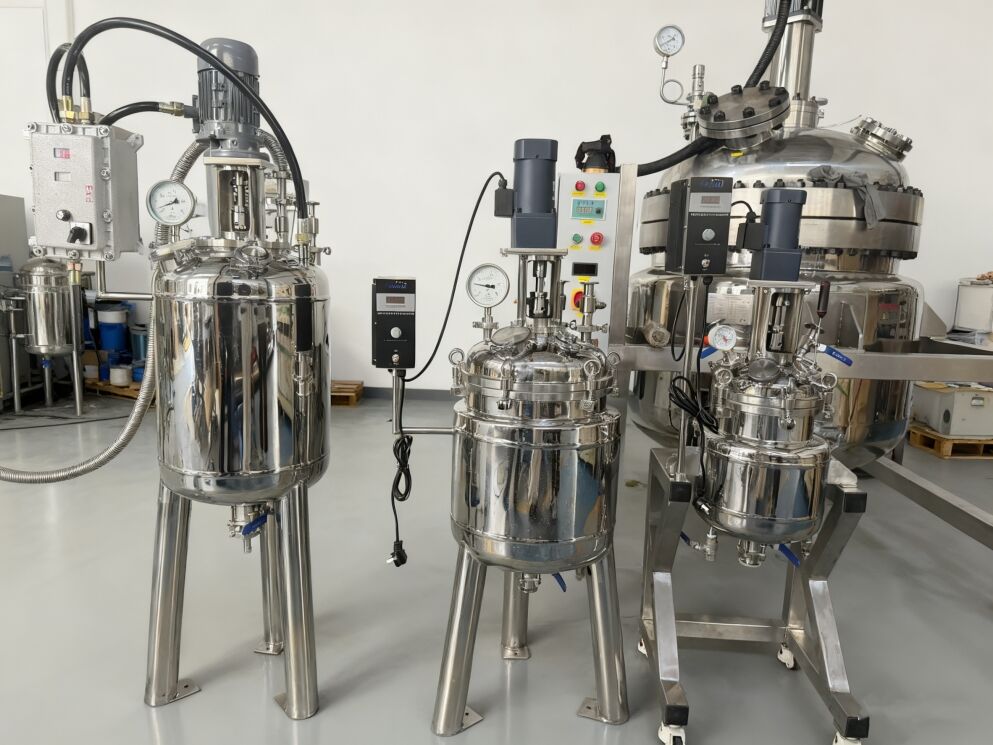
A reactor for chemical reaction serves as the fundamental cornerstone of industrial chemical processing, functioning as a specialized vessel where raw materials undergo controlled transformation into desired products. This sophisticated equipment creates optimal conditions for chemical reactions by precisely managing temperature, pressure, mixing, and residence time parameters. The reactor for chemical reaction operates through carefully engineered designs that maximize efficiency while ensuring safety and product quality. Modern chemical reactors incorporate advanced monitoring systems that continuously track reaction progress, allowing operators to maintain precise control over process variables. These vessels feature robust construction materials specifically selected to withstand corrosive environments and extreme operating conditions. The reactor for chemical reaction typically includes integrated heating and cooling systems, agitation mechanisms, and sophisticated instrumentation for real-time process monitoring. Various reactor configurations exist to accommodate different reaction types, including batch reactors for small-scale production, continuous stirred-tank reactors for steady-state operations, and plug-flow reactors for specific reaction kinetics. The design philosophy behind each reactor for chemical reaction emphasizes maximizing conversion rates while minimizing unwanted side reactions and energy consumption. Advanced computational fluid dynamics modeling helps optimize internal flow patterns and heat transfer characteristics within the reactor vessel. Safety features are paramount in reactor design, incorporating pressure relief systems, emergency shutdown procedures, and fail-safe mechanisms to prevent dangerous operating conditions. The reactor for chemical reaction must comply with stringent industry standards and regulatory requirements, ensuring environmental protection and worker safety. Modern reactors often feature modular designs that allow for easy maintenance, cleaning, and potential capacity expansion. Integration with downstream processing equipment ensures seamless production workflows and optimal resource utilization throughout the entire manufacturing process.
 EN
EN