High Pressure Chemical Reactor Solutions: Advanced Technology for Enhanced Chemical Manufacturing

Get a Free Quote

Our representative will contact you soon.
Email
Name
Contact Number
Company Name
Message
0/1000

high pressure chemical reactor

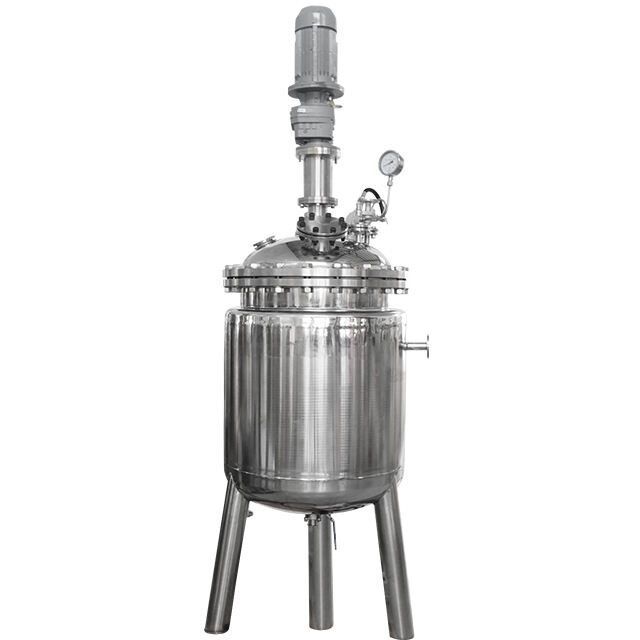
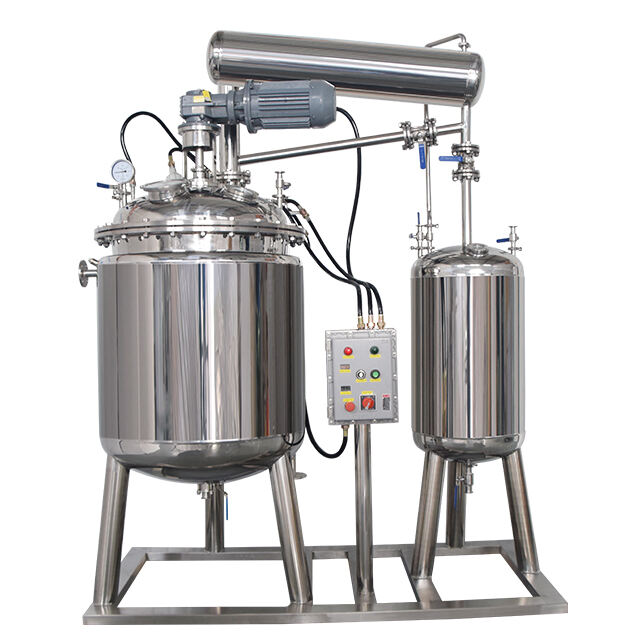
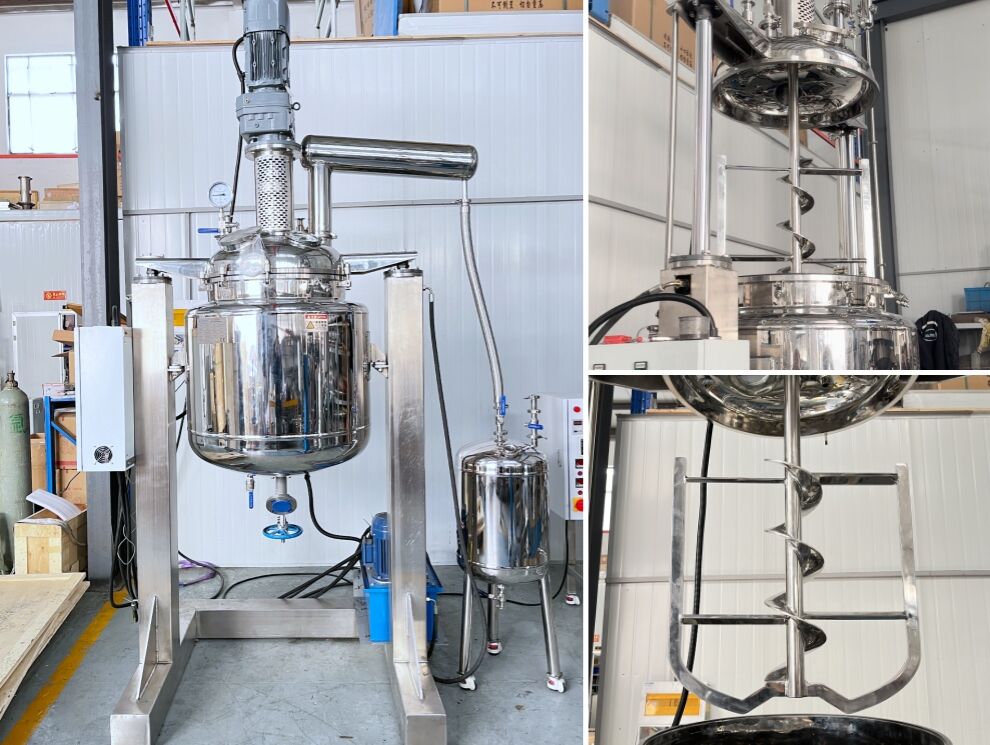
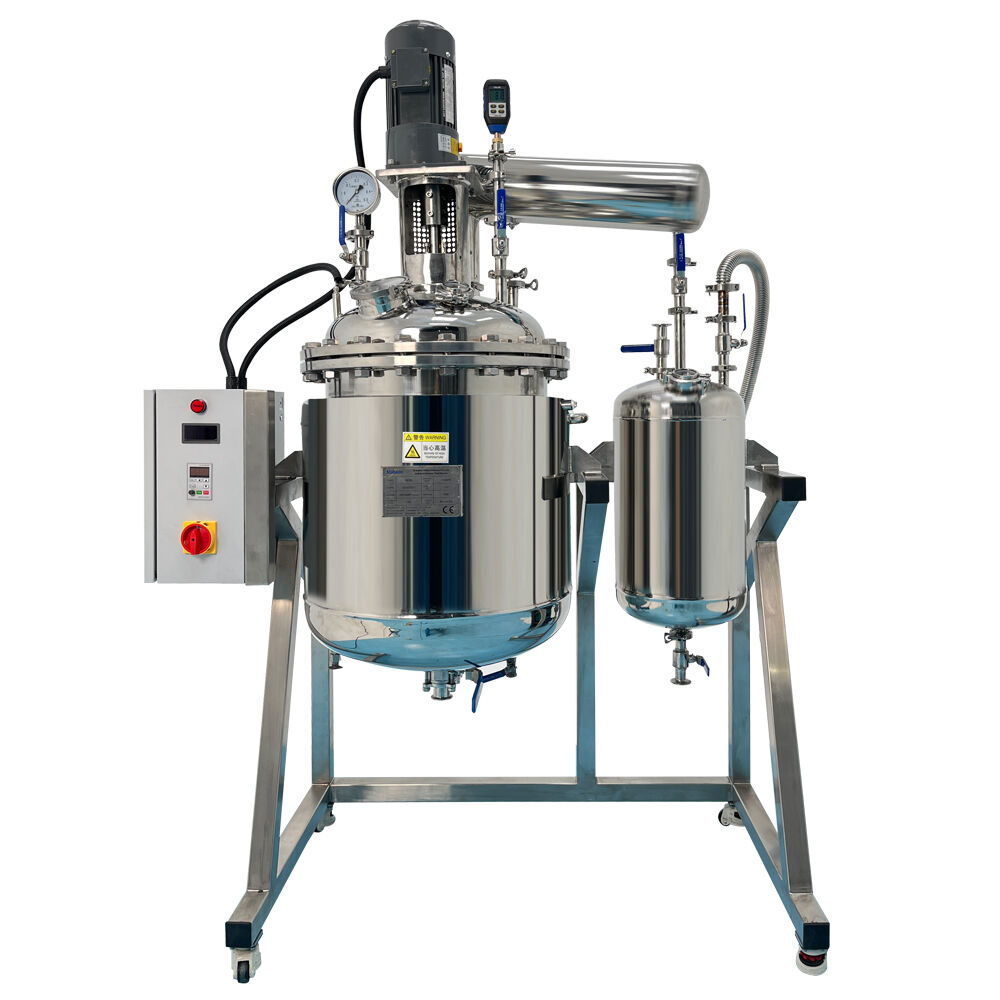
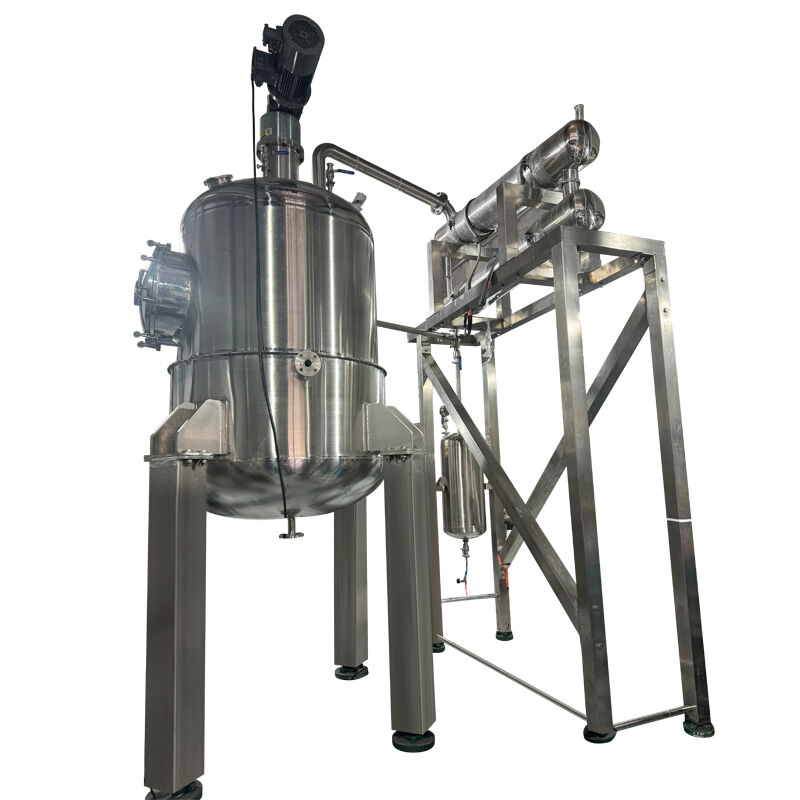
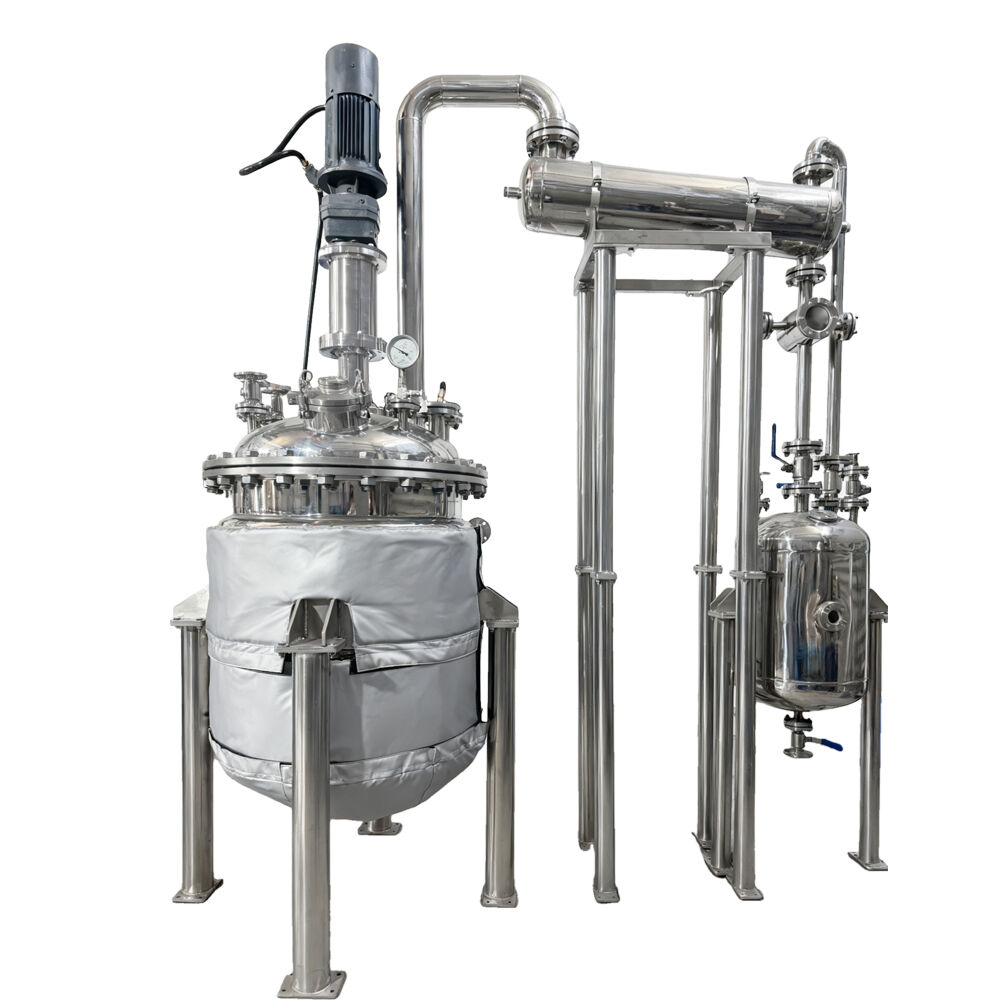
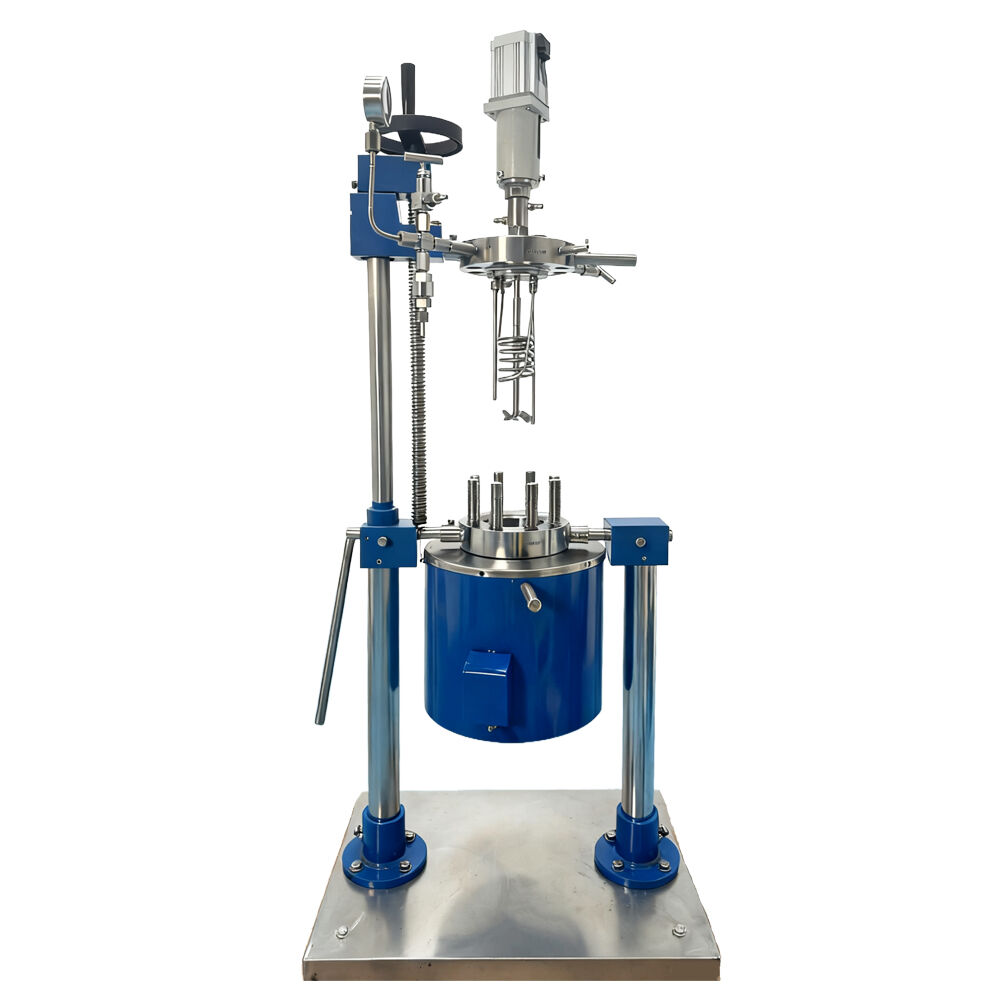
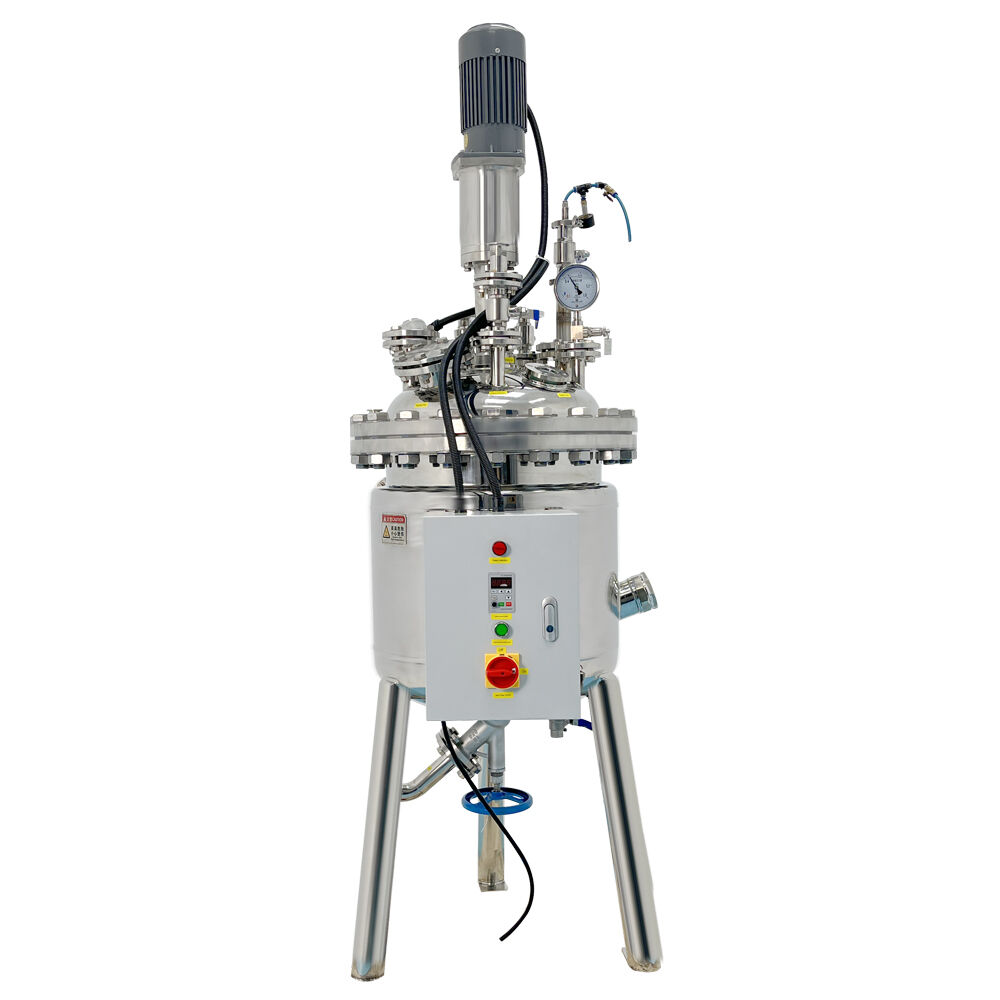
A high pressure chemical reactor represents a sophisticated piece of industrial equipment designed to facilitate chemical reactions under elevated pressure conditions, typically ranging from several atmospheres to thousands of PSI. These specialized vessels enable manufacturers to conduct reactions that would be impossible or inefficient at standard atmospheric pressure, opening doors to enhanced reaction rates, improved yields, and access to unique chemical pathways. The high pressure chemical reactor incorporates advanced engineering principles to withstand extreme operational conditions while maintaining precise control over temperature, pressure, and mixing parameters. Modern high pressure chemical reactor systems feature robust construction materials such as stainless steel, Hastelloy, or specialized alloys that resist corrosion and maintain structural integrity under demanding conditions. The technological architecture includes sophisticated pressure monitoring systems, temperature control mechanisms, and safety relief valves that ensure operator protection and process reliability. These reactors commonly employ various mixing technologies, including magnetic stirring, mechanical agitation, or gas sparging systems to ensure uniform reaction conditions throughout the vessel volume. Applications span numerous industries including pharmaceuticals, petrochemicals, specialty chemicals, and materials science research. In pharmaceutical manufacturing, high pressure chemical reactor systems enable the synthesis of complex active pharmaceutical ingredients through hydrogenation, carbonylation, and other pressure-dependent reactions. The petrochemical industry utilizes these reactors for polymerization processes, catalytic conversions, and refining operations that require elevated pressure environments. Research institutions and development laboratories rely on high pressure chemical reactor technology for exploring novel synthetic routes, optimizing reaction conditions, and scaling up processes from laboratory to commercial production. The versatility of modern high pressure chemical reactor designs allows for batch, semi-batch, or continuous operation modes, accommodating diverse production requirements and process specifications across various chemical manufacturing sectors.

New Products

High pressure chemical reactor systems deliver substantial operational benefits that directly impact manufacturing efficiency and product quality. These advanced reactors accelerate reaction kinetics significantly, reducing processing times from hours to minutes in many applications, which translates to increased production capacity and reduced energy consumption per unit of product. The enhanced reaction rates achieved in high pressure chemical reactor environments result from improved molecular collision frequencies and altered equilibrium positions that favor desired product formation. Manufacturing facilities experience improved yields when utilizing high pressure chemical reactor technology, often achieving 10-30% higher conversion rates compared to atmospheric pressure processes, directly improving profitability and resource utilization efficiency. The precise control capabilities inherent in modern high pressure chemical reactor designs enable operators to maintain consistent product quality while minimizing batch-to-batch variations that can compromise manufacturing standards. Safety features integrated into high pressure chemical reactor systems provide comprehensive protection against overpressure incidents, temperature excursions, and emergency situations through automated shutdown sequences and pressure relief mechanisms. Energy efficiency represents another significant advantage, as high pressure chemical reactor operations often require lower temperatures to achieve equivalent reaction rates, reducing heating costs and thermal stress on sensitive compounds. The compact footprint of high pressure chemical reactor installations maximizes facility space utilization compared to alternative processing methods that require larger equipment volumes to achieve similar throughput. Maintenance requirements for properly designed high pressure chemical reactor systems remain minimal due to robust construction and high-quality components that withstand operational stresses without frequent replacement needs. Environmental benefits emerge from improved selectivity in high pressure chemical reactor processes, reducing unwanted byproduct formation and minimizing waste treatment requirements. The scalability of high pressure chemical reactor technology facilitates smooth transitions from research and development phases to full commercial production without requiring fundamental process redesigns. Economic advantages include reduced raw material consumption through improved conversion efficiency, lower labor costs due to automated operation capabilities, and decreased facility infrastructure requirements compared to conventional processing approaches that demand larger reactor volumes and extended processing times.

Latest News

Why Jacketed Glass Reactors are Essential for Your Lab

29

Oct

Why Jacketed Glass Reactors are Essential for Your Lab

Superior Temperature Control for Consistent Reaction ConditionsJacketed glass reactors achieve ±0.5°C temperature stability through their double-wall design, ensuring precise and consistent reaction conditions critical for sensitive chemic...
View More
What Are the Key Design Features of a High-Performance Stainless Steel Reactor

12

Nov

What Are the Key Design Features of a High-Performance Stainless Steel Reactor

High-performance stainless steel reactors represent the pinnacle of chemical processing equipment, combining robust construction with precision engineering to deliver reliable results across diverse industrial applications. These sophisticated vessel...
View More
What Operating Conditions Affect Fractional Distillation Performance?

24

Dec

What Operating Conditions Affect Fractional Distillation Performance?

Fractional distillation represents one of the most critical separation techniques in chemical processing, petrochemical industries, and laboratory applications. The effectiveness of this process depends heavily on various operating conditions that di...
View More
How Does a Stainless Steel Reactor Support Customization and Scale-Up?

20

Jan

How Does a Stainless Steel Reactor Support Customization and Scale-Up?

The chemical processing industry faces constant pressure to optimize production while maintaining safety and quality standards. A stainless steel reactor serves as the cornerstone of countless manufacturing operations, providing the durability and ve...
View More

Get a Free Quote

Our representative will contact you soon.
Email
Name
Contact Number
Company Name
Message
0/1000

high pressure chemical reactor

Superior Reaction Control and Process Optimization

Superior Reaction Control and Process Optimization

The high pressure chemical reactor excels in delivering unparalleled reaction control that transforms manufacturing processes through precise parameter management and real-time monitoring capabilities. Advanced control systems integrated within high pressure chemical reactor designs enable operators to maintain exact pressure profiles, temperature gradients, and mixing intensities throughout entire reaction cycles, ensuring consistent product quality and optimal yield performance. The sophisticated instrumentation package typically includes multiple pressure sensors, temperature probes, and flow meters that provide continuous feedback to automated control systems, allowing for immediate adjustments when process conditions deviate from predetermined setpoints. This level of control precision proves invaluable for complex chemical syntheses where slight variations in reaction conditions can significantly impact product purity, molecular structure, or reaction selectivity. Modern high pressure chemical reactor systems incorporate programmable logic controllers and human-machine interfaces that enable operators to develop, store, and execute detailed reaction protocols with minimal manual intervention, reducing human error potential and improving process reproducibility. The ability to rapidly adjust pressure conditions within the high pressure chemical reactor allows for dynamic process optimization, where reaction parameters can be modified in real-time based on online analytical measurements or process performance indicators. This flexibility proves particularly beneficial for multi-step synthetic sequences where different reaction phases require distinct pressure profiles to maximize overall efficiency. The enhanced mass transfer characteristics achieved in high pressure chemical reactor environments facilitate better mixing of reactants, especially in gas-liquid reactions where elevated pressure increases gas solubility and reaction interface area. Safety interlocks and emergency response systems built into high pressure chemical reactor designs provide comprehensive protection against process upsets, automatically initiating corrective actions or safe shutdown procedures when abnormal conditions are detected, ensuring both personnel safety and equipment protection while maintaining process integrity.
Enhanced Productivity and Economic Efficiency

Enhanced Productivity and Economic Efficiency

High pressure chemical reactor technology delivers exceptional productivity improvements that directly translate into enhanced economic performance for chemical manufacturing operations across diverse industrial sectors. The fundamental advantage lies in the dramatically accelerated reaction kinetics that occur under elevated pressure conditions, where increased molecular densities and collision frequencies enable reactions to proceed at rates often 2-10 times faster than equivalent atmospheric pressure processes. This acceleration allows high pressure chemical reactor installations to achieve higher throughput rates using smaller reactor volumes, maximizing production capacity while minimizing capital equipment investments and facility space requirements. The economic benefits extend beyond simple throughput improvements, as high pressure chemical reactor systems typically demonstrate superior atom economy through enhanced reaction selectivity and reduced side reaction formation, resulting in higher yields of desired products and decreased raw material consumption per unit of final product. Manufacturing facilities utilizing high pressure chemical reactor technology report significant reductions in processing cycle times, enabling more batches per day and improved asset utilization rates that enhance overall return on investment calculations. The energy efficiency characteristics of high pressure chemical reactor operations contribute substantially to operational cost reductions, particularly in processes where elevated pressure enables lower reaction temperatures or eliminates energy-intensive separation steps required in conventional processing methods. Maintenance costs remain surprisingly low for properly specified high pressure chemical reactor systems due to robust construction materials and precision engineering that minimize wear and component replacement frequencies, while automated operation capabilities reduce labor requirements compared to conventional reactor technologies. The scalability inherent in high pressure chemical reactor designs facilitates cost-effective capacity expansions, allowing manufacturers to increase production volumes through modular additions rather than complete facility reconstructions, preserving existing investments while accommodating market growth demands. Quality improvements achieved through precise pressure control in high pressure chemical reactor systems reduce product rejection rates and rework requirements, further enhancing manufacturing economics through improved first-pass yields and reduced waste disposal costs.
Versatile Applications and Advanced Safety Features

Versatile Applications and Advanced Safety Features

The high pressure chemical reactor demonstrates remarkable versatility across numerous industrial applications while maintaining the highest safety standards through integrated protection systems and fail-safe design principles. This adaptability makes high pressure chemical reactor technology suitable for diverse chemical processes including hydrogenation reactions, polymerization synthesis, supercritical fluid extractions, and catalytic conversions that require elevated pressure environments to achieve optimal performance characteristics. Pharmaceutical manufacturers rely on high pressure chemical reactor systems for synthesizing complex active pharmaceutical ingredients through precision-controlled reactions such as asymmetric hydrogenations, carbonylation reactions, and ring-closing metathesis processes that demand exact pressure maintenance for stereoselective product formation. The petrochemical industry utilizes high pressure chemical reactor technology for polyethylene production, Fischer-Tropsch synthesis, and various catalytic reforming processes where elevated pressure conditions are essential for achieving desired molecular weight distributions and product specifications. Safety engineering represents a paramount consideration in high pressure chemical reactor design, with multiple redundant protection systems including pressure relief valves, rupture discs, emergency cooling systems, and automated shutdown sequences that activate when predetermined safety limits are approached or exceeded. Modern high pressure chemical reactor installations incorporate advanced materials science through specialized alloy selections that resist stress corrosion cracking, hydrogen embrittlement, and thermal cycling effects that could compromise vessel integrity under extreme operating conditions. The modular design philosophy employed in contemporary high pressure chemical reactor systems enables easy reconfiguration for different reaction types, allowing manufacturers to adapt equipment for new products or processes without major capital expenditures or extended downtime periods. Environmental considerations are addressed through leak-tight construction standards and emissions monitoring systems that prevent fugitive releases while ensuring compliance with increasingly stringent environmental regulations governing chemical manufacturing operations. Training and operational procedures for high pressure chemical reactor systems emphasize comprehensive safety protocols, emergency response planning, and regular inspection schedules that maintain equipment reliability while protecting personnel from potential exposure to high-pressure hazards inherent in these sophisticated chemical processing environments.

Get a Free Quote

Our representative will contact you soon.
Email
Name
Contact Number
Company Name
Message
0/1000