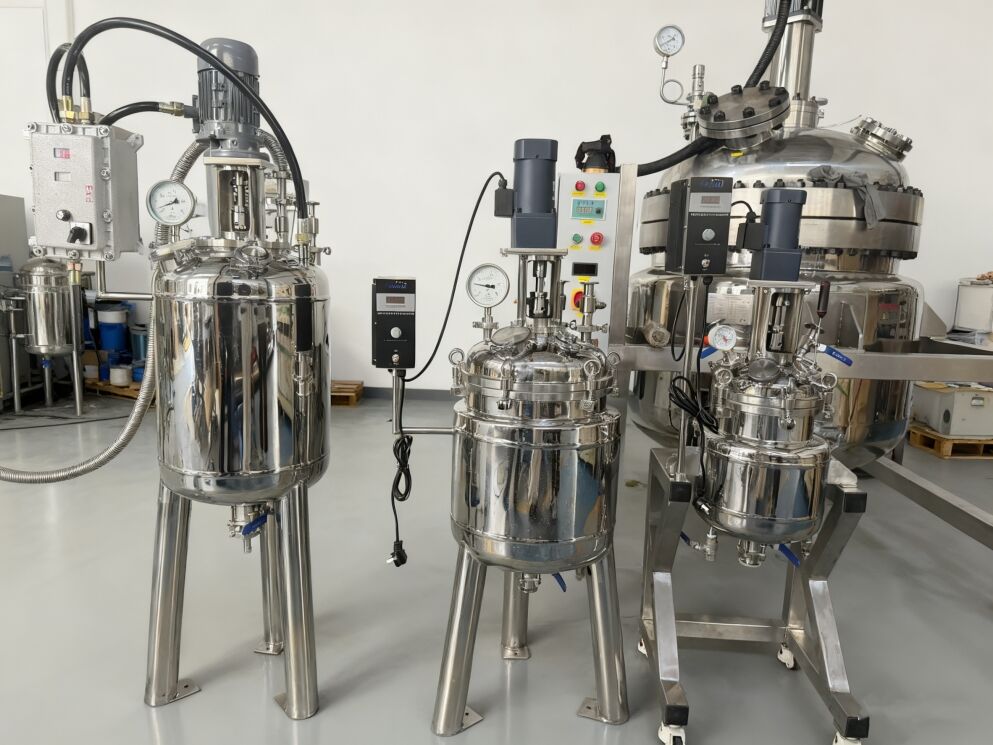
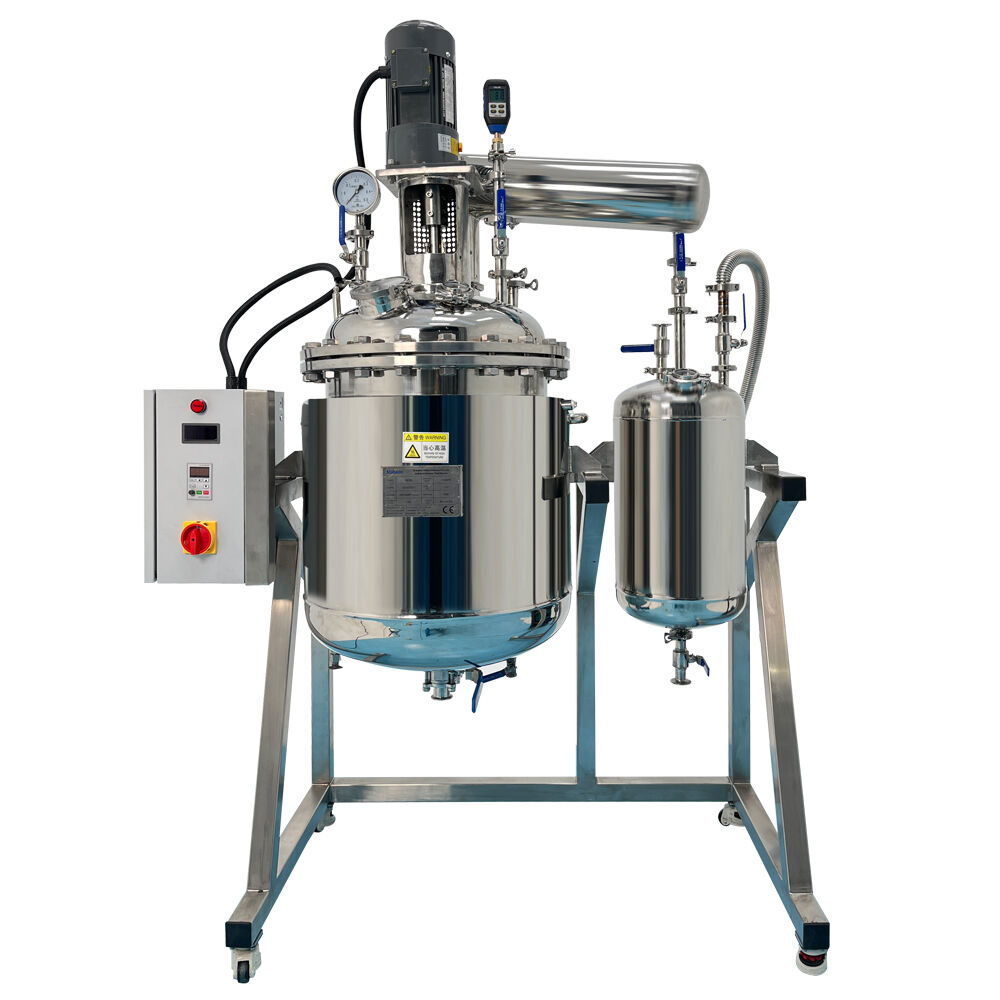
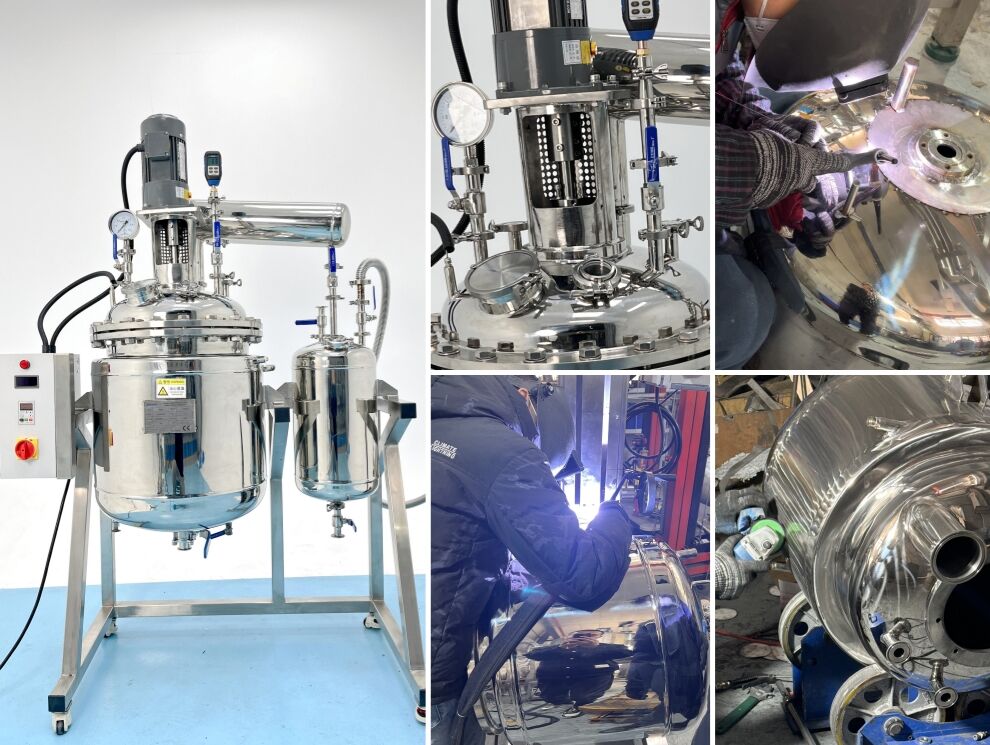
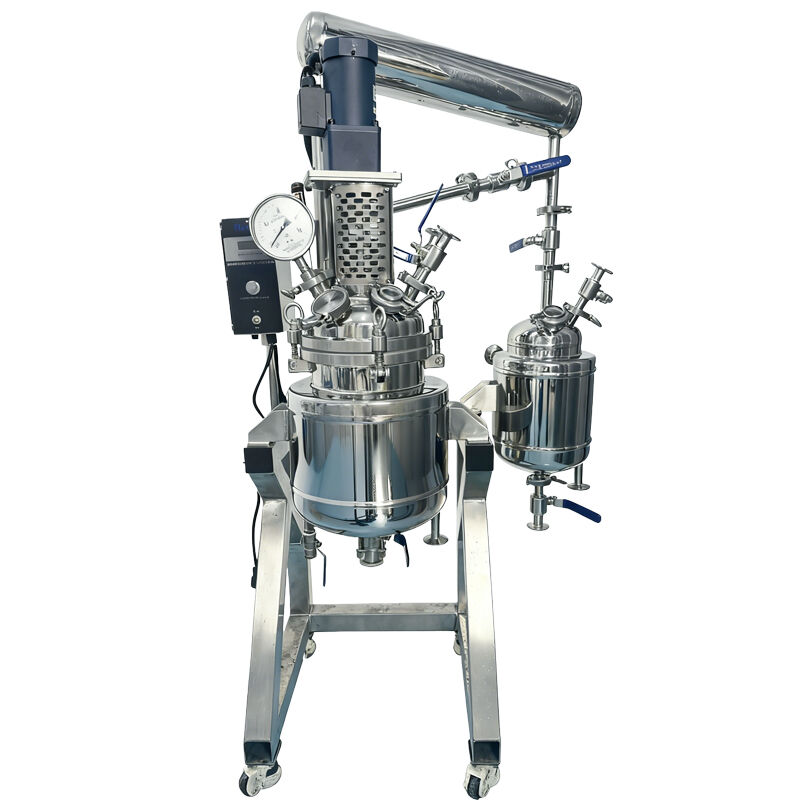
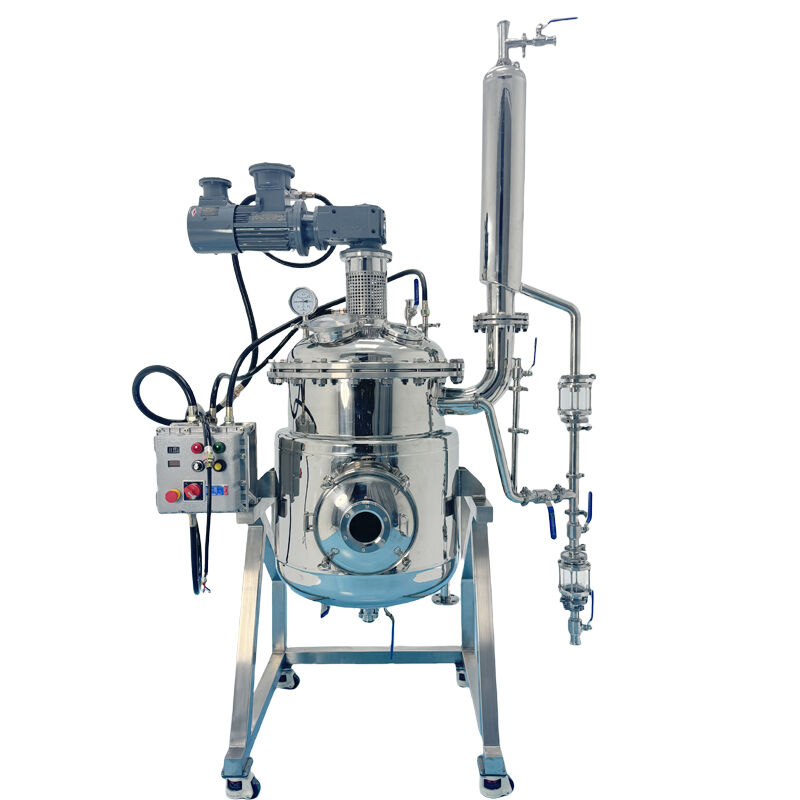
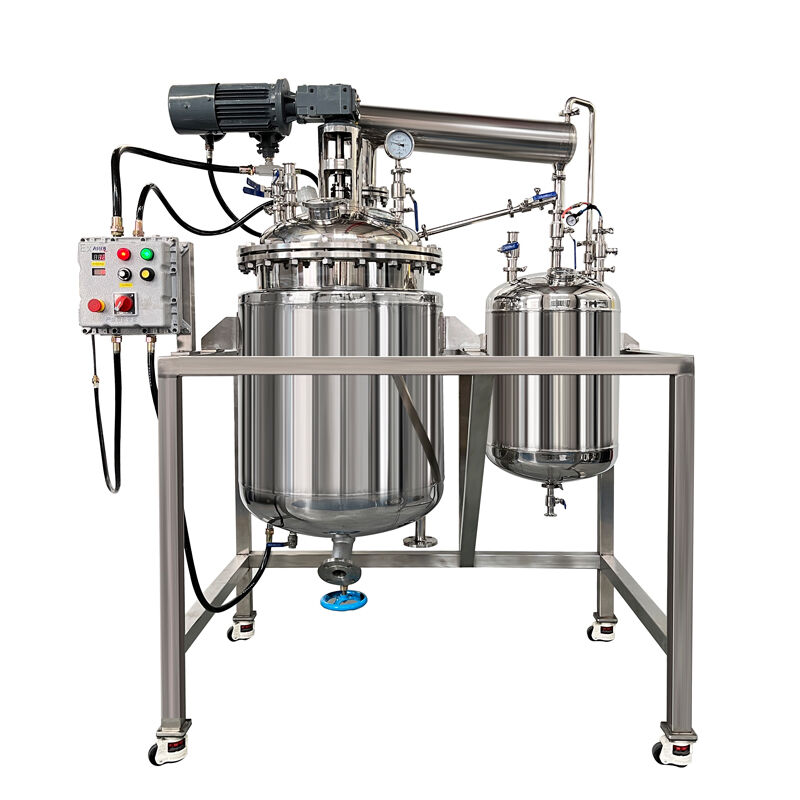
chemical reaction vessel
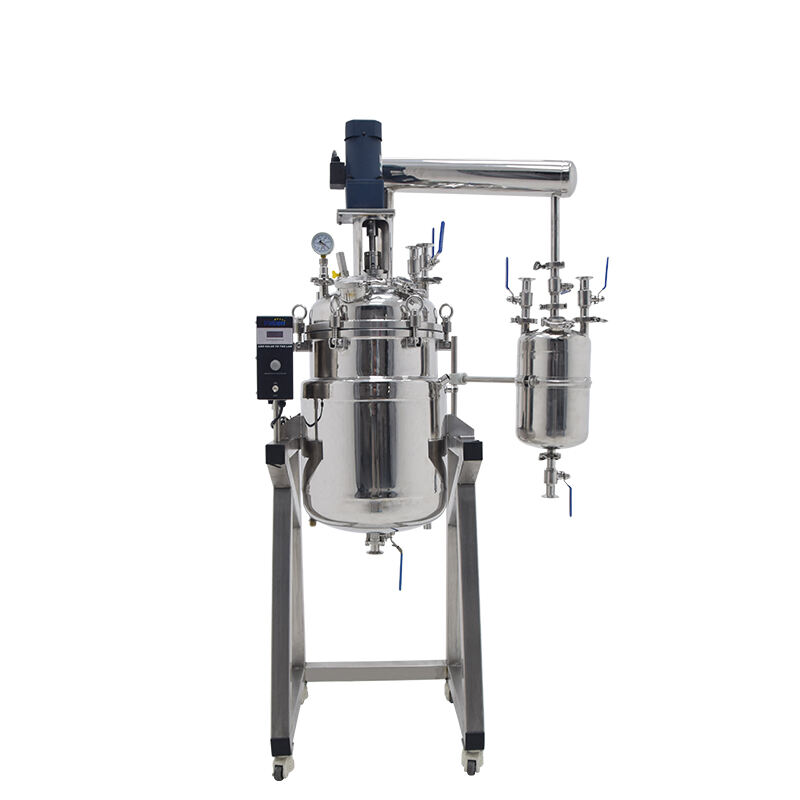
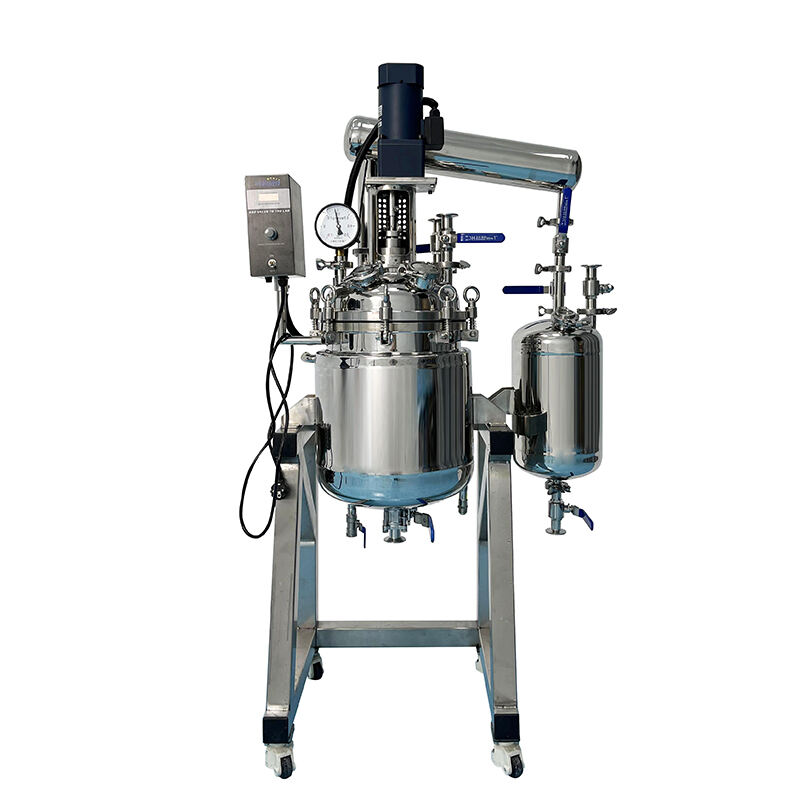
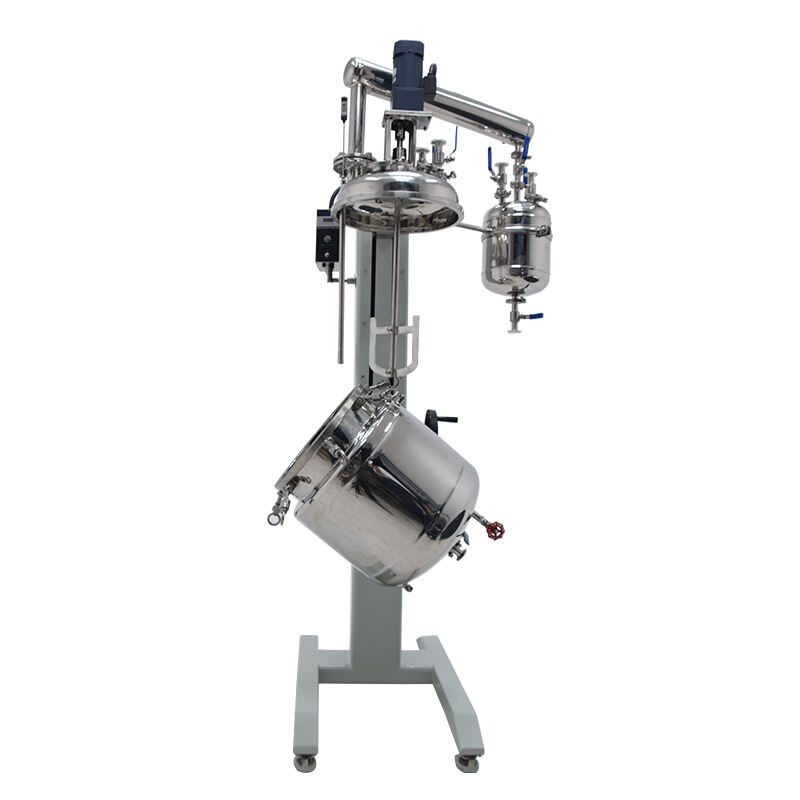
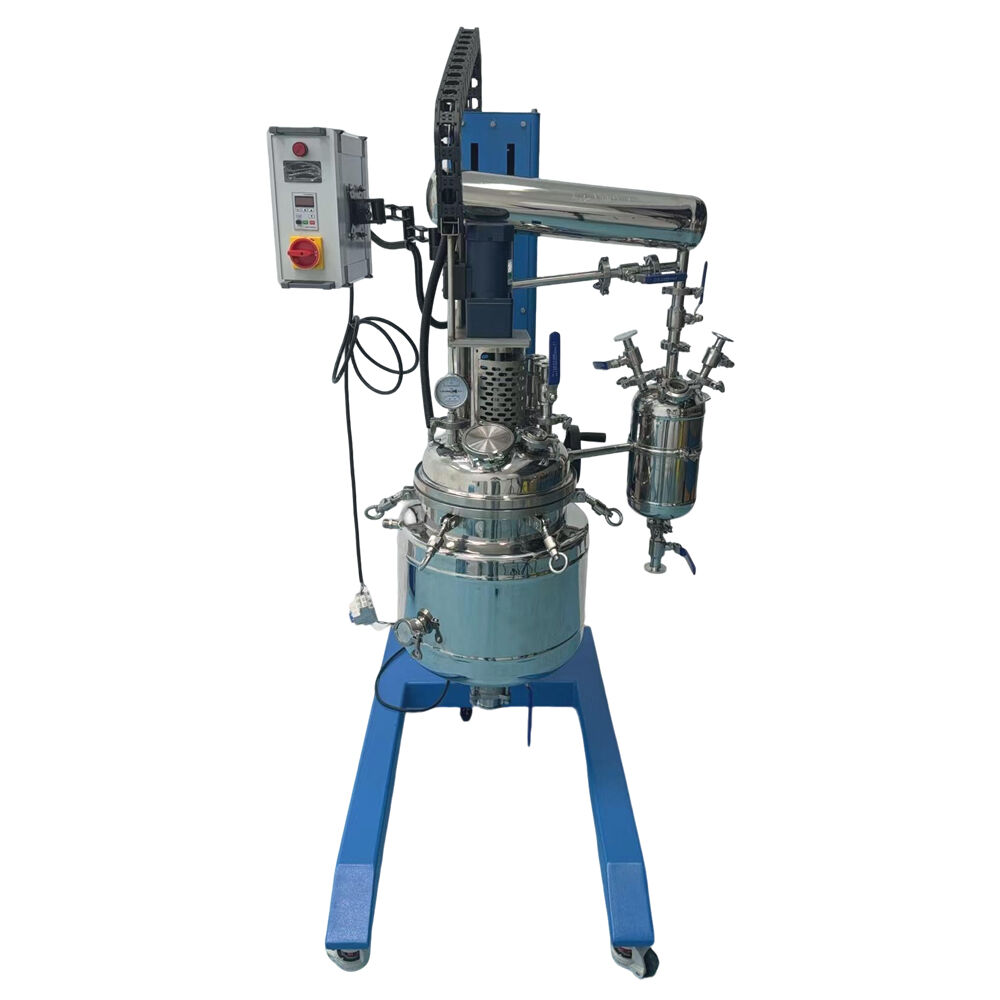
Chemical reaction vessels serve as the cornerstone of modern industrial processing, providing controlled environments where raw materials transform into valuable products. These specialized containers are engineered to withstand extreme conditions while maintaining precise control over temperature, pressure, and chemical interactions. A chemical reaction vessel operates as a sophisticated system that facilitates chemical transformations through carefully designed internal components and monitoring systems. The primary function of any chemical reaction vessel involves containing reactants safely while enabling optimal reaction conditions. These vessels feature robust construction materials such as stainless steel, glass-lined steel, or specialized alloys that resist corrosion and maintain structural integrity under demanding operational parameters. Temperature regulation represents a critical aspect of chemical reaction vessel design, with integrated heating and cooling systems ensuring reactions proceed at optimal rates. Pressure management systems within each chemical reaction vessel prevent dangerous overpressurization while maintaining necessary reaction conditions. Modern chemical reaction vessels incorporate advanced monitoring technologies including temperature sensors, pressure gauges, and automated control systems that provide real-time data on reaction progress. Agitation mechanisms ensure uniform mixing of reactants, promoting consistent product quality and reaction efficiency. Safety features built into every chemical reaction vessel include emergency venting systems, rupture discs, and automated shutdown protocols that protect personnel and equipment. The versatility of chemical reaction vessels allows their use across diverse industries including pharmaceuticals, petrochemicals, food processing, and specialty chemicals manufacturing. Modular designs enable customization of chemical reaction vessels to meet specific process requirements, from small-scale laboratory units to large industrial installations. Advanced chemical reaction vessel systems often feature jacketed designs for enhanced heat transfer, multiple injection ports for sequential addition of reactants, and sophisticated sampling systems for process monitoring. These vessels represent essential infrastructure for any facility requiring controlled chemical synthesis or processing operations.
 EN
EN