High Vacuum Molecular Distillation: Advanced Separation Technology for Superior Product Purity

Get a Free Quote

Our representative will contact you soon.
Email
Name
Contact Number
Company Name
Message
0/1000

high vacuum molecular distillation

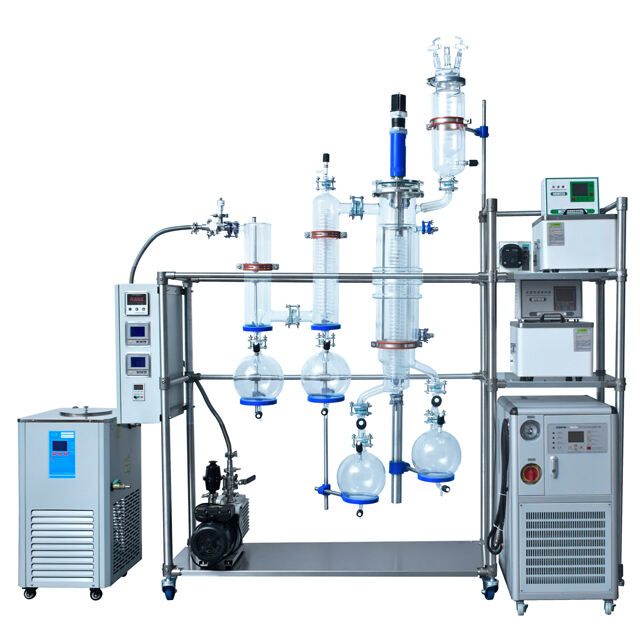
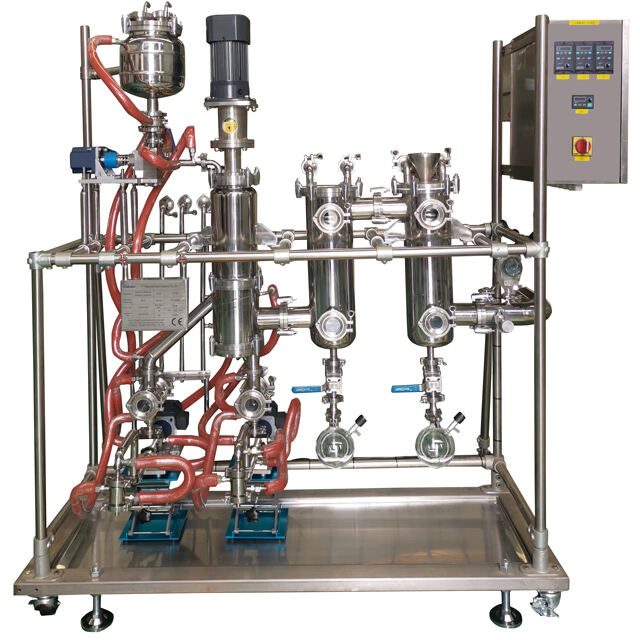
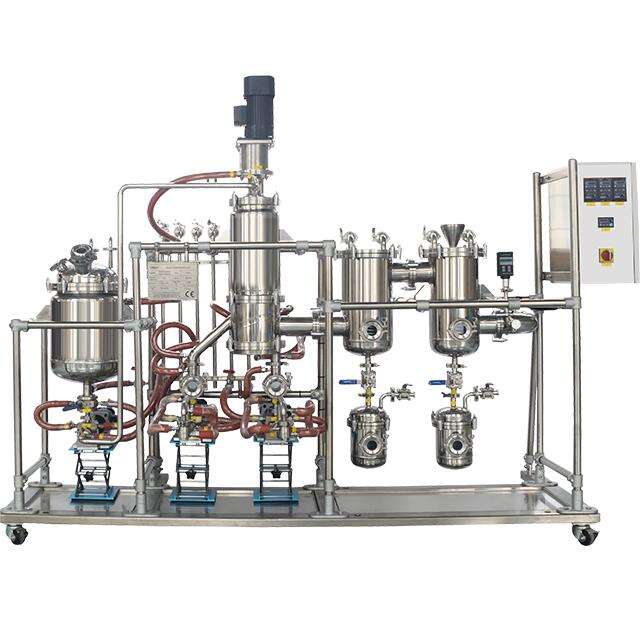
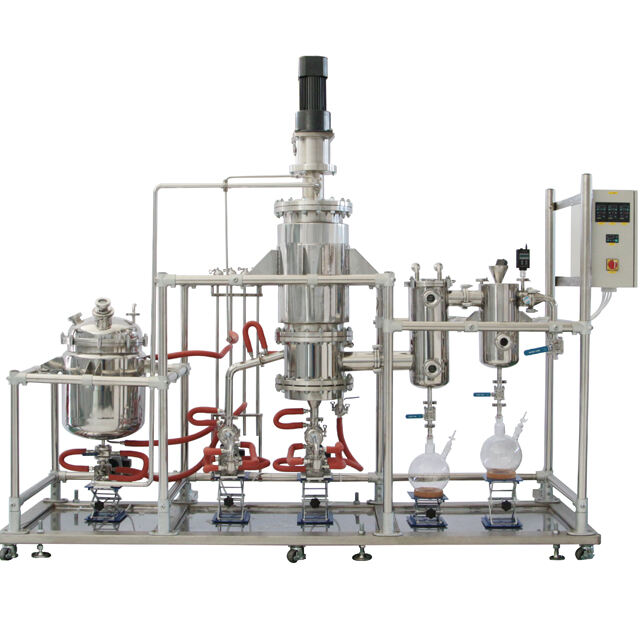
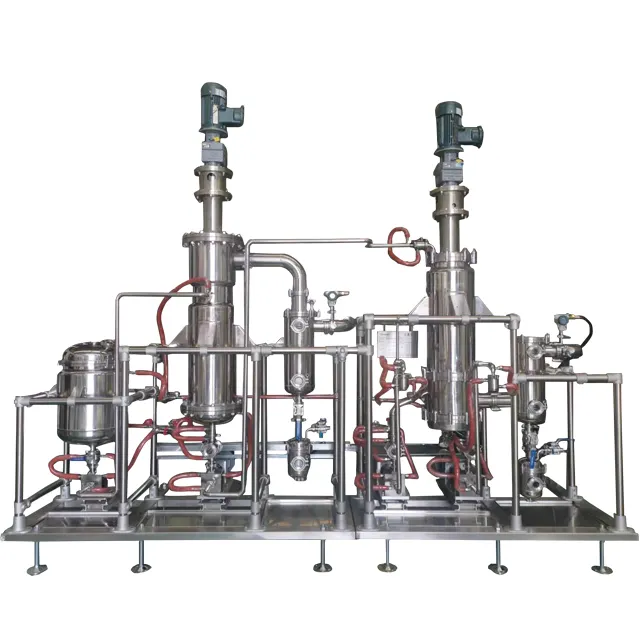
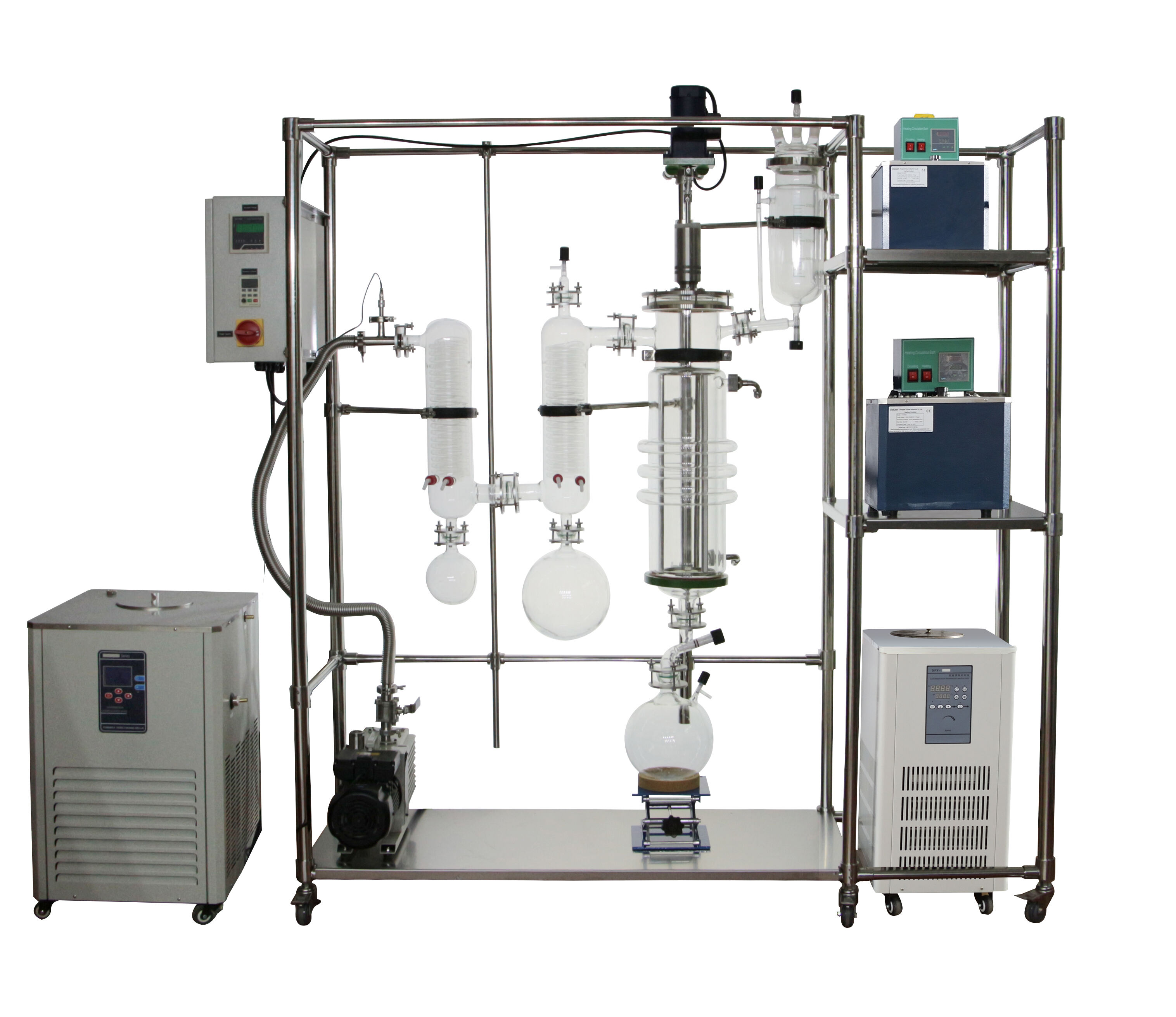
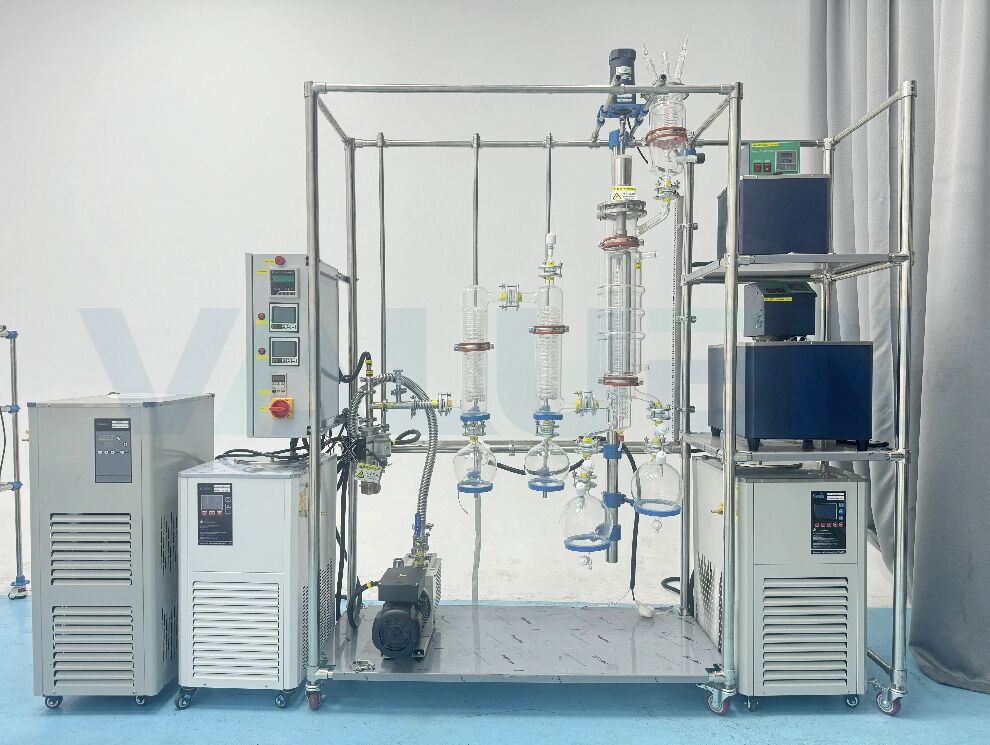
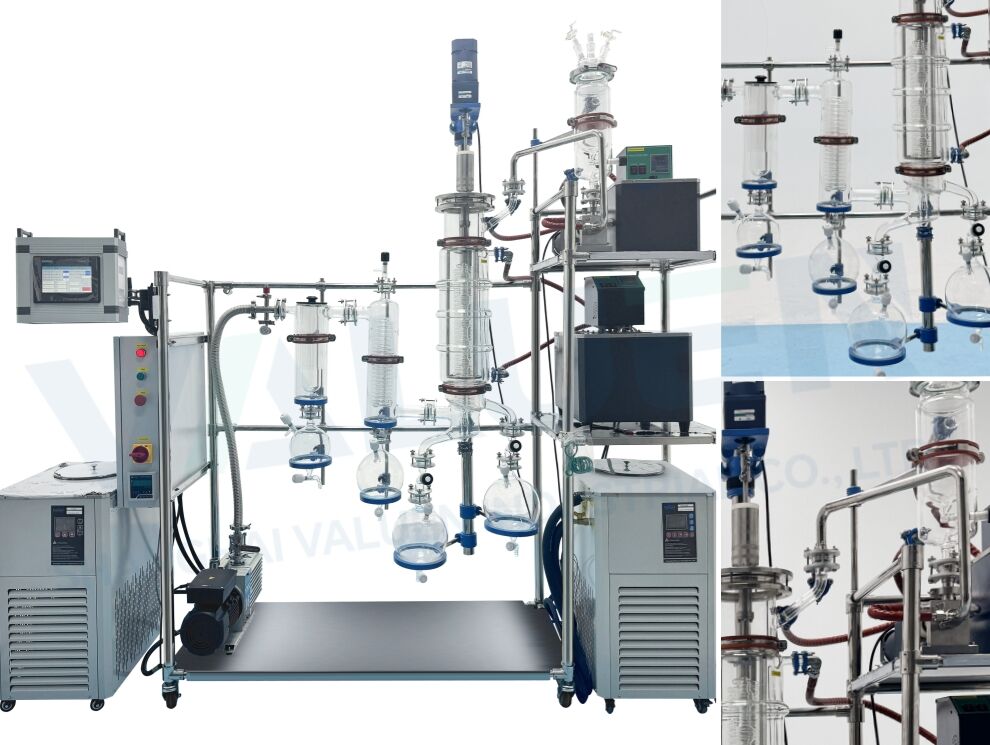
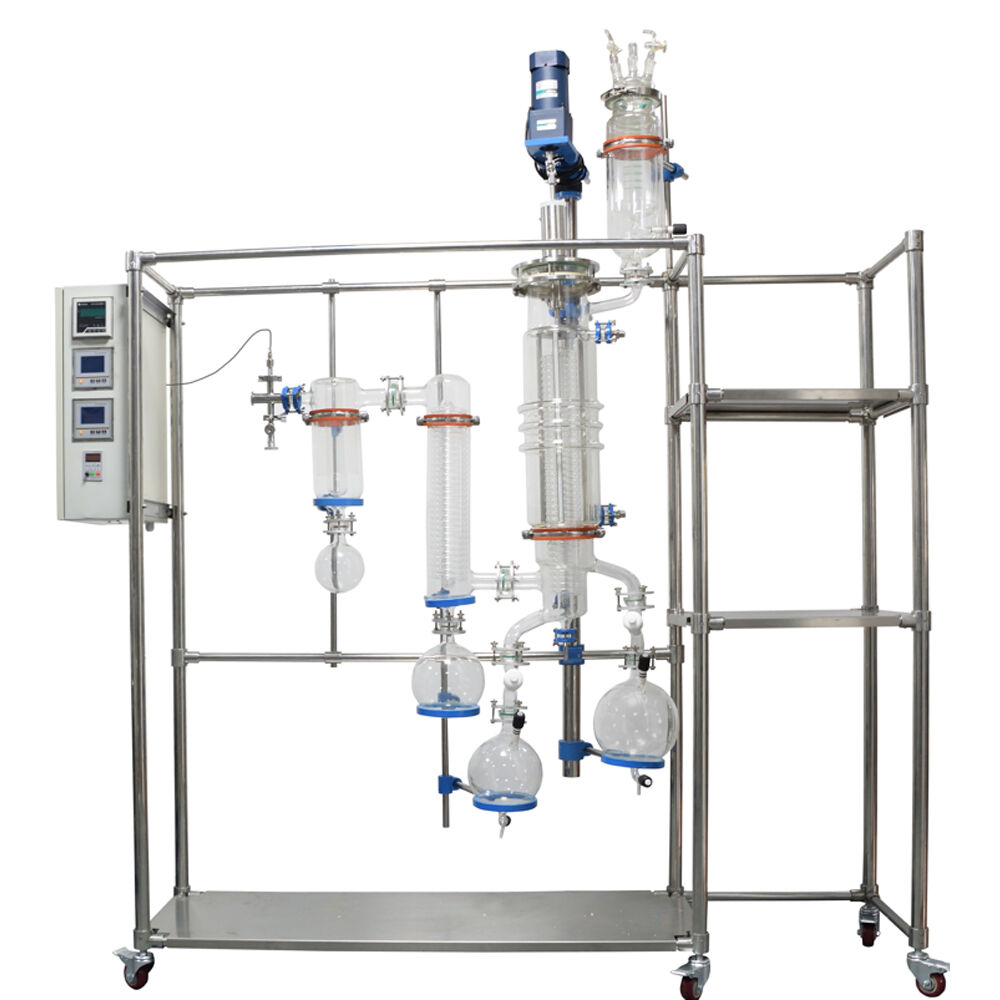
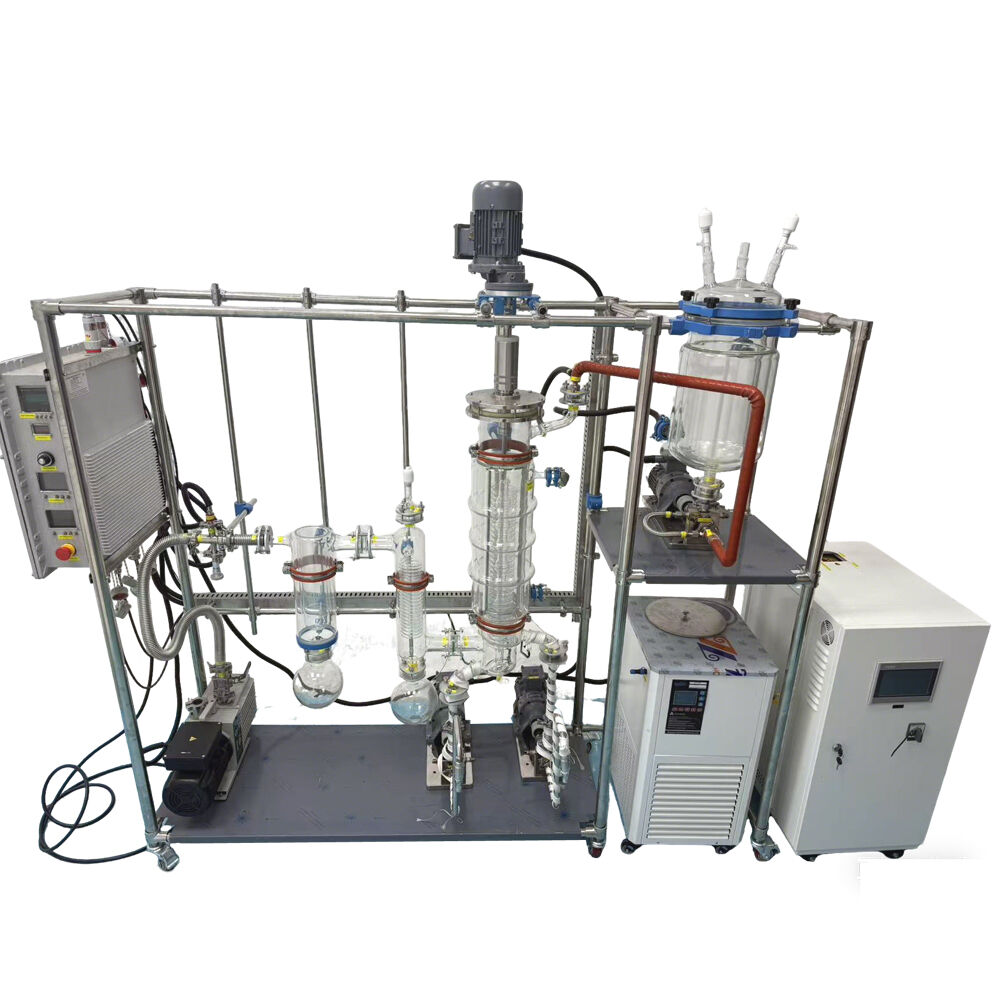
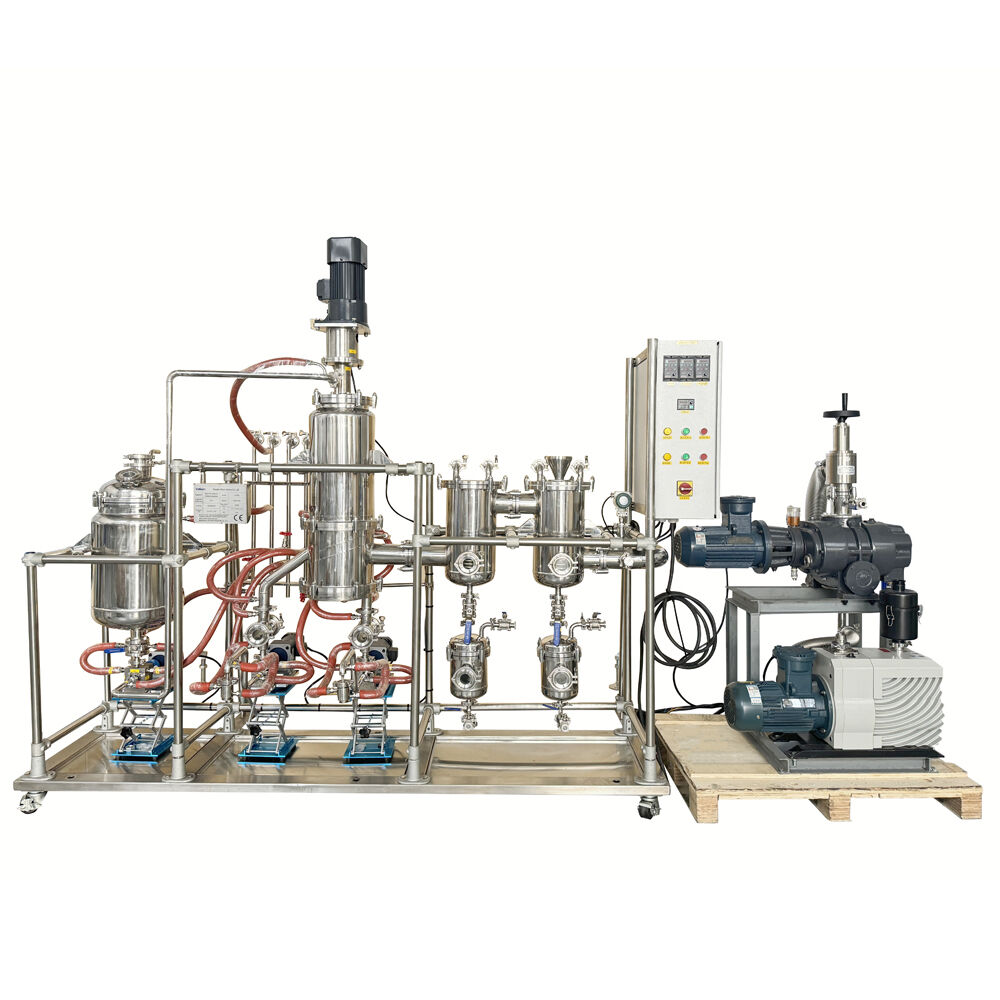
High vacuum molecular distillation represents a cutting-edge separation technology that operates under extremely low pressure conditions, typically ranging from 0.1 to 100 Pa. This advanced distillation method leverages the principle of molecular mean free path, where the distance between the evaporating surface and condensing surface is shorter than the mean free path of vapor molecules. The high vacuum molecular distillation system creates an environment where molecules can travel directly from the heated surface to the condenser without intermolecular collisions, enabling efficient separation at remarkably low temperatures. The main functions of this technology include heat-sensitive material purification, concentration of valuable compounds, removal of unwanted substances, and recovery of high-value products from complex mixtures. Technological features encompass precise temperature control systems, advanced vacuum pumping mechanisms, specialized evaporator designs with thin-film formation capabilities, and efficient condensation systems. The equipment typically incorporates rotating wipers or rollers that create uniform thin films across heated surfaces, maximizing heat transfer efficiency while minimizing thermal degradation risks. Applications span across pharmaceutical manufacturing, essential oil refinement, vitamin extraction, fatty acid purification, polymer processing, and specialty chemical production. Industries utilize high vacuum molecular distillation for processing materials that cannot withstand conventional distillation temperatures, including natural extracts, synthetic compounds, and thermally unstable substances. The technology proves particularly valuable in producing high-purity products where traditional separation methods fail to deliver desired quality standards. Food processing applications include concentration of natural flavors, purification of edible oils, and extraction of nutritional supplements. Chemical industries employ this technology for solvent recovery, catalyst purification, and production of high-grade specialty chemicals used in electronics, cosmetics, and advanced materials manufacturing.

New Product Recommendations

High vacuum molecular distillation offers numerous practical benefits that make it an exceptional choice for businesses seeking efficient separation solutions. The technology operates at significantly lower temperatures compared to conventional distillation methods, protecting heat-sensitive materials from thermal degradation and preserving their original properties and effectiveness. This temperature advantage translates directly into higher product quality and better yields, resulting in increased profitability for manufacturers. The system achieves superior separation efficiency through its unique molecular-level operation, delivering purities that exceed 95% in most applications while maintaining product integrity throughout the process. Energy consumption remains remarkably low due to reduced heating requirements and efficient heat transfer mechanisms, leading to substantial operational cost savings over time. The equipment requires minimal maintenance thanks to its robust design and absence of complex moving parts, reducing downtime and maintenance expenses significantly. Processing times are considerably shorter than traditional methods, enabling faster production cycles and improved manufacturing throughput. The technology handles a wide range of materials without requiring extensive pre-treatment or additional processing steps, simplifying operations and reducing overall production costs. Environmental benefits include reduced waste generation, lower energy consumption, and elimination of harmful solvents in many applications, helping companies meet sustainability goals and regulatory requirements. The gentle processing conditions preserve volatile compounds and sensitive molecules that would otherwise be lost in conventional distillation, maximizing product recovery rates and minimizing material waste. Operational flexibility allows processing of various feed compositions and product specifications within the same equipment, providing excellent return on investment through versatile applications. The system operates continuously with consistent performance, ensuring reliable production schedules and predictable output quality. Safety features include enclosed processing environment, reduced fire hazards due to low operating temperatures, and minimal exposure to potentially harmful substances. Quality control becomes more straightforward with this technology as it produces consistent results with minimal batch-to-batch variation, reducing quality testing requirements and associated costs. The compact design requires less floor space compared to conventional distillation columns, making it ideal for facilities with space constraints while maintaining high processing capacity.

Practical Tips

Optimizing Efficiency with Jacketed Stainless Steel Reactors

29

Oct

Optimizing Efficiency with Jacketed Stainless Steel Reactors

Understanding Jacketed Stainless Steel Reactors and Their Industrial Role What Are Jacketed Stainless Steel Reactors and Why They Matter in Chemical Processing Jacketed stainless steel reactors basically consist of two walls with space in between fo...
View More
What Makes a Stainless Steel Reactor Ideal for Chemical Processing Industries?

10

Nov

What Makes a Stainless Steel Reactor Ideal for Chemical Processing Industries?

Chemical processing industries demand equipment that delivers exceptional performance, durability, and safety standards. Among the various types of reactors available, the stainless steel reactor has emerged as the preferred choice for countless appl...
View More
How to Optimize Reactor Performance with Stainless Steel Material Selection and Mixing Design

12

Nov

How to Optimize Reactor Performance with Stainless Steel Material Selection and Mixing Design

Industrial chemical processing demands precise control over reaction conditions, temperature management, and material compatibility. The selection of appropriate reactor systems significantly impacts product quality, operational efficiency, and long-...
View More
Explosion-Proof Glass Molecular Distillation System: Principles, Design, and Applications

30

Jan

Explosion-Proof Glass Molecular Distillation System: Principles, Design, and Applications

An explosion-proof glass molecular distillation system is a critical solution for the separation and purification of high-value, heat-sensitive, and solvent-based materials. As industries increasingly demand higher purity, safer operation, and gentle...
View More

Get a Free Quote

Our representative will contact you soon.
Email
Name
Contact Number
Company Name
Message
0/1000

high vacuum molecular distillation

Exceptional Temperature Control and Product Protection

Exceptional Temperature Control and Product Protection

High vacuum molecular distillation excels in providing unmatched temperature control capabilities that protect valuable products from thermal damage while achieving exceptional separation results. The system operates under vacuum conditions so intense that molecules evaporate at temperatures 50-200 degrees Celsius lower than atmospheric distillation requires, creating a protective environment for heat-sensitive compounds. This temperature reduction proves crucial for pharmaceutical active ingredients, natural extracts, vitamins, and specialty chemicals that lose potency or decompose when exposed to elevated temperatures. The technology employs sophisticated heating systems with precise temperature regulation, ensuring uniform heat distribution across the evaporating surface while preventing hot spots that could cause localized overheating. Advanced control systems monitor and adjust temperature parameters in real-time, maintaining optimal conditions throughout the entire process cycle. The gentle heating approach preserves molecular structure integrity, maintaining biological activity in pharmaceutical compounds, retaining flavor profiles in food ingredients, and preserving color characteristics in natural extracts. This temperature advantage directly impacts product quality, enabling manufacturers to deliver premium products that command higher market prices while meeting stringent quality specifications. The system also incorporates rapid cooling mechanisms that quickly solidify condensed vapors, further minimizing thermal exposure time and preventing product degradation. For companies processing expensive raw materials or producing high-value products, this temperature protection translates into significant cost savings by reducing product loss and maintaining consistent quality standards. The technology particularly benefits manufacturers of omega-3 fatty acids, essential oils, natural antioxidants, and pharmaceutical intermediates where thermal stability directly affects product efficacy and market value. Temperature monitoring systems provide comprehensive data logging capabilities, enabling complete process documentation for regulatory compliance and quality assurance purposes.
Superior Separation Efficiency and Purity Achievement

Superior Separation Efficiency and Purity Achievement

The separation efficiency of high vacuum molecular distillation surpasses conventional methods by utilizing molecular-level physics principles that enable precise component separation based on molecular weight differences and volatility characteristics. The technology creates conditions where vapor molecules travel directly from the evaporating surface to the condenser without encountering other molecules, eliminating the equilibrium limitations that constrain traditional distillation processes. This direct molecular transport mechanism achieves separation factors significantly higher than conventional methods, often reaching purities above 98% in single-pass operations. The system design incorporates multiple separation stages within a single unit, allowing for simultaneous removal of various impurities and concentration of desired components in one continuous operation. Advanced evaporator geometries create optimal conditions for molecular separation, with precisely calculated distances between evaporating and condensing surfaces that maximize separation efficiency while maintaining process stability. The technology effectively separates compounds with similar boiling points that prove difficult or impossible to separate using conventional distillation, opening new possibilities for product purification and refinement. Multi-component mixtures undergo efficient fractionation, producing multiple pure product streams from single feed sources, maximizing resource utilization and minimizing waste generation. The separation process operates independently of vapor pressure relationships that govern traditional distillation, enabling separation of thermally unstable compounds that decompose before reaching their boiling points under atmospheric conditions. This capability proves essential for processing natural products, pharmaceutical intermediates, and specialty chemicals where maintaining molecular integrity requires gentle processing conditions. The technology delivers consistent separation performance regardless of feed composition variations, ensuring reliable product quality and reducing the need for extensive quality control testing. Process optimization capabilities allow fine-tuning of operating parameters to achieve specific purity targets while maximizing recovery rates, providing flexibility to meet diverse customer requirements and market specifications.
Versatile Applications and Industrial Adaptability

Versatile Applications and Industrial Adaptability

High vacuum molecular distillation demonstrates remarkable versatility across diverse industrial applications, making it an invaluable asset for companies operating in multiple sectors or seeking to expand their product portfolios. The technology adapts seamlessly to pharmaceutical manufacturing processes, efficiently purifying active pharmaceutical ingredients, removing synthesis byproducts, and concentrating drug formulations while maintaining therapeutic efficacy. Food and beverage industries utilize this system for producing high-quality essential oils, concentrating natural flavors, refining edible oils, and extracting nutritional supplements without compromising nutritional value or sensory properties. Chemical processing applications encompass specialty chemical production, polymer purification, catalyst recovery, and solvent recycling, enabling manufacturers to improve product quality while reducing production costs and environmental impact. The equipment handles various feed states including liquids, semi-solids, and viscous materials, accommodating diverse raw material characteristics without requiring extensive preprocessing or formulation modifications. Batch and continuous processing modes provide operational flexibility, allowing manufacturers to optimize production schedules based on demand patterns, raw material availability, and production capacity requirements. The system processes materials across wide molecular weight ranges, from small organic molecules to complex polymers and biological compounds, making it suitable for research and development activities as well as commercial production. Scale-up capabilities enable smooth transition from laboratory development to pilot testing and full commercial production without changing fundamental operating principles or requiring extensive process revalidation. Industries such as cosmetics, nutraceuticals, electronics, and advanced materials benefit from the technology's ability to produce ultra-pure components that meet stringent quality specifications and regulatory requirements. The equipment integrates easily with existing production lines and quality control systems, minimizing implementation complexity and reducing capital investment requirements. Modular design options allow customization for specific applications while maintaining standardized components for ease of maintenance and operation. Environmental compliance becomes straightforward as the technology operates without harmful solvents, produces minimal waste streams, and consumes less energy than conventional separation methods, helping companies meet sustainability goals and regulatory obligations.

Get a Free Quote

Our representative will contact you soon.
Email
Name
Contact Number
Company Name
Message
0/1000