Thin Film Molecular Distillation: Advanced Separation Technology for High-Purity Processing

Get a Free Quote

Our representative will contact you soon.
Email
Name
Contact Number
Company Name
Message
0/1000

thin film molecular distillation

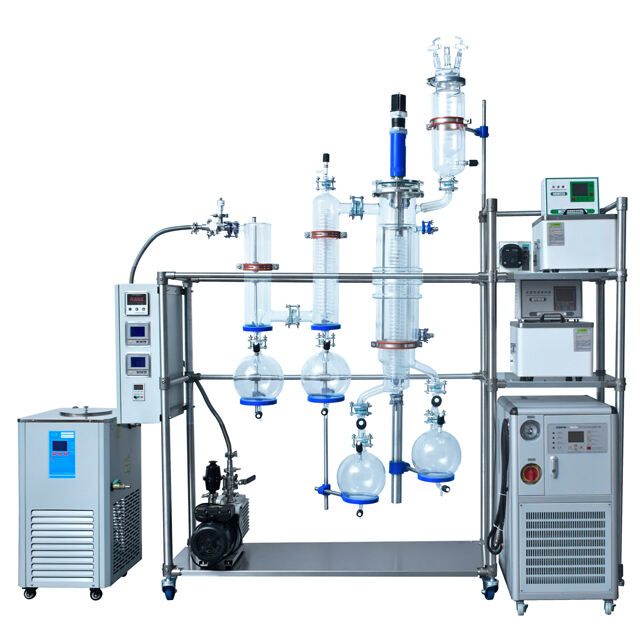
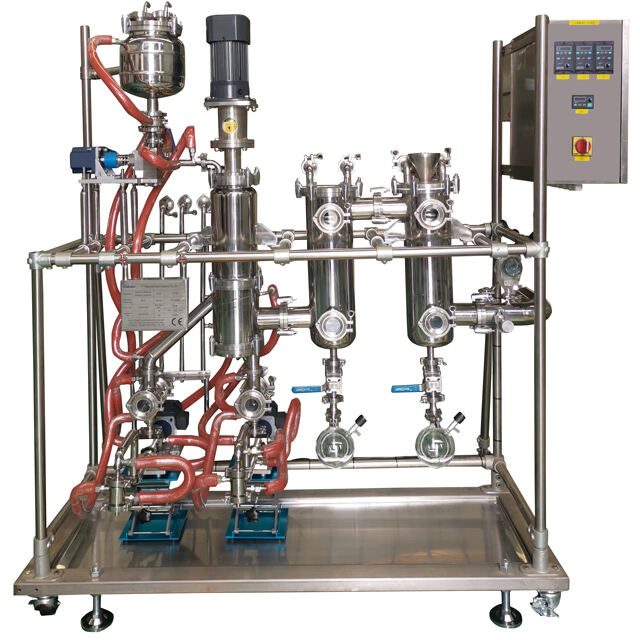
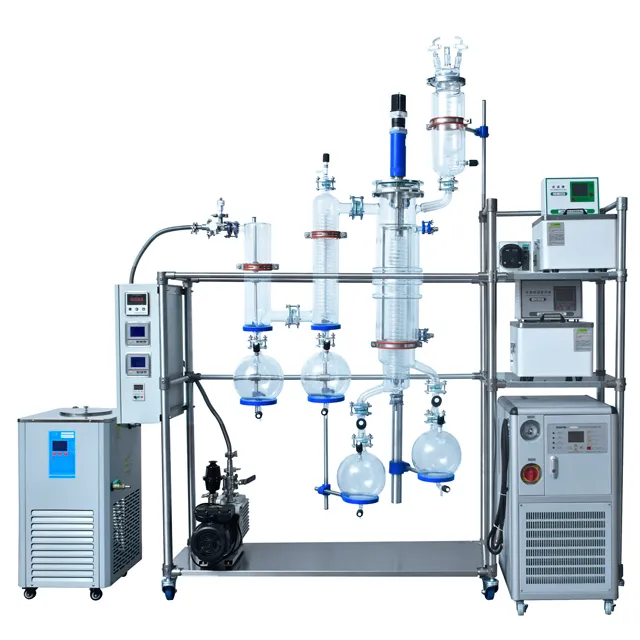
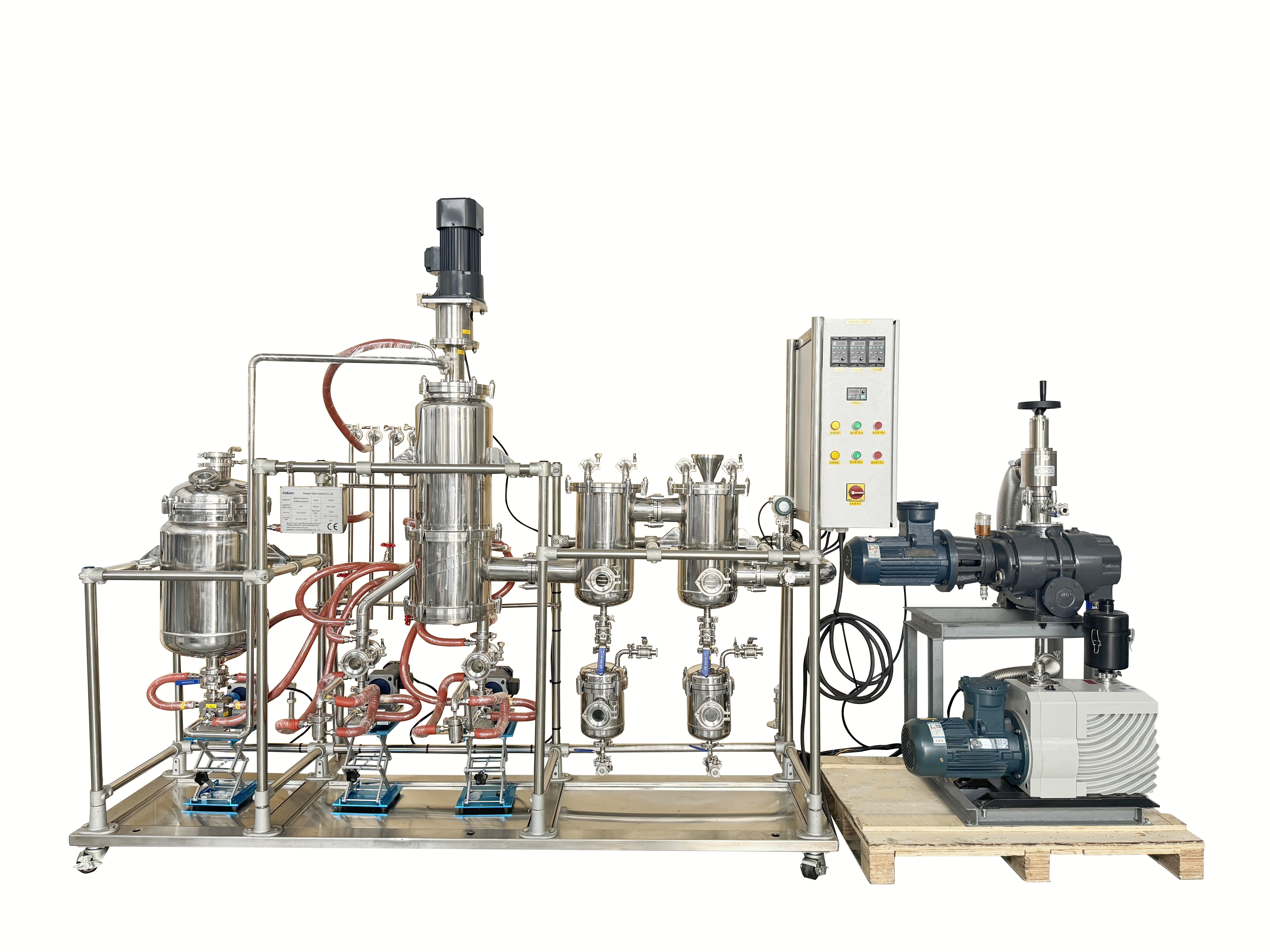
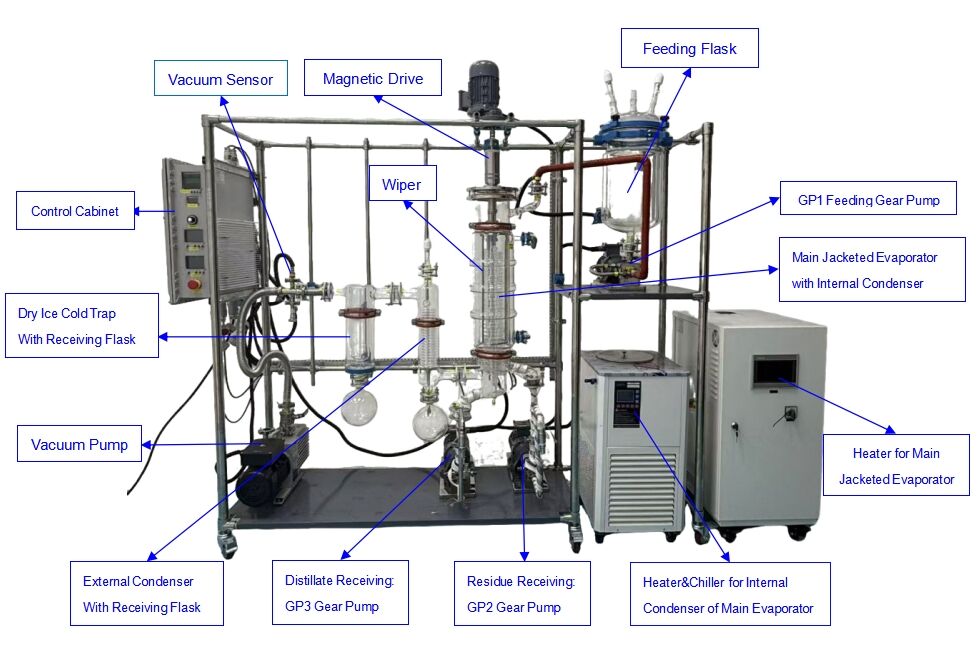
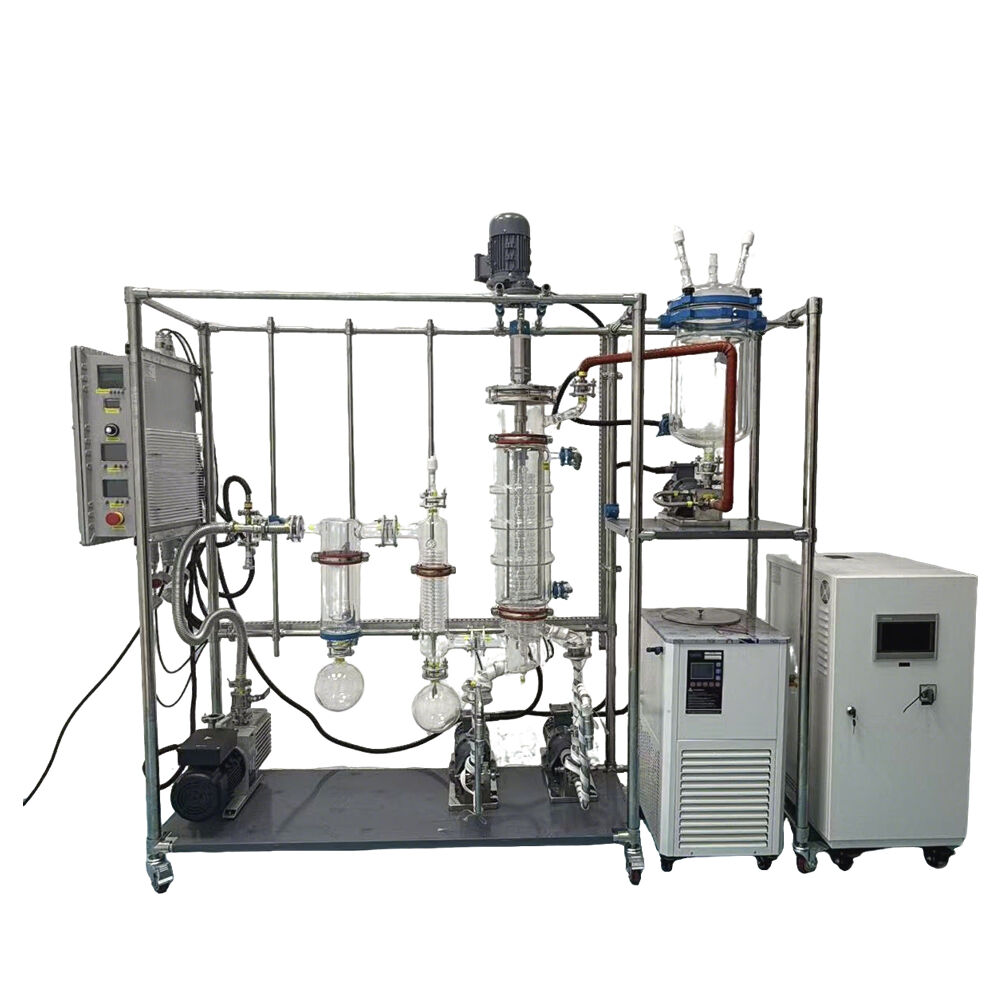
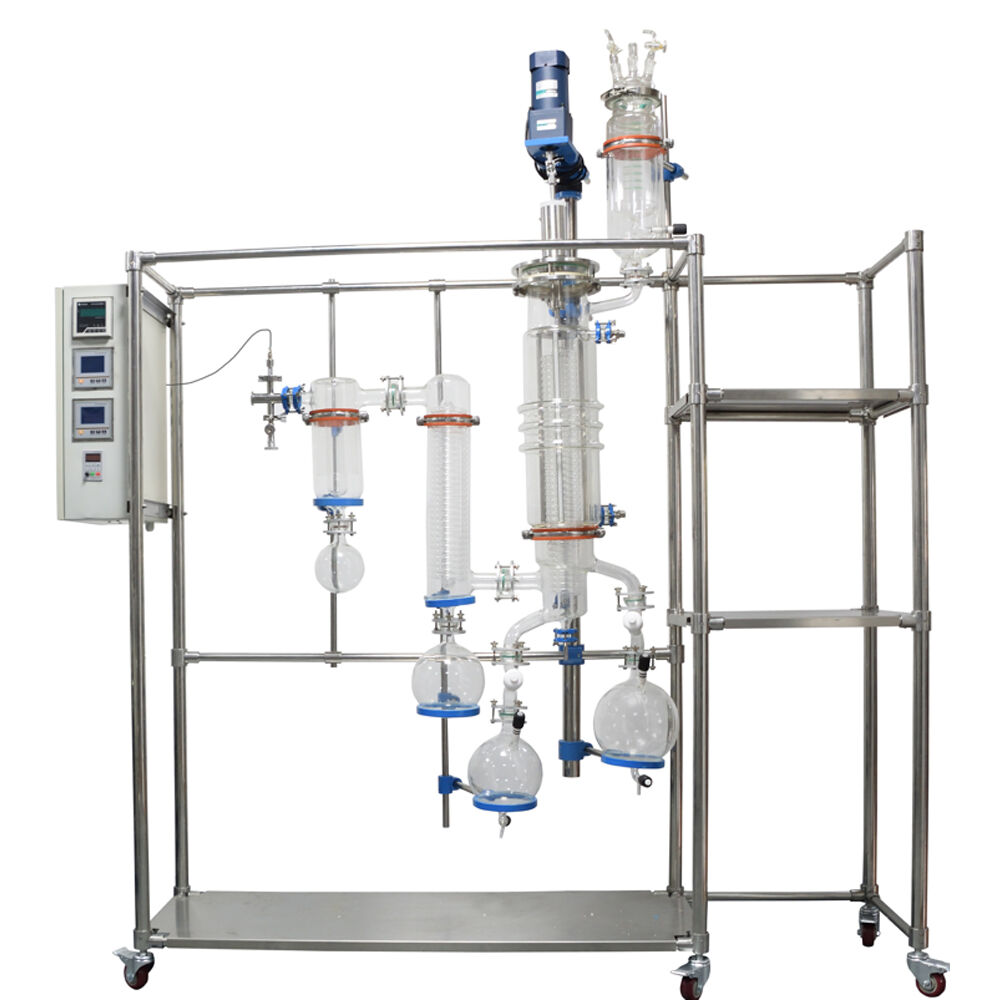
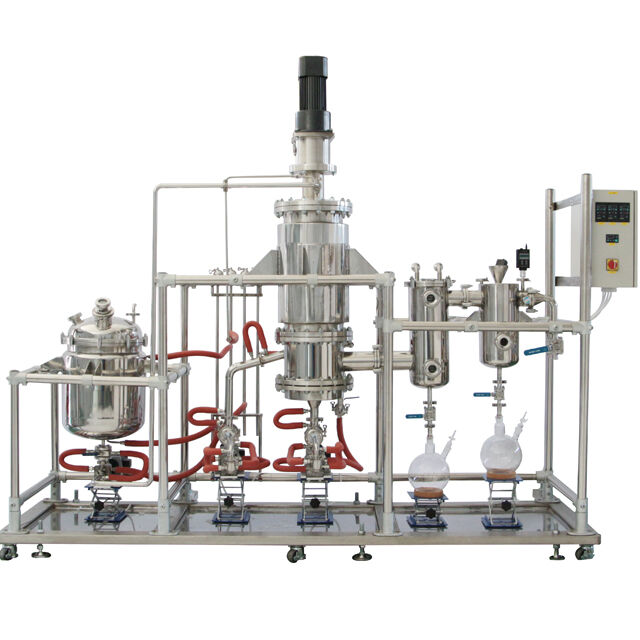
Thin film molecular distillation represents a cutting-edge separation technology that operates under high vacuum conditions to purify and separate heat-sensitive compounds with exceptional precision. This advanced distillation method utilizes extremely short residence times and low operating temperatures to minimize thermal degradation while maximizing product quality. The process works by creating a thin liquid film that flows down a heated vertical surface, where molecules evaporate and condense on a nearby cooled surface within a very short distance. The main functions of thin film molecular distillation include the purification of high-value chemicals, concentration of natural extracts, separation of complex mixtures, and recovery of valuable components from industrial waste streams. The technology excels in processing materials that would decompose under conventional distillation conditions, making it indispensable for pharmaceutical, food, cosmetic, and specialty chemical industries. Key technological features include precise temperature control systems, high-efficiency vacuum pumps capable of achieving pressures below 0.001 mbar, specialized wiped film evaporators with rotating scrapers, and advanced condensation systems. The equipment design ensures uniform film distribution, optimal heat transfer, and minimal pressure drop throughout the system. Applications span across diverse sectors including vitamin purification, essential oil concentration, polymer processing, waste oil recycling, and biodiesel production. The thin film molecular distillation process handles viscous materials effectively while maintaining product integrity through gentle processing conditions. Modern systems incorporate automated control systems for consistent operation and real-time monitoring capabilities. The technology offers superior separation efficiency compared to traditional methods, enabling the processing of compounds with similar boiling points that would be impossible to separate using conventional techniques.

Popular Products

The thin film molecular distillation technology delivers remarkable advantages that transform industrial separation processes and provide substantial value to manufacturers across multiple sectors. Superior product quality stands as the primary benefit, as the gentle processing conditions preserve the molecular structure of sensitive compounds while eliminating unwanted impurities. The low operating temperatures, typically 50-200 degrees Celsius below conventional boiling points, prevent thermal decomposition and maintain the original properties of valuable materials. Energy efficiency represents another significant advantage, with reduced power consumption due to lower operating temperatures and optimized heat transfer mechanisms. The thin film configuration maximizes surface area contact while minimizing energy losses, resulting in operational cost savings of 30-50% compared to traditional distillation methods. Processing versatility enables manufacturers to handle a wide range of materials, from low-viscosity solvents to highly viscous oils and polymers, without equipment modifications. The technology accommodates feed materials with viscosities up to 10,000 centipoise while maintaining consistent performance throughout the operating range. Continuous operation capability ensures uninterrupted production schedules and maximizes throughput efficiency. The automated control systems maintain precise operating conditions 24/7, reducing labor costs and minimizing human error. High separation efficiency achieves purities exceeding 99% for many applications, eliminating the need for multiple processing steps and reducing overall production time. The compact equipment design requires minimal floor space compared to conventional distillation columns, making it ideal for facilities with space constraints. Minimal residence time, typically measured in seconds rather than hours, reduces product degradation and improves yield rates. The sealed system design prevents contamination and oxidation while enabling the processing of oxygen-sensitive materials. Scalability from laboratory to industrial production allows manufacturers to optimize processes at small scale before investing in full production equipment. Environmental benefits include reduced waste generation, lower emissions, and the ability to recover valuable components from industrial byproducts. The thin film molecular distillation process generates minimal secondary waste streams while recovering high-value materials that would otherwise be discarded. Economic returns are substantial, with payback periods typically ranging from 12-24 months due to improved product quality, reduced processing costs, and enhanced recovery rates. The technology enables manufacturers to produce premium products that command higher market prices while reducing raw material consumption through improved efficiency.

Tips And Tricks

Optimizing Efficiency with Jacketed Stainless Steel Reactors

29

Oct

Optimizing Efficiency with Jacketed Stainless Steel Reactors

Understanding Jacketed Stainless Steel Reactors and Their Industrial Role What Are Jacketed Stainless Steel Reactors and Why They Matter in Chemical Processing Jacketed stainless steel reactors basically consist of two walls with space in between fo...
View More
Why Jacketed Glass Reactors are Essential for Your Lab

29

Oct

Why Jacketed Glass Reactors are Essential for Your Lab

Superior Temperature Control for Consistent Reaction ConditionsJacketed glass reactors achieve ±0.5°C temperature stability through their double-wall design, ensuring precise and consistent reaction conditions critical for sensitive chemic...
View More
How to Choose the Right Stainless Steel Reactor for Pharmaceutical Production

12

Nov

How to Choose the Right Stainless Steel Reactor for Pharmaceutical Production

Selecting the appropriate stainless steel reactor for pharmaceutical production is a critical decision that directly impacts product quality, manufacturing efficiency, and regulatory compliance. The pharmaceutical industry demands exceptional standar...
View More
How Does a Stainless Steel Reactor Improve Reaction Efficiency and Safety

12

Nov

How Does a Stainless Steel Reactor Improve Reaction Efficiency and Safety

Chemical processing industries rely heavily on precise reaction control and optimal safety measures to achieve consistent production outcomes. The selection of appropriate reactor materials and design features directly impacts both operational effici...
View More

Get a Free Quote

Our representative will contact you soon.
Email
Name
Contact Number
Company Name
Message
0/1000

thin film molecular distillation

Ultra-High Vacuum Processing for Maximum Purity

Ultra-High Vacuum Processing for Maximum Purity

The ultra-high vacuum processing capability of thin film molecular distillation systems sets this technology apart from conventional separation methods by creating optimal conditions for the purification of the most demanding applications. Operating at vacuum levels below 0.001 mbar, these systems enable molecular separation at temperatures significantly lower than atmospheric boiling points, preserving the integrity of heat-sensitive compounds that would otherwise degrade under traditional processing conditions. This extraordinary vacuum performance is achieved through advanced multi-stage vacuum pumping systems that combine rotary vane pumps, roots blowers, and diffusion pumps to create the pristine environment necessary for molecular-level separation. The ultra-high vacuum environment eliminates the presence of oxygen and other reactive gases that could cause unwanted chemical reactions, oxidation, or polymerization during processing. This controlled atmosphere is particularly crucial when processing pharmaceutical compounds, natural extracts, essential oils, and specialty chemicals where even trace contamination can compromise product quality and regulatory compliance. The vacuum system design incorporates sophisticated monitoring and control technologies that maintain consistent pressure levels throughout the entire process, ensuring reproducible results and optimal product quality. Advanced leak detection systems continuously monitor system integrity, while automated pressure control valves maintain precise operating conditions regardless of feed rate variations or external environmental factors. The ultra-high vacuum processing capability enables the separation of compounds with very similar molecular weights and boiling points, achieving separations that would be impossible using conventional distillation techniques. This precision separation capability is essential for producing high-purity products in industries where specifications demand exceptional quality standards. The vacuum system design also incorporates cold traps and vapor recovery systems that capture and recycle valuable solvents and light components, minimizing waste and reducing operating costs. The reliability of the vacuum system is enhanced through redundant pumping stages and automated backup systems that ensure continuous operation even during maintenance activities. Temperature uniformity across the evaporation surface is maintained through the vacuum environment, eliminating hot spots and ensuring consistent product quality throughout the entire processing volume.
Advanced Wiped Film Technology for Optimal Heat Transfer

Advanced Wiped Film Technology for Optimal Heat Transfer

The advanced wiped film technology incorporated in thin film molecular distillation systems revolutionizes heat transfer efficiency and product handling capabilities through innovative mechanical design and precision engineering. The heart of this technology lies in the specialized rotor system equipped with precisely machined wipers that create and maintain an ultra-thin, uniform liquid film across the heated evaporation surface. These wipers, typically fabricated from corrosion-resistant materials such as PTFE or specialized metal alloys, continuously spread the feed material into a film thickness of just 0.1 to 0.5 millimeters, maximizing surface area exposure while minimizing thermal resistance. The rotor design incorporates multiple wiper configurations optimized for different viscosity ranges and processing requirements, ensuring optimal performance across diverse applications from low-viscosity solvents to highly viscous polymer melts. The wiping action prevents film buildup and eliminates dead zones that could lead to product degradation or reduced efficiency, while the continuous renewal of the liquid surface promotes rapid evaporation and consistent product quality. Variable rotor speed control allows operators to optimize film thickness and residence time based on specific material properties and processing objectives. The advanced bearing systems supporting the rotor assembly utilize magnetic or hermetically sealed designs that eliminate contamination risks while providing maintenance-free operation for extended periods. The heated evaporator surface features precision-machined channels that ensure uniform temperature distribution, while advanced temperature control systems maintain set points within ±1°C across the entire surface area. The wiped film configuration enables the processing of materials that would foul or clog conventional distillation equipment, including sticky resins, wax-containing feeds, and crystallizing solutions. The mechanical action of the wipers continuously cleans the evaporation surface, preventing deposit formation and maintaining optimal heat transfer coefficients throughout extended operating campaigns. The system design accommodates easy access for cleaning and maintenance through removable components and quick-disconnect fittings that minimize downtime. Advanced materials of construction ensure compatibility with corrosive feeds and cleaning solvents, while specialized coatings enhance surface properties and extend equipment life. The wiped film technology also incorporates sophisticated residence time distribution control, allowing precise adjustment of processing conditions to optimize product quality and yield for specific applications.
Precision Temperature Control for Product Integrity

Precision Temperature Control for Product Integrity

The precision temperature control systems integrated into thin film molecular distillation equipment provide unparalleled thermal management capabilities that preserve product integrity while maximizing separation efficiency across demanding industrial applications. These sophisticated control systems utilize advanced sensor networks, intelligent algorithms, and rapid response heating and cooling elements to maintain processing temperatures within extremely tight tolerances, typically ±0.5°C or better throughout the entire operation. The temperature control architecture features multiple independent zones that can be individually optimized for different sections of the processing equipment, including the evaporator surface, condenser systems, and product collection areas. This multi-zone approach enables fine-tuning of thermal profiles to match the specific requirements of complex feed mixtures and optimize separation performance for each component. Advanced PID control algorithms continuously monitor and adjust heating and cooling systems based on real-time process conditions, feed characteristics, and product quality requirements. The rapid response capability of the temperature control systems enables quick startup and shutdown procedures while maintaining stable operating conditions during feed rate changes and other process disturbances. Precision temperature measurement utilizes high-accuracy RTD sensors and thermocouples strategically positioned throughout the system to provide comprehensive thermal monitoring and ensure uniform temperature distribution. The heating systems typically employ electrical resistance heaters with rapid thermal response characteristics, allowing precise control of heat input and minimization of temperature overshoot that could damage sensitive products. Advanced thermal insulation systems minimize heat losses and improve energy efficiency while maintaining temperature stability in varying ambient conditions. The cooling systems incorporate precision-controlled refrigeration units or cooling water circuits that can rapidly adjust condenser temperatures to optimize vapor recovery and product quality. Safety systems include over-temperature protection, thermal runaway detection, and emergency cooling capabilities that protect both equipment and products from thermal damage. The temperature control systems also feature data logging and trending capabilities that provide operators with detailed thermal history information for process optimization and quality assurance purposes. Integration with plant control systems enables remote monitoring and control of temperature parameters while providing alarm notifications for any deviations from normal operating conditions. The precision temperature control capability is essential for processing thermally sensitive materials such as vitamins, pharmaceuticals, and natural extracts where even minor temperature excursions can result in product degradation or loss of biological activity.

Get a Free Quote

Our representative will contact you soon.
Email
Name
Contact Number
Company Name
Message
0/1000