Glass Molecular Distillation Unit - Advanced Vacuum Separation Technology for High-Purity Processing

Get a Free Quote

Our representative will contact you soon.
Email
Name
Contact Number
Company Name
Message
0/1000

glass molecular distillation unit

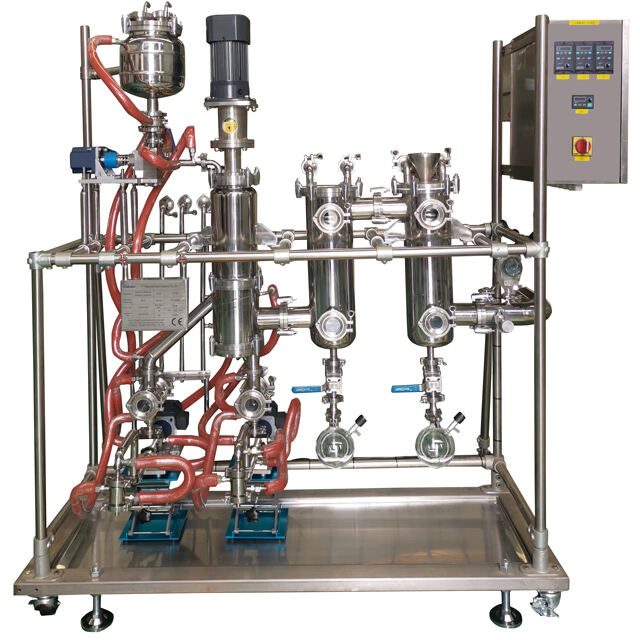
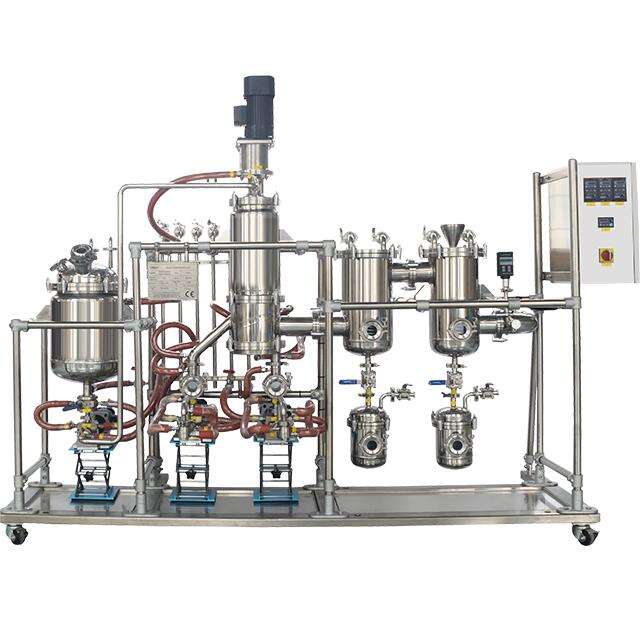
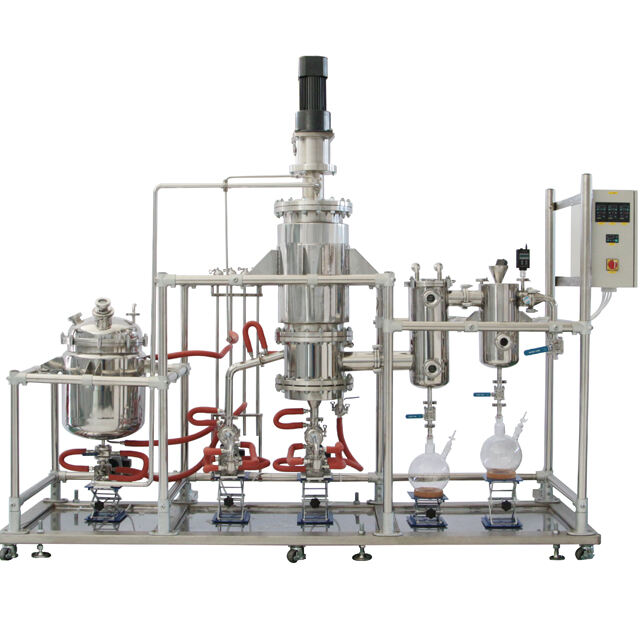
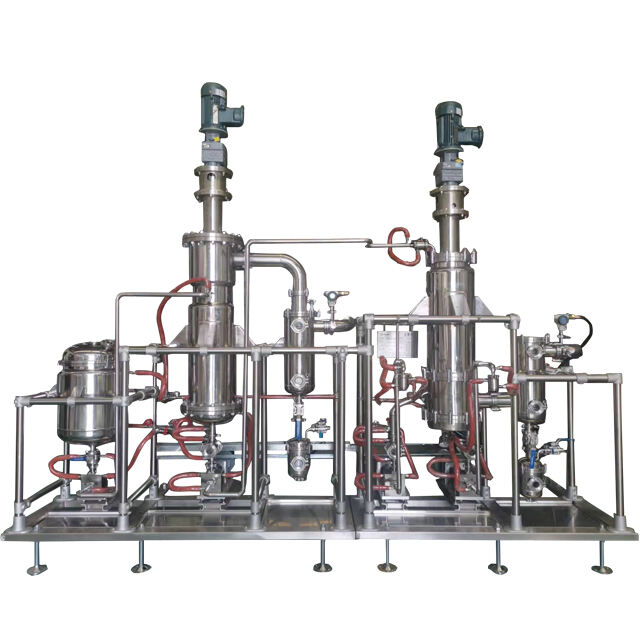
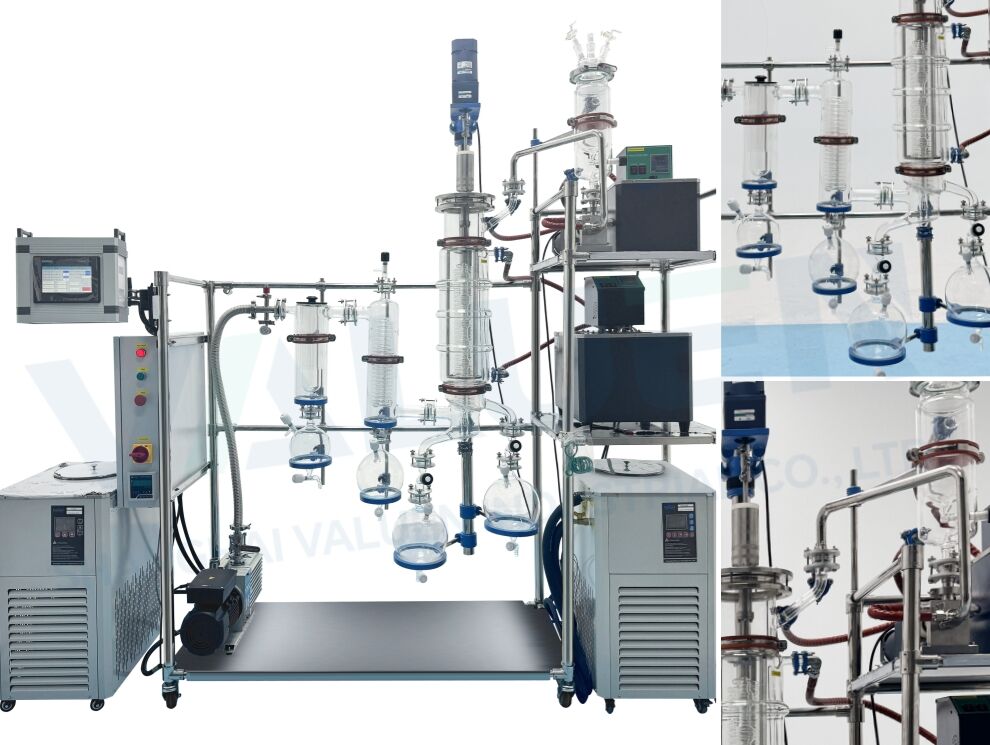
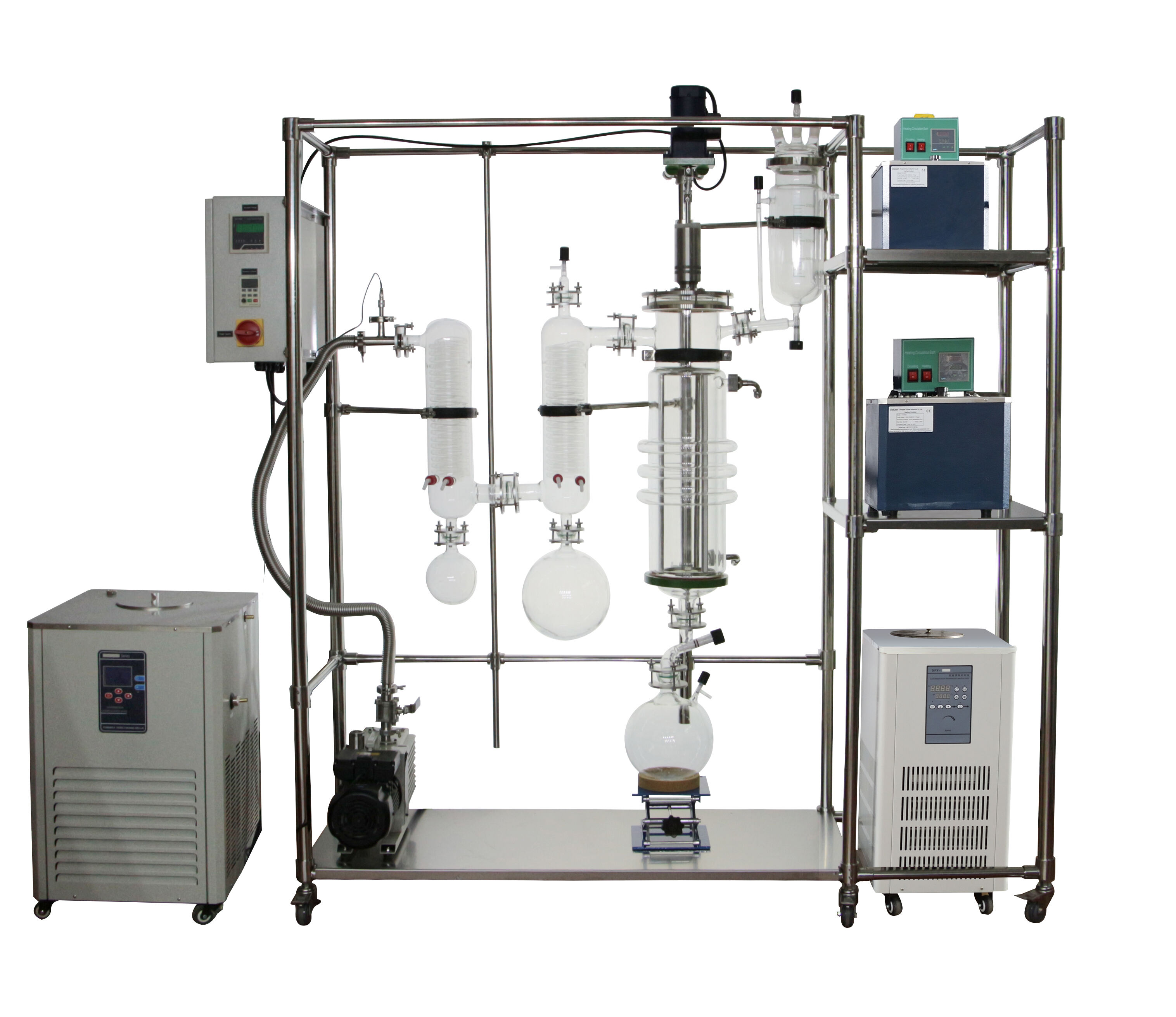
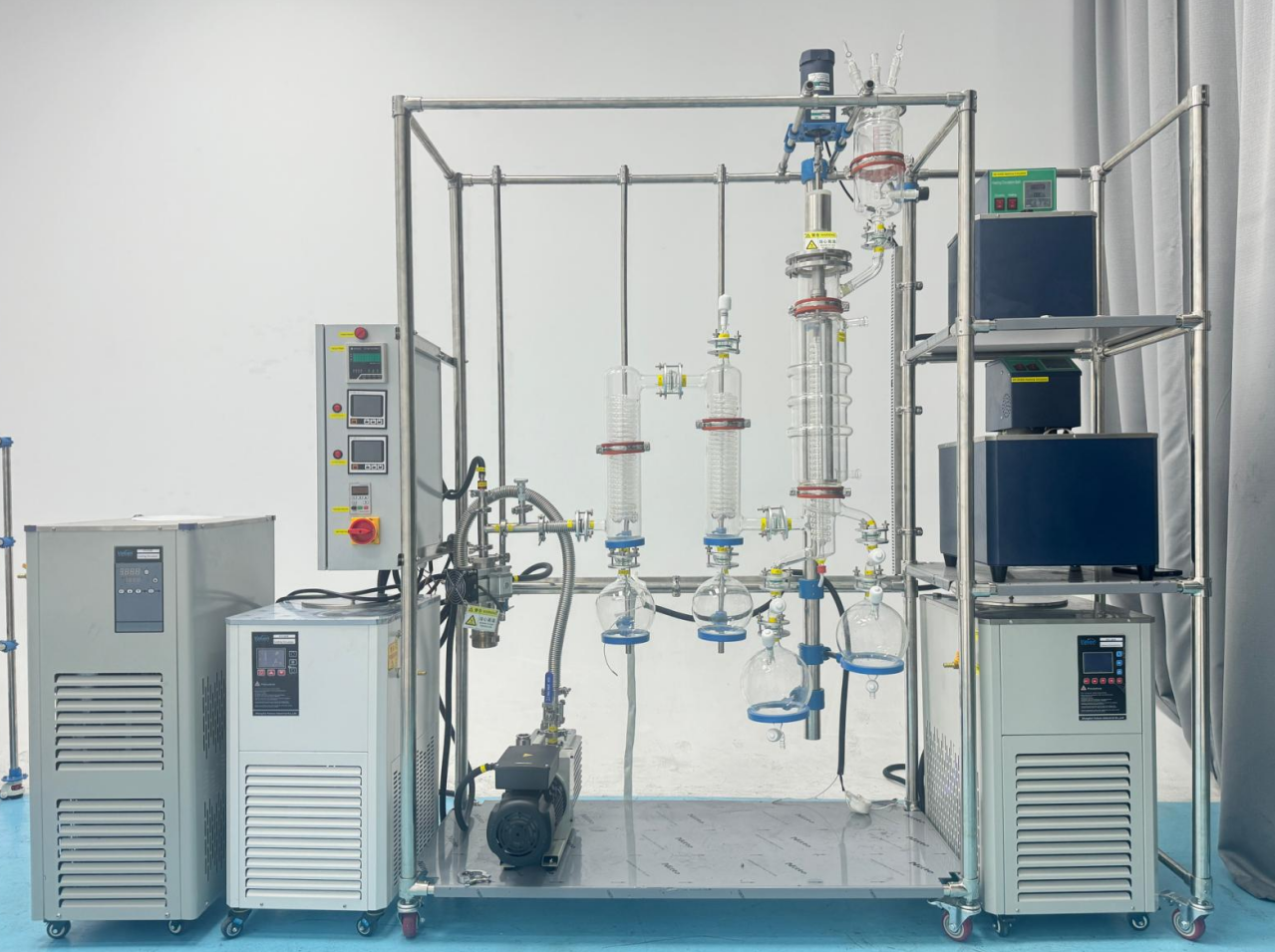
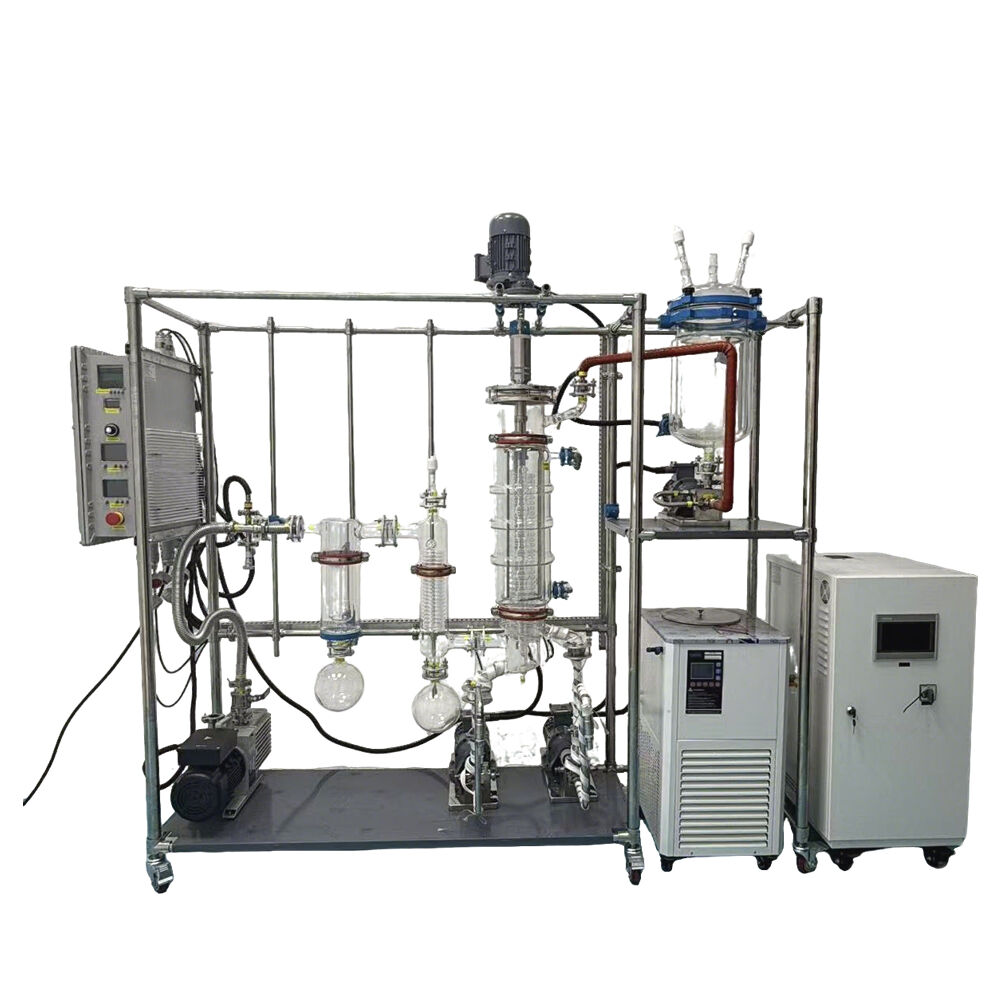
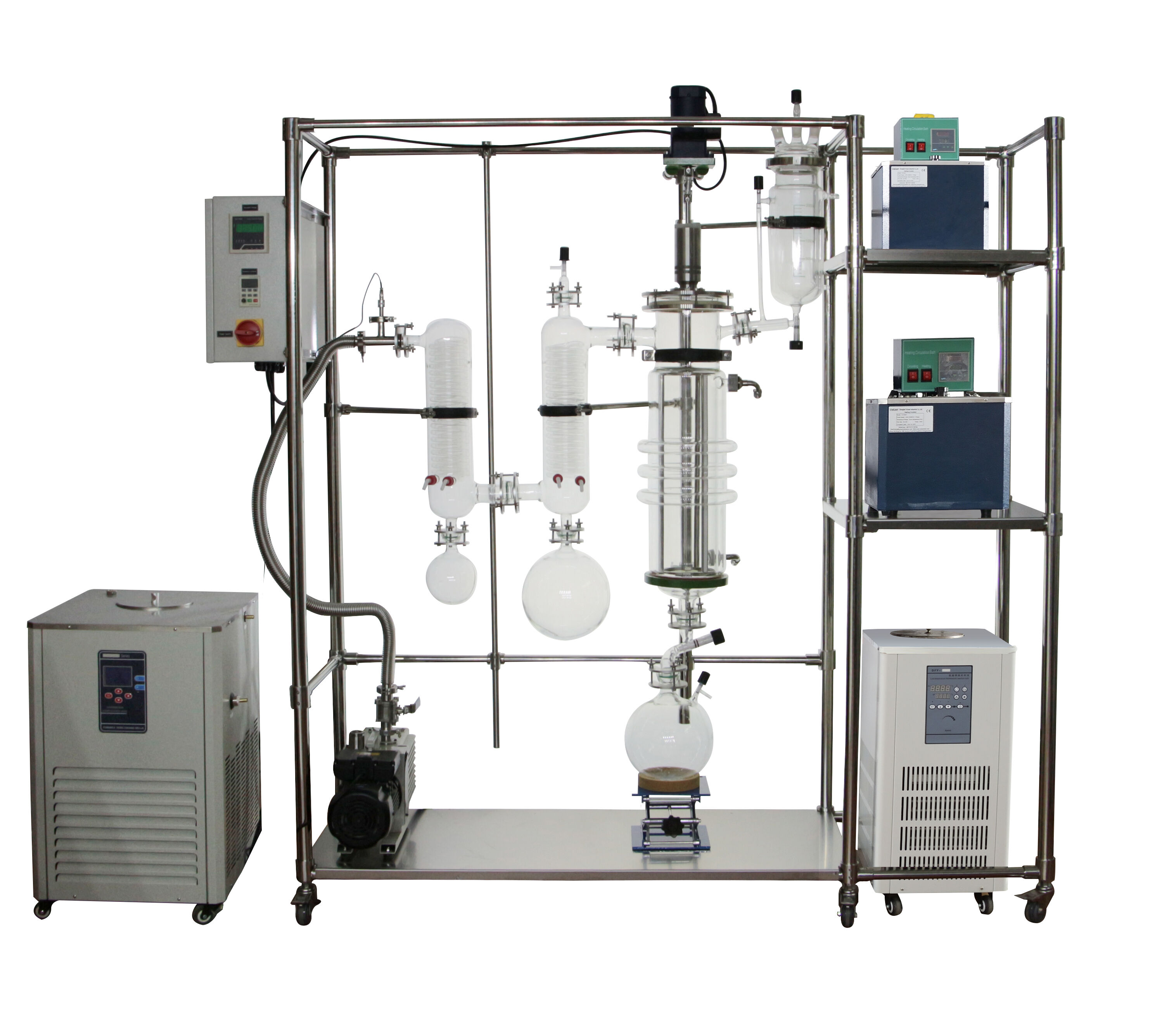
The glass molecular distillation unit represents a cutting-edge separation technology that operates under high vacuum conditions to purify heat-sensitive materials with exceptional precision. This sophisticated equipment utilizes the principle of molecular mean free path differences to achieve separation at temperatures significantly lower than traditional distillation methods. The glass molecular distillation unit features a unique design where materials are heated on a rotating evaporator surface while maintaining extremely low pressures, typically ranging from 0.1 to 100 Pa. The short residence time and gentle heating conditions make this technology ideal for processing thermally unstable compounds without degradation. The main functions of a glass molecular distillation unit include concentration, purification, and separation of complex mixtures based on molecular weight differences. The equipment consists of several key components: a heated cylindrical evaporator, an internal condenser, a vacuum system, and precise temperature control mechanisms. The technological features include advanced vacuum pumping systems that maintain consistent low-pressure environments, precision heating elements that provide uniform temperature distribution, and sophisticated control systems that monitor and adjust operational parameters in real-time. The glass construction offers excellent chemical resistance and allows visual monitoring of the distillation process. Applications span across pharmaceutical manufacturing, essential oil purification, vitamin concentration, polymer processing, and fine chemical production. The glass molecular distillation unit excels in processing heat-sensitive materials such as natural extracts, synthetic pharmaceuticals, specialty chemicals, and high-molecular-weight compounds. Industries including cosmetics, food processing, biotechnology, and research laboratories rely on this technology for achieving high-purity products. The equipment's versatility enables continuous or batch processing modes, accommodating various production scales from laboratory research to industrial manufacturing. Temperature ranges typically operate between 50-300°C, making the glass molecular distillation unit suitable for diverse applications requiring gentle yet effective separation processes.

Popular Products

The glass molecular distillation unit delivers remarkable benefits that transform how businesses approach separation and purification processes. First, this equipment operates at extremely low temperatures, protecting valuable heat-sensitive compounds from thermal degradation that commonly occurs with conventional distillation methods. The gentle processing conditions preserve the integrity of delicate molecules, ensuring maximum yield and quality retention. Second, the short residence time minimizes exposure duration, further reducing the risk of product deterioration and maintaining optimal chemical properties. The glass molecular distillation unit achieves superior separation efficiency through its unique molecular-level operation principle, delivering purities that exceed traditional distillation techniques. The high vacuum environment eliminates oxygen exposure, preventing oxidation reactions that could compromise product quality. This creates an inert processing atmosphere that maintains chemical stability throughout the separation cycle. Third, the continuous operation capability maximizes productivity while minimizing labor requirements. The automated control systems enable precise parameter management, reducing human error and ensuring consistent results across production batches. The glass molecular distillation unit offers exceptional versatility, accommodating various feed materials and processing requirements without extensive equipment modifications. Fourth, energy efficiency represents a significant advantage, as lower operating temperatures require less thermal energy input compared to conventional distillation systems. This translates directly into reduced operational costs and improved environmental sustainability. The compact design optimizes facility space utilization while delivering industrial-scale processing capabilities. Fifth, the transparent glass construction provides real-time visual monitoring, allowing operators to observe the distillation process and make immediate adjustments when necessary. This visibility enhances process control and troubleshooting capabilities. The glass molecular distillation unit demonstrates exceptional chemical resistance, handling corrosive materials without contamination concerns. Maintenance requirements remain minimal due to the robust construction and simple operational principles. The equipment delivers consistent performance across extended operating periods, ensuring reliable production schedules. Investment returns accelerate through improved product quality, higher yields, and reduced processing costs. The glass molecular distillation unit enables businesses to access premium market segments by producing ultra-pure products that command higher prices, creating competitive advantages in specialized applications.

Latest News

Mastering the Art of Chemical Processing with Jacketed Stainless Steel Reactors

29

Oct

Mastering the Art of Chemical Processing with Jacketed Stainless Steel Reactors

Understanding Jacketed Stainless Steel Reactors: Design and Core Functionality What Are Jacketed Stainless Steel Reactors? Jacketed stainless steel reactors consist of a main reaction area inside what's called a jacket or outer shell. Between these ...
View More
What Operating Conditions Affect Fractional Distillation Performance?

24

Dec

What Operating Conditions Affect Fractional Distillation Performance?

Fractional distillation represents one of the most critical separation techniques in chemical processing, petrochemical industries, and laboratory applications. The effectiveness of this process depends heavily on various operating conditions that di...
View More
How to Select a High Pressure Reactor for Industrial Chemical Synthesis?

24

Dec

How to Select a High Pressure Reactor for Industrial Chemical Synthesis?

Industrial chemical synthesis often requires precise control over reaction conditions, with pressure being one of the most critical parameters. A high pressure reactor serves as the cornerstone equipment for processes demanding elevated pressures, en...
View More
What Design Features Matter in a Rotary and Liftable Stainless Steel Reactor?

20

Jan

What Design Features Matter in a Rotary and Liftable Stainless Steel Reactor?

Modern industrial chemical processing demands precision, efficiency, and reliability in every piece of equipment. Among the most critical components in pharmaceutical, chemical, and biotechnology manufacturing is the rotary and liftable stainless ste...
View More

Get a Free Quote

Our representative will contact you soon.
Email
Name
Contact Number
Company Name
Message
0/1000

glass molecular distillation unit

Advanced Vacuum Technology for Superior Product Quality

Advanced Vacuum Technology for Superior Product Quality

The glass molecular distillation unit incorporates state-of-the-art vacuum technology that fundamentally transforms separation processes by creating ultra-low pressure environments essential for molecular-level distillation. This advanced vacuum system maintains pressures as low as 0.1 Pa, which represents a pressure level approximately one million times lower than atmospheric pressure. Such extreme vacuum conditions enable the separation of molecules based on their mean free path differences, allowing lighter molecules to travel further distances before collision while heavier molecules remain closer to the heated surface. The sophisticated vacuum pumping configuration typically includes multiple pump stages, starting with rotary vane pumps for initial evacuation, followed by roots blowers for intermediate vacuum levels, and finally employing diffusion pumps or turbomolecular pumps to achieve the ultimate high vacuum conditions. This multi-stage approach ensures rapid pumpdown times and maintains stable vacuum levels throughout the distillation process. The glass molecular distillation unit benefits from advanced vacuum measurement and control systems that continuously monitor pressure levels and automatically adjust pumping capacity to maintain optimal operating conditions. The ultra-high vacuum environment provides multiple critical advantages for product quality enhancement. First, it dramatically reduces the boiling points of target compounds, enabling distillation at temperatures that prevent thermal decomposition of heat-sensitive materials. Second, the absence of air eliminates oxidation reactions that could degrade product quality or create unwanted byproducts. Third, the molecular mean free path principle allows selective separation based purely on molecular size and weight differences, achieving purification levels impossible with conventional distillation methods. The vacuum system design incorporates advanced sealing technologies, including high-performance elastomer seals and metal gasket systems, ensuring long-term vacuum integrity without maintenance-intensive requirements. Cold trap systems integrated within the vacuum line prevent pump oil backstreaming and capture any volatile contaminants that could compromise product purity. The glass molecular distillation unit vacuum technology represents a significant investment in product quality assurance, delivering consistent results that meet the stringent purity requirements of pharmaceutical, biotechnology, and specialty chemical applications.
Precise Temperature Control for Optimal Processing Conditions

Precise Temperature Control for Optimal Processing Conditions

The glass molecular distillation unit features an exceptionally sophisticated temperature control system that provides unparalleled precision in managing thermal conditions throughout the separation process. This advanced thermal management capability represents a cornerstone feature that distinguishes molecular distillation from traditional separation methods. The heating system employs multiple zones with independent temperature controls, typically including separate controls for the evaporator jacket, internal heating elements, and condenser cooling circuits. Each zone maintains temperature accuracy within ±1°C, ensuring optimal conditions for specific molecular separation requirements. The evaporator heating system utilizes high-quality thermal fluid circulation or electrical heating elements that provide uniform heat distribution across the entire evaporator surface. This uniformity prevents hot spots that could cause local overheating and product degradation. The glass molecular distillation unit incorporates advanced temperature sensors positioned at critical locations throughout the system, including feed inlet, evaporator surface, vapor space, and condenser sections. These sensors provide real-time temperature feedback to sophisticated control algorithms that automatically adjust heating and cooling inputs to maintain setpoint conditions. The temperature control system features programmable ramping capabilities, allowing gradual temperature increases that accommodate materials requiring gentle heating profiles. This controlled heating approach minimizes thermal shock and preserves product integrity during startup procedures. The condenser temperature control system maintains precise cooling conditions that optimize vapor condensation efficiency while preventing subcooling that could reduce throughput. Multi-stage cooling systems often incorporate both water cooling and refrigerated cooling circuits to achieve the temperature differentials necessary for effective molecular separation. The glass molecular distillation unit temperature control system includes advanced safety features such as over-temperature protection, automatic shutdown procedures, and alarm systems that alert operators to temperature deviations. Data logging capabilities record temperature profiles throughout processing cycles, providing valuable information for process optimization and quality control documentation. The thermal isolation design minimizes heat losses to the environment, improving energy efficiency while maintaining stable internal temperatures. Advanced insulation materials and vacuum jacket designs reduce external heat transfer, ensuring that applied thermal energy effectively drives the separation process rather than being lost to surroundings.
Continuous Processing Capability for Maximum Productivity

Continuous Processing Capability for Maximum Productivity

The glass molecular distillation unit offers exceptional continuous processing capabilities that revolutionize production efficiency and economic performance for businesses requiring high-throughput separation operations. Unlike batch distillation systems that experience significant downtime between processing cycles, the continuous design enables uninterrupted operation for extended periods, maximizing equipment utilization and production output. The continuous processing architecture incorporates sophisticated feed systems that maintain steady material flow rates while preventing fluctuations that could compromise separation performance. Precision metering pumps deliver feed materials at controlled rates, ensuring optimal residence times on the heated evaporator surface. The glass molecular distillation unit features automated level controls that maintain consistent liquid film thickness across the evaporator, optimizing heat transfer efficiency and separation performance. The continuous design eliminates the productivity losses associated with batch changeovers, cleaning cycles, and startup procedures that consume valuable production time. Advanced process control systems monitor key parameters including feed rates, temperatures, pressures, and product qualities, automatically adjusting operating conditions to maintain optimal performance throughout continuous operation cycles. The glass molecular distillation unit incorporates multiple product collection systems that enable simultaneous fractionation of different molecular weight components, increasing overall process efficiency and reducing post-processing requirements. Automated sampling systems provide continuous quality monitoring capabilities, ensuring consistent product specifications throughout extended production runs. The continuous processing design accommodates varying feed compositions and flow rates without requiring equipment shutdown or major operational adjustments. This flexibility enables processors to respond quickly to changing market demands while maintaining production efficiency. Predictive maintenance capabilities integrated within the control systems monitor equipment performance parameters and schedule maintenance activities during planned downtime periods, minimizing unexpected interruptions to continuous operations. The glass molecular distillation unit continuous processing capability delivers significant economic advantages through improved asset utilization, reduced labor requirements per unit of production, and enhanced product consistency. Energy efficiency benefits result from maintaining steady-state operating conditions rather than repeated heating and cooling cycles required by batch operations. Quality improvements stem from consistent processing conditions and reduced material handling requirements. The continuous design enables integration with upstream and downstream processing equipment, creating efficient production lines that minimize intermediate storage requirements and reduce overall processing costs.

Get a Free Quote

Our representative will contact you soon.
Email
Name
Contact Number
Company Name
Message
0/1000