Glass Batch Reactor Systems - Advanced Chemical Processing Solutions for Pharmaceutical and Research Applications

Get a Free Quote

Our representative will contact you soon.
Email
Name
Contact Number
Company Name
Message
0/1000

glass batch reactor

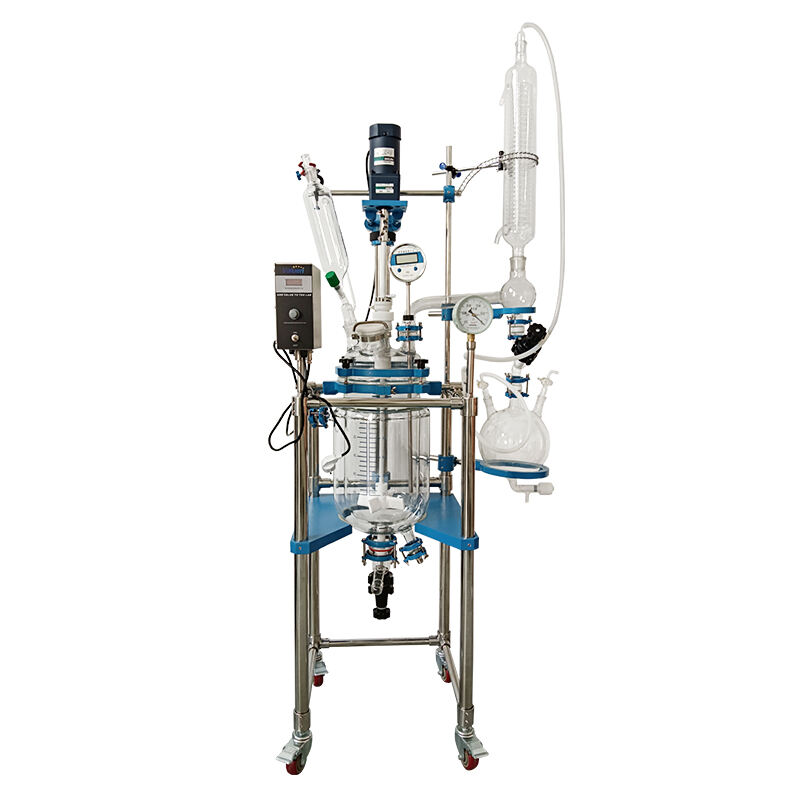
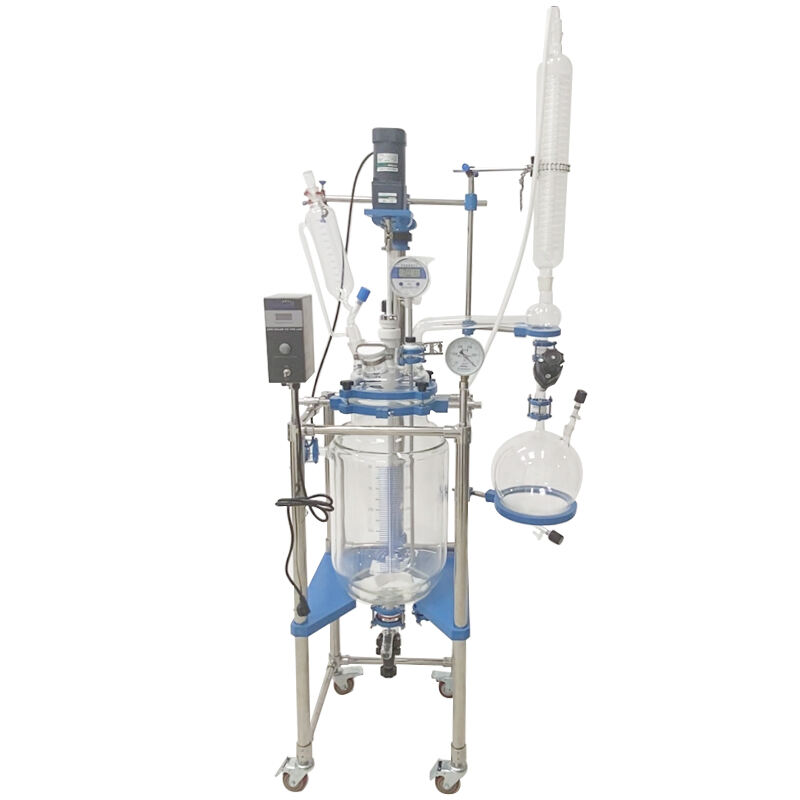
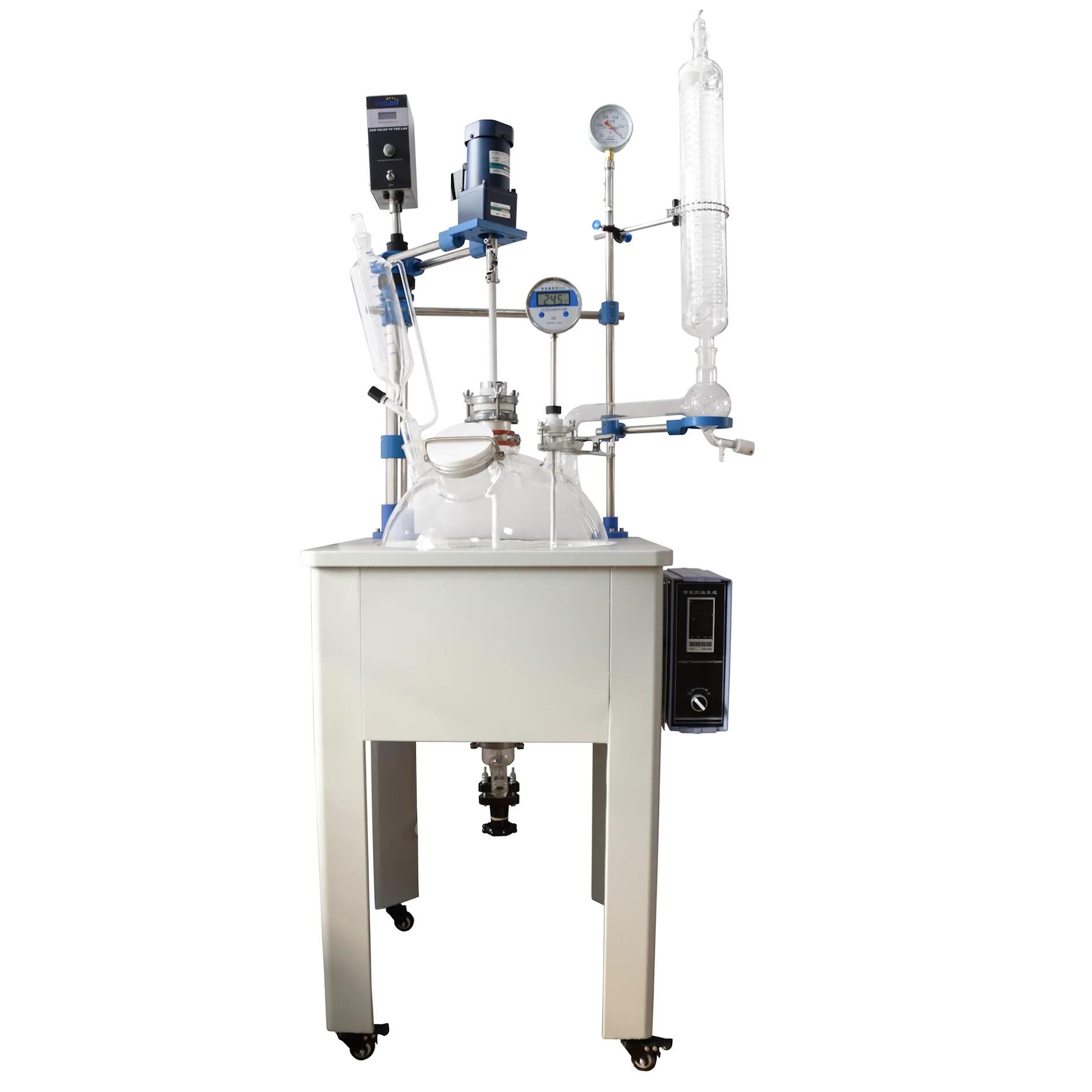
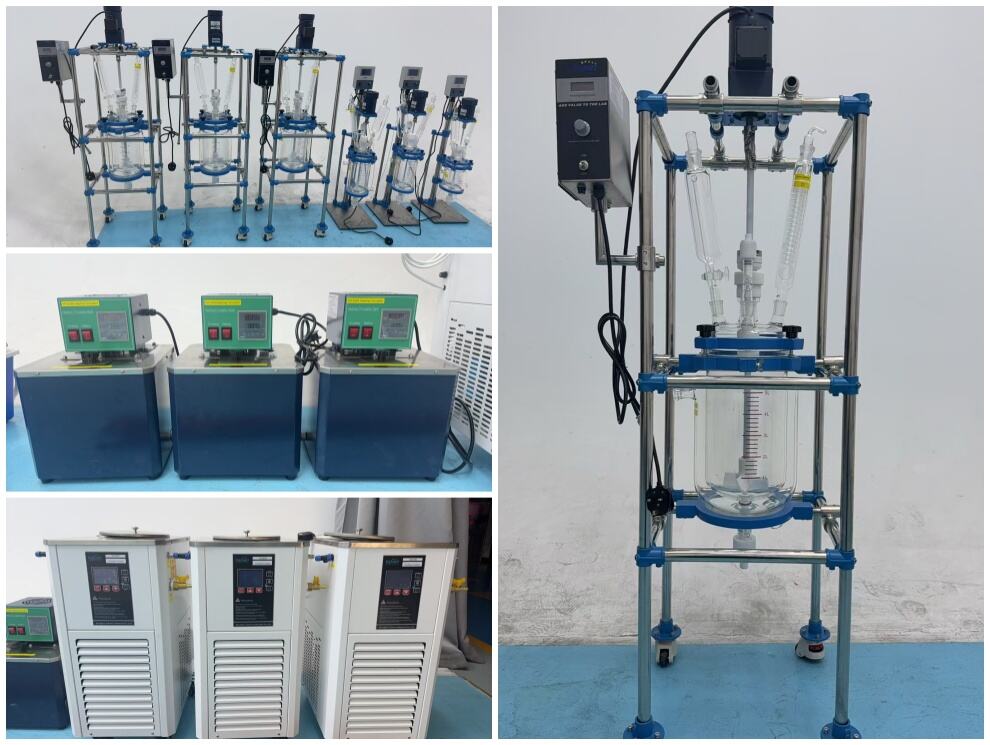
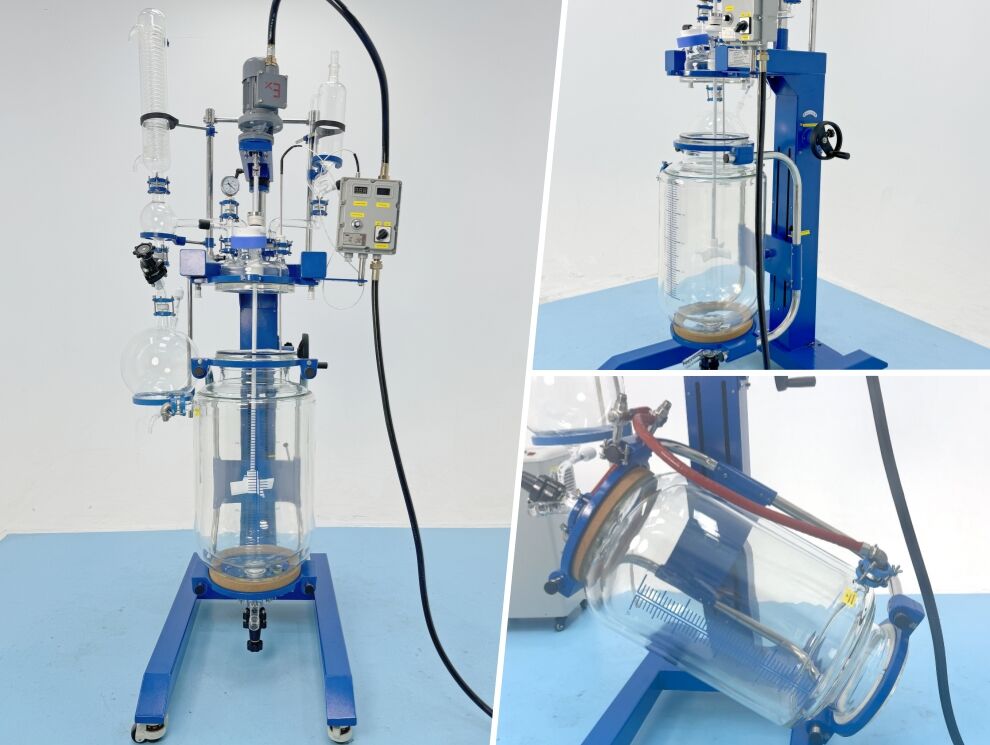
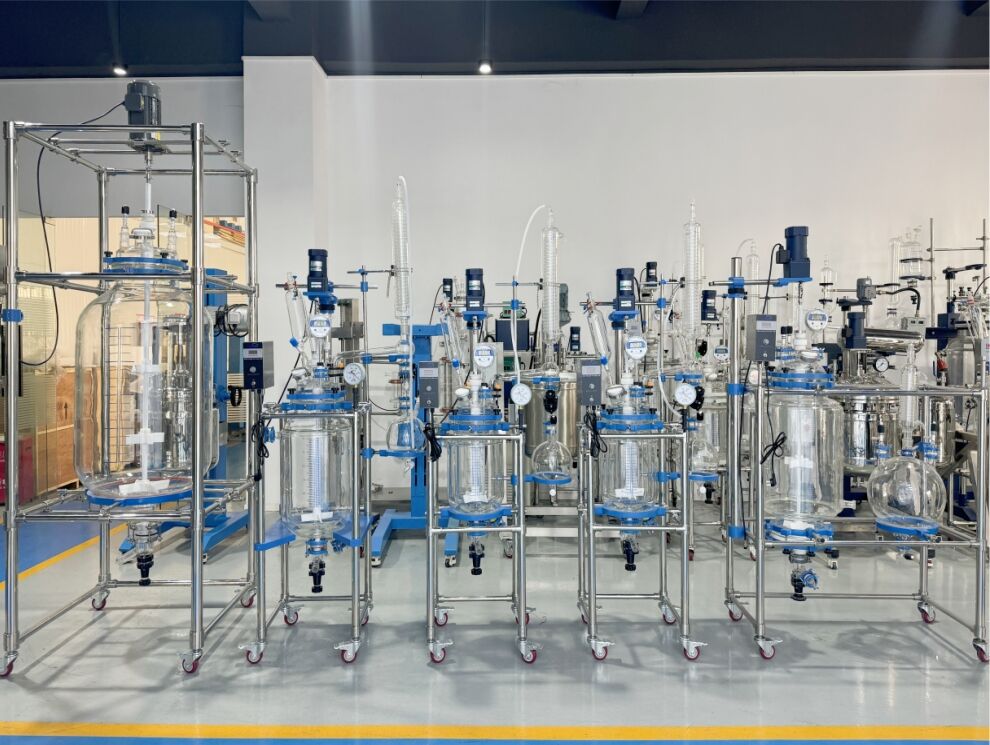
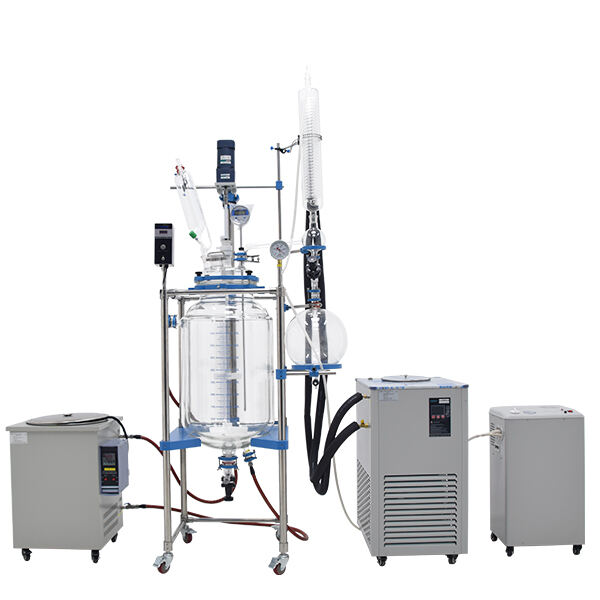
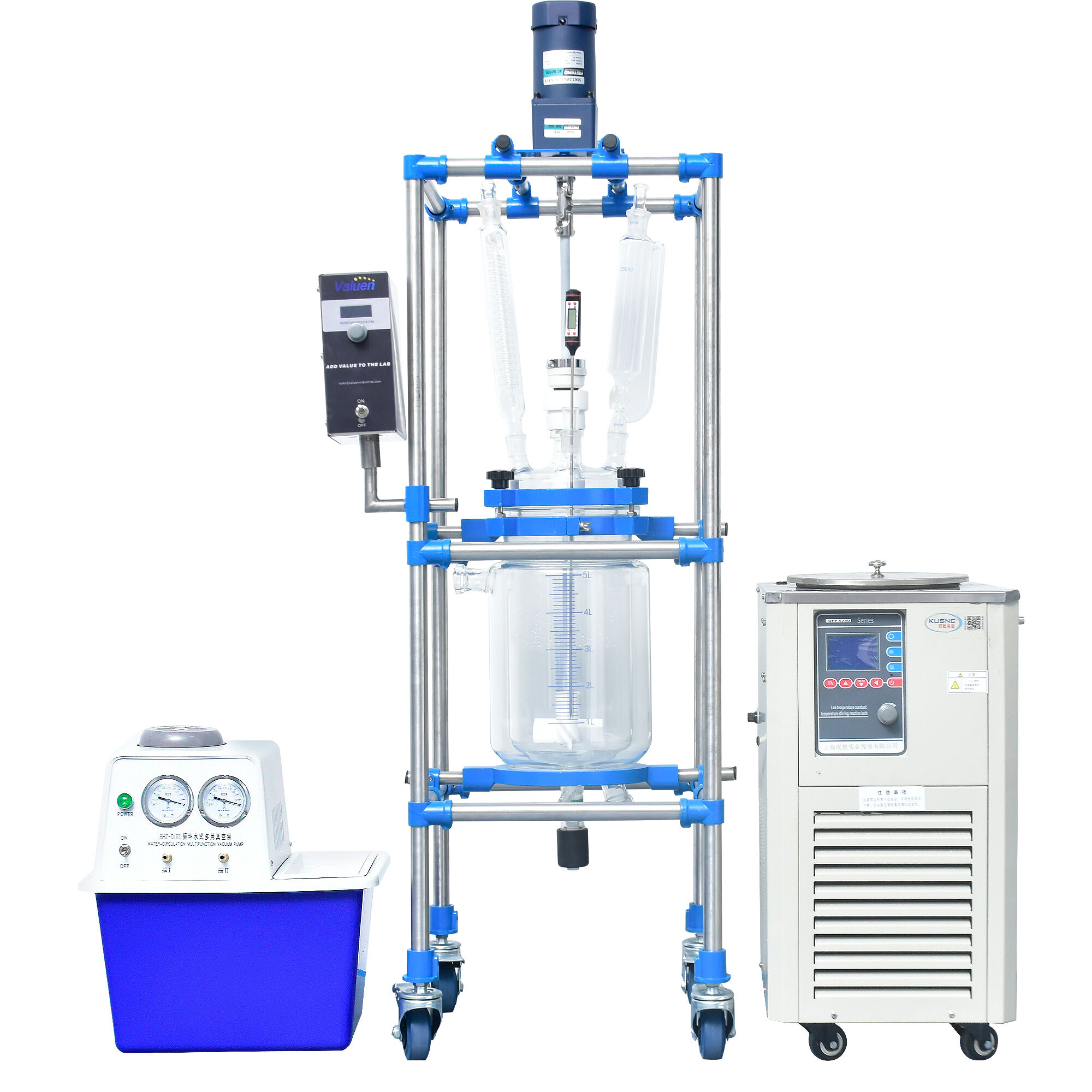
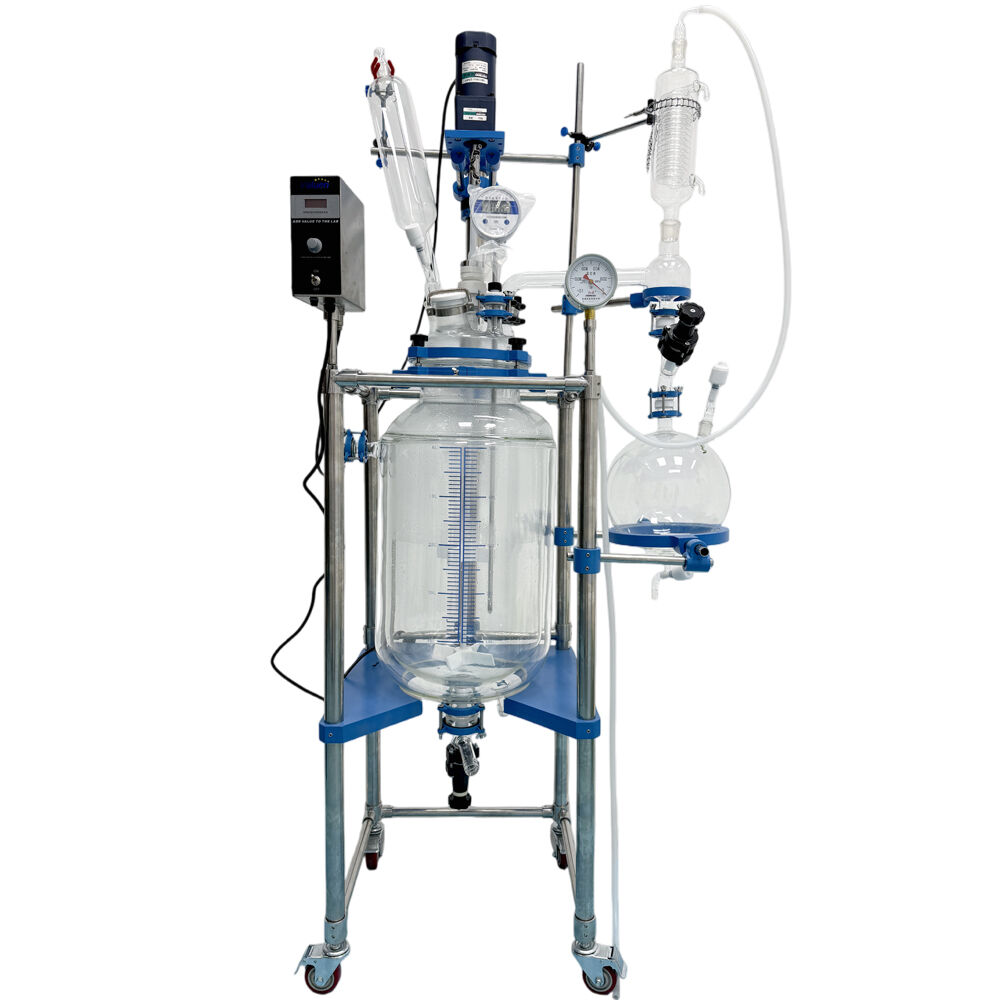
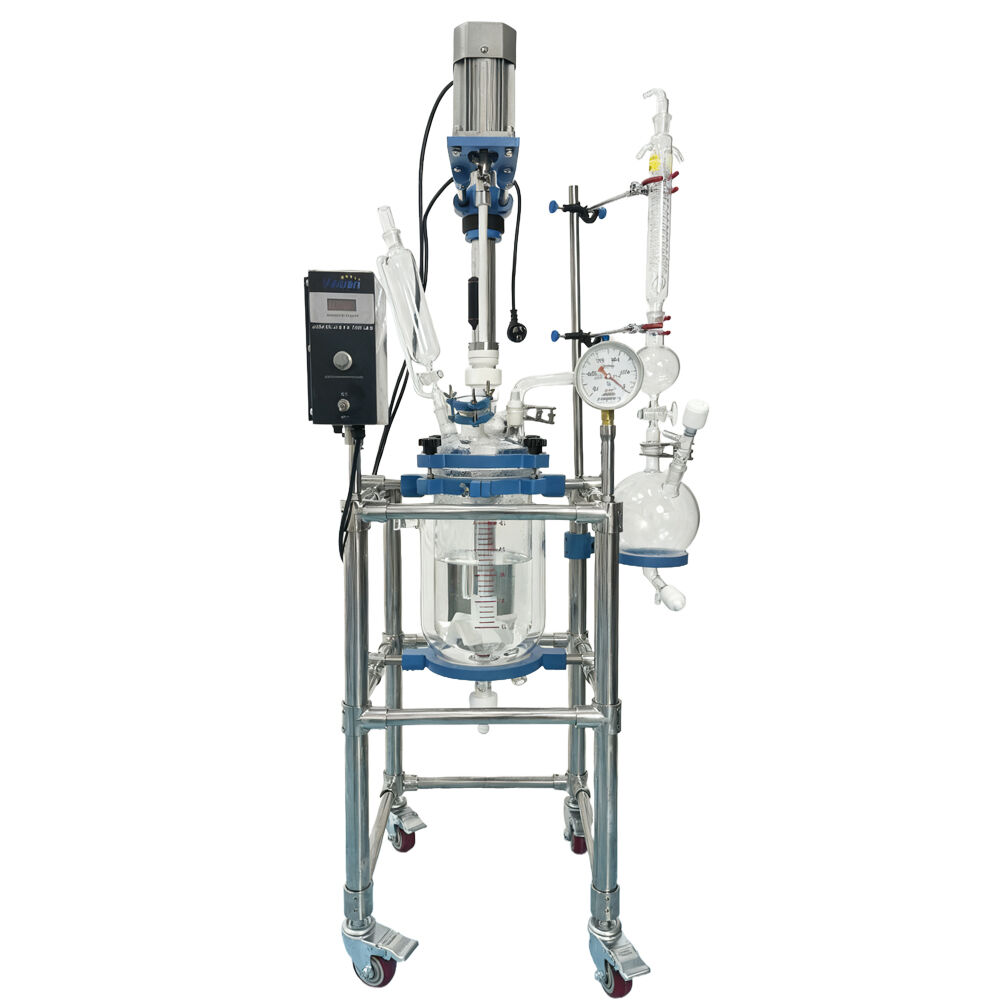
A glass batch reactor represents a fundamental piece of equipment in chemical processing, pharmaceutical manufacturing, and research laboratories worldwide. This specialized vessel combines the transparency of glass construction with the controlled environment necessary for batch chemical reactions. The glass batch reactor operates by containing reactants within a sealed glass chamber where precise temperature, pressure, and mixing conditions can be maintained throughout the reaction process. The primary function of a glass batch reactor involves facilitating chemical transformations under carefully monitored conditions. Operators can observe reactions in real-time through the transparent glass walls, allowing for immediate visual assessment of reaction progress, color changes, and phase separations. This visibility proves invaluable for process optimization and quality control measures. Temperature control systems integrated into glass batch reactor designs enable precise thermal management through heating mantles, cooling coils, or jacketed configurations. Advanced models incorporate automated stirring mechanisms that ensure uniform mixing of reactants while preventing hot spots or concentration gradients within the reaction mixture. The glass batch reactor construction typically utilizes borosilicate glass, which offers excellent chemical resistance and thermal stability. This material choice allows the reactor to handle a wide range of chemical environments while maintaining structural integrity under varying temperature conditions. Safety features built into modern glass batch reactor systems include pressure relief valves, temperature monitoring sensors, and emergency shutdown capabilities. These safety mechanisms protect both operators and equipment from potential hazards associated with chemical processing. Applications for glass batch reactor technology span numerous industries, including pharmaceutical synthesis, fine chemical production, polymer manufacturing, and academic research. In pharmaceutical applications, the glass batch reactor enables the synthesis of active pharmaceutical ingredients under sterile conditions with complete visibility of the reaction process. Chemical research facilities rely on glass batch reactor systems for developing new synthetic routes and optimizing reaction conditions before scaling up to larger production volumes.

New Products

Glass batch reactor systems deliver exceptional benefits that make them the preferred choice for demanding chemical processing applications. The transparency advantage cannot be overstated, as operators gain complete visual access to monitor reactions throughout their duration. This real-time observation capability allows for immediate detection of unexpected reactions, precipitation events, or phase changes that might otherwise go unnoticed in opaque metal reactors. Process engineers can make informed decisions about reaction timing and intervention strategies based on visual cues, leading to improved product quality and reduced waste. The chemical compatibility of glass batch reactor construction provides unmatched versatility in handling diverse chemical environments. Unlike metal reactors that may suffer from corrosion or catalytic interference, glass surfaces remain chemically inert across a broad spectrum of acids, bases, and organic solvents. This chemical resistance translates to longer equipment lifespan, reduced maintenance costs, and elimination of metallic contamination in sensitive pharmaceutical or high-purity chemical processes. Temperature control precision represents another significant advantage of glass batch reactor technology. The thermal properties of glass allow for rapid heat transfer and uniform temperature distribution throughout the reaction mass. Operators can implement precise heating and cooling cycles without concerns about thermal stress or material degradation. This temperature control capability proves essential for reactions requiring specific thermal profiles or those sensitive to temperature fluctuations. Cleaning and maintenance procedures for glass batch reactor systems are straightforward and efficient. The smooth glass surfaces resist buildup of reaction byproducts and can be thoroughly cleaned using standard cleaning protocols. Visual inspection of cleanliness becomes immediate and reliable, ensuring complete removal of previous batch materials before introducing new reactants. This ease of cleaning reduces changeover times between different products and minimizes cross-contamination risks. Cost-effectiveness emerges as a compelling advantage when considering the total ownership costs of glass batch reactor systems. While initial investment may be comparable to alternative reactor materials, the reduced maintenance requirements, longer service life, and elimination of product contamination issues result in significant long-term savings. Additionally, the ability to visually confirm complete reactions reduces the need for expensive analytical testing during process monitoring.

Latest News

How to Choose the Right Stainless Steel Reactor for Pharmaceutical Production

12

Nov

How to Choose the Right Stainless Steel Reactor for Pharmaceutical Production

Selecting the appropriate stainless steel reactor for pharmaceutical production is a critical decision that directly impacts product quality, manufacturing efficiency, and regulatory compliance. The pharmaceutical industry demands exceptional standar...
View More
What Operating Conditions Affect Fractional Distillation Performance?

24

Dec

What Operating Conditions Affect Fractional Distillation Performance?

Fractional distillation represents one of the most critical separation techniques in chemical processing, petrochemical industries, and laboratory applications. The effectiveness of this process depends heavily on various operating conditions that di...
View More
Which Industries Benefit Most from Rotary and Liftable Stainless Steel Reactors?

20

Jan

Which Industries Benefit Most from Rotary and Liftable Stainless Steel Reactors?

Modern industrial processes demand equipment that combines durability, versatility, and operational efficiency. Stainless steel reactors have emerged as the cornerstone of numerous manufacturing operations, offering unparalleled performance across di...
View More
What Design Features Matter in a Rotary and Liftable Stainless Steel Reactor?

20

Jan

What Design Features Matter in a Rotary and Liftable Stainless Steel Reactor?

Modern industrial chemical processing demands precision, efficiency, and reliability in every piece of equipment. Among the most critical components in pharmaceutical, chemical, and biotechnology manufacturing is the rotary and liftable stainless ste...
View More

Get a Free Quote

Our representative will contact you soon.
Email
Name
Contact Number
Company Name
Message
0/1000

glass batch reactor

Superior Chemical Resistance and Material Compatibility

Superior Chemical Resistance and Material Compatibility

The exceptional chemical resistance of glass batch reactor construction sets these systems apart from conventional metal reactor alternatives in critical processing applications. Borosilicate glass, the primary material used in glass batch reactor manufacturing, demonstrates remarkable stability when exposed to aggressive chemical environments that would rapidly degrade metal surfaces. This superior resistance extends across a comprehensive range of chemical compounds, including concentrated acids, strong bases, organic solvents, and reactive intermediates commonly encountered in pharmaceutical and specialty chemical synthesis. The inert nature of glass surfaces in glass batch reactor systems eliminates concerns about catalytic interference that can occur with metal reactors, where trace metal ions may inadvertently catalyze unwanted side reactions or decompose sensitive reactants. This chemical neutrality proves particularly valuable in pharmaceutical manufacturing, where product purity requirements demand the complete absence of metallic contaminants that could compromise drug safety or efficacy. Glass batch reactor systems maintain their structural integrity and surface smoothness even after prolonged exposure to harsh chemicals, ensuring consistent performance throughout their operational lifetime. The non-porous glass surface prevents absorption of chemicals that might later leach into subsequent batches, eliminating cross-contamination risks that plague porous or scratched metal surfaces. This characteristic makes glass batch reactor technology ideal for multi-product facilities where different chemical families are processed in the same equipment. Furthermore, the chemical resistance of glass batch reactor construction extends to cleaning and sterilization procedures, allowing operators to use aggressive cleaning agents and high-temperature sterilization cycles without fear of material degradation. This capability proves essential in pharmaceutical applications where stringent cleaning validation requirements must be met between production campaigns. The long-term chemical stability of glass batch reactor systems translates to predictable operating costs and reliable performance, making them an excellent investment for facilities prioritizing product quality and operational consistency.
Real-Time Process Monitoring and Visual Control Capabilities

Real-Time Process Monitoring and Visual Control Capabilities

The transparent construction of glass batch reactor systems revolutionizes process monitoring by providing unparalleled visual access to reaction progress, enabling operators to make informed decisions based on real-time observations. This visual monitoring capability transforms chemical processing from a blind operation into a fully observable process, where every stage of reaction development can be witnessed and documented. Operators using glass batch reactor technology can immediately identify critical reaction milestones such as color changes indicating completion, precipitation of products or byproducts, phase separations, and the formation of different reaction intermediates. This real-time visibility proves invaluable for optimizing reaction conditions, determining endpoint criteria, and troubleshooting unexpected process deviations. The glass batch reactor design allows for continuous monitoring without interrupting the reaction environment, unlike sampling-based monitoring methods that require opening the reactor and potentially introducing contaminants or altering reaction conditions. Process engineers can observe mixing patterns, assess the effectiveness of agitation systems, and detect the formation of foam or other process irregularities that might affect product quality or safety. This visual feedback enables immediate corrective actions, preventing the progression of problems that could result in batch failure or safety hazards. Documentation and training benefits multiply when using glass batch reactor systems, as new operators can observe experienced personnel conducting reactions and learn to recognize visual cues that indicate proper process progression. Video recording capabilities allow for permanent documentation of successful reaction procedures, creating valuable training resources and process validation evidence. Quality control personnel can visually verify reaction completion before initiating downstream processing steps, reducing the reliance on time-consuming analytical testing. The transparency of glass batch reactor construction also facilitates research and development activities, where understanding reaction mechanisms and kinetics requires detailed observation of reaction behavior under various conditions. Scientists can correlate visual observations with analytical data to develop comprehensive understanding of reaction pathways and optimize synthetic procedures for maximum efficiency and selectivity.
Enhanced Safety Features and Operational Reliability

Enhanced Safety Features and Operational Reliability

Glass batch reactor systems incorporate advanced safety features and design elements that prioritize operator protection while ensuring reliable long-term performance in demanding chemical processing environments. The inherent properties of borosilicate glass construction provide excellent thermal shock resistance, allowing glass batch reactor systems to withstand rapid temperature changes without structural failure. This thermal stability eliminates concerns about reactor cracking during emergency cooling procedures or when implementing rapid heating cycles required by specific chemical processes. Modern glass batch reactor designs integrate comprehensive pressure monitoring and relief systems that automatically respond to unexpected pressure increases, protecting both equipment and personnel from potentially dangerous overpressure conditions. These safety systems include calibrated pressure relief valves, burst discs, and automated venting mechanisms that activate before dangerous pressure levels are reached. Temperature monitoring capabilities built into glass batch reactor systems provide continuous feedback about thermal conditions throughout the reaction vessel, enabling operators to maintain precise temperature control while preventing thermal runaway reactions. The smooth, non-reactive surface of glass batch reactor construction eliminates crevices and rough areas where contaminants might accumulate, reducing the risk of unwanted reactions or biological growth that could compromise product safety. This surface smoothness also facilitates complete drainage and cleaning, ensuring that no residual materials remain in the reactor to potentially interact with subsequent batches. Electrical safety features integrated into glass batch reactor systems include grounded heating elements, insulated wiring, and fail-safe controls that automatically shut down heating systems if temperature sensors detect abnormal conditions. Emergency shutdown capabilities allow operators to quickly terminate reactions and implement safe cooling procedures when unexpected situations arise. The modular design of many glass batch reactor systems enables easy maintenance and component replacement without requiring complete system disassembly, reducing maintenance-related safety risks and minimizing downtime. Operator training requirements for glass batch reactor systems are typically less complex than those for comparable metal reactors, as the visual monitoring capabilities reduce the need for indirect process assessment techniques that require specialized expertise to interpret correctly.

Get a Free Quote

Our representative will contact you soon.
Email
Name
Contact Number
Company Name
Message
0/1000