Glass Reactor Laboratory Solutions: Advanced Chemical Research Equipment for Precise Process Development

Get a Free Quote

Our representative will contact you soon.
Email
Name
Contact Number
Company Name
Message
0/1000

glass reactor laboratory

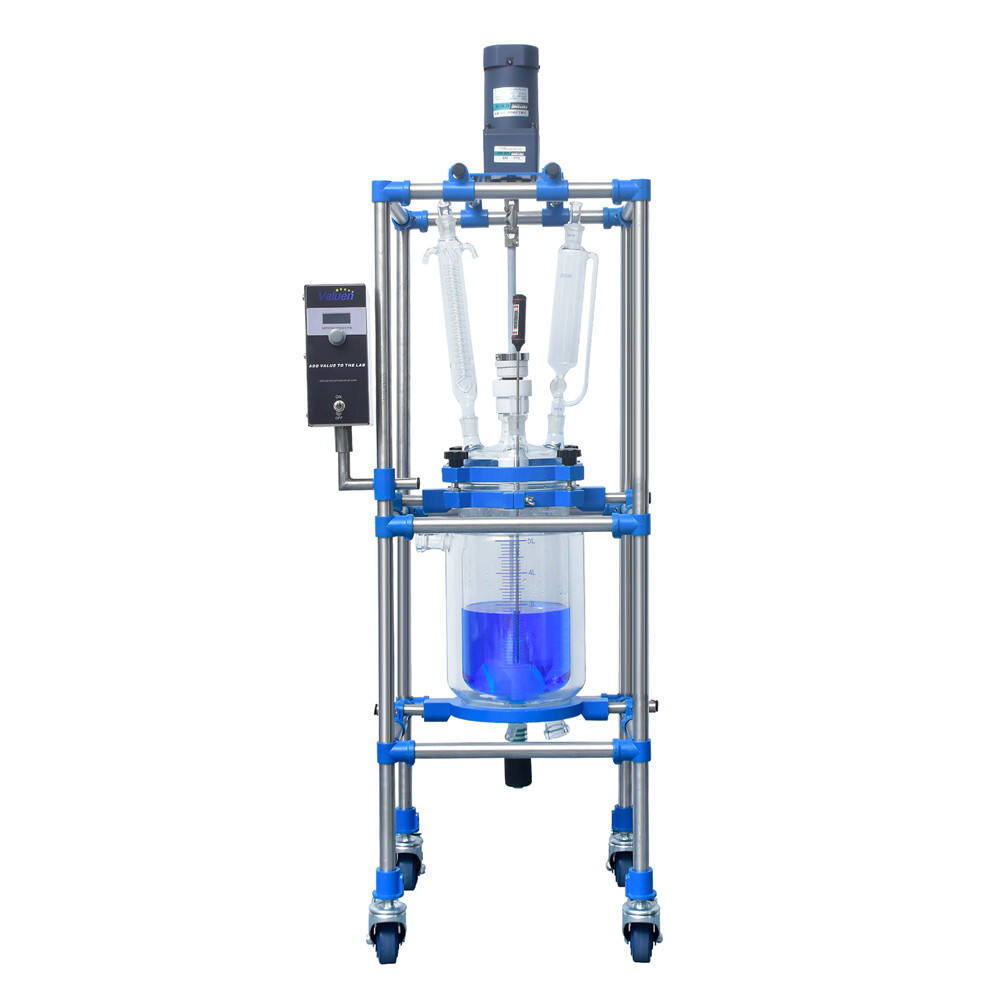
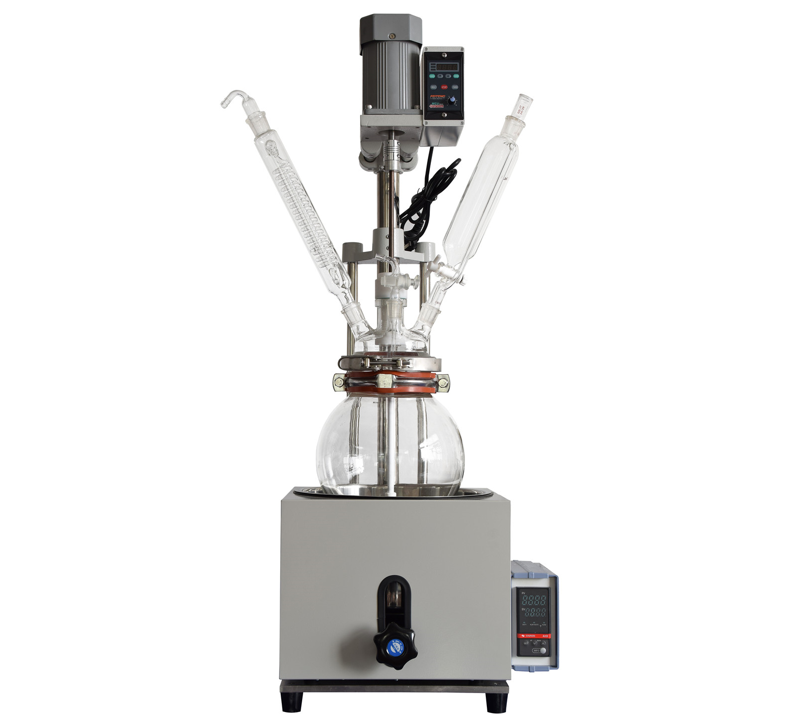
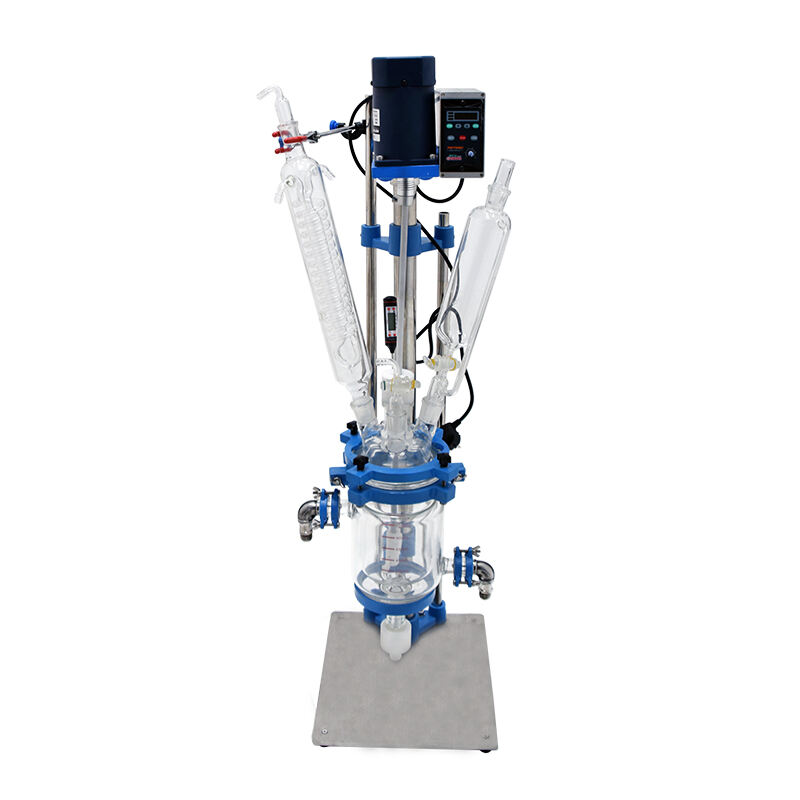
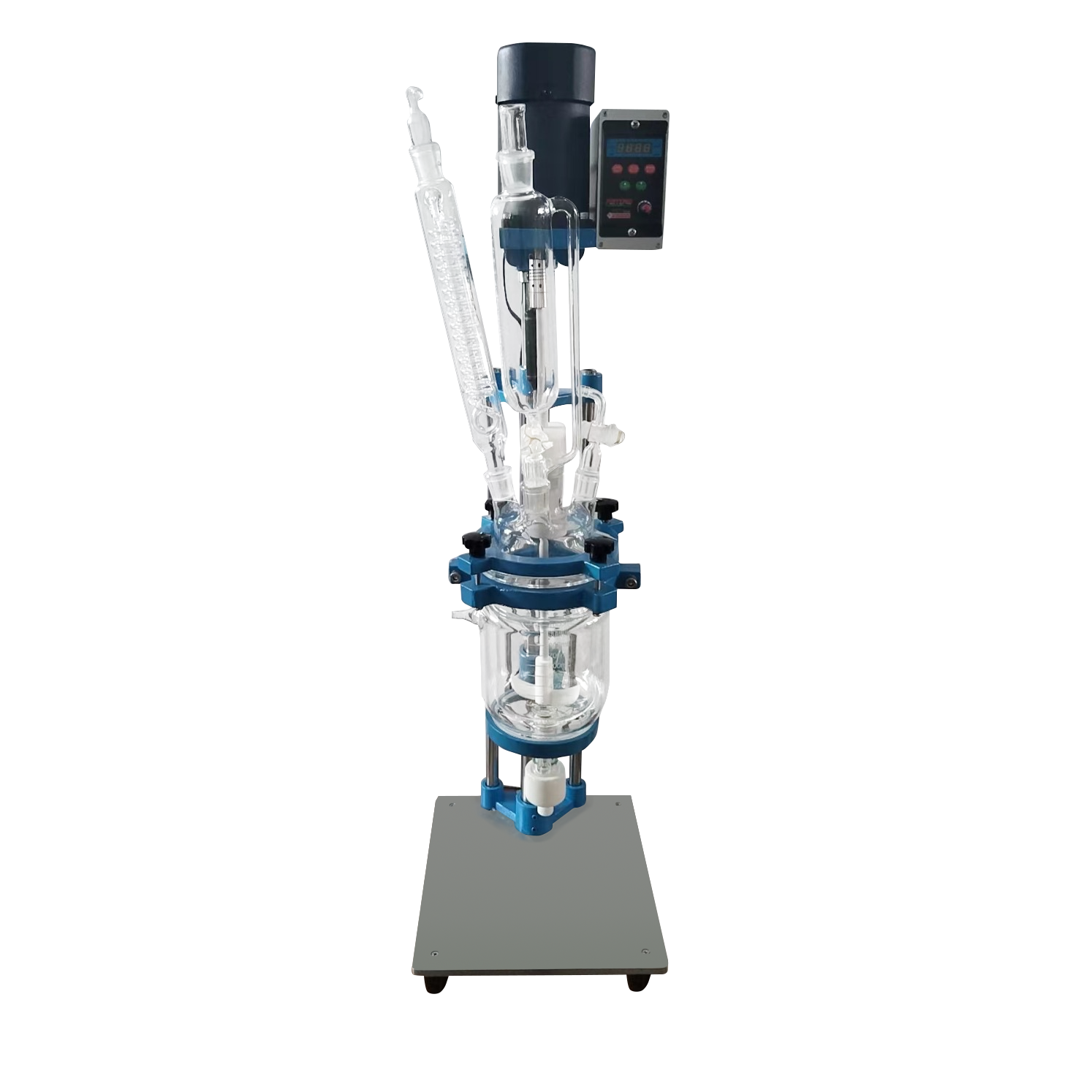
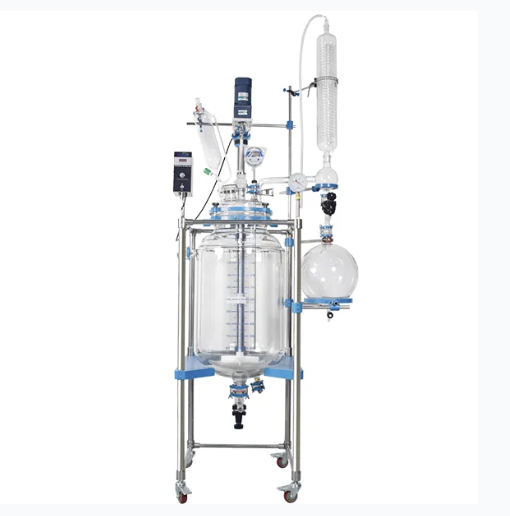
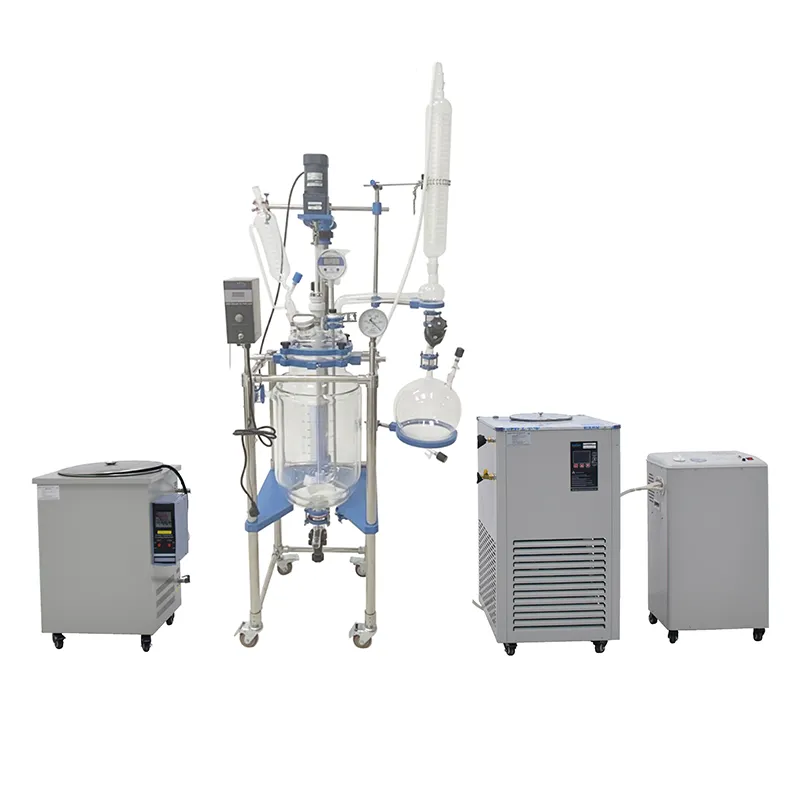
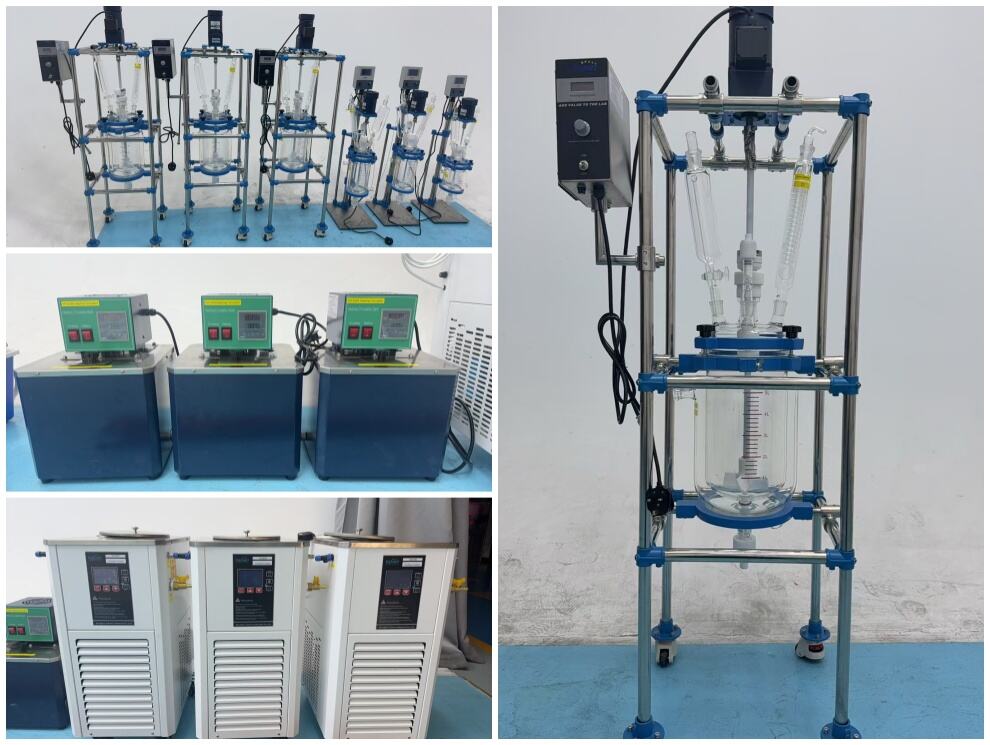
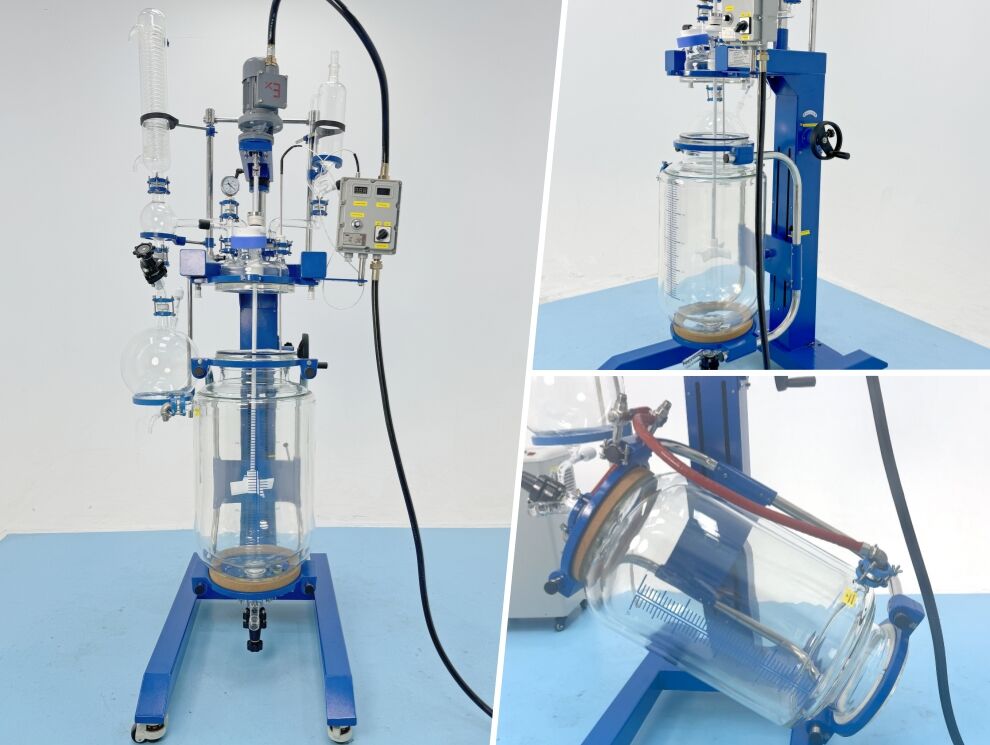
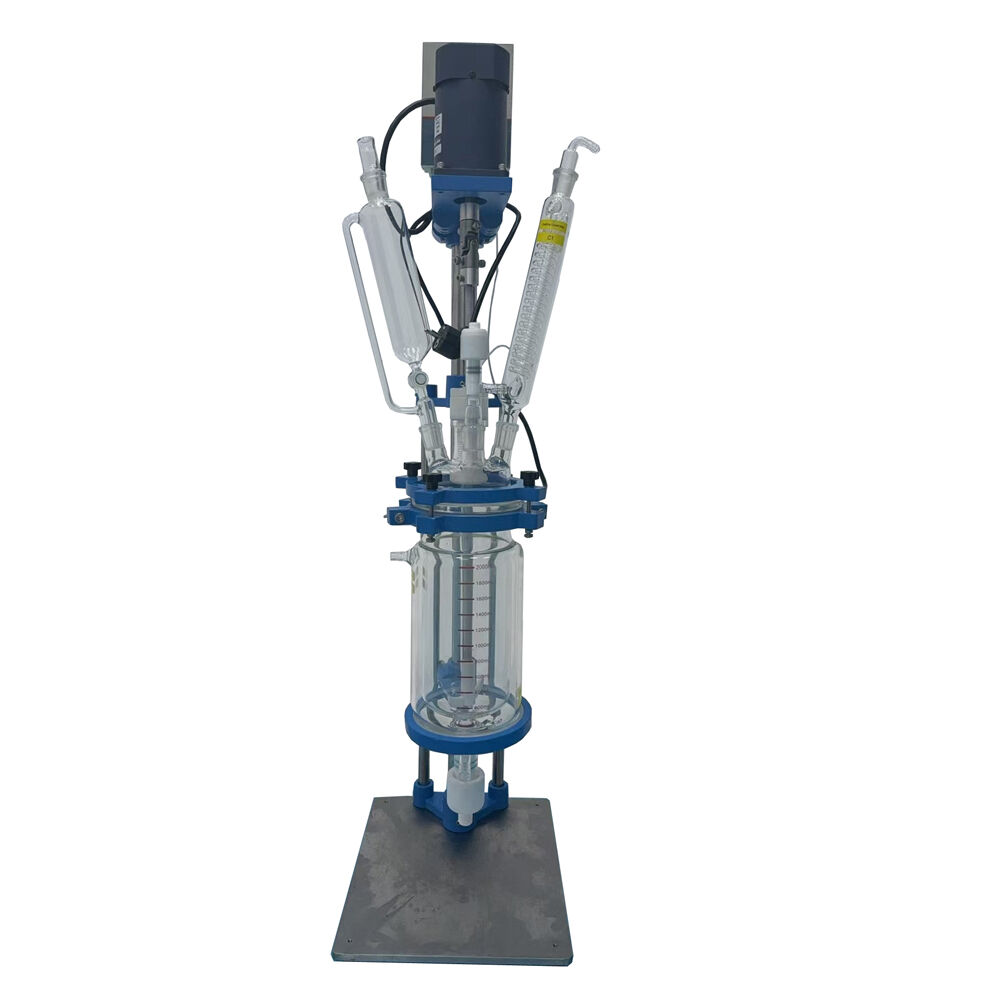
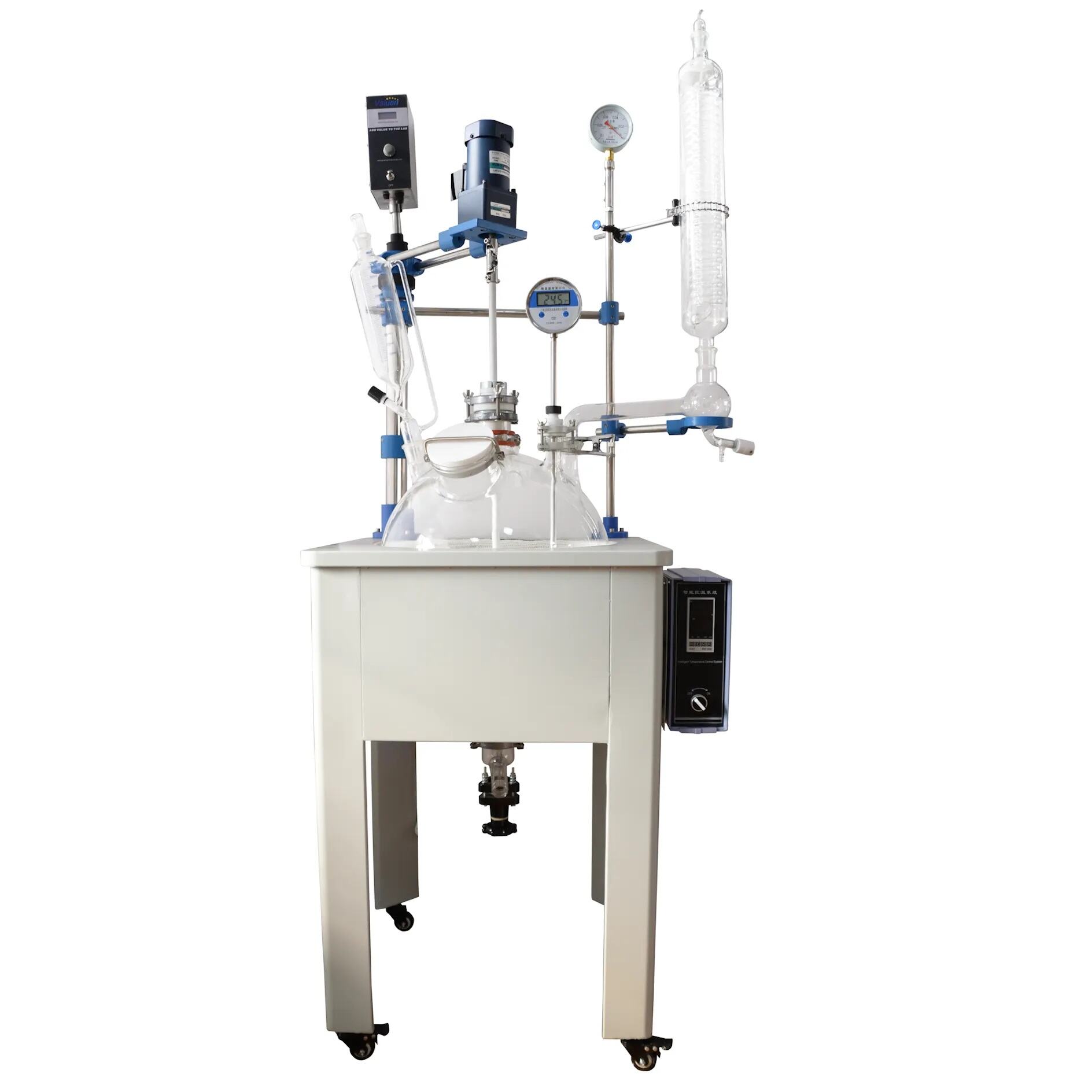
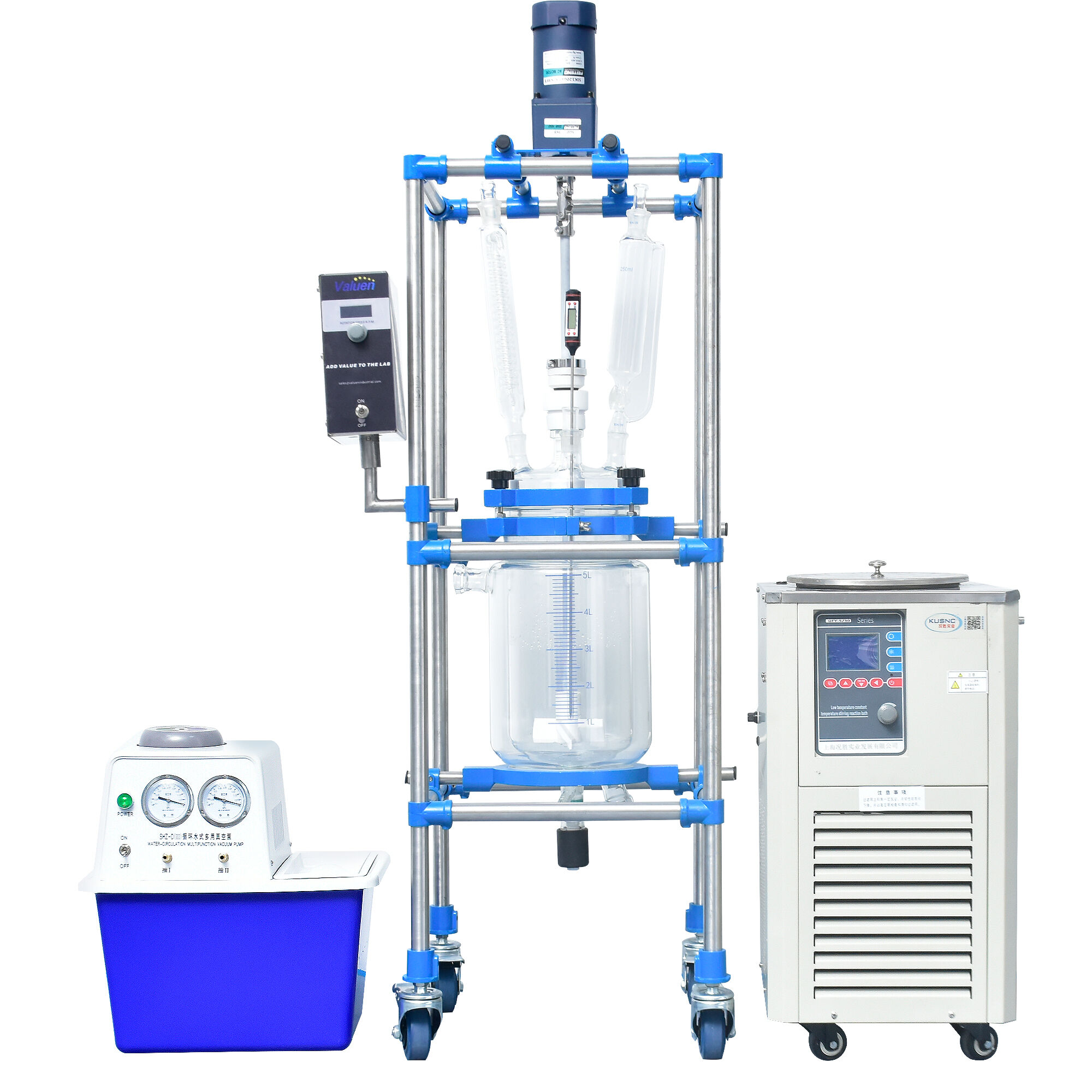
A glass reactor laboratory represents a specialized scientific facility equipped with transparent reaction vessels designed for chemical synthesis, pharmaceutical development, and research applications. These sophisticated laboratory environments feature borosilicate glass reactors that provide exceptional visibility into reaction processes while maintaining chemical inertness and thermal stability. The glass reactor laboratory serves as a cornerstone for modern chemical research, enabling scientists to monitor reactions in real-time through transparent walls that reveal color changes, precipitation formation, and phase transitions. These facilities typically house multiple reactor sizes ranging from small-scale pilot units to larger production vessels, accommodating diverse experimental requirements. The primary functions of a glass reactor laboratory include chemical synthesis optimization, process development, catalyst testing, and pharmaceutical compound creation. Advanced temperature control systems maintain precise thermal conditions while stirring mechanisms ensure uniform mixing throughout the reaction medium. The glass reactor laboratory incorporates sophisticated monitoring equipment including pressure sensors, pH meters, and analytical sampling ports that facilitate comprehensive data collection during experimental procedures. Safety features such as emergency venting systems, overpressure protection, and chemical-resistant fume extraction create secure working environments for researchers. The technological infrastructure supports both batch and continuous processing methodologies, making the glass reactor laboratory versatile for various industrial and academic applications. Modern facilities integrate digital control systems that automate temperature ramping, stirring speeds, and reagent addition sequences, enhancing reproducibility and reducing human error. The glass reactor laboratory environment typically maintains controlled atmospheric conditions, preventing contamination while supporting inert gas purging when necessary for sensitive reactions.

New Products

The glass reactor laboratory offers numerous practical benefits that make it an invaluable asset for research institutions and industrial facilities. First, the transparent nature of glass reactors provides unmatched visual monitoring capabilities, allowing researchers to observe reaction progress without interrupting the process. This visual access helps scientists identify optimal reaction conditions, detect unusual behaviors, and make real-time adjustments that improve experimental outcomes. The glass reactor laboratory eliminates guesswork by revealing physical changes such as color shifts, bubble formation, and solid precipitation as they occur. Chemical compatibility represents another significant advantage, as borosilicate glass resists corrosion from most acids, bases, and organic solvents commonly used in laboratory settings. This resistance ensures that the glass reactor laboratory maintains product purity by preventing unwanted metal contamination that could affect reaction outcomes or compromise analytical results. The non-reactive surface of glass vessels preserves the integrity of sensitive compounds, particularly important in pharmaceutical development where trace impurities can affect drug efficacy. Temperature control precision in a glass reactor laboratory surpasses many alternative materials, as glass responds quickly to heating and cooling while maintaining uniform temperature distribution throughout the vessel. This thermal responsiveness enables accurate temperature programming for complex multi-step syntheses that require precise thermal management. The glass reactor laboratory also supports easy cleaning and maintenance procedures, as glass surfaces resist staining and can be thoroughly cleaned with various solvents and cleaning agents. This characteristic reduces cross-contamination risks between different experiments and ensures consistent results across multiple trials. Cost-effectiveness emerges as another practical benefit, since glass reactors typically require lower initial investment compared to specialized metal alternatives while providing longer service life when properly maintained. The glass reactor laboratory setup facilitates rapid changeover between different projects, as glass vessels can be quickly cleaned, inspected, and prepared for new experiments. Versatility in application makes the glass reactor laboratory suitable for organic synthesis, inorganic chemistry, biochemical processes, and materials science research. The ability to work with both aqueous and non-aqueous systems under various atmospheric conditions expands experimental possibilities within a single facility.

Latest News

The Versatility of Jacketed Glass Reactors in Various Industries

11

Apr

The Versatility of Jacketed Glass Reactors in Various Industries

Key Components and Design Features of Jacketed Glass Reactors Borosilicate Glass vs. Stainless Steel Construction What jacketed reactors are made from really affects how they work and what jobs they can handle. Borosilicate glass stands out because ...
View More
The Versatility of Jacketed Glass Reactors in Various Industries

11

Apr

The Versatility of Jacketed Glass Reactors in Various Industries

Chemical Resistance and Material Compatibility Corrosion Resistance of Glass-Lined Reactors in Aggressive Chemical Environments Glass jacketed reactors come with borosilicate glass coatings that stop about 90-95% of chemical breakdown when exposed ...
View More
Jacketed Glass Reactors: The Ultimate Corrosion Resistance Solution

16

Apr

Jacketed Glass Reactors: The Ultimate Corrosion Resistance Solution

Why Borosilicate Glass Makes Jacketed Glass Reactors Ideal for Corrosion Resistance The Role of Borosilicate Glass in Enhancing Corrosion Resistance of Glass Reactors Borosilicate glass is made from a mix of silica sand, boric oxide, and various al...
View More
Unlocking the Power of Jacketed Glass Reactors in Chemical Processing

16

Apr

Unlocking the Power of Jacketed Glass Reactors in Chemical Processing

How Jacketed Glass Reactors Work: Design, Components, and Functionality Definition and Core Components of Jacketed Glass Reactors Jacketed glass reactors are specialized systems featuring a primary reaction vessel encased in an outer thermal-regula...
View More

Get a Free Quote

Our representative will contact you soon.
Email
Name
Contact Number
Company Name
Message
0/1000

glass reactor laboratory

Superior Chemical Resistance and Purity Assurance

Superior Chemical Resistance and Purity Assurance

The glass reactor laboratory excels in maintaining exceptional chemical purity through its superior resistance to corrosive substances and non-reactive surface properties. Borosilicate glass construction ensures that the reactor vessels withstand exposure to strong acids, caustic bases, and aggressive organic solvents without degradation or contamination. This chemical inertness proves crucial for pharmaceutical research, fine chemical synthesis, and analytical chemistry applications where even trace metal contamination can compromise results. The glass reactor laboratory environment prevents unwanted catalytic effects that metal surfaces might introduce, ensuring that observed reactions reflect true chemical behavior rather than artifacts from reactor material interactions. The smooth, non-porous surface of glass reactors facilitates complete cleaning between experiments, eliminating residual compounds that could interfere with subsequent reactions. This thorough cleanability makes the glass reactor laboratory ideal for facilities handling multiple projects or working with highly sensitive compounds. The transparency of glass allows immediate detection of any surface fouling or contamination, enabling proactive maintenance that preserves system integrity. Unlike metal reactors that may develop microscopic corrosion or surface roughening over time, glass vessels maintain their pristine condition with proper care, ensuring consistent performance throughout their operational lifetime. The glass reactor laboratory setup supports regulatory compliance in pharmaceutical and food-grade chemical production, where material compatibility and cleanliness standards are paramount. The ability to visually inspect internal surfaces during operation and maintenance provides additional quality assurance that opaque reactor systems cannot match. Furthermore, the glass reactor laboratory minimizes the risk of galvanic corrosion that can occur in metal systems when different materials come into contact, providing a chemically stable environment that preserves both equipment integrity and product quality over extended operational periods.
Real-Time Visual Process Monitoring and Control

Real-Time Visual Process Monitoring and Control

The glass reactor laboratory delivers unparalleled real-time visual monitoring capabilities that transform how researchers conduct and optimize chemical processes. The transparent walls of glass reactors provide complete visibility into reaction dynamics, allowing scientists to observe color changes, phase separations, precipitation formation, and gas evolution as they occur naturally. This visual access eliminates the guesswork associated with opaque reactor systems and enables immediate recognition of unexpected behaviors or deviations from normal reaction patterns. The glass reactor laboratory setup allows researchers to correlate visual observations with instrumental measurements, creating a comprehensive understanding of reaction mechanisms and kinetics. The ability to observe mixing patterns, heat transfer effects, and mass transfer phenomena directly contributes to process optimization and scale-up success. Researchers working in a glass reactor laboratory can identify the onset of exothermic reactions through visible changes, enabling proactive temperature management that prevents runaway conditions. The transparent environment facilitates educational applications, as students and trainees can observe chemical transformations directly, enhancing their understanding of reaction principles and process dynamics. The glass reactor laboratory supports photo-catalytic reactions and light-sensitive processes by allowing controlled light exposure while maintaining visual monitoring capabilities. The see-through design enables researchers to detect equipment malfunctions such as impeller damage, seal leaks, or internal blockages immediately, preventing costly process failures or safety incidents. Quality control becomes more effective in the glass reactor laboratory environment, as operators can visually confirm proper mixing, complete dissolution, and uniform heating throughout the reaction mass. The transparent system allows for precise timing of reagent additions based on visual cues, improving reaction selectivity and yield optimization. Documentation and training benefit significantly from the glass reactor laboratory setup, as processes can be photographed or filmed for analysis and educational purposes, creating valuable records for process development and troubleshooting activities.

Precise Temperature Control and Thermal Management Excellence

Precise Temperature Control and Thermal Management Excellence

The glass reactor laboratory provides exceptional thermal management capabilities that are essential for successful chemical synthesis and process development. The excellent heat transfer properties of borosilicate glass enable rapid and uniform temperature changes throughout the reaction vessel, ensuring that all portions of the reaction mixture experience identical thermal conditions. This uniform heating prevents hot spots that could lead to unwanted side reactions, decomposition, or safety hazards in temperature-sensitive processes. The glass reactor laboratory setup supports precise temperature programming with fast response times, allowing researchers to implement complex thermal profiles required for multi-step syntheses or crystallization processes. The low thermal mass of glass reactors compared to metal alternatives means less energy is required for temperature changes, making the glass reactor laboratory more energy-efficient and environmentally friendly. The thermal transparency of glass enables researchers to observe the effects of temperature changes directly on the reaction mixture, helping optimize heating and cooling rates for specific applications. The glass reactor laboratory facilitates accurate temperature measurement through direct contact sensors that provide real-time feedback for automated control systems. The ability to maintain precise temperature control becomes particularly important in pharmaceutical development, where small temperature variations can affect product polymorphism, purity, and stability. The glass reactor laboratory environment supports both heating and cooling applications with equal effectiveness, enabling researchers to conduct reactions requiring sub-ambient temperatures or rapid quenching procedures. The thermal shock resistance of modern borosilicate glass allows for controlled thermal cycling without vessel damage, expanding experimental possibilities within the glass reactor laboratory. The excellent thermal conductivity ensures efficient heat removal during exothermic reactions, providing better safety margins and process control compared to materials with poor heat transfer characteristics. Temperature gradients within the glass reactor laboratory vessels remain minimal due to the material properties and transparent design that allows visual confirmation of uniform heating patterns throughout the reaction mass.

Get a Free Quote

Our representative will contact you soon.
Email
Name
Contact Number
Company Name
Message
0/1000