Advanced Glass Reactor Systems - Precision Chemical Processing Equipment

Get a Free Quote

Our representative will contact you soon.
Email
Name
Contact Number
Company Name
Message
0/1000

glass reactor system

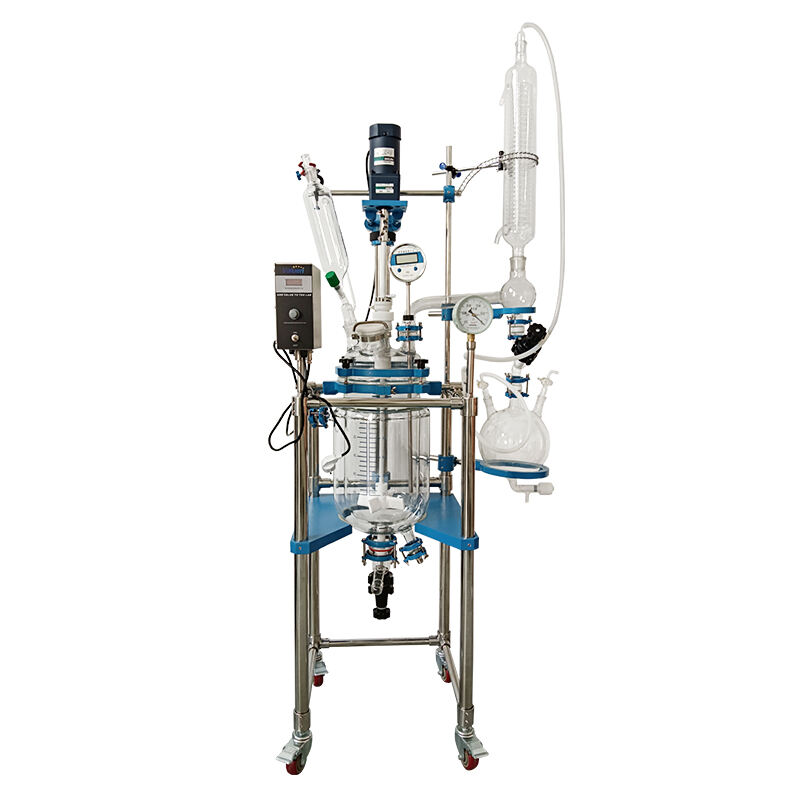
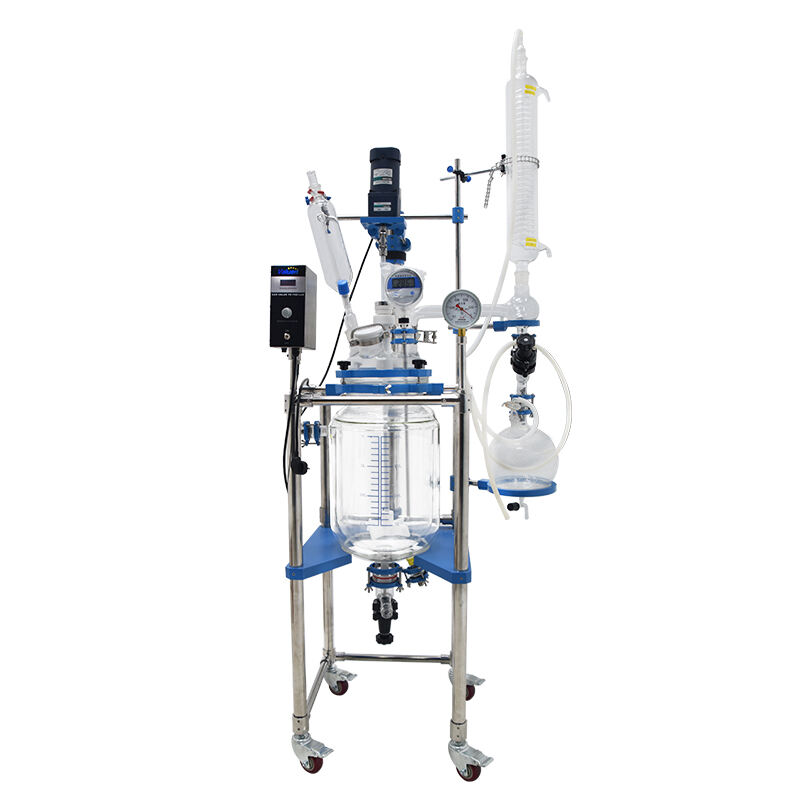
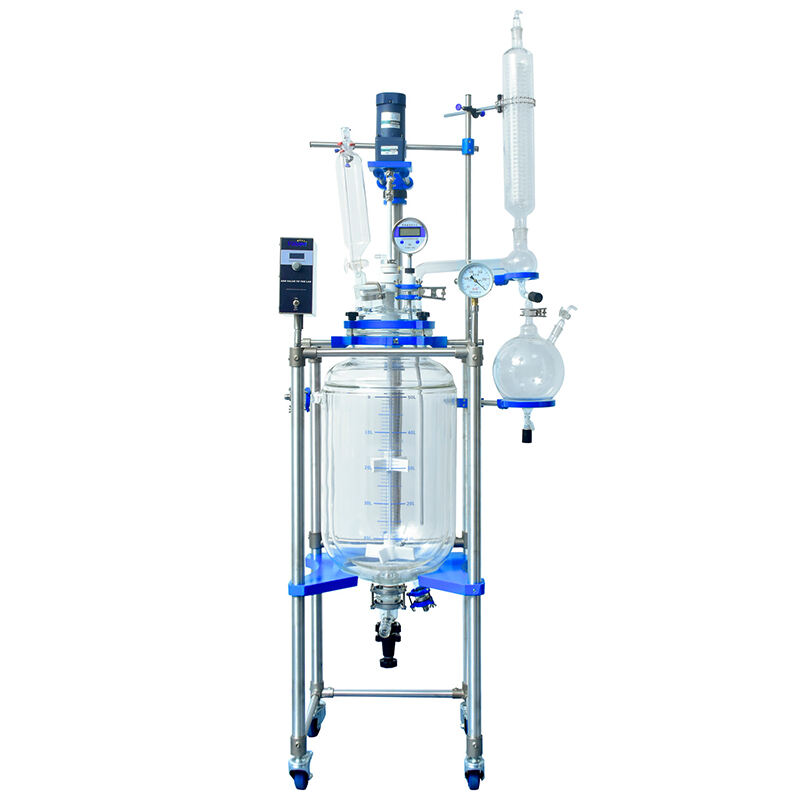
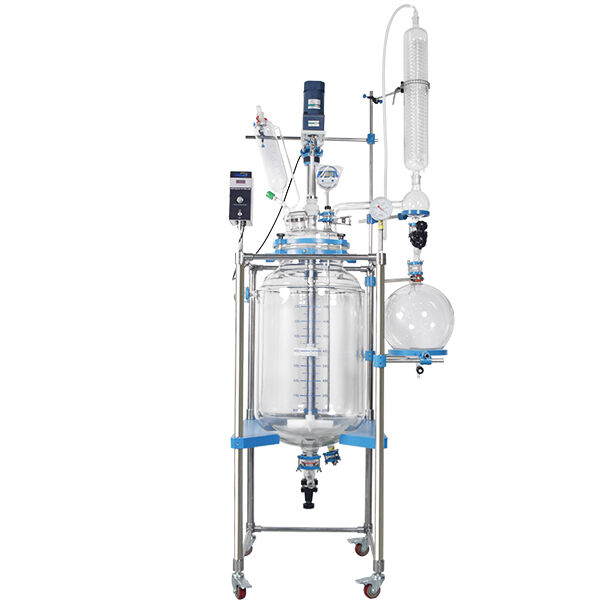
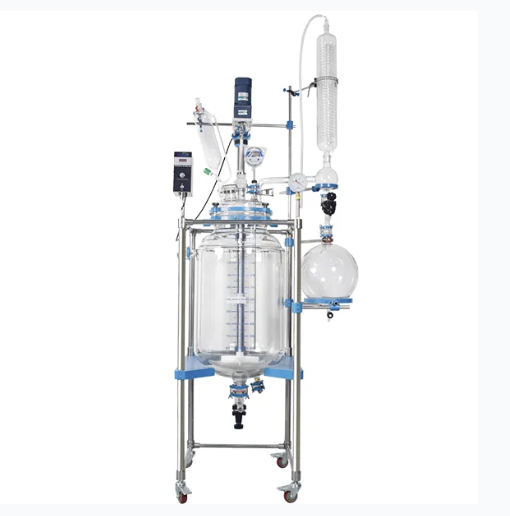
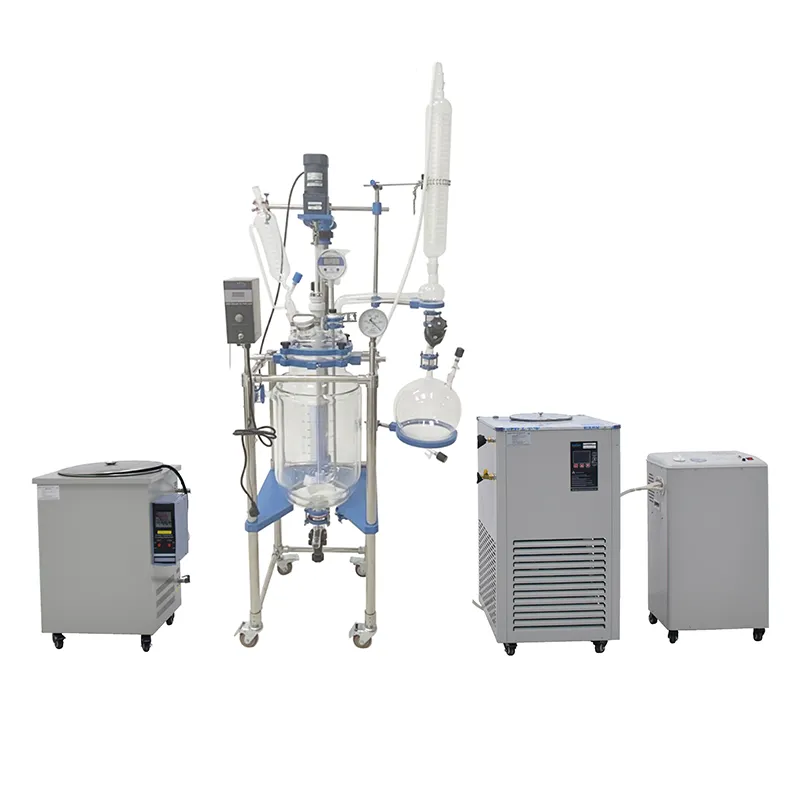
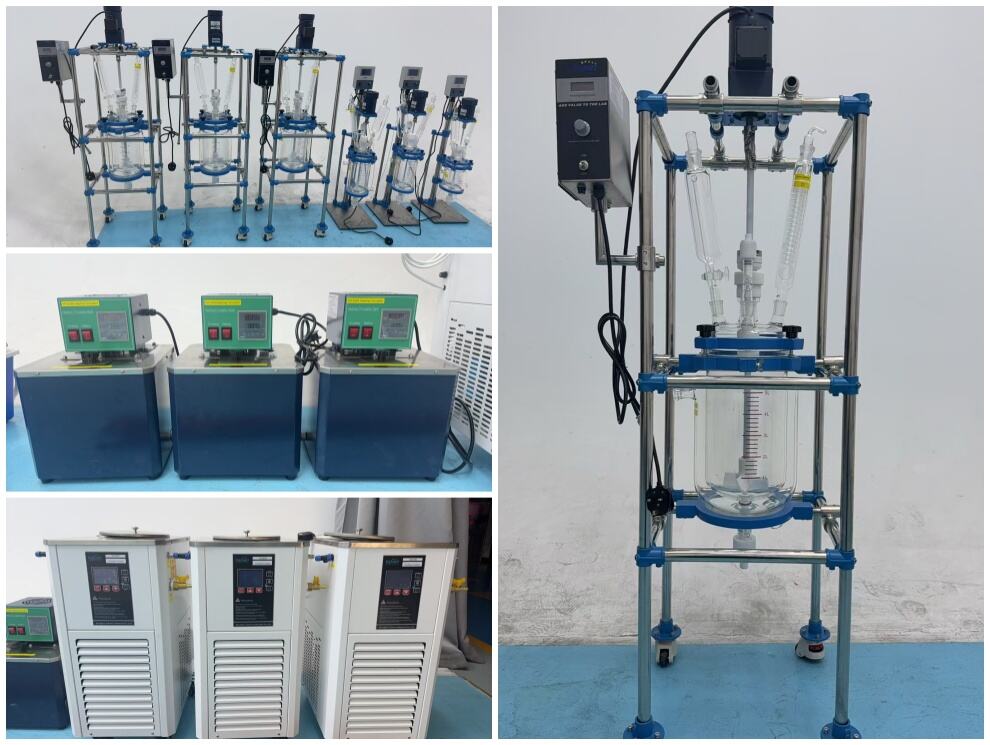
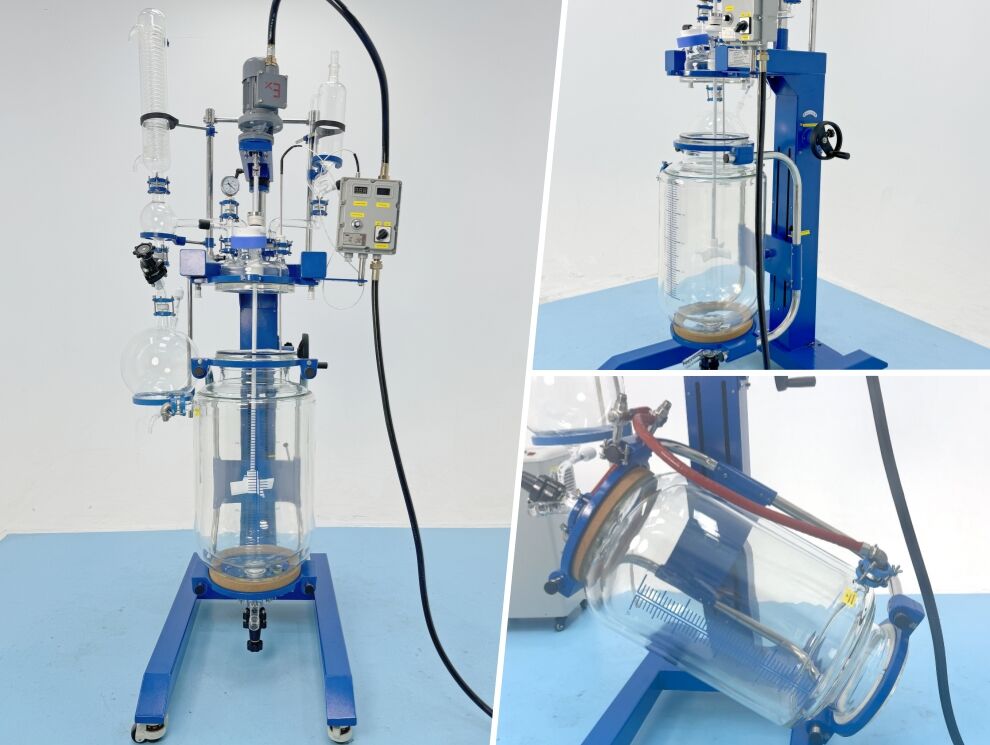
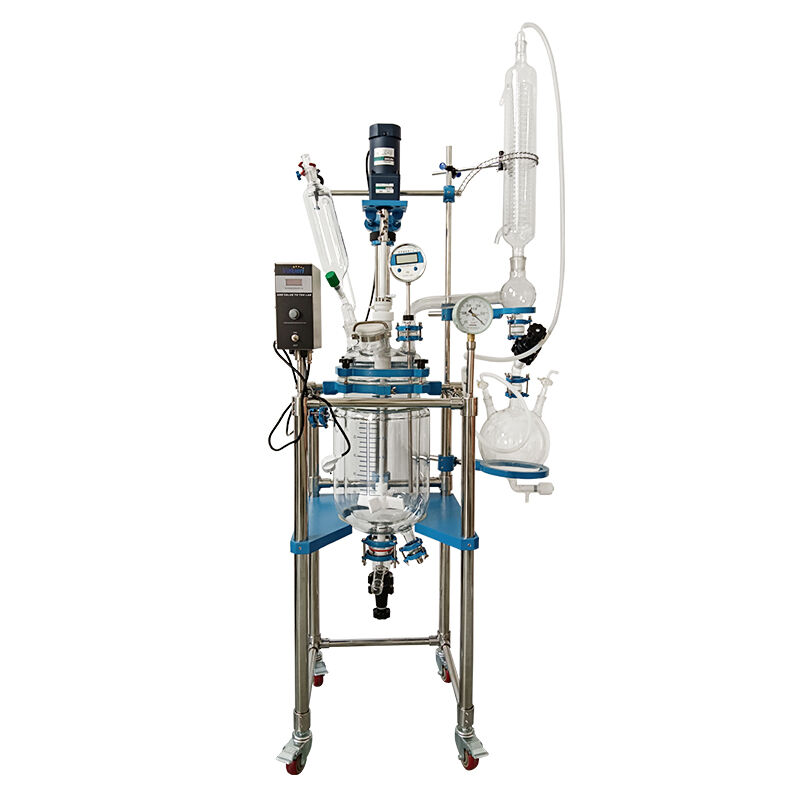
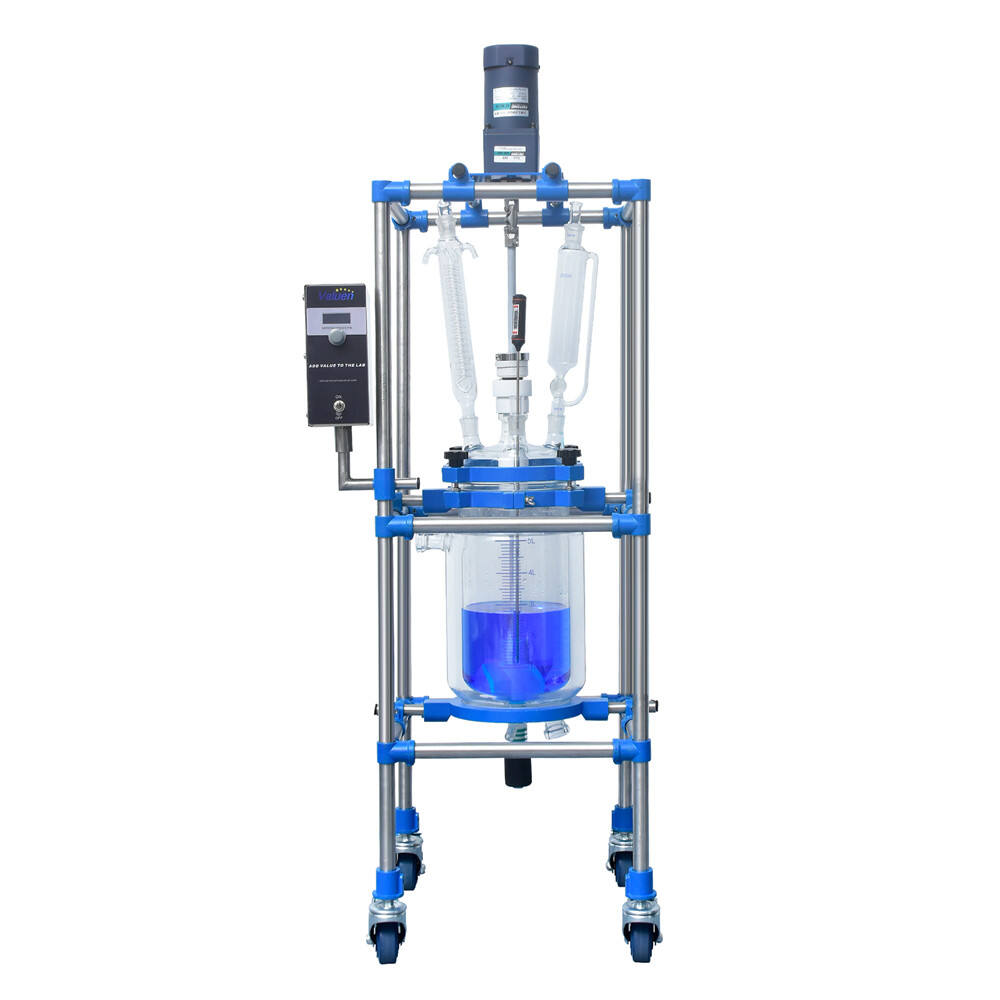
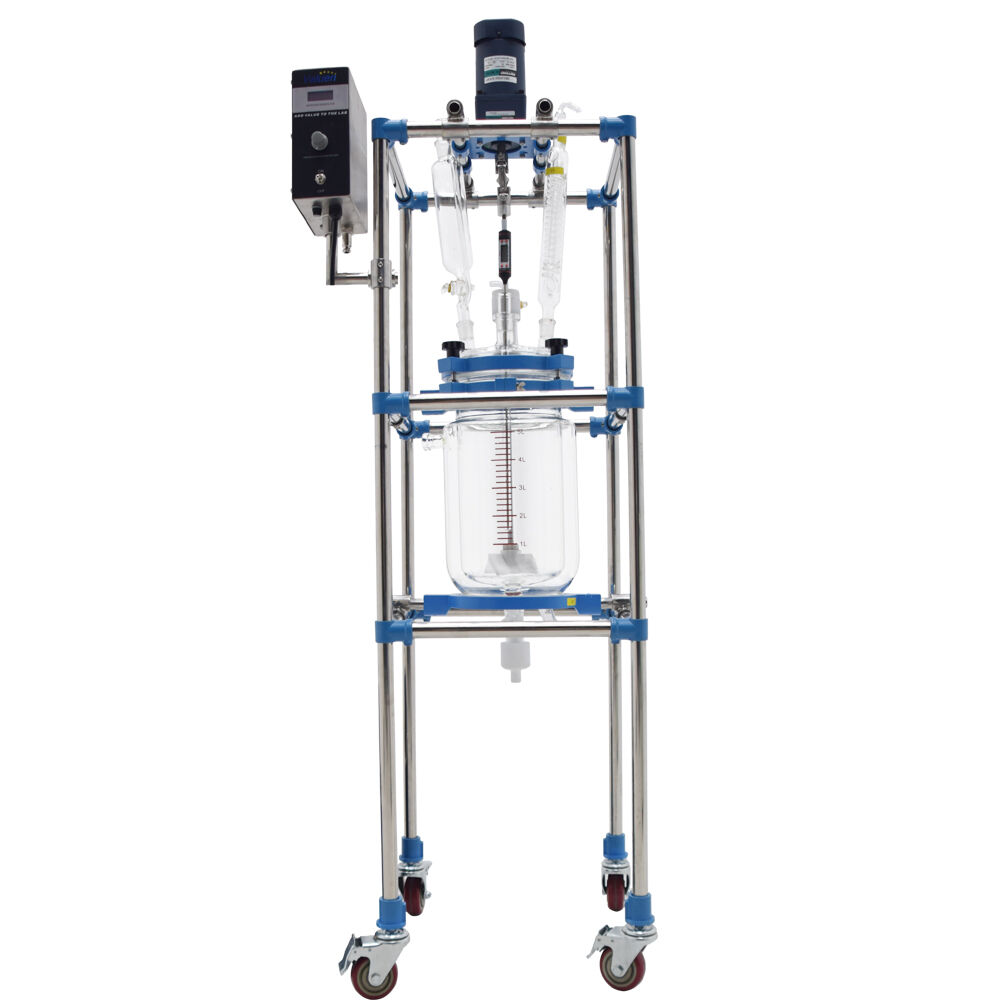
A glass reactor system represents a sophisticated laboratory equipment solution designed for chemical synthesis, process development, and research applications. These versatile systems consist of high-quality borosilicate glass vessels that provide exceptional chemical resistance and thermal stability for various reaction conditions. The glass reactor system typically includes a main reaction vessel, overhead stirring mechanism, heating and cooling capabilities, and comprehensive process monitoring instruments. The transparent glass construction allows researchers to visually monitor reaction progress, color changes, and phase separations in real-time. Modern glass reactor systems incorporate advanced digital controllers for precise temperature regulation, automated feeding systems for reagent addition, and integrated safety features including pressure relief valves and emergency shutdown protocols. The modular design enables customization based on specific research requirements, with vessel capacities ranging from small-scale laboratory units to pilot-scale production systems. These systems excel in organic synthesis, pharmaceutical development, polymer research, and specialty chemical manufacturing. The glass reactor system offers superior heat transfer properties through its thin-walled construction, ensuring uniform temperature distribution throughout the reaction mixture. Advanced models feature computerized process control with data logging capabilities, enabling researchers to maintain detailed records of experimental parameters. The inert nature of borosilicate glass prevents unwanted catalytic reactions and eliminates contamination risks associated with metal surfaces. Integration capabilities allow connection to external equipment such as rotary evaporators, distillation columns, and analytical instruments for comprehensive process workflows. Safety considerations include explosion-proof electrical components, protective shields, and emergency ventilation systems to ensure operator protection during hazardous reactions.

New Product Recommendations

Glass reactor systems deliver remarkable versatility that makes them indispensable for modern research and development facilities. You can observe reactions directly through the transparent walls, eliminating guesswork and enabling precise timing for critical process steps. This visual monitoring capability significantly reduces experimental failures and accelerates research timelines. The chemical inertness of borosilicate glass ensures your reactions remain uncontaminated, providing reliable and reproducible results across multiple experiments. You save considerable time and resources because these systems resist corrosion from acids, bases, and organic solvents that would quickly damage metal alternatives. Temperature control becomes effortless with integrated heating and cooling systems that respond rapidly to your process requirements. The glass reactor system maintains uniform heat distribution, preventing hot spots that could cause unwanted side reactions or product degradation. You achieve superior mixing efficiency through optimized stirring mechanisms that create consistent turbulence patterns throughout the vessel. Cleaning procedures become straightforward because glass surfaces resist buildup of organic residues and can withstand aggressive cleaning solvents. This ease of maintenance reduces downtime between experiments and extends equipment lifespan. Cost-effectiveness emerges from the durability of glass construction, which outlasts metal reactors in corrosive environments while requiring minimal replacement parts. You benefit from modular designs that allow system expansion or reconfiguration as your research needs evolve. Safety features integrated into glass reactor systems protect your personnel and facility through pressure monitoring, automatic shutdown capabilities, and containment measures. The systems accommodate various reaction scales, from milligram quantities for initial screening to kilogram batches for process optimization. Energy efficiency results from excellent heat transfer properties that reduce heating and cooling times. You can integrate these systems with analytical instruments for real-time monitoring of reaction parameters, enabling immediate process adjustments. Documentation becomes comprehensive through digital logging systems that record temperature, pressure, and stirring speed data automatically. The glass reactor system supports sustainable laboratory practices by reducing waste generation through improved process control and reproducibility.

Latest News

Why Jacketed Glass Reactors are Essential for Your Lab

29

Oct

Why Jacketed Glass Reactors are Essential for Your Lab

Superior Temperature Control for Consistent Reaction ConditionsJacketed glass reactors achieve ±0.5°C temperature stability through their double-wall design, ensuring precise and consistent reaction conditions critical for sensitive chemic...
View More
How Does a Stainless Steel Reactor Improve Reaction Efficiency and Safety

12

Nov

How Does a Stainless Steel Reactor Improve Reaction Efficiency and Safety

Chemical processing industries rely heavily on precise reaction control and optimal safety measures to achieve consistent production outcomes. The selection of appropriate reactor materials and design features directly impacts both operational effici...
View More
How to Select a Crystallization Reactor for Pharmaceutical Crystallization?

24

Dec

How to Select a Crystallization Reactor for Pharmaceutical Crystallization?

Selecting the right crystallization reactor for pharmaceutical manufacturing requires careful consideration of multiple technical and operational factors that directly impact product quality, yield, and process efficiency. The pharmaceutical industry...
View More
What Design Features Matter in a Rotary and Liftable Stainless Steel Reactor?

20

Jan

What Design Features Matter in a Rotary and Liftable Stainless Steel Reactor?

Modern industrial chemical processing demands precision, efficiency, and reliability in every piece of equipment. Among the most critical components in pharmaceutical, chemical, and biotechnology manufacturing is the rotary and liftable stainless ste...
View More

Get a Free Quote

Our representative will contact you soon.
Email
Name
Contact Number
Company Name
Message
0/1000

glass reactor system

Superior Chemical Compatibility and Durability

Superior Chemical Compatibility and Durability

The glass reactor system stands out through its exceptional chemical compatibility, constructed from premium borosilicate glass that withstands the most demanding reaction conditions. This advanced material composition provides unmatched resistance to chemical attack from acids, bases, organic solvents, and reactive intermediates that would quickly compromise metal alternatives. The borosilicate glass formulation maintains its integrity across temperature ranges from -80°C to +200°C, enabling diverse reaction protocols without equipment degradation. Unlike stainless steel or other metal reactors, the glass reactor system eliminates concerns about metal ion leaching that could interfere with sensitive chemical processes or contaminate final products. This chemical inertness proves particularly valuable in pharmaceutical development where product purity requirements are stringent. The smooth glass surface prevents adhesion of organic residues and facilitates complete cleaning between batches, reducing cross-contamination risks. Thermal shock resistance allows rapid temperature changes without vessel failure, supporting processes that require quick heating or cooling cycles. The glass reactor system maintains its transparency and surface properties even after extended exposure to harsh chemicals, ensuring consistent performance throughout its operational lifetime. Maintenance costs remain minimal because glass components resist wear and corrosion that plague metal systems. The material's non-porous nature prevents absorption of chemicals that could later leach into subsequent reactions. Quality control becomes more reliable because the inert glass surface doesn't introduce variables that could affect reaction outcomes. Research reproducibility improves significantly when using glass reactor systems because material interactions remain constant across experiments. The longevity of borosilicate glass construction provides excellent return on investment, with properly maintained systems delivering decades of reliable service. Environmental considerations also favor glass reactor systems because they don't contribute heavy metals or other contaminants to waste streams, supporting sustainable laboratory practices.
Real-Time Visual Process Monitoring

Real-Time Visual Process Monitoring

The glass reactor system revolutionizes process monitoring through its crystal-clear transparency that enables continuous visual observation of reaction progress. This unique advantage allows researchers to witness color changes, precipitation events, foam formation, and phase separations as they occur, providing invaluable insights into reaction mechanisms and kinetics. The transparent walls eliminate the guesswork associated with closed metal systems, enabling immediate recognition of unexpected developments or process deviations. Operators can identify optimal endpoint conditions by observing visual cues such as color intensity changes or clarity improvements, leading to more consistent product quality. The glass reactor system supports photochemical reactions where light transmission is essential, opening possibilities for specialized synthesis routes not feasible with opaque equipment. Safety benefits emerge from visual monitoring capabilities that allow early detection of runaway reactions, excessive foaming, or equipment malfunctions before they become hazardous. The transparent construction facilitates accurate liquid level monitoring, preventing overfilling or unexpected volume changes that could compromise process safety. Educational applications thrive with glass reactor systems because students and trainees can observe chemical transformations firsthand, accelerating learning and understanding of chemical principles. Process optimization becomes more intuitive when researchers can correlate visual observations with measured parameters like temperature and pH. The glass reactor system enables real-time assessment of mixing efficiency by observing fluid patterns and identifying dead zones that might affect reaction uniformity. Quality control personnel can conduct visual inspections throughout the process rather than waiting for final product analysis, enabling immediate corrections if deviations occur. Documentation improves through photographic or video recording of visual changes, creating valuable records for process validation and troubleshooting. The transparency feature proves particularly beneficial for crystallization processes where nucleation and growth patterns provide critical information about product characteristics. Research productivity increases because visual monitoring reduces the need for frequent sampling and offline analysis, maintaining process continuity while gathering essential data.
Precise Temperature Control and Heat Transfer Efficiency

Precise Temperature Control and Heat Transfer Efficiency

The glass reactor system delivers exceptional thermal performance through its optimized heat transfer characteristics and precision control capabilities. The thin-walled borosilicate glass construction provides rapid thermal response, allowing quick temperature adjustments that are essential for time-sensitive reactions and process control. Unlike thick-walled metal vessels that create thermal lag, the glass reactor system achieves target temperatures quickly and maintains uniform distribution throughout the reaction mixture. Advanced heating and cooling systems integrated with these units offer temperature control accuracy within ±0.1°C, enabling precise maintenance of critical reaction conditions. The excellent heat transfer properties minimize energy consumption by reducing heating and cooling times, supporting both economic and environmental sustainability goals. Thermal uniformity prevents the formation of hot spots that could trigger unwanted side reactions or cause local overheating damage to sensitive compounds. The glass reactor system accommodates both exothermic and endothermic processes through responsive temperature control that automatically compensates for heat generation or absorption during reactions. Programmable temperature profiles enable complex thermal cycling protocols for specialized synthesis procedures or product purification steps. Safety features include over-temperature protection and rapid cooling capabilities that prevent thermal runaway situations. The system's thermal mass remains low compared to metal alternatives, allowing faster temperature ramping rates that improve process efficiency. Cryogenic applications benefit from the glass reactor system's ability to withstand extreme cold without becoming brittle or developing thermal stress fractures. Heat transfer fluid circulation systems provide even temperature distribution around the vessel walls, eliminating cold spots that could cause incomplete reactions. The glass reactor system supports both isothermal and non-isothermal reaction protocols with equal precision, offering flexibility for diverse research applications. Energy efficiency results from the direct heat transfer through glass walls without the thermal barriers present in jacketed metal systems. Process repeatability improves through consistent thermal behavior that eliminates temperature-related variables between experimental runs. The responsive thermal characteristics of glass reactor systems enable better process control and optimization, leading to improved yields and product quality.

Get a Free Quote

Our representative will contact you soon.
Email
Name
Contact Number
Company Name
Message
0/1000