Industrial Chemical Reactors: Advanced Process Solutions for Manufacturing Excellence

Get a Free Quote

Our representative will contact you soon.
Email
Name
Contact Number
Company Name
Message
0/1000

industrial chemical reactor

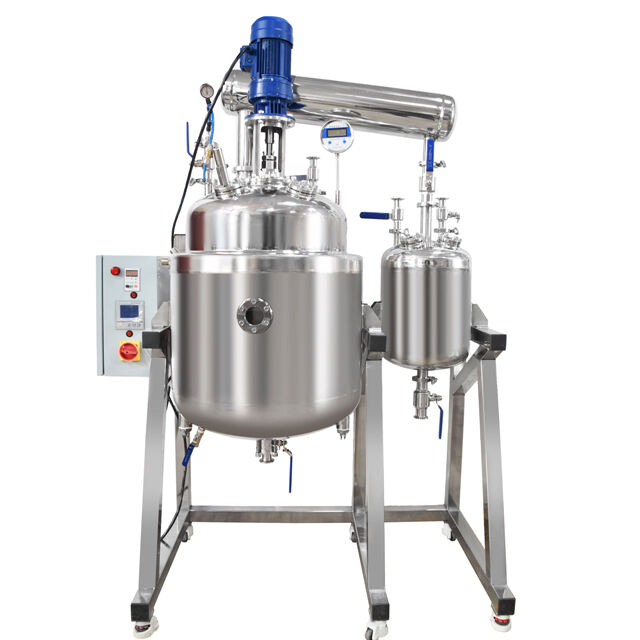
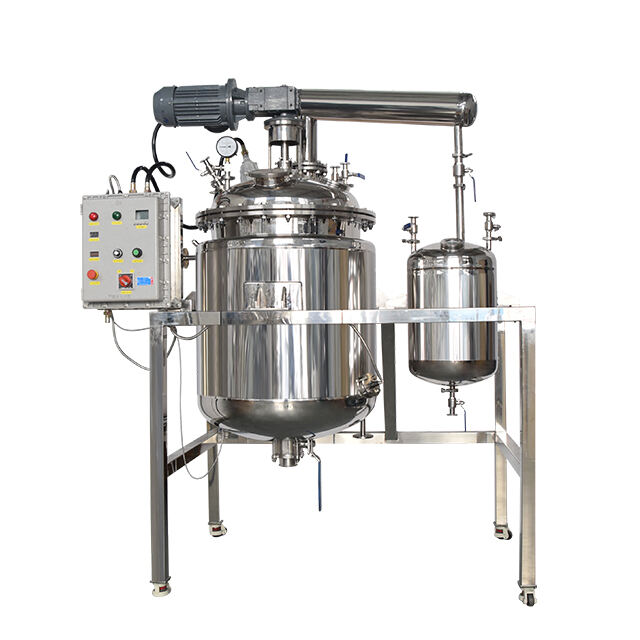
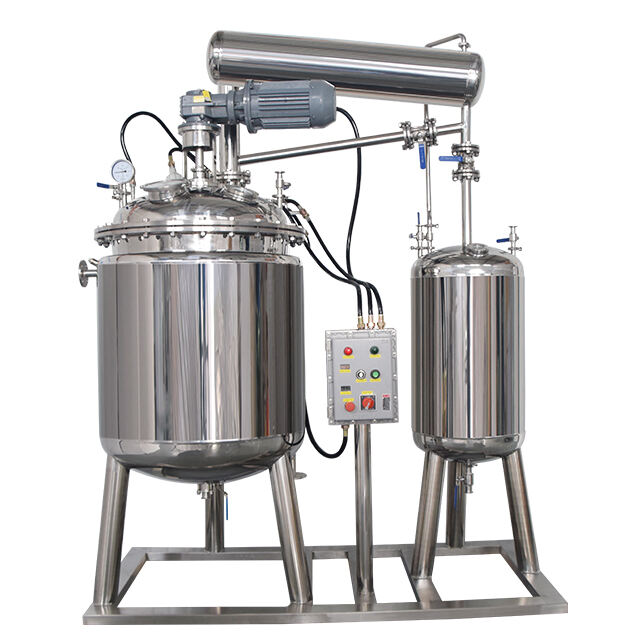
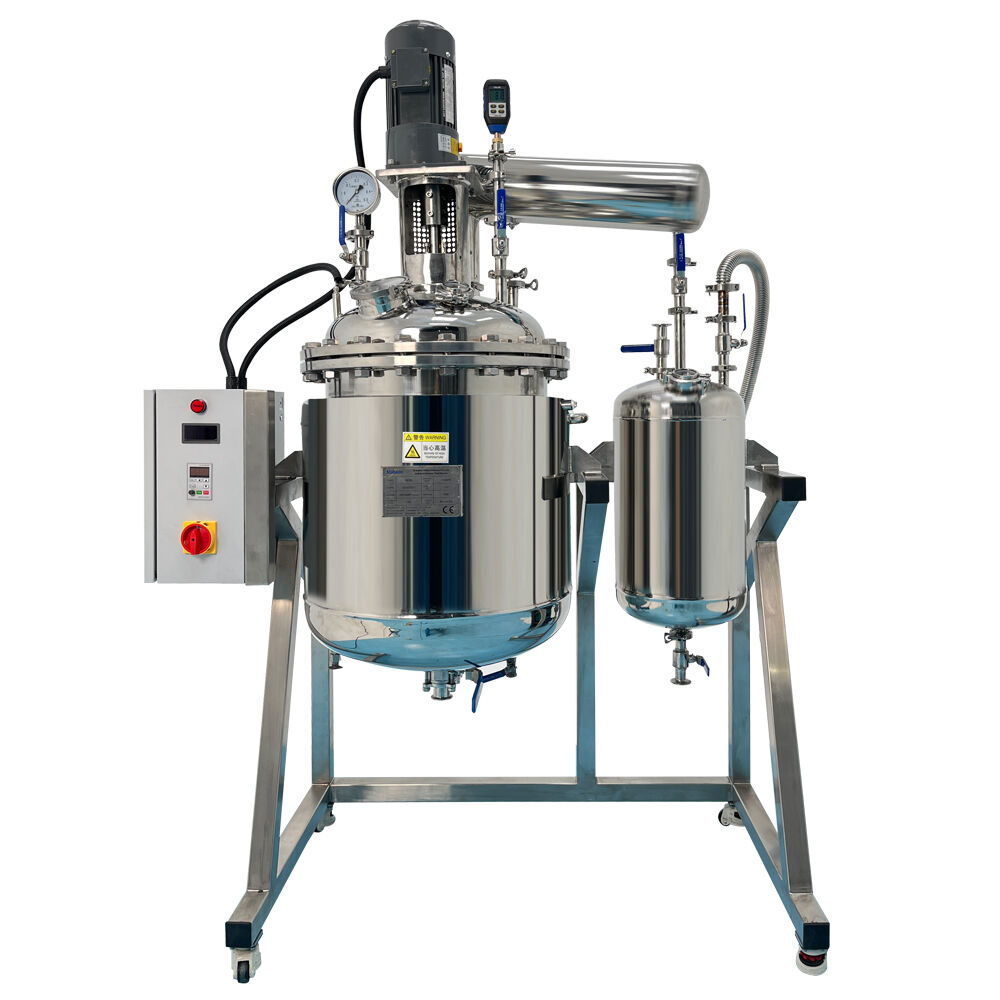
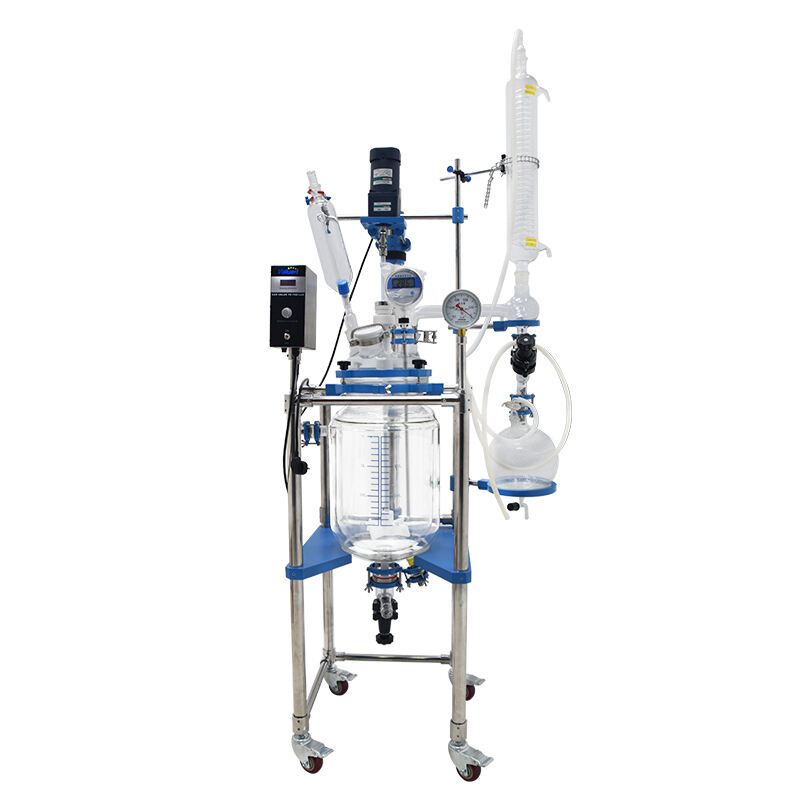
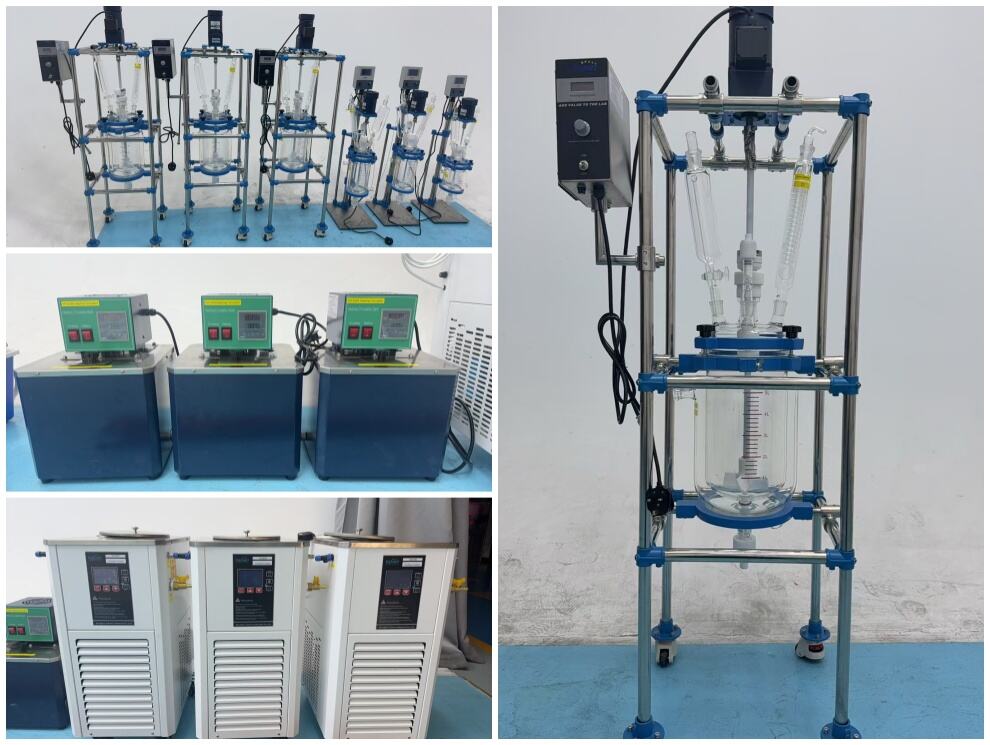
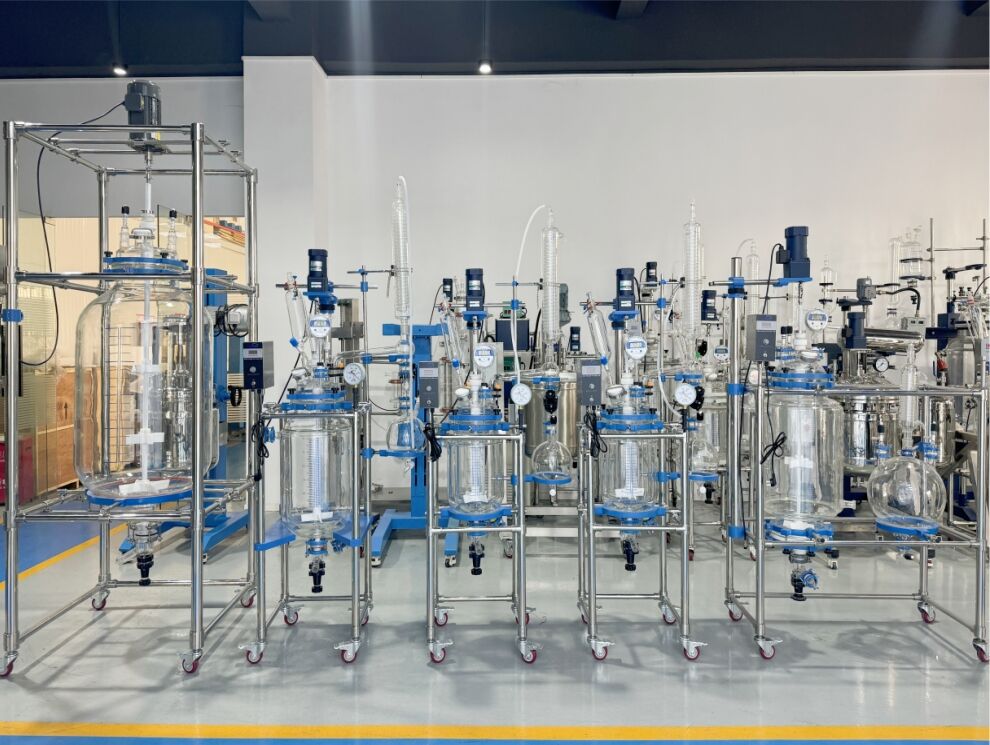
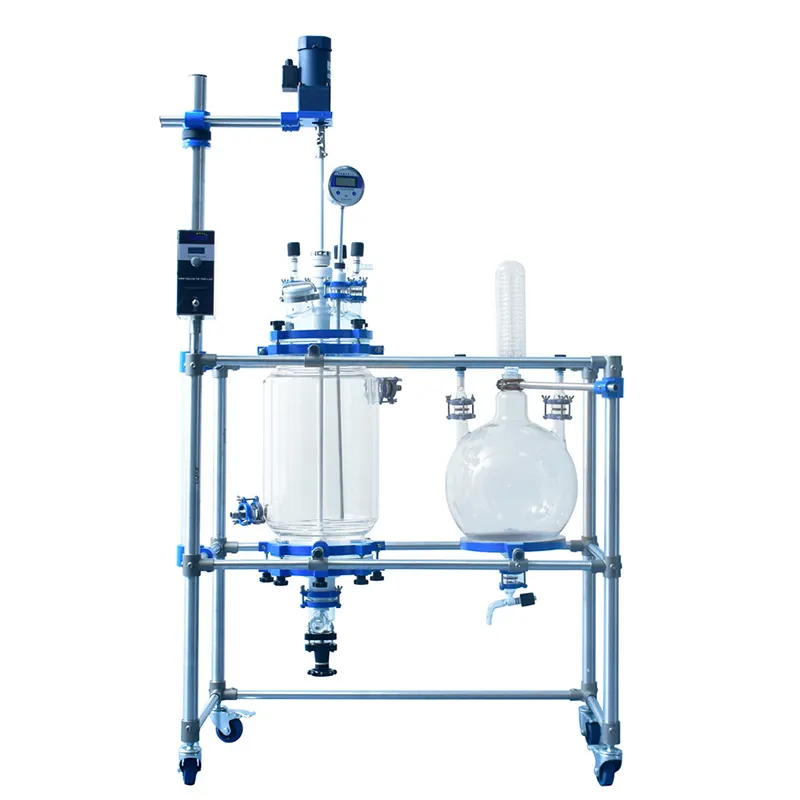
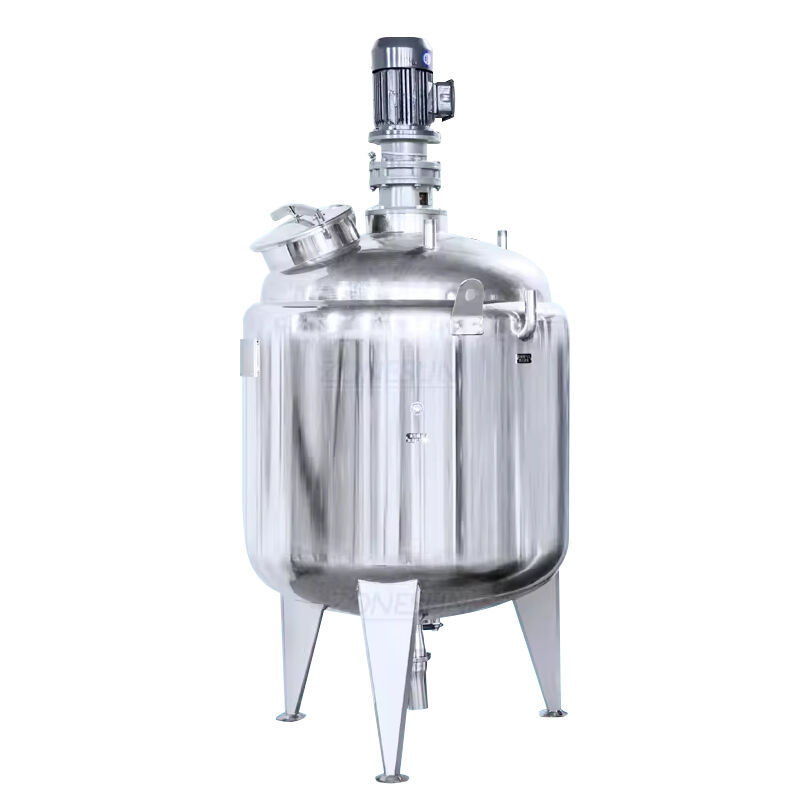
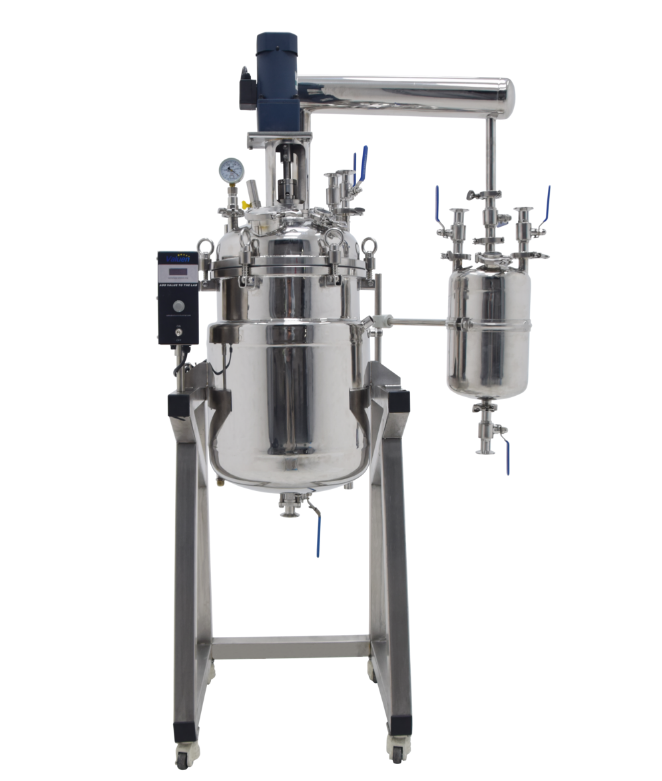
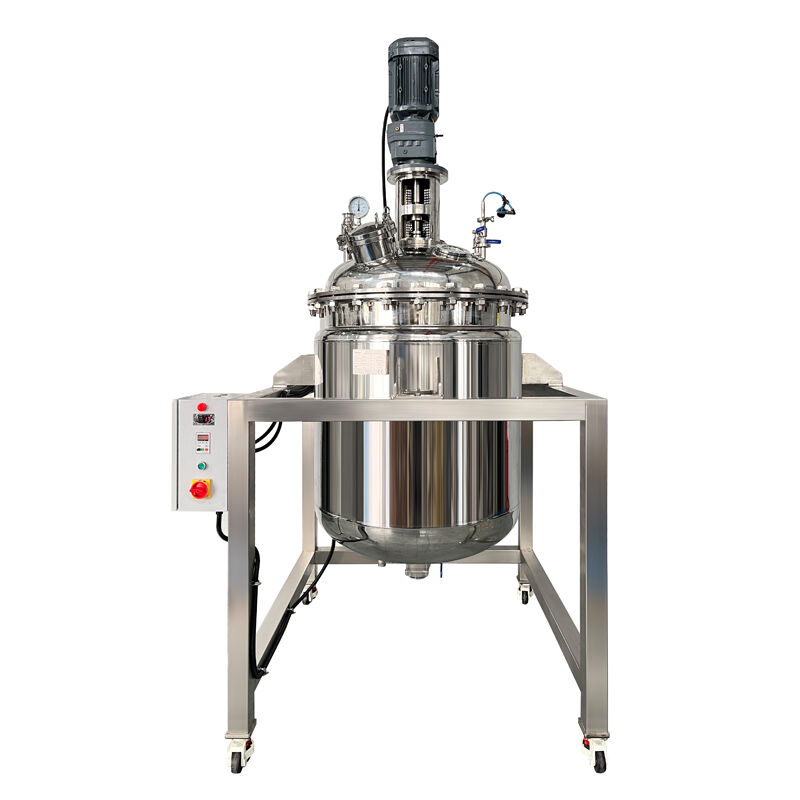
An industrial chemical reactor serves as the cornerstone of modern chemical manufacturing, representing a sophisticated vessel designed to facilitate controlled chemical transformations on a commercial scale. These essential processing units enable manufacturers to convert raw materials into valuable products through precisely managed chemical reactions, ensuring optimal yield, safety, and efficiency. The industrial chemical reactor functions as a controlled environment where temperature, pressure, mixing rates, and residence time are meticulously regulated to achieve desired chemical outcomes. These reactors accommodate various reaction types, including batch, continuous, and semi-batch processes, making them versatile solutions for diverse manufacturing requirements. The technological features of modern industrial chemical reactors incorporate advanced materials engineering, utilizing corrosion-resistant alloys, specialized coatings, and innovative designs that withstand extreme operating conditions. Integrated control systems monitor critical parameters in real-time, providing operators with comprehensive data for process optimization and safety management. Heat transfer systems within these reactors ensure precise temperature control, while sophisticated mixing mechanisms guarantee uniform reactant distribution and optimal mass transfer rates. Applications for industrial chemical reactors span numerous industries, from pharmaceuticals and petrochemicals to food processing and specialty chemicals. In pharmaceutical manufacturing, these reactors enable the synthesis of active pharmaceutical ingredients under strictly controlled conditions, ensuring product purity and consistency. Petrochemical facilities rely on industrial chemical reactors for refining processes, polymer production, and fuel manufacturing. The food industry utilizes these systems for fermentation processes, flavor development, and nutritional supplement production. Environmental applications include wastewater treatment, air pollution control, and waste-to-energy conversion processes. Modern industrial chemical reactor designs emphasize safety features, incorporating pressure relief systems, emergency shutdown mechanisms, and containment protocols that protect personnel and surrounding environments. Energy efficiency remains a priority, with heat recovery systems and optimized designs reducing operational costs while maintaining high performance standards.

New Product Releases

Industrial chemical reactors deliver substantial benefits that directly impact manufacturing efficiency and profitability for companies across various sectors. These systems provide exceptional process control capabilities, allowing operators to maintain consistent product quality while maximizing yield rates. The precision control offered by modern industrial chemical reactors ensures that reaction conditions remain within optimal parameters, reducing waste generation and minimizing raw material consumption. This level of control translates into significant cost savings for manufacturers who can achieve higher conversion rates and produce premium-quality products consistently. Energy efficiency represents another major advantage of contemporary industrial chemical reactor designs. Advanced heat integration systems capture and reuse thermal energy, dramatically reducing utility costs and supporting sustainability initiatives. Many facilities report energy savings of 20-40% compared to older reactor technologies, making these systems attractive investments for cost-conscious manufacturers. The modular design approach adopted by leading industrial chemical reactor manufacturers enables easy scalability and customization. Companies can start with smaller units and expand capacity as demand grows, without requiring complete system overhauls. This flexibility proves invaluable for businesses experiencing growth or seasonal demand fluctuations. Safety enhancements built into modern industrial chemical reactors protect both personnel and assets while ensuring regulatory compliance. Automated safety systems prevent dangerous operating conditions, while robust containment features minimize environmental risks. These safety improvements reduce insurance costs and help companies avoid costly regulatory penalties or production interruptions. Maintenance requirements for industrial chemical reactors have decreased significantly through improved materials and design innovations. Corrosion-resistant components extend equipment lifespan, while predictive maintenance systems identify potential issues before they cause unplanned downtime. This reliability ensures continuous production and reduces maintenance expenses. The versatility of industrial chemical reactors allows manufacturers to produce multiple products using the same equipment, maximizing asset utilization and improving return on investment. Quick changeover capabilities enable efficient production scheduling and responsive customer service. Digital integration capabilities connect industrial chemical reactors to enterprise systems, providing real-time production data and enabling data-driven decision making. This connectivity supports Industry 4.0 initiatives and helps manufacturers optimize their entire production process for maximum efficiency and profitability.

Latest News

What Industries Benefit Most From Advanced Fractional Distillation Systems?

24

Dec

What Industries Benefit Most From Advanced Fractional Distillation Systems?

Industrial separation processes have evolved significantly over the past century, with fractional distillation equipment emerging as one of the most critical technologies for achieving high-purity separations. This sophisticated process leverages dif...
View More
Rotary and Liftable Stainless Steel Reactor vs Fixed Reactor: Which Is Better?

20

Jan

Rotary and Liftable Stainless Steel Reactor vs Fixed Reactor: Which Is Better?

Modern industrial processing demands precision, efficiency, and adaptability in chemical reactions and material processing. The choice between a rotary and liftable stainless steel reactor versus a traditional fixed reactor represents a critical deci...
View More
What Design Features Matter in a Rotary and Liftable Stainless Steel Reactor?

20

Jan

What Design Features Matter in a Rotary and Liftable Stainless Steel Reactor?

Modern industrial chemical processing demands precision, efficiency, and reliability in every piece of equipment. Among the most critical components in pharmaceutical, chemical, and biotechnology manufacturing is the rotary and liftable stainless ste...
View More
Explosion-Proof Glass Molecular Distillation System: Principles, Design, and Applications

30

Jan

Explosion-Proof Glass Molecular Distillation System: Principles, Design, and Applications

An explosion-proof glass molecular distillation system is a critical solution for the separation and purification of high-value, heat-sensitive, and solvent-based materials. As industries increasingly demand higher purity, safer operation, and gentle...
View More

Get a Free Quote

Our representative will contact you soon.
Email
Name
Contact Number
Company Name
Message
0/1000

industrial chemical reactor

Advanced Process Control and Automation Systems

Advanced Process Control and Automation Systems

Modern industrial chemical reactor technology incorporates state-of-the-art process control and automation systems that revolutionize manufacturing operations through unprecedented precision and reliability. These sophisticated control platforms integrate multiple sensors, analyzers, and feedback loops to monitor and adjust critical process parameters in real-time, ensuring optimal reaction conditions throughout the entire production cycle. The automation capabilities of contemporary industrial chemical reactors extend beyond basic temperature and pressure control, encompassing advanced features such as predictive modeling, adaptive control algorithms, and machine learning integration. These systems continuously analyze process data to identify optimization opportunities and automatically implement adjustments that improve yield, reduce energy consumption, and maintain product quality specifications. The human-machine interface provides operators with intuitive dashboards displaying comprehensive process information, trend analysis, and predictive maintenance alerts. This enhanced visibility enables proactive decision-making and rapid response to changing conditions. Safety interlocks and emergency response protocols are seamlessly integrated into the control system, providing multiple layers of protection against hazardous situations. The system can automatically initiate shutdown sequences, activate safety systems, and alert emergency responders when necessary. Remote monitoring capabilities allow technical experts to provide support and troubleshooting assistance from any location, reducing response times and minimizing production disruptions. The industrial chemical reactor control system also features comprehensive data logging and reporting functions that support regulatory compliance, quality assurance programs, and continuous improvement initiatives. Historical data analysis helps identify process optimization opportunities and supports root cause analysis when issues occur. Integration with enterprise resource planning systems enables seamless coordination between production planning, inventory management, and quality control functions. These advanced automation features significantly reduce manual intervention requirements, minimizing human error potential while improving overall process consistency and reliability. The result is enhanced productivity, improved safety performance, and reduced operational costs that provide substantial competitive advantages for manufacturing operations utilizing modern industrial chemical reactor technology.
Superior Heat Transfer and Energy Management

Superior Heat Transfer and Energy Management

The exceptional heat transfer capabilities and energy management features of modern industrial chemical reactors represent significant technological advances that deliver substantial operational benefits and cost savings for manufacturing facilities. These systems incorporate innovative heat exchanger designs, advanced materials, and intelligent thermal management strategies that optimize energy utilization while maintaining precise temperature control throughout the reaction process. The enhanced heat transfer performance of contemporary industrial chemical reactors enables faster heating and cooling rates, reducing cycle times and increasing production throughput. Specialized heat transfer surfaces, including enhanced tube geometries and high-performance coatings, maximize heat exchange efficiency while minimizing fouling tendencies that can degrade performance over time. Multi-zone temperature control systems allow different reactor sections to operate at optimal temperatures for specific reaction stages, improving overall process efficiency and product quality. Heat recovery systems integrated into industrial chemical reactor designs capture waste heat from exothermic reactions and redirect this energy to preheat incoming feedstreams or support other facility heating requirements. This energy recycling capability can reduce overall energy consumption by 25-50% compared to conventional reactor systems, generating substantial utility cost savings and supporting environmental sustainability goals. Thermal management systems also incorporate advanced insulation materials and designs that minimize heat loss to the environment, further improving energy efficiency. Variable-speed pumps and fans automatically adjust circulation rates based on actual heat transfer requirements, optimizing energy consumption while maintaining process performance. The intelligent energy management capabilities include load balancing features that coordinate multiple reactor operations to minimize peak demand charges and take advantage of favorable utility rate structures. Emergency cooling systems provide rapid temperature reduction capabilities when required, protecting equipment and products from thermal damage. Advanced thermal modeling and simulation tools enable operators to predict and optimize heat transfer performance under various operating conditions, supporting process development and troubleshooting activities. These superior heat transfer and energy management features combine to deliver exceptional operational efficiency, reduced environmental impact, and improved profitability for facilities utilizing advanced industrial chemical reactor technology in their manufacturing processes.
Exceptional Durability and Corrosion Resistance

Exceptional Durability and Corrosion Resistance

The exceptional durability and corrosion resistance characteristics of modern industrial chemical reactors provide manufacturers with reliable, long-lasting equipment that maintains performance standards while minimizing maintenance requirements and replacement costs. These robust systems utilize advanced metallurgy, specialized coatings, and innovative design approaches that withstand aggressive chemical environments, extreme temperatures, and demanding operating conditions common in industrial processing applications. Material selection for industrial chemical reactor construction involves careful consideration of chemical compatibility, temperature resistance, and mechanical properties to ensure optimal performance throughout the equipment lifecycle. High-grade stainless steels, exotic alloys, and composite materials provide superior resistance to corrosion, erosion, and thermal stress while maintaining structural integrity under challenging operating conditions. Specialized surface treatments and protective coatings further enhance corrosion resistance, extending equipment lifespan and reducing maintenance frequency. The design philosophy emphasizes eliminating potential failure points through robust construction techniques, redundant safety systems, and conservative design margins that account for process variations and unexpected operating conditions. Welding procedures follow stringent quality standards, with comprehensive inspection and testing protocols ensuring joint integrity and long-term reliability. Stress relief treatments and proper heat treatment procedures optimize material properties and eliminate residual stresses that could lead to premature failure. Modular construction approaches enable selective component replacement when necessary, minimizing downtime and maintenance costs while extending overall system life. The industrial chemical reactor designs incorporate accessibility features that facilitate routine inspection, cleaning, and maintenance activities, supporting proactive maintenance programs that maximize equipment availability. Predictive maintenance technologies monitor equipment condition in real-time, identifying potential issues before they result in failures or performance degradation. Comprehensive documentation and support services ensure that maintenance personnel have access to detailed technical information, spare parts availability, and expert technical assistance when needed. The combination of superior materials, robust design, and comprehensive support services results in industrial chemical reactor systems that deliver exceptional value through extended service life, reduced maintenance costs, and consistent performance reliability that supports continuous production operations and long-term profitability for manufacturing facilities across diverse industrial applications and operating environments.

Get a Free Quote

Our representative will contact you soon.
Email
Name
Contact Number
Company Name
Message
0/1000