Advanced Chemical Synthesis Reactors - Precision Process Control & Manufacturing Solutions

Get a Free Quote

Our representative will contact you soon.
Email
Name
Contact Number
Company Name
Message
0/1000

chemical synthesis reactors

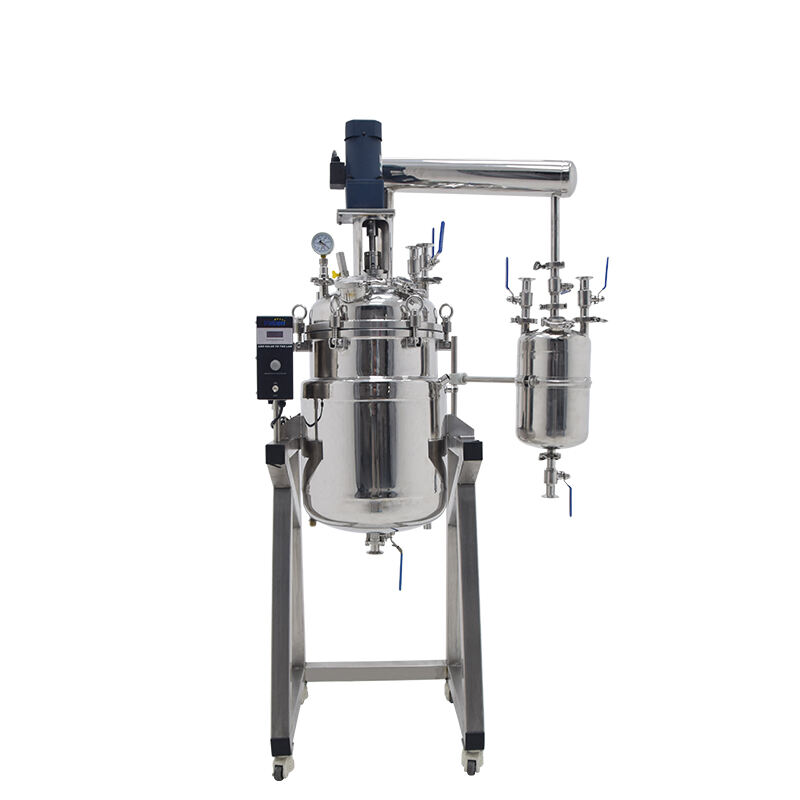
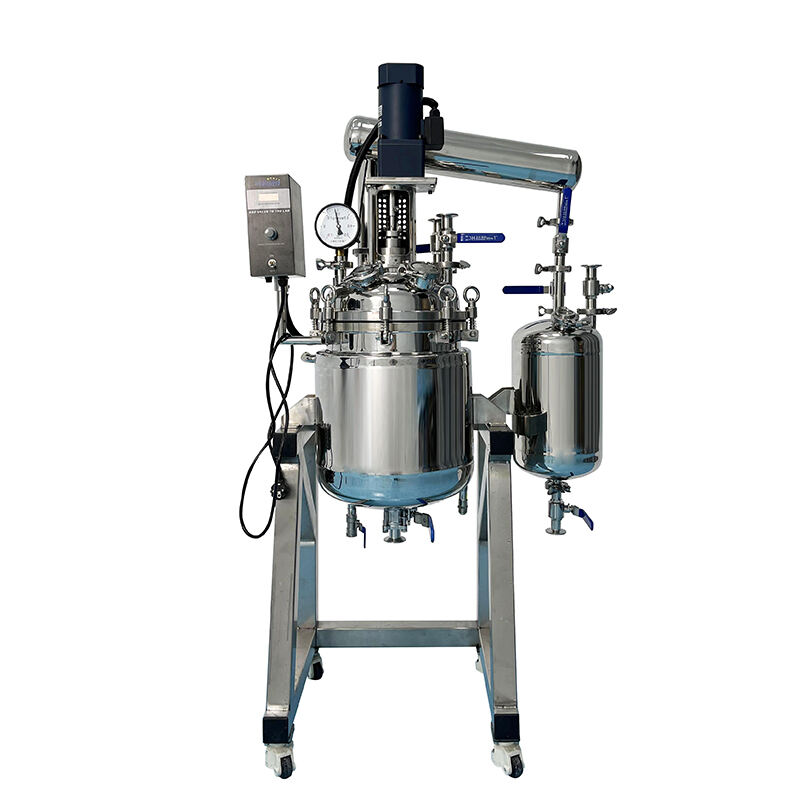
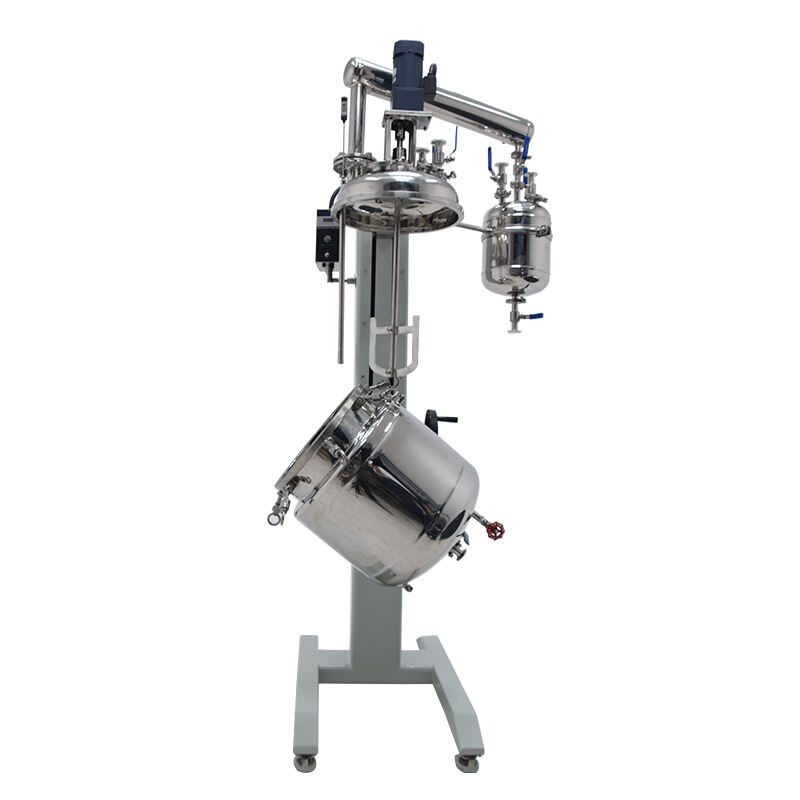
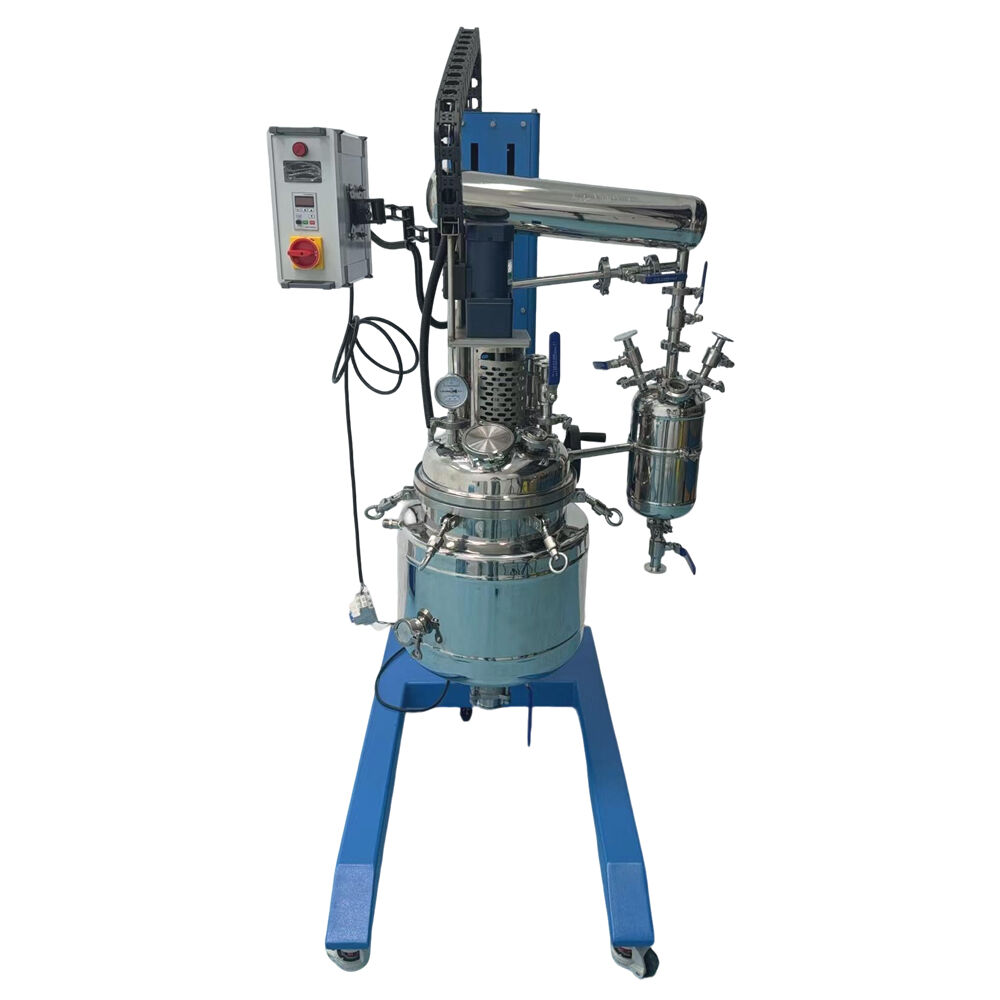
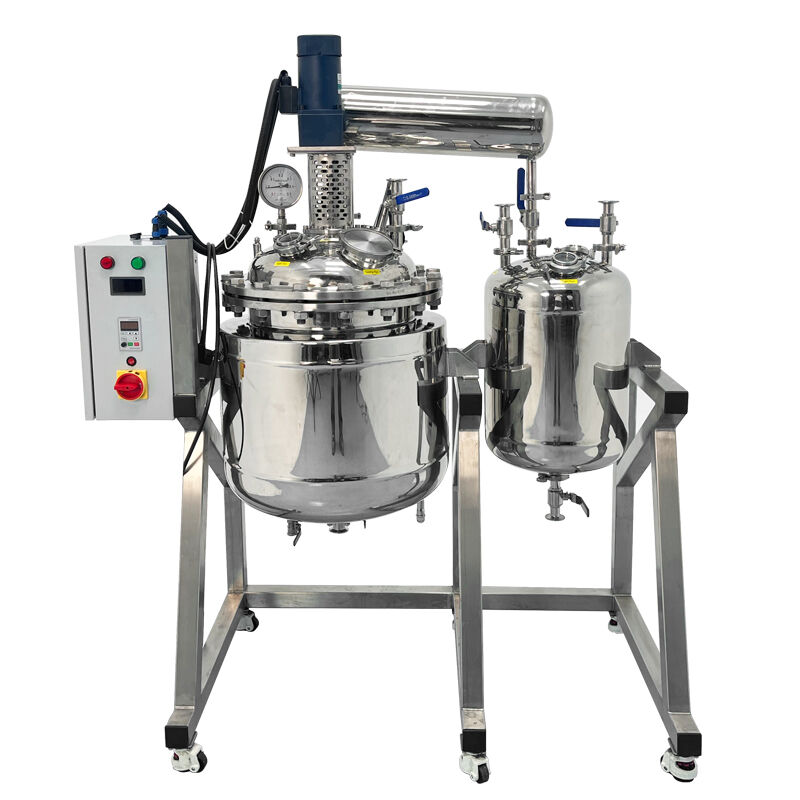
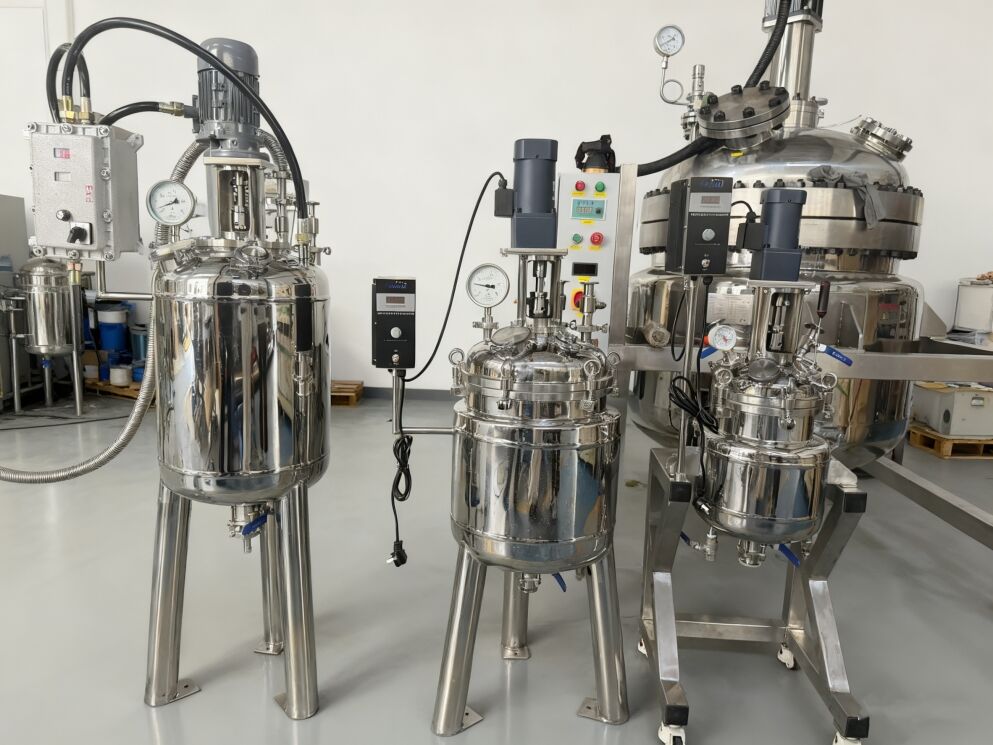
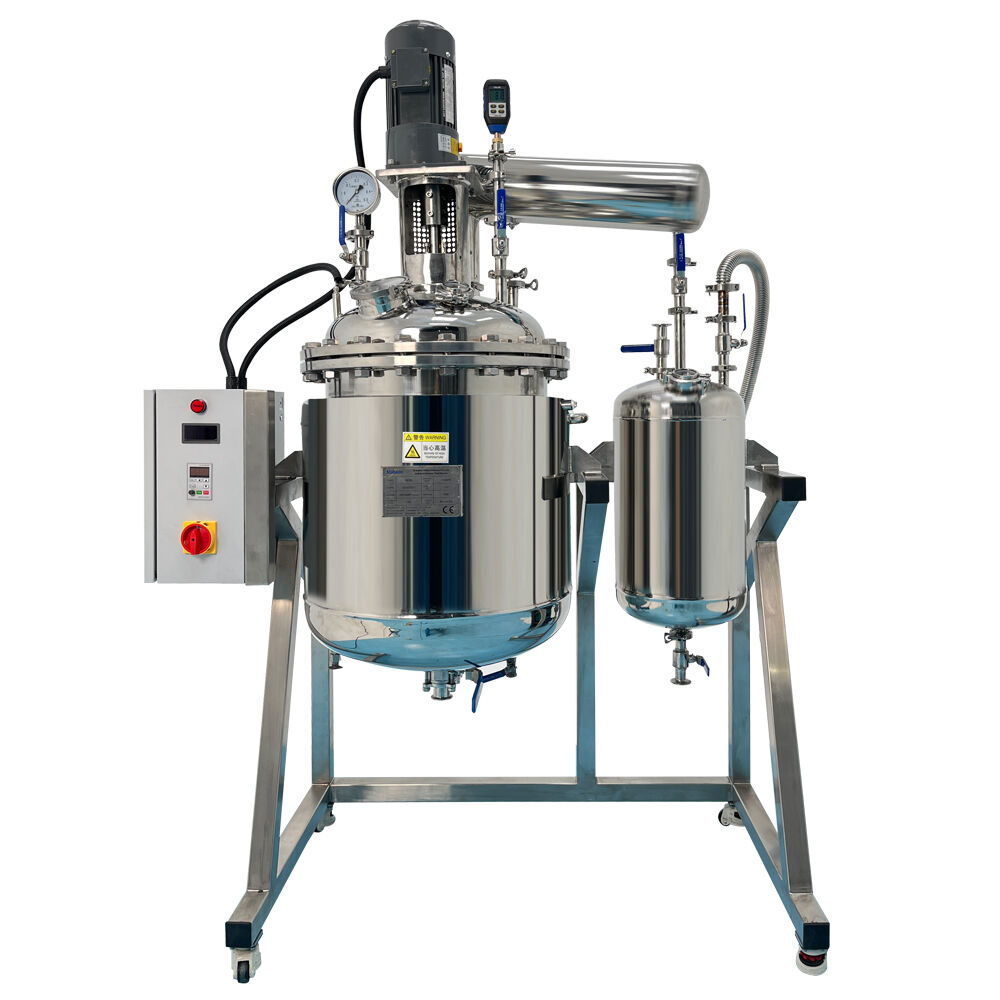
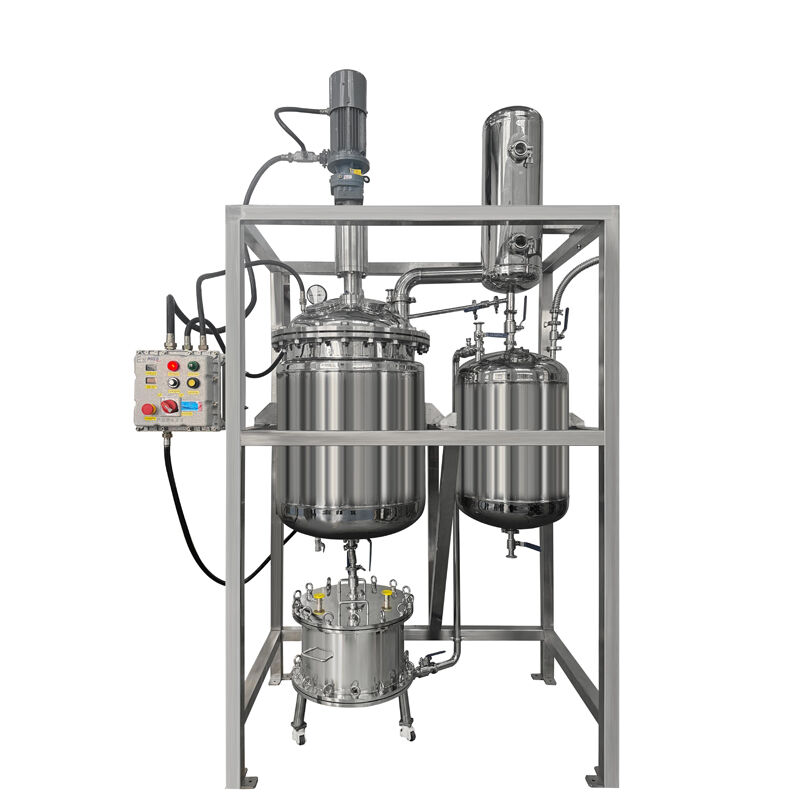
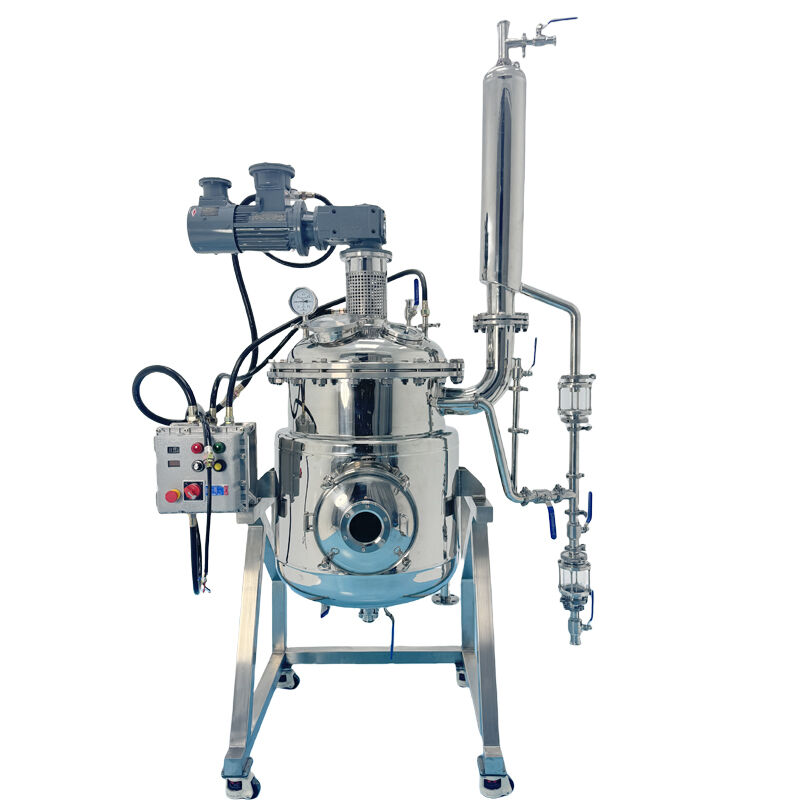
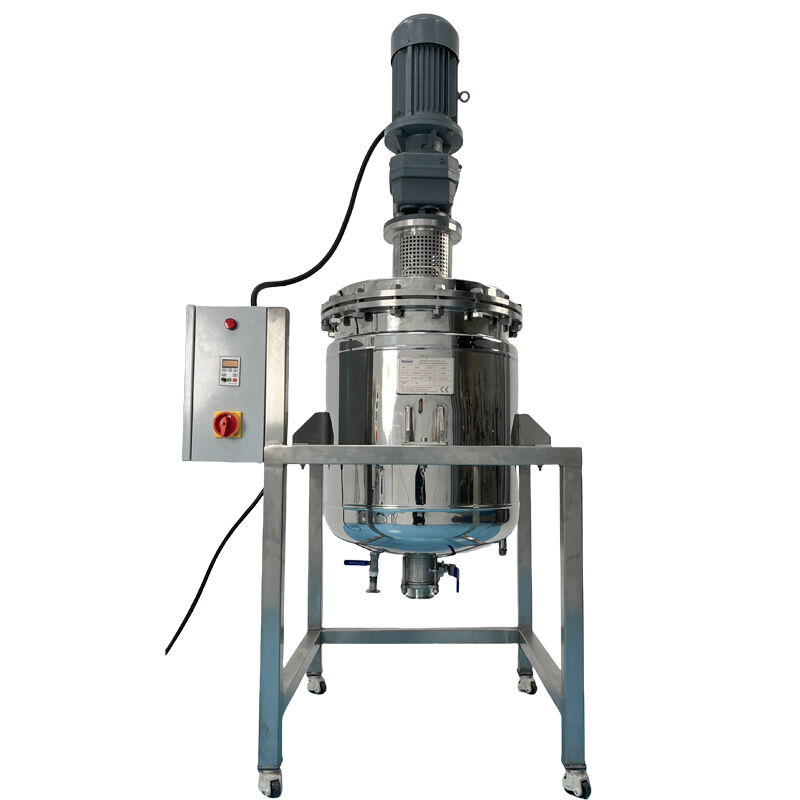
Chemical synthesis reactors represent sophisticated engineering systems designed to facilitate controlled chemical reactions across diverse industrial applications. These specialized vessels serve as the cornerstone of modern chemical manufacturing, enabling precise manipulation of reaction conditions to achieve optimal product yields and quality standards. The primary functions of chemical synthesis reactors encompass temperature regulation, pressure control, mixing optimization, and reaction monitoring throughout the synthesis process. These reactors incorporate advanced technological features including automated control systems, real-time monitoring capabilities, and safety protocols that ensure consistent performance while maintaining operator protection. The versatility of chemical synthesis reactors makes them indispensable across pharmaceutical manufacturing, petrochemical processing, specialty chemical production, and research laboratories. Modern chemical synthesis reactors utilize cutting-edge materials such as stainless steel, glass-lined surfaces, and specialized alloys that resist corrosion while maintaining product purity. Advanced heat transfer systems enable precise temperature control, while sophisticated agitation mechanisms ensure uniform mixing and mass transfer. Digital control interfaces provide operators with comprehensive oversight of reaction parameters, allowing for real-time adjustments and process optimization. Safety features integrated into chemical synthesis reactors include pressure relief systems, emergency shutdown protocols, and containment measures that protect both personnel and the environment. The scalability of these systems allows manufacturers to transition seamlessly from laboratory-scale development to full-scale production while maintaining consistent reaction conditions and product quality. Chemical synthesis reactors support batch processing, continuous operation, and semi-batch configurations, providing flexibility to accommodate various production requirements and chemical processes across multiple industries.

New Products

Chemical synthesis reactors deliver substantial operational benefits that directly impact manufacturing efficiency and profitability for businesses across various industries. These systems significantly reduce production costs by optimizing reaction conditions and maximizing product yields, often achieving conversion rates exceeding 95 percent compared to traditional methods. The precise control capabilities inherent in modern chemical synthesis reactors minimize waste generation, leading to reduced raw material consumption and lower disposal costs while supporting environmental sustainability initiatives. Enhanced safety features protect valuable personnel and equipment investments, reducing insurance premiums and potential liability exposure through comprehensive risk mitigation strategies. The automated control systems integrated into chemical synthesis reactors eliminate human error variables, ensuring consistent product quality that meets stringent regulatory standards and customer specifications. Time efficiency represents another crucial advantage, as these reactors accelerate reaction rates through optimized conditions, reducing batch processing times and increasing overall production capacity. Energy efficiency improvements result from advanced heat recovery systems and insulation technologies, significantly lowering utility costs while reducing carbon footprint impacts. The modular design of contemporary chemical synthesis reactors facilitates easy maintenance and component replacement, minimizing downtime and extending equipment lifespan through proactive service protocols. Scalability advantages enable manufacturers to adapt production volumes based on market demand without substantial infrastructure investments, providing operational flexibility in dynamic business environments. Quality assurance benefits include real-time monitoring capabilities that detect deviations immediately, preventing off-specification products and reducing rework costs. The versatility of chemical synthesis reactors allows manufacturers to produce multiple product lines using the same equipment, maximizing capital utilization and return on investment. Documentation and traceability features support regulatory compliance requirements, streamlining audit processes and maintaining certification standards essential for pharmaceutical and specialty chemical markets. Integration capabilities with existing manufacturing systems enable seamless workflow optimization and data management across production facilities, enhancing overall operational coordination and strategic decision-making processes.

Latest News

Why Jacketed Glass Reactors are Essential for Your Lab

29

Oct

Why Jacketed Glass Reactors are Essential for Your Lab

Superior Temperature Control for Consistent Reaction ConditionsJacketed glass reactors achieve ±0.5°C temperature stability through their double-wall design, ensuring precise and consistent reaction conditions critical for sensitive chemic...
View More
How to Optimize Reactor Performance with Stainless Steel Material Selection and Mixing Design

12

Nov

How to Optimize Reactor Performance with Stainless Steel Material Selection and Mixing Design

Industrial chemical processing demands precise control over reaction conditions, temperature management, and material compatibility. The selection of appropriate reactor systems significantly impacts product quality, operational efficiency, and long-...
View More
How Does Fractional Distillation Improve Separation Accuracy in Production?

24

Dec

How Does Fractional Distillation Improve Separation Accuracy in Production?

Modern industrial production demands precise separation techniques to achieve high-purity compounds and maximize operational efficiency. Among various separation methods, fractional distillation stands as a cornerstone technology that significantly e...
View More
Which Industries Benefit Most from Rotary and Liftable Stainless Steel Reactors?

20

Jan

Which Industries Benefit Most from Rotary and Liftable Stainless Steel Reactors?

Modern industrial processes demand equipment that combines durability, versatility, and operational efficiency. Stainless steel reactors have emerged as the cornerstone of numerous manufacturing operations, offering unparalleled performance across di...
View More

Get a Free Quote

Our representative will contact you soon.
Email
Name
Contact Number
Company Name
Message
0/1000

chemical synthesis reactors

Advanced Process Control Technology

Advanced Process Control Technology

The sophisticated process control technology integrated into modern chemical synthesis reactors represents a revolutionary advancement in chemical manufacturing precision and reliability. These systems utilize state-of-the-art sensors and monitoring equipment that continuously track critical parameters including temperature, pressure, pH levels, dissolved oxygen content, and reaction progress in real-time. The advanced control algorithms automatically adjust operating conditions to maintain optimal reaction environments, ensuring consistent product quality while maximizing yield efficiency. Programmable logic controllers coordinate multiple subsystems simultaneously, managing heating and cooling cycles, agitation speeds, feed rates, and safety protocols with microsecond precision. Human-machine interfaces provide operators with intuitive dashboards that display comprehensive process information through graphical representations, trend analysis, and predictive maintenance alerts. The control systems incorporate machine learning capabilities that analyze historical data to optimize reaction conditions and predict potential issues before they impact production. Remote monitoring capabilities enable technical experts to oversee multiple chemical synthesis reactors from centralized control rooms, reducing staffing requirements while improving response times to process variations. Data logging functions create comprehensive records of all process parameters, supporting quality assurance protocols and regulatory compliance requirements essential for pharmaceutical and specialty chemical manufacturing. The control technology includes fail-safe mechanisms that automatically initiate shutdown sequences when parameters exceed predetermined safety limits, protecting equipment and personnel from potentially hazardous situations. Integration with enterprise resource planning systems enables real-time production scheduling and inventory management based on actual reactor performance and capacity utilization. The advanced process control technology significantly reduces the learning curve for operators through automated guidance systems and standardized operating procedures, improving workforce efficiency and reducing training costs while maintaining consistent operational excellence across multiple shifts and production campaigns.
Superior Heat Transfer and Mixing Efficiency

Superior Heat Transfer and Mixing Efficiency

The exceptional heat transfer and mixing efficiency achieved by modern chemical synthesis reactors fundamentally transforms reaction kinetics and product quality outcomes in industrial chemical manufacturing processes. These systems incorporate innovative heat exchanger designs that maximize surface area contact while minimizing thermal gradients throughout the reactor vessel, ensuring uniform temperature distribution that prevents hot spots and thermal decomposition of sensitive compounds. Advanced jacket designs utilize optimized flow patterns and heat transfer media that respond rapidly to temperature control signals, providing precise thermal management essential for temperature-sensitive reactions and catalyst stability. The sophisticated agitation systems feature multiple impeller configurations specifically engineered to create optimal flow patterns that enhance mass transfer, reduce mixing time, and eliminate dead zones where reactants might accumulate without proper contact. Variable speed drive systems enable precise control of mixing intensity based on reaction requirements, viscosity changes, and phase transitions that occur during synthesis processes. Computational fluid dynamics modeling guides impeller selection and placement to maximize mixing efficiency while minimizing power consumption and mechanical stress on reactor components. The enhanced heat transfer capabilities enable faster reaction rates and improved selectivity by maintaining precise temperature profiles that favor desired reaction pathways while suppressing unwanted side reactions. Efficient mixing ensures homogeneous reactant distribution and uniform catalyst dispersion, leading to consistent product quality and reduced batch-to-batch variation that is critical for pharmaceutical and specialty chemical applications. The superior heat and mass transfer characteristics allow chemical synthesis reactors to handle highly exothermic reactions safely by rapidly removing reaction heat and preventing thermal runaway conditions that could damage equipment or create safety hazards. Energy efficiency benefits result from optimized heat recovery systems that capture and reuse thermal energy from exothermic reactions, reducing external heating requirements and lowering overall energy costs while supporting environmental sustainability objectives throughout manufacturing operations.
Modular Design and Scalability Features

Modular Design and Scalability Features

The innovative modular design and scalability features of contemporary chemical synthesis reactors provide manufacturers with unprecedented flexibility and cost-effectiveness in adapting production capabilities to evolving market demands and business growth requirements. These systems utilize standardized component interfaces and connection protocols that enable rapid reconfiguration of reactor systems without extensive downtime or specialized tooling, allowing manufacturers to modify production capacity and capabilities based on changing product portfolios and market opportunities. The modular architecture facilitates easy expansion from pilot-scale operations to full commercial production through the addition of parallel reactor units or capacity upgrades using identical control systems and operating procedures. Standardized mounting interfaces and utility connections streamline installation processes while reducing commissioning time and associated costs for new production lines or facility expansions. The scalability features enable manufacturers to validate processes at smaller scales before committing to large capital investments, reducing financial risk while ensuring successful technology transfer from research and development to commercial manufacturing. Interchangeable reactor components including agitation systems, heat transfer modules, and control instrumentation allow optimization for specific chemical processes without replacing entire systems, maximizing return on equipment investments while maintaining operational flexibility. The modular design philosophy extends to safety systems and containment features, enabling customization based on specific chemical hazards and regulatory requirements without compromising system integrity or performance standards. Maintenance advantages include the ability to service individual modules without shutting down entire production lines, minimizing production disruptions and reducing maintenance costs through predictive service scheduling and component lifecycle management. The standardized design approach facilitates staff training and knowledge transfer across multiple production sites, improving operational consistency and reducing personnel costs while maintaining high safety and quality standards. Supply chain benefits result from standardized component specifications that enable volume purchasing agreements and reduced inventory requirements for spare parts and consumables, lowering total cost of ownership while improving equipment availability and reliability throughout extended service periods in demanding industrial manufacturing environments.

Get a Free Quote

Our representative will contact you soon.
Email
Name
Contact Number
Company Name
Message
0/1000