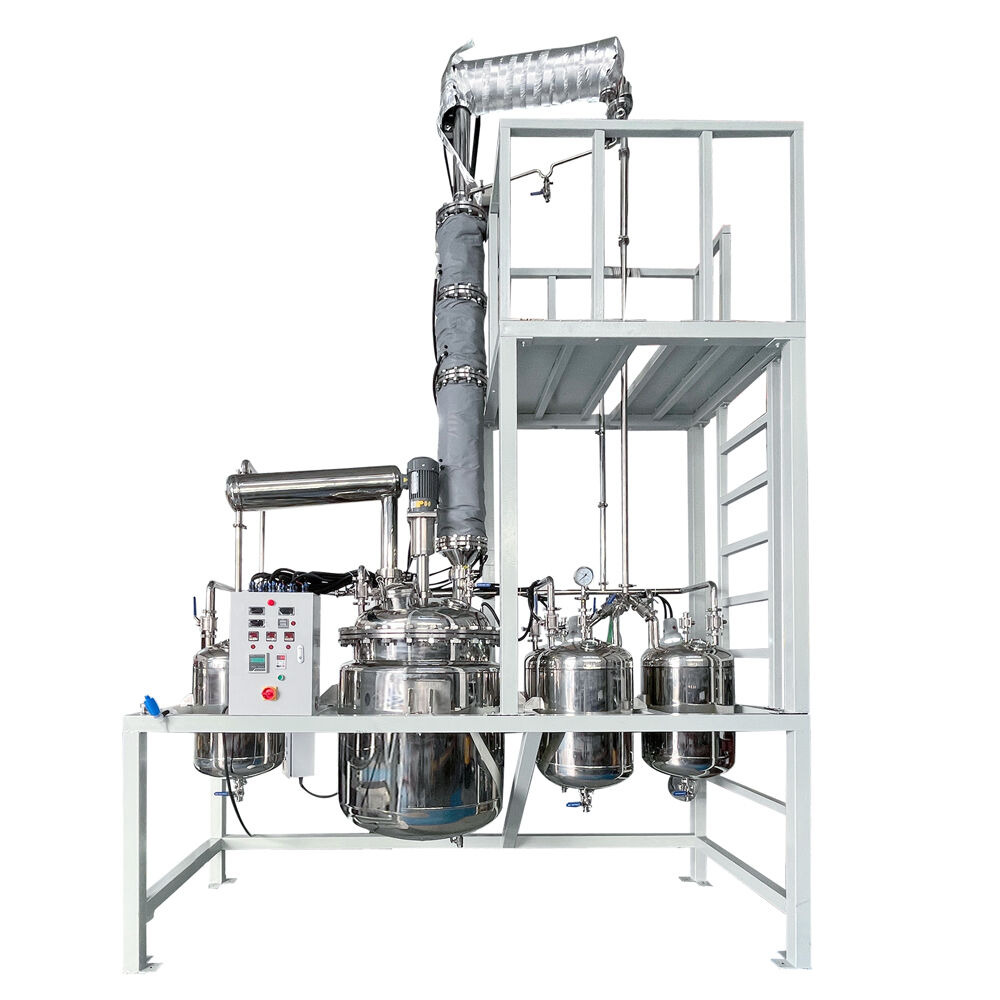
Corrosion-Resistant Rectification Reactor: Advanced Chemical Processing Solutions for Superior Performance and Durability

Get a Free Quote

Our representative will contact you soon.
Email
Name
Contact Number
Company Name
Message
0/1000

corrosion-resistant rectification reactor

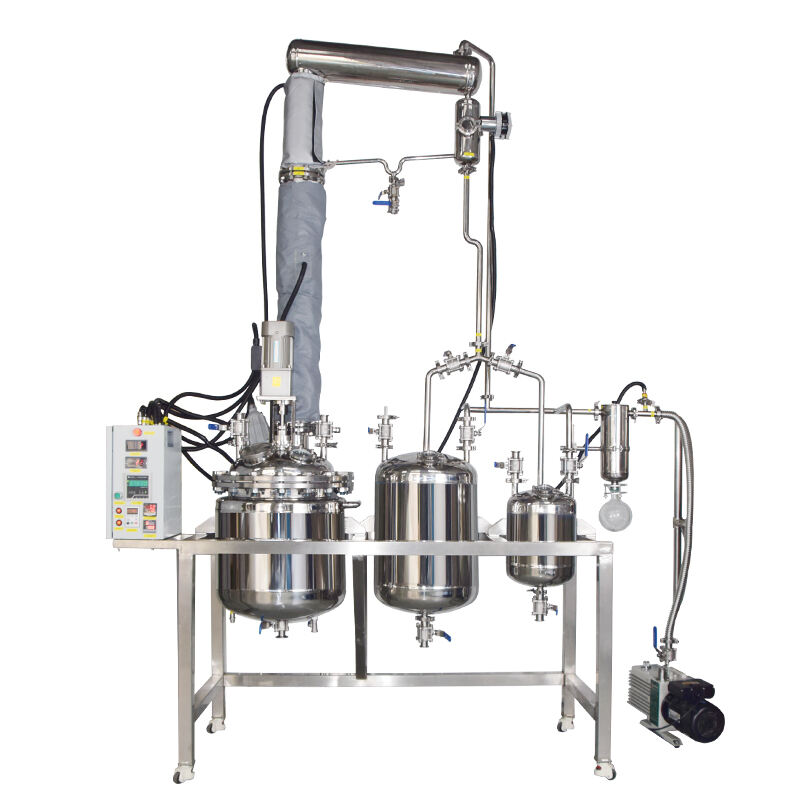
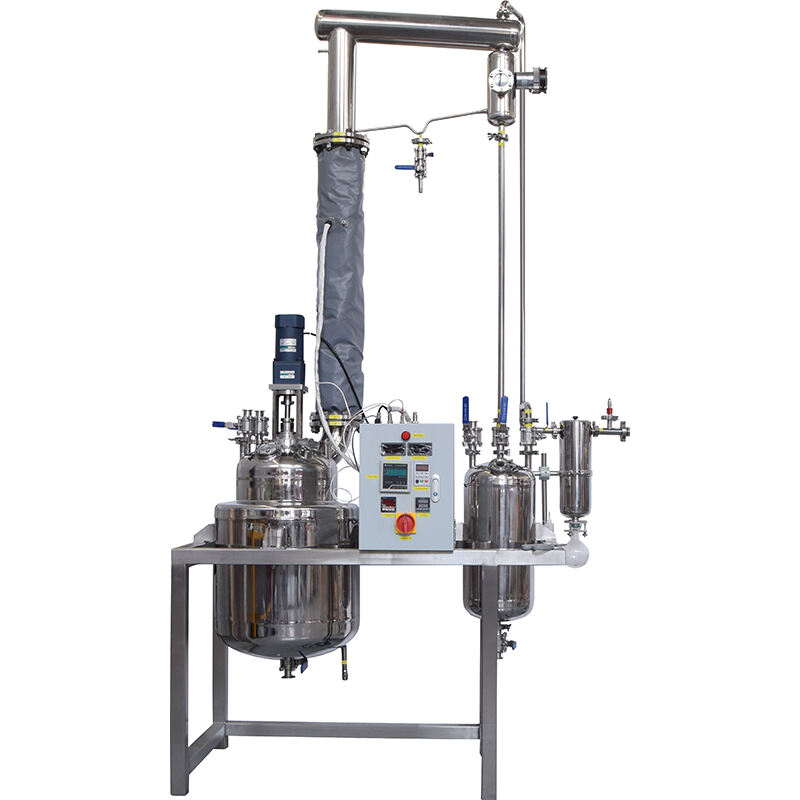
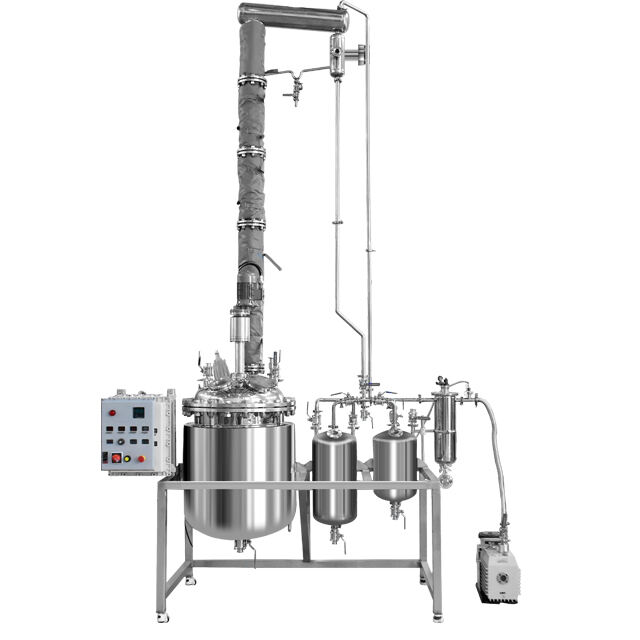
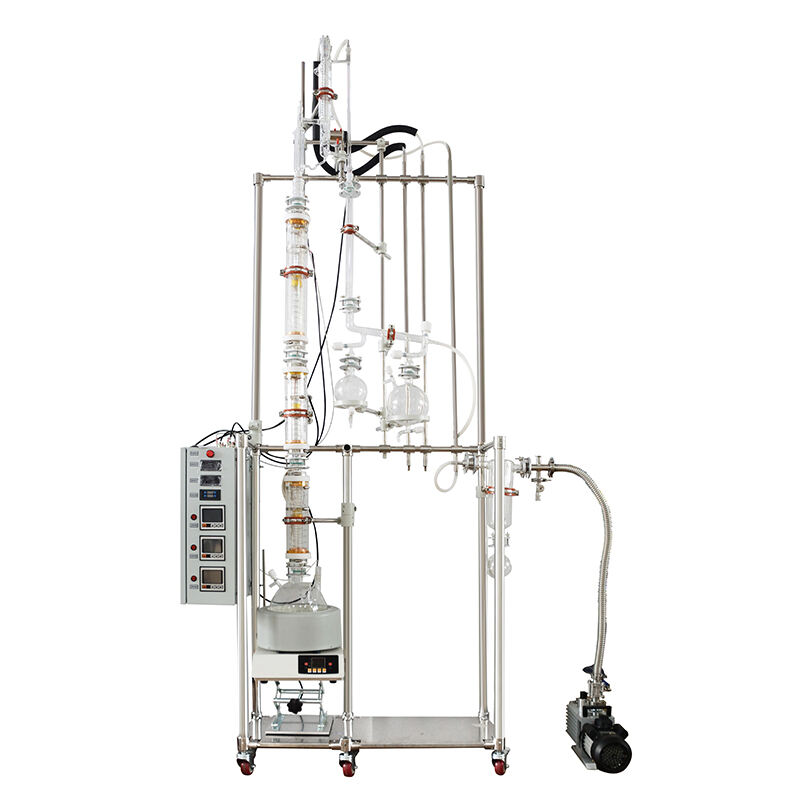
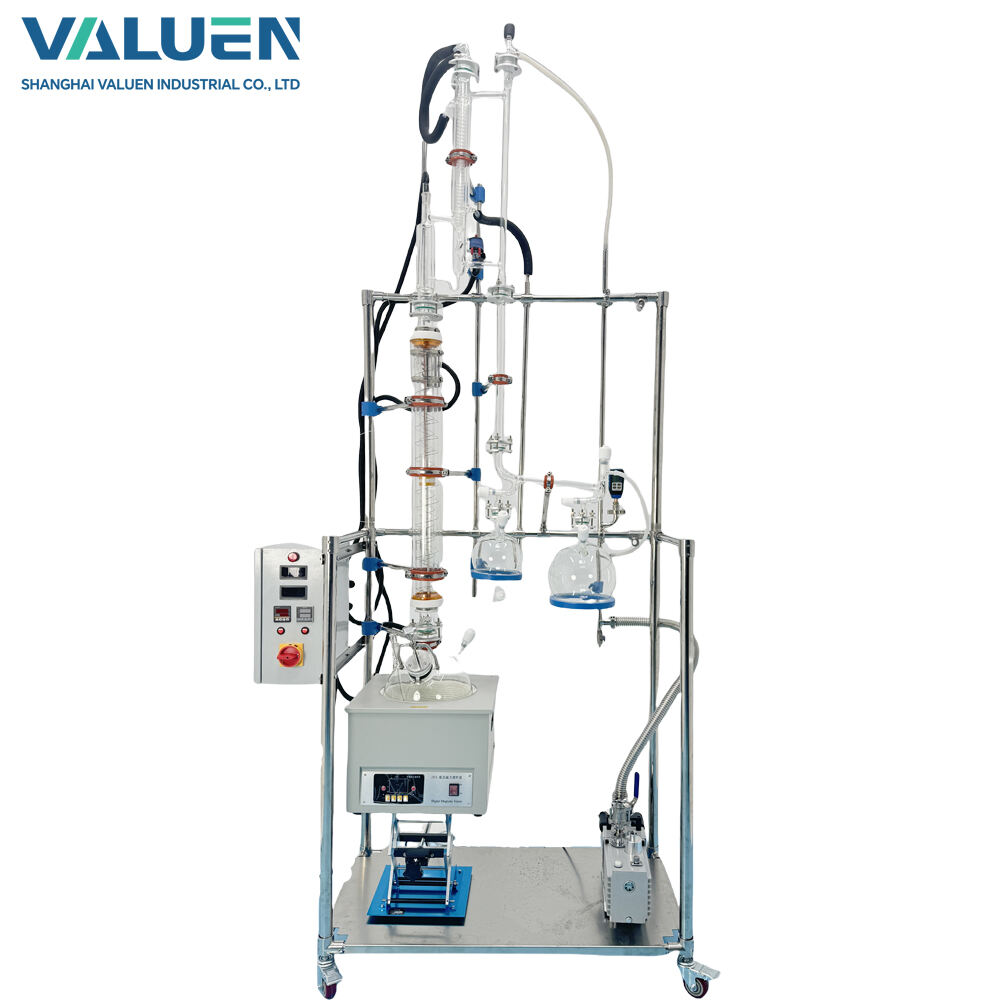
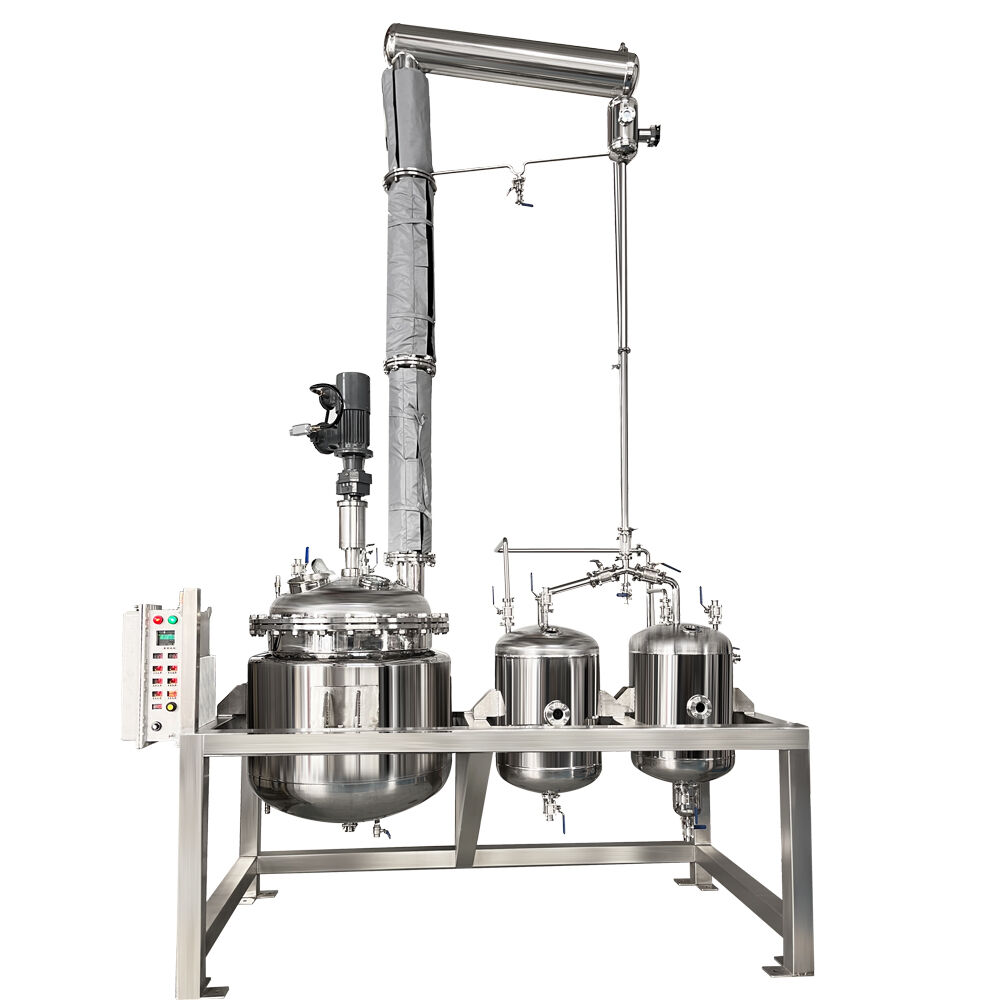
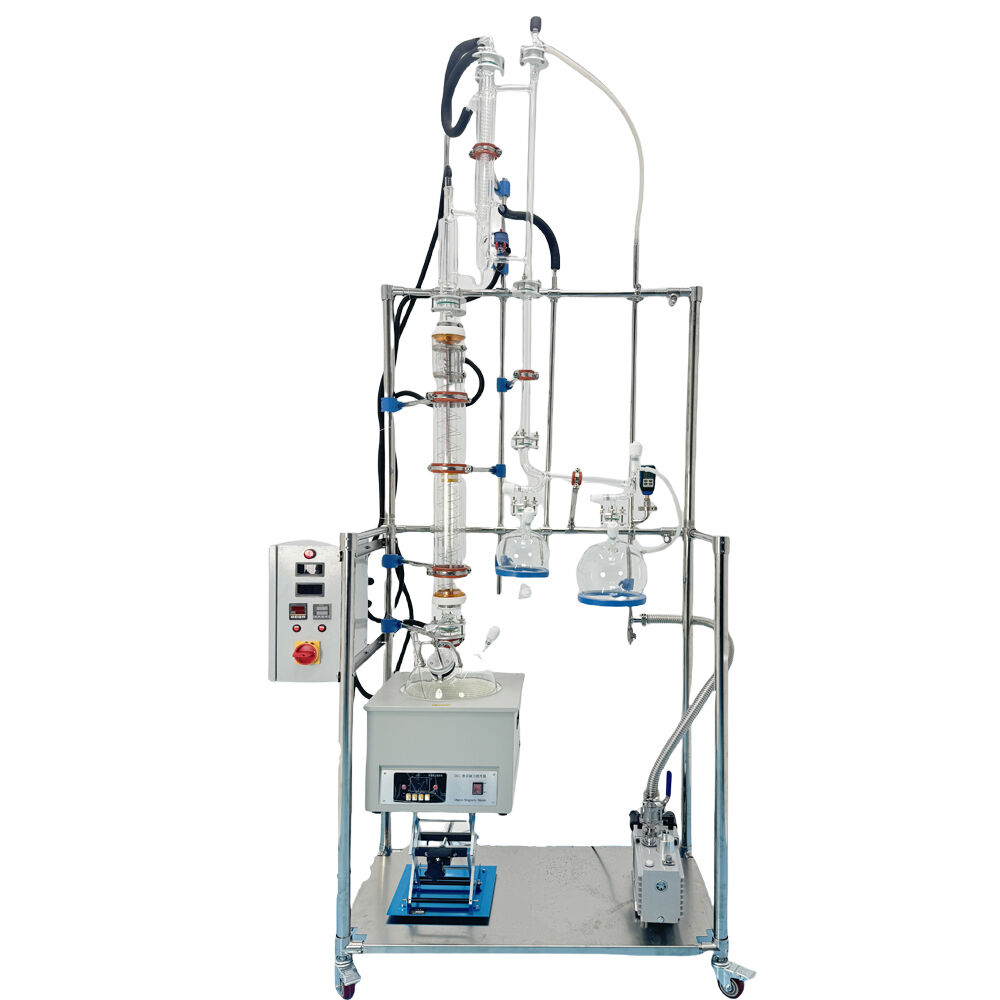
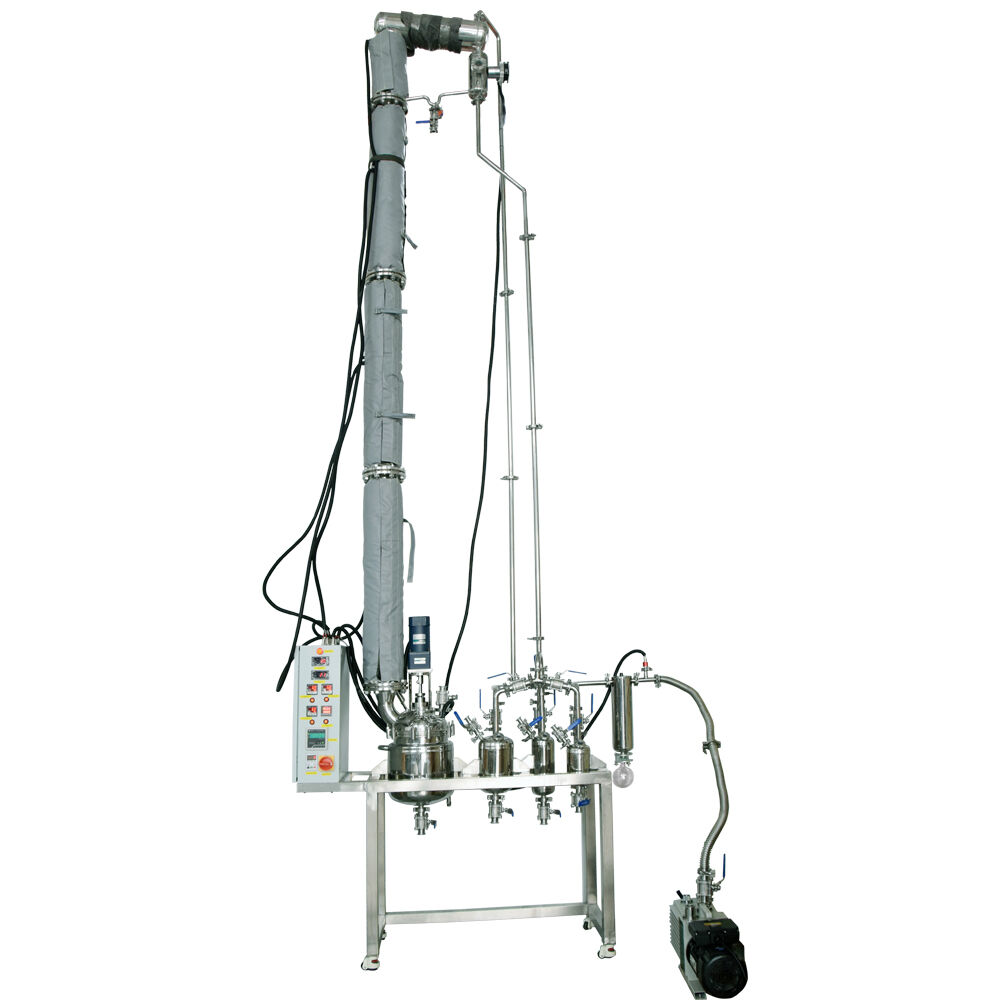
The corrosion-resistant rectification reactor represents a cutting-edge solution in chemical processing technology, specifically engineered to withstand harsh chemical environments while maintaining optimal separation efficiency. This specialized equipment combines advanced materials science with precision engineering to deliver reliable performance in demanding industrial applications. The primary function of this reactor involves the selective separation and purification of chemical compounds through controlled distillation processes, making it indispensable for industries requiring high-purity outputs. The technological foundation of the corrosion-resistant rectification reactor relies on innovative material selection, including specialized alloys, polymer coatings, and composite structures that resist chemical attack from aggressive substances. These reactors incorporate sophisticated internal designs featuring structured packing, tray systems, and optimized flow patterns that maximize mass transfer efficiency while minimizing pressure drop. Temperature and pressure control systems work seamlessly to maintain precise operating conditions throughout the rectification process. The equipment's modular construction allows for customization based on specific process requirements, ensuring optimal performance across diverse applications. Industries utilizing these reactors include petrochemicals, pharmaceuticals, specialty chemicals, and environmental remediation sectors. In petrochemical applications, the corrosion-resistant rectification reactor handles aggressive hydrocarbons and acidic compounds that would rapidly degrade conventional equipment. Pharmaceutical manufacturers depend on these systems for producing high-purity intermediates and active ingredients where contamination from corrosion byproducts could compromise product quality. The environmental sector employs these reactors for treating contaminated streams containing corrosive substances, contributing to sustainable waste management practices. Advanced monitoring systems integrated into modern corrosion-resistant rectification reactors provide real-time data on performance parameters, enabling predictive maintenance and process optimization. The combination of corrosion resistance and separation efficiency makes this equipment a strategic investment for companies seeking long-term operational reliability and consistent product quality in challenging chemical processing environments.

New Product Releases

The corrosion-resistant rectification reactor delivers exceptional value through its superior durability and extended operational lifespan compared to conventional processing equipment. Traditional reactors often require frequent replacement or extensive maintenance when exposed to corrosive chemicals, leading to significant downtime and replacement costs. This advanced reactor eliminates these concerns by maintaining structural integrity and performance standards even in the most aggressive chemical environments. The financial benefits become apparent within the first year of operation, as reduced maintenance requirements and elimination of unplanned shutdowns translate directly to improved profitability. Enhanced product quality represents another major advantage, as the corrosion-resistant construction prevents contamination that could compromise final product specifications. When reactor walls degrade due to corrosion, metal ions and other contaminants can leach into the process stream, necessitating additional purification steps or resulting in off-specification products. The corrosion-resistant rectification reactor maintains product purity throughout its operational life, ensuring consistent quality and reducing waste generation. Operational efficiency improves significantly through optimized heat and mass transfer characteristics built into the reactor design. The specialized internal configurations maximize contact between vapor and liquid phases, improving separation efficiency while reducing energy consumption per unit of product. This efficiency translates to lower utility costs and reduced environmental impact, aligning with corporate sustainability goals. Safety benefits cannot be overstated, as the robust construction minimizes the risk of equipment failure that could lead to chemical releases or worker exposure incidents. The reactor's reliability reduces the need for frequent inspections and repairs in potentially hazardous environments, protecting maintenance personnel and operational staff. Flexibility in processing different chemical streams adds considerable value for manufacturers handling multiple product lines. The corrosion-resistant rectification reactor can process various chemicals without cross-contamination concerns or the need for extensive cleaning between campaigns. This versatility reduces capital investment requirements and improves asset utilization rates. The reactor's advanced control systems enable precise optimization of separation processes, allowing operators to achieve target specifications while minimizing energy consumption and raw material waste. These combined advantages position the corrosion-resistant rectification reactor as a strategic investment that delivers measurable returns through improved efficiency, reduced costs, and enhanced safety performance.

Tips And Tricks

The Durability Advantage of Stainless Steel Extraction Reactors

29

Oct

The Durability Advantage of Stainless Steel Extraction Reactors

Why Stainless Steel Extraction Reactors Last LongerTypical Lifespan of Stainless Steel Reactors in Industrial ApplicationsIndustrial stainless steel extraction reactors built to last decades in tough environments aren't uncommon these days. The big o...
View More
How Does a Stainless Steel Reactor Improve Reaction Efficiency and Safety

12

Nov

How Does a Stainless Steel Reactor Improve Reaction Efficiency and Safety

Chemical processing industries rely heavily on precise reaction control and optimal safety measures to achieve consistent production outcomes. The selection of appropriate reactor materials and design features directly impacts both operational effici...
View More
What Are the Key Design Features of a High-Performance Stainless Steel Reactor

12

Nov

What Are the Key Design Features of a High-Performance Stainless Steel Reactor

High-performance stainless steel reactors represent the pinnacle of chemical processing equipment, combining robust construction with precision engineering to deliver reliable results across diverse industrial applications. These sophisticated vessel...
View More
What Are the Key Advantages of a Rotary and Liftable Stainless Steel Reactor?

20

Jan

What Are the Key Advantages of a Rotary and Liftable Stainless Steel Reactor?

Modern industrial processing demands equipment that combines efficiency, versatility, and durability. A rotary and liftable stainless steel reactor represents a significant advancement in chemical processing technology, offering manufacturers the fle...
View More

Get a Free Quote

Our representative will contact you soon.
Email
Name
Contact Number
Company Name
Message
0/1000

corrosion-resistant rectification reactor

Superior Material Engineering for Unmatched Durability

Superior Material Engineering for Unmatched Durability

The corrosion-resistant rectification reactor incorporates state-of-the-art materials engineering that sets new standards for equipment longevity and performance reliability in challenging chemical processing environments. The reactor construction utilizes carefully selected high-grade alloys, including Hastelloy, Inconel, and specialized stainless steel grades that demonstrate exceptional resistance to a broad spectrum of corrosive chemicals. These materials undergo rigorous testing to ensure compatibility with specific process chemicals, preventing unexpected reactions that could compromise equipment integrity. The internal surfaces feature advanced coating technologies that provide an additional barrier against chemical attack, extending service life beyond what traditional materials can achieve. This superior material engineering eliminates the costly cycle of frequent equipment replacement that plagues facilities using conventional reactors in corrosive applications. The economic impact of this durability extends far beyond initial equipment costs, as reduced maintenance intervals and elimination of emergency repairs translate to significant operational savings. The reactor's ability to maintain performance specifications throughout its extended service life ensures consistent product quality and process reliability. Quality control testing conducted on materials before installation guarantees that each reactor meets stringent performance standards and chemical compatibility requirements. The specialized manufacturing processes used to create these materials maintain uniform properties throughout the reactor structure, eliminating weak points that could become failure initiation sites. Advanced welding techniques and joint designs further enhance the overall corrosion resistance of the complete system. The materials selection process considers not only chemical compatibility but also mechanical properties required for the specific operating conditions, ensuring optimal performance under varying temperature and pressure conditions. This comprehensive approach to material engineering provides customers with confidence in their investment and peace of mind regarding long-term operational reliability. The result is a corrosion-resistant rectification reactor that delivers consistent performance year after year, making it an essential component for any facility processing corrosive chemicals where equipment failure is not an option.
Advanced Separation Technology for Enhanced Process Efficiency

Advanced Separation Technology for Enhanced Process Efficiency

The corrosion-resistant rectification reactor incorporates revolutionary separation technology that maximizes efficiency while minimizing energy consumption, delivering superior performance compared to conventional distillation equipment. The reactor features innovative internal configurations including high-efficiency structured packing materials and optimized tray designs that significantly enhance mass transfer rates between vapor and liquid phases. These advanced internals create ideal conditions for molecular separation, achieving higher purity levels with fewer theoretical stages than traditional systems require. The sophisticated hydraulic design ensures uniform vapor and liquid distribution throughout the reactor, eliminating channeling and dead zones that could compromise separation efficiency. This uniform distribution maximizes the utilization of available mass transfer area, resulting in improved separation performance and reduced operating costs. The reactor's thermal management system incorporates advanced heat integration concepts that recover and reuse energy within the process, dramatically reducing utility requirements. Strategic placement of heat exchangers and reboiler systems optimizes energy utilization while maintaining precise temperature control throughout the separation process. The advanced control algorithms continuously monitor and adjust operating parameters to maintain optimal separation efficiency under varying feed conditions and product specifications. This adaptive control capability ensures consistent product quality while minimizing energy waste and raw material consumption. The reactor design accommodates a wide range of chemical systems, from close-boiling mixtures that require high separation efficiency to systems with varying feed compositions that demand operational flexibility. The modular internal design allows for easy modification or upgrade of separation internals as process requirements evolve, protecting the customer's capital investment. Advanced computational fluid dynamics modeling guides the design of internal components, ensuring optimal flow patterns and minimizing pressure drop across the reactor. This engineering approach results in lower energy requirements for vapor circulation and improved overall process economics. The separation technology integrated into the corrosion-resistant rectification reactor enables customers to achieve their product quality objectives while minimizing environmental impact through reduced energy consumption and waste generation, making it an ideal solution for sustainable chemical processing operations.
Comprehensive Safety and Monitoring Systems for Operational Excellence

Comprehensive Safety and Monitoring Systems for Operational Excellence

The corrosion-resistant rectification reactor features comprehensive safety and monitoring systems that establish new benchmarks for operational excellence and risk management in chemical processing facilities. The integrated safety architecture includes multiple layers of protection designed to prevent equipment failure and protect personnel from potential hazards associated with processing corrosive chemicals. Advanced sensor networks continuously monitor critical parameters including temperature, pressure, flow rates, and chemical concentrations throughout the reactor system. These sensors provide real-time data to sophisticated control systems that can detect developing problems before they become critical issues, enabling proactive maintenance and preventing unexpected shutdowns. The monitoring system includes corrosion monitoring technology that tracks material degradation rates, providing early warning of potential equipment issues and optimizing maintenance scheduling. This predictive maintenance capability extends equipment life while ensuring safe operation throughout the reactor's service life. Emergency shutdown systems provide immediate response capability in the event of abnormal conditions, automatically isolating the reactor and implementing safe shutdown procedures to protect personnel and equipment. The safety systems include redundant instrumentation and fail-safe designs that maintain protective functions even in the event of individual component failures. Advanced alarm management systems prioritize safety-critical alarms while filtering nuisance alarms, ensuring that operators can focus on truly important safety issues. The reactor's design incorporates physical safety features including pressure relief systems, containment barriers, and access controls that minimize exposure risks during normal operation and maintenance activities. Comprehensive documentation and training programs support safe operation of the corrosion-resistant rectification reactor, ensuring that personnel understand proper operating procedures and emergency response protocols. The monitoring systems generate detailed operational reports that support regulatory compliance and provide valuable data for process optimization initiatives. Remote monitoring capabilities allow expert technical support to assist with troubleshooting and optimization from off-site locations, reducing the need for specialized personnel at each installation. The integrated approach to safety and monitoring makes the corrosion-resistant rectification reactor suitable for installation in facilities with stringent safety requirements, providing peace of mind for operators and management while enabling reliable production of high-quality chemical products in challenging processing environments.

Get a Free Quote

Our representative will contact you soon.
Email
Name
Contact Number
Company Name
Message
0/1000