Comprehensive Process Automation and Control
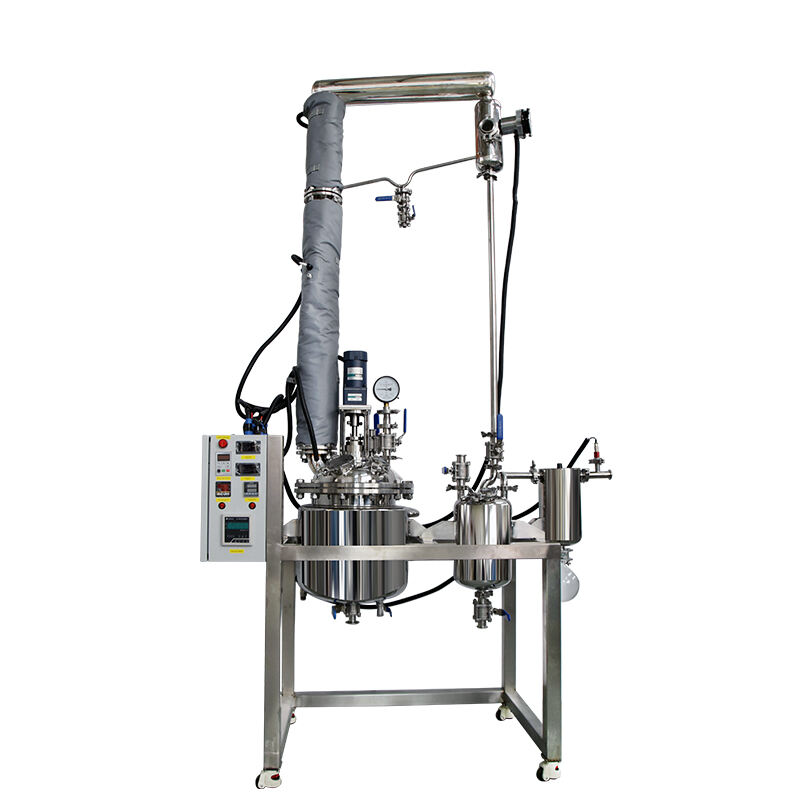
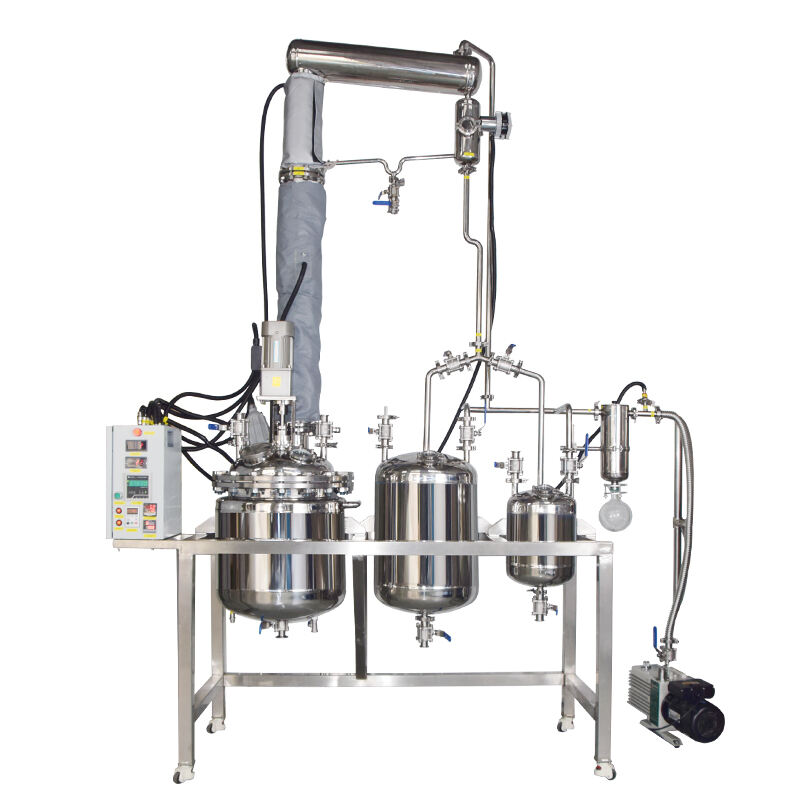
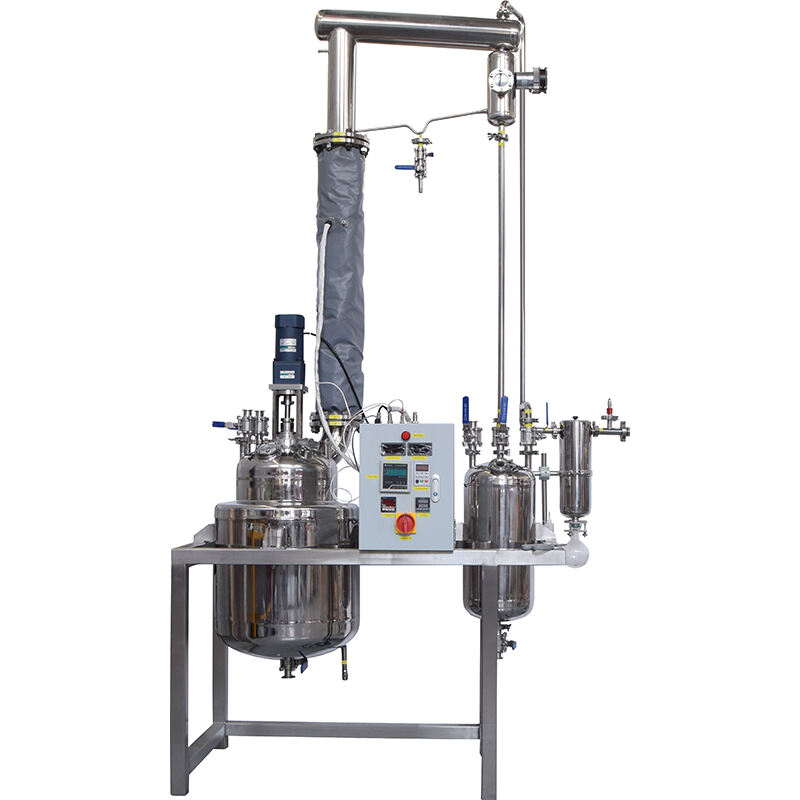
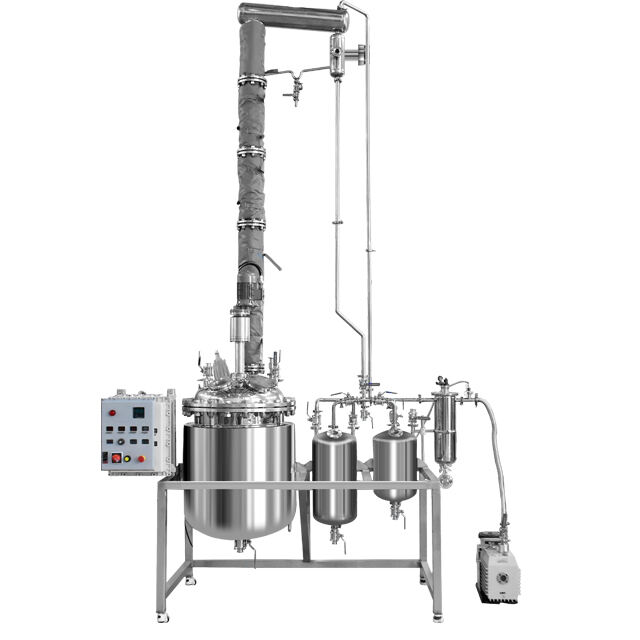
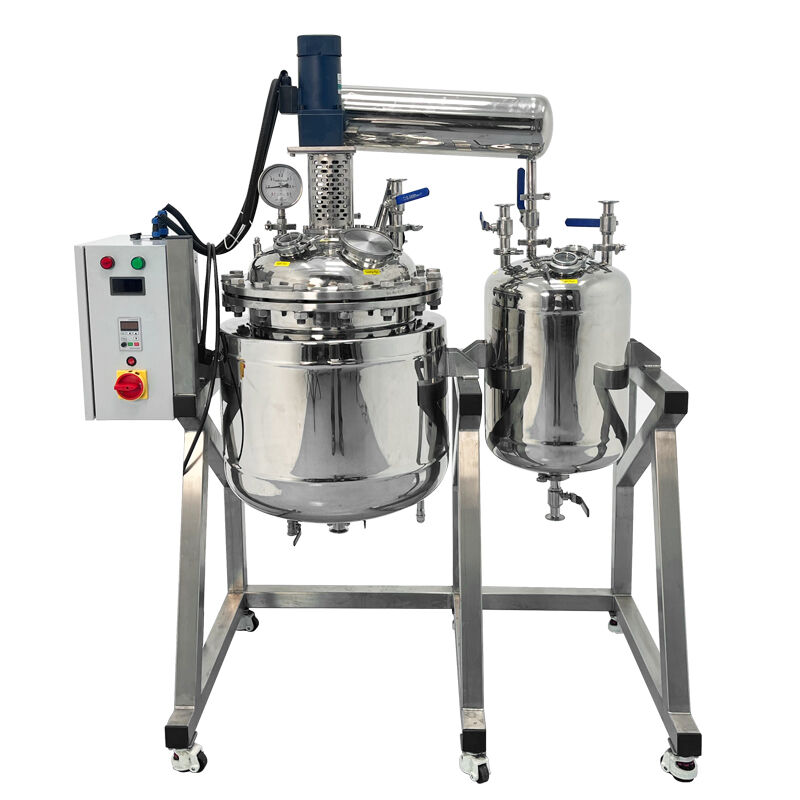
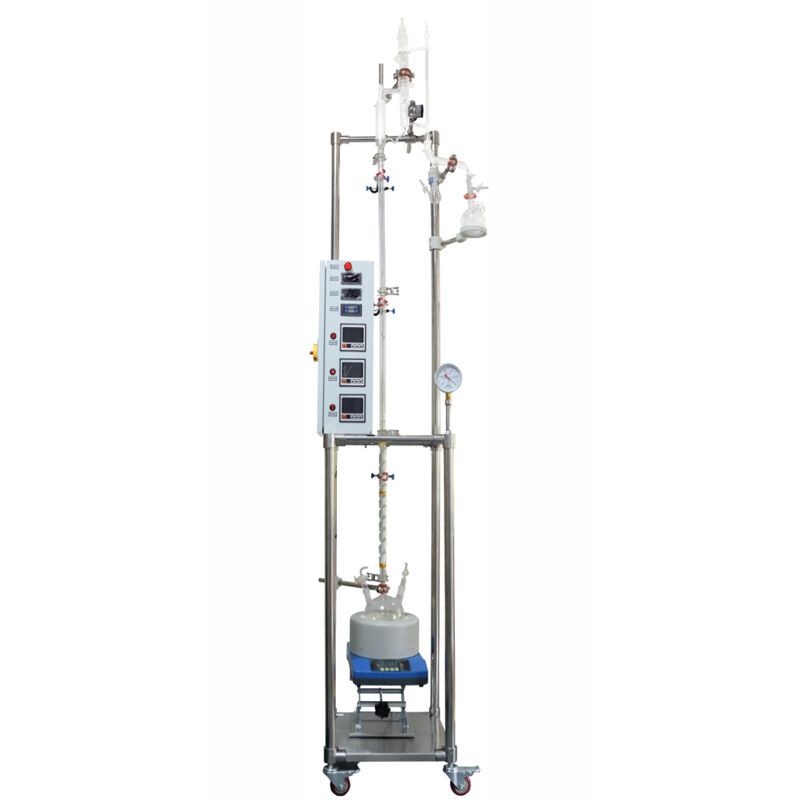
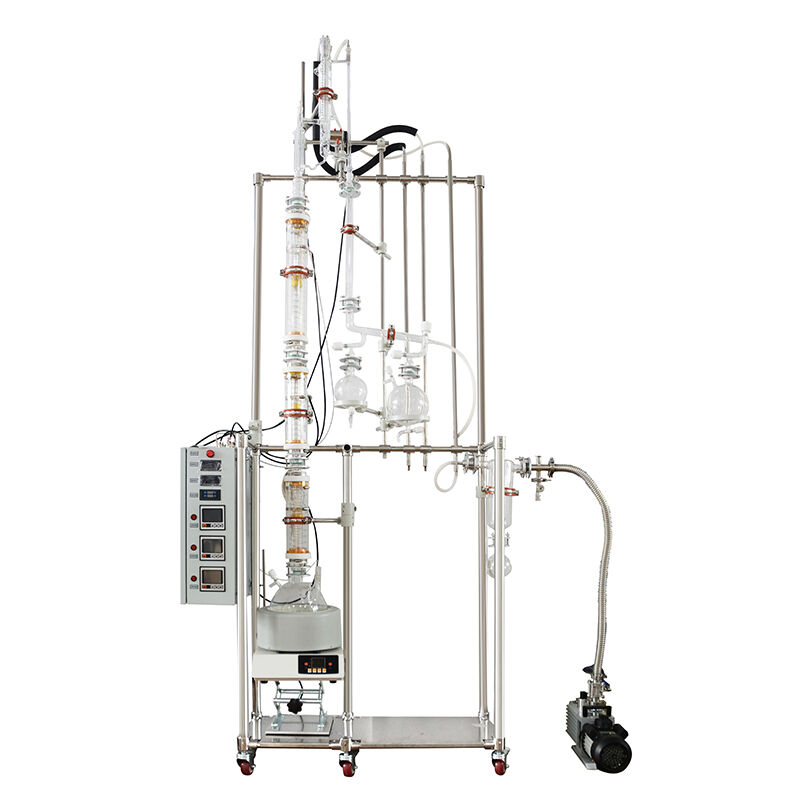
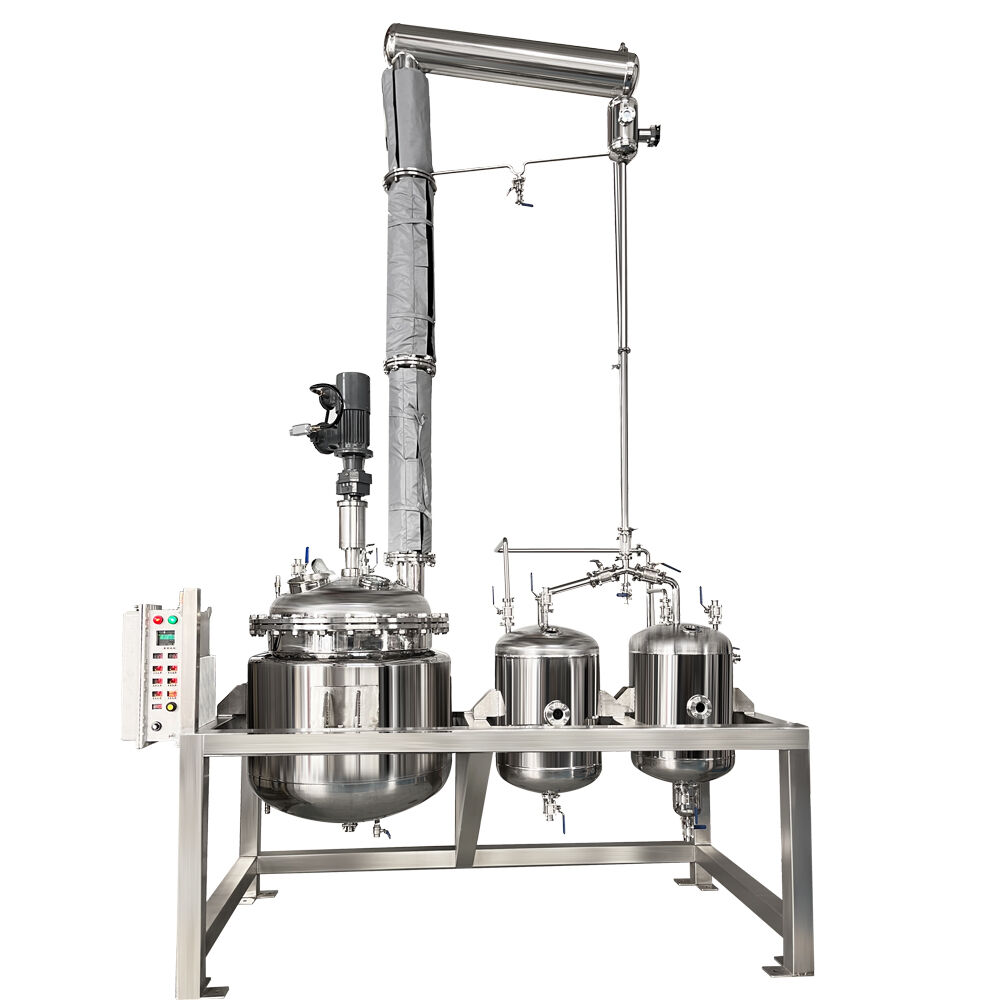
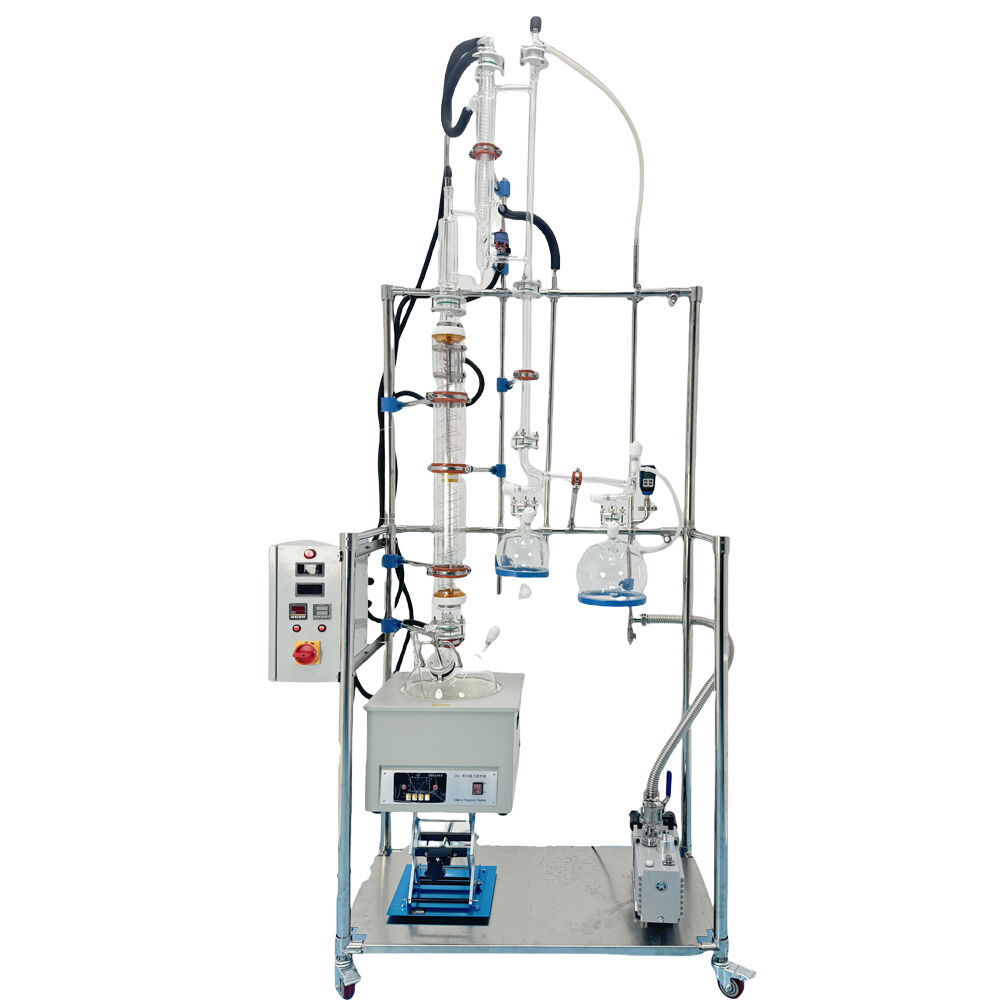
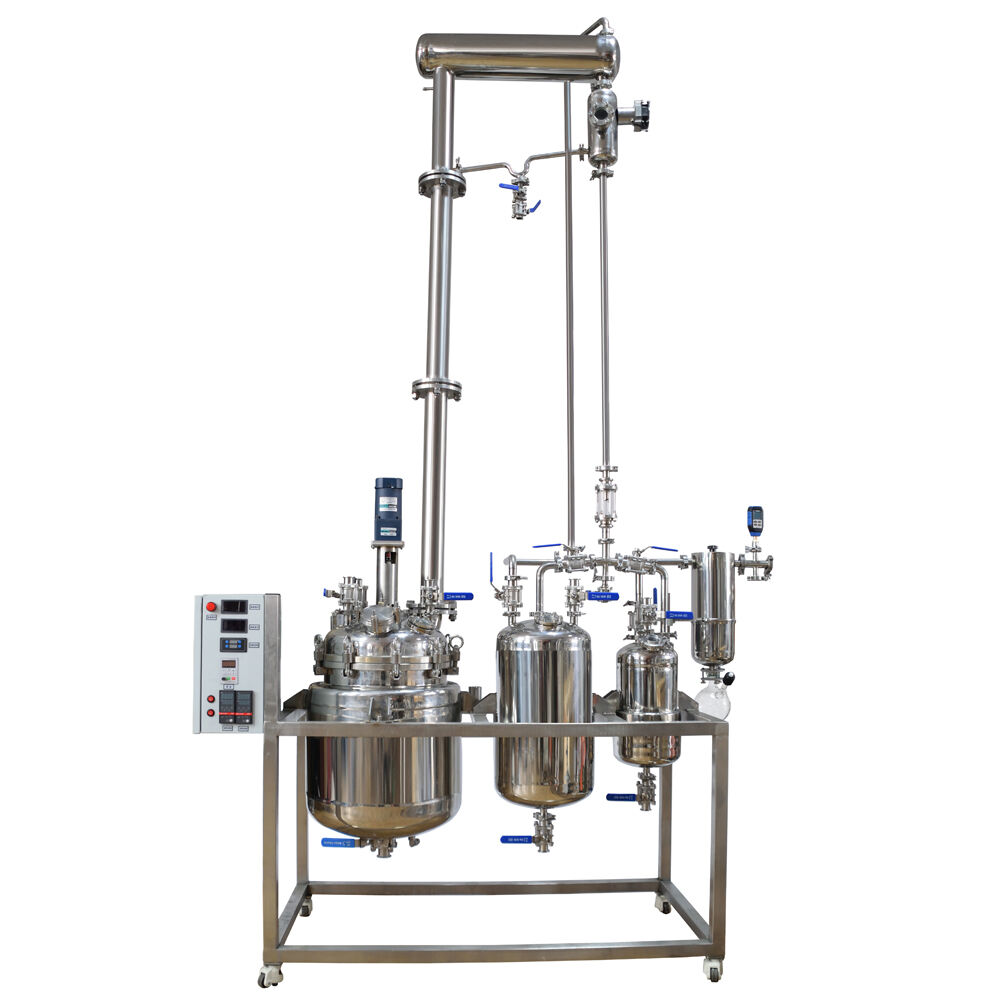
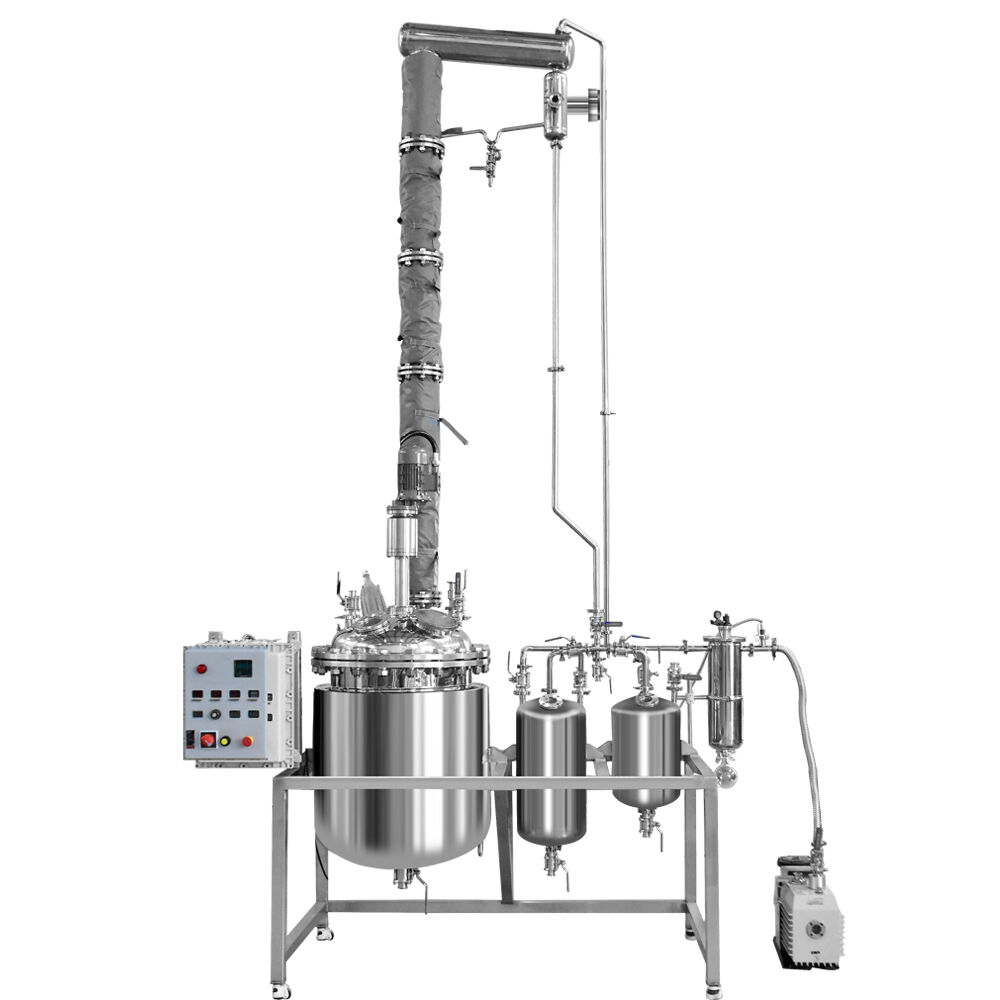
The high-purity rectification reactor features state-of-the-art automation and control systems that provide unprecedented precision and reliability in separation operations, incorporating advanced algorithms and intelligent monitoring capabilities that optimize performance while minimizing operator intervention requirements. The integrated control platform utilizes sophisticated process modeling software that continuously calculates optimal operating parameters based on real-time process conditions, feed composition variations, and desired product specifications. Advanced sensor networks throughout the reactor provide comprehensive monitoring of temperature, pressure, flow rates, composition, and other critical parameters, feeding data to the central control system for immediate analysis and response. The automation system's predictive control algorithms anticipate process changes and make proactive adjustments to maintain optimal separation conditions, preventing quality deviations and maximizing efficiency. Operators benefit from intuitive human-machine interfaces that provide clear visualization of process status, alarm management, and simplified control functions that reduce training requirements and operational complexity. The system's data logging capabilities create comprehensive process records that support regulatory compliance, quality assurance programs, and continuous improvement initiatives. Remote monitoring and control capabilities enable expert support and troubleshooting from any location, reducing response times and minimizing production disruptions. The automation system's integration with enterprise resource planning software enables seamless coordination between production scheduling, inventory management, and quality control functions. Safety interlocks and emergency shutdown systems provide multiple layers of protection that prevent equipment damage and ensure personnel safety during abnormal operating conditions. The control system's flexibility allows for easy modification of operating parameters to accommodate different products and process requirements without extensive reprogramming or hardware changes. This comprehensive automation reduces labor costs, improves process consistency, and enables operation by less experienced personnel while maintaining high standards of safety and product quality.
 EN
EN