High Pressure Laboratory Reactor Systems - Advanced Research Equipment Solutions

Get a Free Quote

Our representative will contact you soon.
Email
Name
Contact Number
Company Name
Message
0/1000

high pressure laboratory reactor

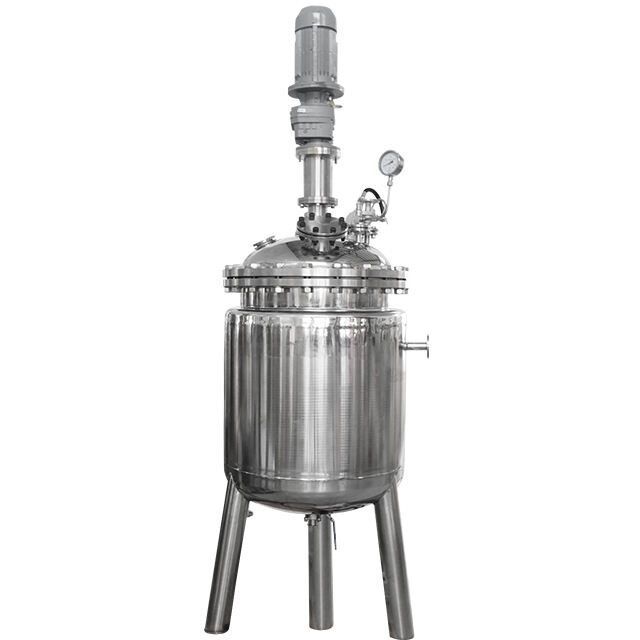
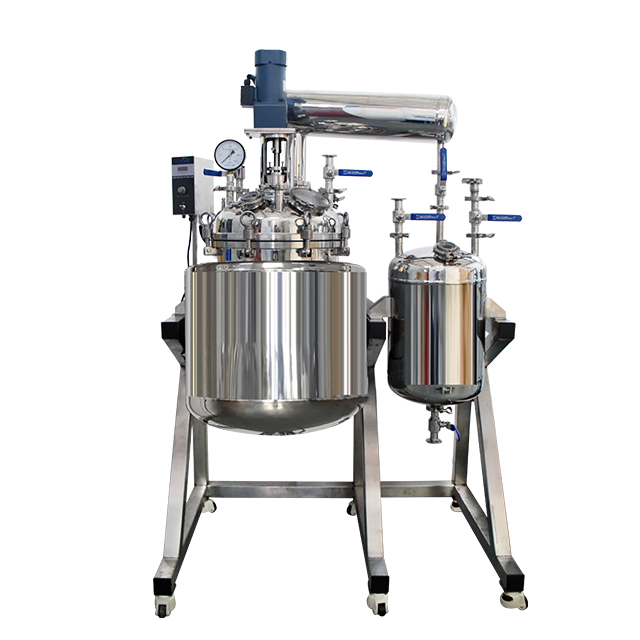
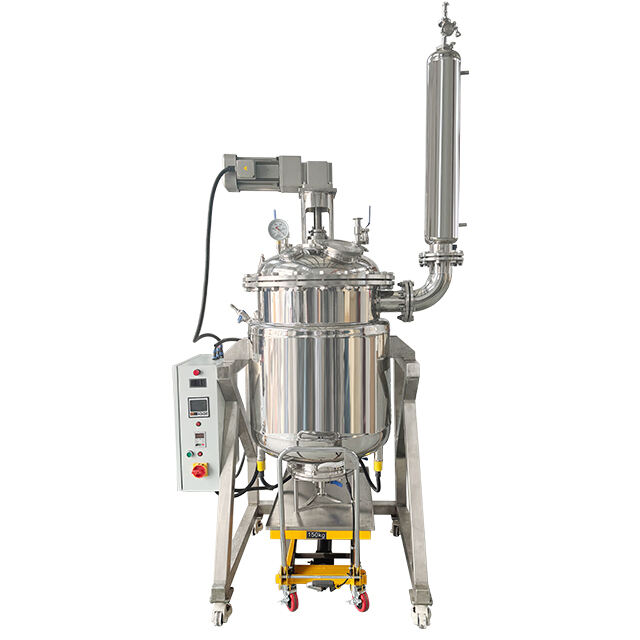
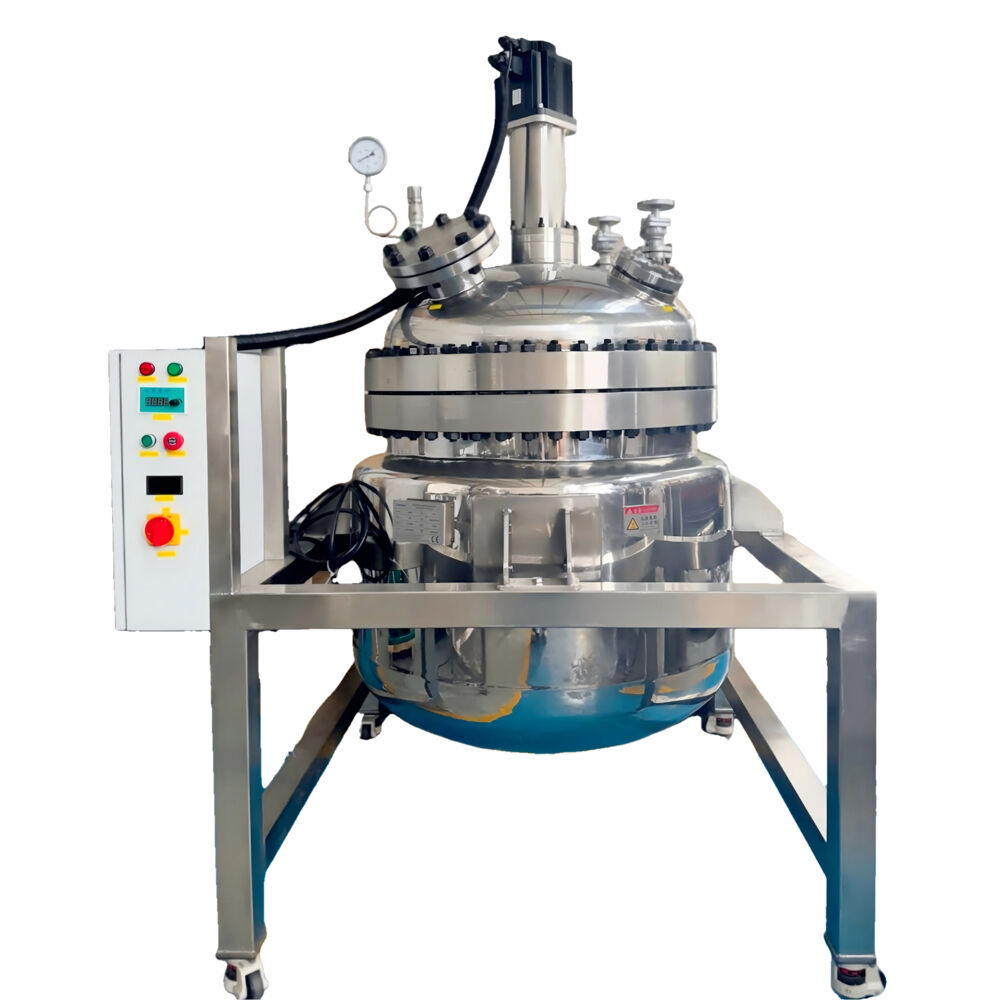
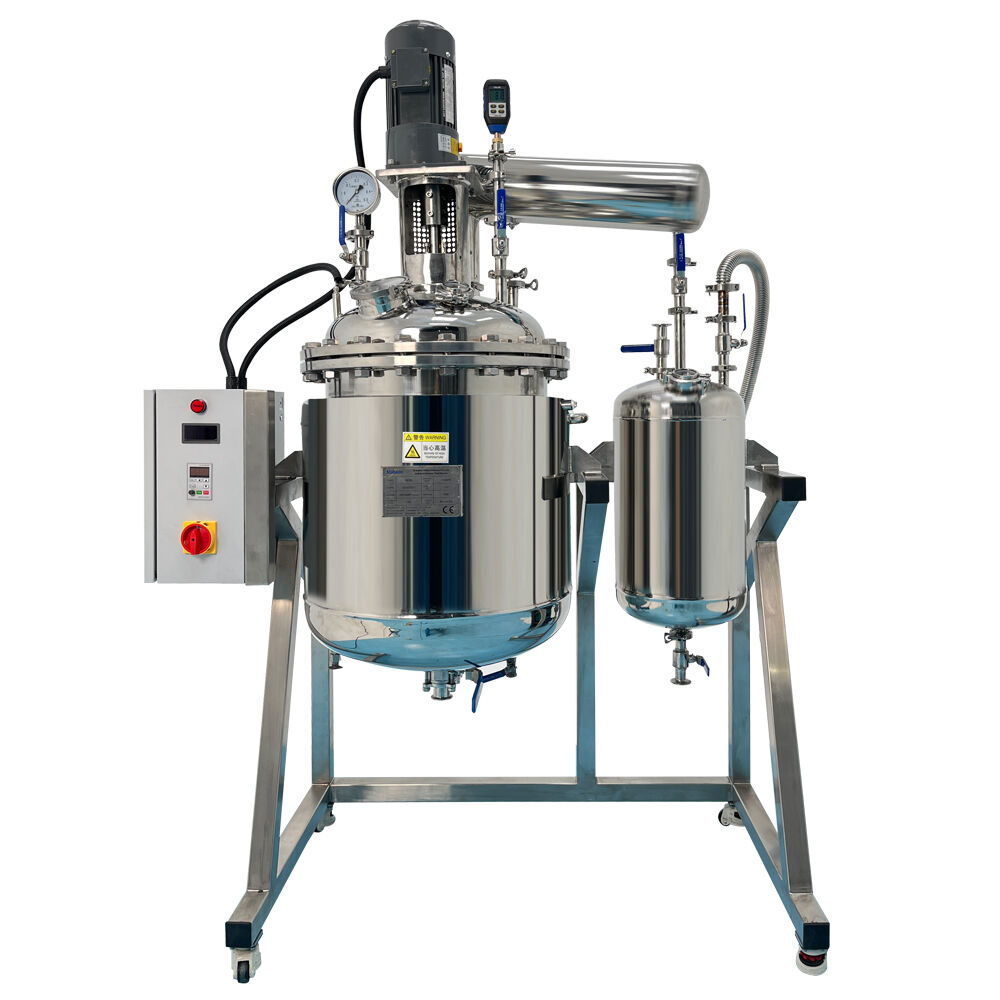
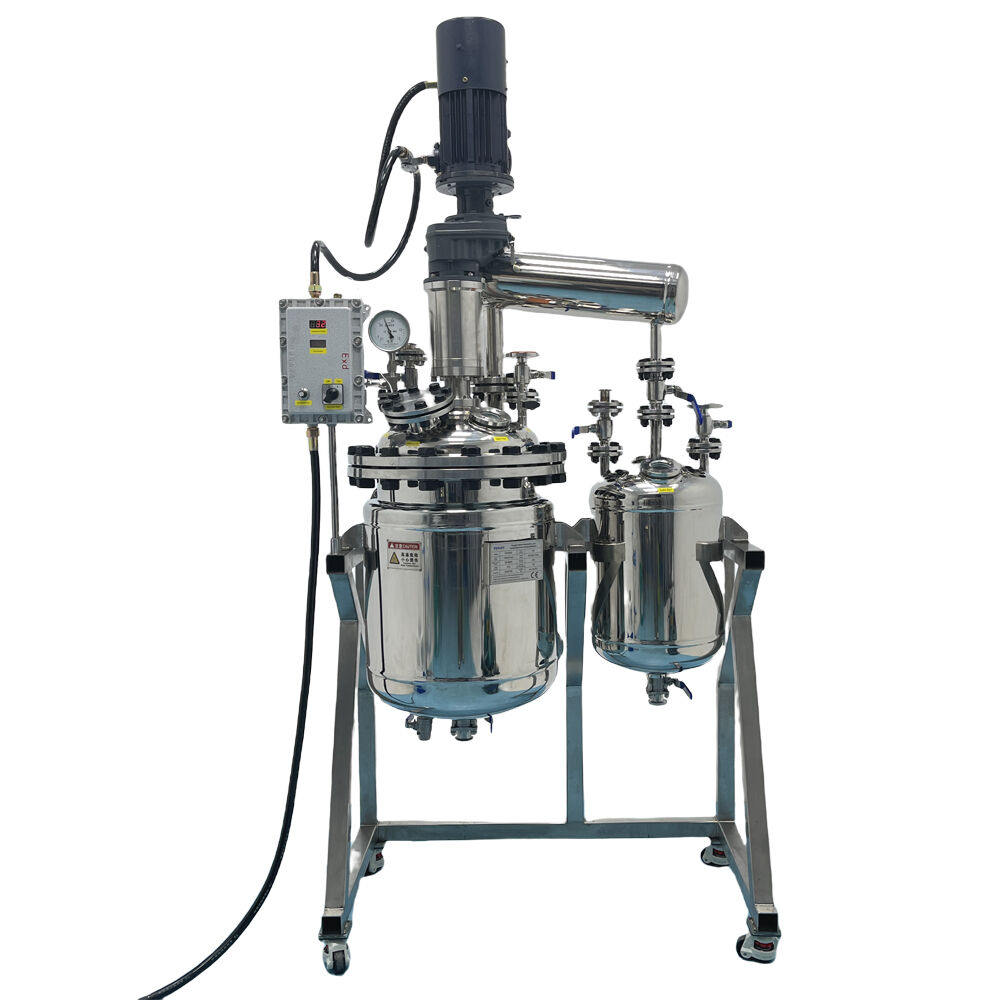
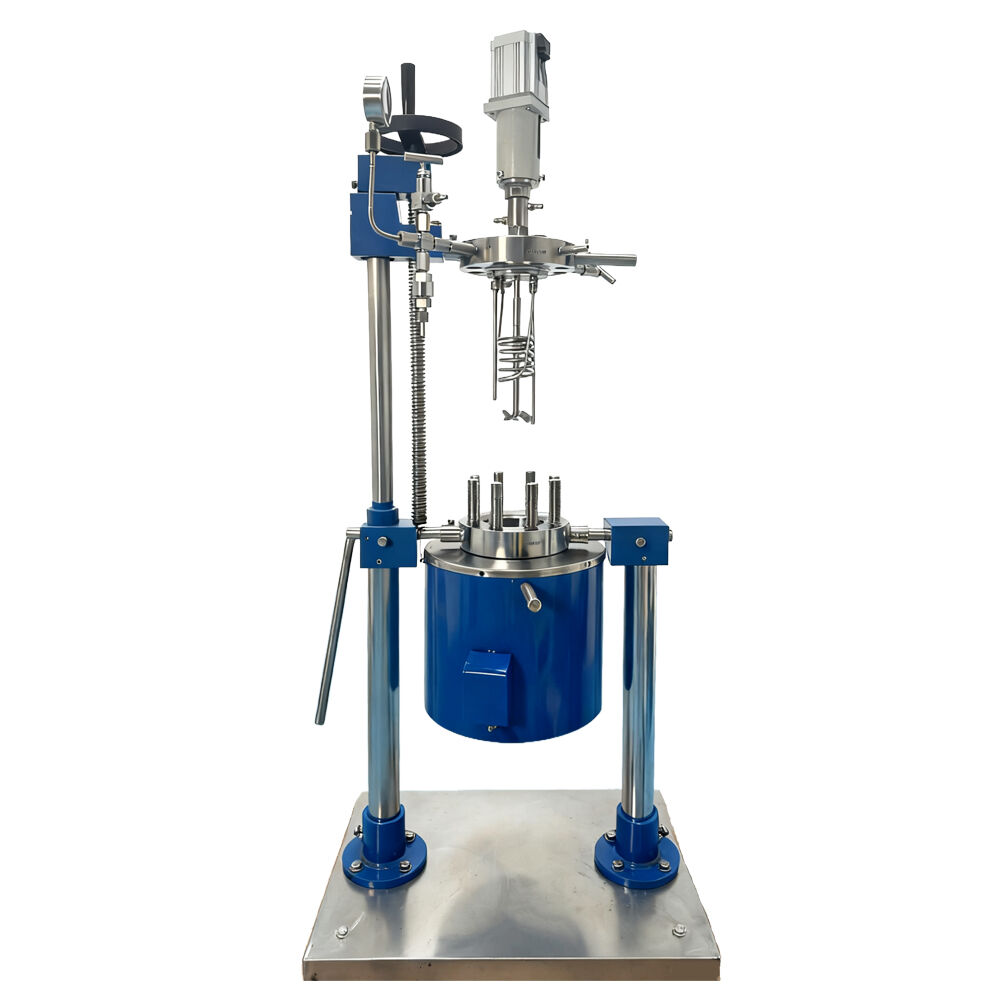
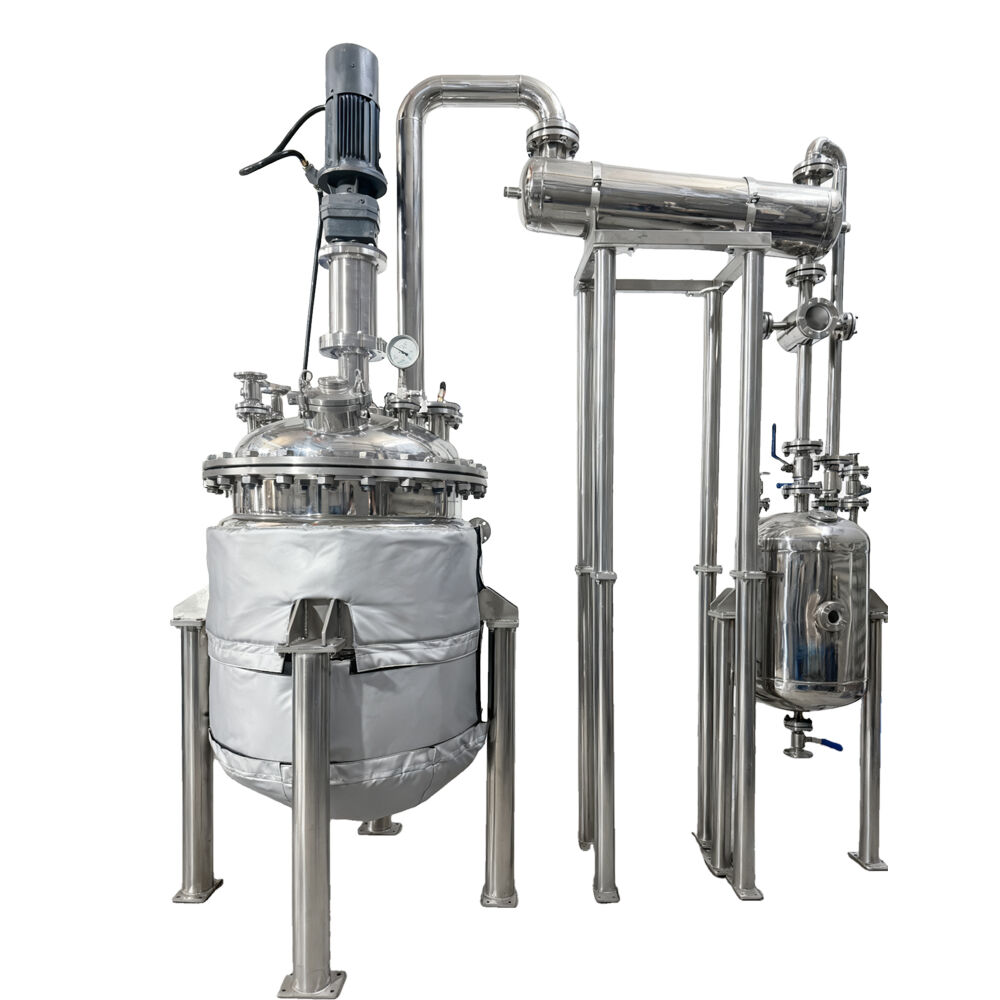
A high pressure laboratory reactor serves as an essential piece of equipment for researchers and scientists conducting advanced chemical processes under elevated pressure conditions. This sophisticated apparatus enables precise control over reaction parameters while maintaining safety standards in laboratory environments. The high pressure laboratory reactor operates by creating a sealed environment where chemical reactions can occur under pressures significantly higher than atmospheric conditions, typically ranging from several bar to hundreds of bar depending on the specific model and application requirements. The main functions of this equipment include facilitating catalytic reactions, hydrogenation processes, polymerization studies, and various synthesis procedures that require elevated pressure conditions. Modern high pressure laboratory reactor systems incorporate advanced temperature control mechanisms, pressure monitoring systems, and stirring capabilities to ensure uniform mixing and optimal reaction conditions. These reactors feature robust construction materials such as stainless steel or specialized alloys that can withstand extreme pressure and temperature combinations while resisting corrosion from reactive chemicals. The technological features include digital control panels for precise parameter adjustment, safety relief valves for pressure management, and sampling ports for real-time monitoring of reaction progress. Applications span across pharmaceutical research, petrochemical development, materials science, and academic research institutions where controlled high-pressure environments are crucial for developing new compounds, studying reaction kinetics, and scaling up laboratory processes to industrial applications. The versatility of the high pressure laboratory reactor makes it indispensable for organizations involved in catalyst development, green chemistry initiatives, and innovative material synthesis where traditional atmospheric pressure conditions prove insufficient for achieving desired reaction outcomes.

New Product Recommendations

The high pressure laboratory reactor offers numerous practical benefits that directly impact research efficiency and experimental success rates. First, these systems provide exceptional pressure control capabilities, allowing researchers to conduct experiments at precisely defined pressure levels that remain stable throughout the entire reaction process. This consistency eliminates variables that could compromise experimental results and ensures reproducible outcomes across multiple test runs. The enhanced mixing efficiency represents another significant advantage, as the pressurized environment creates better mass transfer conditions that accelerate reaction rates and improve product yields compared to atmospheric pressure alternatives. Safety features built into modern high pressure laboratory reactor designs protect both personnel and equipment through automated monitoring systems that continuously track pressure, temperature, and other critical parameters. These safety mechanisms include emergency shutdown protocols and pressure relief systems that activate automatically when preset limits are exceeded. The compact design of laboratory-scale units allows institutions to conduct high-pressure research without requiring extensive facility modifications or massive capital investments typically associated with larger industrial equipment. Energy efficiency improvements result from the reactor's ability to achieve faster reaction times and higher conversion rates, reducing overall processing costs and minimizing waste generation. The versatility factor enables researchers to explore diverse reaction pathways and chemical processes within a single piece of equipment, maximizing laboratory space utilization while expanding research capabilities. Temperature uniformity throughout the reactor vessel ensures consistent reaction conditions, preventing hot spots or cold zones that could lead to unwanted side reactions or incomplete conversions. The ability to handle various solvents and chemical systems makes the high pressure laboratory reactor suitable for different research disciplines, from pharmaceutical development to advanced materials synthesis. Real-time monitoring capabilities allow researchers to track reaction progress continuously, enabling immediate adjustments to optimize conditions and prevent potential issues before they affect final results. The robust construction ensures long-term reliability and minimal maintenance requirements, providing excellent return on investment for research organizations.

Tips And Tricks

Mastering the Art of Chemical Processing with Jacketed Stainless Steel Reactors

29

Oct

Mastering the Art of Chemical Processing with Jacketed Stainless Steel Reactors

Understanding Jacketed Stainless Steel Reactors: Design and Core Functionality What Are Jacketed Stainless Steel Reactors? Jacketed stainless steel reactors consist of a main reaction area inside what's called a jacket or outer shell. Between these ...
View More
The Durability Advantage of Stainless Steel Extraction Reactors

29

Oct

The Durability Advantage of Stainless Steel Extraction Reactors

Why Stainless Steel Extraction Reactors Last LongerTypical Lifespan of Stainless Steel Reactors in Industrial ApplicationsIndustrial stainless steel extraction reactors built to last decades in tough environments aren't uncommon these days. The big o...
View More
Why Jacketed Glass Reactors are Essential for Your Lab

29

Oct

Why Jacketed Glass Reactors are Essential for Your Lab

Superior Temperature Control for Consistent Reaction ConditionsJacketed glass reactors achieve ±0.5°C temperature stability through their double-wall design, ensuring precise and consistent reaction conditions critical for sensitive chemic...
View More
What Are the Key Design Features of a High-Performance Stainless Steel Reactor

12

Nov

What Are the Key Design Features of a High-Performance Stainless Steel Reactor

High-performance stainless steel reactors represent the pinnacle of chemical processing equipment, combining robust construction with precision engineering to deliver reliable results across diverse industrial applications. These sophisticated vessel...
View More

Get a Free Quote

Our representative will contact you soon.
Email
Name
Contact Number
Company Name
Message
0/1000

high pressure laboratory reactor

Advanced Pressure Control Technology

Advanced Pressure Control Technology

The sophisticated pressure control technology integrated into modern high pressure laboratory reactor systems represents a breakthrough in research equipment capabilities. This advanced technology employs precision-engineered components that maintain exact pressure levels throughout extended experimental periods, ensuring consistent reaction environments that are crucial for reliable scientific outcomes. The system utilizes high-quality pressure sensors and automated control valves that respond instantaneously to pressure fluctuations, maintaining stability within narrow tolerance ranges that meet the most stringent research requirements. The digital control interface allows researchers to program complex pressure profiles, including gradual pressure increases, stepped pressure changes, and maintained pressure plateaus that simulate various industrial conditions. This programmable functionality enables scientists to study reaction kinetics under different pressure scenarios without manual intervention, improving both safety and data accuracy. The pressure control system incorporates multiple redundant safety features, including backup sensors and emergency relief mechanisms that activate automatically if primary systems experience malfunctions. The high pressure laboratory reactor's control technology also includes data logging capabilities that record pressure variations throughout experiments, providing valuable information for process optimization and regulatory compliance documentation. The precision of this pressure control technology allows researchers to explore narrow operating windows where specific chemical transformations occur, leading to discoveries that might be impossible under less controlled conditions. The system's ability to maintain stable pressure conditions during temperature changes represents a significant technological achievement, as thermal expansion effects are automatically compensated through intelligent control algorithms. This advanced pressure control technology significantly reduces experimental variability, enabling researchers to focus on chemical variables rather than equipment limitations, ultimately accelerating research timelines and improving result quality.
Superior Safety and Monitoring Systems

Superior Safety and Monitoring Systems

The comprehensive safety and monitoring systems built into high pressure laboratory reactor equipment provide unparalleled protection for both research personnel and valuable laboratory infrastructure. These integrated safety features represent years of engineering development focused on preventing accidents while maintaining full experimental functionality. The multi-layered safety approach includes primary pressure monitoring systems, secondary backup sensors, and tertiary mechanical relief valves that create multiple protection levels against over-pressurization events. The intelligent monitoring system continuously tracks not only pressure levels but also temperature variations, stirring efficiency, and gas flow rates, providing researchers with complete situational awareness throughout their experiments. Visual and audible alarm systems alert operators to any parameter deviations before they become critical, allowing for prompt corrective actions that prevent equipment damage or safety hazards. The high pressure laboratory reactor incorporates emergency shutdown procedures that can be activated manually or automatically, immediately venting pressure and stopping all mechanical components to ensure safe conditions within seconds. The monitoring system includes remote access capabilities, enabling researchers to observe experiment progress from secure locations and receive instant notifications about any status changes through mobile devices or computer systems. The safety interlocks prevent operators from initiating experiments under unsafe conditions, such as improperly sealed vessels or excessive starting pressures, eliminating human error risks. The comprehensive data recording functionality captures all safety-related events and parameter changes, creating detailed logs that support both research documentation and safety compliance requirements. The system's ability to detect potential leak conditions through pressure decay monitoring prevents dangerous gas accumulations in laboratory spaces, protecting personnel from exposure to hazardous chemicals. These superior safety and monitoring systems provide researchers with confidence to conduct complex high-pressure experiments while maintaining institutional safety standards and regulatory compliance.
Exceptional Versatility and Research Applications

Exceptional Versatility and Research Applications

The exceptional versatility of high pressure laboratory reactor systems enables researchers across multiple disciplines to conduct diverse experimental programs using a single, adaptable platform. This remarkable flexibility stems from the reactor's ability to accommodate various chemical systems, reaction types, and experimental conditions while maintaining consistent performance standards. The modular design approach allows researchers to configure the system for specific applications, including catalyst testing, polymer synthesis, hydrogenation reactions, and supercritical fluid processes, making it an invaluable tool for interdisciplinary research programs. The wide temperature operating range, combined with precise pressure control, enables scientists to explore reaction conditions that span from mild synthetic procedures to extreme processing environments, expanding the scope of possible research investigations. The high pressure laboratory reactor's compatibility with different stirring mechanisms, including magnetic stirring and mechanical agitation systems, allows optimization for various viscosity ranges and mixing requirements. The vessel design accommodates multiple sampling ports and injection systems, enabling real-time analysis and reagent addition during experiments, which is crucial for kinetic studies and process development work. The system's ability to handle both batch and semi-continuous operations provides researchers with flexibility to study different reaction modes and scale-up scenarios within the same equipment framework. The compatibility with various analytical instruments, including gas chromatography and mass spectrometry systems, enables comprehensive product analysis and reaction monitoring without sample transfer complications. The reactor's capacity to work with different atmosphere conditions, including inert gases, reactive gases, and vacuum environments, supports diverse research objectives from materials science to pharmaceutical development. This versatility extends to solvent compatibility, as the high pressure laboratory reactor can safely handle organic solvents, aqueous systems, and specialized fluids required for different research applications. The adaptable configuration options allow institutions to maximize their equipment investment by supporting multiple research groups and projects with varying experimental requirements, making it an economically attractive solution for comprehensive research programs.

Get a Free Quote

Our representative will contact you soon.
Email
Name
Contact Number
Company Name
Message
0/1000