High Pressure Lab Reactor - Advanced Laboratory Equipment for Precision Chemical Research

Get a Free Quote

Our representative will contact you soon.
Email
Name
Contact Number
Company Name
Message
0/1000

high pressure lab reactor

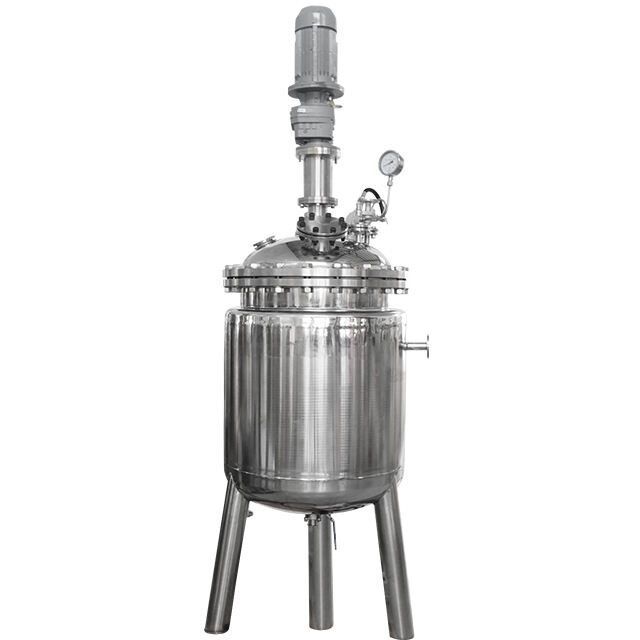
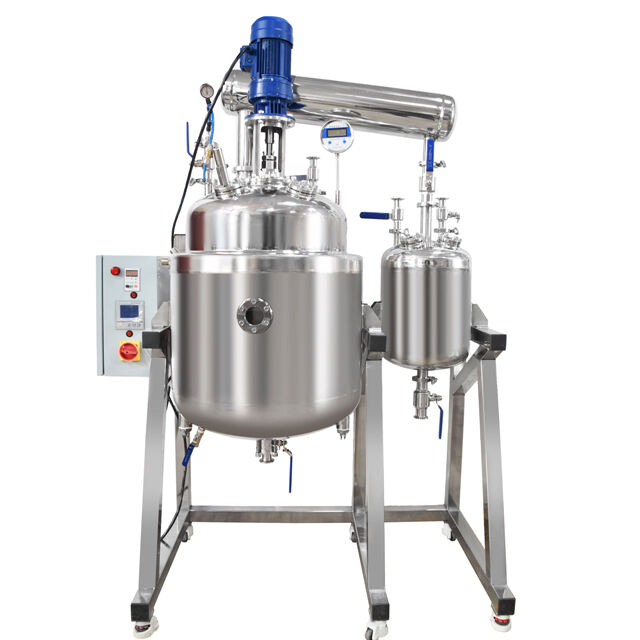
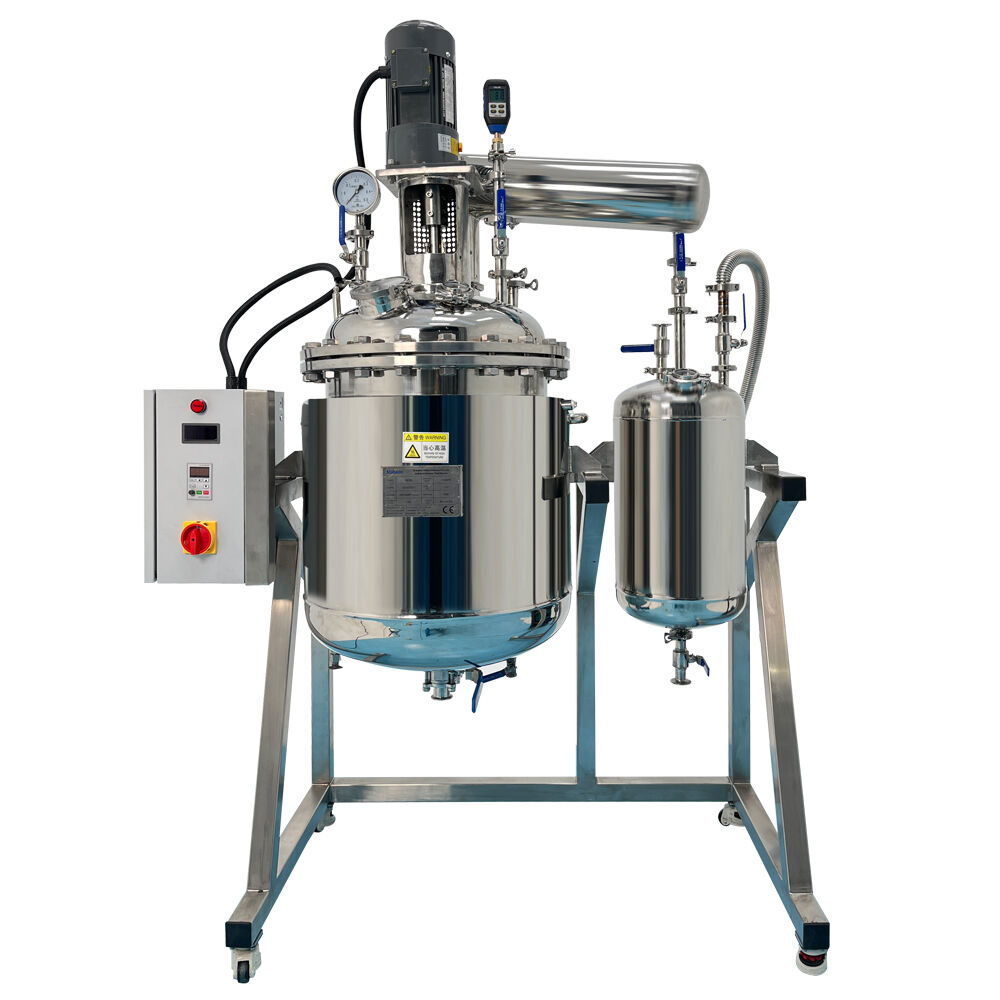
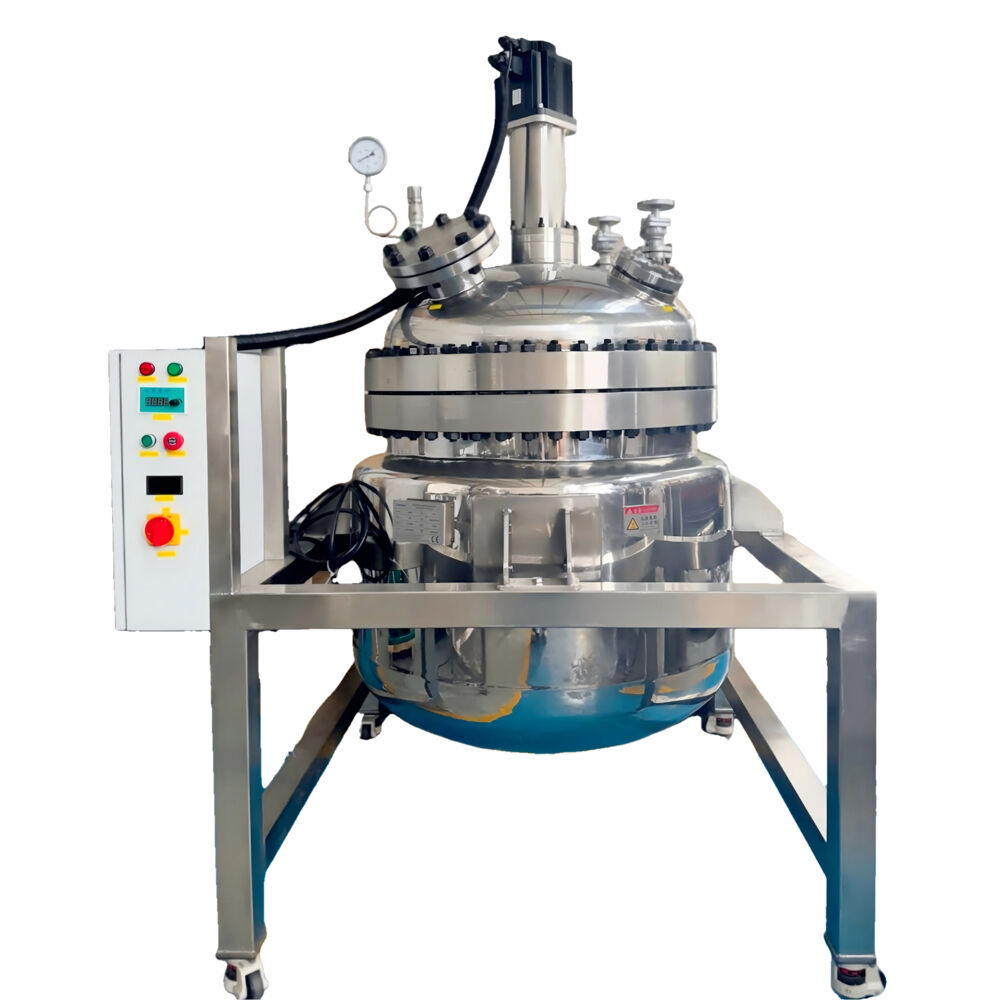
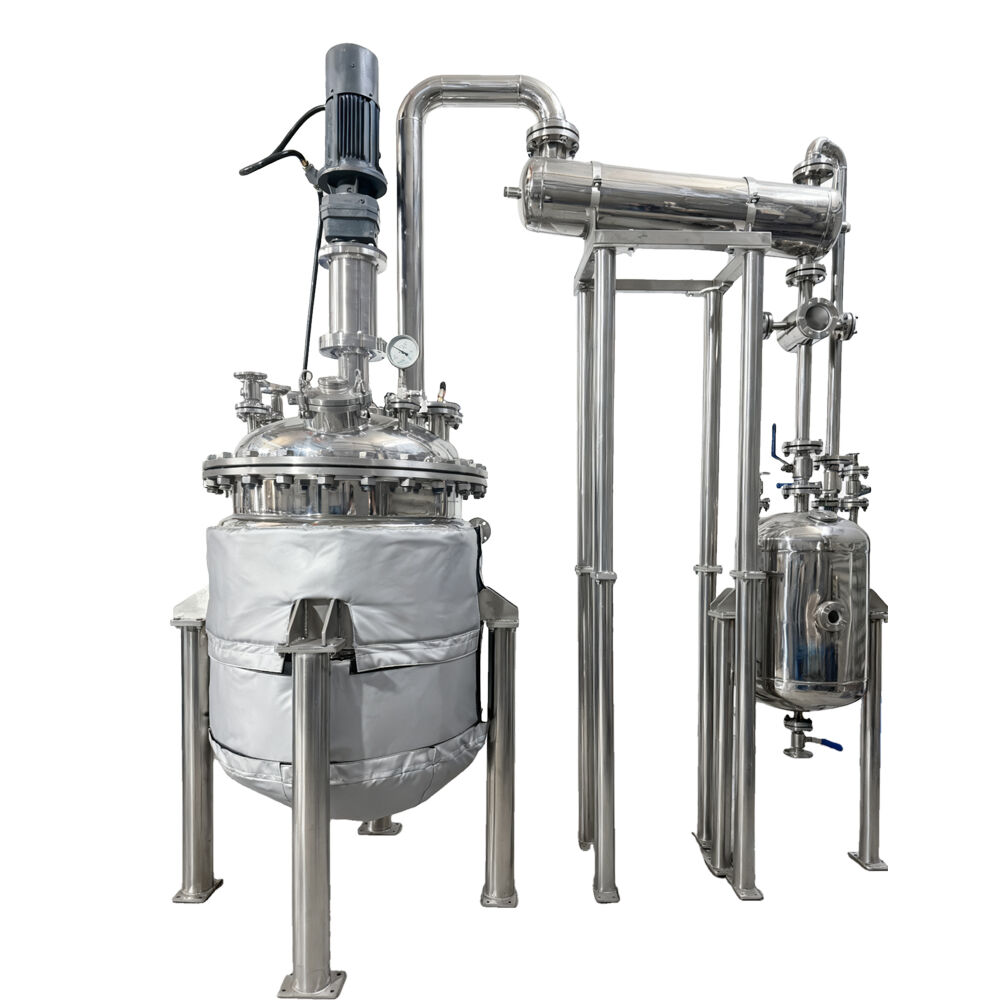
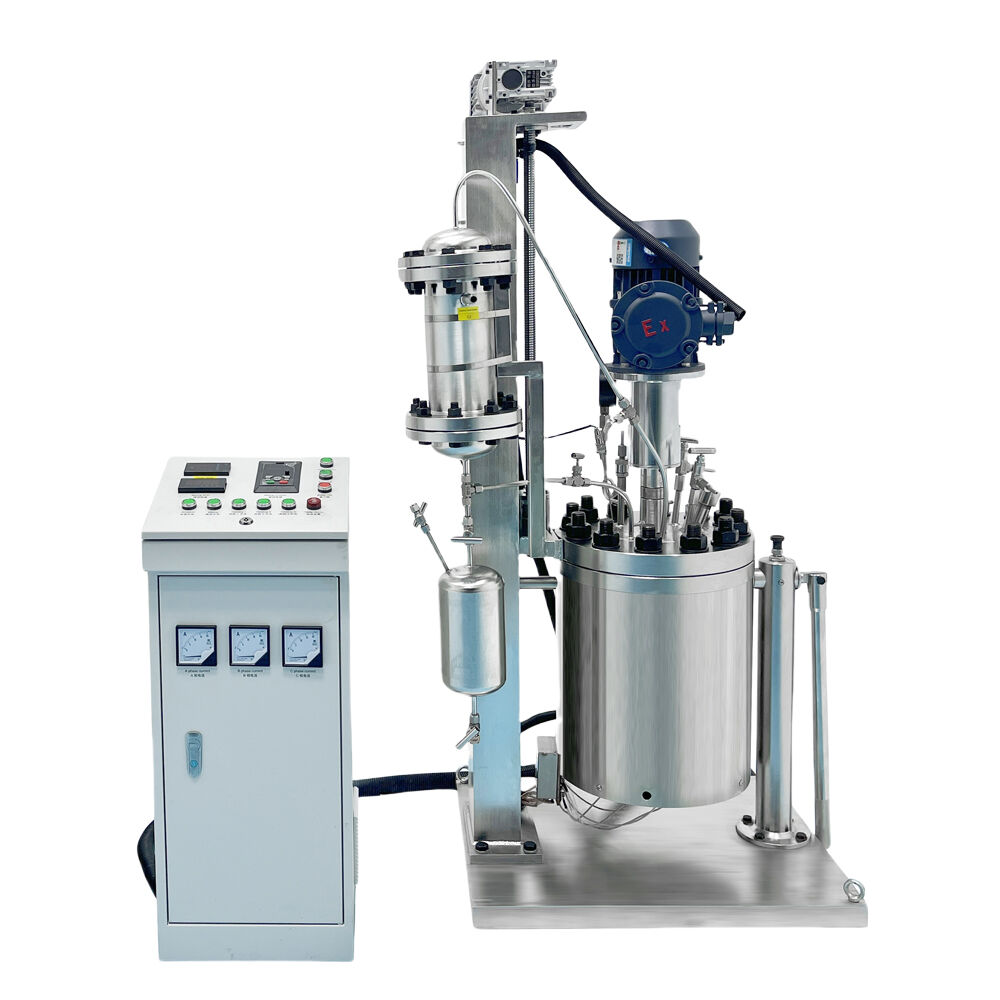
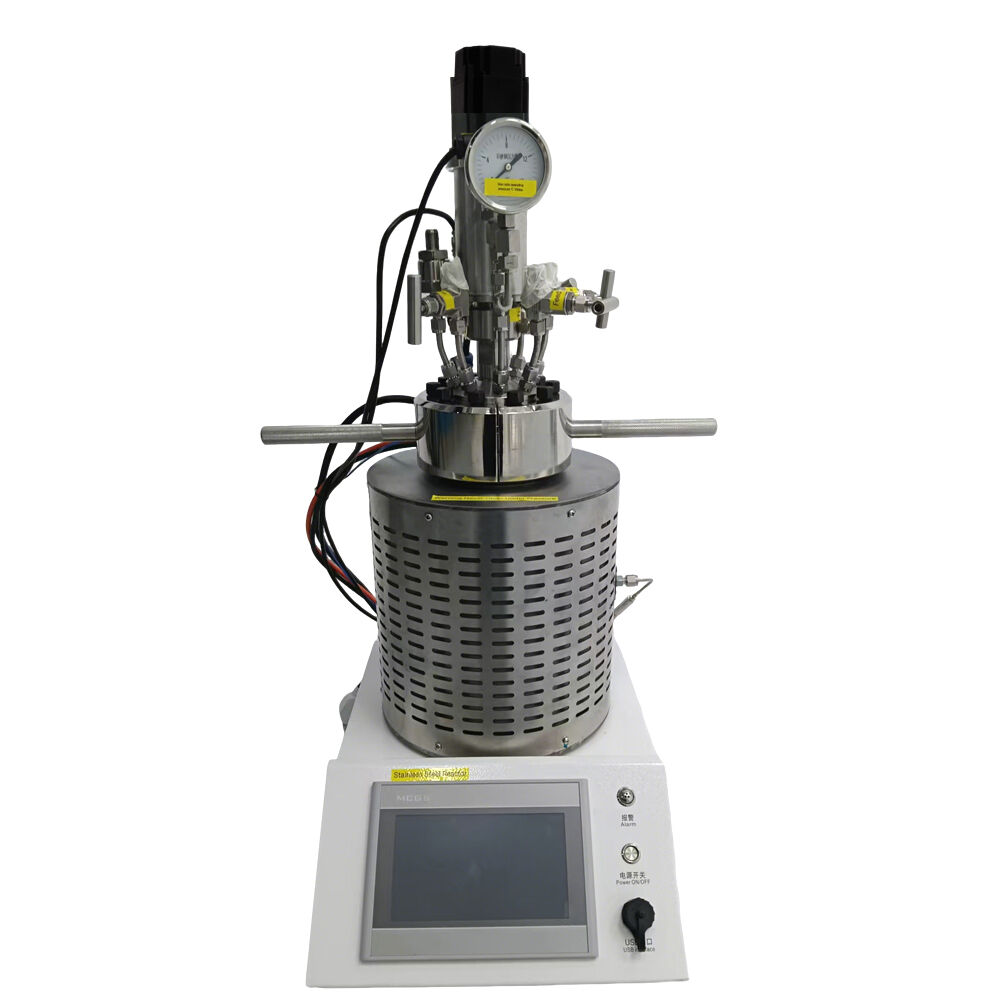
A high pressure lab reactor represents a sophisticated piece of equipment designed to conduct chemical reactions under elevated pressure conditions in laboratory settings. These specialized vessels enable researchers and scientists to simulate industrial processes on a smaller scale, providing crucial data for process development and optimization. The high pressure lab reactor typically operates at pressures ranging from several bar to hundreds of bar, making it essential for studying reactions that require specific pressure parameters to achieve desired outcomes. The reactor's robust construction features high-grade stainless steel or specialized alloy materials that withstand extreme pressure conditions while maintaining chemical compatibility with various reactants. Modern high pressure lab reactors incorporate advanced control systems that monitor and regulate temperature, pressure, agitation speed, and gas flow rates with exceptional precision. These reactors serve multiple functions including catalyst testing, hydrogenation reactions, polymerization studies, and synthesis of specialty chemicals. The versatility of high pressure lab reactors makes them indispensable in pharmaceutical research, petrochemical development, and materials science applications. Safety features integrated into these systems include pressure relief valves, temperature monitoring sensors, and emergency shutdown mechanisms to protect operators and equipment. The compact design of laboratory-scale units allows for efficient space utilization while providing the necessary performance characteristics required for comprehensive research activities. Additionally, high pressure lab reactors often feature modular designs that accommodate various accessories such as sampling systems, gas introduction ports, and specialized stirring mechanisms. These reactors enable researchers to investigate reaction kinetics, determine optimal operating conditions, and scale up processes from laboratory to pilot plant levels. The ability to precisely control reaction environments makes high pressure lab reactors valuable tools for developing new products, improving existing processes, and understanding fundamental chemical behavior under extreme conditions.

New Product Releases

High pressure lab reactors deliver significant benefits that make them essential tools for modern research and development activities. These reactors provide precise control over reaction conditions, allowing scientists to optimize parameters such as temperature, pressure, and residence time with remarkable accuracy. This level of control translates into more reliable experimental results and faster development timelines for new products and processes. The ability to operate under elevated pressure conditions enables researchers to investigate reactions that cannot occur at atmospheric pressure, opening up new possibilities for chemical synthesis and process innovation. High pressure lab reactors offer excellent scalability, meaning that results obtained in laboratory settings can be reliably transferred to larger production scales, reducing the risk and cost associated with process scale-up. The robust construction of these reactors ensures long-term reliability and minimal maintenance requirements, providing excellent return on investment for research facilities. Safety features built into high pressure lab reactors protect both personnel and equipment, creating a secure working environment for conducting potentially hazardous experiments. The versatility of these systems allows researchers to conduct multiple types of reactions using a single piece of equipment, maximizing laboratory efficiency and reducing capital expenditure requirements. Modern high pressure lab reactors incorporate user-friendly interfaces and automated control systems that simplify operation and reduce the potential for human error. Data logging capabilities enable comprehensive documentation of experimental conditions and results, supporting regulatory compliance and quality assurance requirements. The compact footprint of laboratory-scale reactors makes them suitable for facilities with limited space while still providing the performance characteristics needed for demanding applications. Energy efficiency features reduce operating costs and environmental impact, aligning with sustainability goals of modern research organizations. High pressure lab reactors enable accelerated reaction kinetics studies, allowing researchers to complete investigations in shorter timeframes compared to atmospheric pressure systems. The ability to work with various gas atmospheres and liquid phases expands the range of possible experiments and applications. These reactors also facilitate the study of reaction mechanisms under conditions that closely simulate industrial processes, providing valuable insights for process optimization and troubleshooting.

Practical Tips

What Makes a Stainless Steel Reactor Ideal for Chemical Processing Industries?

10

Nov

What Makes a Stainless Steel Reactor Ideal for Chemical Processing Industries?

Chemical processing industries demand equipment that delivers exceptional performance, durability, and safety standards. Among the various types of reactors available, the stainless steel reactor has emerged as the preferred choice for countless appl...
View More
What Industries Benefit Most From Advanced Fractional Distillation Systems?

24

Dec

What Industries Benefit Most From Advanced Fractional Distillation Systems?

Industrial separation processes have evolved significantly over the past century, with fractional distillation equipment emerging as one of the most critical technologies for achieving high-purity separations. This sophisticated process leverages dif...
View More
How to Select a High Pressure Reactor for Industrial Chemical Synthesis?

24

Dec

How to Select a High Pressure Reactor for Industrial Chemical Synthesis?

Industrial chemical synthesis often requires precise control over reaction conditions, with pressure being one of the most critical parameters. A high pressure reactor serves as the cornerstone equipment for processes demanding elevated pressures, en...
View More
Which Industries Benefit Most from Rotary and Liftable Stainless Steel Reactors?

20

Jan

Which Industries Benefit Most from Rotary and Liftable Stainless Steel Reactors?

Modern industrial processes demand equipment that combines durability, versatility, and operational efficiency. Stainless steel reactors have emerged as the cornerstone of numerous manufacturing operations, offering unparalleled performance across di...
View More

Get a Free Quote

Our representative will contact you soon.
Email
Name
Contact Number
Company Name
Message
0/1000

high pressure lab reactor

Advanced Pressure Control Technology

Advanced Pressure Control Technology

The sophisticated pressure control technology integrated into high pressure lab reactors represents a cornerstone feature that sets these systems apart from conventional laboratory equipment. This advanced control capability allows researchers to maintain precise pressure levels throughout extended experimental periods, ensuring consistent reaction conditions that are critical for obtaining reliable and reproducible results. The pressure control system typically incorporates high-precision regulators, digital monitoring displays, and automated feedback mechanisms that continuously adjust system parameters to maintain target pressure values within narrow tolerance bands. This level of precision proves particularly valuable when investigating pressure-sensitive reactions where even small deviations can significantly impact product yield, selectivity, or reaction kinetics. The technology enables researchers to program complex pressure profiles, including gradual pressure ramps, step changes, and cyclic pressure variations that may be required for specialized applications such as pulse reactions or pressure swing processes. Safety interlocks integrated within the pressure control system provide multiple layers of protection, automatically initiating pressure relief procedures if predetermined limits are exceeded, thereby protecting both personnel and equipment from potentially dangerous overpressure situations. The responsive nature of modern pressure control systems allows for real-time adjustments based on changing experimental requirements, enabling researchers to optimize reaction conditions dynamically during ongoing experiments. This capability proves especially beneficial when exploring new reaction pathways or when fine-tuning existing processes to achieve improved performance metrics. The robust design of pressure control components ensures long-term reliability and accuracy, minimizing calibration requirements and reducing maintenance costs over the equipment's operational lifetime. Additionally, the integration of digital communication protocols allows pressure control data to be seamlessly incorporated into laboratory information management systems, facilitating comprehensive data analysis and regulatory compliance documentation.
Exceptional Temperature Management System

Exceptional Temperature Management System

The exceptional temperature management system incorporated in high pressure lab reactors provides researchers with unparalleled control over thermal conditions, enabling precise manipulation of reaction environments to achieve optimal experimental outcomes. This sophisticated system combines multiple heating and cooling elements with advanced temperature sensors and control algorithms to maintain target temperatures with exceptional accuracy across a wide operational range. The temperature management capability proves crucial for investigating temperature-sensitive reactions, studying reaction kinetics at various thermal conditions, and optimizing process parameters for maximum efficiency. The system typically features rapid heating and cooling capabilities that allow researchers to implement complex temperature profiles, including programmed temperature ramps, isothermal holds, and rapid thermal cycling that may be required for specialized applications such as catalyst activation or polymer curing studies. The integration of multiple temperature measurement points throughout the reactor vessel ensures uniform temperature distribution and enables detection of thermal gradients that could affect reaction outcomes. Safety features embedded within the temperature management system include over-temperature protection, thermal runaway detection, and emergency cooling procedures that activate automatically when abnormal conditions are detected. The responsive nature of the temperature control system enables researchers to make real-time adjustments based on evolving experimental requirements, facilitating optimization studies and process development activities. Energy-efficient heating and cooling technologies reduce operational costs while maintaining precise temperature control, supporting sustainable laboratory practices and reducing environmental impact. The system's ability to maintain stable temperatures under varying pressure conditions ensures that thermal effects do not interfere with pressure-related phenomena being studied. Advanced insulation materials and thermal management designs minimize heat loss and reduce thermal cycling times, improving experimental efficiency and energy utilization. The temperature management system also supports integration with external thermal analysis equipment, enabling comprehensive characterization of thermal effects during high-pressure reactions.
Versatile Multi-Phase Reaction Capabilities

Versatile Multi-Phase Reaction Capabilities

The versatile multi-phase reaction capabilities of high pressure lab reactors enable researchers to conduct complex experiments involving gas-liquid, liquid-liquid, and gas-liquid-solid reaction systems with exceptional precision and control. This comprehensive capability makes these reactors indispensable tools for investigating heterogeneous catalysis, phase transfer reactions, and multi-component synthesis processes that are prevalent in modern chemical research and industrial applications. The reactor design incorporates specialized mixing systems that ensure optimal contact between different phases, promoting efficient mass transfer and reaction rates while maintaining homogeneous conditions throughout the reaction volume. Advanced agitation mechanisms, including magnetic stirring, mechanical stirring, and gas sparging systems, can be configured to match specific experimental requirements and reaction characteristics. The ability to introduce and control multiple gas streams simultaneously enables researchers to study competitive reactions, investigate synergistic effects, and optimize gas composition for maximum reaction efficiency. Specialized sampling systems allow for real-time monitoring of each phase composition, providing valuable insights into reaction mechanisms and kinetics that would be difficult to obtain with single-phase systems. The reactor's construction materials and sealing systems are specifically designed to handle the challenging conditions associated with multi-phase reactions, including potential corrosive environments and varying physical properties of different phases. Temperature and pressure control systems maintain optimal conditions for each phase while accounting for the complex thermodynamic interactions that occur in multi-phase systems. The versatility of these reactors extends to their ability to accommodate various catalyst forms, including heterogeneous catalysts, enzyme systems, and supported metal catalysts, enabling comprehensive catalyst screening and optimization studies. Safety considerations for multi-phase operations include specialized venting systems, phase separation capabilities, and emergency procedures designed to handle the unique hazards associated with complex reaction mixtures. The data acquisition systems capture comprehensive information about all phases simultaneously, supporting detailed analysis of multi-phase reaction behavior and facilitating process scale-up activities.

Get a Free Quote

Our representative will contact you soon.
Email
Name
Contact Number
Company Name
Message
0/1000