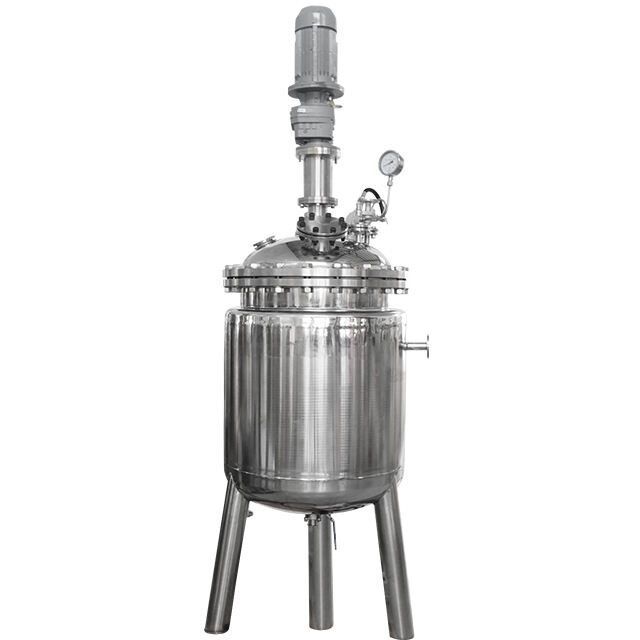
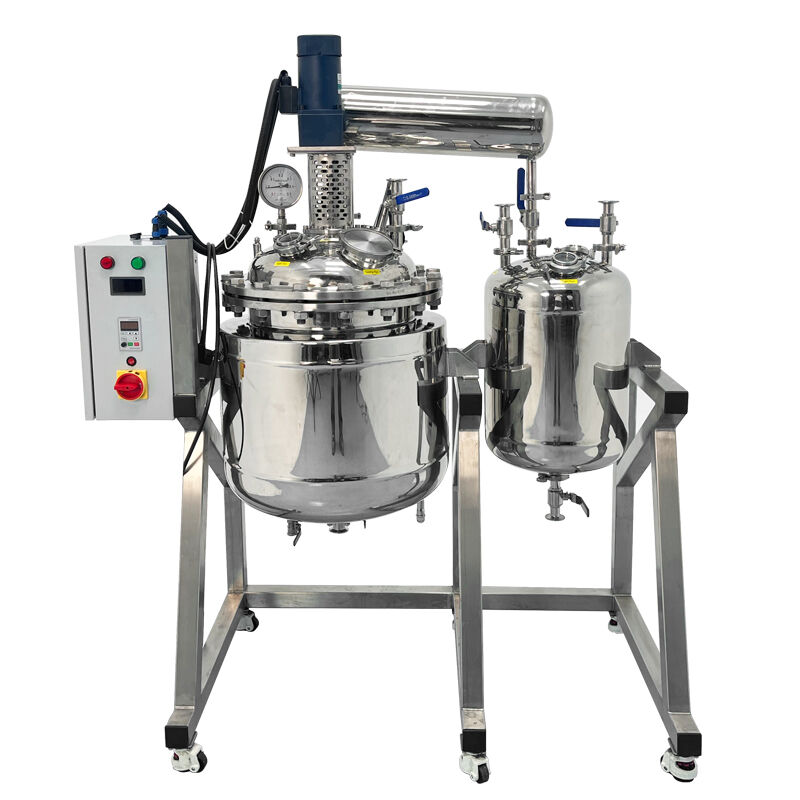
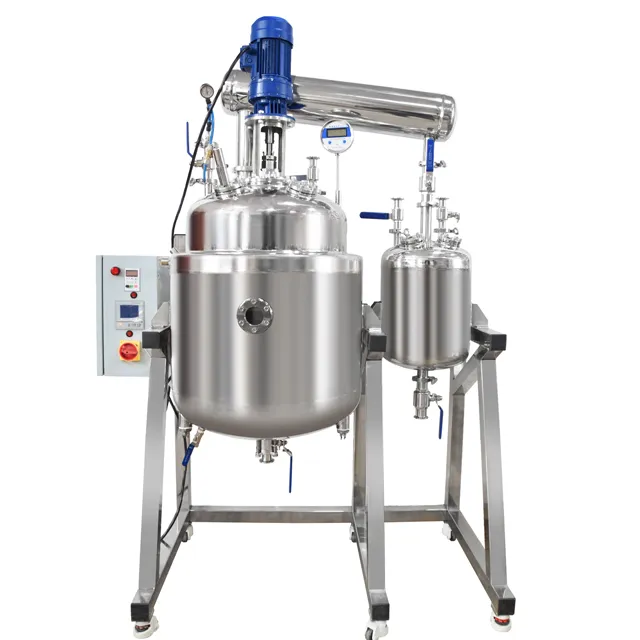
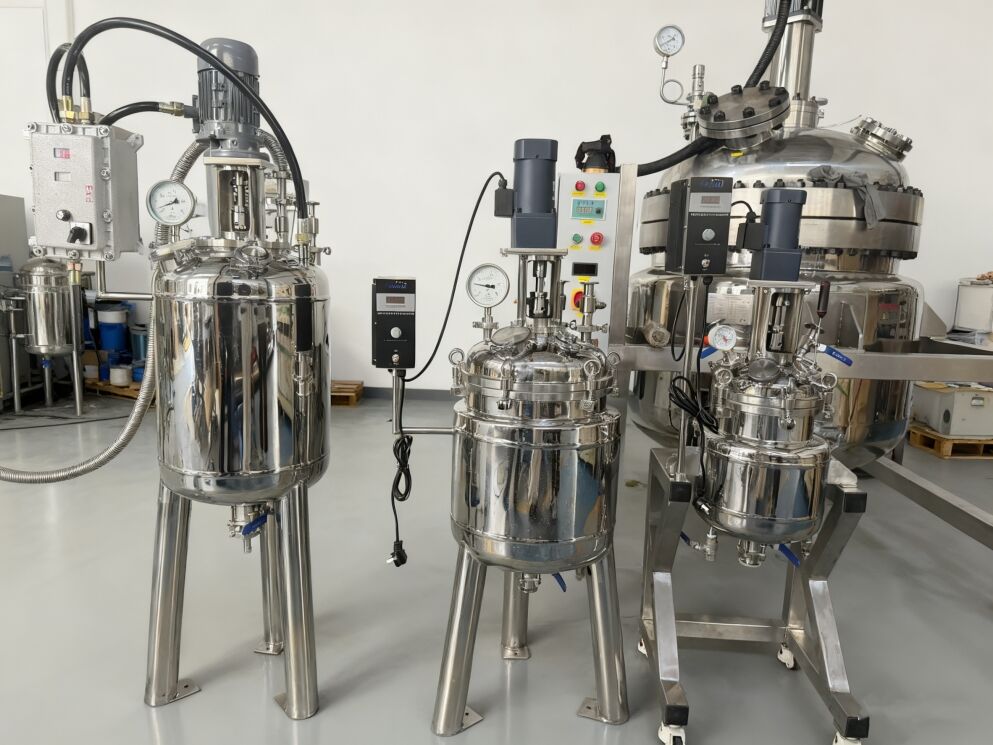
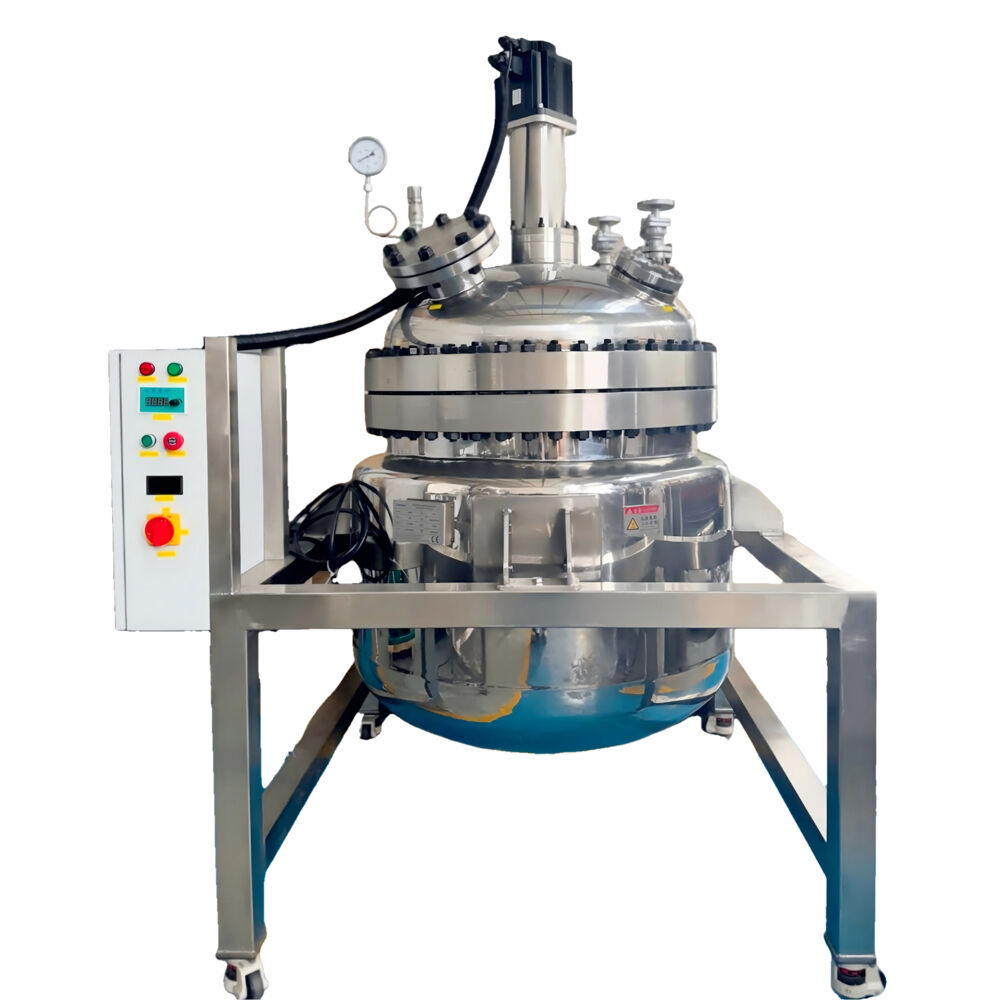
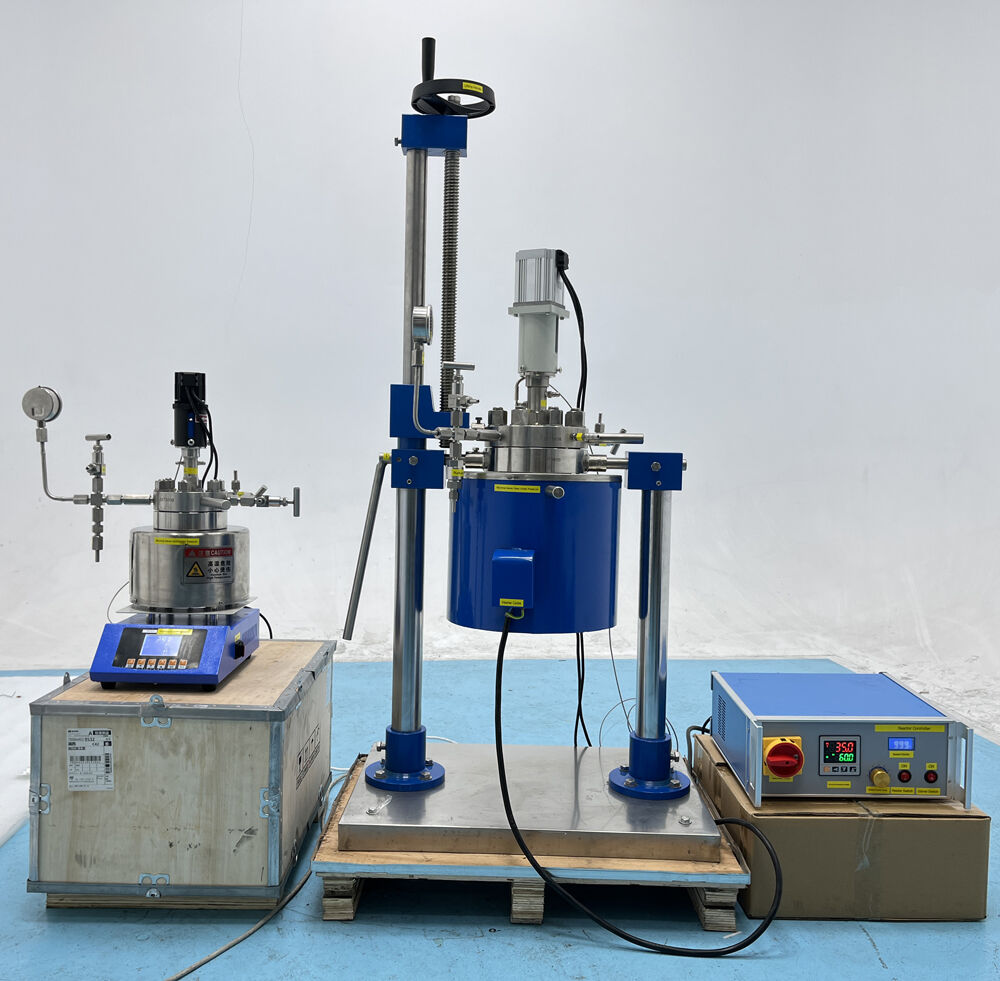
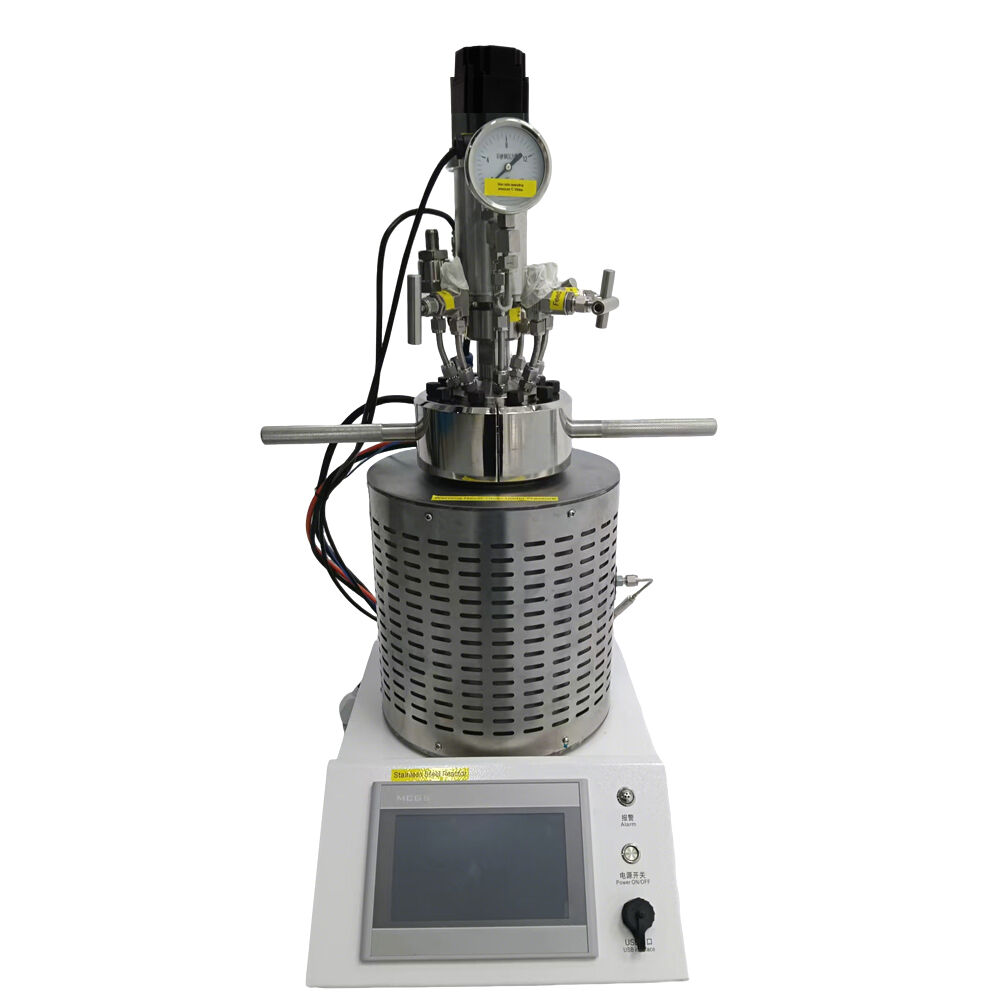
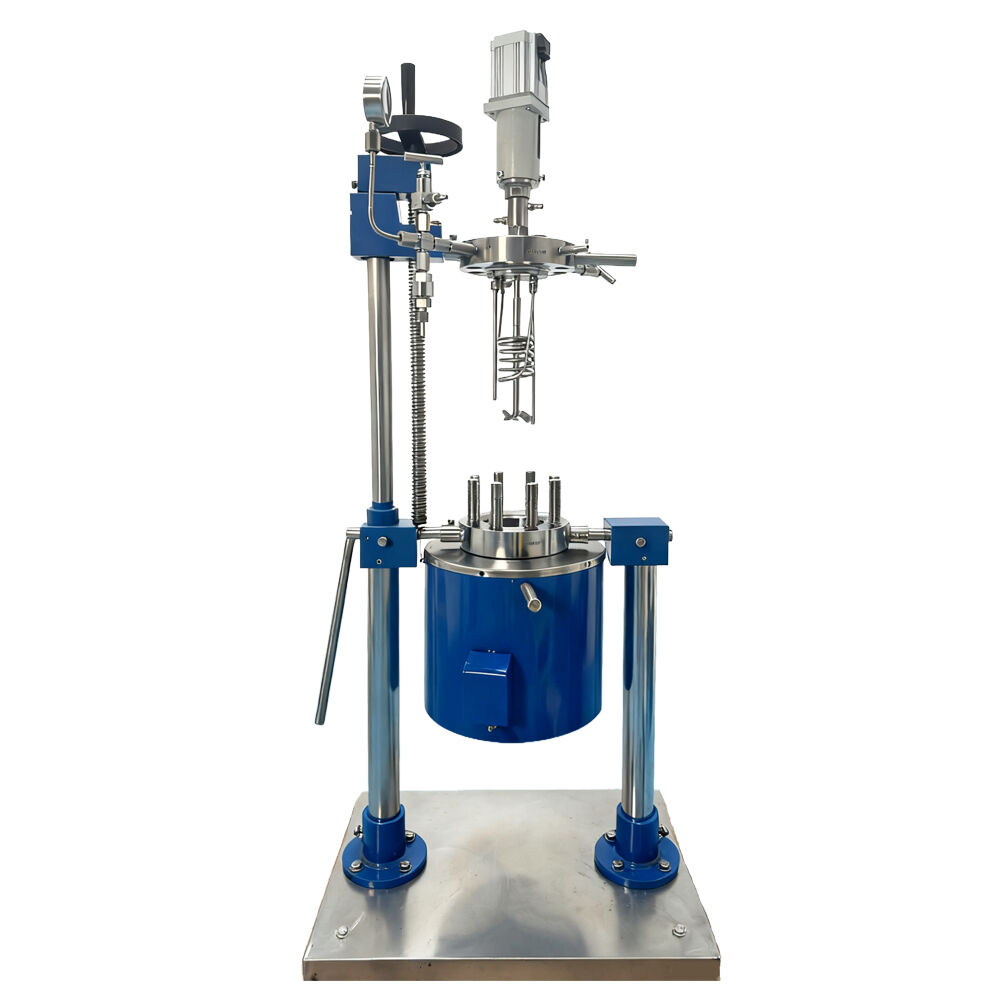
high pressure autoclave reactor
The high pressure autoclave reactor represents a revolutionary advancement in chemical processing technology, designed to facilitate complex chemical reactions under extreme pressure and temperature conditions. This sophisticated equipment operates as a sealed vessel system that enables precise control over reaction environments, making it indispensable for modern industrial applications. The reactor's primary function involves creating optimal conditions for chemical transformations that require elevated pressures, typically ranging from several atmospheres to hundreds of atmospheres, combined with controlled temperature regulation. The technological architecture of a high pressure autoclave reactor incorporates advanced materials engineering, featuring corrosion-resistant alloys and specialized sealing mechanisms that maintain integrity under extreme operational conditions. These reactors utilize sophisticated monitoring systems that continuously track pressure, temperature, and reaction progress, ensuring consistent results and operational safety. The vessel design incorporates multiple safety features including pressure relief valves, temperature sensors, and automated shutdown protocols that protect both equipment and personnel. Modern high pressure autoclave reactors feature digital control interfaces that allow operators to program complex reaction sequences, monitor real-time parameters, and maintain detailed operational logs. The applications of high pressure autoclave reactors span numerous industries including pharmaceuticals, petrochemicals, materials science, and specialty chemical manufacturing. In pharmaceutical development, these reactors enable the synthesis of complex active pharmaceutical ingredients under controlled conditions that ensure product purity and consistency. The petrochemical industry utilizes these systems for hydrogenation processes, catalytic reactions, and polymer synthesis. Research institutions employ high pressure autoclave reactors for experimental work involving novel materials, nanotechnology development, and advanced chemical research. The reactor's versatility extends to food processing applications where pressure-assisted chemical modifications enhance product characteristics and shelf life.
 EN
EN