High Pressure Batch Reactor: Advanced Industrial Processing Solutions for Chemical Manufacturing

Get a Free Quote

Our representative will contact you soon.
Email
Name
Contact Number
Company Name
Message
0/1000

high pressure batch reactor

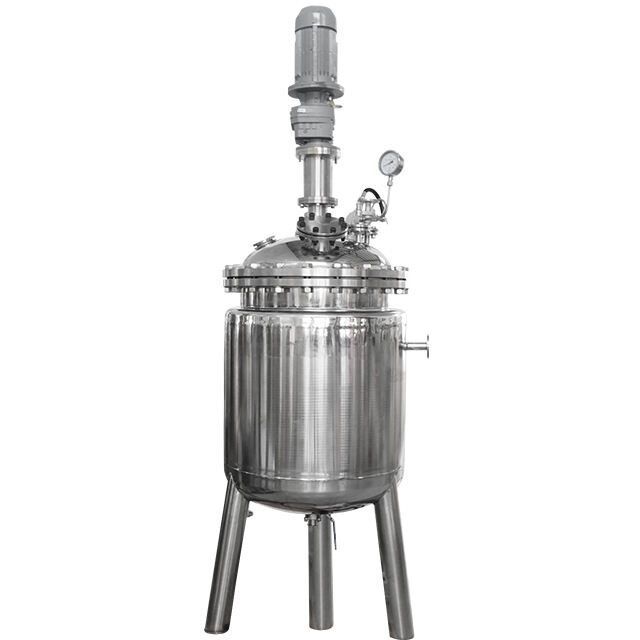
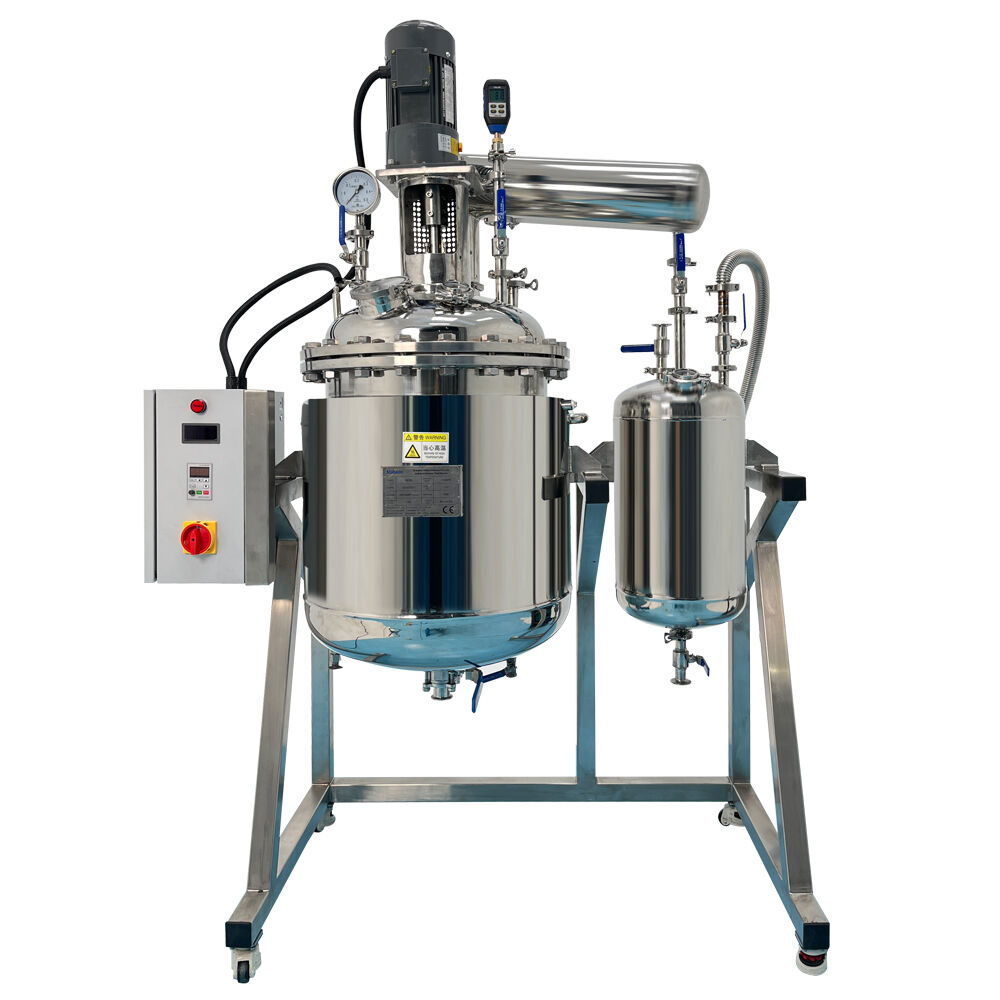
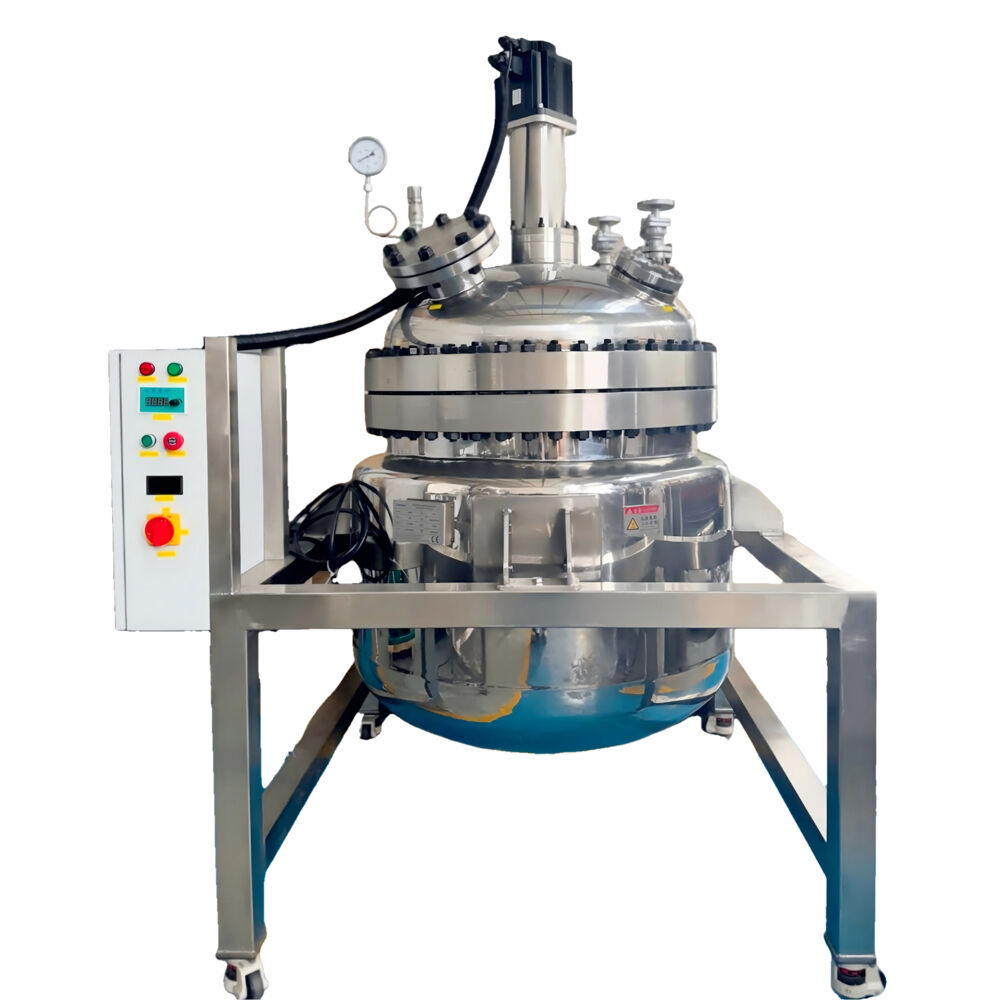
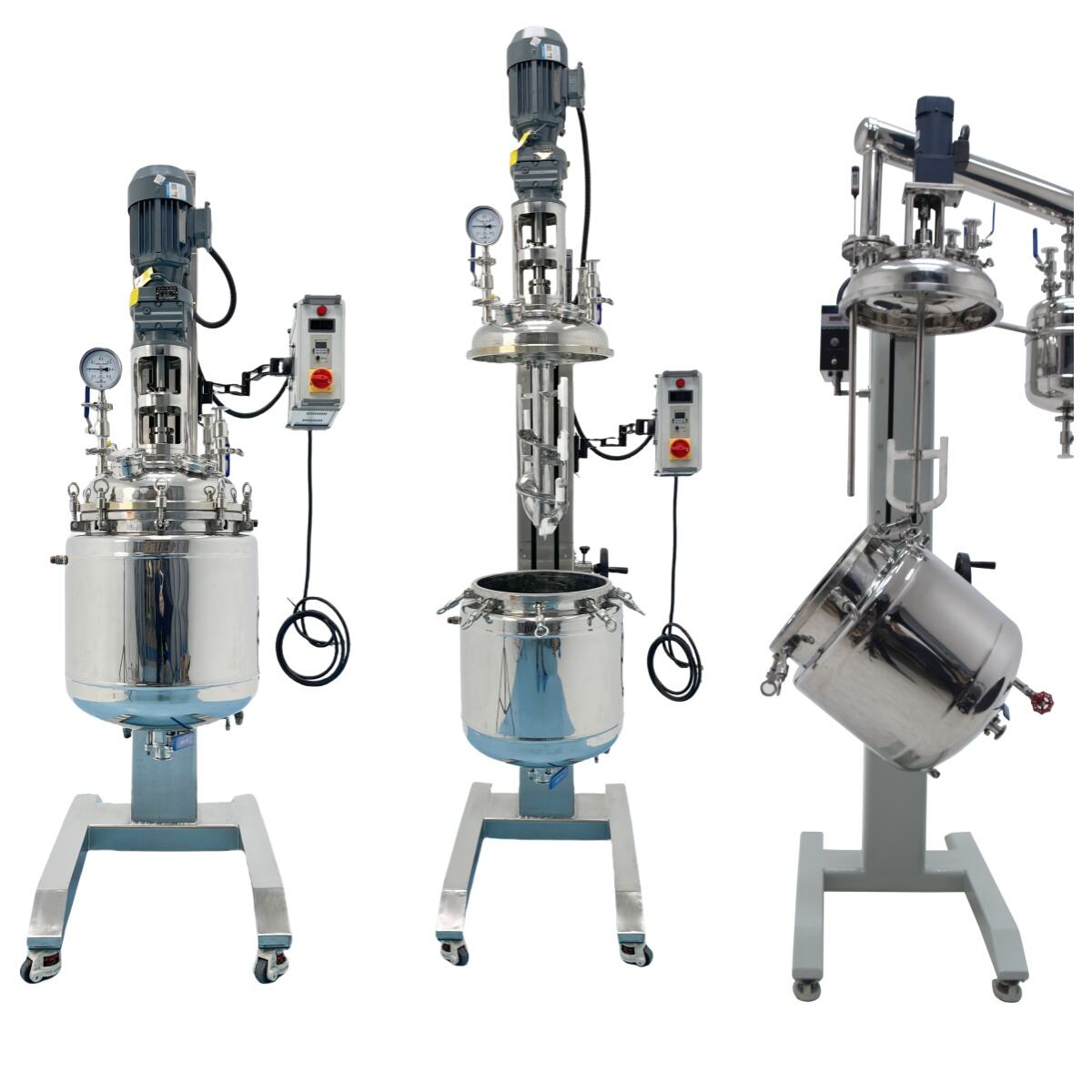
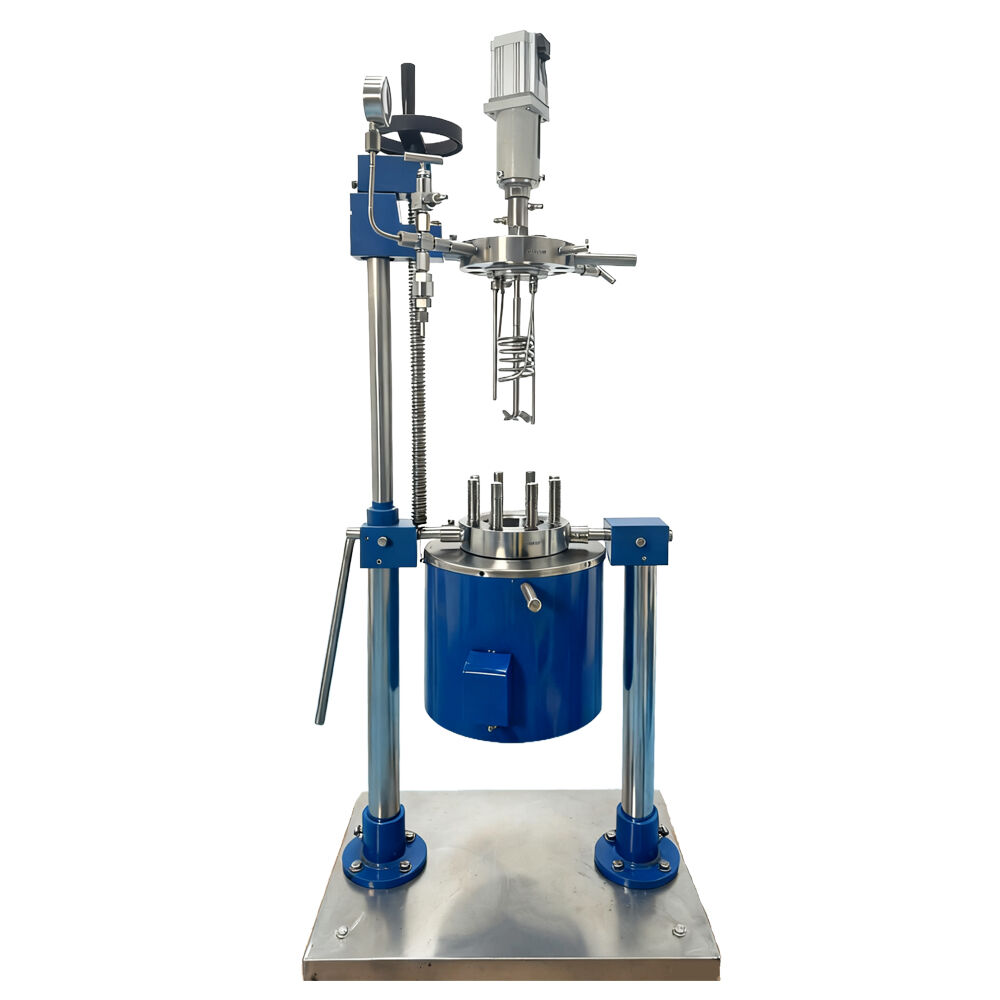
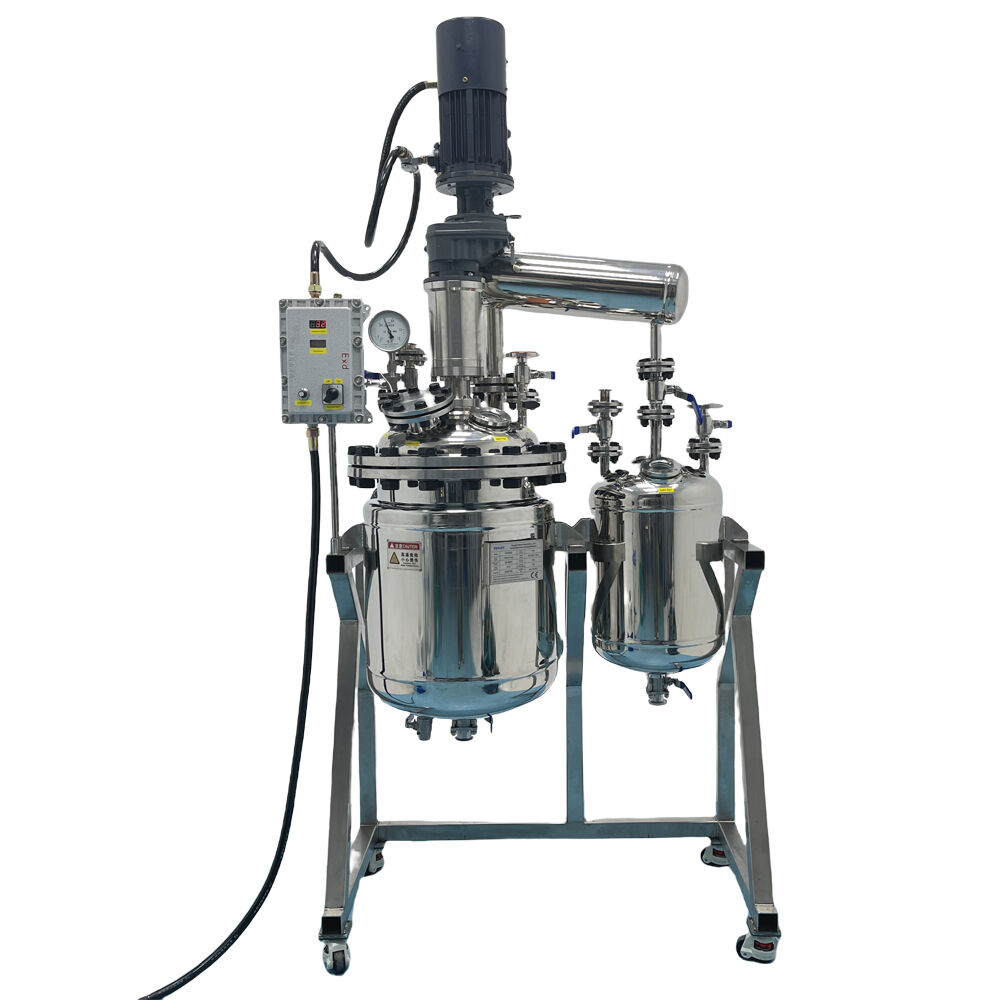
A high pressure batch reactor represents a sophisticated industrial vessel engineered to conduct chemical reactions under elevated pressure conditions while maintaining precise control over process parameters. This specialized equipment operates on a batch processing system, where reactants are loaded, processed under controlled conditions, and then discharged as finished products. The high pressure batch reactor serves as the cornerstone of numerous chemical manufacturing processes, enabling operators to achieve optimal reaction conditions that would be impossible under atmospheric pressure. The reactor's primary functions encompass mixing reactants thoroughly, maintaining consistent temperature profiles, controlling pressure levels accurately, and ensuring complete conversion of raw materials into desired products. Modern high pressure batch reactor systems incorporate advanced monitoring technologies that provide real-time feedback on critical process variables including temperature, pressure, pH levels, and reaction progress. These reactors feature robust construction using high-grade materials such as stainless steel or specialized alloys that can withstand extreme operating conditions while maintaining structural integrity. The technological features of a high pressure batch reactor include sophisticated heating and cooling systems that enable precise temperature control throughout the reaction cycle. Advanced agitation mechanisms ensure uniform mixing of reactants, preventing hotspots and ensuring consistent product quality. Pressure control systems maintain optimal reaction conditions while incorporating multiple safety mechanisms to prevent over-pressurization. Applications for high pressure batch reactor technology span diverse industries including pharmaceuticals, petrochemicals, specialty chemicals, food processing, and materials science. In pharmaceutical manufacturing, these reactors facilitate the synthesis of active pharmaceutical ingredients under controlled conditions that ensure product purity and consistency. The petrochemical industry utilizes high pressure batch reactor systems for producing polymers, resins, and other chemical intermediates. Research and development facilities employ these reactors for process optimization and new product development, taking advantage of their flexibility and precise control capabilities.

New Products

The high pressure batch reactor delivers exceptional operational benefits that directly translate into improved productivity and cost savings for manufacturing facilities. Enhanced reaction efficiency stands as the primary advantage, as elevated pressure conditions accelerate reaction rates and increase conversion yields compared to atmospheric pressure operations. This improved efficiency reduces processing time significantly, allowing facilities to complete more production cycles within the same timeframe and maximize equipment utilization. Temperature control precision represents another crucial advantage, as the high pressure batch reactor maintains uniform heat distribution throughout the reaction mass. This consistency eliminates temperature variations that could compromise product quality or create unwanted side reactions. Operators can achieve exact temperature profiles required for specific chemical processes, ensuring reproducible results batch after batch. The reactor's ability to operate under elevated pressure conditions enables access to unique reaction pathways that are impossible under standard atmospheric conditions. These specialized conditions often result in higher selectivity toward desired products, reducing waste generation and improving overall process economics. Safety features integrated into modern high pressure batch reactor designs provide comprehensive protection for personnel and equipment. Multiple pressure relief systems, temperature monitoring, and automated shutdown procedures ensure safe operation even under challenging conditions. These safety mechanisms reduce insurance costs and minimize liability risks associated with high-pressure operations. Flexibility in process parameters allows operators to optimize conditions for different products using the same equipment. The high pressure batch reactor can accommodate varying batch sizes, different reactant combinations, and modified process conditions without requiring significant equipment changes. This versatility reduces capital investment requirements and enables facilities to respond quickly to changing market demands. Product quality consistency achieved through precise control of reaction conditions results in reduced product variability and improved customer satisfaction. The controlled environment within the high pressure batch reactor minimizes contamination risks and ensures that each batch meets specified quality standards. Reduced processing time and improved yields directly impact production costs, making operations more competitive in the marketplace. The ability to process materials that require elevated pressure conditions opens new market opportunities and enables the production of specialized products with higher profit margins.

Tips And Tricks

Mastering the Art of Chemical Processing with Jacketed Stainless Steel Reactors

29

Oct

Mastering the Art of Chemical Processing with Jacketed Stainless Steel Reactors

Understanding Jacketed Stainless Steel Reactors: Design and Core Functionality What Are Jacketed Stainless Steel Reactors? Jacketed stainless steel reactors consist of a main reaction area inside what's called a jacket or outer shell. Between these ...
View More
What Makes a Stainless Steel Reactor Ideal for Chemical Processing Industries?

10

Nov

What Makes a Stainless Steel Reactor Ideal for Chemical Processing Industries?

Chemical processing industries demand equipment that delivers exceptional performance, durability, and safety standards. Among the various types of reactors available, the stainless steel reactor has emerged as the preferred choice for countless appl...
View More
How to Optimize Reactor Performance with Stainless Steel Material Selection and Mixing Design

12

Nov

How to Optimize Reactor Performance with Stainless Steel Material Selection and Mixing Design

Industrial chemical processing demands precise control over reaction conditions, temperature management, and material compatibility. The selection of appropriate reactor systems significantly impacts product quality, operational efficiency, and long-...
View More
What Design Features Matter in a Rotary and Liftable Stainless Steel Reactor?

20

Jan

What Design Features Matter in a Rotary and Liftable Stainless Steel Reactor?

Modern industrial chemical processing demands precision, efficiency, and reliability in every piece of equipment. Among the most critical components in pharmaceutical, chemical, and biotechnology manufacturing is the rotary and liftable stainless ste...
View More

Get a Free Quote

Our representative will contact you soon.
Email
Name
Contact Number
Company Name
Message
0/1000

high pressure batch reactor

Advanced Pressure Control Technology

Advanced Pressure Control Technology

The sophisticated pressure control system integrated into modern high pressure batch reactor designs represents a breakthrough in process safety and operational efficiency. This advanced technology employs multiple pressure monitoring sensors strategically positioned throughout the reactor vessel to provide continuous, real-time pressure readings with exceptional accuracy. The system automatically adjusts pressure levels based on predetermined setpoints, ensuring optimal reaction conditions while preventing dangerous over-pressurization scenarios. State-of-the-art pressure relief valves work in conjunction with automated venting systems to maintain safe operating parameters even during unexpected process upsets. The pressure control technology incorporates predictive algorithms that anticipate pressure changes based on reaction progress, allowing for proactive adjustments that maintain stable conditions throughout the entire batch cycle. Multiple redundant safety systems provide fail-safe protection, with independent pressure monitoring circuits that trigger automatic shutdown procedures if pressure levels exceed safe operating limits. The precision of pressure control directly impacts product quality, as many chemical reactions require specific pressure conditions to achieve desired selectivity and conversion rates. Operators can program complex pressure profiles that accommodate multi-step reactions, ramping pressure up or down according to process requirements. The advanced control system maintains pressure stability within narrow tolerances, typically less than one percent deviation from setpoint values. This level of precision enables reproducible results across multiple batches and ensures consistent product quality. Remote monitoring capabilities allow operators to track pressure conditions from centralized control rooms, improving operational efficiency and reducing the need for manual intervention. The pressure control technology also includes data logging features that record pressure profiles for each batch, providing valuable information for process optimization and regulatory compliance documentation. Emergency response protocols integrated into the pressure control system enable rapid depressurization when necessary, protecting both personnel and equipment from potential hazards.
Superior Heat Transfer and Temperature Management

Superior Heat Transfer and Temperature Management

Exceptional heat transfer capabilities distinguish the high pressure batch reactor from conventional processing equipment, delivering precise temperature control that optimizes reaction kinetics and product quality. The reactor's innovative heat exchange system utilizes advanced jacket designs with optimized flow patterns that ensure uniform heat distribution across the entire reactor surface. Multiple heating and cooling zones allow operators to create specific temperature profiles within different sections of the reactor, accommodating complex reactions that require varying thermal conditions. The heat transfer system incorporates high-efficiency heat exchangers that maximize thermal energy utilization while minimizing energy consumption and operating costs. Advanced temperature sensors positioned at multiple locations throughout the reactor provide comprehensive thermal mapping, enabling operators to monitor and adjust temperature conditions with exceptional precision. Rapid heating and cooling capabilities reduce cycle times significantly, as the system can achieve target temperatures quickly and maintain stable conditions throughout the reaction period. The temperature management system automatically compensates for exothermic or endothermic reactions, adjusting heat input or removal to maintain desired temperature setpoints regardless of reaction heat generation or absorption. Thermal insulation systems minimize heat loss to the environment, improving energy efficiency and reducing utility costs while maintaining consistent internal temperatures. The sophisticated control algorithms predict temperature changes based on reaction progress and automatically adjust heating or cooling rates to prevent temperature excursions that could compromise product quality. Multiple independent temperature control circuits provide redundant protection against temperature-related process upsets, ensuring safe operation even if primary control systems experience failures. The heat transfer system's design accommodates viscous materials and non-Newtonian fluids, maintaining effective heat transfer even when processing challenging materials. Programmable temperature ramps allow operators to implement complex thermal profiles that optimize reaction conditions for specific products. The system's ability to maintain precise temperature control under high pressure conditions enables access to unique reaction chemistry that requires both elevated pressure and specific thermal conditions for optimal results.
Versatile Processing Capabilities and Operational Flexibility

Versatile Processing Capabilities and Operational Flexibility

The remarkable versatility of high pressure batch reactor systems enables manufacturers to process an extensive range of materials and accommodate diverse chemical reactions within a single piece of equipment. This operational flexibility translates directly into reduced capital investment requirements and improved return on investment for manufacturing facilities. The reactor's modular design allows for easy modification and upgrading of components to meet changing process requirements without requiring complete equipment replacement. Interchangeable agitation systems accommodate different mixing requirements, from gentle blending of sensitive materials to high-intensity mixing of viscous compounds. The reactor can handle batch sizes ranging from small pilot-scale quantities to full production volumes, providing scalability that supports both research and development activities and commercial manufacturing operations. Variable speed drives on agitation systems enable precise control of mixing intensity, allowing operators to optimize shear rates for specific applications and prevent damage to shear-sensitive materials. The reactor's construction materials can be customized to handle corrosive chemicals, high-temperature applications, or specialized processing requirements, ensuring compatibility with a wide range of chemical processes. Quick-disconnect fittings and standardized connections facilitate rapid changeover between different products, minimizing downtime and maximizing equipment utilization. The control system's programmable logic controllers can store multiple process recipes, enabling operators to switch between different products quickly and consistently reproduce optimal processing conditions. Sampling ports positioned at various locations throughout the reactor allow for real-time process monitoring and quality control testing without interrupting batch operations. The reactor's design accommodates various charging and discharging methods, including gravity feed, pump transfer, and pneumatic conveying systems, providing flexibility in material handling operations. Multiple utility connections support different heating media, cooling fluids, and inert gas systems, allowing operators to select the most appropriate utilities for specific process requirements. The high pressure batch reactor's ability to operate under inert atmospheres prevents oxidation and contamination of sensitive materials, expanding its application range to include oxygen-sensitive chemistry and specialized materials processing.

Get a Free Quote

Our representative will contact you soon.
Email
Name
Contact Number
Company Name
Message
0/1000