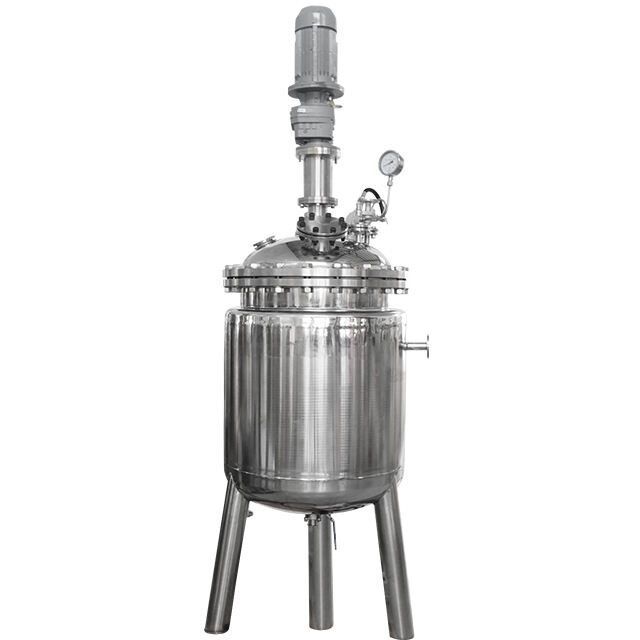
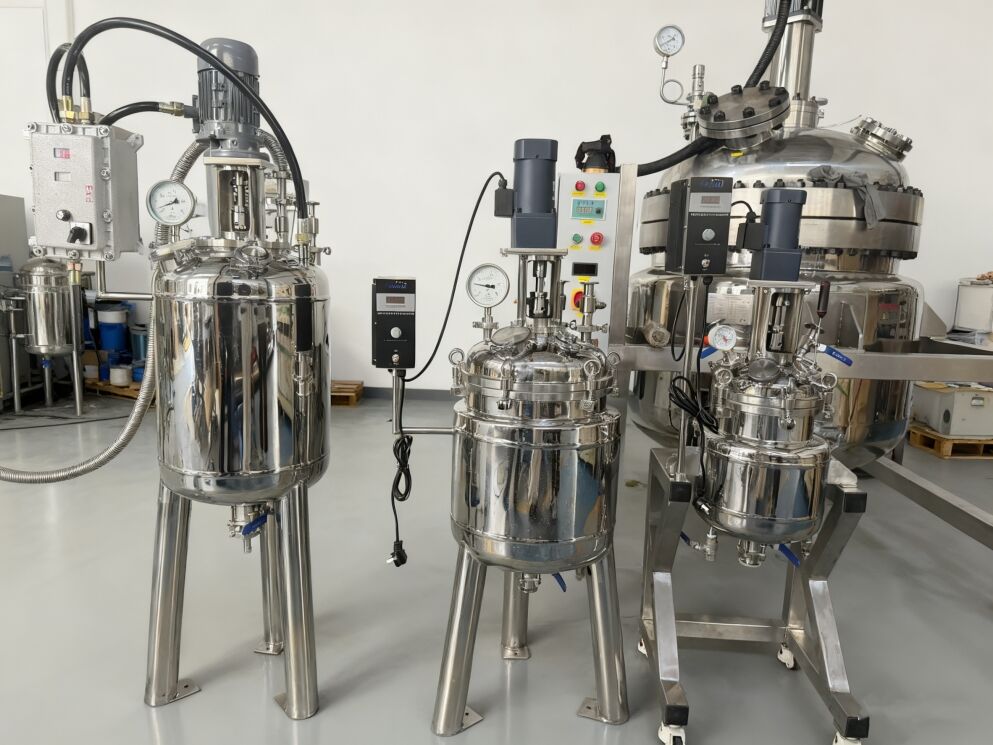
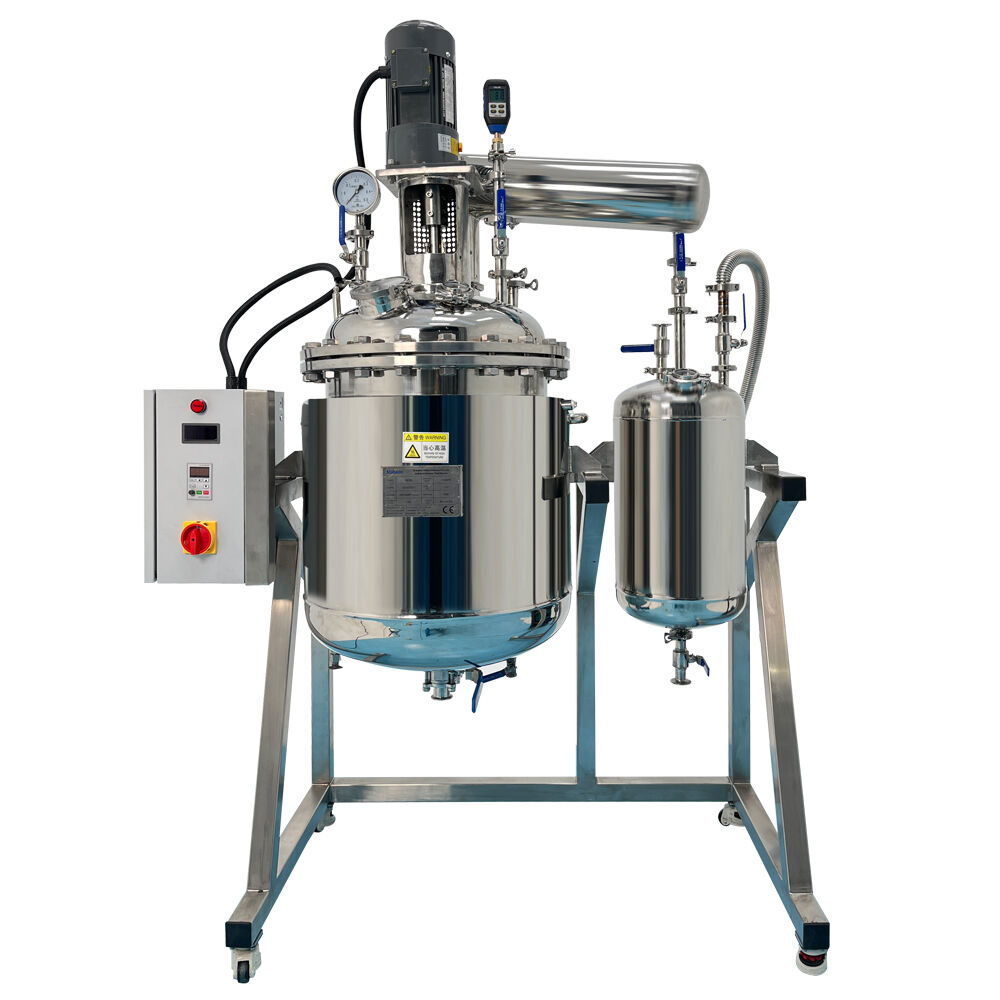
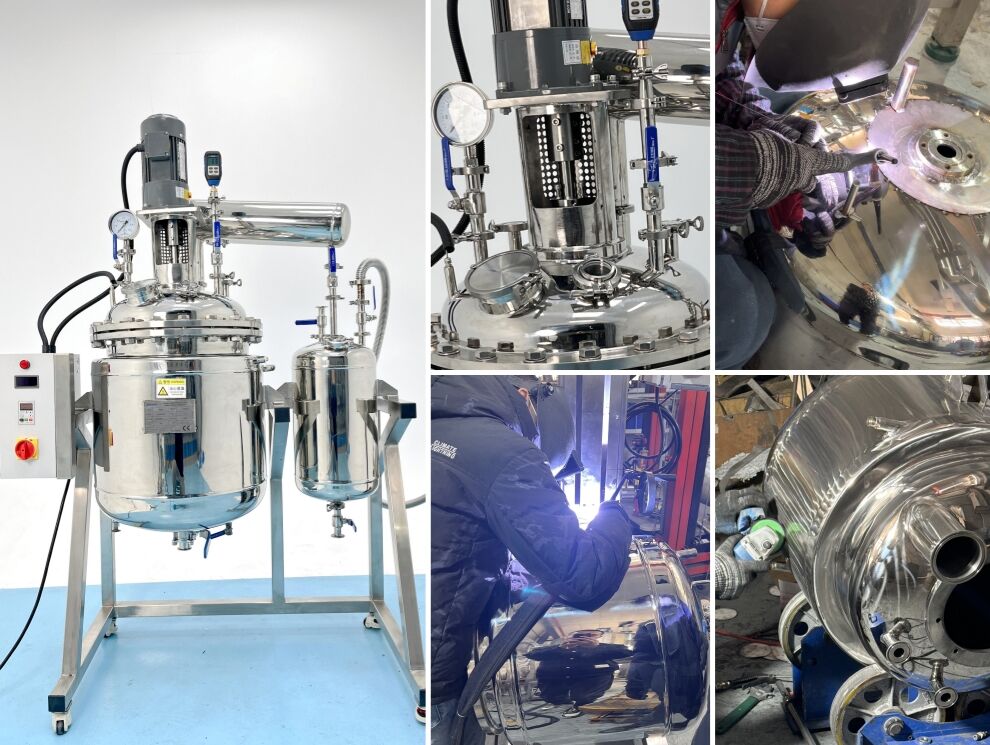
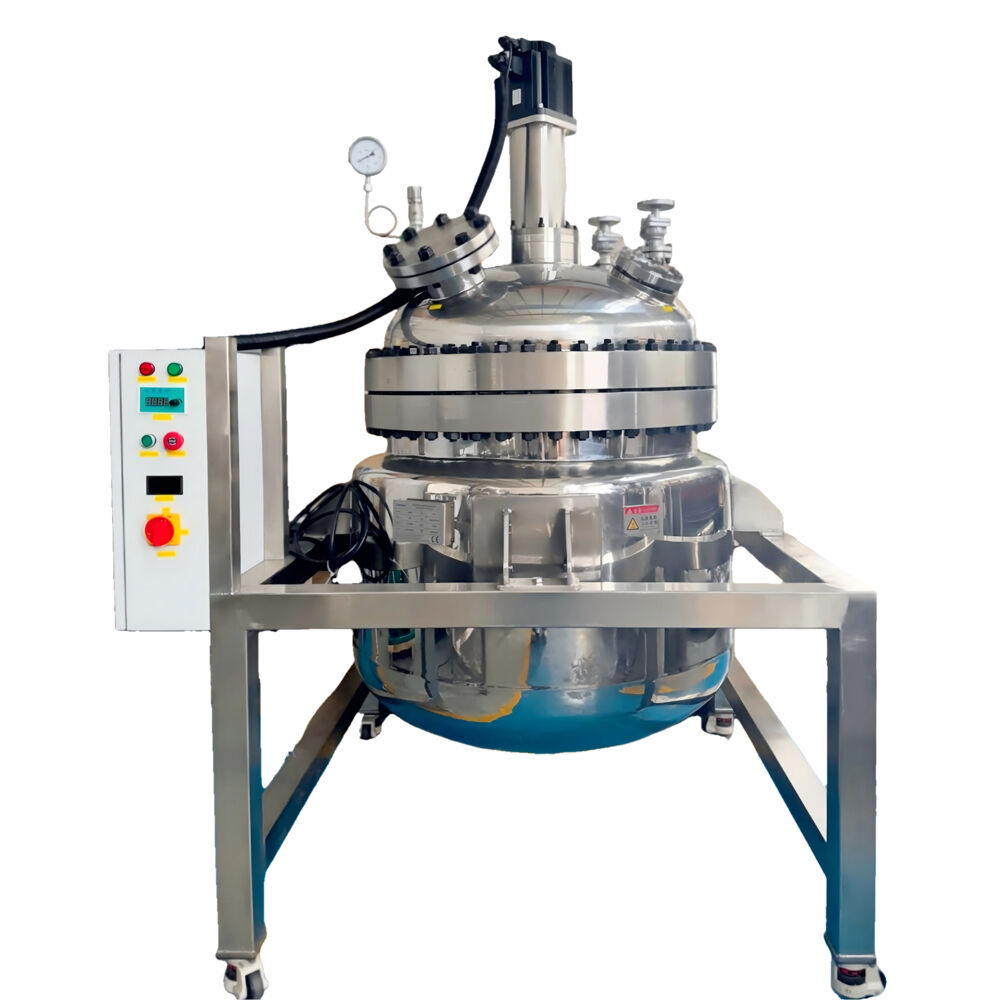
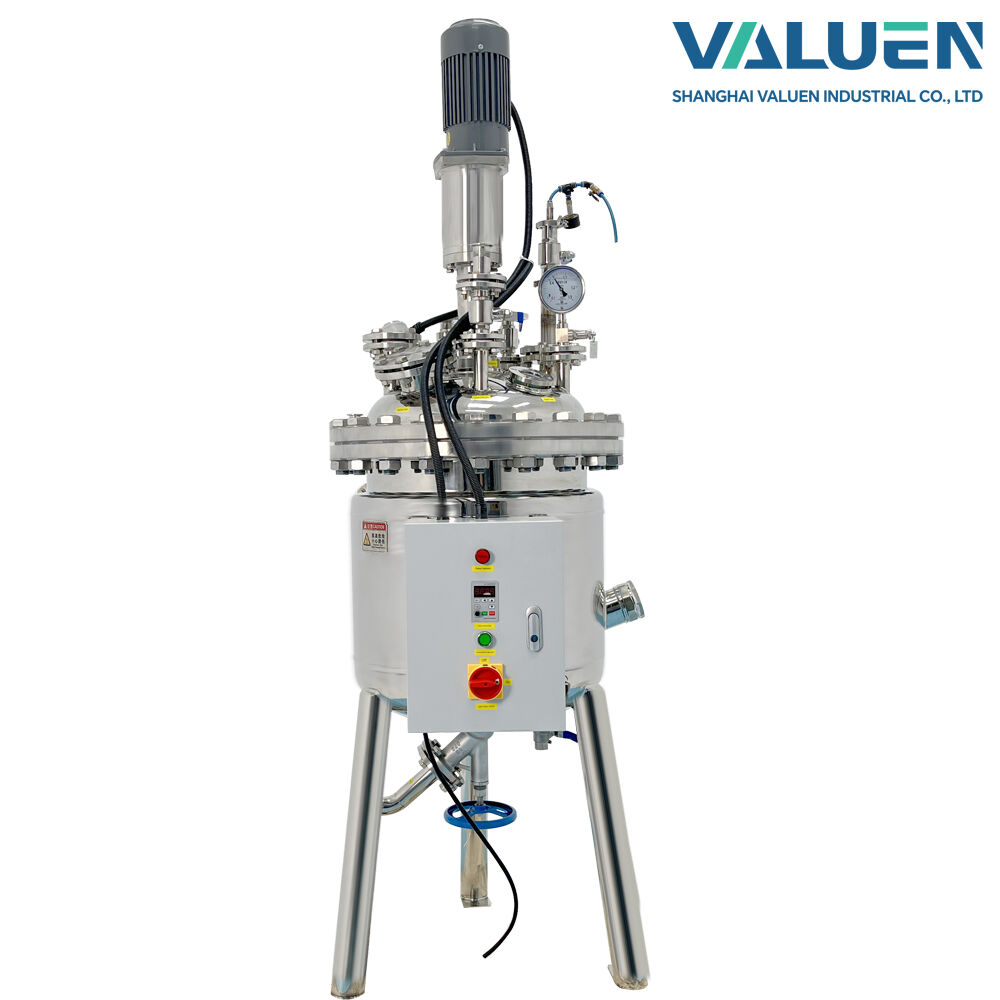
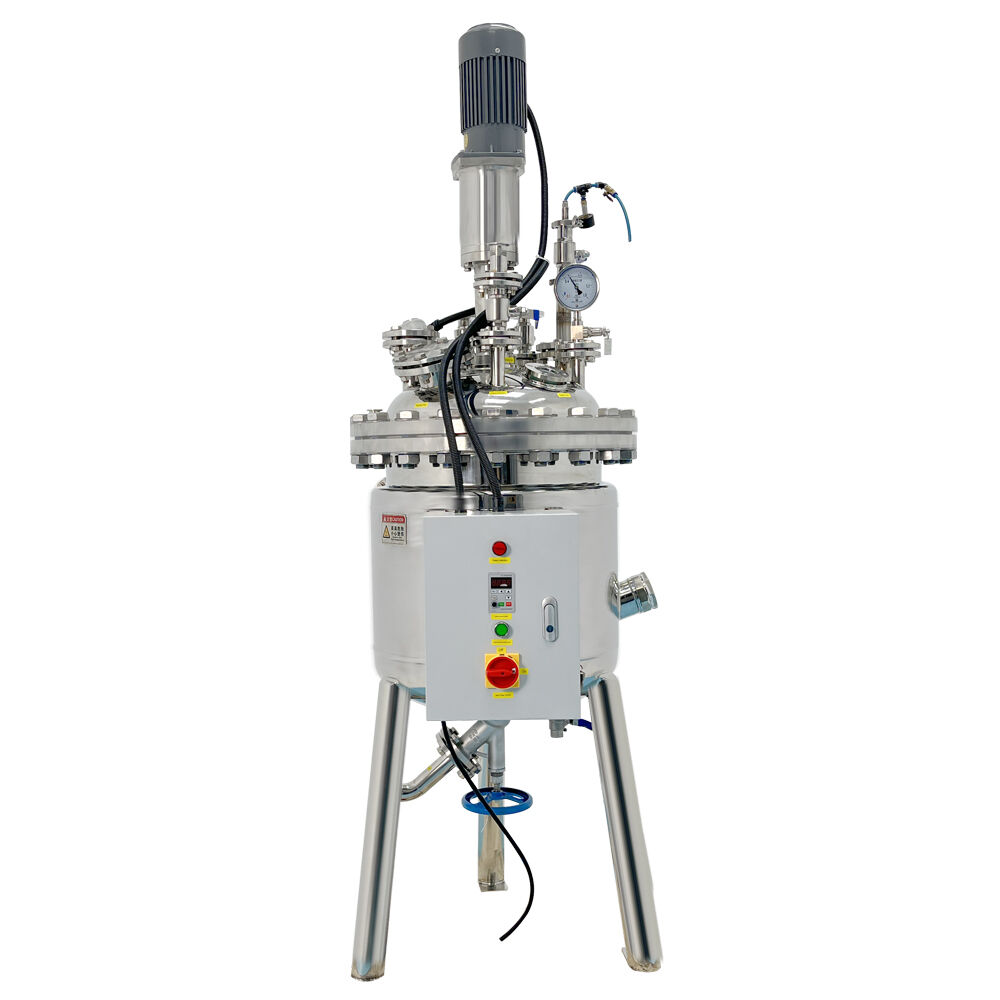
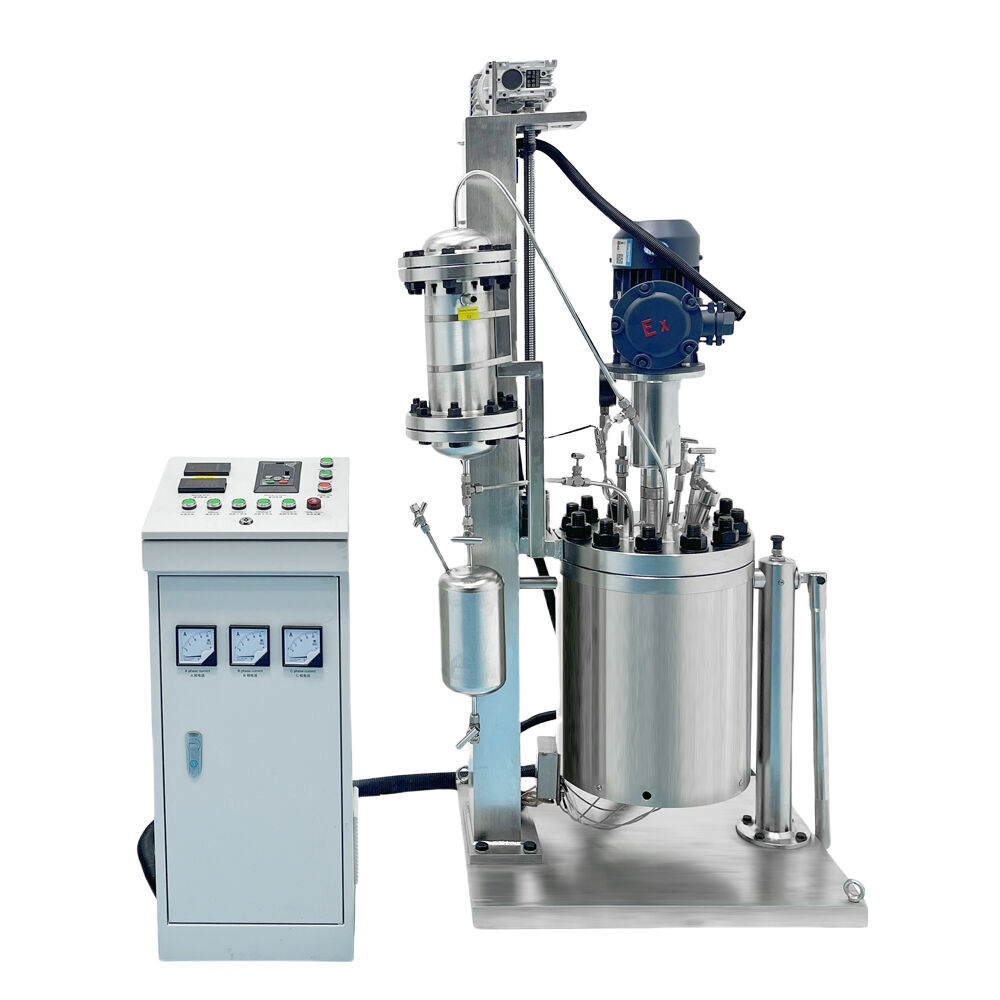
high pressure reactor
A high pressure reactor represents a crucial piece of industrial equipment designed to facilitate chemical reactions under elevated pressure conditions, typically ranging from several atmospheres to thousands of pounds per square inch. These sophisticated vessels serve as controlled environments where manufacturers can conduct various chemical processes that require specific pressure parameters to achieve optimal results. The primary function of a high pressure reactor involves creating and maintaining pressurized conditions while ensuring precise temperature control, enabling chemical transformations that would be impossible or inefficient under standard atmospheric conditions. Modern high pressure reactor systems incorporate advanced safety mechanisms, including pressure relief valves, rupture discs, and comprehensive monitoring systems that continuously track operational parameters. The technological features of these reactors include robust construction materials such as stainless steel alloys, Hastelloy, or specialized composites that can withstand extreme pressure differentials without compromising structural integrity. Advanced control systems integrate programmable logic controllers with sophisticated sensors to monitor pressure, temperature, flow rates, and chemical composition throughout the reaction process. Applications for high pressure reactor technology span numerous industries, including petrochemicals, pharmaceuticals, specialty chemicals, food processing, and materials science. In petrochemical manufacturing, these reactors enable hydrogenation processes, polymerization reactions, and catalyst development under controlled high-pressure environments. Pharmaceutical companies utilize high pressure reactor systems for synthesizing active pharmaceutical ingredients, conducting crystallization processes, and developing novel drug formulations. The food industry employs these systems for extraction processes, sterilization procedures, and creating specialized food products through pressure-assisted chemical modifications. Research institutions and universities rely on high pressure reactor technology for investigating reaction kinetics, developing new materials, and exploring innovative chemical pathways that require precise pressure control for successful outcomes.
 EN
EN