High Pressure Reactor Vessel: Advanced Chemical Processing Equipment for Enhanced Industrial Performance

Get a Free Quote

Our representative will contact you soon.
Email
Name
Contact Number
Company Name
Message
0/1000

high pressure reactor vessel

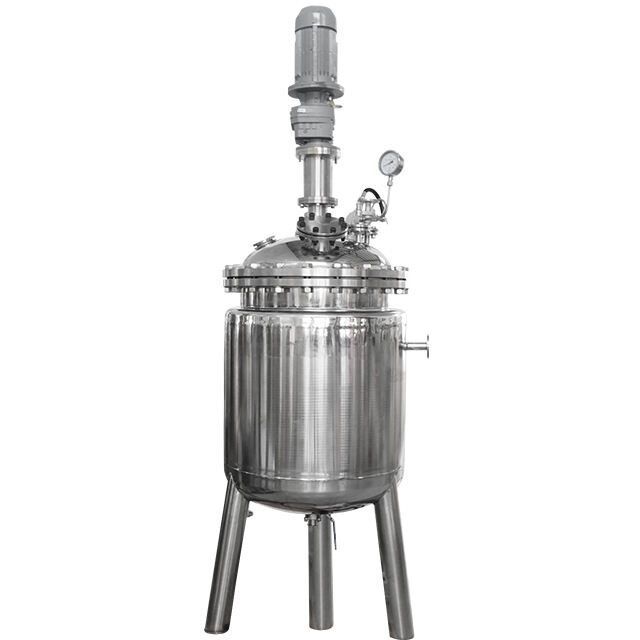
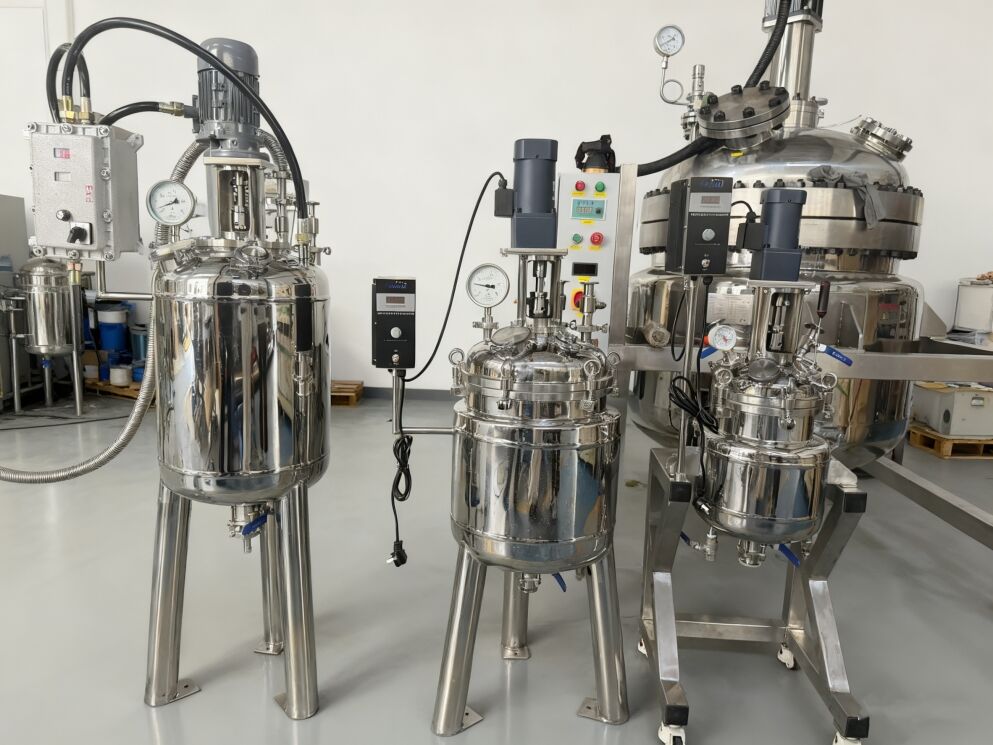
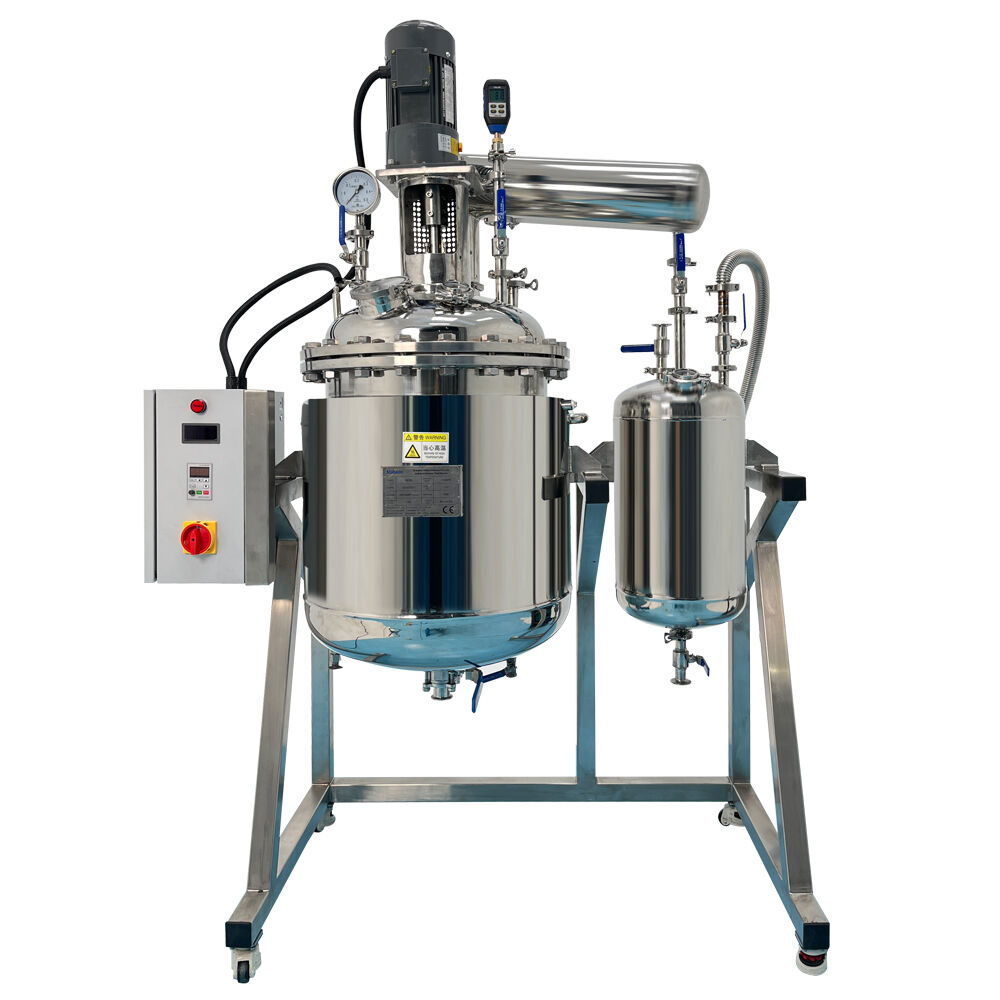
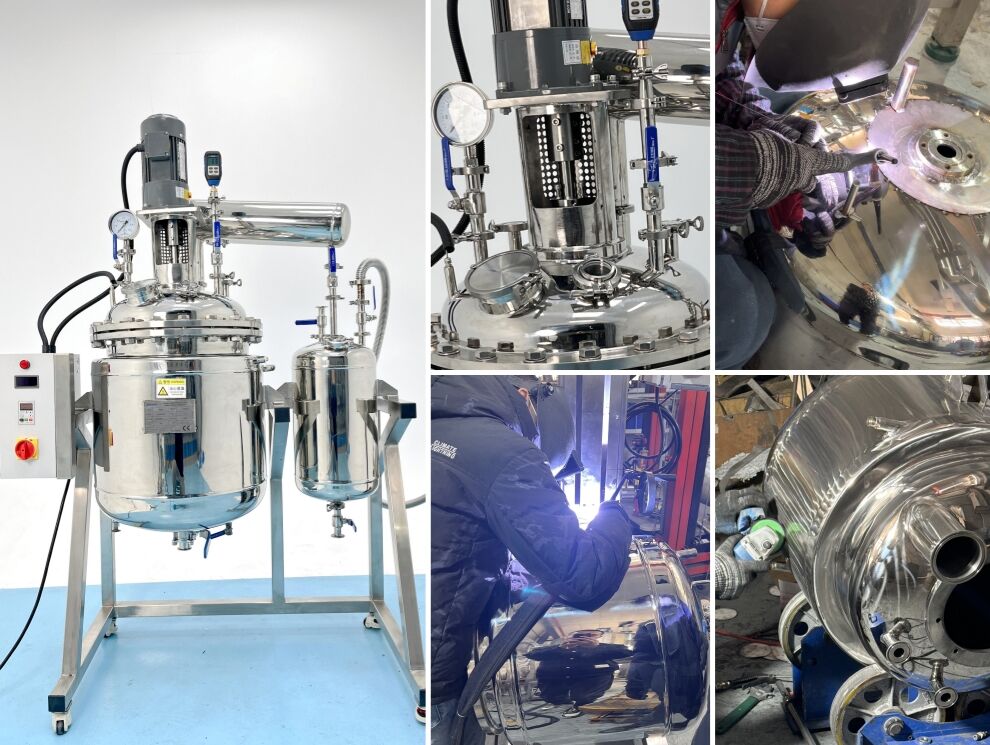
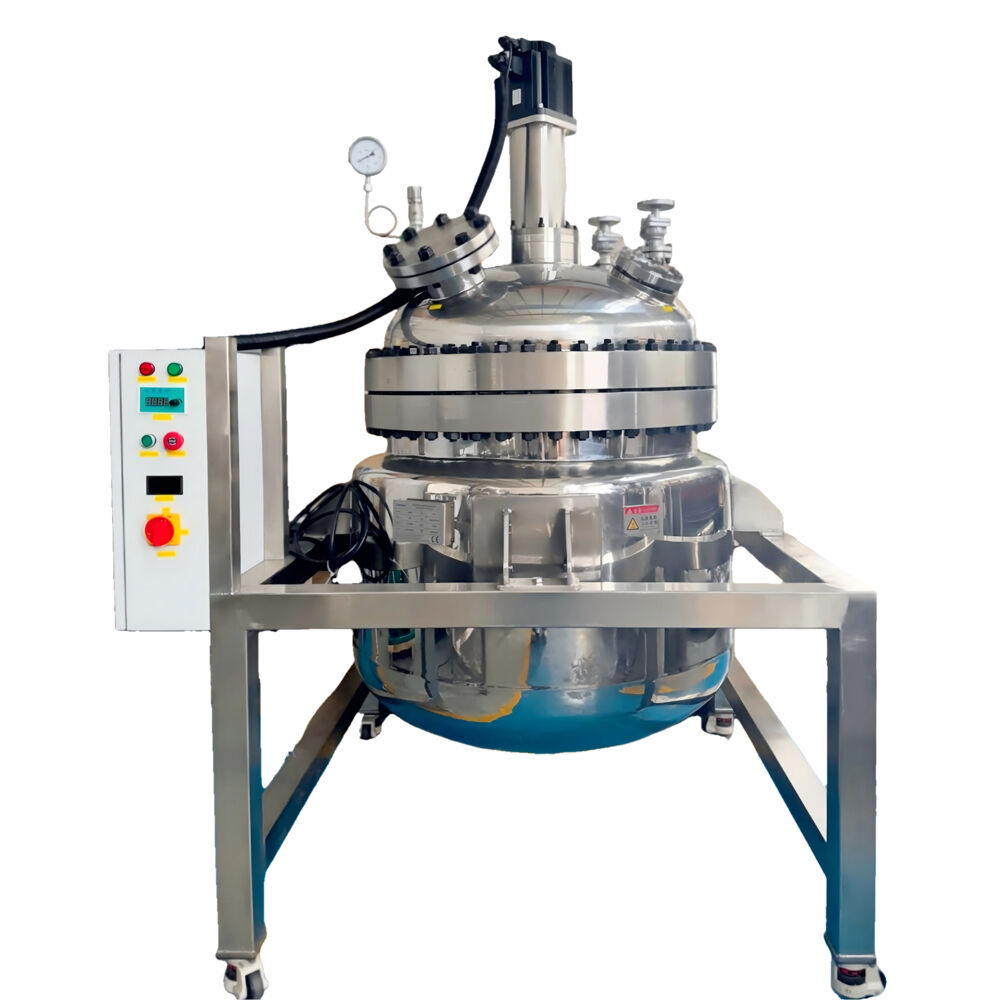
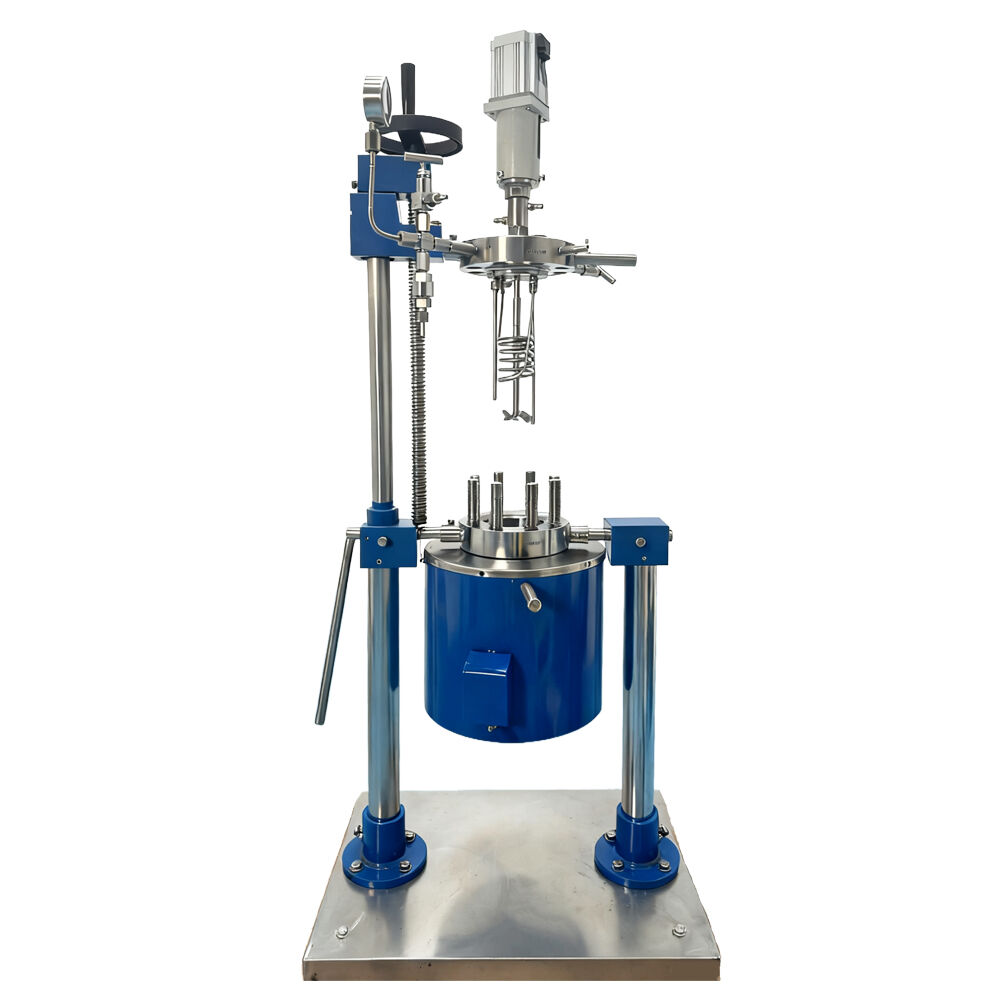
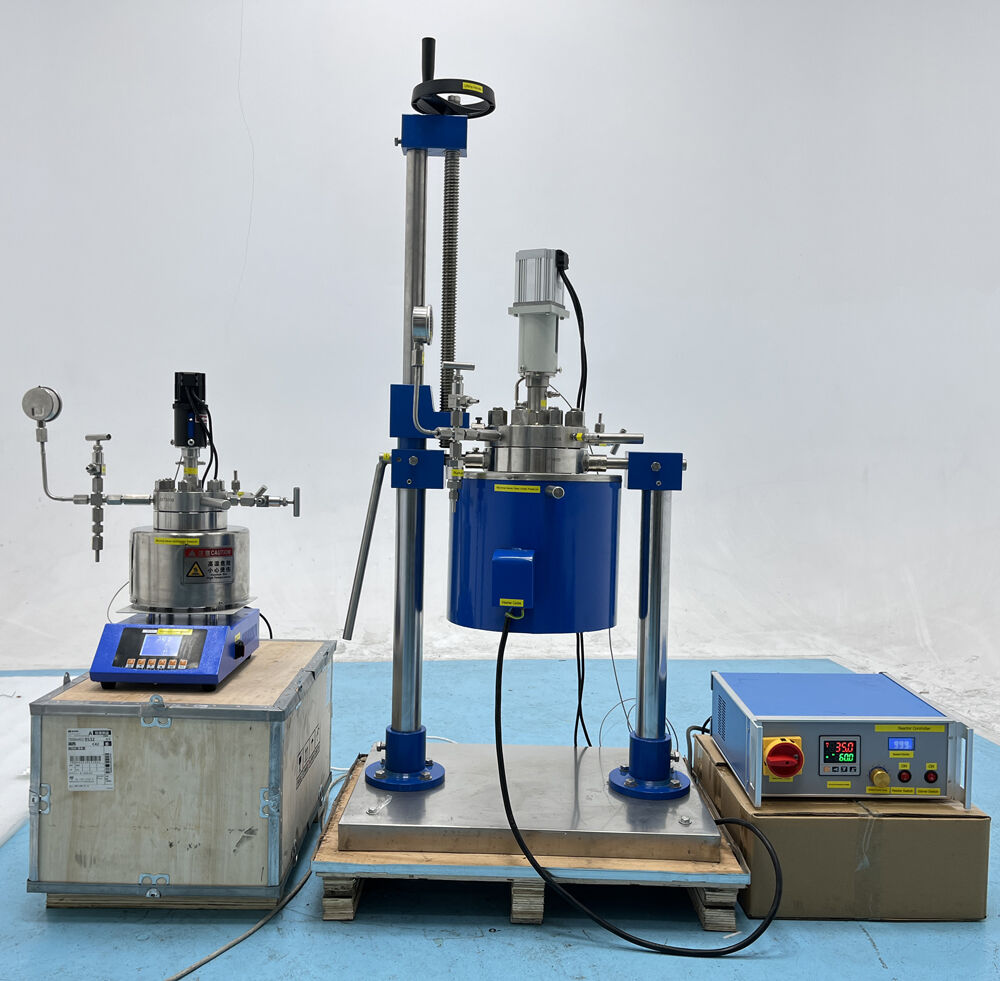
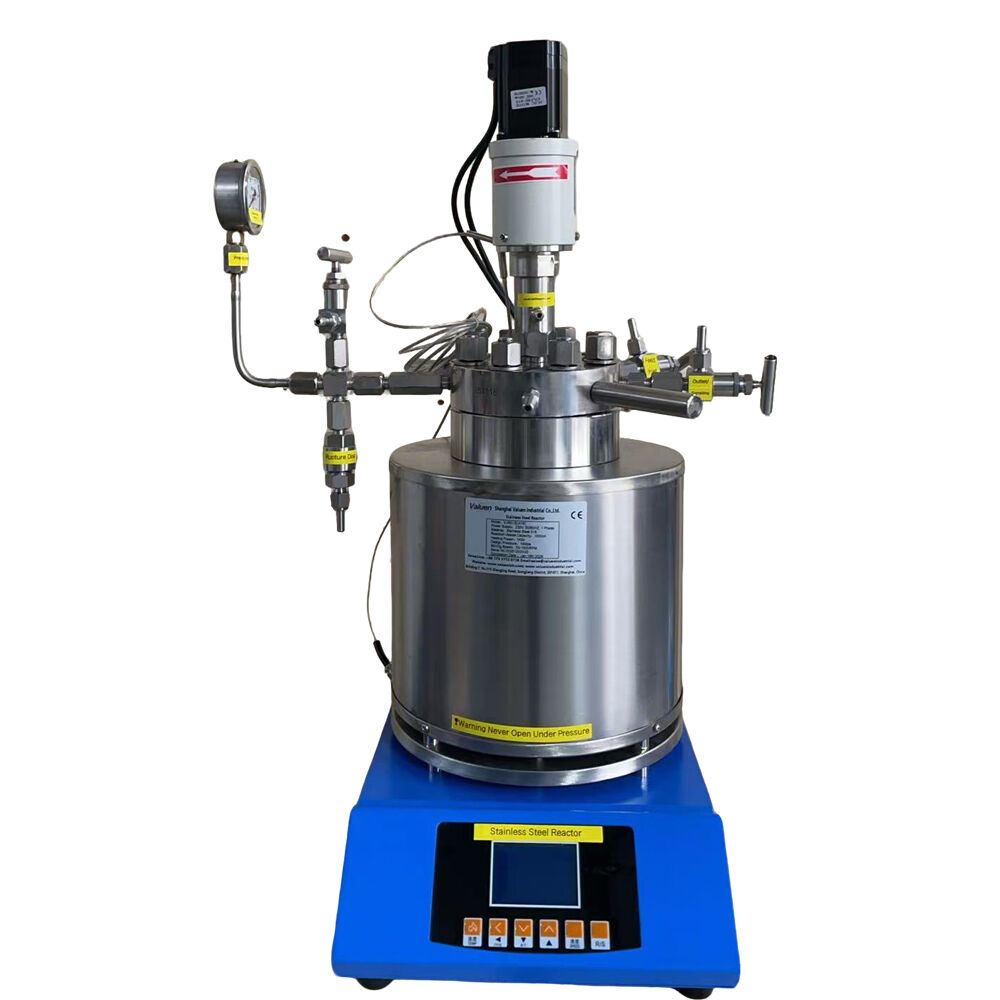
A high pressure reactor vessel represents a critical component in chemical processing and manufacturing industries, designed to safely contain and facilitate reactions under extreme pressure conditions. These specialized containers operate at pressures significantly exceeding atmospheric levels, typically ranging from 150 PSI to several thousand PSI, depending on the specific application requirements. The high pressure reactor vessel serves as the cornerstone for numerous industrial processes, including hydrogenation, polymerization, crystallization, and various chemical synthesis operations that demand controlled high-pressure environments. The vessel construction incorporates robust materials such as stainless steel, carbon steel, or exotic alloys, carefully selected to withstand both pressure stress and chemical corrosion. Modern high pressure reactor vessel designs feature sophisticated control systems that monitor temperature, pressure, agitation speed, and reaction progress in real-time. These vessels typically include multiple ports for feed introduction, product withdrawal, sampling, and instrumentation integration. The reactor geometry can vary from simple cylindrical designs to complex configurations with internal baffles, heat exchange coils, and specialized mixing elements. Safety considerations remain paramount in high pressure reactor vessel design, incorporating pressure relief systems, rupture discs, and emergency shutdown mechanisms. The vessels undergo rigorous testing and certification processes to ensure compliance with international pressure vessel codes and safety standards. Advanced high pressure reactor vessel systems often integrate automated control systems that can precisely regulate reaction conditions, optimize yield, and ensure consistent product quality. These vessels find extensive applications across pharmaceutical manufacturing, petrochemical processing, specialty chemical production, and research and development facilities. The scalability of high pressure reactor vessel technology allows for seamless transition from laboratory-scale research to full commercial production, maintaining process integrity throughout scale-up operations.

New Products

High pressure reactor vessel technology delivers substantial operational benefits that directly impact manufacturing efficiency and product quality. These vessels enable chemical reactions that are impossible under standard atmospheric conditions, opening new pathways for product development and process optimization. The controlled high-pressure environment accelerates reaction rates significantly, reducing processing time from hours to minutes in many applications. This time compression translates into higher throughput and increased production capacity without requiring additional floor space or equipment investment. The enhanced mass transfer characteristics within high pressure reactor vessel systems improve reaction selectivity and yield, resulting in higher quality products with fewer impurities and by-products. This improved selectivity reduces downstream purification requirements, lowering overall processing costs and environmental impact. Energy efficiency represents another major advantage of high pressure reactor vessel operations. The accelerated reaction kinetics reduce heating requirements, while the compact design minimizes heat losses compared to traditional atmospheric pressure systems. Many processes achieve better atom economy under high pressure conditions, maximizing raw material utilization and minimizing waste generation. The precise control capabilities of modern high pressure reactor vessel systems ensure consistent batch-to-batch reproducibility, critical for maintaining product specifications and regulatory compliance. These vessels accommodate a wide range of reaction types, from simple mixing operations to complex multi-step synthesis processes, providing operational flexibility that adapts to changing production requirements. The robust construction of high pressure reactor vessel systems ensures long service life with minimal maintenance requirements, providing excellent return on investment. Advanced monitoring and control systems reduce operator intervention, minimizing labor costs while improving safety outcomes. The sealed environment of high pressure reactor vessel operations prevents solvent losses and eliminates emissions, supporting environmental sustainability goals. These systems handle hazardous materials safely, protecting workers and surrounding communities while maintaining regulatory compliance. The scalability of high pressure reactor vessel technology supports business growth, allowing manufacturers to increase production capacity efficiently as market demand expands.

Practical Tips

Why Jacketed Glass Reactors are Essential for Your Lab

29

Oct

Why Jacketed Glass Reactors are Essential for Your Lab

Superior Temperature Control for Consistent Reaction ConditionsJacketed glass reactors achieve ±0.5°C temperature stability through their double-wall design, ensuring precise and consistent reaction conditions critical for sensitive chemic...
View More
How to Choose the Right Stainless Steel Reactor for Pharmaceutical Production

12

Nov

How to Choose the Right Stainless Steel Reactor for Pharmaceutical Production

Selecting the appropriate stainless steel reactor for pharmaceutical production is a critical decision that directly impacts product quality, manufacturing efficiency, and regulatory compliance. The pharmaceutical industry demands exceptional standar...
View More
How to Optimize Reactor Performance with Stainless Steel Material Selection and Mixing Design

12

Nov

How to Optimize Reactor Performance with Stainless Steel Material Selection and Mixing Design

Industrial chemical processing demands precise control over reaction conditions, temperature management, and material compatibility. The selection of appropriate reactor systems significantly impacts product quality, operational efficiency, and long-...
View More
What Design Features Matter in a Rotary and Liftable Stainless Steel Reactor?

20

Jan

What Design Features Matter in a Rotary and Liftable Stainless Steel Reactor?

Modern industrial chemical processing demands precision, efficiency, and reliability in every piece of equipment. Among the most critical components in pharmaceutical, chemical, and biotechnology manufacturing is the rotary and liftable stainless ste...
View More

Get a Free Quote

Our representative will contact you soon.
Email
Name
Contact Number
Company Name
Message
0/1000

high pressure reactor vessel

Advanced Pressure Management and Safety Systems

Advanced Pressure Management and Safety Systems

The sophisticated pressure management capabilities of high pressure reactor vessel systems represent a fundamental advantage that sets these units apart from conventional processing equipment. These vessels incorporate multi-layered safety systems designed to operate reliably under extreme conditions while protecting personnel and equipment from potential hazards. The pressure control architecture features precision regulators, automated monitoring systems, and fail-safe mechanisms that maintain optimal operating conditions throughout the reaction cycle. Primary pressure control utilizes advanced electronic systems that can adjust pressure setpoints with incredible accuracy, typically within 0.1% of the target value. This precision enables manufacturers to optimize reaction conditions for maximum yield and selectivity while maintaining consistent product quality. The high pressure reactor vessel design includes redundant safety systems, with primary and backup pressure relief valves calibrated to prevent over-pressurization. Emergency shutdown systems can rapidly depressurize the vessel if abnormal conditions are detected, protecting both equipment and personnel. Modern high pressure reactor vessel installations feature comprehensive monitoring networks that track pressure trends, identify potential issues before they become critical, and provide real-time data for process optimization. The pressure rating of these vessels typically exceeds operational requirements by significant safety margins, ensuring reliable performance even under upset conditions. Advanced materials science has enabled the development of high pressure reactor vessel components that maintain structural integrity under repeated pressure cycling, extending equipment life and reducing maintenance costs. The pressure management systems integrate seamlessly with overall process control networks, enabling automated optimization of reaction parameters based on real-time feedback. These capabilities allow operators to explore new operating regimes safely, potentially discovering improved process conditions that enhance productivity and product quality. The robust pressure containment design of high pressure reactor vessel systems provides confidence for processing reactive or hazardous materials that require careful handling under controlled conditions.
Superior Heat Transfer and Temperature Control

Superior Heat Transfer and Temperature Control

The exceptional thermal management capabilities of high pressure reactor vessel systems provide critical advantages for temperature-sensitive reactions and processes requiring precise thermal control. These vessels incorporate advanced heat exchange technologies that deliver rapid heating and cooling rates while maintaining uniform temperature distribution throughout the reaction mixture. The high pressure reactor vessel design typically features integrated heating and cooling systems, including jacket cooling, internal coils, or external heat exchangers that provide superior thermal response compared to atmospheric pressure systems. The enhanced heat transfer coefficient achieved under high pressure conditions significantly improves thermal efficiency, reducing energy consumption while enabling faster temperature transitions. This rapid thermal response allows operators to implement precise temperature profiles, including step changes, ramps, and complex cycling patterns that optimize reaction performance. The high pressure reactor vessel construction materials, typically high-grade stainless steel or specialized alloys, provide excellent thermal conductivity while maintaining chemical compatibility with a broad range of reaction media. Advanced insulation systems minimize heat losses to the environment, improving energy efficiency and reducing operating costs. The compact geometry of high pressure reactor vessel systems creates favorable surface-to-volume ratios that enhance heat transfer effectiveness, enabling rapid temperature adjustments that would be impossible in larger atmospheric pressure systems. Temperature control accuracy within these vessels typically achieves tolerances of ±1°C or better, critical for reactions sensitive to temperature variations. The thermal management systems integrate sophisticated control algorithms that can automatically adjust heating and cooling inputs based on reaction exotherms or endotherms, maintaining optimal conditions without operator intervention. Multiple temperature measurement points throughout the high pressure reactor vessel provide comprehensive thermal monitoring, ensuring uniform temperature distribution and early detection of hotspots or thermal gradients. The ability to perform rapid quench cooling under high pressure conditions enables operators to precisely control reaction endpoints, improving product selectivity and reducing formation of unwanted by-products. These thermal capabilities extend the range of feasible reactions and processing conditions, opening new opportunities for process intensification and product development.
Enhanced Mass Transfer and Mixing Performance

Enhanced Mass Transfer and Mixing Performance

The superior mass transfer and mixing characteristics of high pressure reactor vessel systems deliver significant process advantages that directly impact reaction efficiency and product quality. Under high pressure conditions, increased fluid density and reduced gas bubble size create optimal conditions for multi-phase reactions, particularly those involving gas-liquid or gas-liquid-solid systems. The high pressure reactor vessel design incorporates advanced agitation systems specifically engineered to operate effectively under elevated pressure conditions while providing thorough mixing throughout the reaction volume. High-efficiency impeller designs, including axial flow, radial flow, and specialized geometries, ensure complete mixing even in viscous reaction media or systems with challenging rheological properties. The enhanced dissolution rates achieved in high pressure reactor vessel systems dramatically improve the availability of gaseous reactants, accelerating reaction kinetics and improving overall conversion efficiency. Mass transfer coefficients in these systems can be several times higher than those achieved in atmospheric pressure reactors, enabling the use of smaller reactor volumes for equivalent production rates. The improved mixing performance of high pressure reactor vessel systems ensures uniform distribution of reactants, catalysts, and additives, resulting in more consistent product quality and reduced batch-to-batch variation. Advanced computational fluid dynamics modeling guides the design of internal components to optimize flow patterns and minimize dead zones or areas of poor mixing. The high pressure reactor vessel configuration typically includes multiple feed points and injection systems that enable precise control of reactant addition rates and locations, optimizing reaction selectivity and yield. Sophisticated monitoring systems can track mixing effectiveness through various parameters, including power consumption, torque measurements, and in-situ concentration monitoring. The ability to maintain intimate contact between phases under high pressure conditions enables the use of novel reaction pathways and catalyst systems that are not feasible under atmospheric conditions. These enhanced mixing capabilities support process intensification strategies, allowing manufacturers to achieve higher productivity in smaller equipment footprints while maintaining or improving product quality standards. The combination of superior mass transfer and precise mixing control creates opportunities for developing more efficient and sustainable manufacturing processes.

Get a Free Quote

Our representative will contact you soon.
Email
Name
Contact Number
Company Name
Message
0/1000