All Glass Reactor: Advanced Chemical Processing Equipment for Laboratory and Industrial Applications

Get a Free Quote

Our representative will contact you soon.
Email
Name
Contact Number
Company Name
Message
0/1000

all glass reactor

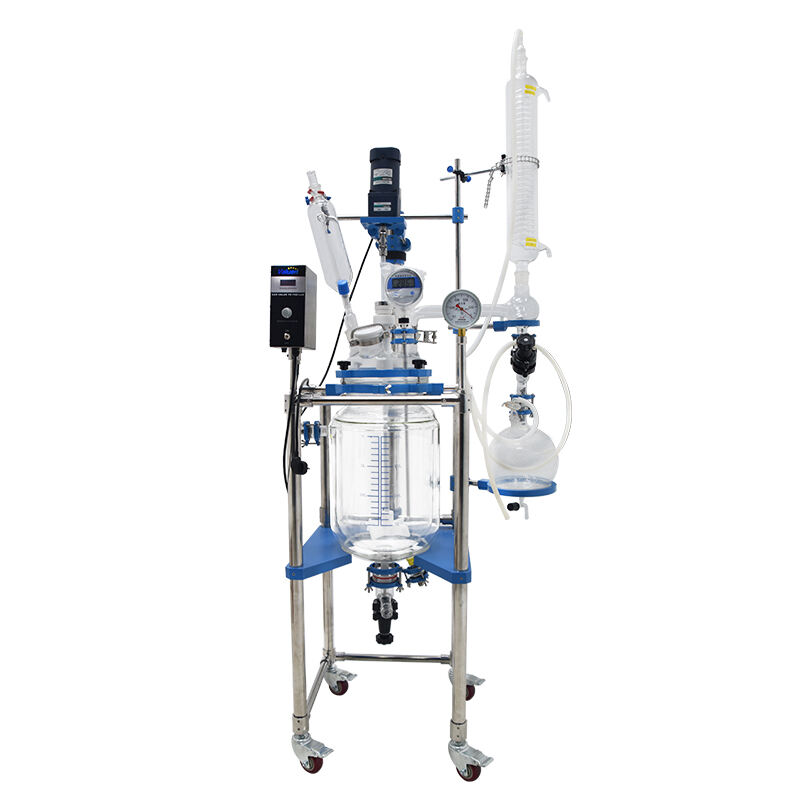
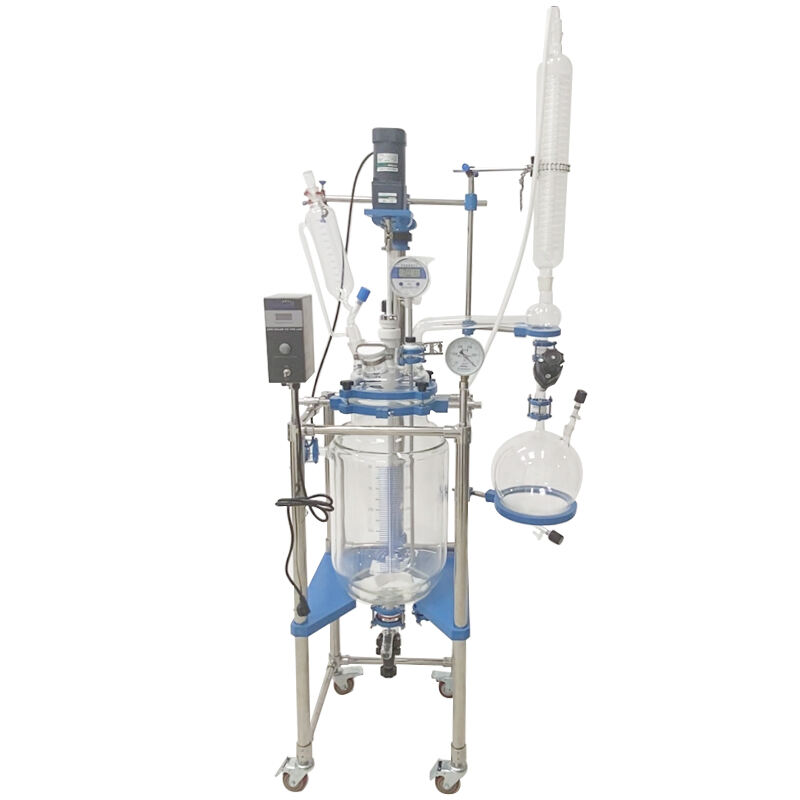
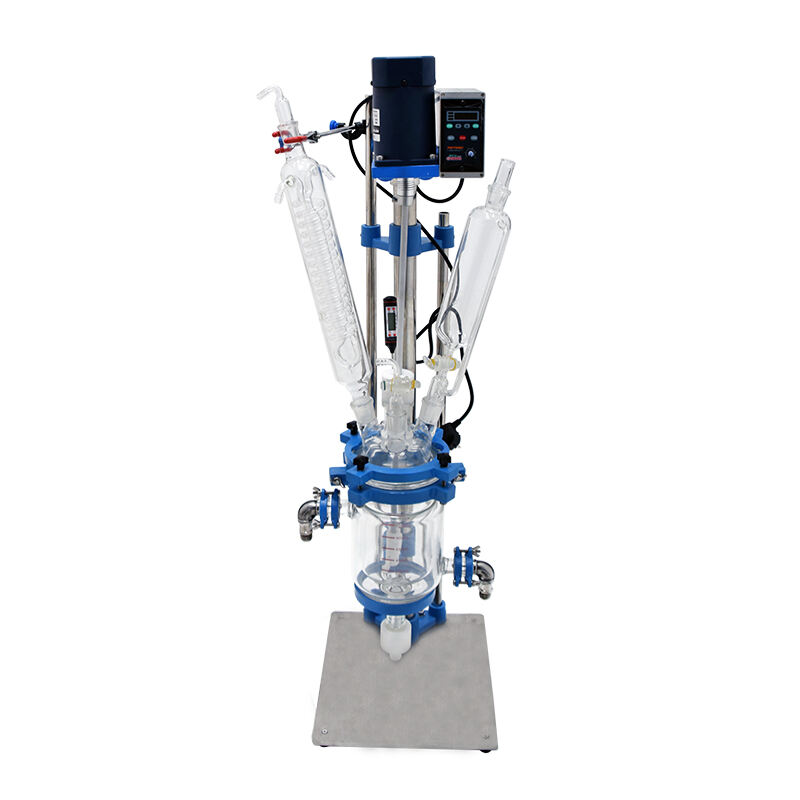
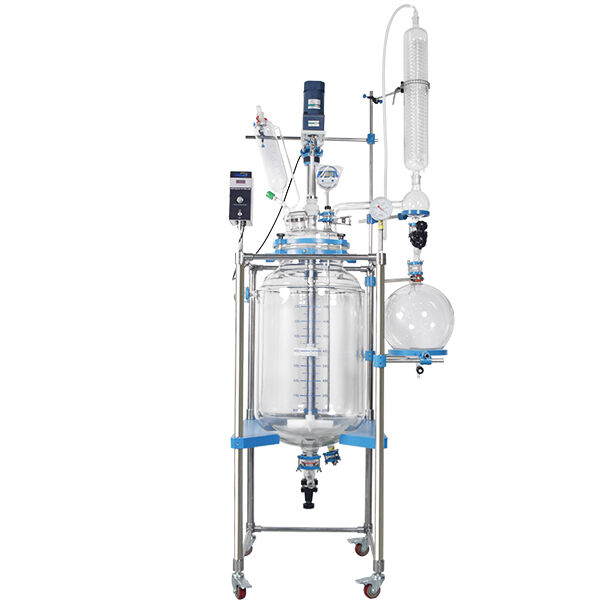
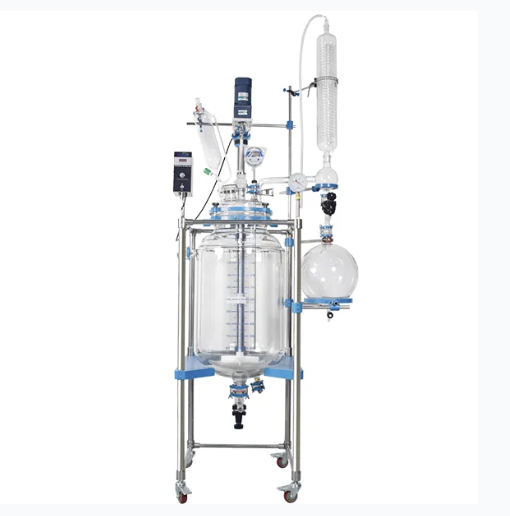
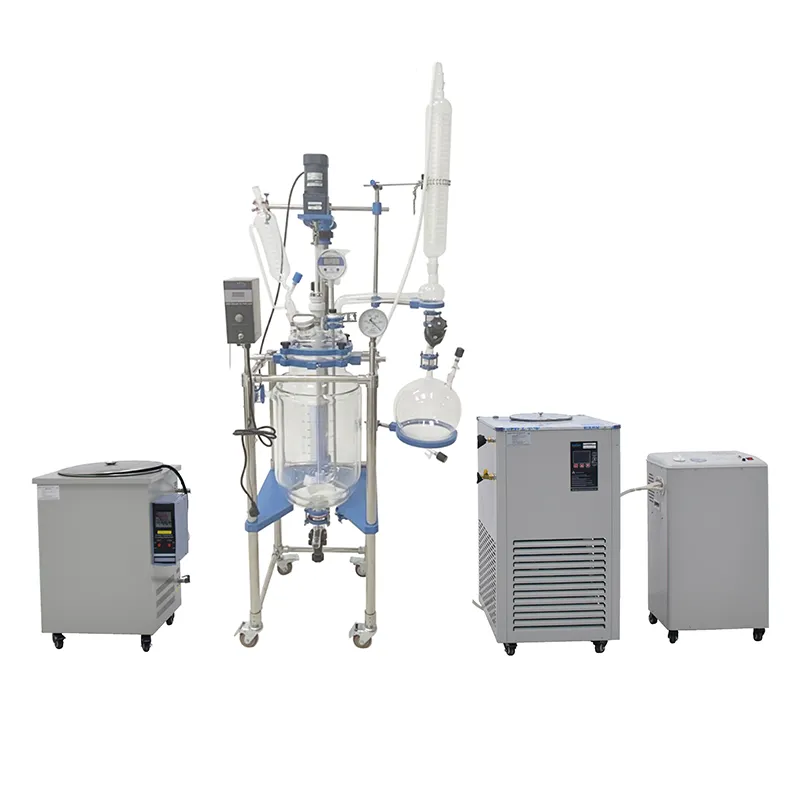
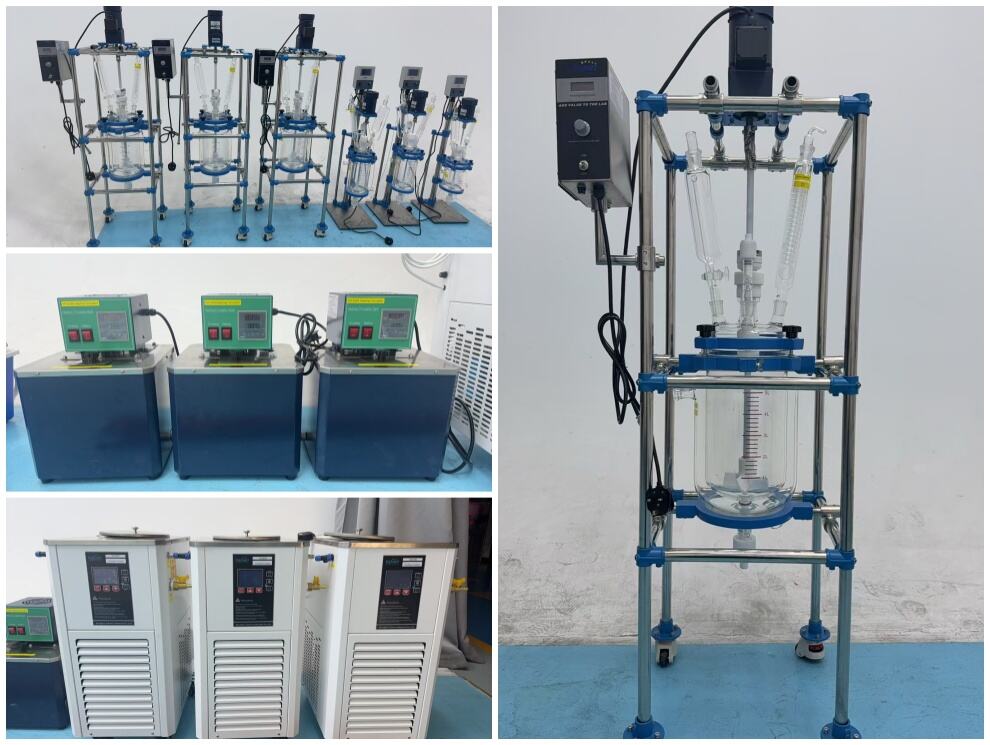
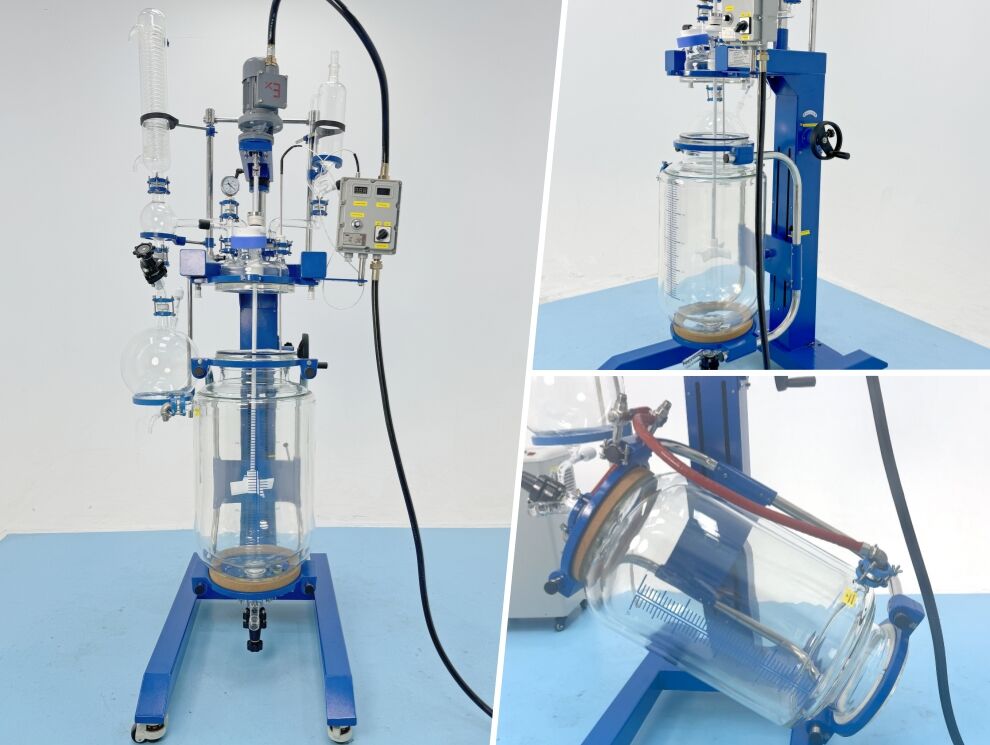
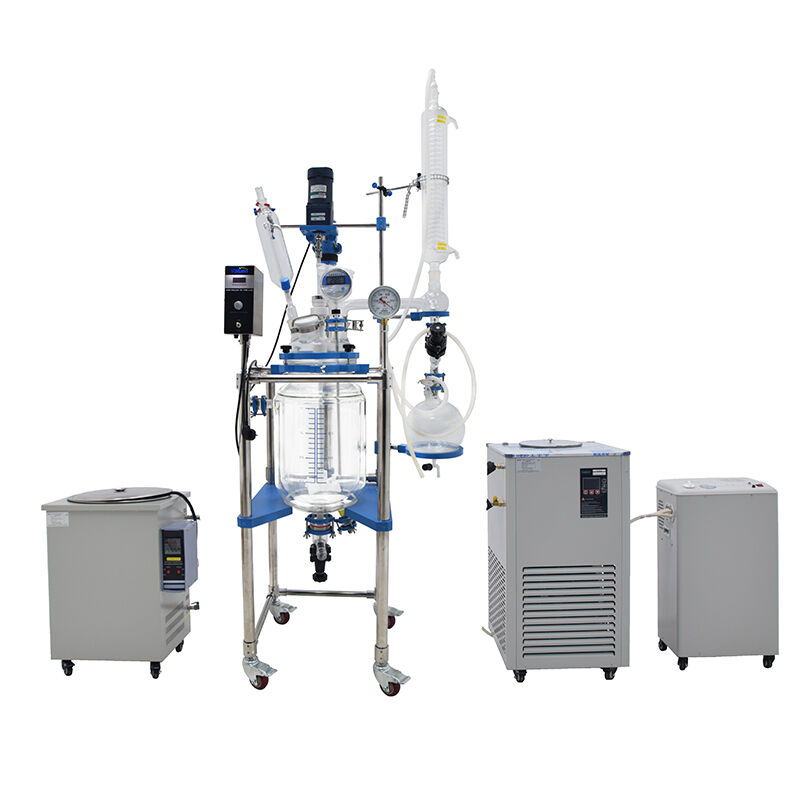
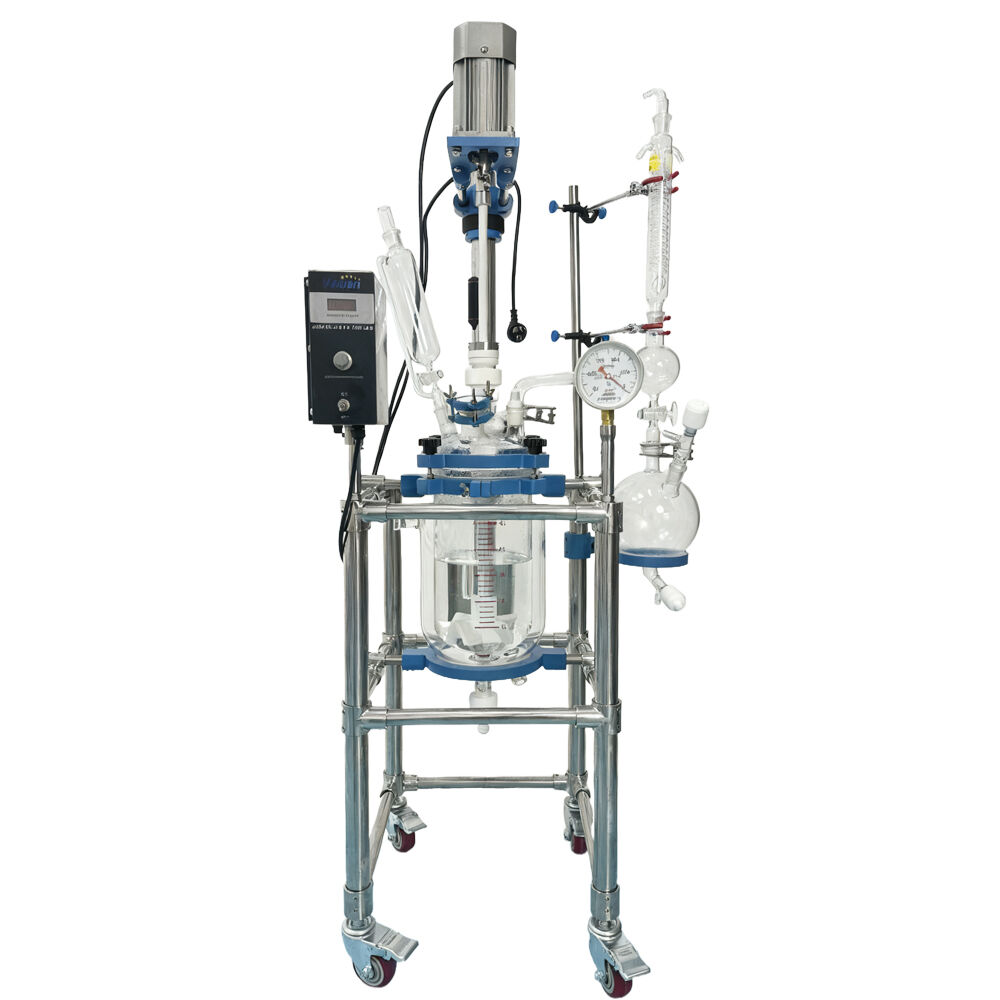
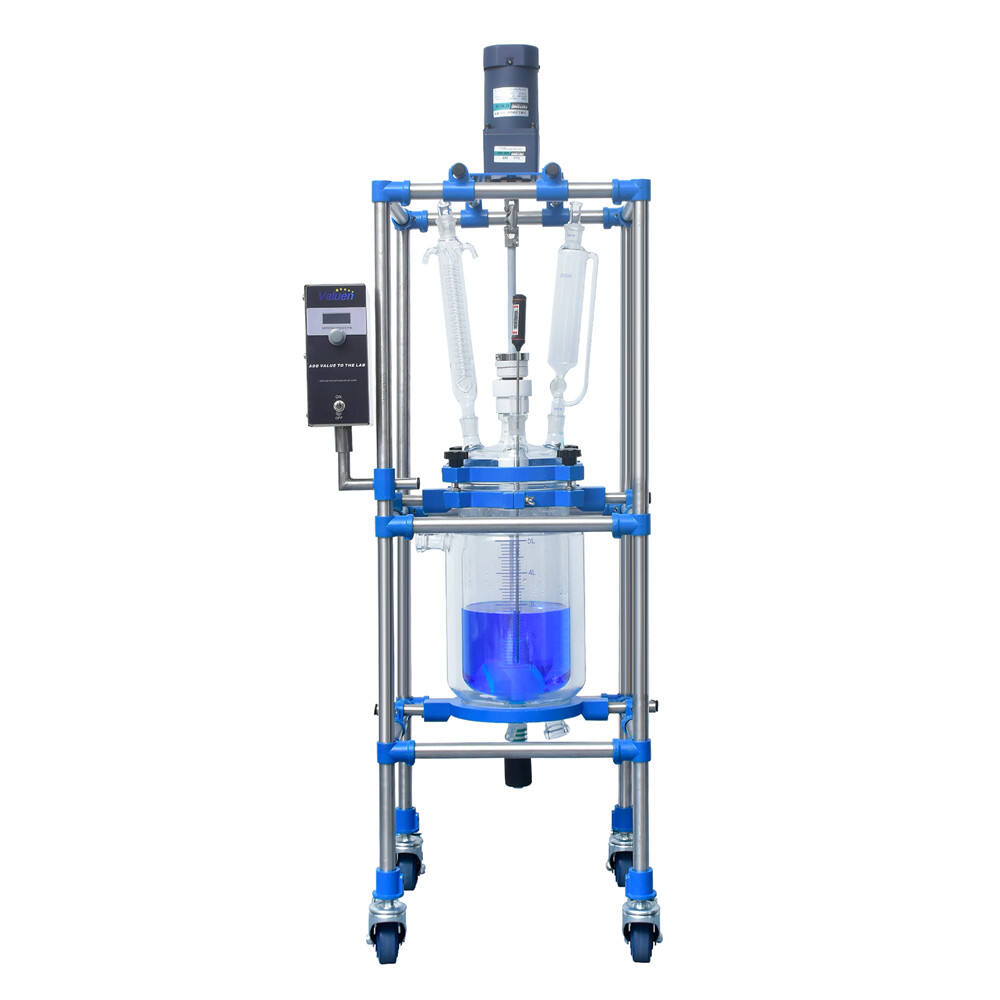
The all glass reactor stands as a revolutionary piece of laboratory equipment designed for chemical synthesis, pharmaceutical development, and research applications. This sophisticated apparatus features a completely transparent glass construction that allows researchers to monitor reactions in real-time while maintaining precise control over experimental conditions. The all glass reactor incorporates advanced borosilicate glass materials that provide exceptional chemical resistance and thermal stability, making it suitable for a wide range of chemical processes. The reactor's design includes multiple ports for temperature sensors, addition funnels, condensers, and sampling devices, enabling comprehensive reaction monitoring and control. The all glass reactor typically operates under various pressure and temperature conditions, accommodating both atmospheric and vacuum processes. Its modular design allows for easy customization based on specific experimental requirements, with interchangeable components that enhance versatility. The reactor features precise stirring mechanisms that ensure uniform mixing and heat distribution throughout the reaction vessel. Advanced temperature control systems maintain optimal reaction conditions while safety features protect operators and equipment. The all glass reactor's transparent construction eliminates contamination risks associated with metal reactors, particularly important in pharmaceutical and food-grade applications. The equipment supports various reaction types including crystallization, distillation, extraction, and polymerization processes. Modern all glass reactor systems integrate digital controls for automated operation, data logging, and remote monitoring capabilities. The reactor's design facilitates easy cleaning and maintenance, reducing downtime between experiments. Safety considerations include pressure relief systems, emergency shutdown procedures, and protective housing options. The all glass reactor represents an essential tool for research institutions, pharmaceutical companies, and chemical manufacturers seeking reliable, contamination-free reaction environments for their critical processes and product development initiatives.

New Product Recommendations

The all glass reactor offers numerous practical benefits that make it an invaluable investment for laboratories and research facilities. First, the transparent glass construction provides unmatched visibility, allowing operators to observe reaction progress, color changes, and phase separations without interrupting the process. This real-time monitoring capability saves time and reduces the risk of failed experiments by enabling immediate adjustments when necessary. The all glass reactor eliminates metal contamination concerns, which is crucial for pharmaceutical applications where purity standards are extremely strict. Unlike metal reactors, glass surfaces do not catalyze unwanted side reactions or introduce trace metals that could compromise product quality. The chemical inertness of borosilicate glass ensures compatibility with acids, bases, and organic solvents, expanding the range of possible reactions. Maintenance costs remain significantly lower compared to metal alternatives because glass surfaces resist corrosion and wear. The all glass reactor requires only standard cleaning procedures using common laboratory solvents and detergents, eliminating the need for specialized maintenance protocols. Temperature control accuracy improves dramatically due to glass's excellent thermal properties, which provide uniform heat distribution and rapid temperature response. This precision enables tighter control over reaction kinetics and product selectivity. The modular design of the all glass reactor allows easy scaling from small laboratory experiments to pilot plant operations without changing fundamental operating principles. Researchers can quickly reconfigure the system for different applications by swapping components like condensers, stirring assemblies, and heating mantles. Safety features integrated into modern all glass reactor designs protect both personnel and equipment. Pressure relief valves, temperature monitoring systems, and emergency shutdown capabilities prevent dangerous conditions from developing. The reactor's design facilitates easy cleaning validation, critical for facilities operating under regulatory oversight. Documentation and traceability improve because transparent construction allows photographic or video recording of reaction progress for quality control purposes. Energy efficiency surpasses traditional metal reactors because glass heating mantles provide direct, efficient heat transfer without thermal losses. The all glass reactor supports green chemistry initiatives by enabling solvent recovery and recycling through integrated distillation capabilities.

Tips And Tricks

What Makes a Stainless Steel Reactor Ideal for Chemical Processing Industries?

10

Nov

What Makes a Stainless Steel Reactor Ideal for Chemical Processing Industries?

Chemical processing industries demand equipment that delivers exceptional performance, durability, and safety standards. Among the various types of reactors available, the stainless steel reactor has emerged as the preferred choice for countless appl...
View More
How to Choose the Right Stainless Steel Reactor for Pharmaceutical Production

12

Nov

How to Choose the Right Stainless Steel Reactor for Pharmaceutical Production

Selecting the appropriate stainless steel reactor for pharmaceutical production is a critical decision that directly impacts product quality, manufacturing efficiency, and regulatory compliance. The pharmaceutical industry demands exceptional standar...
View More
How Does Fractional Distillation Improve Separation Accuracy in Production?

24

Dec

How Does Fractional Distillation Improve Separation Accuracy in Production?

Modern industrial production demands precise separation techniques to achieve high-purity compounds and maximize operational efficiency. Among various separation methods, fractional distillation stands as a cornerstone technology that significantly e...
View More
What Industries Benefit Most From Advanced Fractional Distillation Systems?

24

Dec

What Industries Benefit Most From Advanced Fractional Distillation Systems?

Industrial separation processes have evolved significantly over the past century, with fractional distillation equipment emerging as one of the most critical technologies for achieving high-purity separations. This sophisticated process leverages dif...
View More

Get a Free Quote

Our representative will contact you soon.
Email
Name
Contact Number
Company Name
Message
0/1000

all glass reactor

Superior Chemical Compatibility and Contamination Prevention

Superior Chemical Compatibility and Contamination Prevention

The all glass reactor delivers exceptional chemical compatibility that surpasses traditional metal reactor systems, making it the preferred choice for sensitive chemical processes and pharmaceutical manufacturing. The borosilicate glass construction exhibits remarkable resistance to chemical attack from acids, bases, and organic solvents, ensuring consistent performance across diverse reaction conditions. This chemical inertness prevents unwanted catalytic effects that metal surfaces often introduce, eliminating concerns about trace metal contamination that can compromise product purity and regulatory compliance. The all glass reactor's non-porous surface prevents absorption of reactants or products, eliminating cross-contamination between different batches or experiments. This feature proves particularly valuable in pharmaceutical development where even trace impurities can affect drug efficacy and safety profiles. The transparent construction allows immediate detection of any contamination sources, enabling rapid corrective action before compromising entire batches. Glass surfaces maintain their integrity over thousands of reaction cycles without degradation, unlike metal surfaces that may develop microscopic pitting or corrosion that harbors contaminants. The all glass reactor supports validation protocols required by regulatory agencies because its smooth, non-reactive surfaces can be thoroughly cleaned and inspected. Cleaning validation becomes straightforward due to visual confirmation of cleanliness, reducing analytical testing requirements and associated costs. The reactor's design facilitates steam sterilization and chemical sanitization procedures without material degradation. Advanced all glass reactor systems incorporate specialized glass formulations that enhance chemical resistance even further, accommodating aggressive reagents that would damage conventional materials. The absence of gaskets or seals in critical areas eliminates potential contamination sources and reduces maintenance requirements. This contamination prevention capability translates directly into higher product yields, improved quality consistency, and reduced waste generation. For industries operating under strict quality standards, the all glass reactor provides the reliability and purity assurance necessary for successful commercial operations while maintaining cost-effectiveness through reduced cleaning and validation procedures.
Real-Time Visual Monitoring and Process Control

Real-Time Visual Monitoring and Process Control

The all glass reactor revolutionizes chemical processing through its unparalleled visual monitoring capabilities that enable precise process control and optimization. The completely transparent construction provides researchers and operators with continuous, unobstructed observation of reaction progress, eliminating guesswork and enabling data-driven decision making throughout the experimental process. This visual access allows immediate detection of phase changes, precipitation events, color transitions, and foam formation that could indicate critical reaction milestones or potential safety concerns. The all glass reactor enables operators to observe mixing efficiency, heat distribution patterns, and mass transfer phenomena that remain hidden in opaque metal reactors. This visibility proves invaluable for optimizing stirring speeds, heating rates, and reagent addition sequences to maximize reaction efficiency and product quality. Real-time monitoring through the all glass reactor reduces experimental time by eliminating the need for frequent sampling and offline analysis to track reaction progress. Operators can make immediate adjustments to temperature, pressure, or reagent addition rates based on visual cues, preventing runaway reactions or incomplete conversions. The transparent construction facilitates photographic and video documentation of experiments, creating valuable records for process development, troubleshooting, and regulatory submissions. Advanced all glass reactor systems integrate with digital imaging systems that provide automated monitoring and alert capabilities when predetermined visual indicators occur. This technology enables unmanned operation during extended reactions while maintaining safety oversight. The visual monitoring advantage extends to educational applications where the all glass reactor serves as an excellent teaching tool, allowing students to observe fundamental chemical principles in action. Quality control procedures benefit significantly because visual confirmation supplements analytical testing, providing additional confidence in product consistency. The all glass reactor supports lean manufacturing principles by reducing waste through better process understanding and control. Operators develop intuitive understanding of optimal reaction conditions through repeated visual observation, leading to improved process robustness and reduced variability. This monitoring capability ultimately translates into higher product yields, shorter development cycles, and enhanced process safety through immediate recognition of abnormal conditions.
Exceptional Thermal Efficiency and Temperature Control

Exceptional Thermal Efficiency and Temperature Control

The all glass reactor demonstrates superior thermal performance that significantly enhances process control precision and energy efficiency compared to conventional reactor systems. The unique thermal properties of borosilicate glass enable rapid heat transfer and uniform temperature distribution throughout the reaction vessel, eliminating hot spots and temperature gradients that can cause uneven reactions or product degradation. This thermal efficiency stems from the direct contact heating approach used with glass reactors, where heating mantles conform closely to the vessel exterior, maximizing heat transfer surface area and minimizing thermal losses. The all glass reactor responds quickly to temperature changes, allowing precise control during critical reaction phases where temperature ramps or holds must be maintained within narrow tolerances. This responsiveness proves essential for temperature-sensitive reactions where precise kinetic control determines product selectivity and yield optimization. Advanced temperature control systems integrated with the all glass reactor provide exceptional accuracy, typically maintaining temperatures within plus or minus one degree Celsius of setpoints. The thermal mass of glass construction remains lower than metal alternatives, reducing energy requirements for heating and cooling cycles while enabling faster temperature transitions between reaction steps. The all glass reactor supports both heating and cooling applications through specialized heat exchange systems that maintain optimal reaction conditions regardless of whether processes are exothermic or endothermic in nature. Thermal shock resistance inherent in borosilicate glass construction allows rapid temperature changes without material failure, supporting processes requiring quick temperature adjustments or emergency cooling procedures. The reactor's thermal properties facilitate precise distillation and separation processes where temperature control directly affects separation efficiency and product purity levels. Energy consumption decreases substantially because the all glass reactor requires less power to maintain target temperatures due to superior insulation properties and reduced thermal losses. This efficiency translates into lower operating costs and reduced environmental impact through decreased energy consumption. The precise temperature control enabled by the all glass reactor improves process reproducibility and scalability, as thermal conditions can be accurately replicated across different reactor sizes and installations. Advanced thermal monitoring systems provide real-time temperature mapping throughout the reaction vessel, ensuring optimal conditions are maintained in all regions of the reactor and enabling fine-tuning of heat input for maximum efficiency.

Get a Free Quote

Our representative will contact you soon.
Email
Name
Contact Number
Company Name
Message
0/1000