Cylindrical Glass Reactor: Advanced Chemical Processing Equipment for Laboratory and Industrial Applications

Get a Free Quote

Our representative will contact you soon.
Email
Name
Contact Number
Company Name
Message
0/1000

cylindrical glass reactor

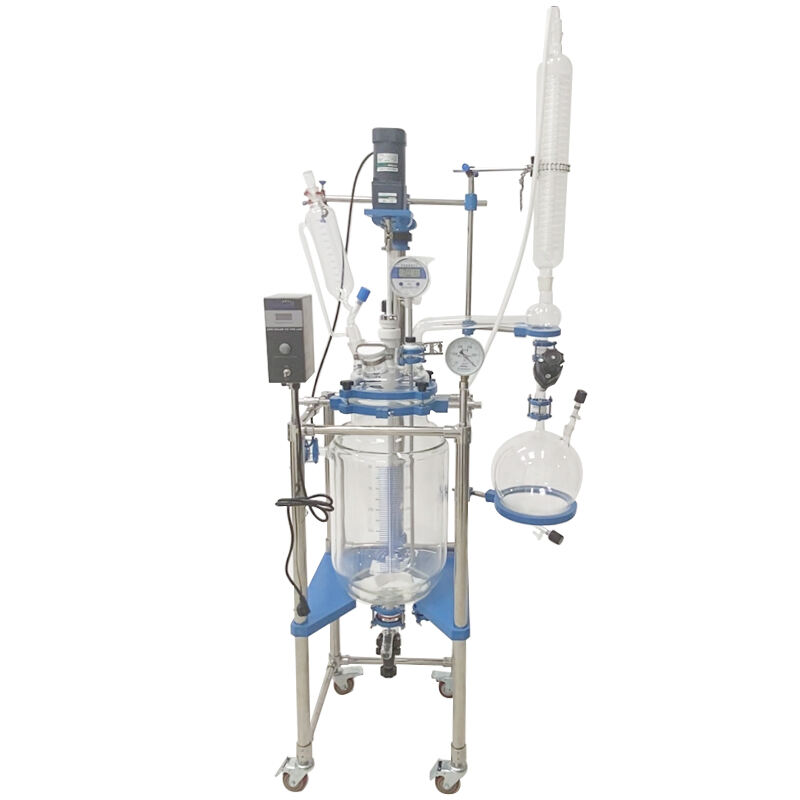
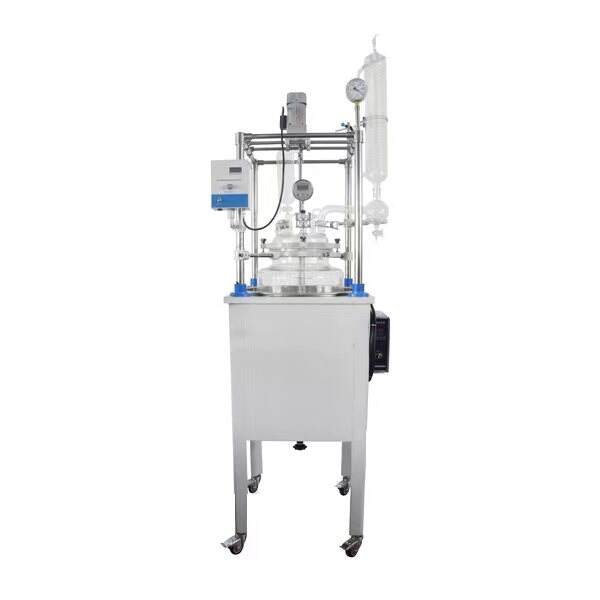
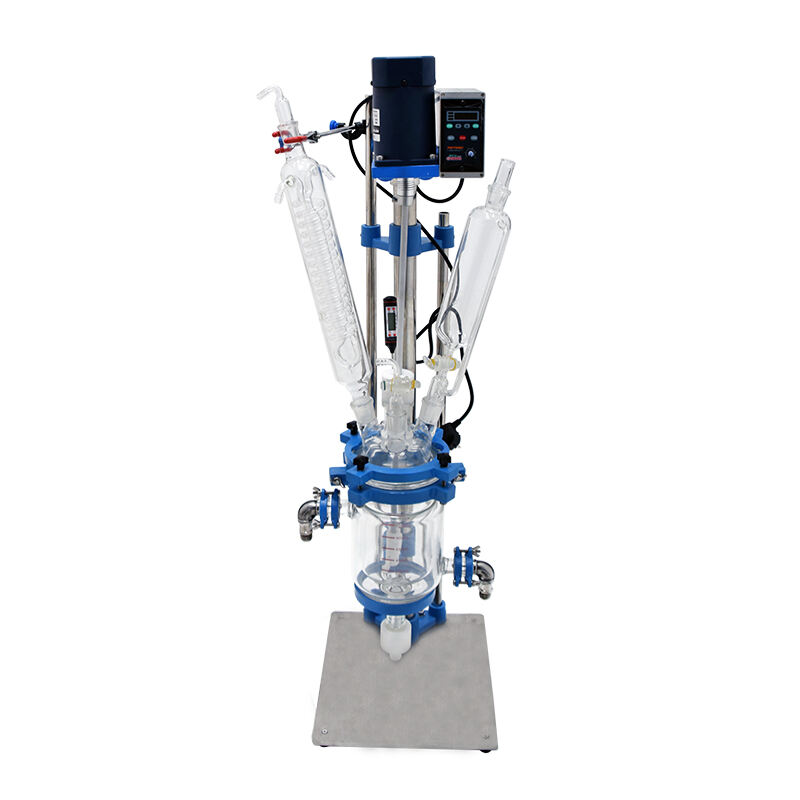
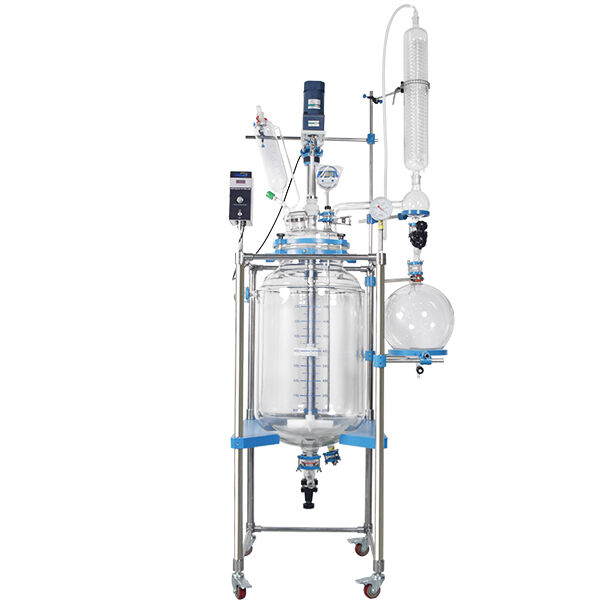
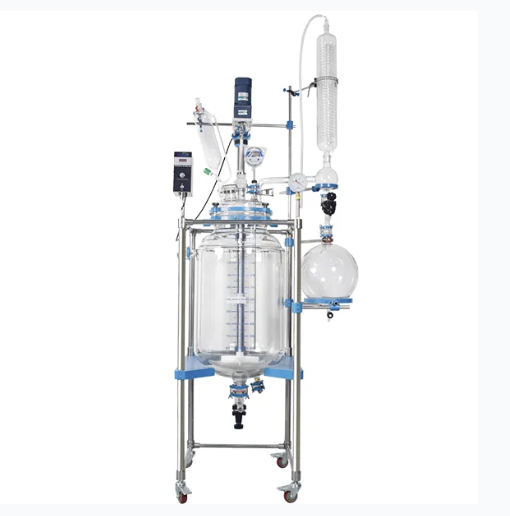
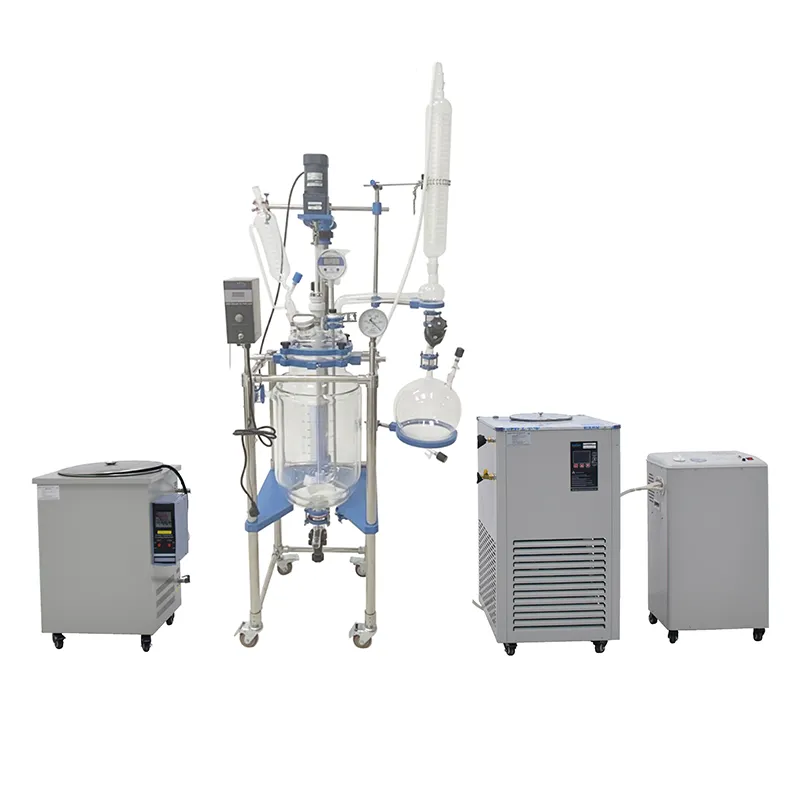
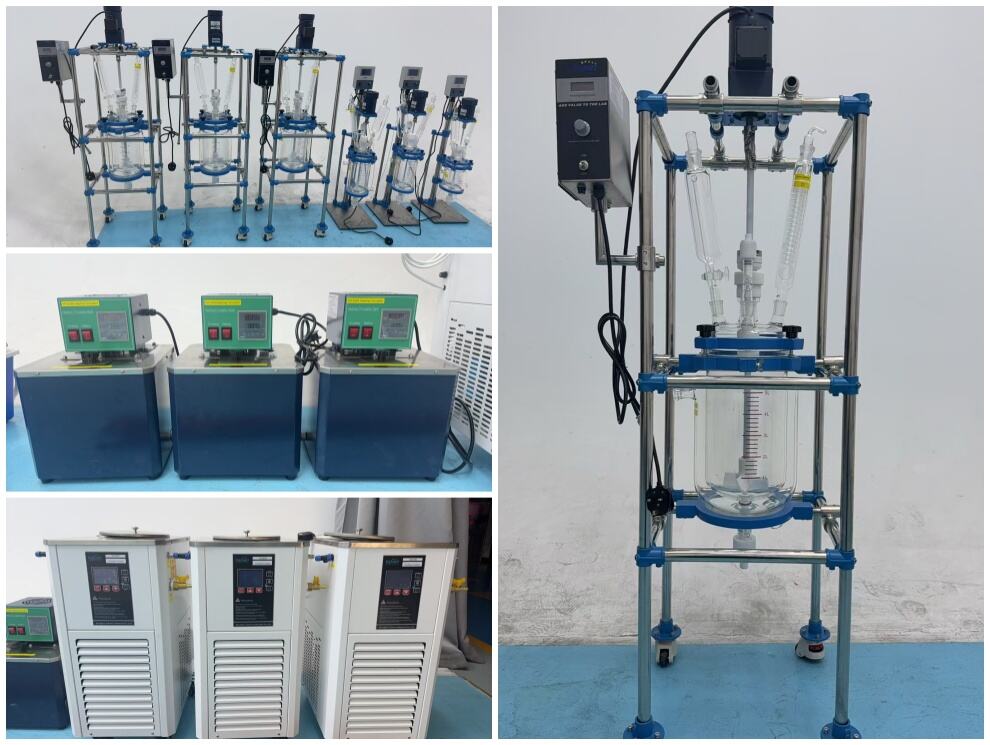
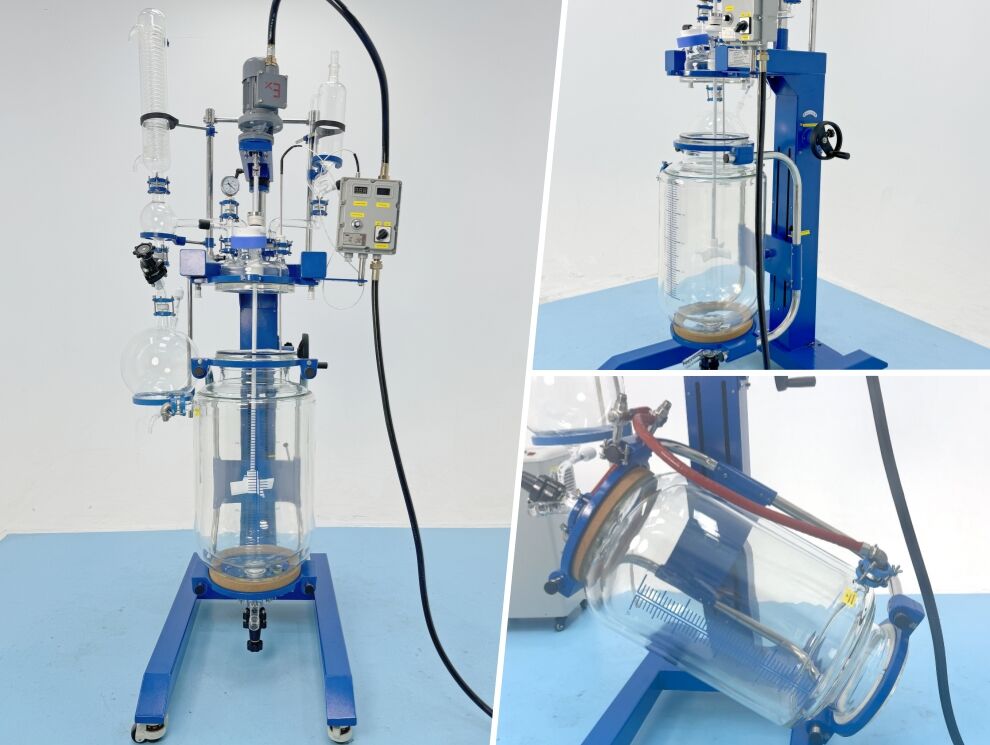
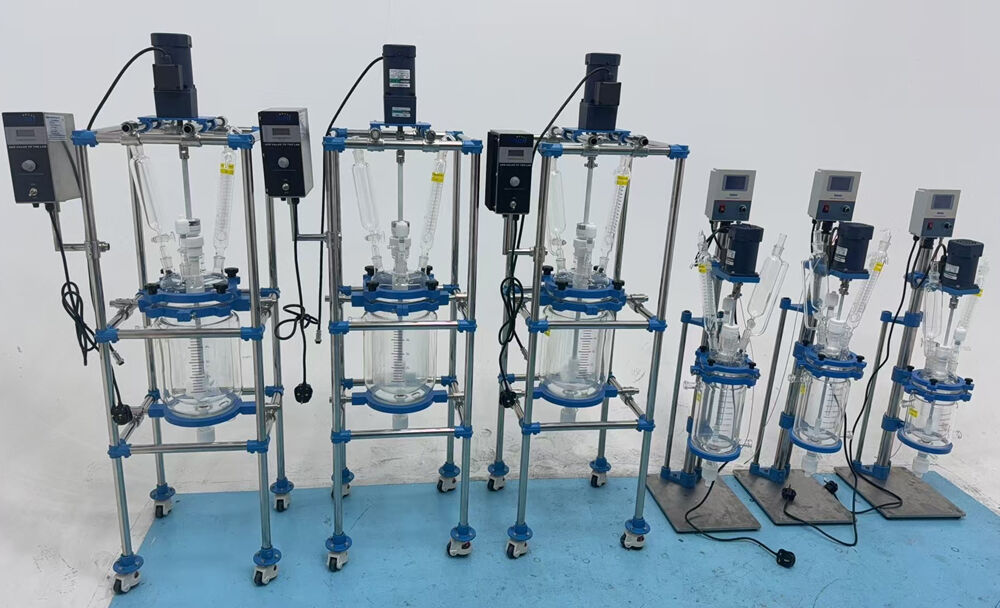
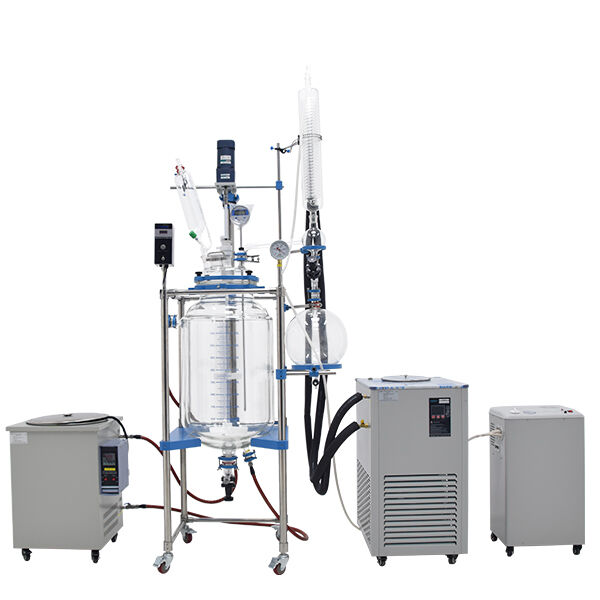
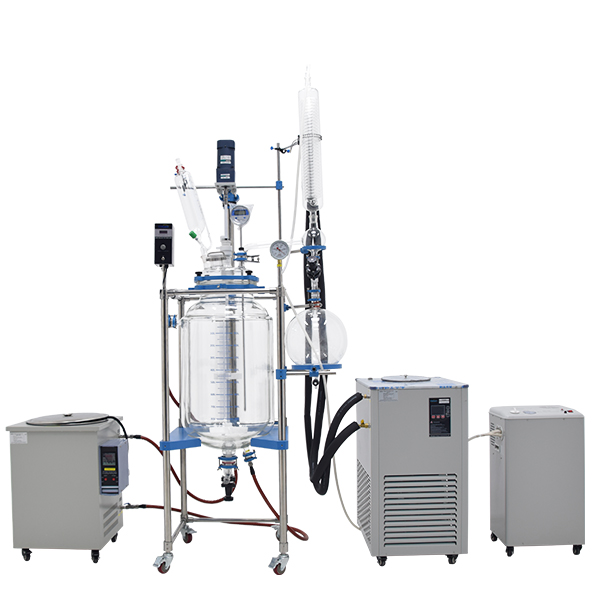
The cylindrical glass reactor represents a cornerstone of modern laboratory and industrial chemical processing equipment, designed to facilitate controlled chemical reactions while providing exceptional visibility and precision. This sophisticated apparatus features a transparent borosilicate glass construction that allows researchers and operators to monitor reaction progress in real-time, ensuring optimal process control and safety. The cylindrical design maximizes internal volume efficiency while maintaining structural integrity under varying pressure and temperature conditions. These reactors incorporate advanced stirring mechanisms, typically featuring overhead stirrers or magnetic coupling systems that ensure homogeneous mixing without contamination risks. The cylindrical glass reactor serves multiple critical functions including synthesis reactions, crystallization processes, distillation operations, and extraction procedures. Temperature control systems integrated within these units enable precise thermal management through heating mantles, cooling jackets, or immersion coils, accommodating reactions requiring specific thermal profiles. The reactor's modular design accommodates various accessories such as reflux condensers, dropping funnels, thermometers, and sampling ports, enhancing operational flexibility. Safety features include pressure relief valves, emergency venting systems, and robust mounting mechanisms that ensure stable operation during extended processes. The cylindrical glass reactor finds extensive applications across pharmaceutical manufacturing, chemical research, educational institutions, and specialty chemical production facilities. Its versatility makes it suitable for both batch and continuous processing operations, accommodating volumes ranging from laboratory-scale experiments to pilot plant production runs. The transparent construction enables visual monitoring of color changes, precipitation formation, and phase separations, providing valuable insights that opaque reactors cannot offer. Modern cylindrical glass reactor designs incorporate digital control systems that automate temperature, pressure, and stirring parameters, reducing operator intervention while maintaining consistent results.

New Products

The cylindrical glass reactor delivers numerous practical benefits that make it an invaluable asset for chemical processing operations. Chemical compatibility stands as the primary advantage, as borosilicate glass exhibits exceptional resistance to most acids, bases, and organic solvents, eliminating concerns about container contamination or unwanted side reactions. This inert nature ensures product purity and maintains the integrity of sensitive formulations throughout the entire process cycle. The transparent construction provides unparalleled visual access to ongoing reactions, allowing operators to detect subtle changes in color, turbidity, or phase behavior that could indicate reaction completion or potential issues requiring immediate attention. This real-time monitoring capability significantly reduces the risk of over-reaction or thermal runaway conditions, enhancing both safety and product quality. Temperature control precision represents another significant advantage, as the cylindrical glass reactor responds quickly to heating and cooling inputs due to glass's excellent thermal conductivity properties. This responsiveness enables tight temperature control within narrow tolerances, crucial for reactions requiring specific thermal profiles or temperature-sensitive compounds. The smooth internal surfaces of the cylindrical glass reactor minimize product adhesion and facilitate complete product recovery, reducing waste and maximizing yield efficiency. Cleaning and maintenance procedures become straightforward due to the non-porous glass surface that resists staining and allows thorough sanitization between batches. The modular design philosophy enables users to customize their setup with various accessories and attachments, adapting the reactor configuration to specific process requirements without investing in entirely new equipment. Cost-effectiveness emerges as processing volumes increase, as the cylindrical glass reactor typically requires lower operating temperatures and shorter reaction times compared to alternative materials, reducing energy consumption and improving overall process economics. The durability of properly maintained glass reactors ensures long service life, providing excellent return on investment for facilities processing multiple product lines. Versatility allows the same cylindrical glass reactor to handle diverse chemical processes, from simple mixing operations to complex multi-step syntheses, maximizing equipment utilization rates and reducing capital expenditure requirements.

Latest News

What Operating Conditions Affect Fractional Distillation Performance?

24

Dec

What Operating Conditions Affect Fractional Distillation Performance?

Fractional distillation represents one of the most critical separation techniques in chemical processing, petrochemical industries, and laboratory applications. The effectiveness of this process depends heavily on various operating conditions that di...
View More
How to Select a High Pressure Reactor for Industrial Chemical Synthesis?

24

Dec

How to Select a High Pressure Reactor for Industrial Chemical Synthesis?

Industrial chemical synthesis often requires precise control over reaction conditions, with pressure being one of the most critical parameters. A high pressure reactor serves as the cornerstone equipment for processes demanding elevated pressures, en...
View More
What Design Features Matter in a Rotary and Liftable Stainless Steel Reactor?

20

Jan

What Design Features Matter in a Rotary and Liftable Stainless Steel Reactor?

Modern industrial chemical processing demands precision, efficiency, and reliability in every piece of equipment. Among the most critical components in pharmaceutical, chemical, and biotechnology manufacturing is the rotary and liftable stainless ste...
View More
How Does a Stainless Steel Reactor Support Customization and Scale-Up?

20

Jan

How Does a Stainless Steel Reactor Support Customization and Scale-Up?

The chemical processing industry faces constant pressure to optimize production while maintaining safety and quality standards. A stainless steel reactor serves as the cornerstone of countless manufacturing operations, providing the durability and ve...
View More

Get a Free Quote

Our representative will contact you soon.
Email
Name
Contact Number
Company Name
Message
0/1000

cylindrical glass reactor

Advanced Temperature Control and Thermal Efficiency

Advanced Temperature Control and Thermal Efficiency

The cylindrical glass reactor excels in thermal management applications due to its superior heat transfer characteristics and precise temperature control capabilities. The borosilicate glass construction provides exceptional thermal conductivity, enabling rapid and uniform heat distribution throughout the reaction mixture. This thermal efficiency translates into shorter heating and cooling cycles, reducing overall process times and energy consumption. The cylindrical design optimizes heat transfer surface area while maintaining structural integrity under thermal stress, preventing hot spots that could lead to localized overheating or product degradation. Integrated heating and cooling systems work seamlessly with the glass construction, allowing operators to implement complex temperature profiles with remarkable precision. The reactor's thermal responsiveness enables quick adjustments to reaction conditions, providing the flexibility needed for temperature-sensitive processes or multi-stage reactions requiring different thermal environments. This thermal control precision proves particularly valuable in pharmaceutical applications where strict temperature adherence ensures consistent product quality and regulatory compliance. The cylindrical glass reactor's ability to maintain stable temperatures over extended periods reduces the risk of thermal drift that could compromise reaction outcomes. Advanced temperature monitoring systems integrated with modern cylindrical glass reactor designs provide continuous feedback, enabling automated control systems to make real-time adjustments that maintain optimal processing conditions. The combination of excellent thermal properties and precise control systems makes the cylindrical glass reactor an ideal choice for processes requiring demanding temperature specifications, from cryogenic operations to high-temperature syntheses.
Exceptional Chemical Compatibility and Contamination Prevention

Exceptional Chemical Compatibility and Contamination Prevention

The cylindrical glass reactor demonstrates unmatched chemical compatibility across a broad spectrum of reactive substances, making it the preferred choice for applications involving aggressive chemicals or sensitive formulations. Borosilicate glass construction resists attack from most acids, including hydrofluoric acid at moderate concentrations, as well as strong bases and organic solvents that would rapidly degrade metal or plastic alternatives. This chemical inertness eliminates the possibility of container-induced contamination, ensuring that reaction products maintain their intended purity levels throughout the entire process cycle. The non-reactive nature of the cylindrical glass reactor proves particularly crucial in pharmaceutical manufacturing, where even trace contamination could compromise product efficacy or safety. The smooth, non-porous surface of the glass construction prevents the accumulation of residues or the harboring of microorganisms that could introduce unwanted variables into subsequent batches. This contamination prevention capability extends the reactor's utility across diverse applications without requiring extensive cleaning protocols between different chemical processes. The cylindrical glass reactor's resistance to corrosion ensures consistent performance over extended service life, maintaining dimensional accuracy and structural integrity that could be compromised in reactive metal containers. This chemical stability allows facilities to process a wider range of products using the same equipment, maximizing asset utilization while minimizing cross-contamination risks. The transparent construction enables visual verification of cleaning effectiveness, providing operators with confidence that the cylindrical glass reactor is ready for the next process cycle. Advanced surface treatments available for specialized applications can further enhance the chemical compatibility of the cylindrical glass reactor, extending its utility to even more demanding chemical environments.
Real-Time Process Monitoring and Quality Control

Real-Time Process Monitoring and Quality Control

The cylindrical glass reactor revolutionizes process monitoring through its transparent construction that provides complete visual access to ongoing reactions, enabling operators to observe subtle changes that indicate reaction progress or potential issues requiring intervention. This real-time visibility allows for immediate detection of precipitation formation, color changes, phase separations, or foam development that could signal process completion or the need for parameter adjustments. The ability to visually monitor reactions in progress significantly enhances process control compared to opaque reactors that rely solely on instrumental measurements. Operators can quickly identify unexpected developments such as excessive foaming, solid formation, or phase instability that might not be detected by conventional monitoring instruments until significant process deviations have occurred. The cylindrical glass reactor's transparency enables the observation of mixing patterns and flow dynamics, helping optimize stirring speeds and impeller designs for maximum efficiency. This visual feedback proves invaluable during process development and optimization phases, where understanding reaction mechanisms and kinetics requires detailed observation of physical and chemical changes. Quality control personnel can verify process consistency by comparing visual characteristics across different batches, identifying variations that might indicate equipment issues or raw material quality problems. The combination of visual monitoring and instrumental measurements provides a comprehensive picture of process conditions that enhances both safety and product quality outcomes. Modern cylindrical glass reactor installations often incorporate high-resolution cameras and digital recording systems that document reaction progress for regulatory compliance and process improvement initiatives. This visual documentation capability supports troubleshooting efforts and provides valuable data for process optimization studies, making the cylindrical glass reactor an essential tool for continuous improvement programs in chemical manufacturing operations.

Get a Free Quote

Our representative will contact you soon.
Email
Name
Contact Number
Company Name
Message
0/1000