double glass reactor
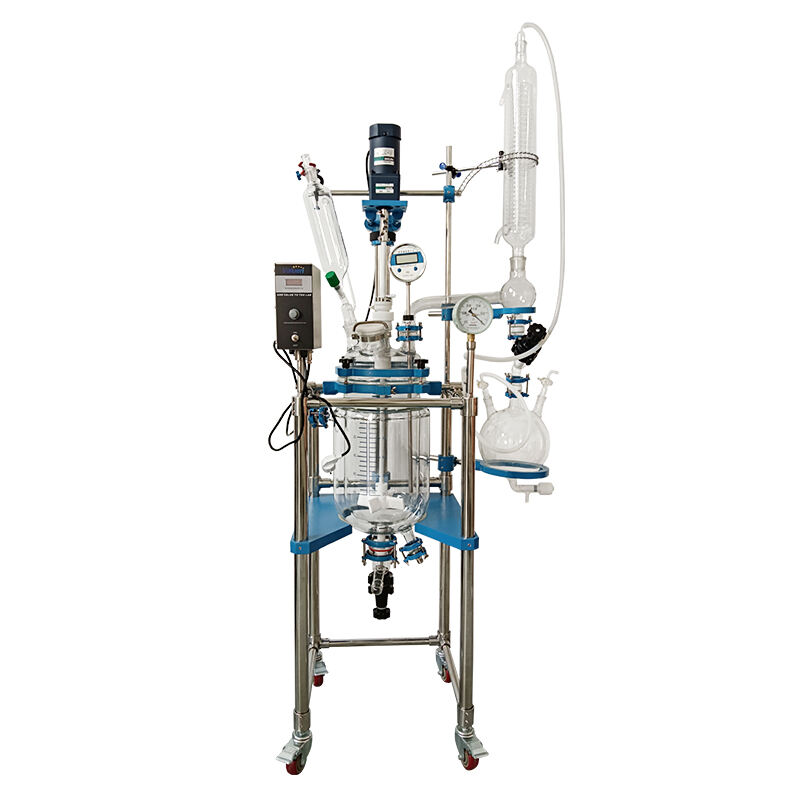
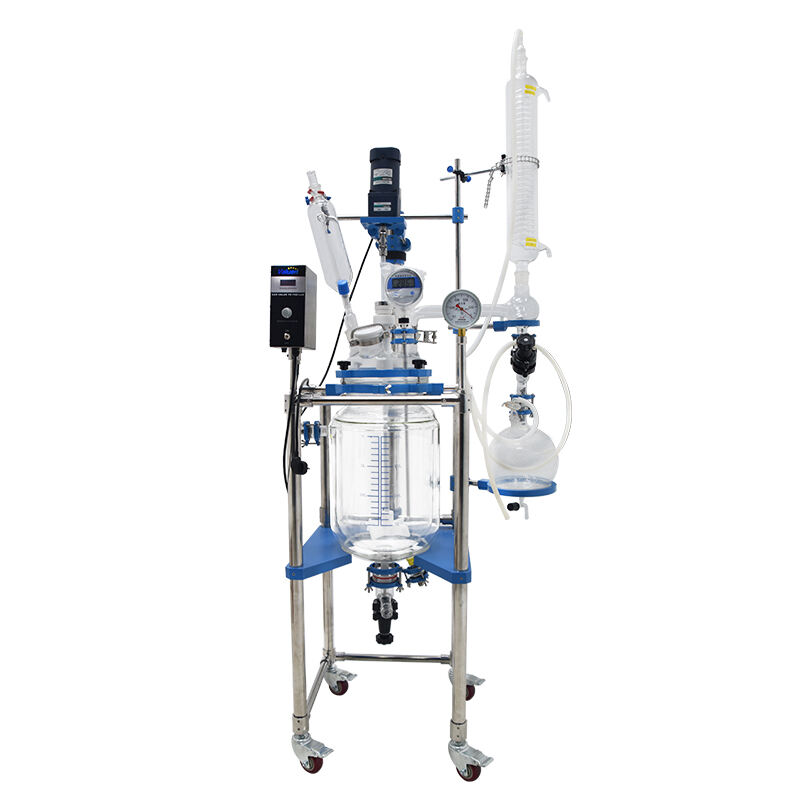
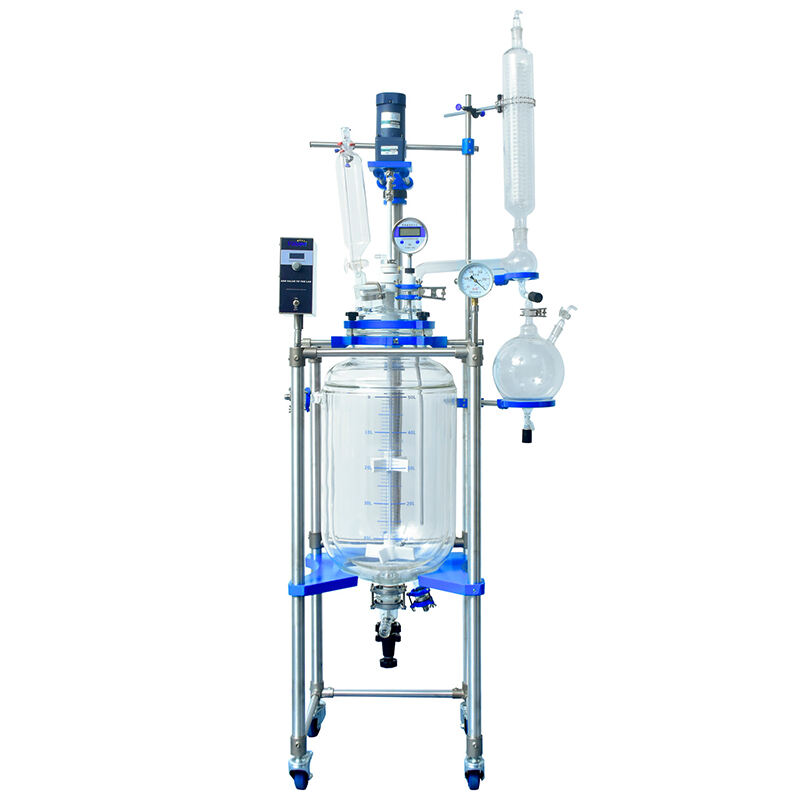
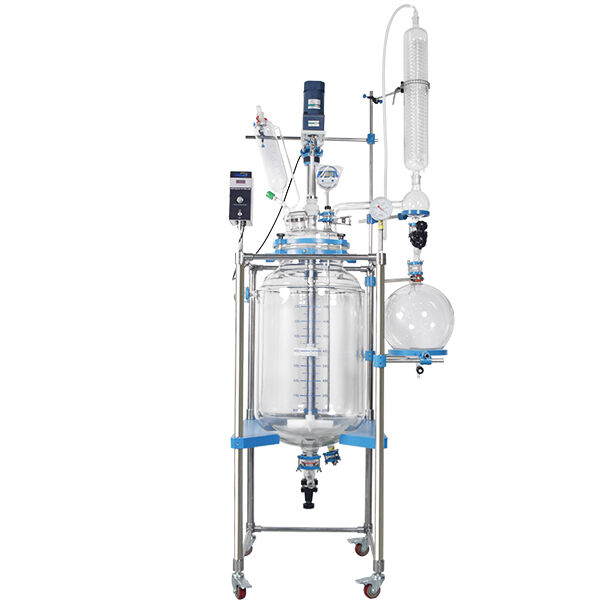
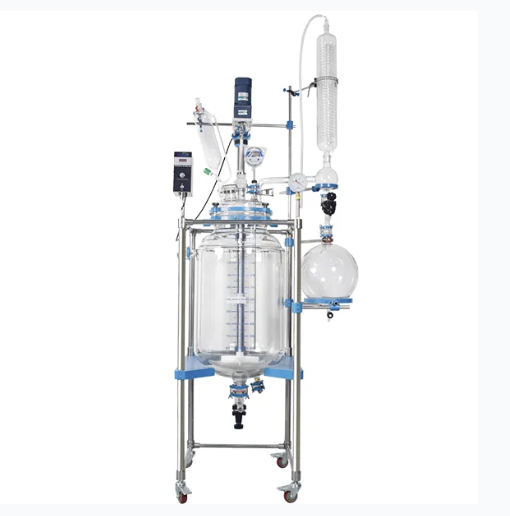
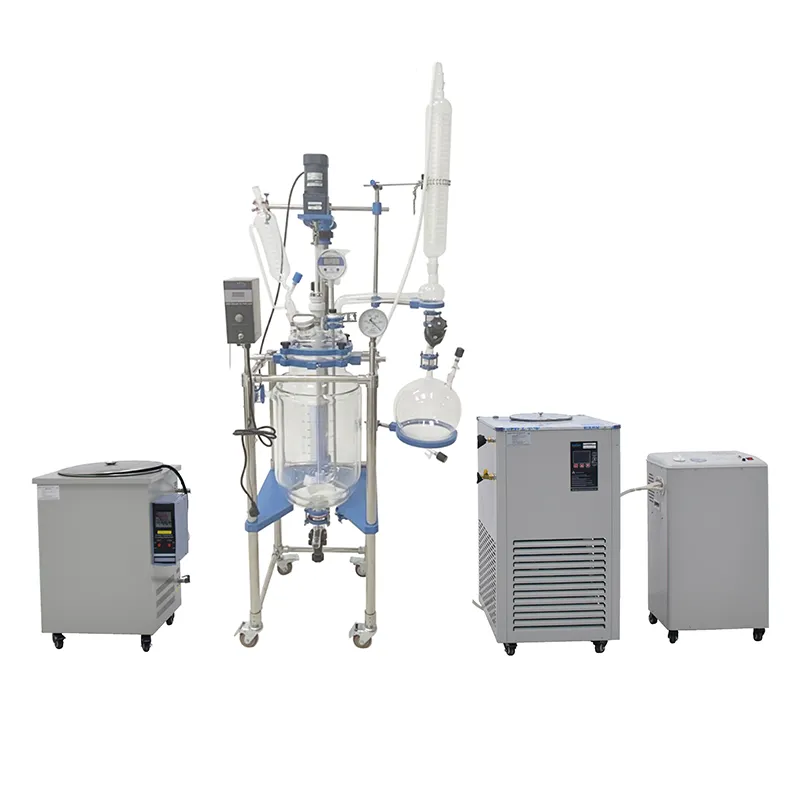
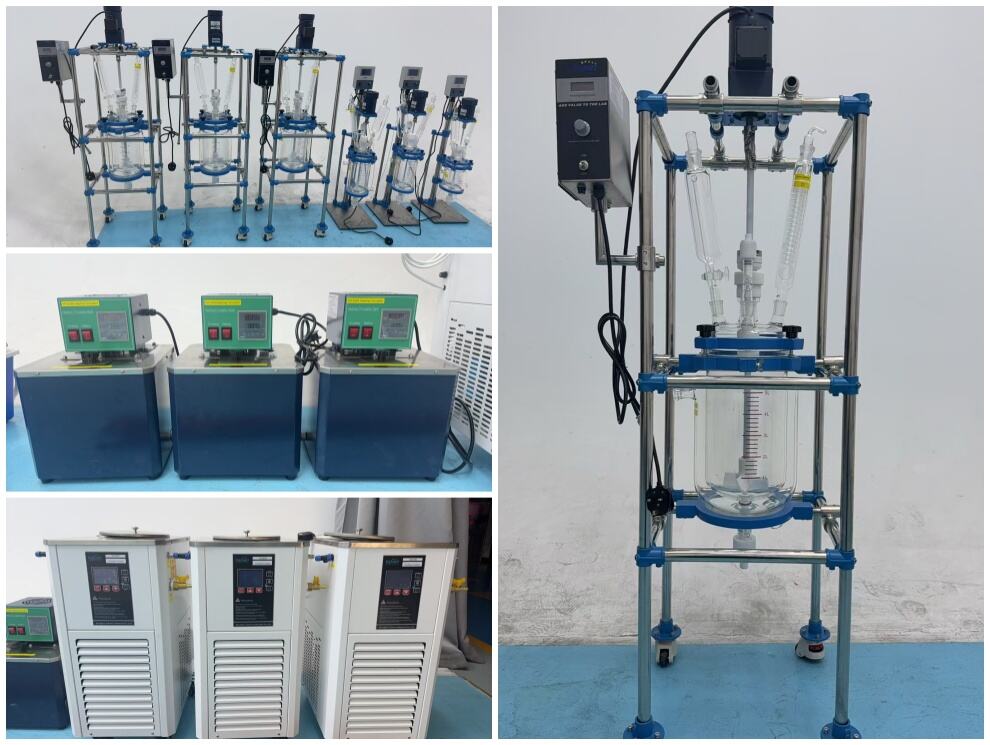
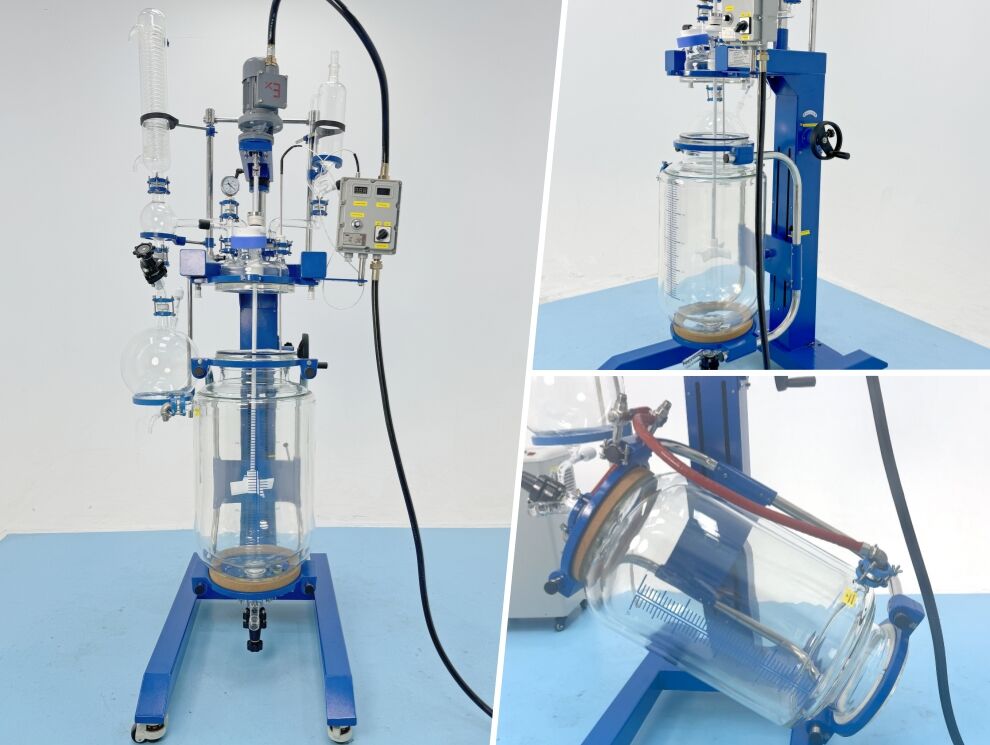
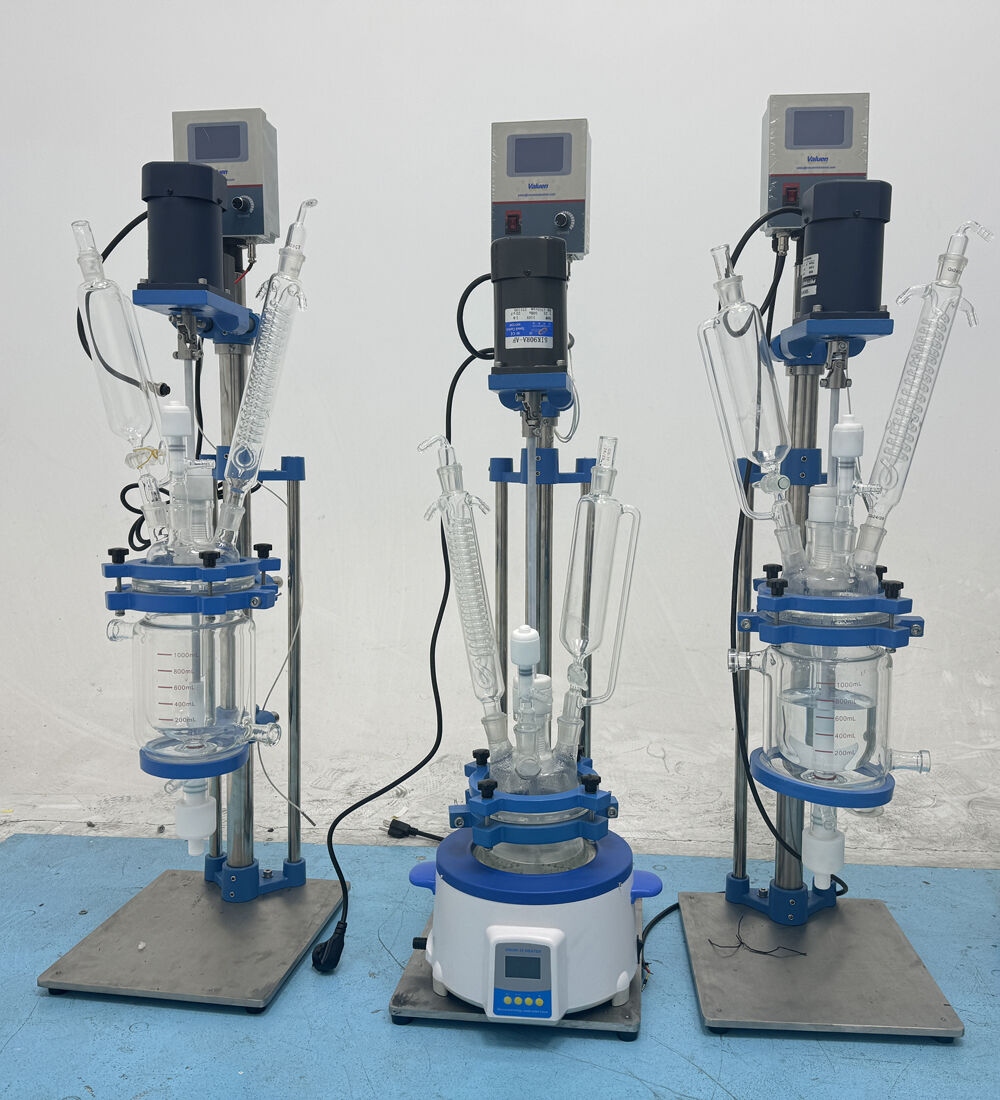
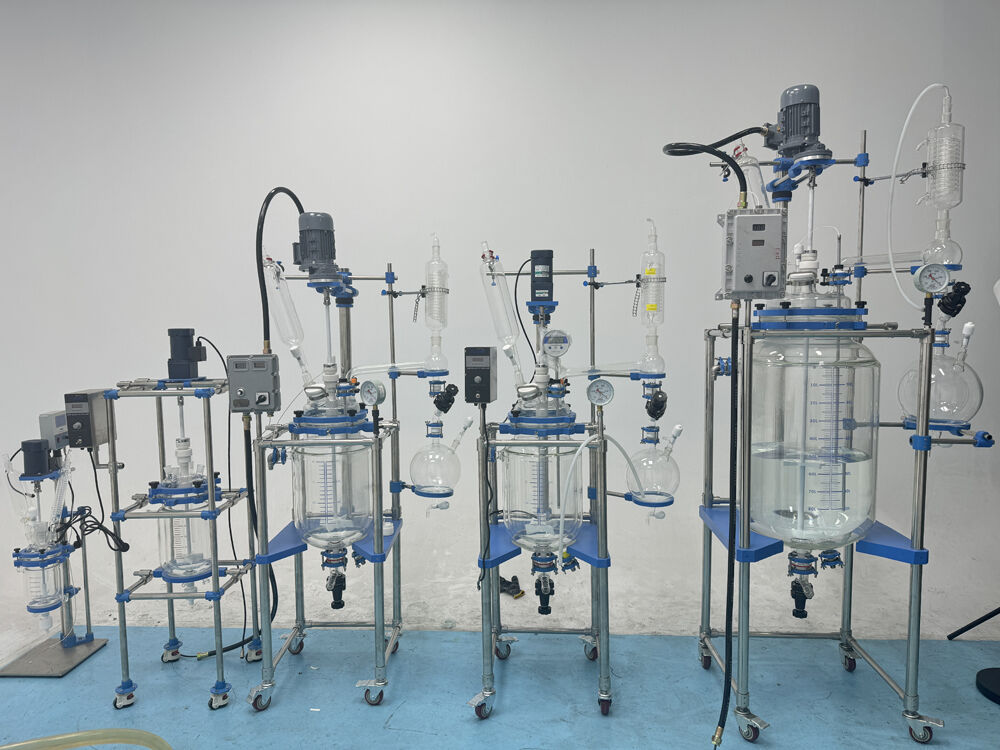
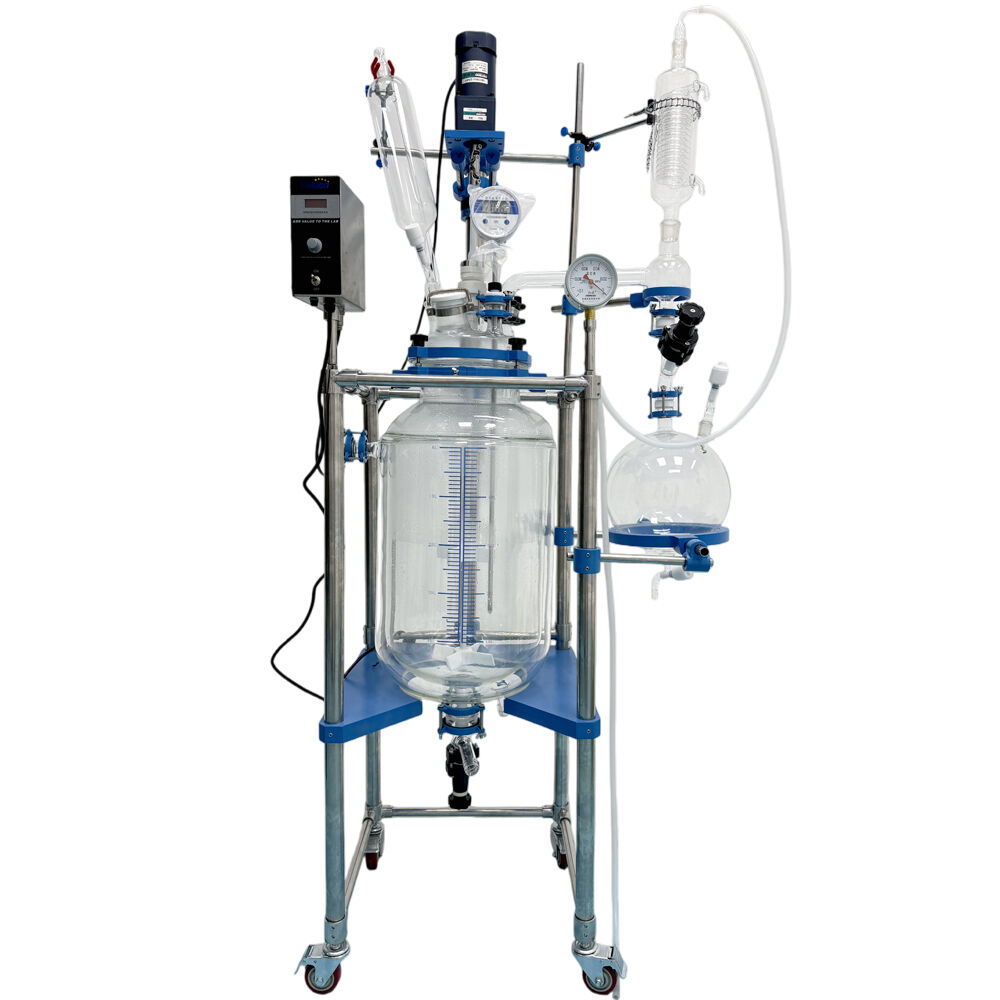
A double glass reactor represents a sophisticated laboratory instrument designed for chemical synthesis, material research, and process development applications. This advanced equipment features two glass layers with an intermediate space that enables precise temperature control through circulating heating or cooling fluids. The double glass reactor serves as an essential tool for researchers and industrial professionals who require controlled reaction environments for various chemical processes. The primary function of this equipment centers on providing a contained vessel where chemical reactions can occur under carefully monitored conditions. The double-wall glass construction allows operators to maintain specific temperature ranges while observing the reaction progress through the transparent walls. This visibility proves crucial for monitoring color changes, precipitation formation, and other visual indicators during chemical processes. The reactor typically includes a mechanical stirring system that ensures uniform mixing of reactants and maintains consistent temperature distribution throughout the reaction mixture. Temperature control represents one of the most significant technological features of the double glass reactor. The space between the inner and outer glass walls accommodates heating or cooling media, such as thermal oil, water, or specialized heat transfer fluids. This design enables precise temperature regulation from extremely low temperatures to elevated heat levels, depending on the specific model and application requirements. The reactor often integrates with external temperature control units, creating a comprehensive system for maintaining optimal reaction conditions. Modern double glass reactors incorporate advanced safety features and monitoring capabilities. Many units include digital displays for temperature readings, pressure indicators, and time controls. Some models feature automated systems that can adjust parameters based on predetermined protocols, reducing the need for constant manual supervision. The glass construction typically uses borosilicate glass, which offers excellent chemical resistance and thermal shock protection. This material choice ensures durability and compatibility with a wide range of chemical substances, making the double glass reactor suitable for diverse research and production applications across pharmaceutical, chemical, and material science industries.
 EN
EN