chemical glass reactor
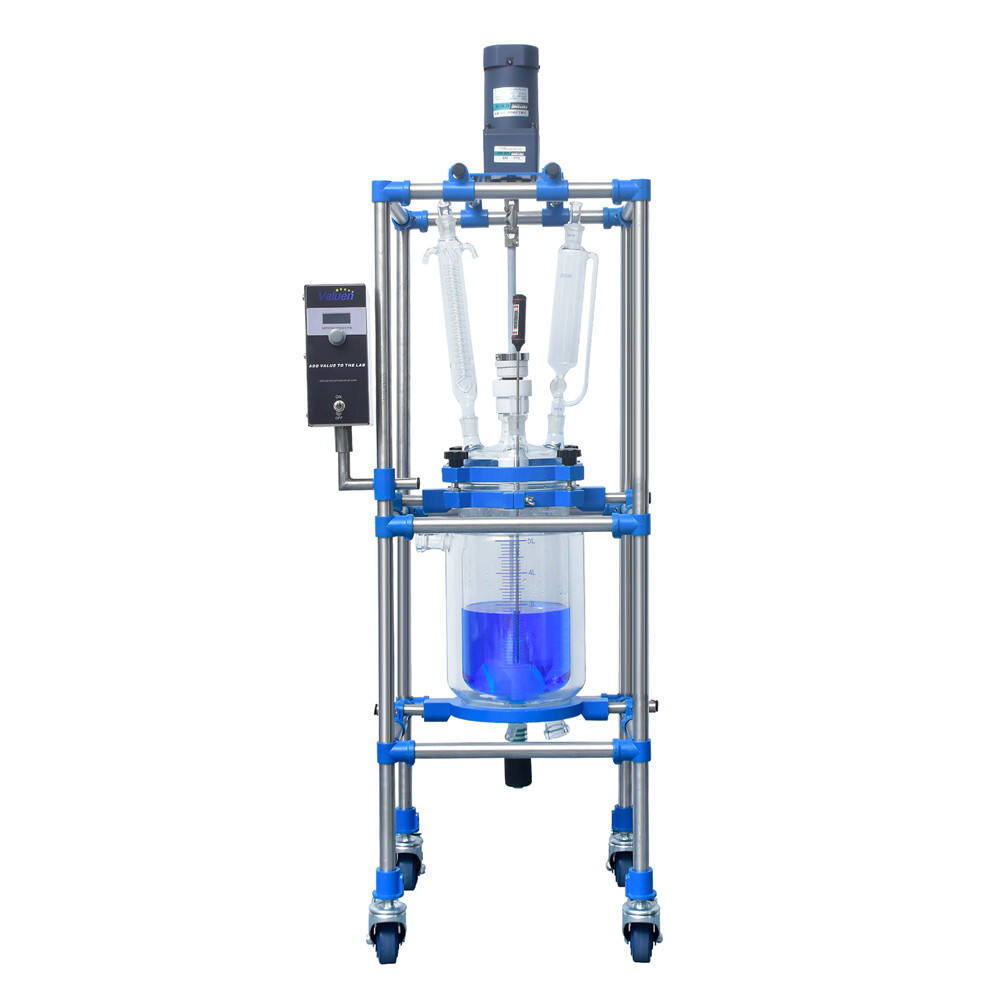
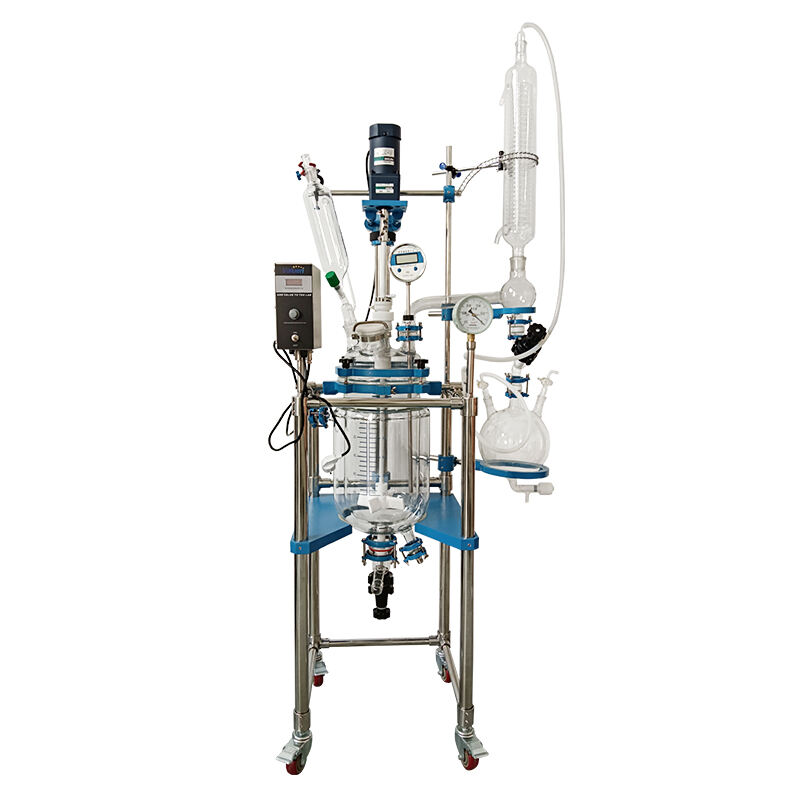
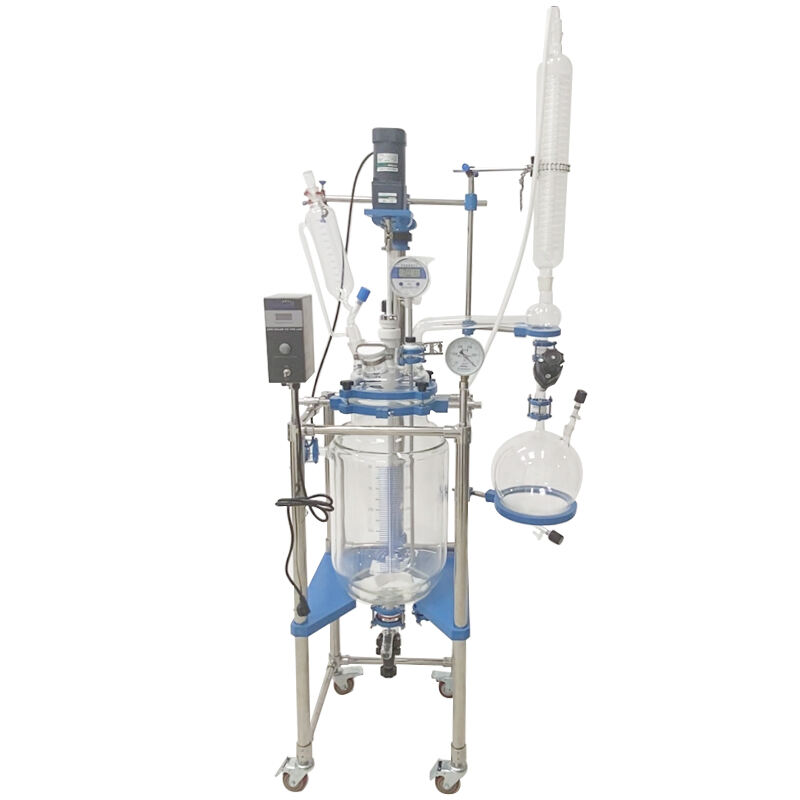
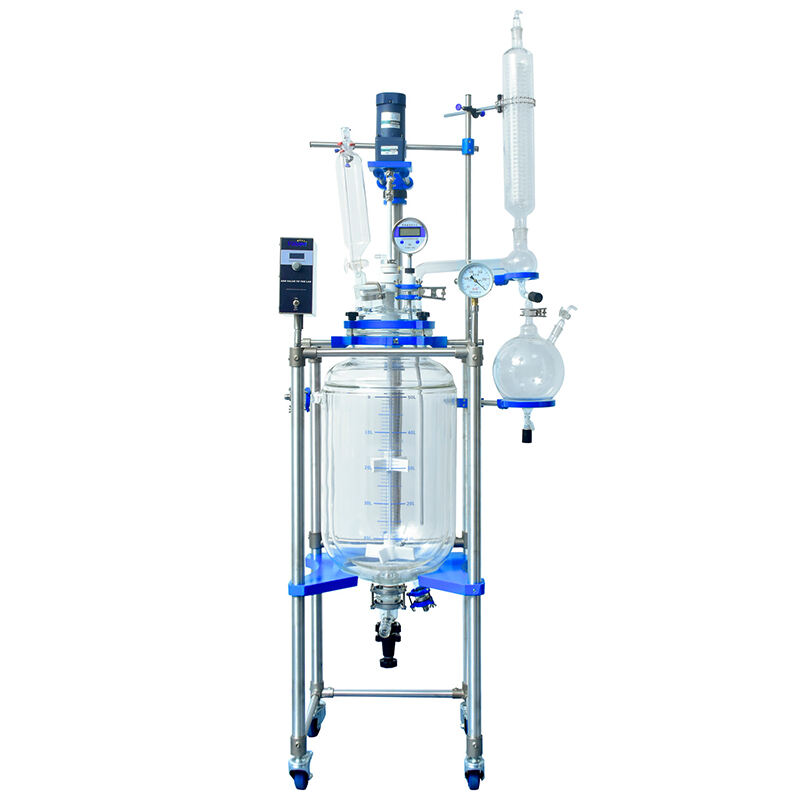
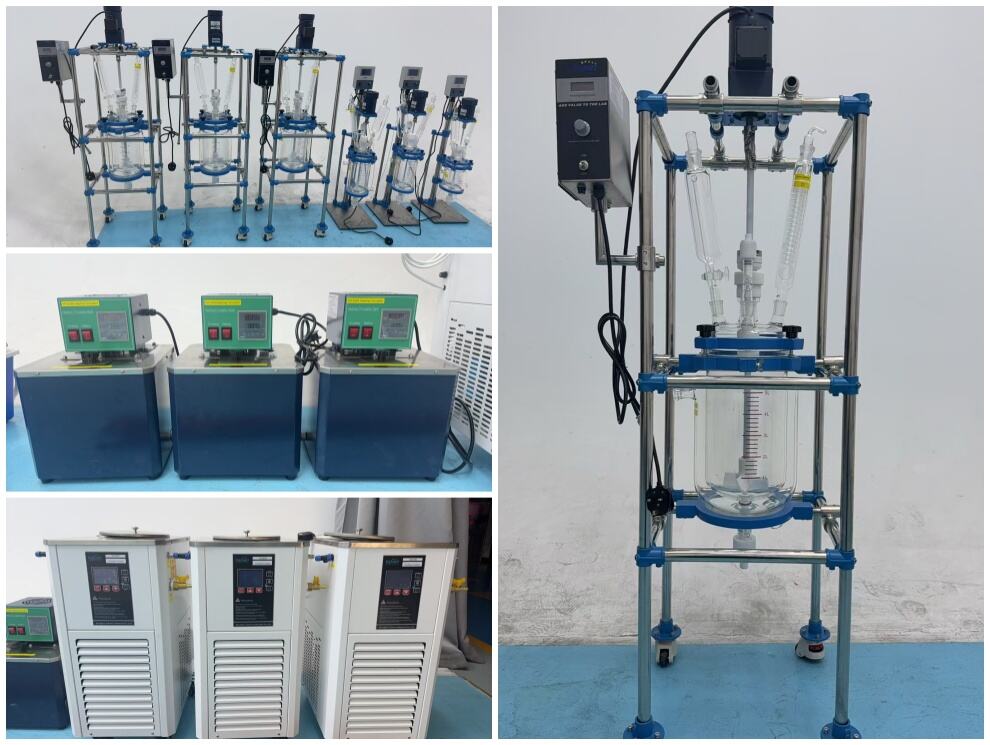
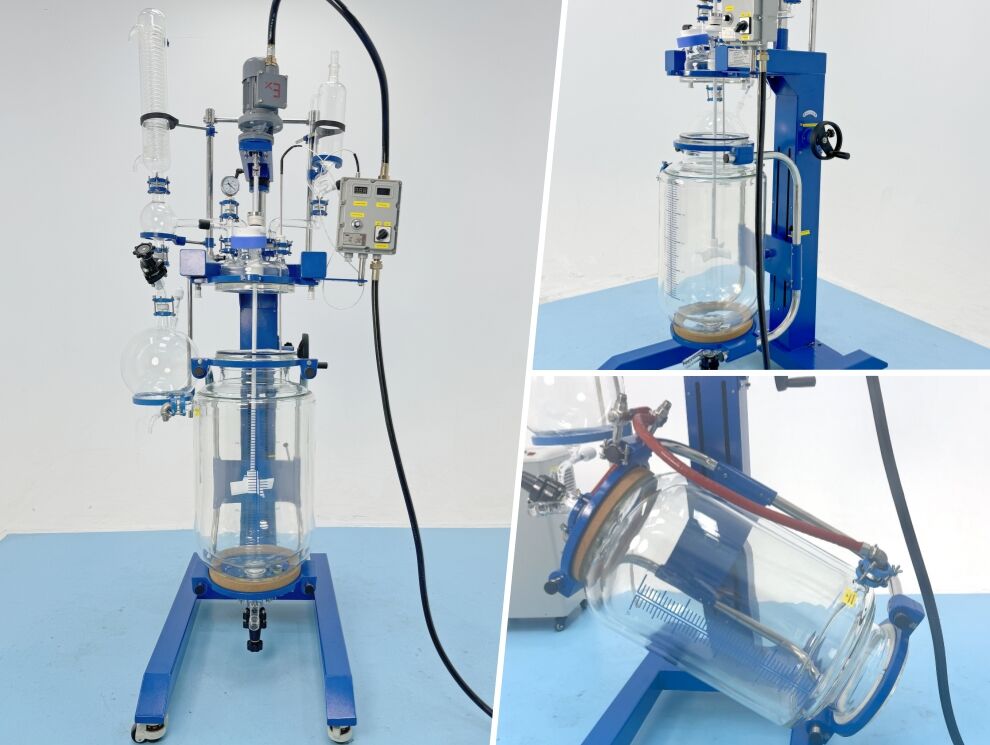
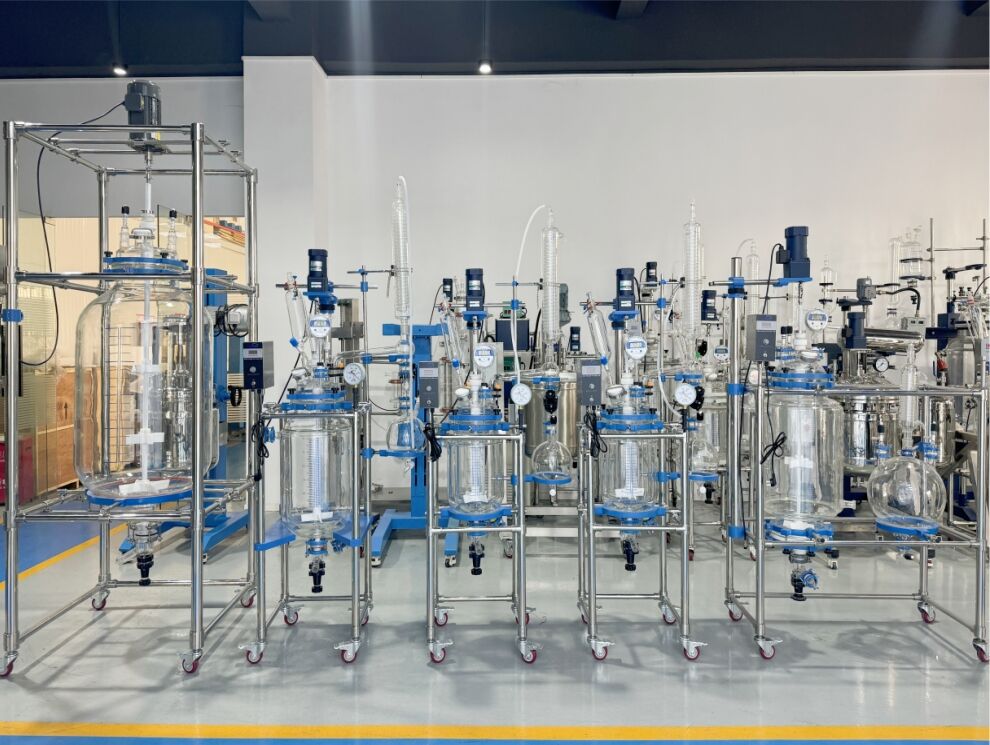
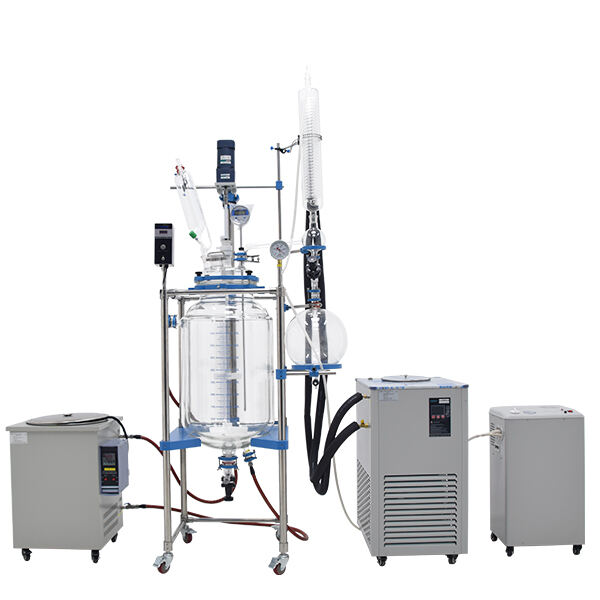
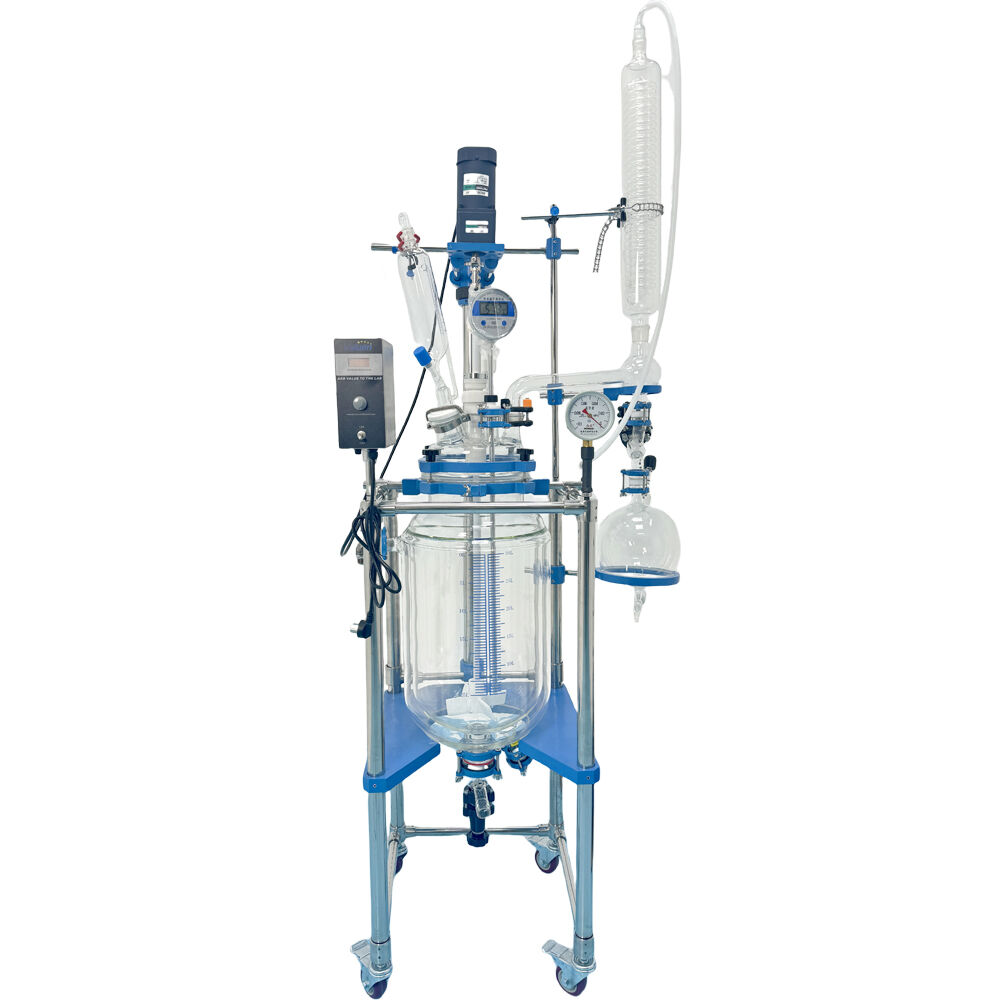
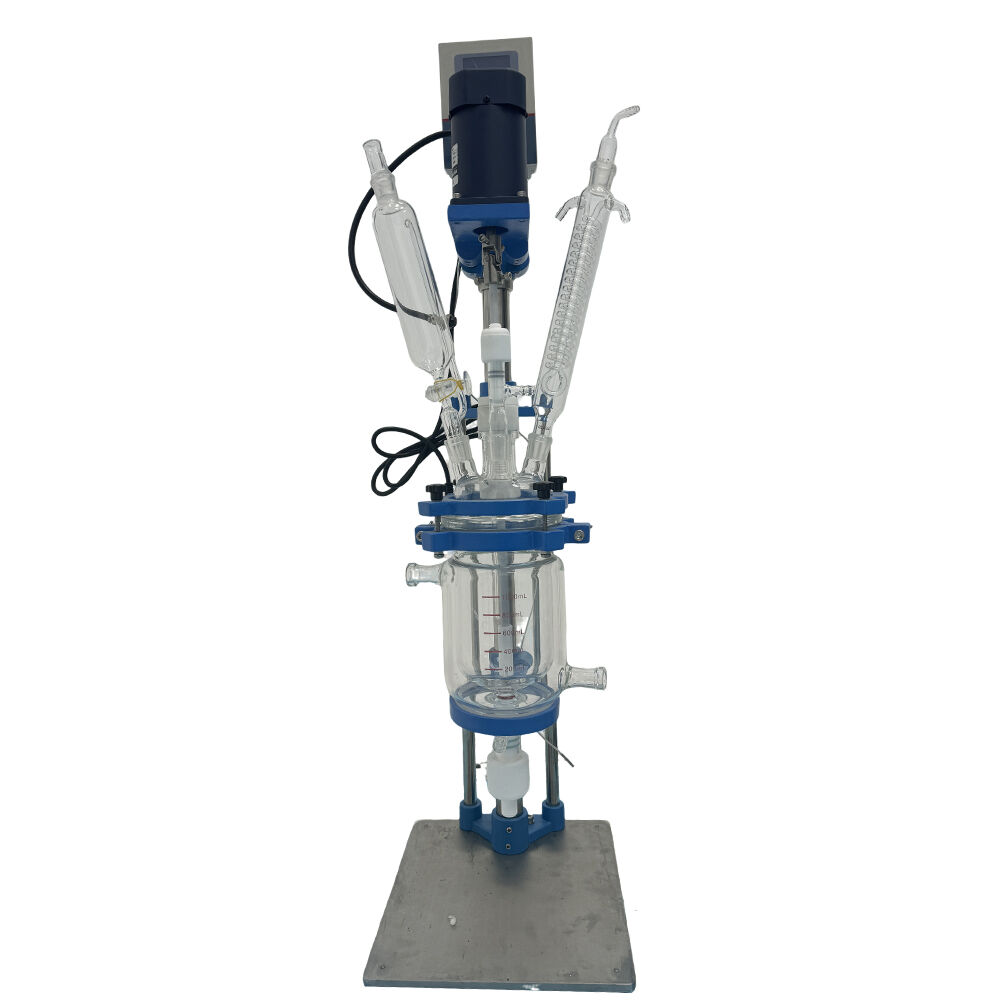
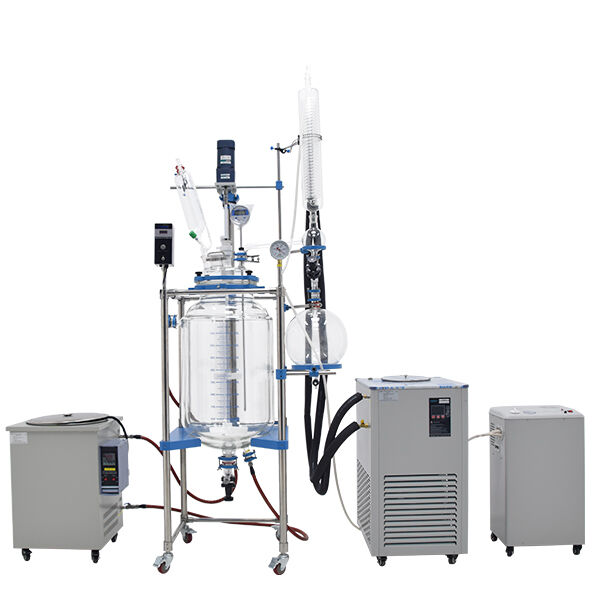
A chemical glass reactor represents a sophisticated laboratory instrument designed for conducting controlled chemical reactions, synthesis processes, and material research under precisely monitored conditions. This versatile equipment combines the transparency of borosilicate glass with advanced temperature control systems, making it an indispensable tool for research institutions, pharmaceutical companies, and industrial laboratories worldwide. The chemical glass reactor operates through a double-wall vessel design that allows for efficient heat transfer while maintaining visual observation of reaction processes. The primary vessel, constructed from high-quality borosilicate glass, provides excellent chemical resistance and thermal stability, ensuring reliable performance across a wide range of experimental conditions. Modern chemical glass reactor systems incorporate sophisticated stirring mechanisms, typically featuring PTFE-coated stirring shafts and impellers that prevent contamination while ensuring uniform mixing throughout the reaction process. The reactor's temperature control capabilities span from cryogenic conditions to elevated temperatures, achieved through circulating thermal fluids in the jacket space surrounding the reaction vessel. Digital controllers monitor and maintain precise temperature parameters, while integrated safety features protect both operators and equipment from potential hazards. The modular design of contemporary chemical glass reactor units allows researchers to customize their setups with various accessories including reflux condensers, dropping funnels, temperature probes, and sampling ports. These reactors accommodate volumes ranging from small-scale laboratory experiments of a few milliliters to pilot-scale operations handling several liters of reaction mixture. The transparency of the glass construction enables real-time monitoring of reaction progress, color changes, and phase separations without interrupting the process. Advanced models feature computerized control systems that log experimental data, maintain consistent reaction parameters, and provide remote monitoring capabilities. The chemical glass reactor's versatility extends to various reaction types including crystallization, distillation, extraction, and polymerization processes, making it a cornerstone instrument in modern chemical research and development facilities.
 EN
EN