Glass Crystallization Reactor Price Guide: Advanced Systems for Precise Crystal Formation

Get a Free Quote

Our representative will contact you soon.
Email
Name
Contact Number
Company Name
Message
0/1000

glass crystallization reactor price

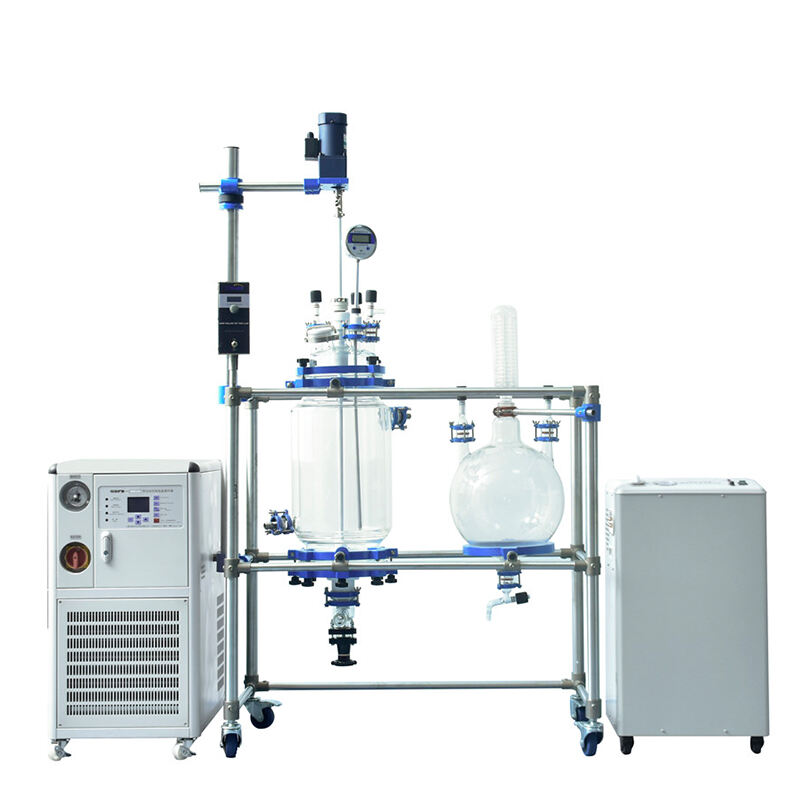
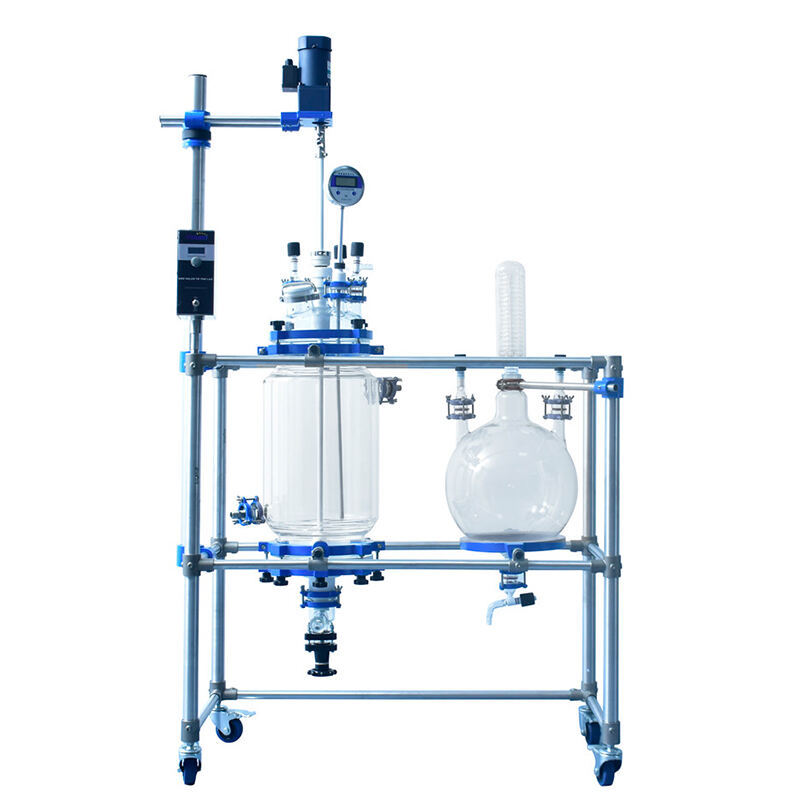
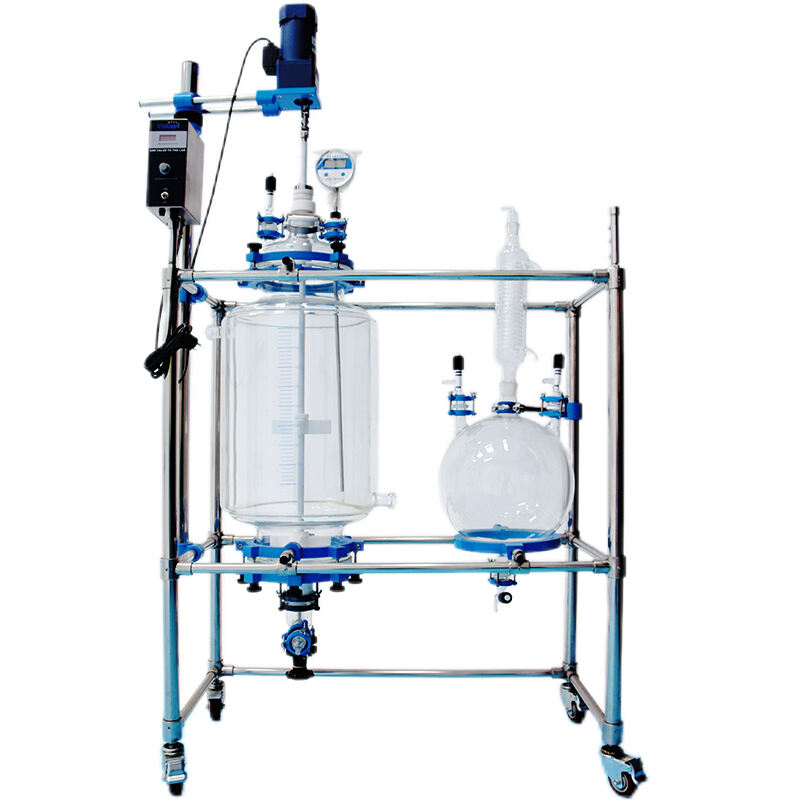
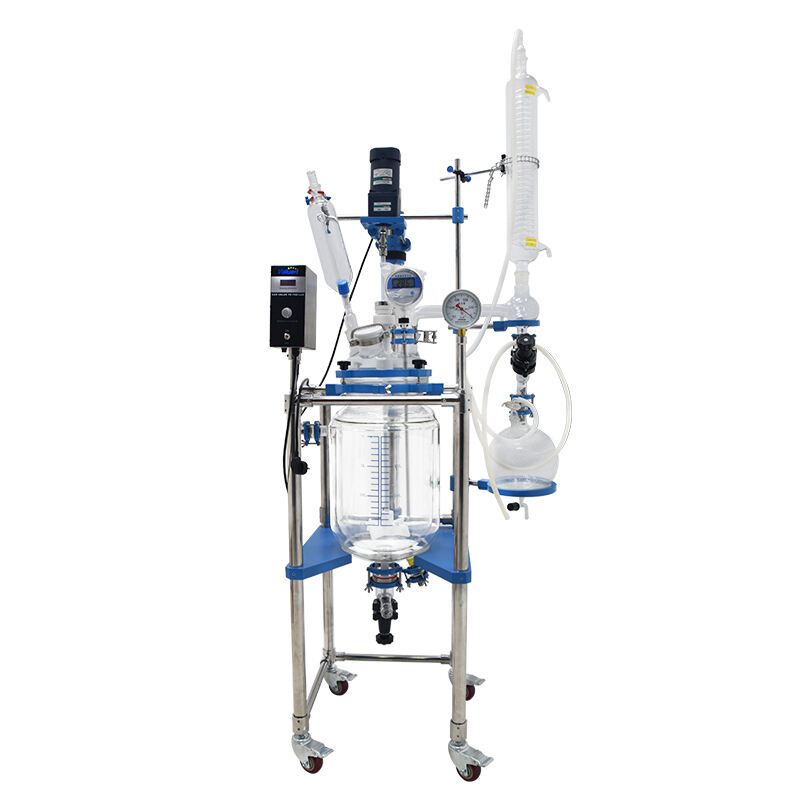
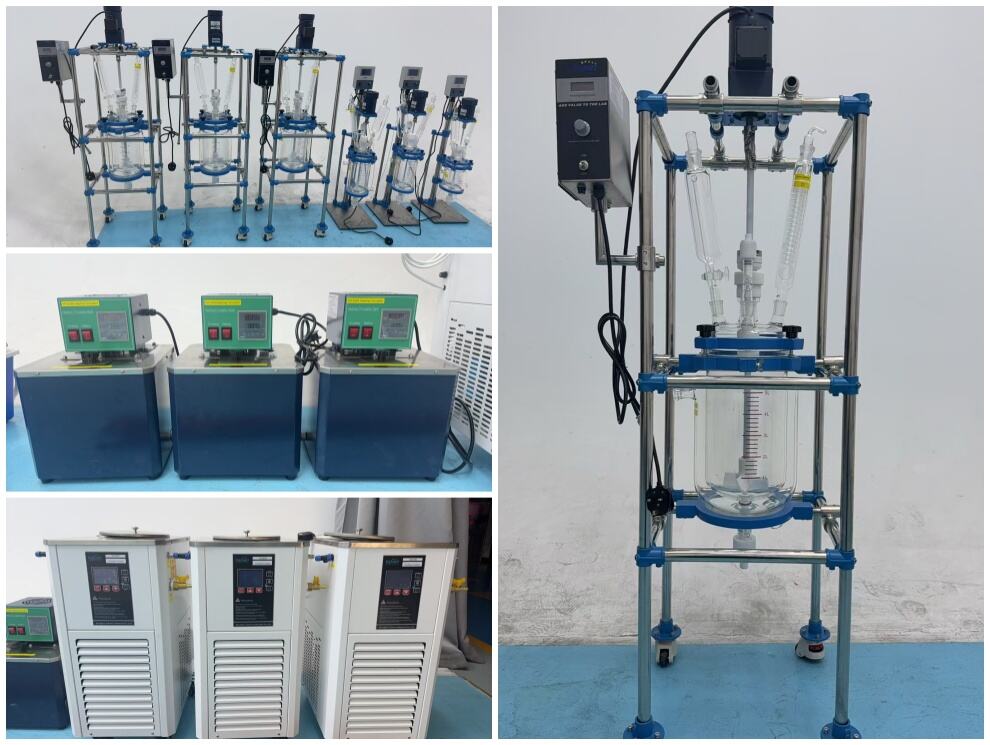
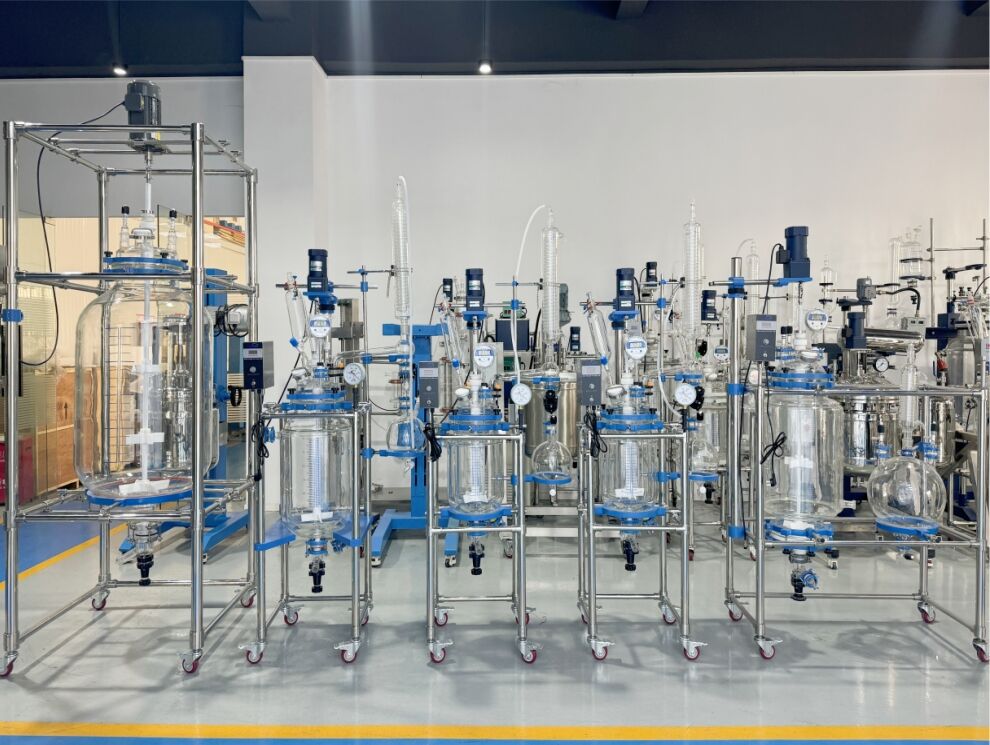
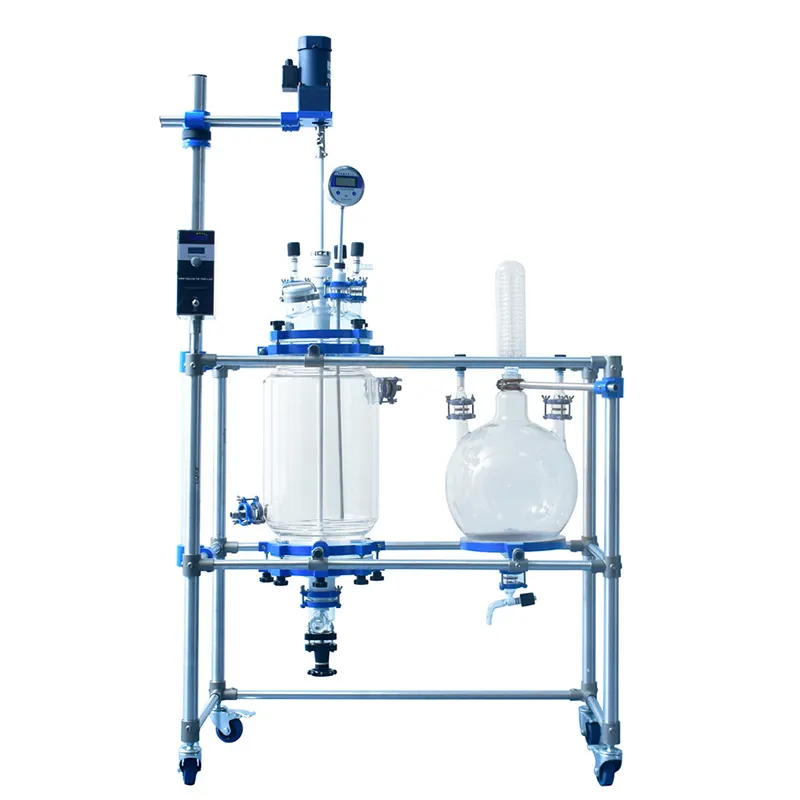
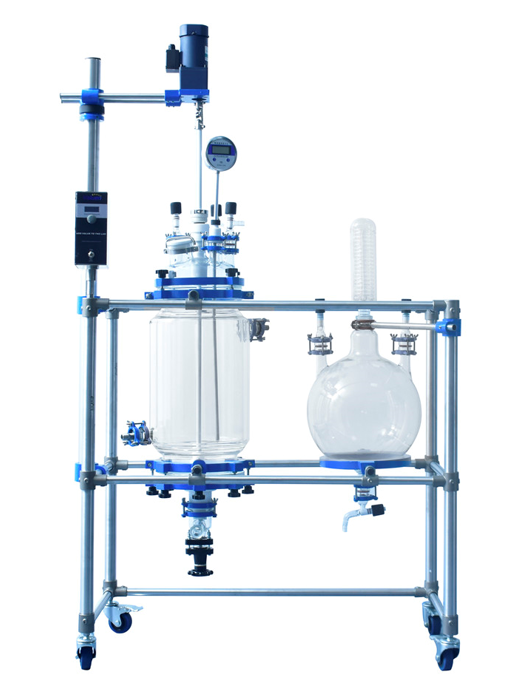
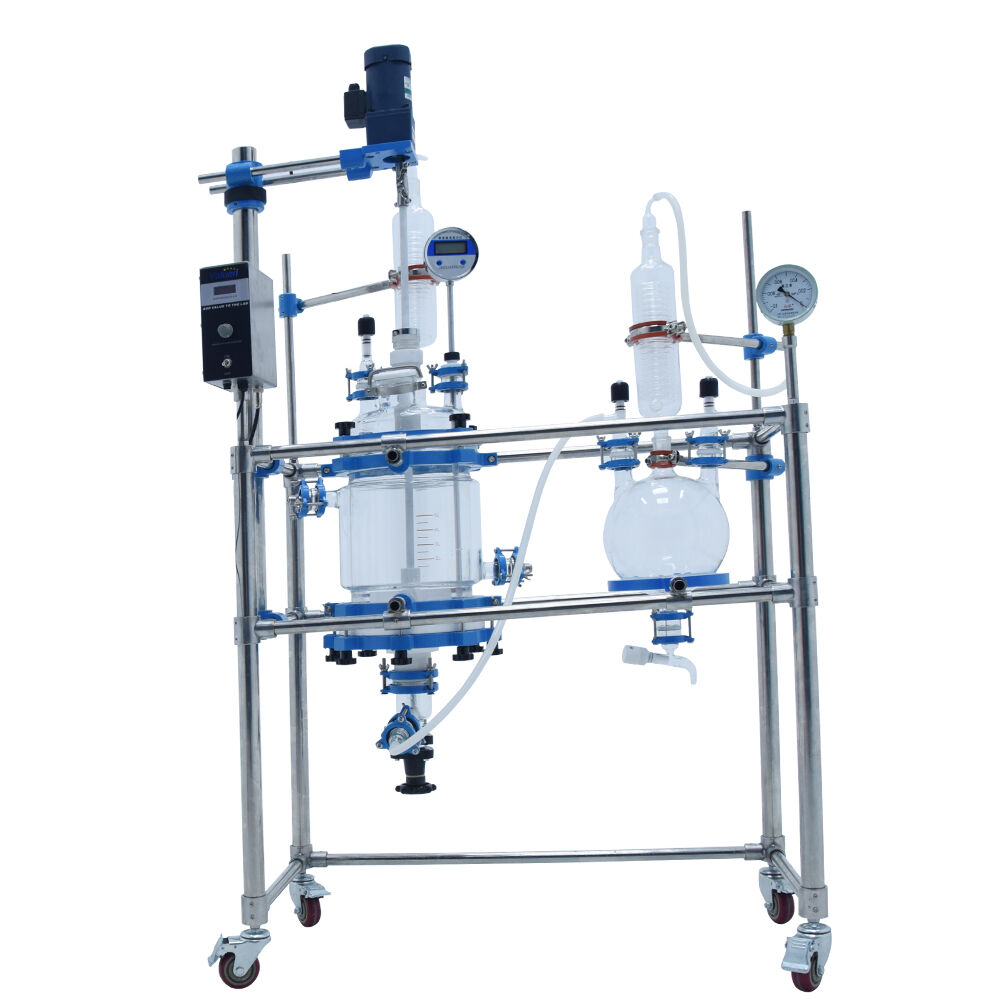
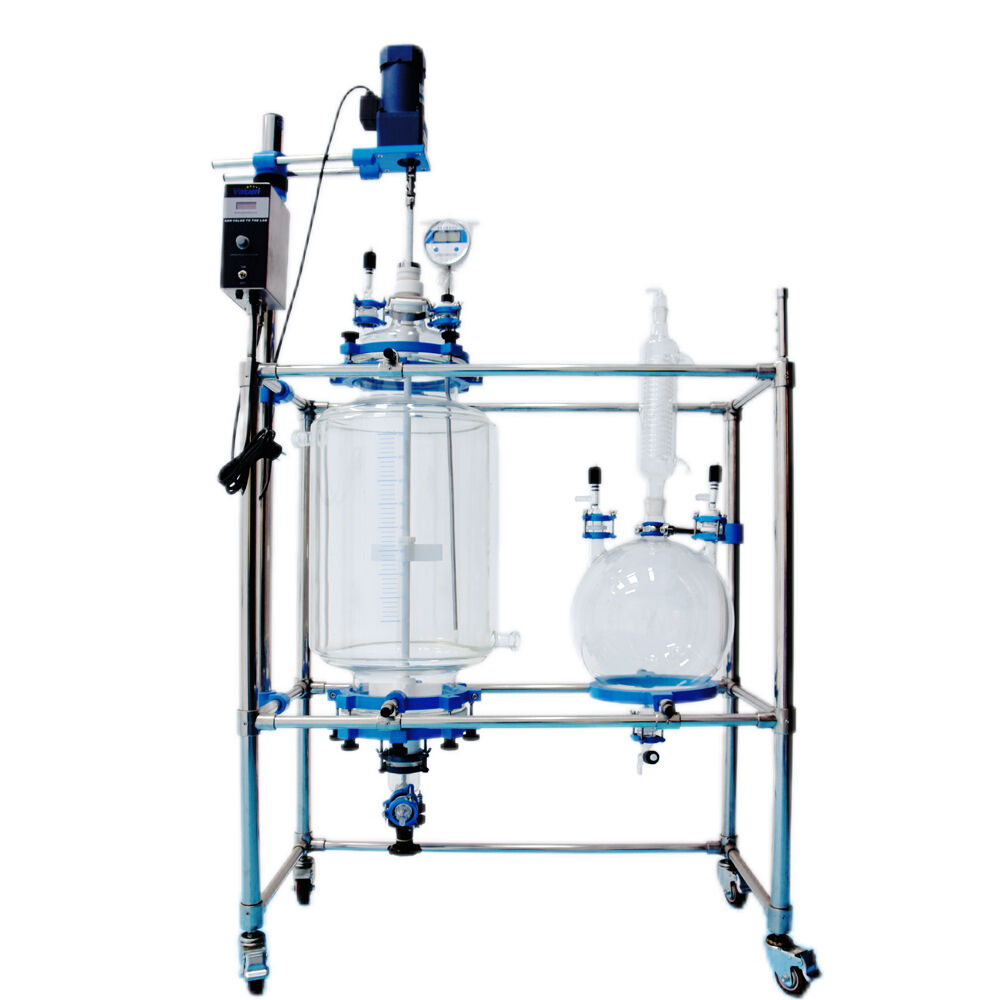
The glass crystallization reactor price represents a significant investment in advanced laboratory and industrial equipment designed for precise crystallization processes. These sophisticated vessels combine superior glass construction with cutting-edge technology to facilitate controlled crystal formation across various chemical and pharmaceutical applications. Understanding the glass crystallization reactor price involves examining multiple factors including capacity, automation level, temperature control systems, and specialized features. The primary function of these reactors centers on creating optimal conditions for crystal nucleation and growth through precise temperature management, controlled cooling rates, and consistent agitation patterns. Modern glass crystallization reactors incorporate double-wall designs with efficient heating and cooling systems, allowing operators to maintain exact temperature profiles essential for producing high-quality crystals. The glass crystallization reactor price varies considerably based on volume capacity, ranging from small laboratory units handling milliliters to large industrial systems processing hundreds of liters. Technological features influencing the glass crystallization reactor price include advanced control systems with programmable logic controllers, integrated monitoring sensors, automated dosing systems, and data logging capabilities. These reactors find extensive applications in pharmaceutical manufacturing for drug substance crystallization, chemical processing for specialty chemical production, research laboratories for method development, and quality control testing environments. The transparent glass construction enables real-time visual monitoring of crystallization processes, allowing operators to observe nucleation events, crystal growth patterns, and final product characteristics. Safety features incorporated into these systems include pressure relief valves, temperature monitoring alarms, and emergency shutdown protocols. The glass crystallization reactor price reflects the precision engineering required to maintain uniform temperature distribution, minimize thermal gradients, and ensure reproducible results across multiple batch operations, making these systems essential investments for organizations requiring consistent, high-quality crystalline products.

New Product Releases

The glass crystallization reactor price delivers exceptional value through numerous practical benefits that directly impact operational efficiency and product quality. These systems provide superior chemical resistance compared to metal alternatives, ensuring product purity and eliminating contamination risks that could compromise batch quality or require costly reprocessing. The transparent glass construction allows continuous visual monitoring throughout the crystallization process, enabling operators to identify optimal endpoints, detect anomalies early, and make real-time adjustments without interrupting the batch. This visibility reduces product losses and improves yield consistency, factors that significantly justify the glass crystallization reactor price investment. Advanced temperature control systems maintain precise thermal profiles essential for reproducible crystallization, eliminating batch-to-batch variations that plague less sophisticated equipment. The automated control capabilities reduce labor requirements while improving process consistency, allowing skilled personnel to focus on higher-value activities rather than manual monitoring tasks. Energy efficiency features built into modern systems help minimize operating costs over the equipment lifetime, making the glass crystallization reactor price more attractive from a total cost perspective. The modular design of these reactors facilitates easy cleaning and maintenance, reducing downtime between batches and extending equipment lifespan. Scalability options allow organizations to start with smaller units and expand capacity as production demands grow, providing flexibility in capital investment planning. The precise agitation systems ensure uniform mixing and heat transfer, critical factors in achieving consistent crystal size distribution and morphology. Data logging and documentation capabilities support regulatory compliance requirements in pharmaceutical and chemical manufacturing, reducing audit preparation time and ensuring traceability. The robust construction and high-quality components minimize unexpected failures and maintenance costs, protecting production schedules and customer commitments. Integration capabilities with existing plant control systems streamline operations and reduce training requirements for plant personnel. The glass crystallization reactor price reflects these comprehensive benefits, making these systems cost-effective solutions for organizations prioritizing product quality, operational reliability, and long-term performance in their crystallization processes.

Tips And Tricks

Choosing the Right Jacketed Glass Reactor for Your Needs

11

Apr

Choosing the Right Jacketed Glass Reactor for Your Needs

Choosing the right jacketed glass reactor ensures your chemical processes run efficiently and safely. You need a reactor that matches your operational needs. Factors like capacity, material quality, and temperature ratings directly impact performance...
View More
Jacketed Glass Reactors: The Ultimate Corrosion Resistance Solution

16

Apr

Jacketed Glass Reactors: The Ultimate Corrosion Resistance Solution

Why Borosilicate Glass Makes Jacketed Glass Reactors Ideal for Corrosion Resistance The Role of Borosilicate Glass in Enhancing Corrosion Resistance of Glass Reactors Borosilicate glass is made from a mix of silica sand, boric oxide, and various al...
View More
Why Jacketed Glass Reactors are Essential for Your Lab

16

Apr

Why Jacketed Glass Reactors are Essential for Your Lab

Superior Temperature Control for Consistent Reaction Conditions Jacketed glass reactors achieve ±0.5°C temperature stability through their double-wall design, ensuring precise and consistent reaction conditions critical for sensitive che...
View More
How to Select a Crystallization Reactor for Pharmaceutical Crystallization?

08

May

How to Select a Crystallization Reactor for Pharmaceutical Crystallization?

Selecting the right crystallization reactor for pharmaceutical crystallization is a critical decision that directly impacts product purity, yield, process efficiency, and regulatory compliance. Pharmaceutical crystallization is not simply about preci...
View More

Get a Free Quote

Our representative will contact you soon.
Email
Name
Contact Number
Company Name
Message
0/1000

glass crystallization reactor price

Advanced Temperature Control Technology Maximizes Crystallization Efficiency

Advanced Temperature Control Technology Maximizes Crystallization Efficiency

The sophisticated temperature control technology integrated into modern glass crystallization reactors represents a cornerstone feature that significantly influences the glass crystallization reactor price while delivering unparalleled process control capabilities. These systems employ precision heating and cooling mechanisms that maintain temperature stability within extremely tight tolerances, typically achieving control accuracy of plus or minus 0.1 degrees Celsius throughout the entire crystallization cycle. The double-wall jacket design enables rapid heating and cooling transitions while maintaining uniform temperature distribution across the entire reactor volume, eliminating hot spots or cold zones that could create inconsistent crystallization conditions. Advanced controllers utilize predictive algorithms to anticipate temperature changes and make proactive adjustments, preventing overshooting target temperatures that could damage sensitive compounds or create undesirable polymorphic forms. The programmable temperature profiles allow operators to implement complex cooling curves, isothermal holds, and controlled heating ramps that optimize crystal nucleation timing and growth rates for specific applications. This level of temperature control directly impacts product quality by enabling consistent crystal size distribution, improved purity levels, and reproducible morphological characteristics across multiple production batches. The energy-efficient design incorporates heat recovery systems and insulation technologies that minimize utility consumption while maintaining precise control, contributing to lower operating costs that help justify the initial glass crystallization reactor price investment. Temperature monitoring systems provide continuous feedback through multiple sensors strategically positioned throughout the reactor, ensuring uniform conditions and enabling early detection of potential issues before they impact product quality. The fail-safe mechanisms automatically implement protective measures if temperature deviations exceed preset limits, preventing product loss and equipment damage. Integration with plant control systems enables remote monitoring and adjustment capabilities, allowing operators to optimize processes without manual intervention. This advanced temperature control technology transforms the crystallization process from an art to a precise science, enabling consistent production of high-quality crystals while minimizing waste and maximizing operational efficiency, making the glass crystallization reactor price a worthwhile investment for organizations seeking reliable, reproducible crystallization results.
Superior Glass Construction Ensures Product Purity and Process Visibility

Superior Glass Construction Ensures Product Purity and Process Visibility

The superior glass construction methodology employed in modern crystallization reactors fundamentally justifies the glass crystallization reactor price through exceptional chemical resistance, optical clarity, and contamination prevention capabilities that are impossible to achieve with alternative materials. High-grade borosilicate glass provides outstanding resistance to thermal shock, enabling rapid temperature transitions without stress cracking or structural failure that could compromise batch integrity or create safety hazards. The non-reactive glass surface eliminates metallic contamination issues commonly associated with stainless steel reactors, particularly important when processing pharmaceutical compounds or specialty chemicals where trace metal impurities could affect product efficacy or regulatory compliance. The smooth glass interior surface minimizes particle adhesion and facilitates complete product recovery, reducing material losses and cleaning time between batches while improving overall production efficiency. Optical transparency enables continuous visual monitoring of crystallization processes, allowing operators to observe nucleation events, crystal growth patterns, particle agglomeration, and solution clarity changes in real-time without requiring sampling procedures that could introduce contamination or disrupt process conditions. This visual monitoring capability proves invaluable for process development, troubleshooting, and quality control activities, enabling operators to identify optimal crystallization endpoints and make informed decisions about process modifications. The precision manufacturing techniques used in glass reactor construction ensure consistent wall thickness and smooth surfaces that promote uniform heat transfer and eliminate dead zones where products might accumulate or degrade. Advanced glass joining methods create seamless connections between reactor components, eliminating crevices where bacteria or contaminants could harbor and ensuring complete cleanability for applications requiring sterile conditions. The inherent stability of glass construction prevents leaching of materials into process solutions, maintaining product purity throughout extended processing cycles and storage periods. Specialized glass formulations resist attack from aggressive solvents, acids, and bases commonly used in crystallization processes, ensuring long equipment life and consistent performance over thousands of operating cycles. The transparent construction also facilitates inspection and maintenance activities, enabling visual verification of cleaning effectiveness and early detection of wear or damage that might require attention, ultimately protecting the investment represented by the glass crystallization reactor price and ensuring reliable long-term operation.
Integrated Automation Systems Deliver Consistent Results and Operational Efficiency

Integrated Automation Systems Deliver Consistent Results and Operational Efficiency

The comprehensive automation systems integrated into modern glass crystallization reactors represent a significant component of the glass crystallization reactor price while delivering transformative improvements in process consistency, operational efficiency, and product quality that rapidly justify the initial investment. These sophisticated control platforms combine programmable logic controllers with advanced human-machine interfaces, enabling precise management of multiple process variables including temperature, agitation speed, addition rates, and timing sequences without requiring constant operator intervention. The automated dosing systems ensure accurate reagent additions with precise timing and flow control, eliminating human errors that could result in off-specification products or batch failures while improving safety by reducing operator exposure to hazardous materials. Real-time monitoring capabilities continuously track critical process parameters and automatically adjust operating conditions to maintain optimal crystallization environments, compensating for minor variations that could otherwise impact final product characteristics. The data logging functionality creates comprehensive batch records that support regulatory compliance requirements while providing valuable information for process optimization and troubleshooting activities, reducing the time and effort required for quality documentation and regulatory submissions. Advanced alarm systems immediately alert operators to deviations from normal operating conditions, enabling rapid response to potential issues before they escalate into serious problems that could result in product loss or equipment damage. The recipe management capabilities allow operators to store and recall proven process parameters for different products, ensuring consistent execution of established procedures while minimizing setup time and reducing the risk of procedural errors. Integration with enterprise resource planning systems enables seamless information flow from production scheduling through quality release, improving overall manufacturing efficiency and reducing administrative burden on production personnel. The predictive maintenance features monitor equipment performance and alert operators to potential maintenance needs before failures occur, minimizing unplanned downtime and extending equipment life. Remote monitoring capabilities enable off-site supervision and support, allowing experienced personnel to provide assistance during critical operations or troubleshoot issues without being physically present. The flexible programming environment accommodates custom control strategies and specialized requirements, ensuring that the automation system can adapt to evolving process needs and new product introductions without requiring major system modifications, maximizing the long-term value of the glass crystallization reactor price investment.

Get a Free Quote

Our representative will contact you soon.
Email
Name
Contact Number
Company Name
Message
0/1000